APAH Test 2- Unit 7/8 Art of Asia
 Studied by 0 people
 Call Kai
 Learn
Learn Practice Test
 Spaced Repetition
 Match
Match Flashcards
 Knowt Play
1/56

There's no tags or description
Looks like no tags are added yet.
Name | Mastery | Learn | Test | Matching | Spaced |
|---|
No study sessions yet.
57 Terms
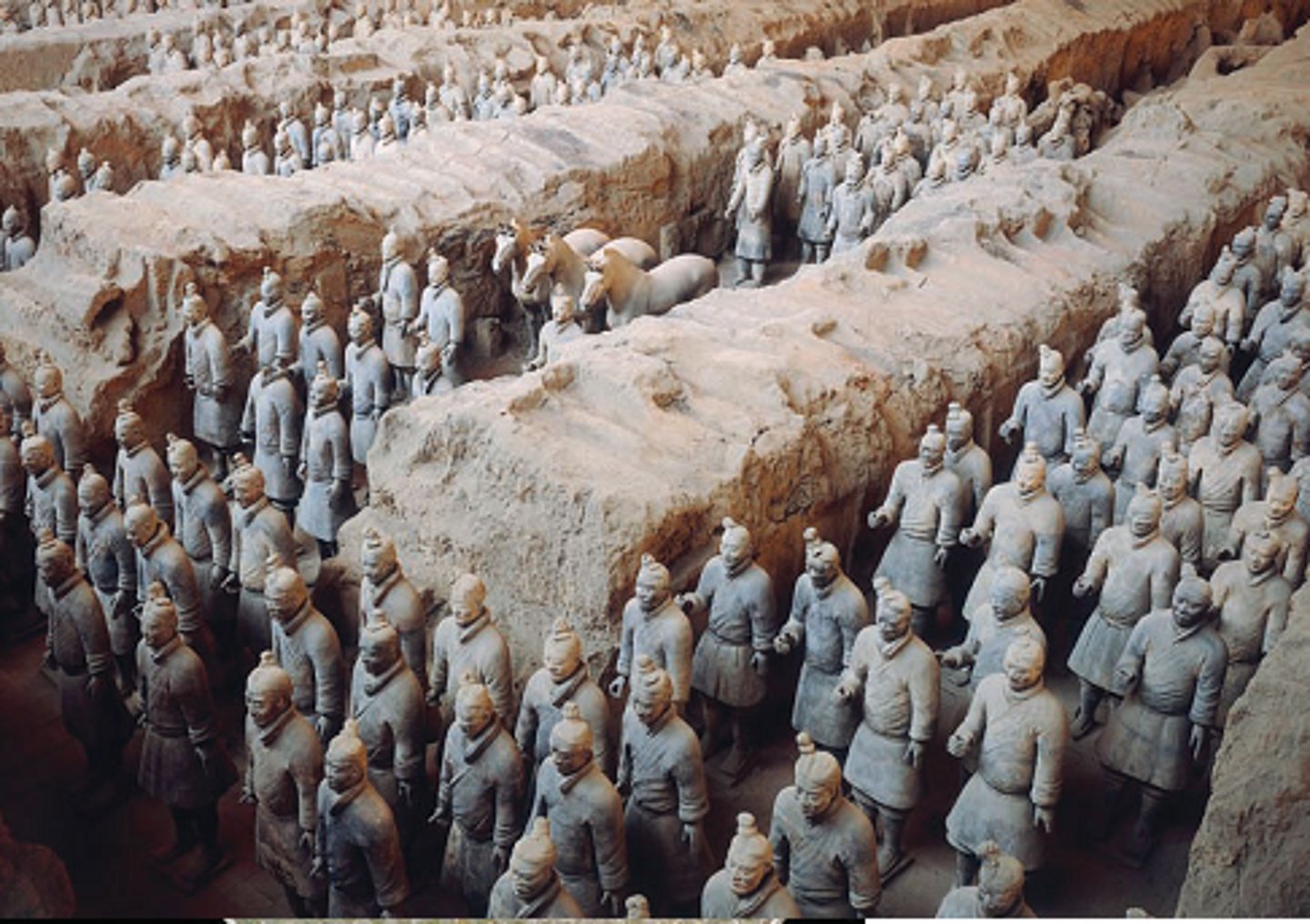
Terracotta Warriors
China
Qin Dynasty
Painted terracotta
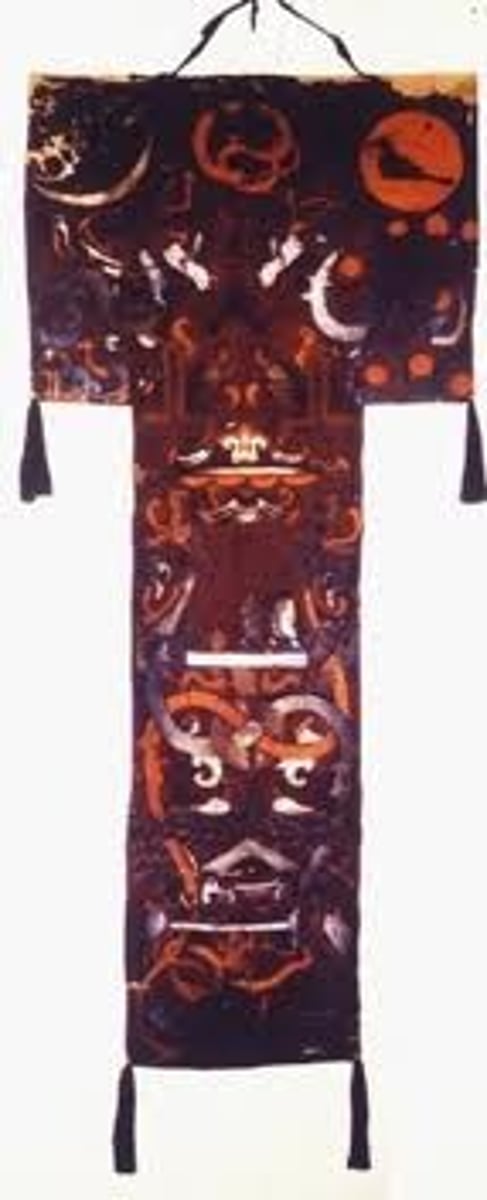
Funeral Banner of Lady Dai
China
Han Dynasty
Painted silk
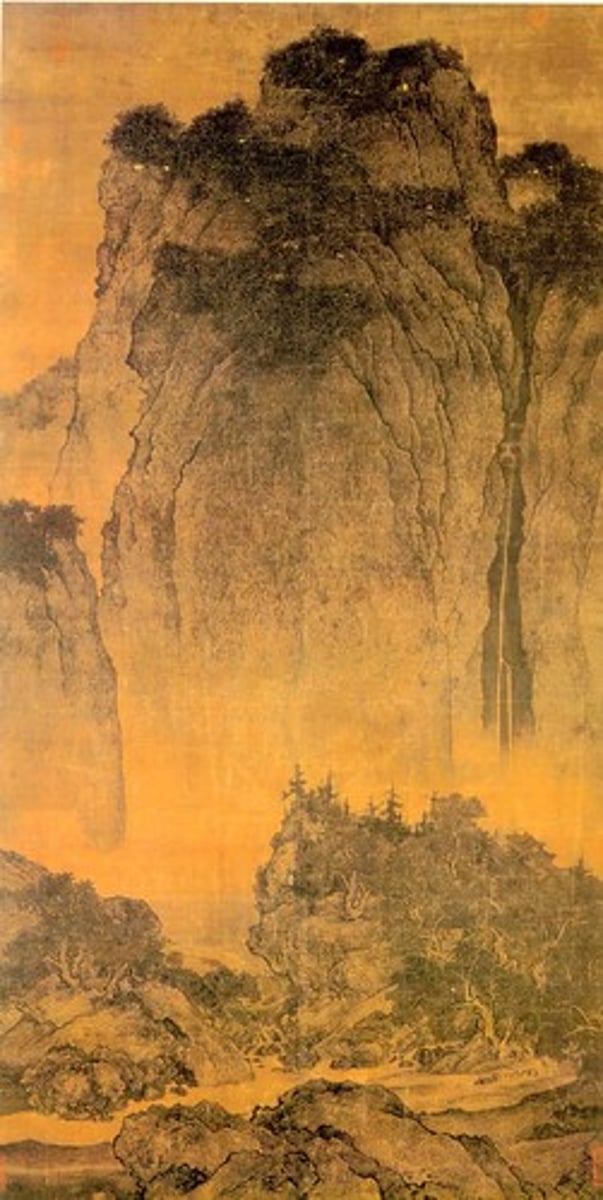
Travelers among Mountains and Streams
Song Dynasty (scroll painting at height)
BY Fan Kuan
Ink and color on silk
Scroll
The David Vases
Yuan Dynasty (ONLY Mongol dynasty)
White porcelain with cobalt blue underglaze
Chinese Daoism

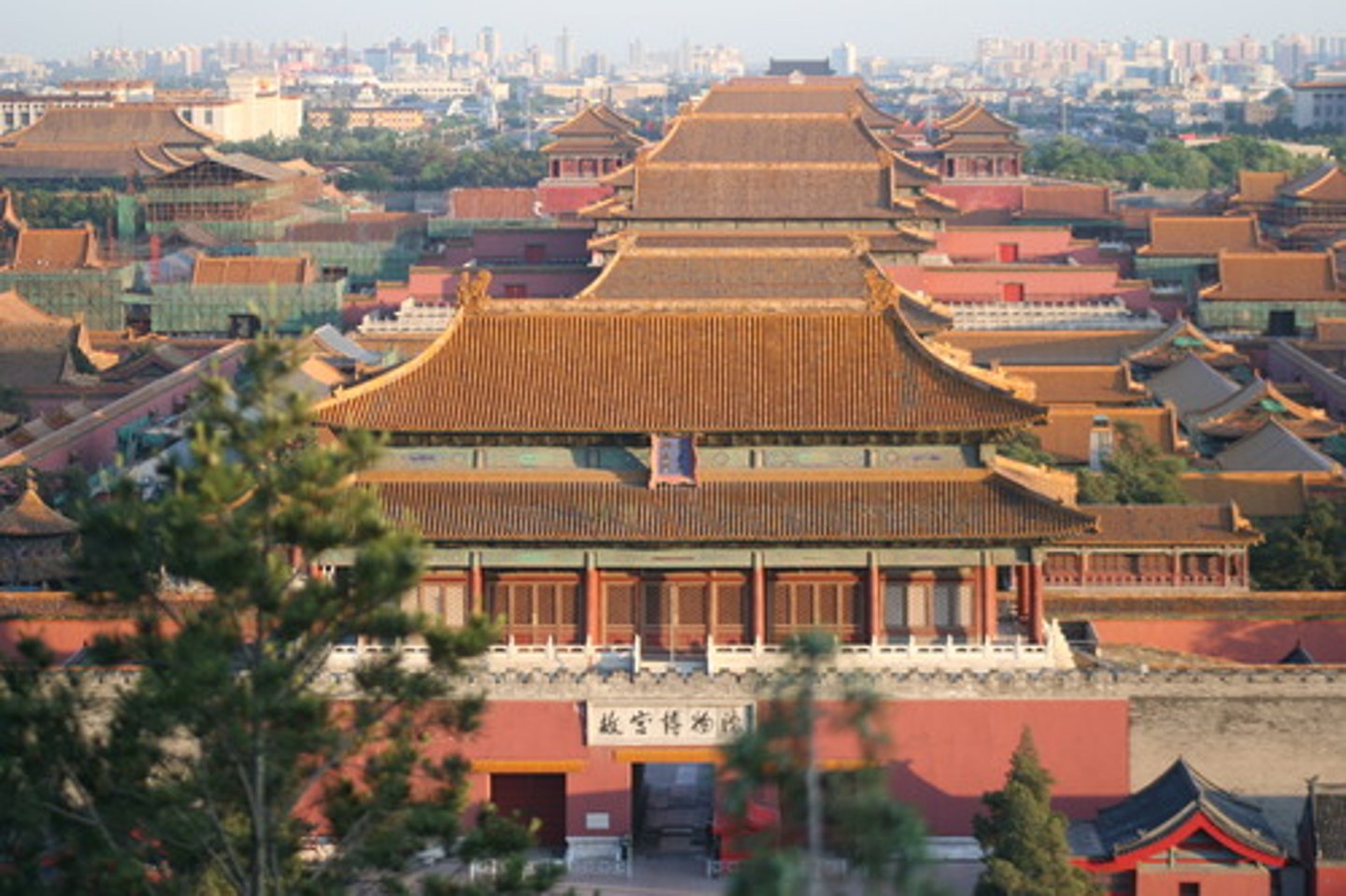
Forbidden City (Beijing)
Ming Dynasty
Stone masonry, marble, brick, wood, and ceramic tile
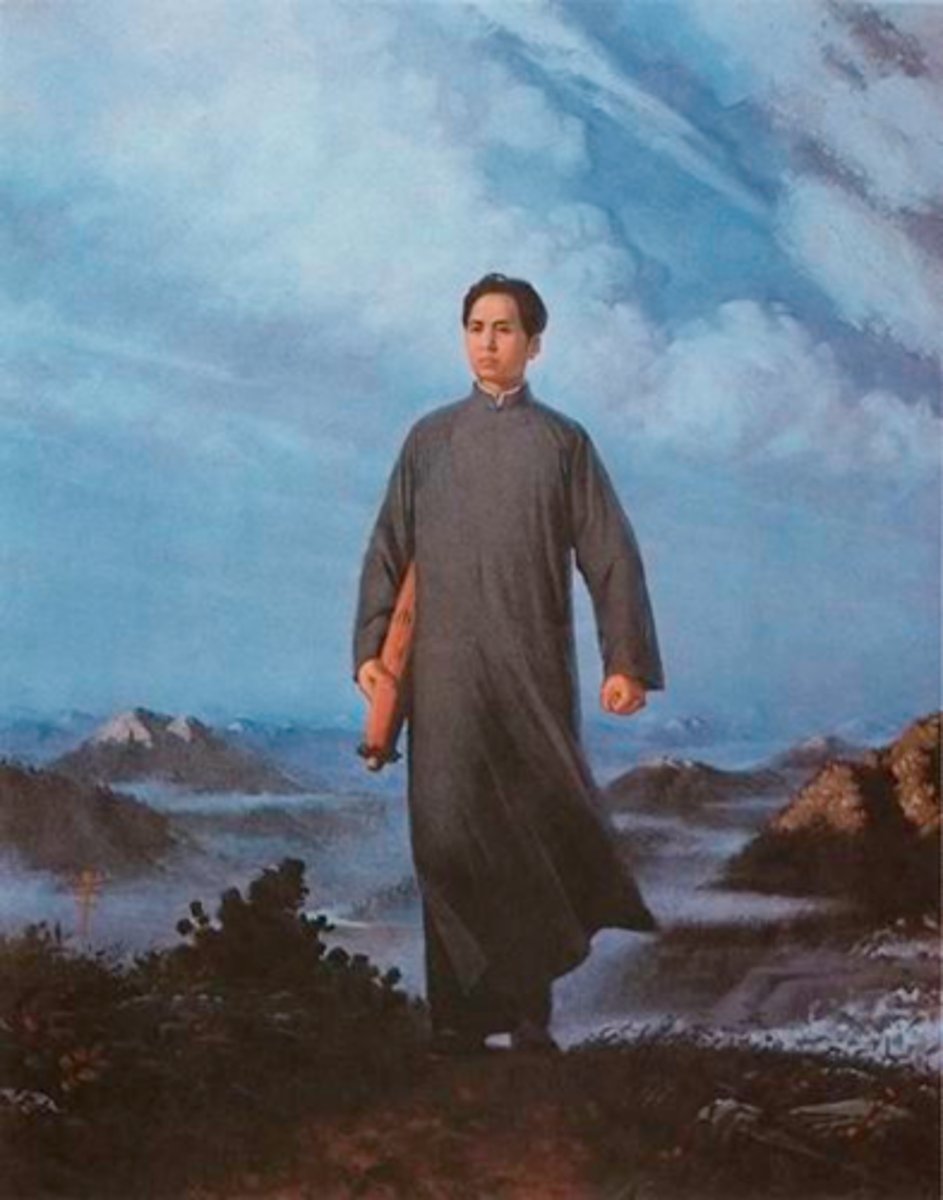
Chairman Mao en Route to Anyuan
BY: Liu Chunhua
Color lithograph
Chinese Cultural Revolution (height of oil painting)
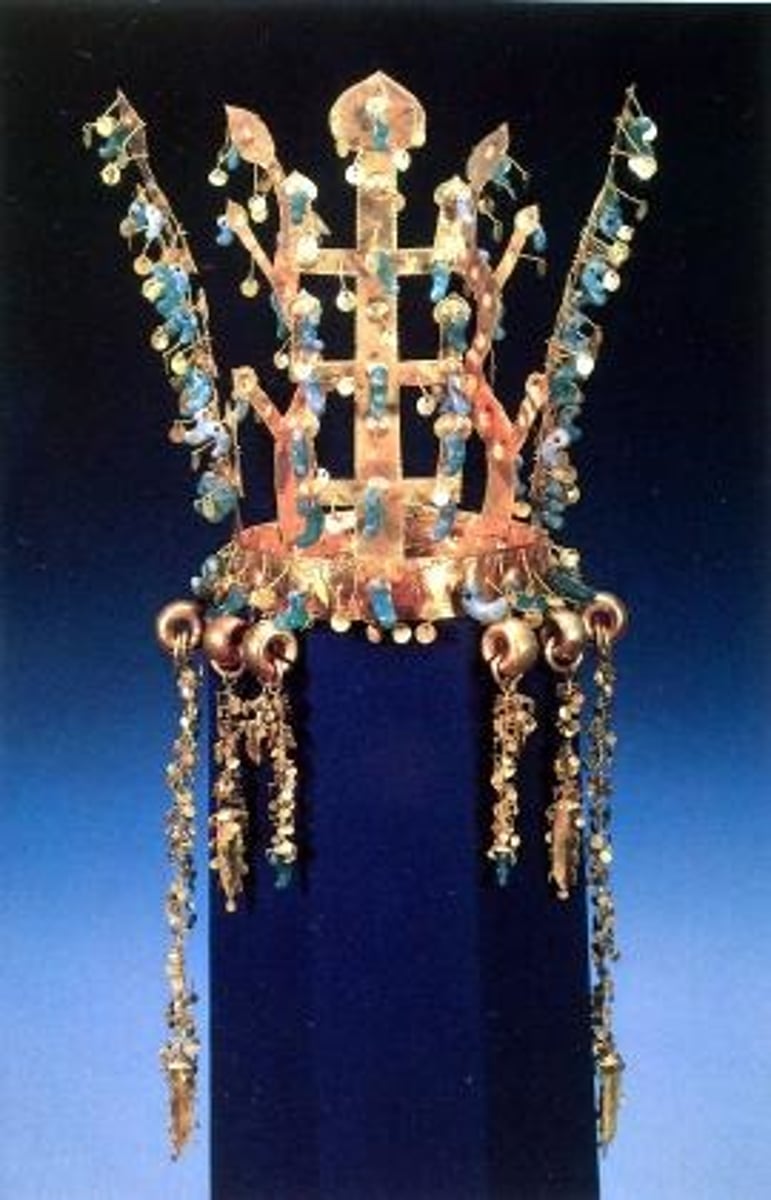
Gold and jade crown
Silla Kingdom Korea
Metalwork
Portrait of Sin Sukju
Imperial Bureau Painting, Korea
Hanging scroll
Ink and color on silk

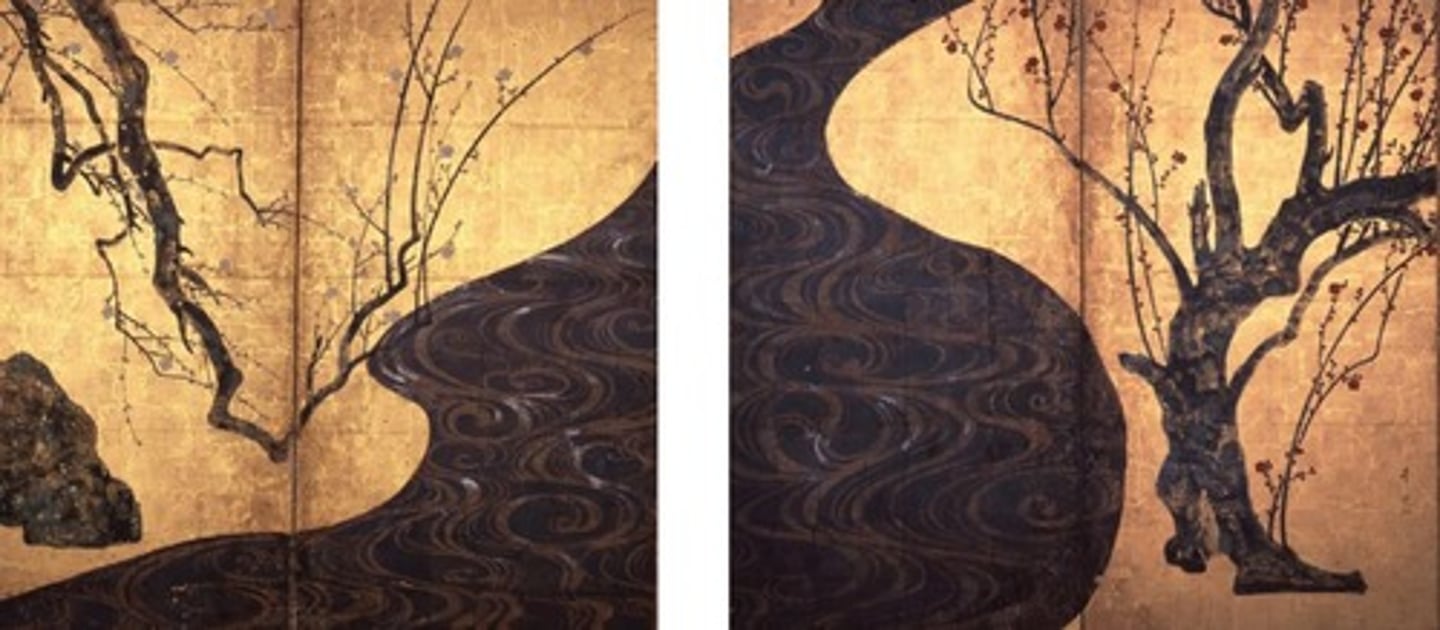
White and Red Plum Blossoms
BY: Ogata Korin (a master of a workshop and Rinpa school)
Japan
Ink, watercolor, and gold leaf on paper
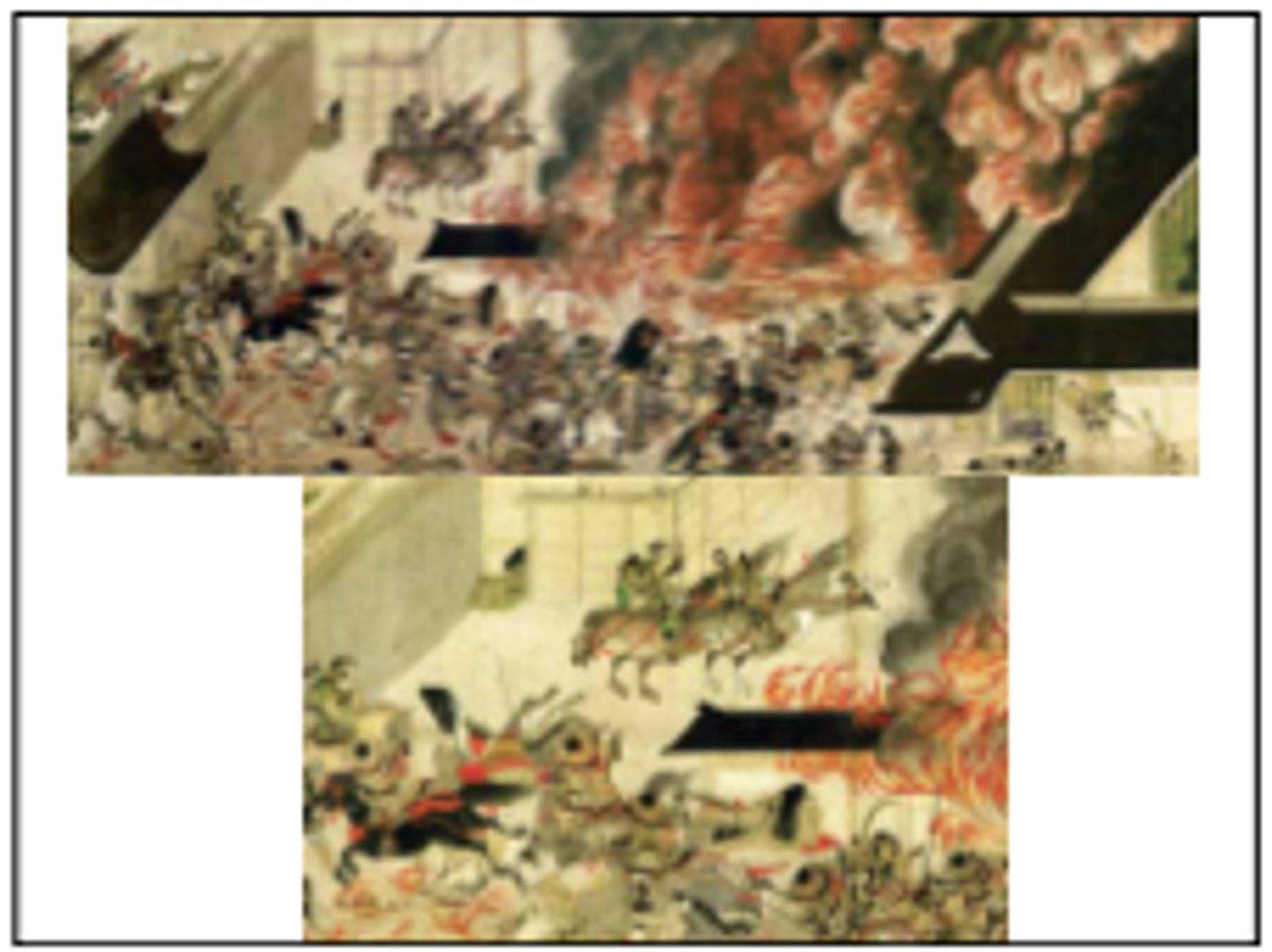
Night Attack on Sanjô Palace
Kamakura Period
Japan
Handscroll (ink and color on paper)
Yamato-e style
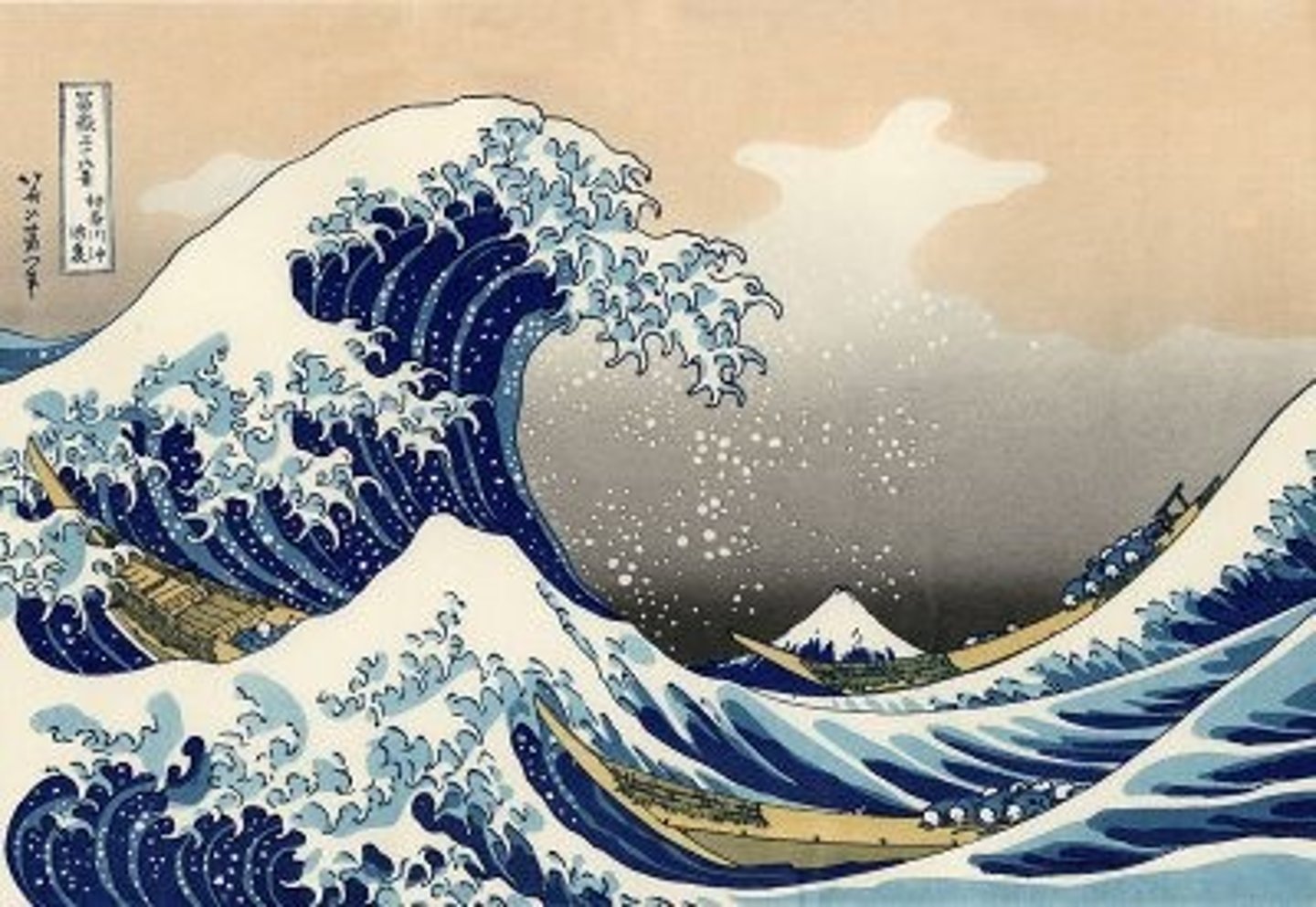
Under the Wave of Kanagawa
BY: Katsushika Hokusai
Japan
Polychrome woodblock print, ink and color on paper
Ukiyo-e Style
Edo Period
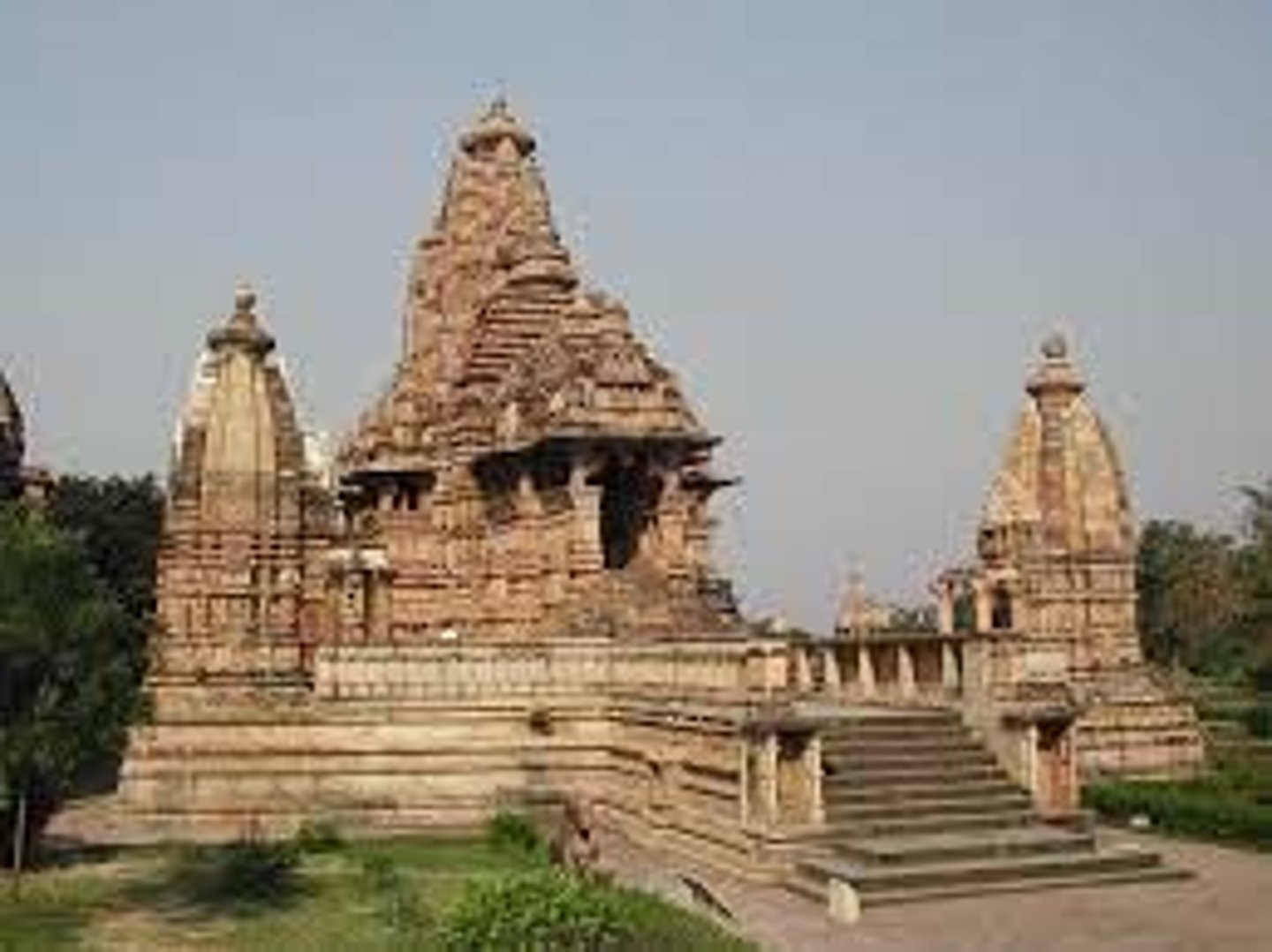
Lakshmana Temple
India
Hinduism
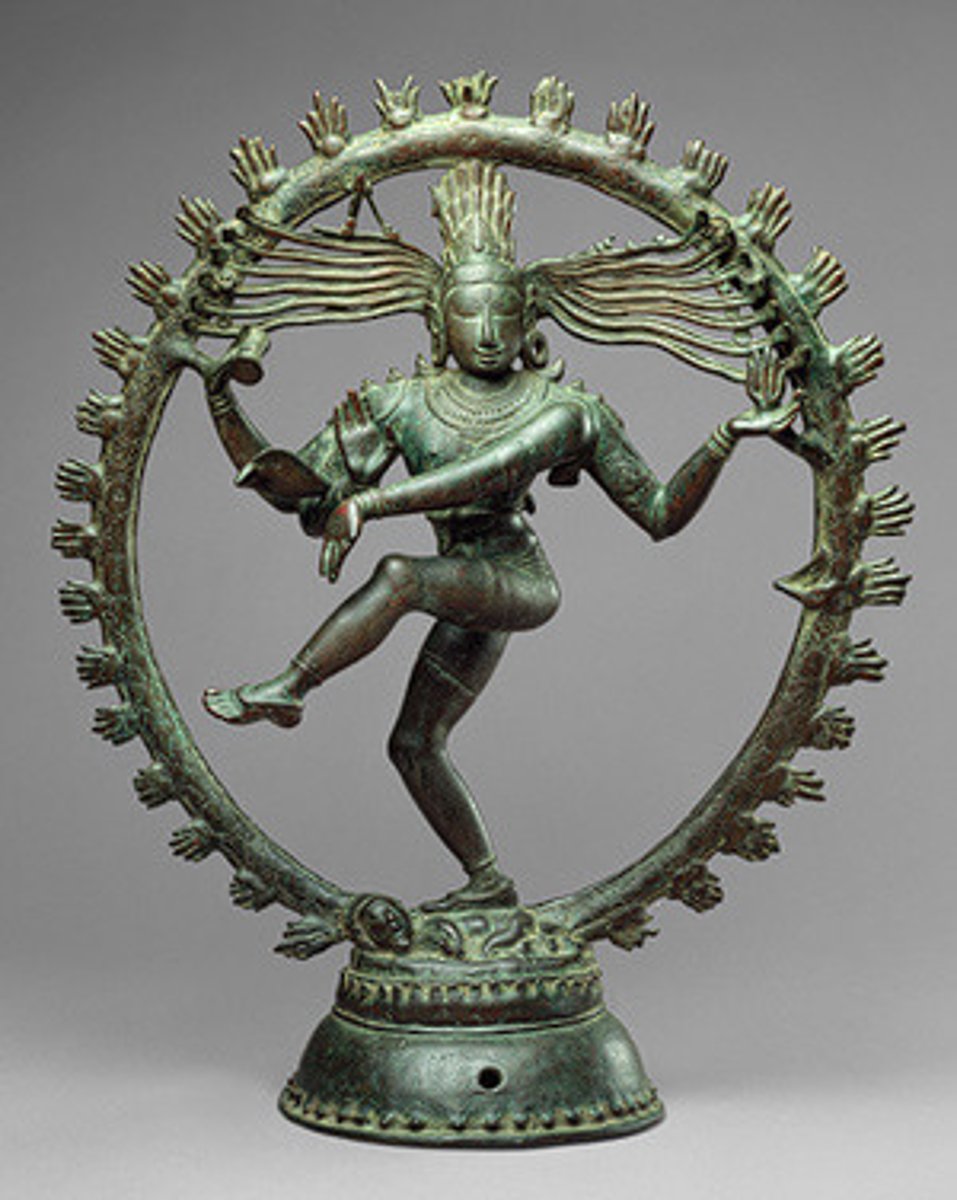
Shiva as Lord of the Dance
India
Hinduism
Solid bronze
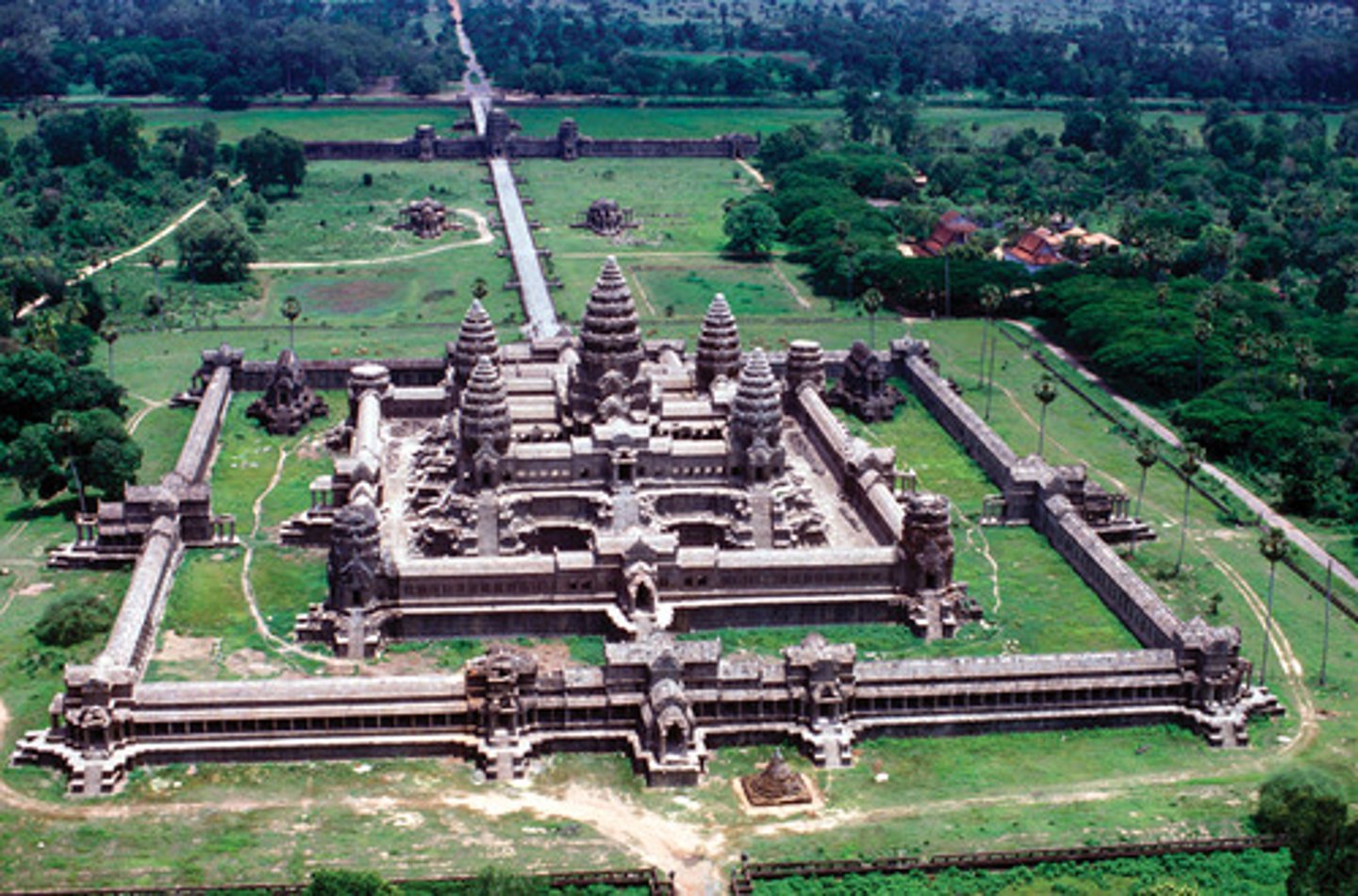
Angkor Wat Temple
Cambodia
Hinduism
Suryavarman II
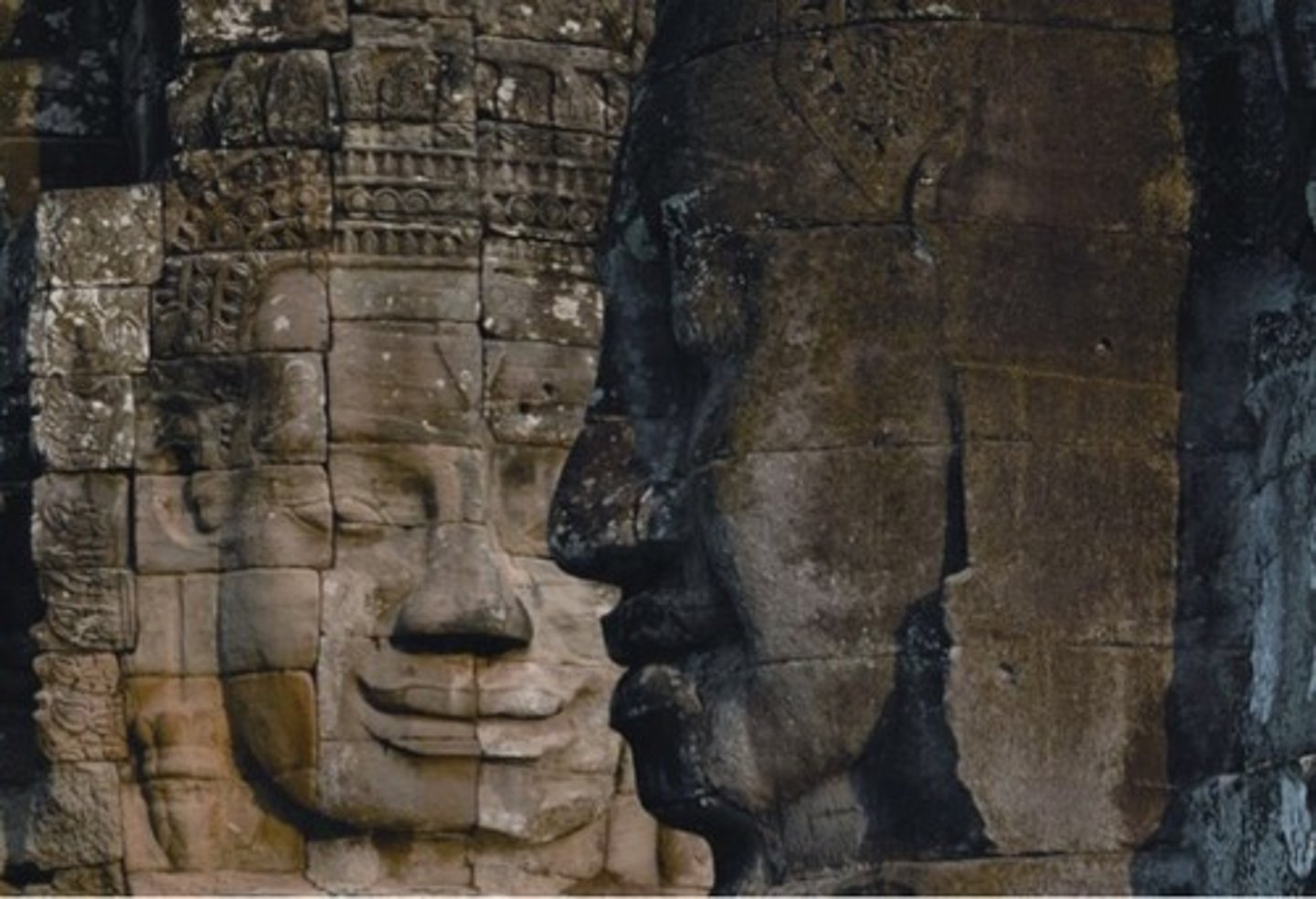
City of Angkor Thom
Cambodia
Buddhism
Jayavarman II
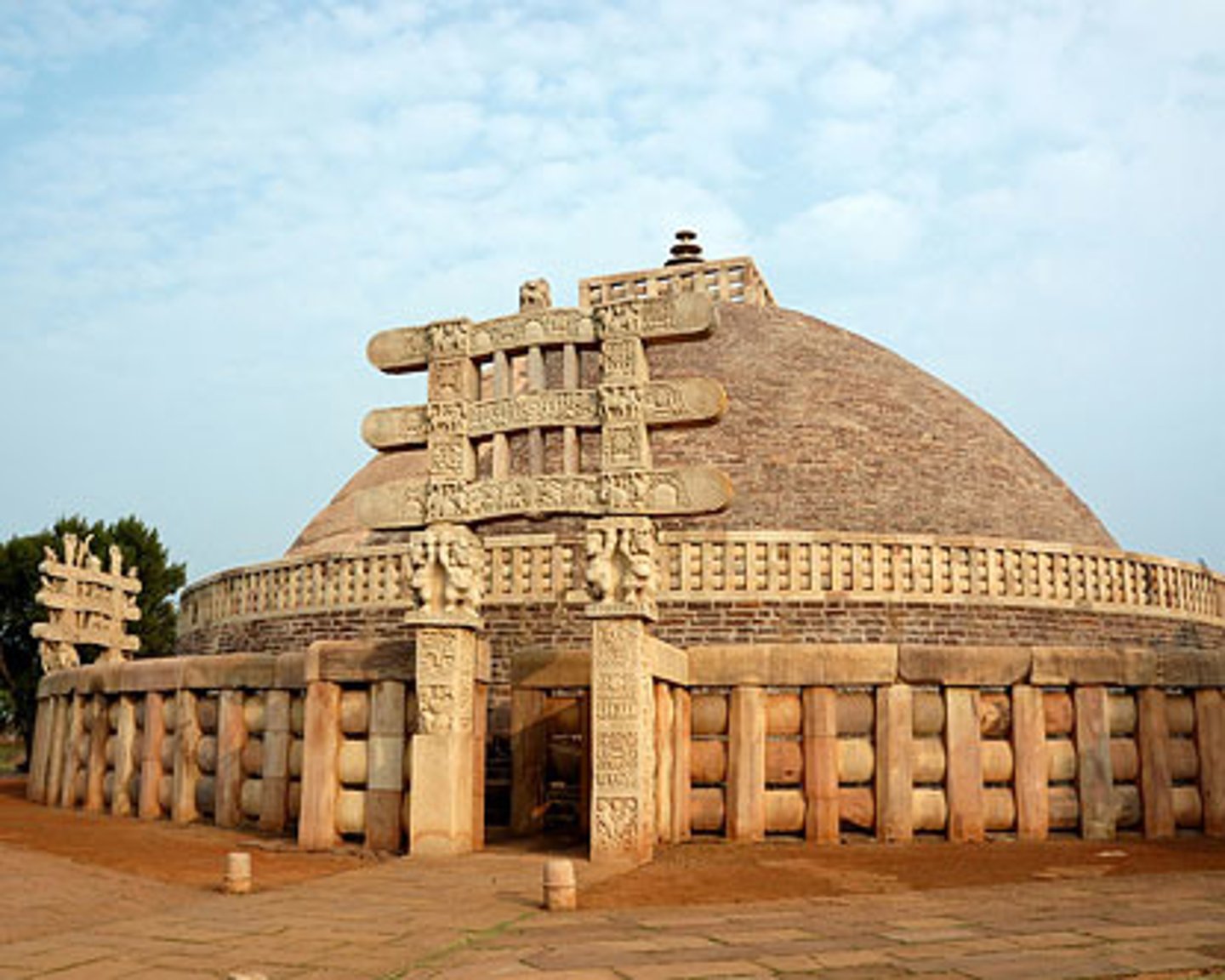
Great Stupa at Sanchi
India
Buddhism
Ashoka
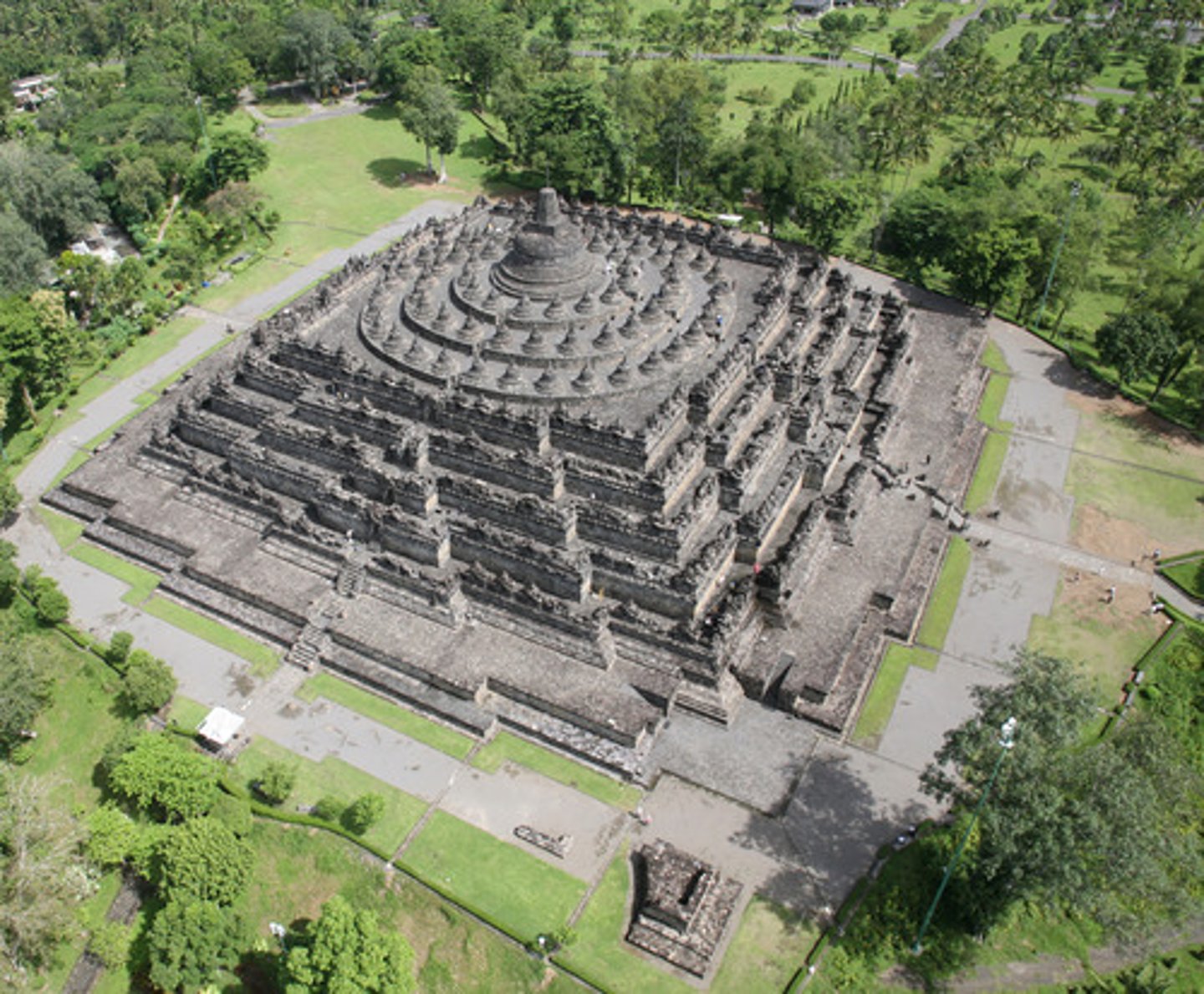
Borobudur
Indonesia
Buddhism
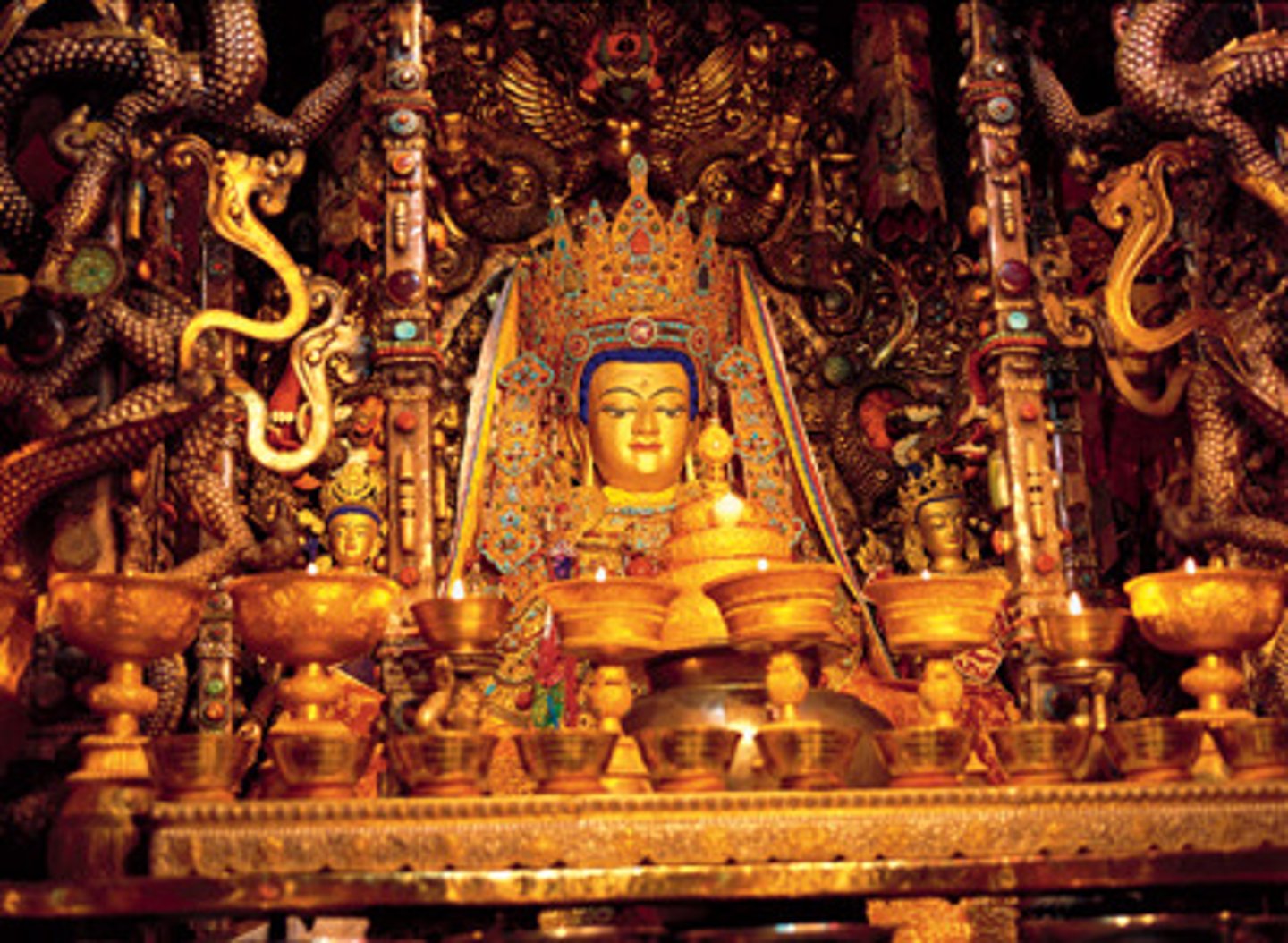
Jowo Rinpoche at Jokhang
Tibet
Buddhism
Gold, lapiz, turquoise, red limestone
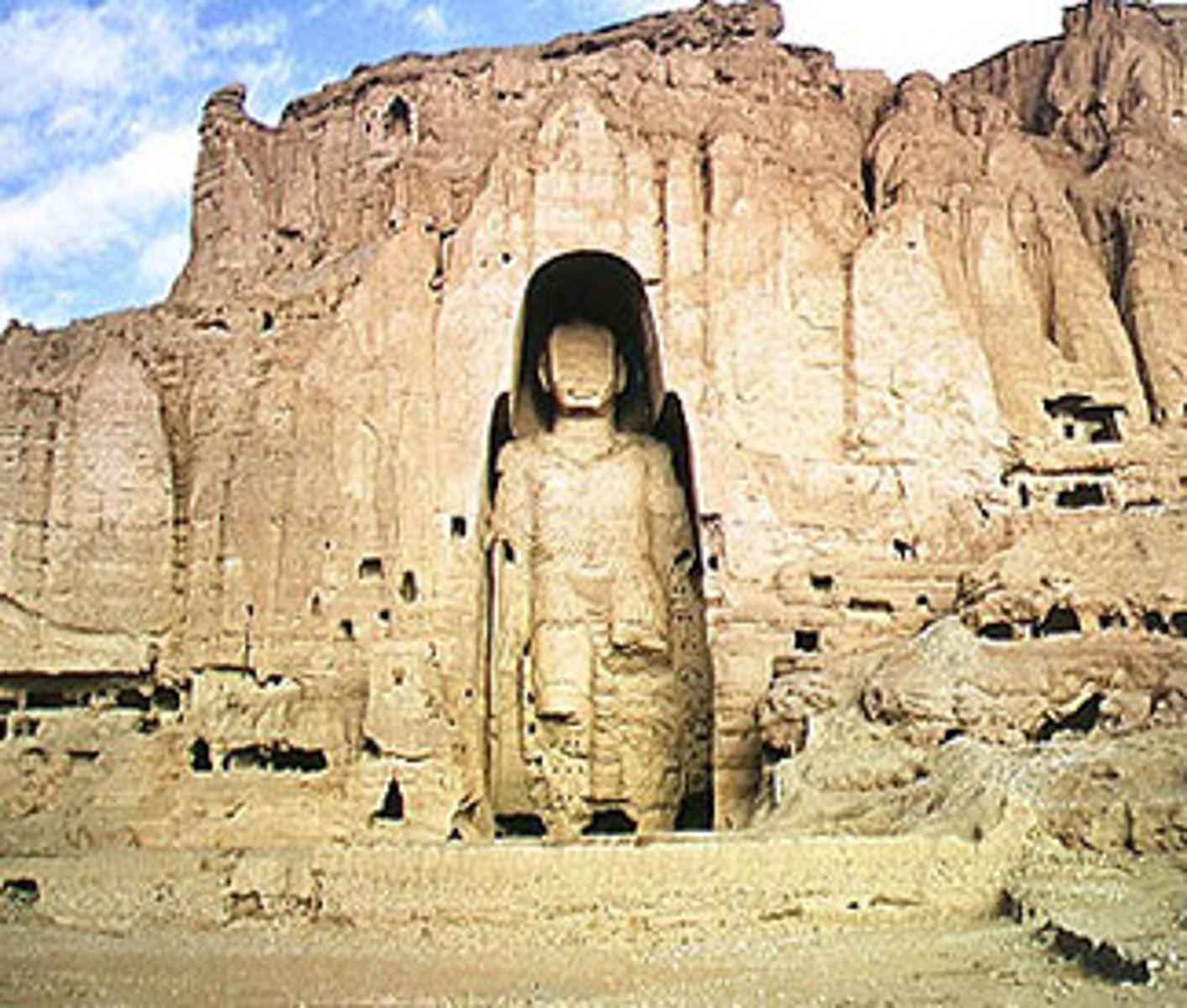
Bamiyan Cave Statues
Afghanistan
Buddhism
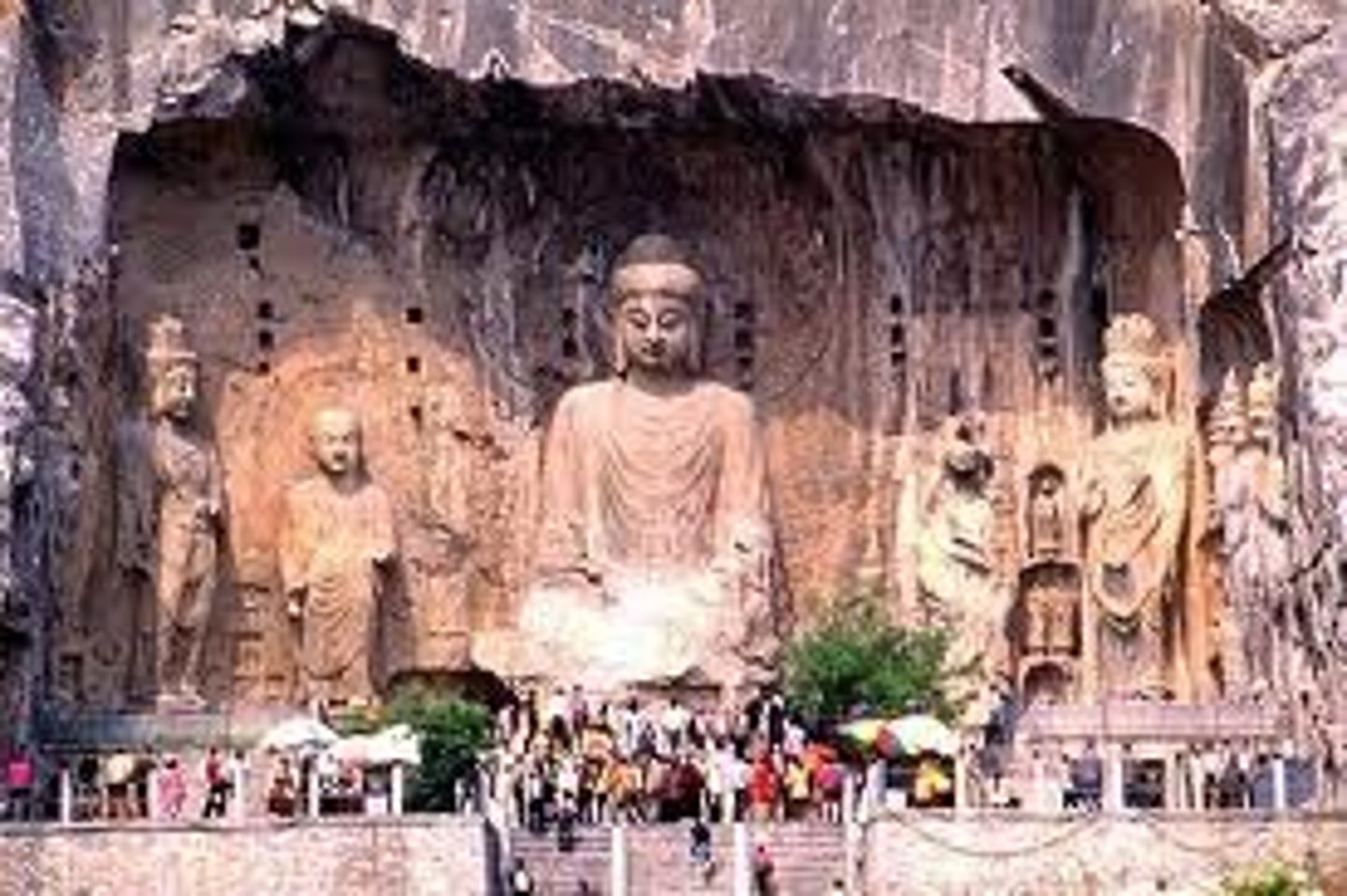
Longmen caves
China
Buddhism
Patron: Empress Wu
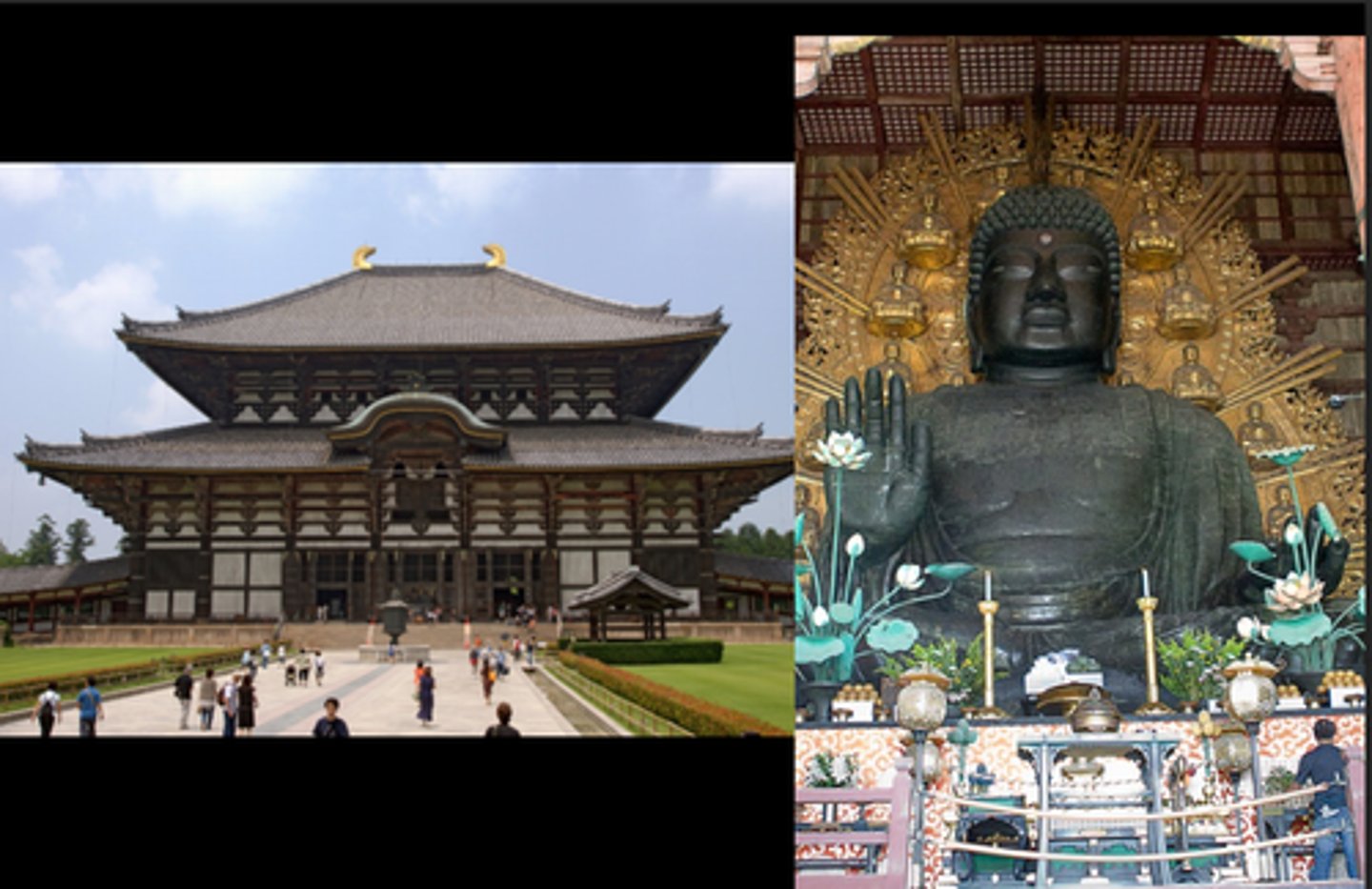
Todai-ji
Japan
Buddhism and Shinto
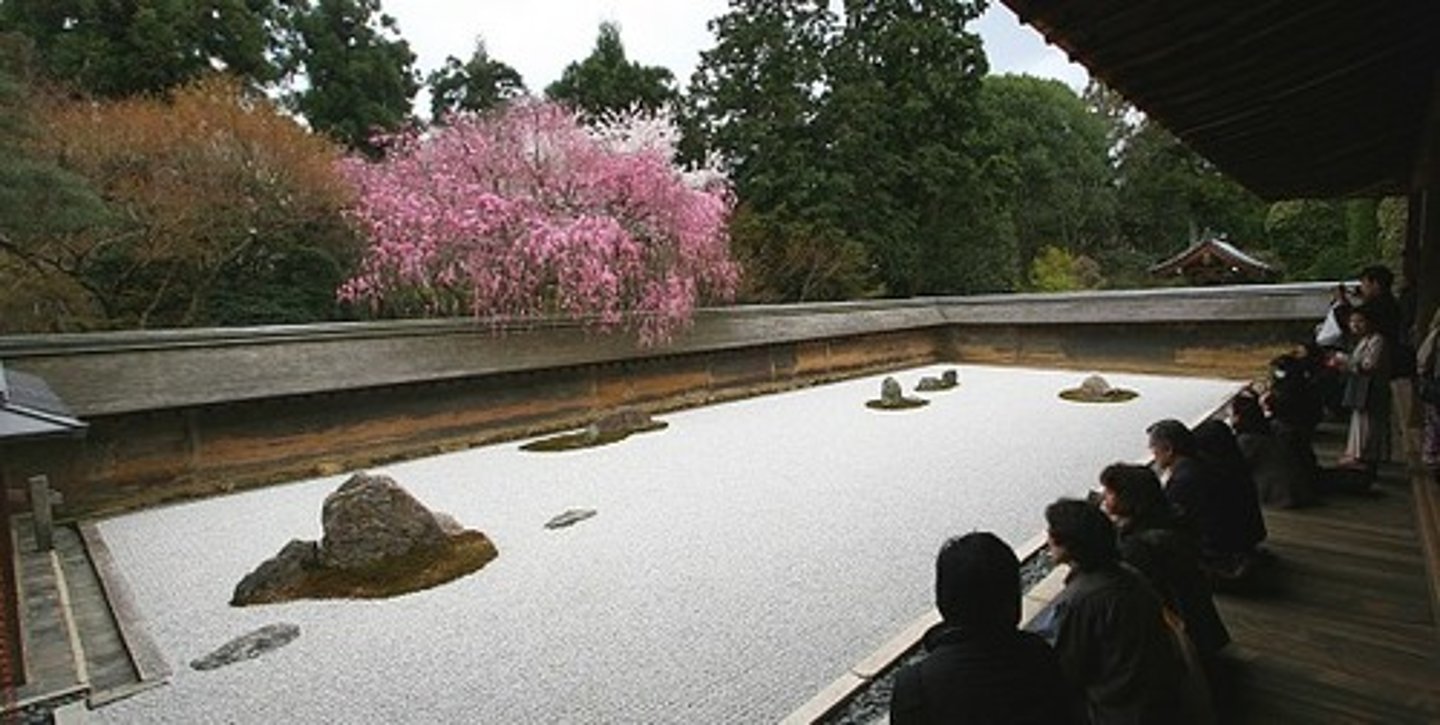
Ryoan-ji
Japan
Zen Buddhism
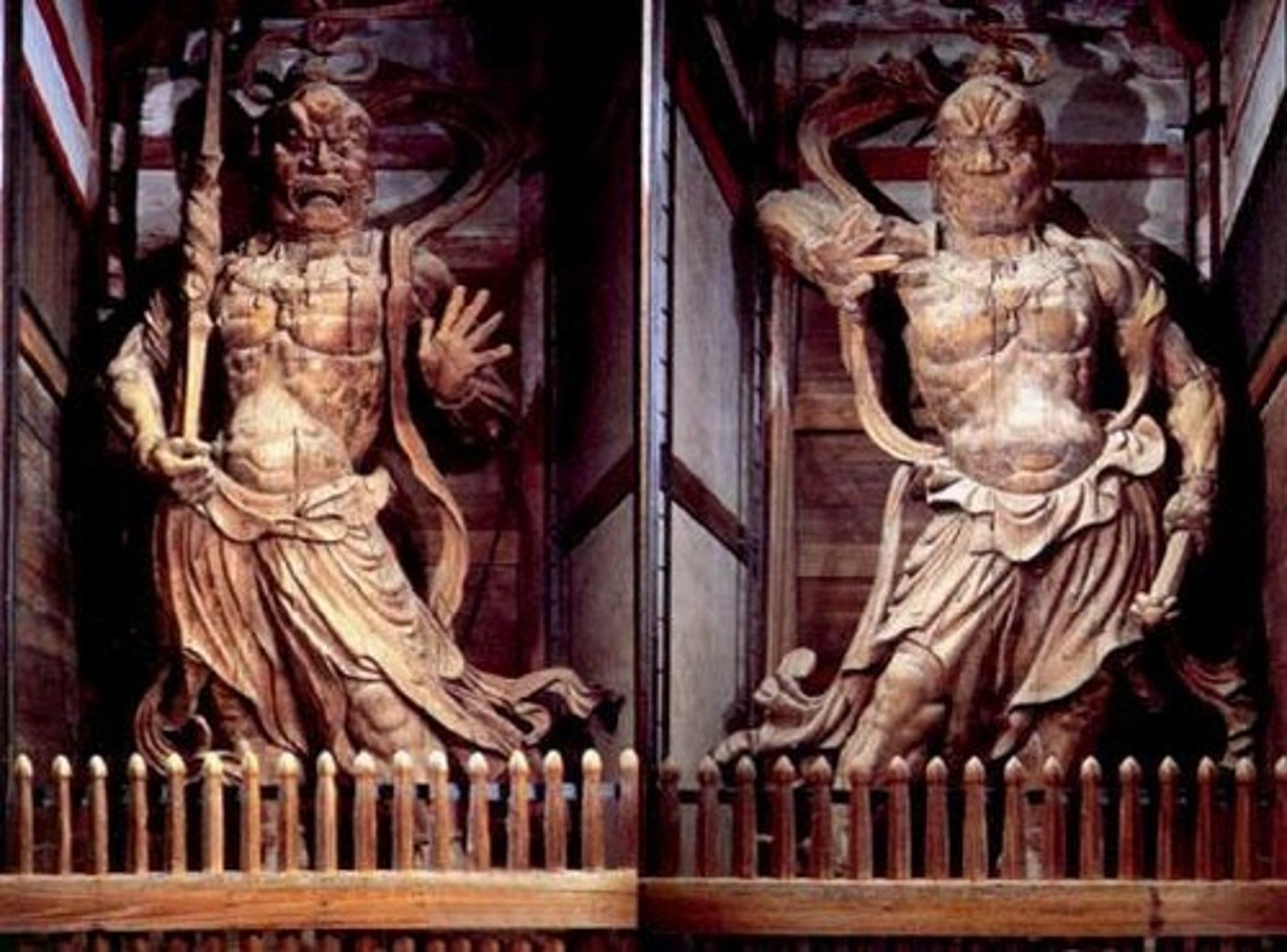
Todai-ji Guardian Figures
Japan
Buddhism and Shinto
Painted cypress wood
Gandhara style
A style of art that developed in the Gandhara region, known for its Greco-Buddhist influences.
mausoleum
A large and impressive tomb, often built in memory of a significant person.
Taoism/ Daoism
A philosophical and religious tradition from China emphasizing living in harmony with the Tao, or the fundamental nature of the universe.
Cultural Revolution
A sociopolitical movement in China from 1966 to 1976 aimed at preserving Communist ideology by purging remnants of capitalist and traditional elements from Chinese society.
yin-yang
A concept in Chinese philosophy that describes the dual nature of reality, where opposite forces are interconnected and interdependent.
Rinpa school
A traditional Japanese school of painting that emphasizes the beauty of nature and the use of decorative elements.
Confucianism
A system of philosophical and ethical teachings founded by Confucius, focusing on morality, family loyalty, and respect for elders.
Terracotta
A type of earthenware made from clay that is fired at a low temperature.
ukiyo-e style
A genre of Japanese art that flourished from the 17th through 19th centuries, known for its woodblock prints and paintings.
Porcelain
A ceramic material made by heating raw materials, including kaolin, in a kiln to high temperatures.
syncretism
The combining of different beliefs, often while melding practices of various schools of thought.
Kaolin
A type of clay used in the manufacture of porcelain and ceramics.
continuous narrative
A visual storytelling technique where multiple scenes are depicted within a single frame.
Socialist realism
An artistic style that glorifies the ideals and achievements of socialism and communism.
ashlar masonry
A type of stonework where blocks of stone are cut to fit together tightly without the use of mortar.
Woodblock
A printing technique that involves carving an image into a block of wood, which is then inked and pressed onto paper.
Circumambulation
The act of walking around a sacred object or site as a form of worship or reverence.
Mt. Meru
A sacred mountain in Hindu, Jain, and Buddhist cosmology, considered to be the center of all physical and spiritual universes.
buddha/ bodhisattva
A buddha is an enlightened being, while a bodhisattva is one who seeks enlightenment for the benefit of all beings.
samsara
The cycle of birth, life, death, and rebirth in Hinduism and Buddhism.
Axis mundi
The world axis, a symbolic connection between heaven and earth in various religious traditions.
Karma
The concept of action or deed in Hinduism and Buddhism, where the intent and actions of an individual influence their future.
Mandala
A geometric figure representing the universe in Hindu and Buddhist symbolism, often used as a spiritual guidance tool.
Stupa
A dome-shaped structure erected as a Buddhist shrine, often containing relics.
Syncretism
The blending of different religious beliefs and practices.
Torana
A ceremonial gateway in Indian architecture, often found at the entrance of Buddhist stupas.
Sakyamuni Buddha
The historical Buddha, Siddhartha Gautama, who attained enlightenment and founded Buddhism.
Nirvana
The ultimate state of liberation and freedom from suffering in Buddhism.
Vairocana Buddha
A celestial Buddha in Mahayana Buddhism, representing the essence of reality.
Hinduism
A major world religion originating from the Indian subcontinent, characterized by a variety of beliefs and practices.
Kami
Spiritual beings or gods in Shinto, the traditional religion of Japan.
Buddhism
A religion and philosophy based on the teachings of the Buddha, emphasizing the path to enlightenment.
Zen
A school of Mahayana Buddhism that emphasizes meditation and direct experience.
Horror vacui
A fear of empty spaces, often leading to intricate and detailed designs in art and architecture.
 Note
Note  Flashcards (178)