AP Psychology - Social Psychology
 Studied by 0 people
 Call Kai
 Learn
Learn Practice Test
 Spaced Repetition
 Match
Match Flashcards
 Knowt Play
1/59

There's no tags or description
Looks like no tags are added yet.
Name | Mastery | Learn | Test | Matching | Spaced | Call with Kai |
|---|
No analytics yet
Send a link to your students to track their progress
60 Terms
Social Psychology
scientific study of how we think about, influence, and relate to one another.
Attribution Theory
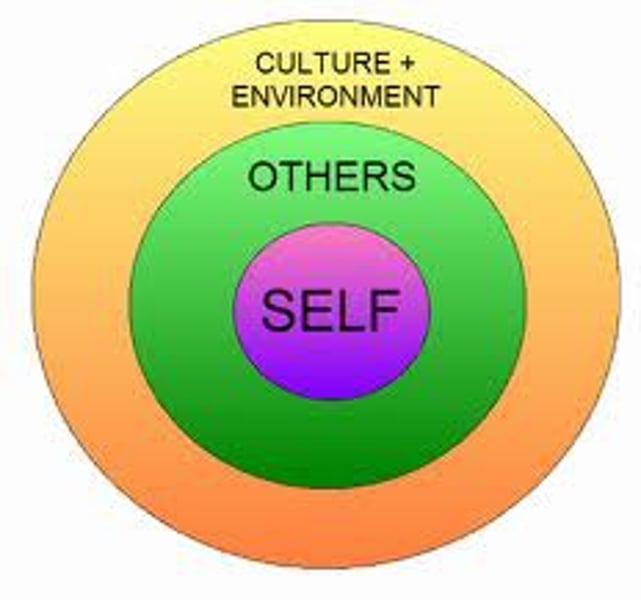
theory that we explain someone's behavior by crediting either the situation or their personality.

Fundamental Attribution Error
the tendency, when watching others, to underestimate the impact of the situation and to overestimate the impact of dispositional traits.
Attitude
feelings, often influenced by our beliefs, that predispose us to respond in a particular way to objects, people, and events.
Central Route Persuasion
attitude change path in which interested people focus on the arguments and respond with favorable thoughts.

Peripheral Route Persuasion
attitude change path in which people are influenced by incidental cues, such as a speaker's attractiveness.

Foot-in-the-Door Phenomenon
the tendency for people who have first agreed to a small request to comply later with a larger request.

Role
a set of expectations (norms) about a social position, defining how those in the position ought to behave.
Cognitive Dissonance Theory
the theory that we act to reduce the tension we feel when two of our thoughts (cognitions) or a thought and action are inconsistent.

Conformity
adjusting one's behavior or thinking to coincide with a group standard.
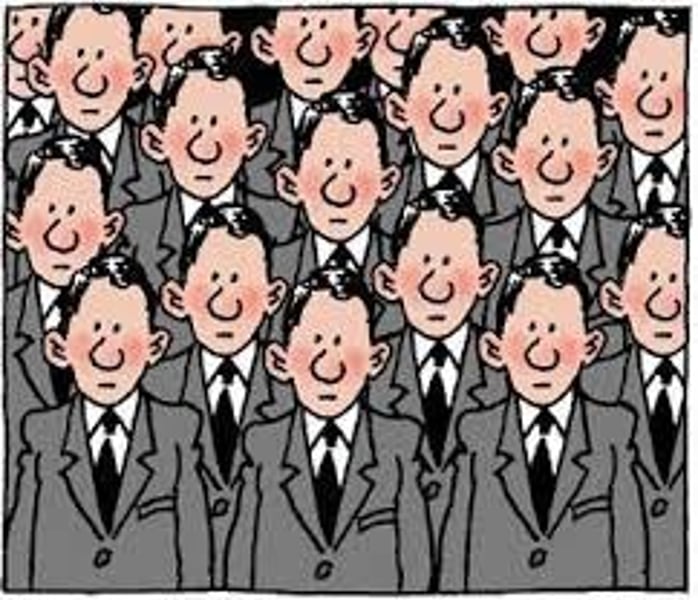
Normative Social Influence
influence resulting from a person's desire to gain approval or avoid disapproval.
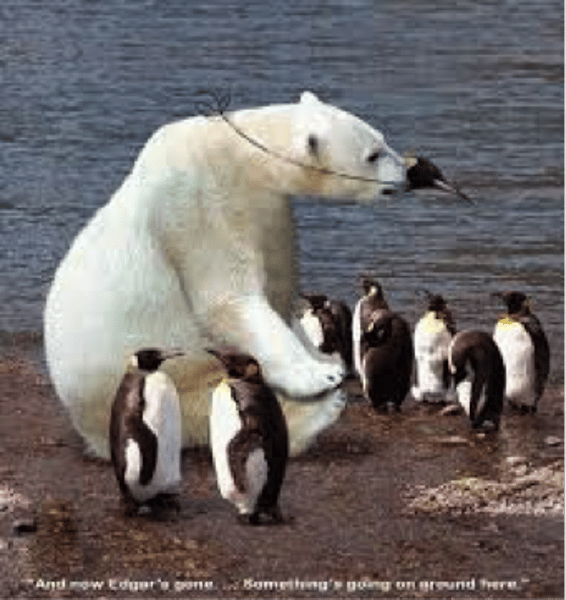
Informational Social Influence
influence resulting from one's willingness to accept others' opinions about reality.

Social Facilitation
stronger responses on simple or well-learned tasks in the presence of others.
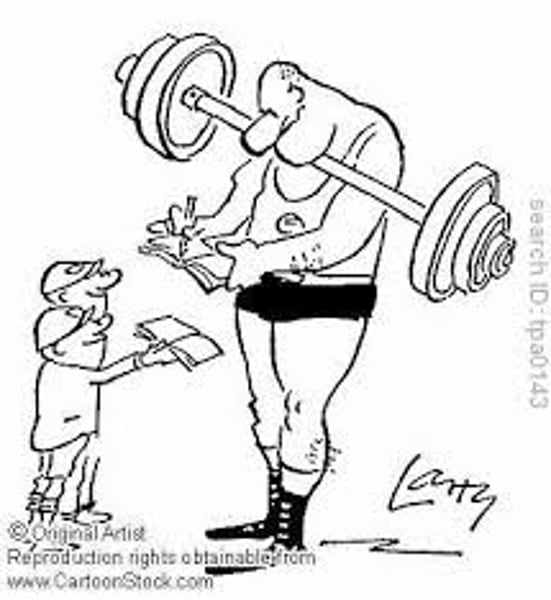
Social Loafing
the tendency for people in a group to exert less effort when pooling their efforts toward attaining a common goal than when individually accountable.

Deindividuation
the loss of self-awareness and self-restraint occurring in group situations that foster arousal and anonymity.

Group Polarization
the enhancement of a group's prevailing inclinations through discussion within the group.
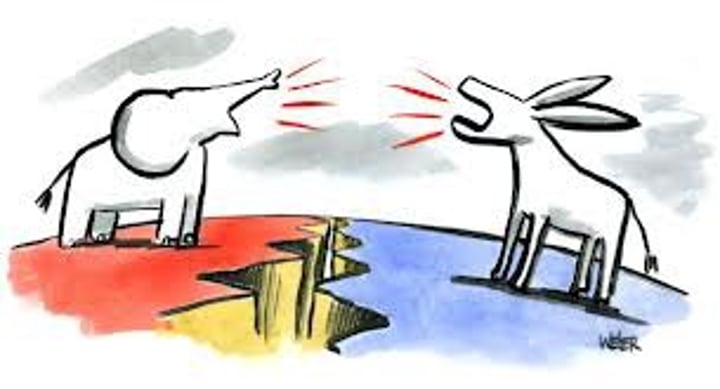
Groupthink
the mode of thinking that occurs when the desire for harmony in a decision-making group overrides a realistic appraisal of alternatives.
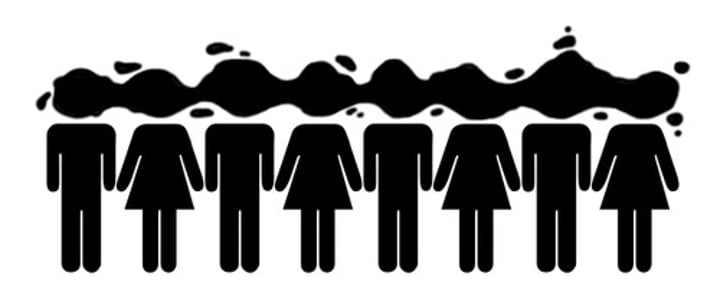
Culture
the enduring behaviors, ideas, attitudes, values and traditions shared by a group of people and transmitted from one generation to the next

Norm
an understood rule for accepted and expected behavior. They prescribe "proper" behavior.
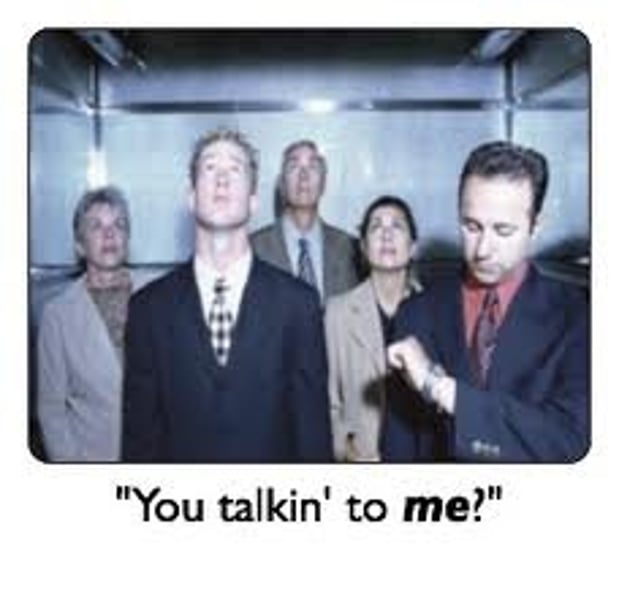
Personal Space
the buffer zone we like to maintain around our bodies.

Prejudice
an unjustifiable (and usually negative) attitude toward a group and its members. It generally involves stereotyped beliefs, negative feelings, and a predisposition to discriminatory action.

Stereotype
a generalized (sometimes accurate but often overgeneralized) belief about a group of people.

Discrimination
(Social) unjustifiable negative behavior toward a group and its members.
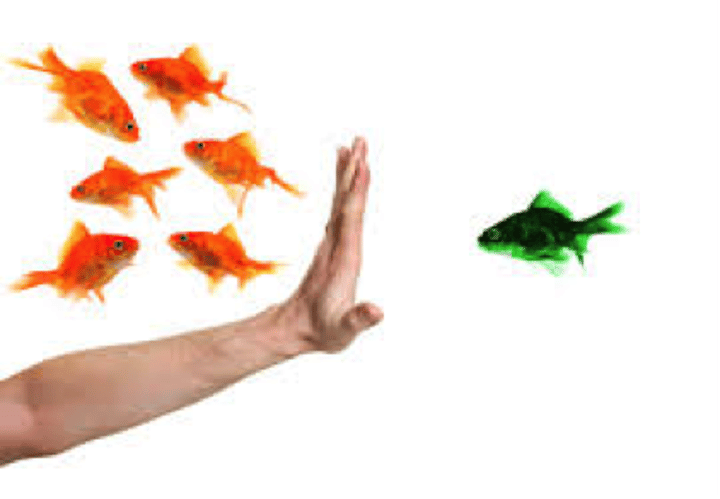
Ingroup
"Us"—people with whom we share a common identity.

Outgroup
"Them"—those perceived as different or apart from our ingroup.
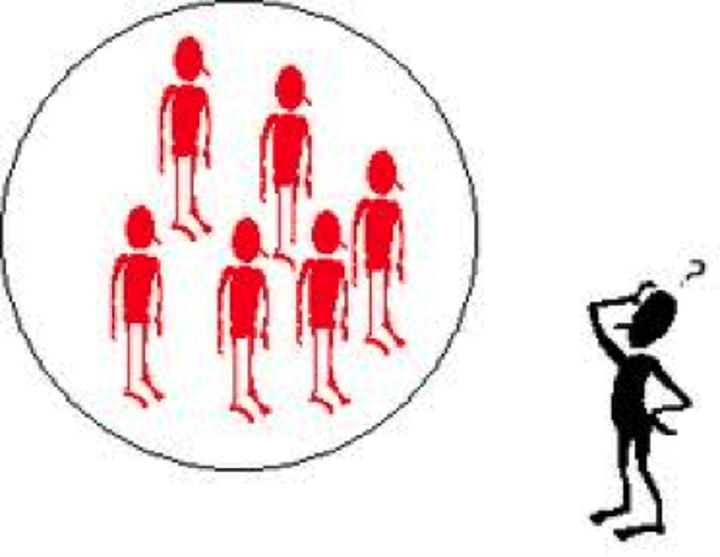
Ingroup Bias
the tendency to favor our own group.

Scapegoat Theory
the theory that prejudice offers an outlet for anger by providing someone to blame.

Other-Race Effect
the tendency to recall faces of one's own race more accurately than faces of other races. Also called the cross-race effect and the own-race bias
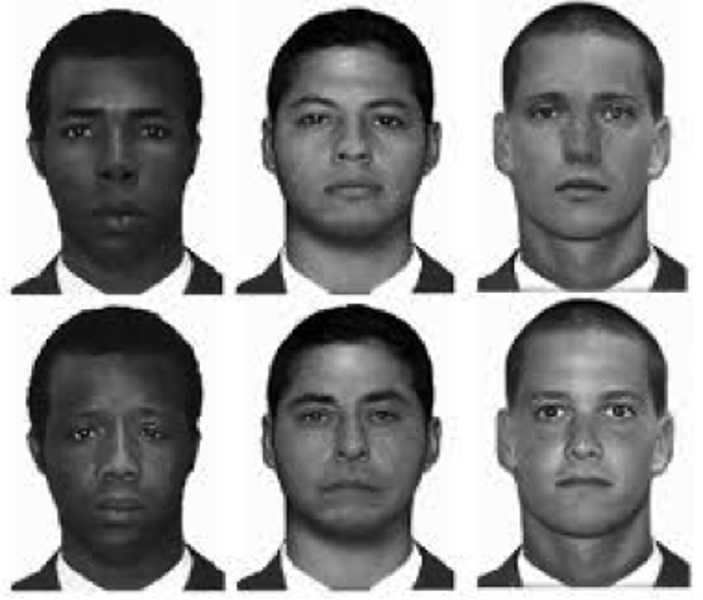
Just-World Phenomenon
the tendency for people to believe the world is just and that people therefore get what they deserve and deserve what they get.

Aggression
physical or verbal behavior intended to hurt someone.

Frustration-Aggression Principle
the principle that frustration—the blocking of an attempt to achieve some goal—creates anger, which can generate aggression.

Mere Exposure Effect
the phenomenon that repeated exposure to novel stimuli increases liking of them.

Passionate Love
an aroused state of intense positive absorption in another, usually present at the beginning of a love relationship.

Companionate Love
the deep affectionate attachment we feel for those with whom our lives are intertwined.

Equity
a condition in which people receive from a relationship in proportion to what they give to it.

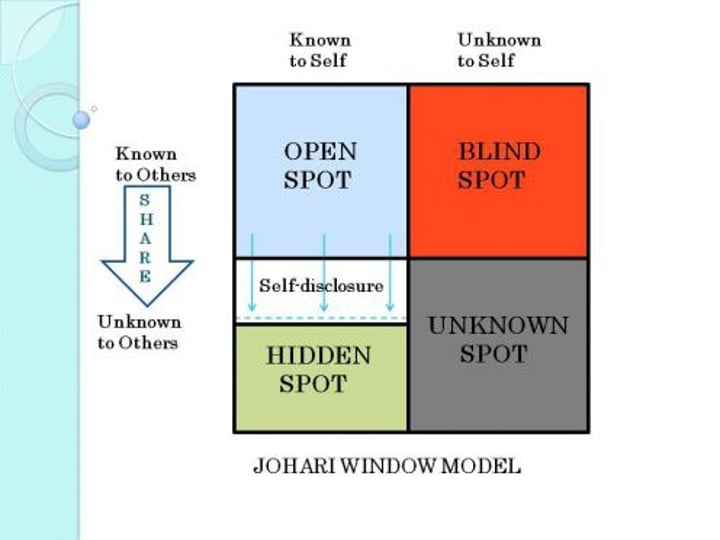
Self-Disclosure
revealing intimate aspects of oneself to others.
Altruism
unselfish regard for the welfare of others.

Bystander Effect
the tendency for any given bystander to be less likely to give aid if other bystanders are present.

Social Exchange Theory
the theory that our social behavior is an exchange process, the aim of which is to maximize benefits and minimize costs.

Reciprocity Norm
an expectation that people will help, not hurt, those who have helped them.

Social-Responsibility Norm
an expectation that people will help those dependent upon them.

Conflict
a perceived incompatibility of actions, goals, or ideas.
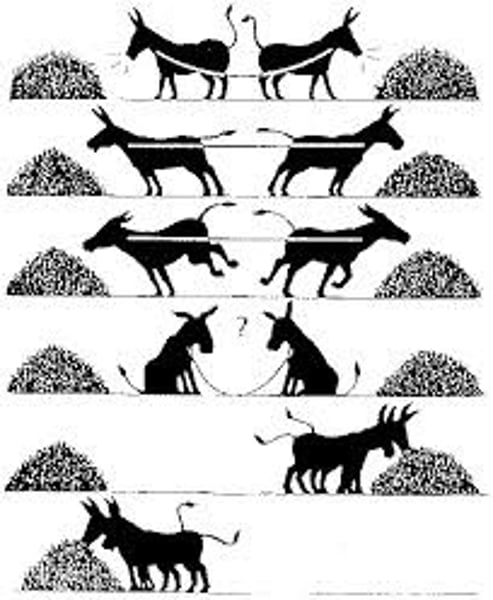
Social Trap
a situation in which the conflicting parties, by each rationally pursuing their self-interest, become caught in mutually destructive behavior.

Mirror-Image Perceptions
mutual views often held by conflicting people, as when each side sees itself as ethical and peaceful and views the other side as evil and aggressive.

Self Fulfilling Prophecy
a belief that leads to its own fulfillment

Superordinate Goals
shared goals that override differences among people and require their cooperation.

Graduated and Reciprocated Initiatives in Tension Reduction (GRIT)
strategy designed to decrease international tensions.

Diffusion of Responsibility
reduction in feelings of personal burden in the presence of others

Ethnocentricism
evaluation of other cultures according to the standards/customs of one's own culture. Thinking your culture is best.

Compliance
Conforming to a request or demand

Philip Zimbardo
Conducted the Stanford Prison Experiment

Fritz Heider
Founder of attribution theory

Dispositional Attribution
Explanation of individual behavior as a result of personality traits

Situational Attribution
Explanation of individual behavior as a result of environmental factors

Pygmalion Effect (Rosenthal Effect)
the phenomenon whereby higher expectations lead to an increase in performance
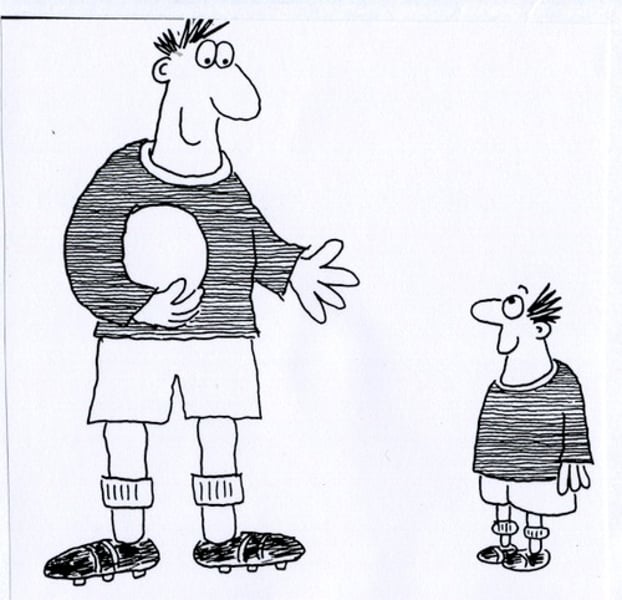
Golem Effect
psychological phenomenon in which lower expectations placed upon individuals either by supervisors or the individual themselves lead to poorer performance by the individual

False Consensus Effect
tendency to overestimate the extent to which other people share most of our opinions, attitudes, and behavior
Schacter-Singer Two-Factor Theory of Emotion
physical arousal paired with a cognitive label-i.e., my heart is beating, my palms are sweating-it must be love!

Catharsis Hypothesis
Incorrect belief that if you feel aggressive and then act out by hitting a bag or playing a violent video game, you will feel less angry.
Door-In-The-Face Phenomenon
Large request followed by a smaller request.

 Note
Note  Flashcards (99)