plant tax lab practical 2
 Call Kai
 Learn
Learn Practice Test
 Spaced Repetition
 Match
Match Flashcards
 Knowt Play
1/182

There's no tags or description
Looks like no tags are added yet.
Name | Mastery | Learn | Test | Matching | Spaced | Call with Kai |
|---|
No analytics yet
Send a link to your students to track their progress
183 Terms
Calyx
the lowest whorl of the flower, made up of sepals
Corolla
all of the petals
If the petals and sepals look the same, they’re called ______
tepals
Androecium
All of the male parts, or stamens
Gynoecium
All of the female parts, or pistil/carpel(s)
Perianth
Corolla + Calyx
Perfect flower
has both male (anthers) and female (pistils/carpels) parts
Plants with perfect flowers are always ______________
monoecious
Imperfect flower
has male or female parts, not both
Monoecious plants can have either…
perfect flowers OR both types of imperfect flowers on one plant
____________ plants only have imperfect flowers, with different plants holding different types of imperfect flowers; they cannot have perfect flowers
Dioecious
Hypogynous
Ovary superior: the corolla, calyx, and androecium originate below the gynoecium
Perigynous
Ovary half-inferior: the corolla, calyx, and androecium are attached to a hypanthium surrounding, not the ovary
Epigynous
Ovary inferior: the corolla, calyx, and androecium are attached to the top of the ovary
Hypanthium
a cup/strap of tissue where the corolla, calyx, and androecium are attached to
usually surrounds or encloses the ovary
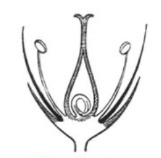
hypogynous
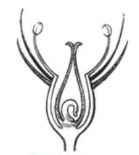
perigynous
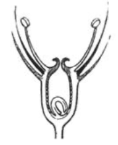
epigynous
Adnate fusion
fusion of different types of flower parts
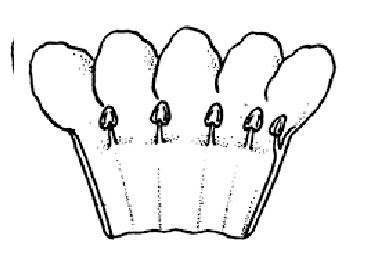
Connate fusion
fusion of the same flower parts
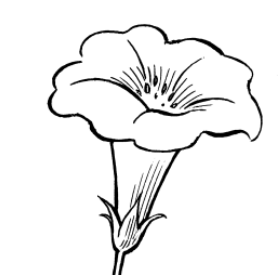
Sympetalous
petals are fused together
Polypetalous
petals completely separate from each other
Monocarpous
One carpel on its own
Apocarpous
Multiple unfused carpels
Syncarpous
Multiple fused carpels
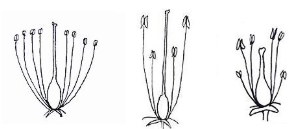
Apostemonous stamens
Unfused
Didynamous, tetradynamous, and didymous stamens are…
Apostemonous (unfused)
Epipetalous stamen
stamen fused to petal
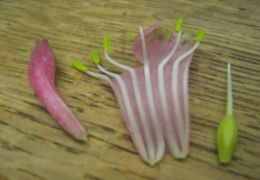
Diadelphous stamen
9 stamens with fused filaments + 1 stamen basally fused
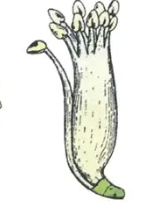
Monadelphous stamen
all stamens with filaments fused
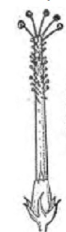
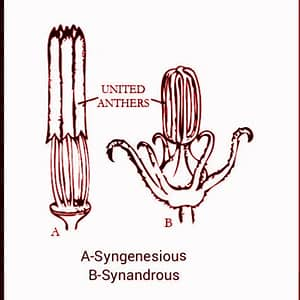
Syngenesious stamen
Multiple stamens with anthers connate
Actinomorphic symmetry
multiple lines of symmetry
Zygomorphic symmetry
one line of symmetry
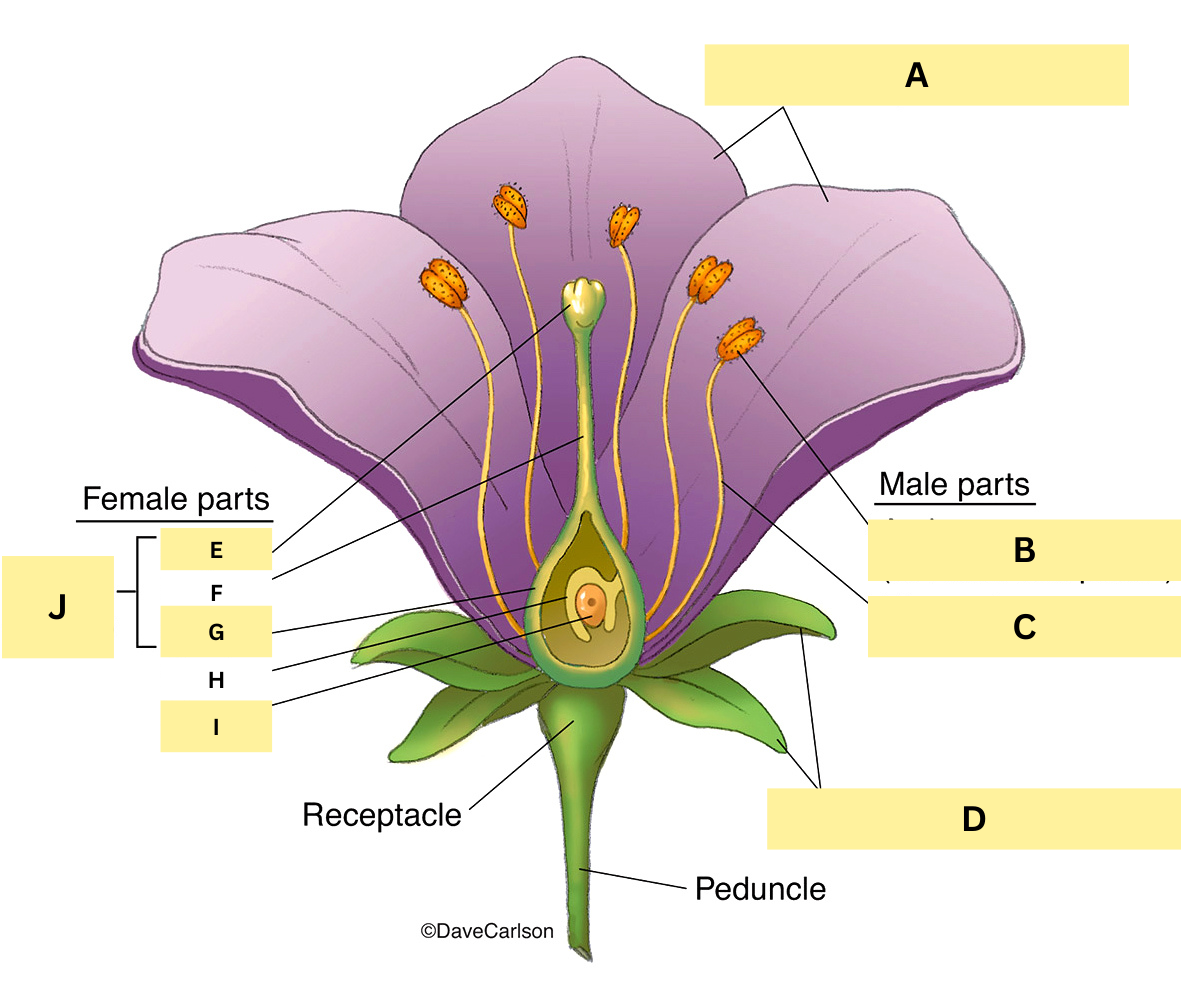
A
petals (all petals = corolla)
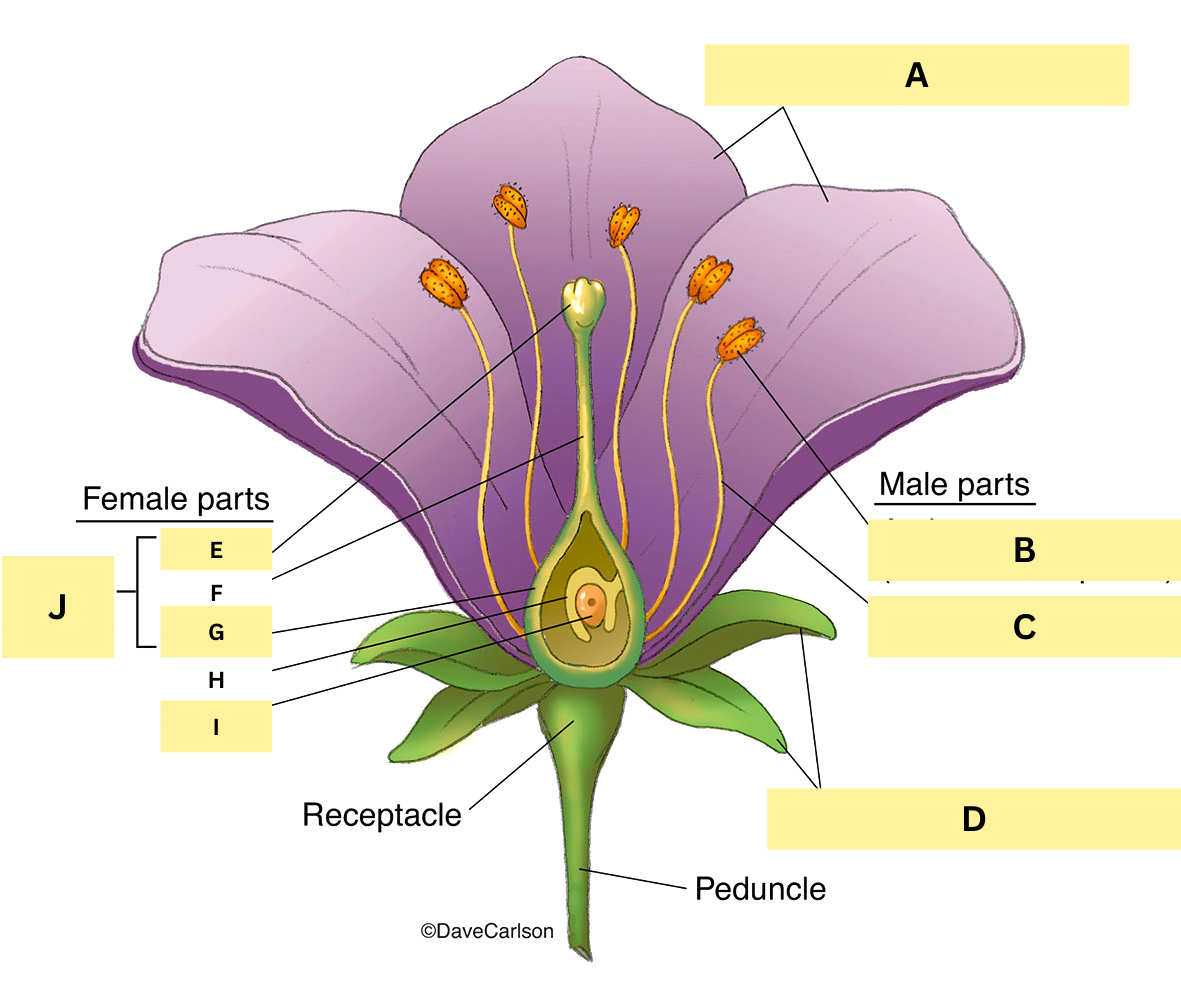
B
Anther (covered with pollen)
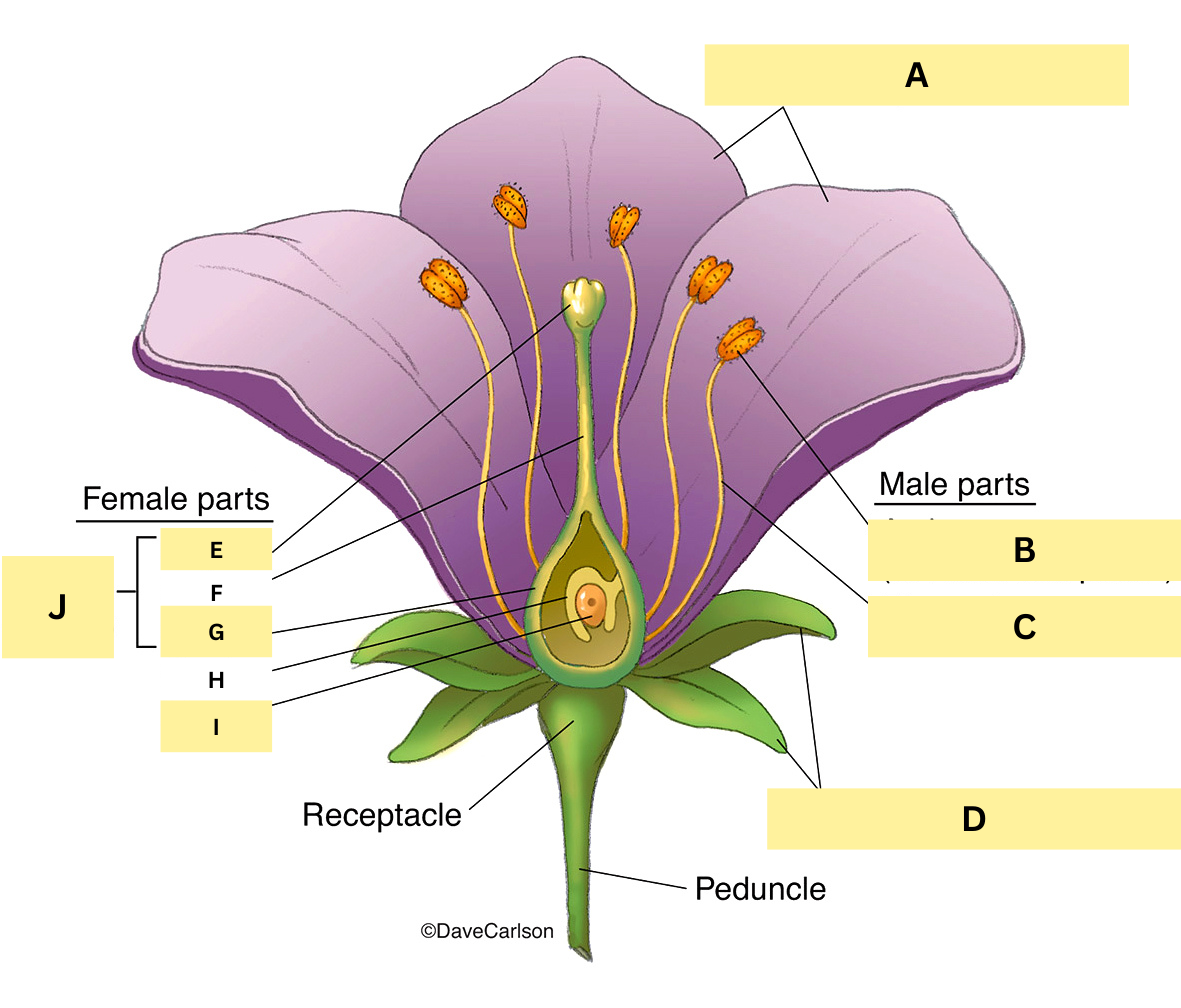
C
Filament
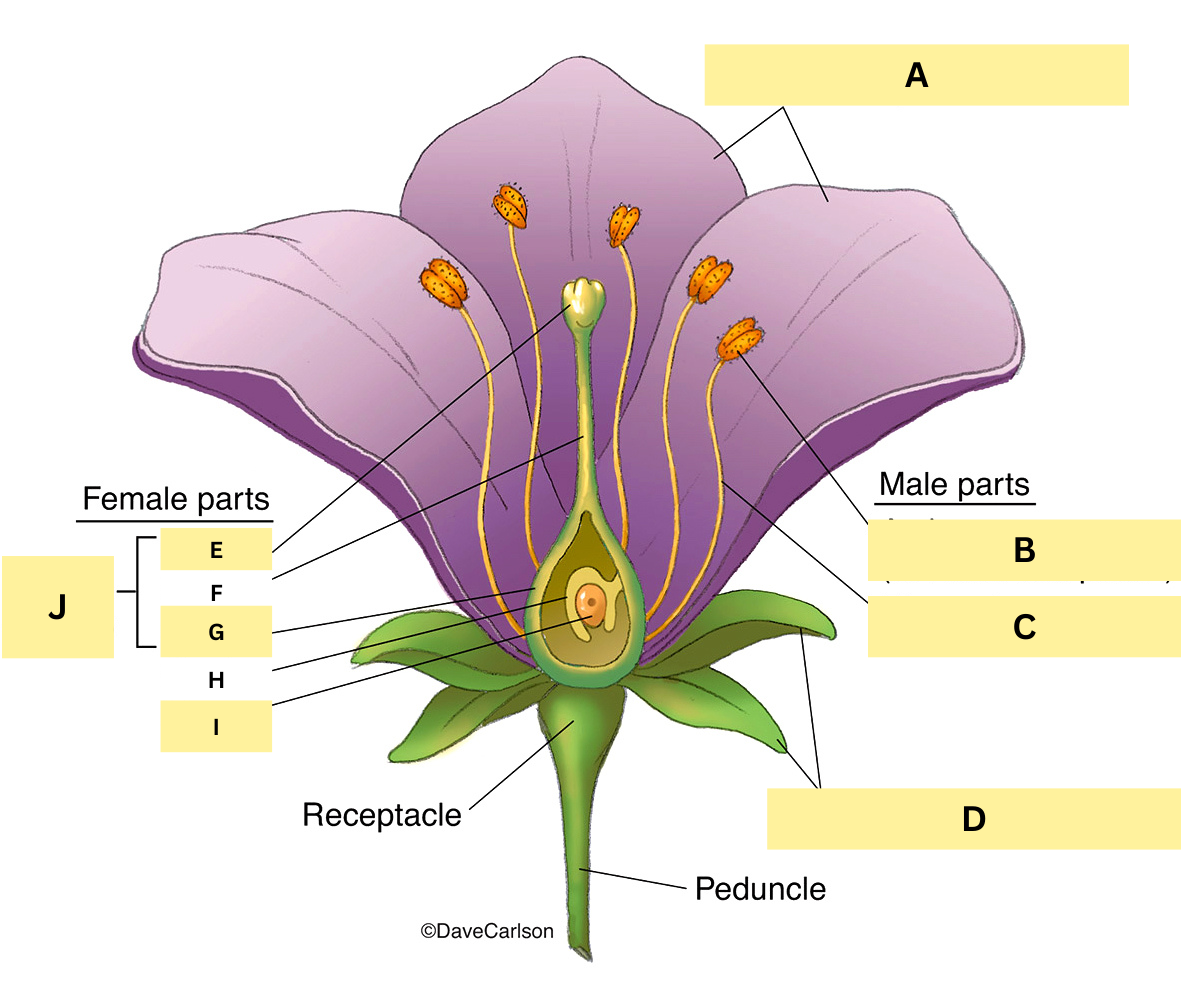
D
sepals (all sepals = calyx)
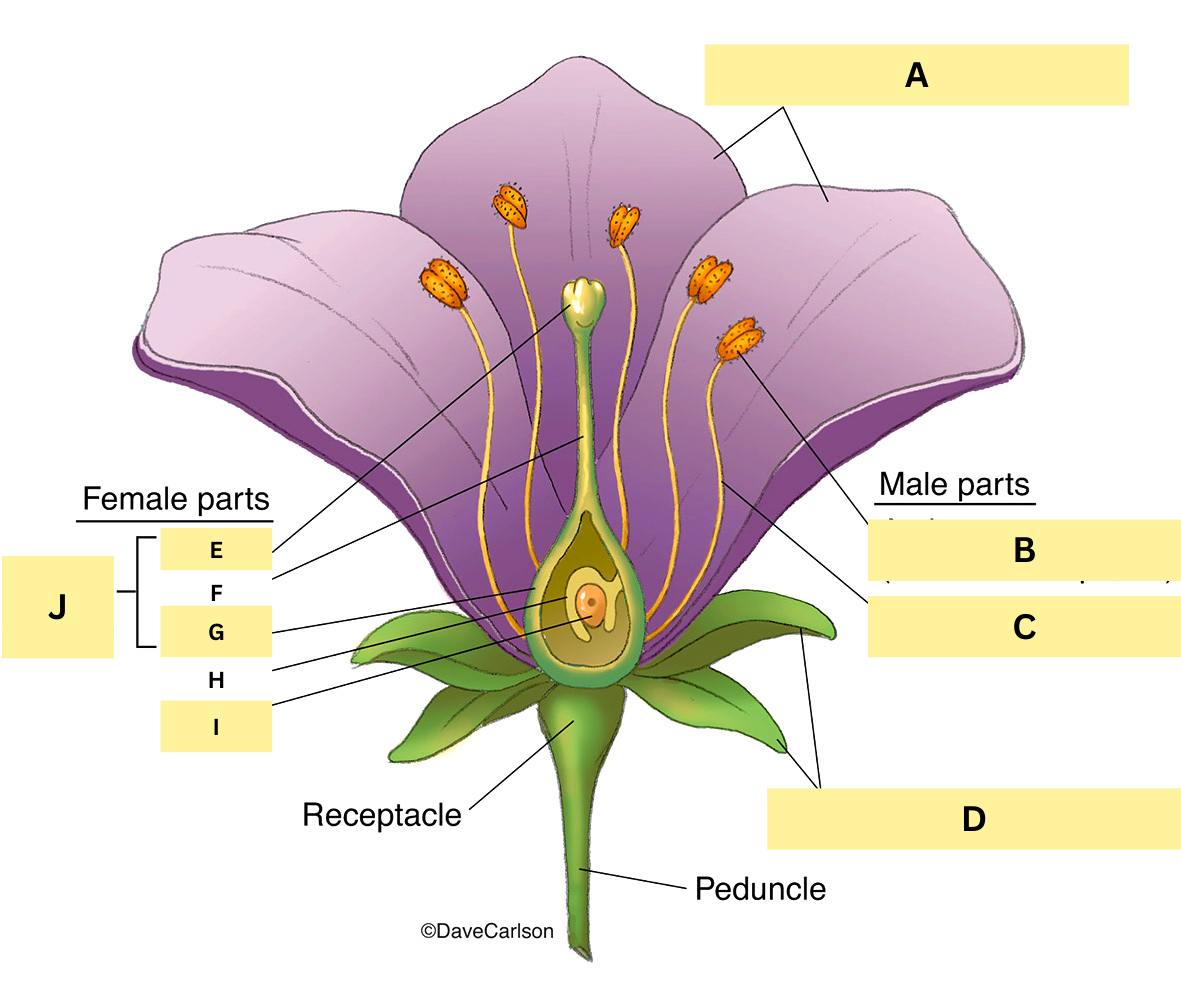
E
stigma
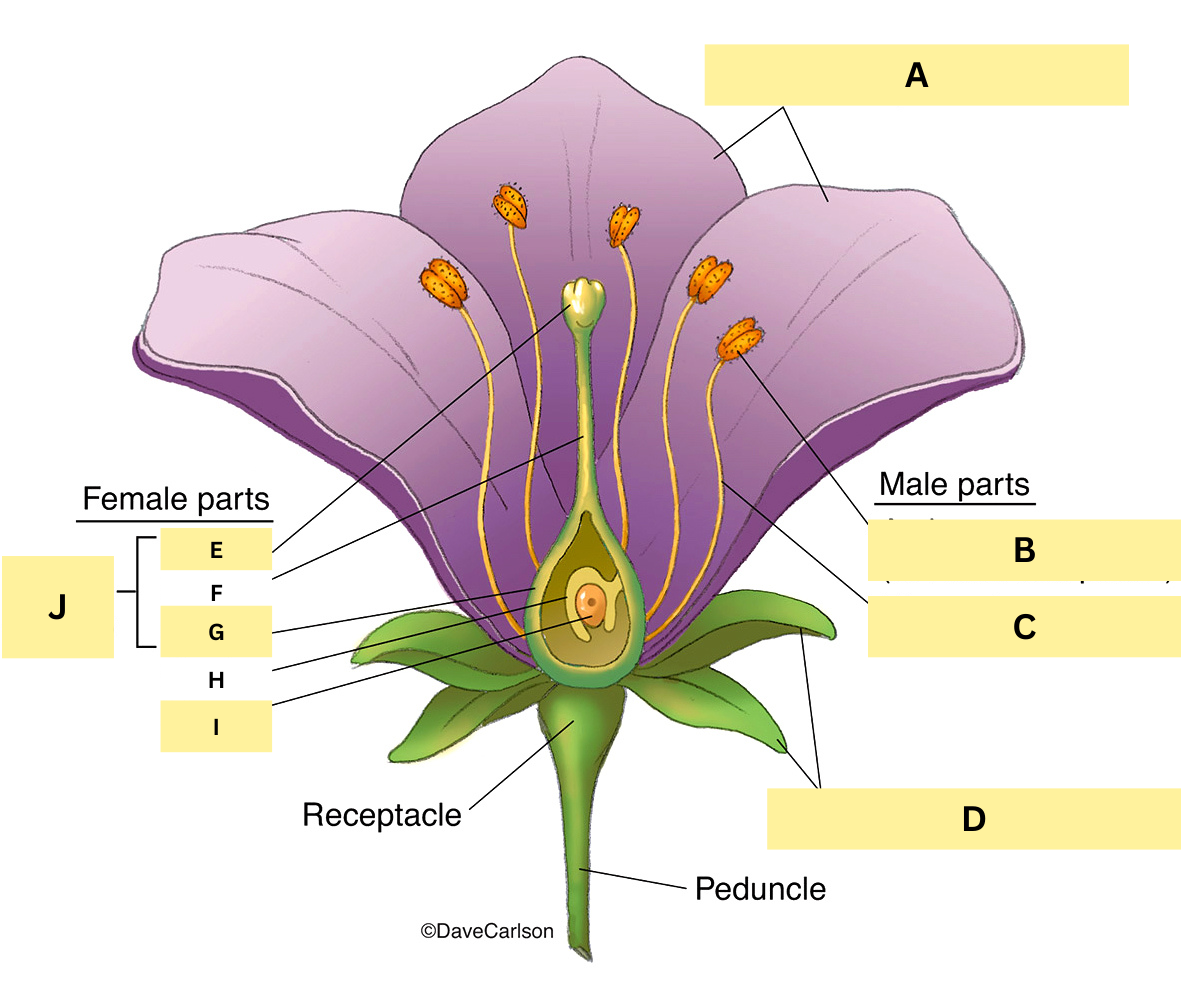
F
style
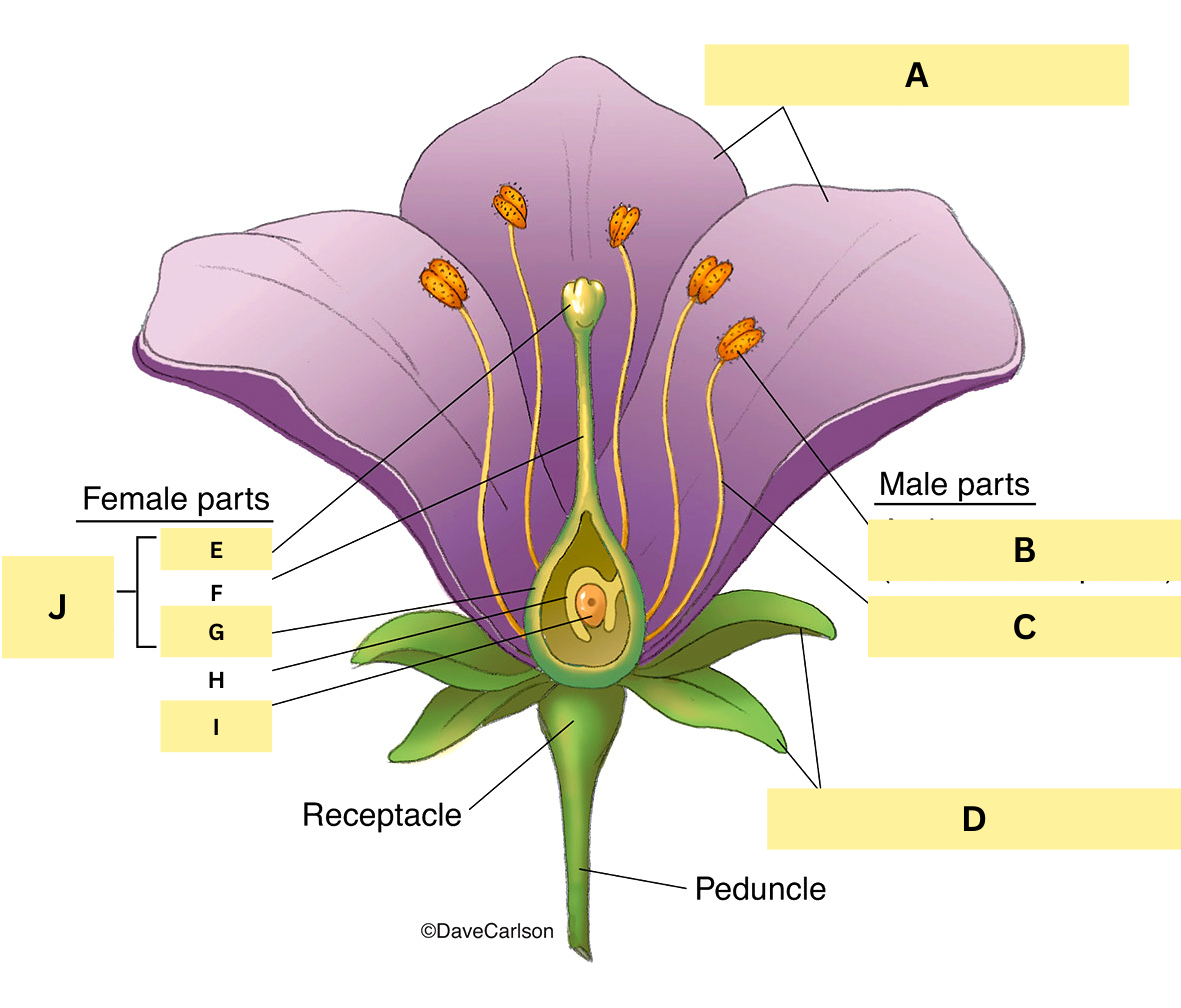
G
ovary
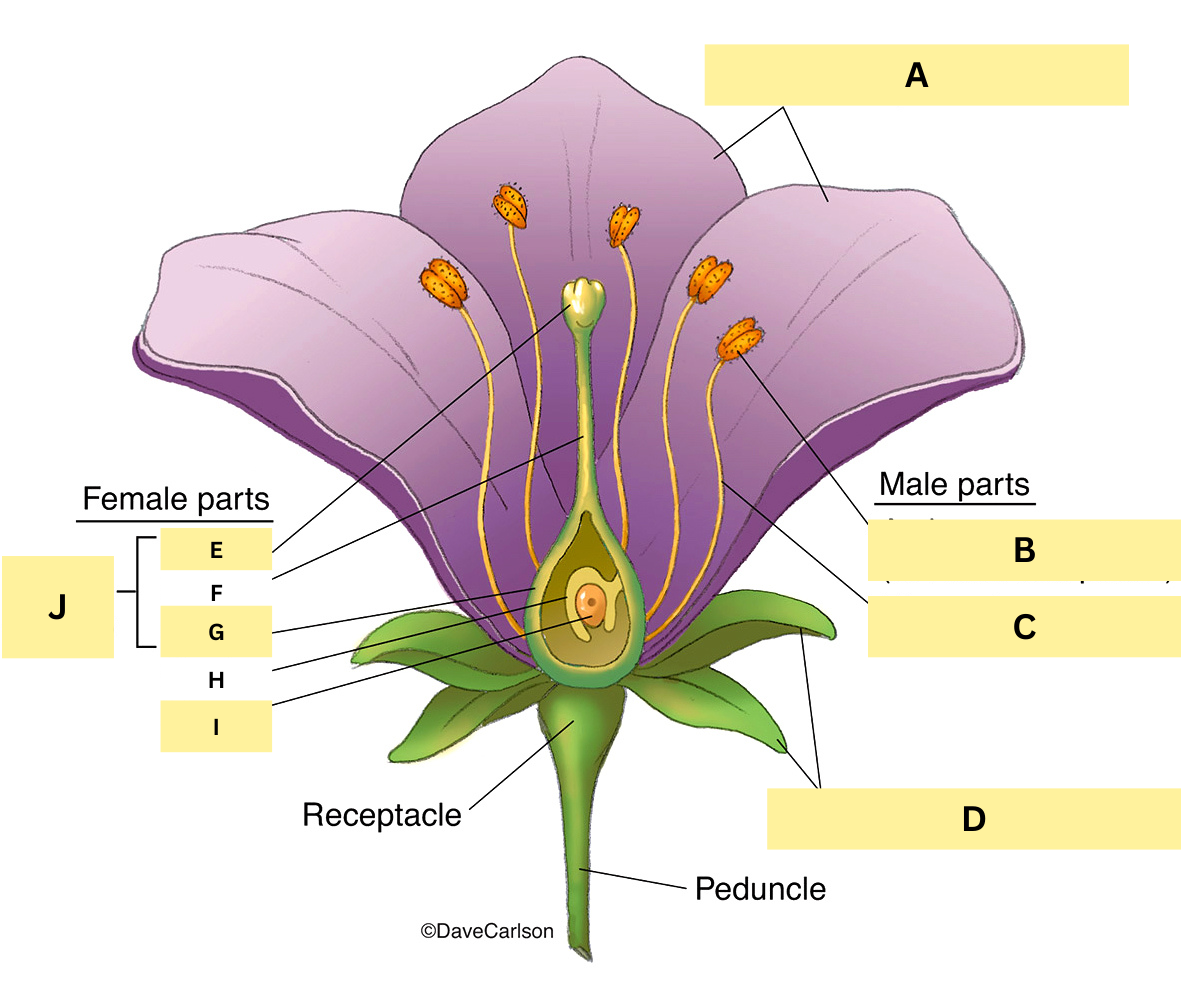
H
ovule
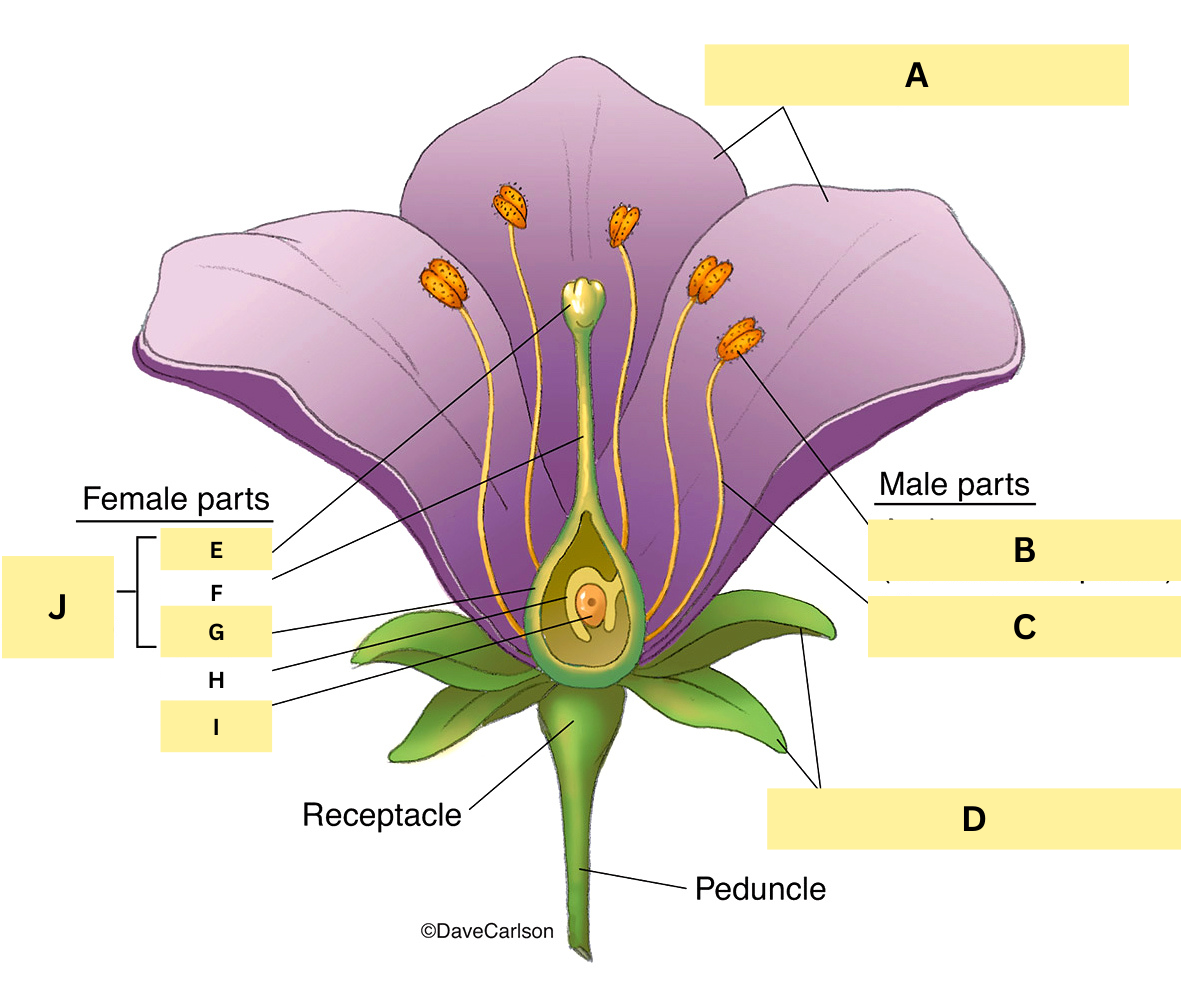
I
egg
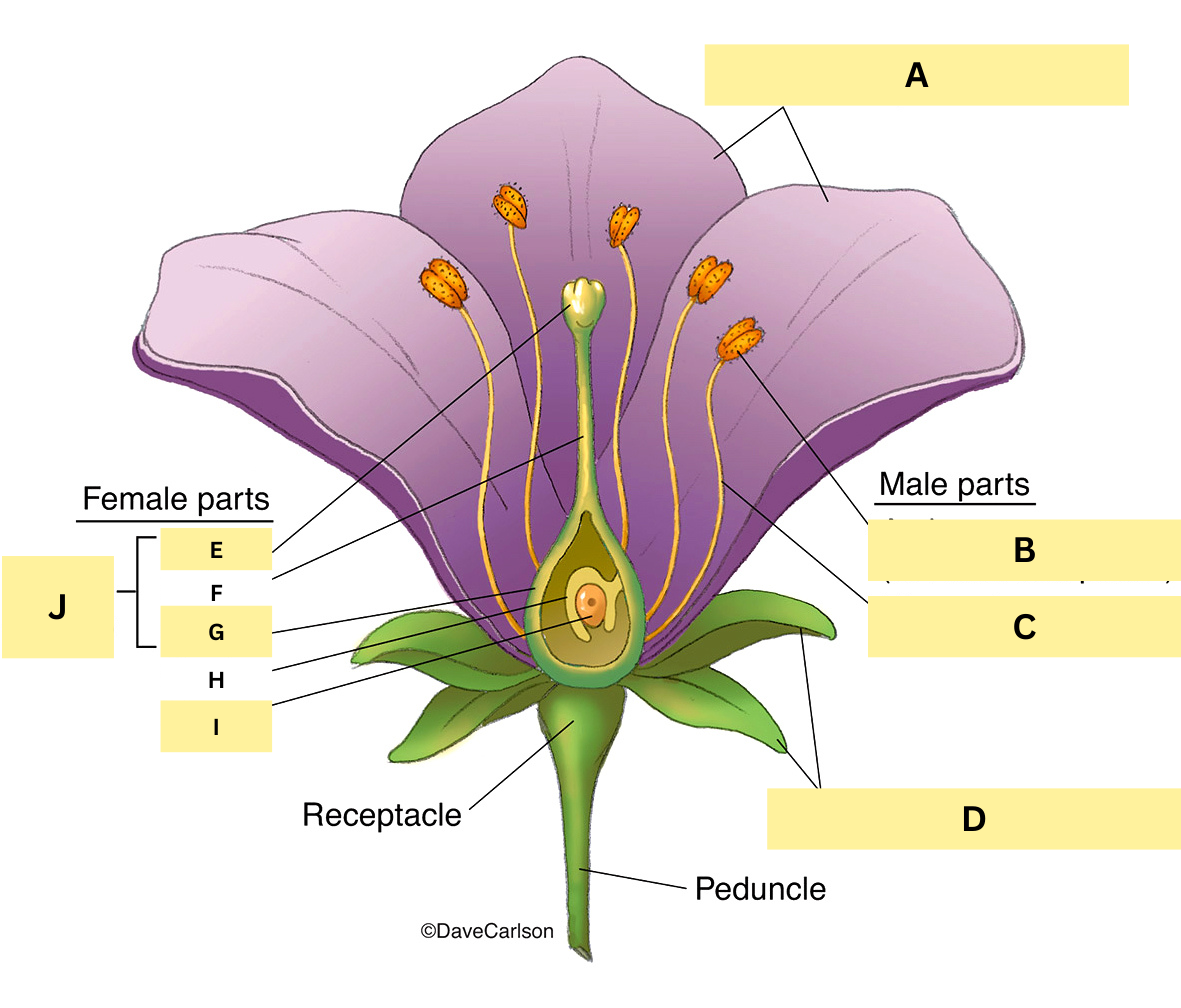
J
pistil (carpel)
parts of an inflorescence
Flower, pedicel, bract, peduncle
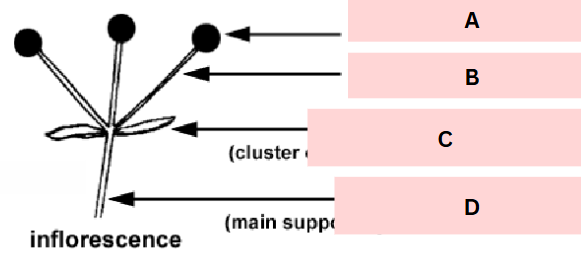
A
flower
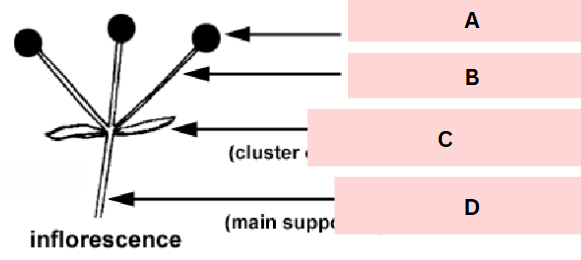
B
pedicel (flower’s stalk)
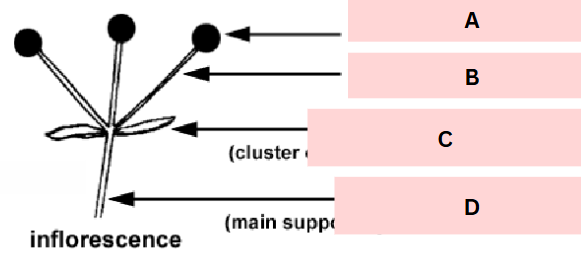
C
bract
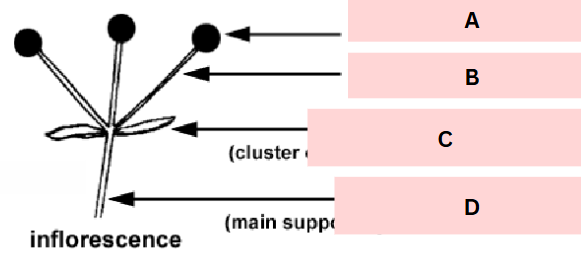
D
peduncle (main supporting stalk)
Determinate inflorescence
the first flower to bloom is at the top
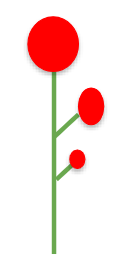
Determinate inflorescences are called ______
cymes
Indeterminate inflorescence
the first flower to bloom is at the bottom
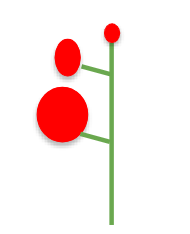
Raceme inflorescence
flowers are attached to the rachis by pedicles
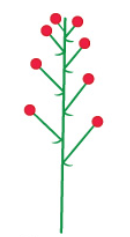
Spike inflorescence
flowers are attached directly to the rachis
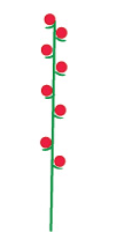
Catkin inflorescence
a spike inflorescence with imperfect flowers of a single sex
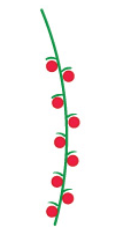
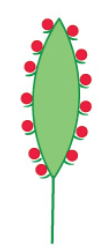
Spadix inflorescence
a spike in which the rachis is swollen and fleshy
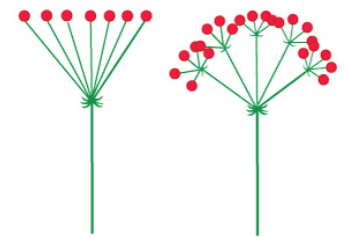
Umbel inflorescence
flower pedicles are all attached at the same point on the peduncle or rachis
Capitulum inflorescence
disk and ray florets are arranged on a head to mimic a large flower
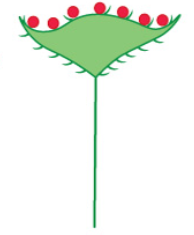
Disk florets
radially symmetrical florets in the middle of a capitulum
Ray florets
bilaterally symmetrical florets on the edge of a capitulum
mimic petals (often very showy)
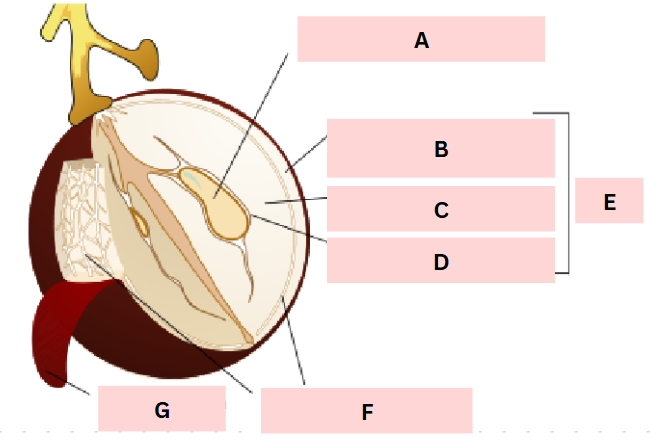
A
Seed (pip)
B
Exocarp
C
Mesocarp
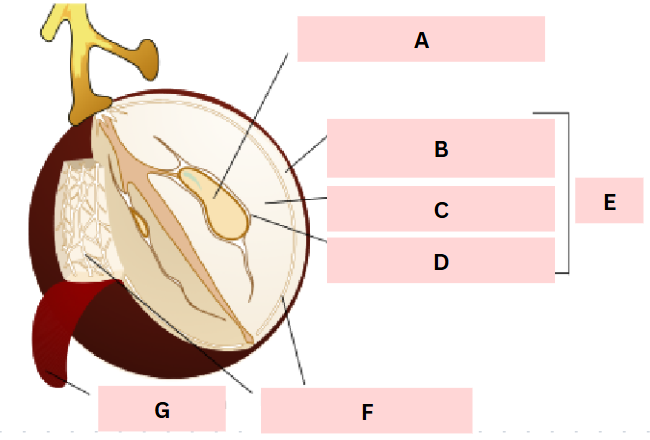
D
Endocarp
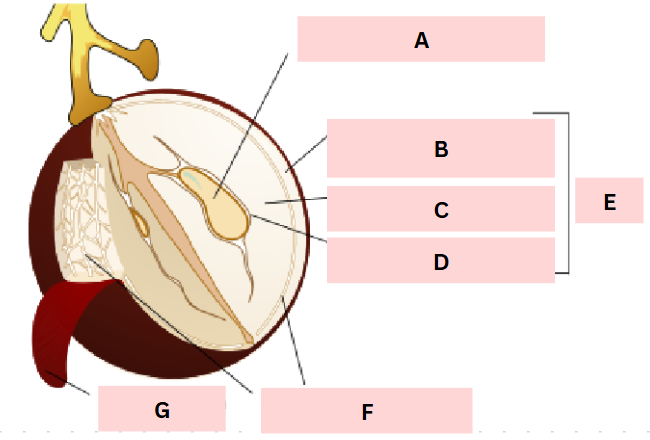
E
Pericarp
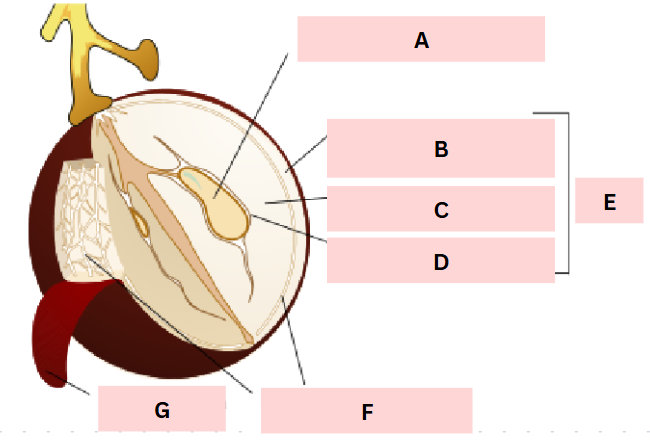
F
vascular bundles
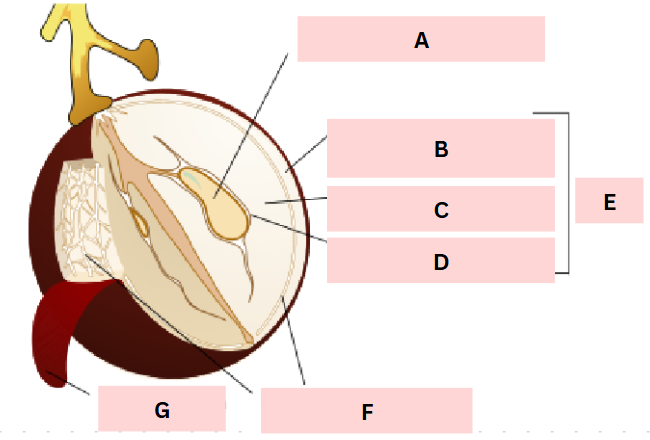
G
skin (epidermis)
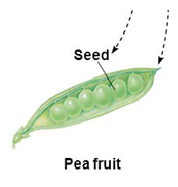
Simple fruit
derived from one flower with a single or syncarpous pistil
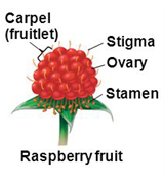
Aggregate fruit
derived from one flower with multiple pistils
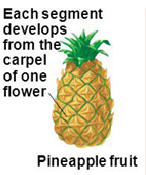
Multiple fruit
derived from multiple flowers on a single axis
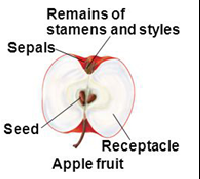
Accessory fruit
derived from a flower part other than the pistil
Fleshy fruit
pericarp soft and juicy when ripe
Dry fruit
pericarp hard or papery when ripe
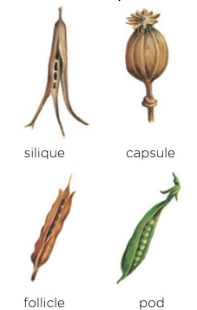
Dehiscent dry fruit
splits open when ripe
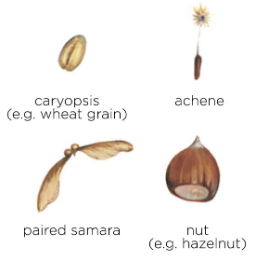
Indehiscent dry fruit
does not split open when ripe
Simple, fleshy fruits
berry, drupe, pepo, hesperidium
Simple, dry, indehiscent fruits
Achene, grain/caryopsis, utricle, samara, nut
Simple, dry, dehiscent fruits
follicle, silique, silicle, schizocarp, capsules
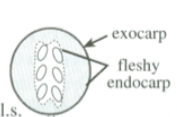
Berry
exocarp and fleshy endocarp
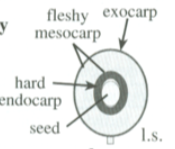
Drupe
stony, hardened endocarp (“pit”) that surrounds/protects seed, surrounded by a fleshy mesocarp
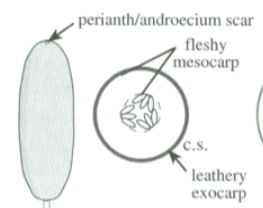
Pepo
fleshy mesocarp and leathery exocarp
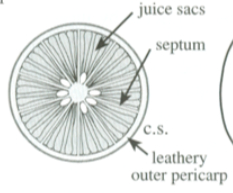
Hesperidium
juice sacs divided by septa with a leathery outer pericarp
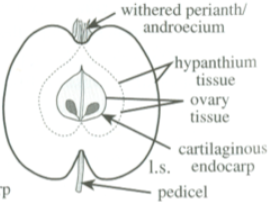
Pome
Achene
hardened pericarp surrounding an unattached seed
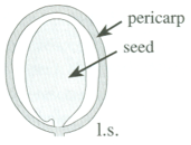
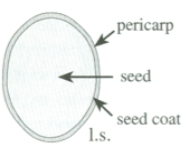
Grain/caryopsis
seed fused to pericarp
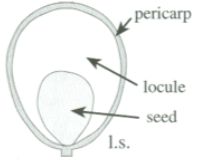
Utricle
pericarp is inflated at maturity, resulting in a large locule
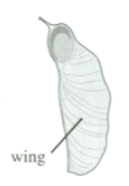
Samara
winged fruit containing a seed
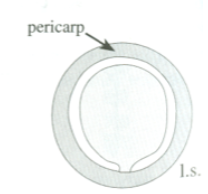
Nut
hardened, thick pericarp surrounding an unattached seed
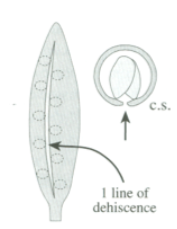
Follicle
one line of dehiscence
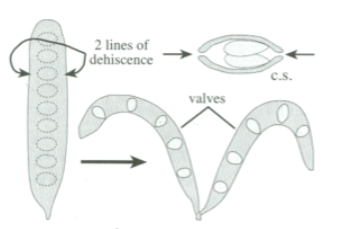
Legume
2 lines of dehiscence
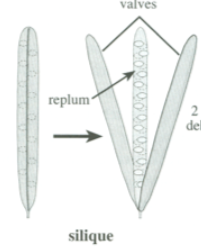
Silique
2 lines of dehiscence, leaves behind a replum, longer than wide
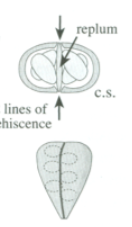
Silicle
2 lines of dehiscence, leaves behind a replum, wider than long
Schizocarp of follicles
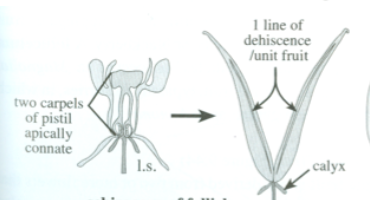
Capsules
develop from flowers with syncarpous pistils
Loculicidal capsule
splits in the middle of the locule, or cavity
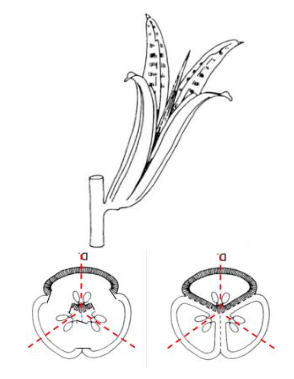
Poricidal capsule
small openings on the top or side
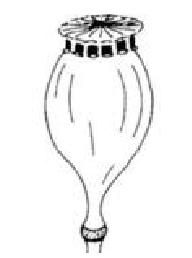
Septicidal capsule
splits along a septum
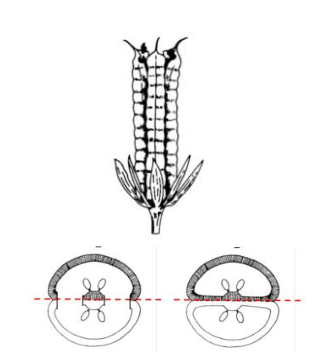
placentation
arrangement of ovule in the ovary
Axile placentation
ovules attached to the central axis of a ovary with 2 or more locules
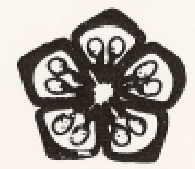
Basal placentation
Ovule positioned at the base of a single-loculed ovary
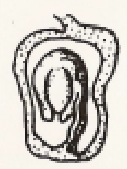
Free-central placentation
ovules attached to a free-standing column in the center of a single-locule ovary