The Enlightenment and Scientific Revolution
 Studied by 0 people
 Call Kai
 Learn
Learn Practice Test
 Spaced Repetition
 Match
Match Flashcards
 Knowt Play
1/23

There's no tags or description
Looks like no tags are added yet.
Name | Mastery | Learn | Test | Matching | Spaced | Call with Kai |
|---|
No analytics yet
Send a link to your students to track their progress
24 Terms
Enlightenment
a movement that emphasized science and reason as guides to help see the world more clearly

Scientific Revolution
The intellectual movement in Europe, initially associated with planetary motion and other aspects of physics, that by the seventeenth century had laid the groundwork for modern science.

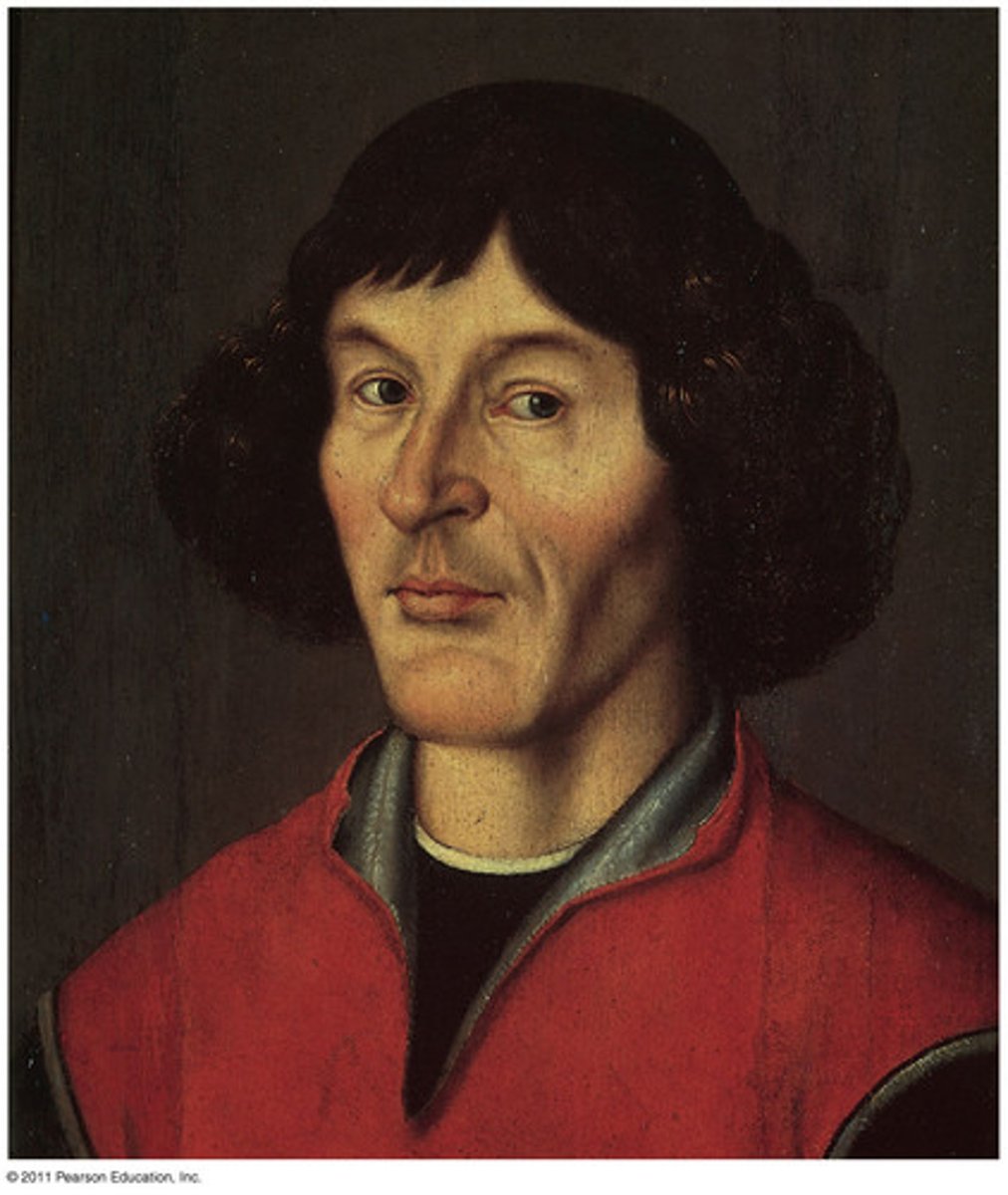
Nicholas Copernicus (1473-1543)
Devised a model of the universe with the Sun at the center, and not earth. (Heliocentric Model)
Johannes Kepler (1571-1630)
This astronomer stated that the orbits of planets around the sun were elliptical, the planets do not orbit at a constant speed, and that an orbit is related to its distance from the sun.

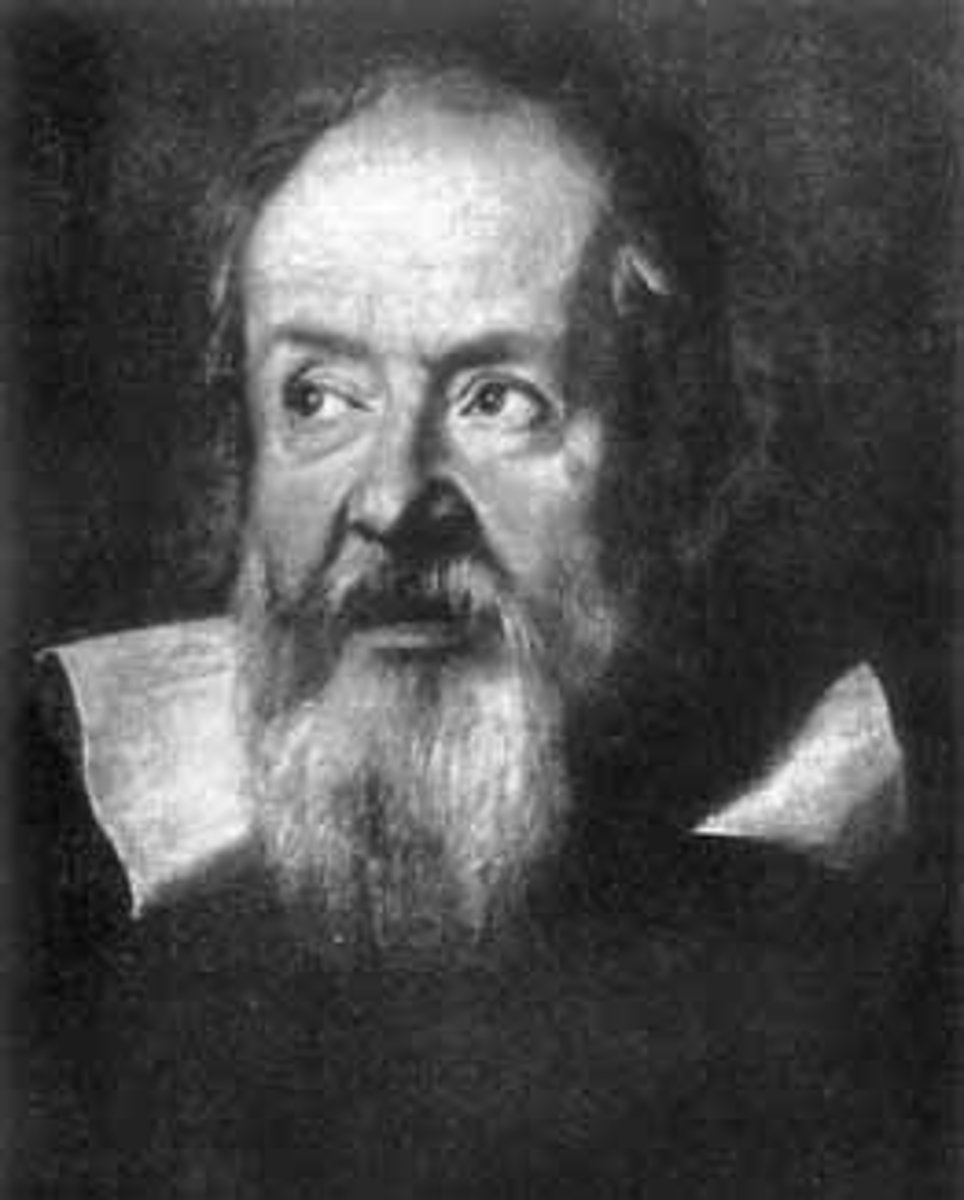
Galileo Galilei (1564-1642)
This scientist proved Copernicus' theory that the sun was the center of the solar system and developed the modern experimental method.
Isaac Newton
English mathematician and scientist- invented differential calculus and formulated the theory of universal gravitation, a theory about the nature of light, and three laws of motion. was supposedly inspired by the sight of a falling apple.

Andreas Vesalius (1514-1564)
Wrote one of the most influential human anatomy books (De Humani Corporis fabrica) and was considered the father of modern human anatomy.

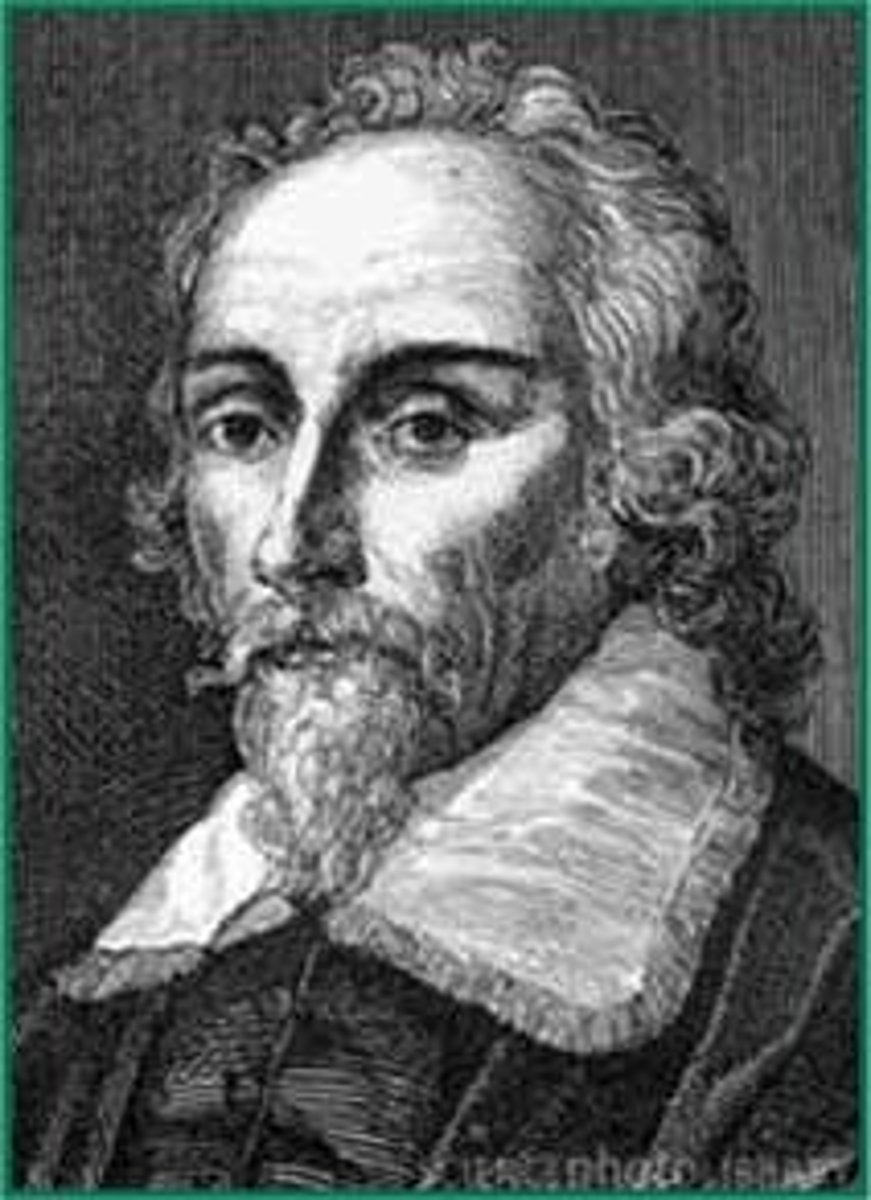
William Harvey (1578-1657)
He discovered the circulation of blood through veins and arteries in 1628, and he was the first to explain that the heart worked like a pump. He also explained the function of its muscles and valves.
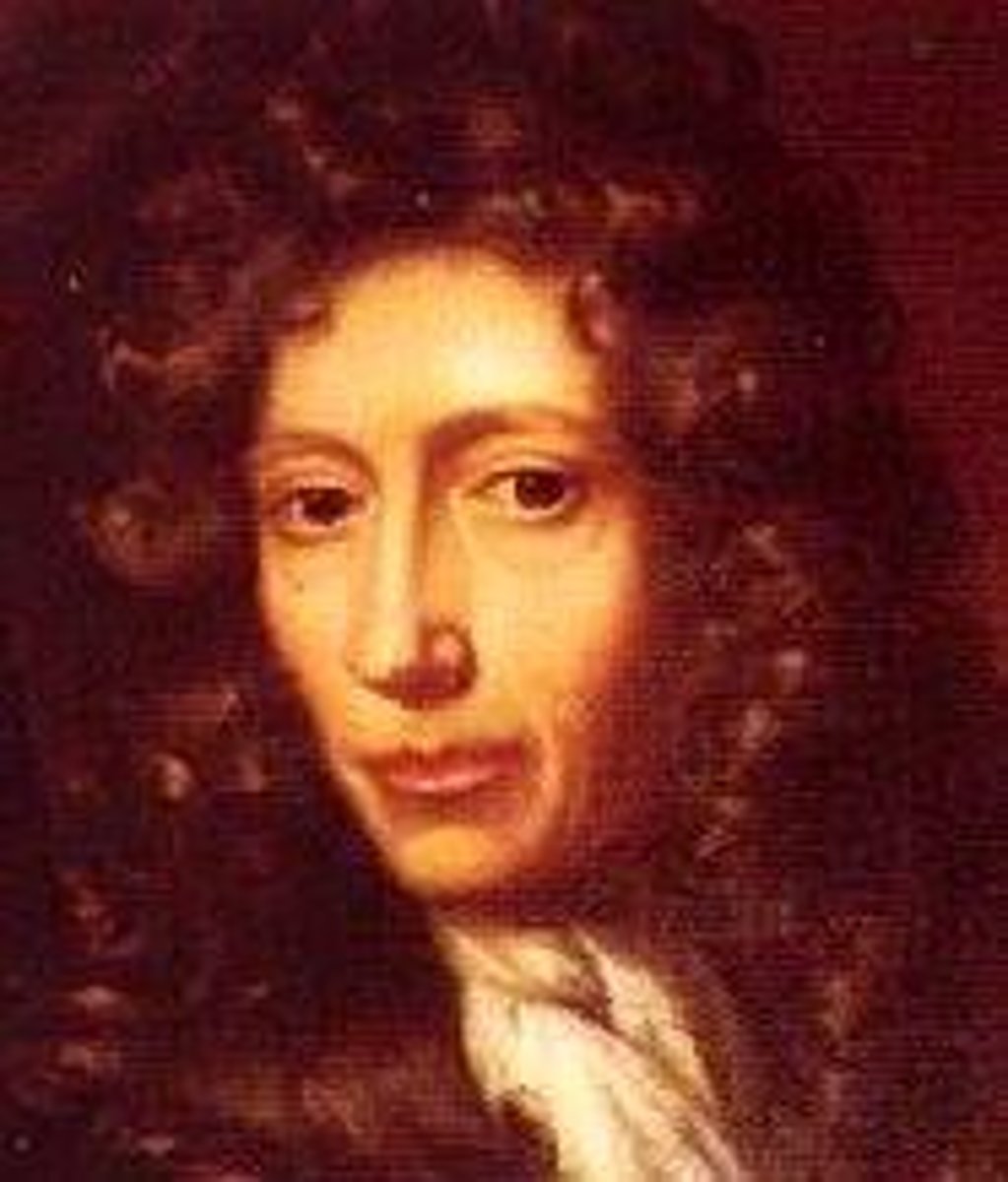
Robert Boyle (1627-1691)
Was a philosopher, physicist, chemist, and inventor. He is best know for Boyles Law which describes the inversely proportional relationship between pressure and volume of gas.
Margaret Cavendish (1623-1673)
English natural philosopher who developed her own speculative natural philosophy. She used this philosophy to critique those who excluded her from scientific debate.
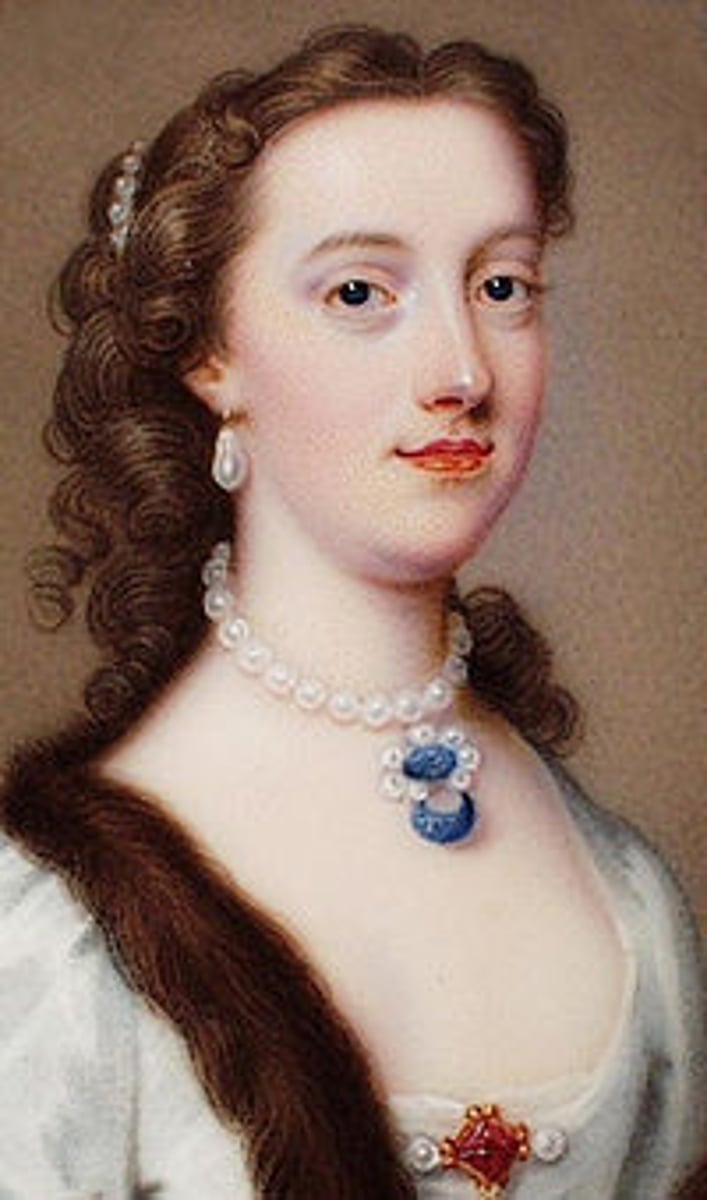
Maria Winkelmann (1670-1720)
German astronomer who worked with her husband in his observatory. Despite discovering a comet and preparing calendars for the Berlin Academy of Sciences, the academy would not let her take her husband's place within the body after he died.
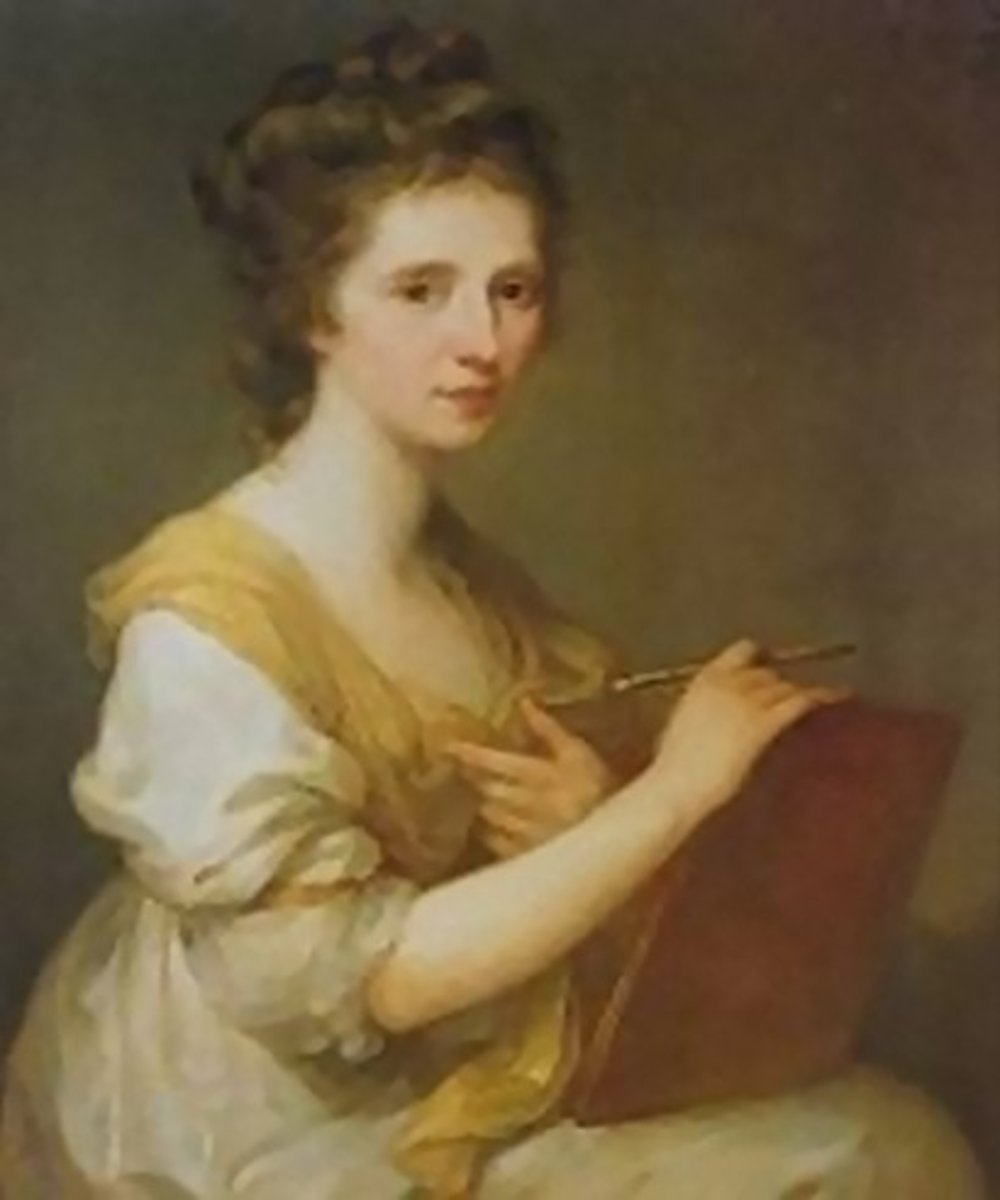
Rene Descartes (1596-1650)
17th c. French philosopher who developed deductive reasoning & supported more abstract means of explaining knowledge & learning

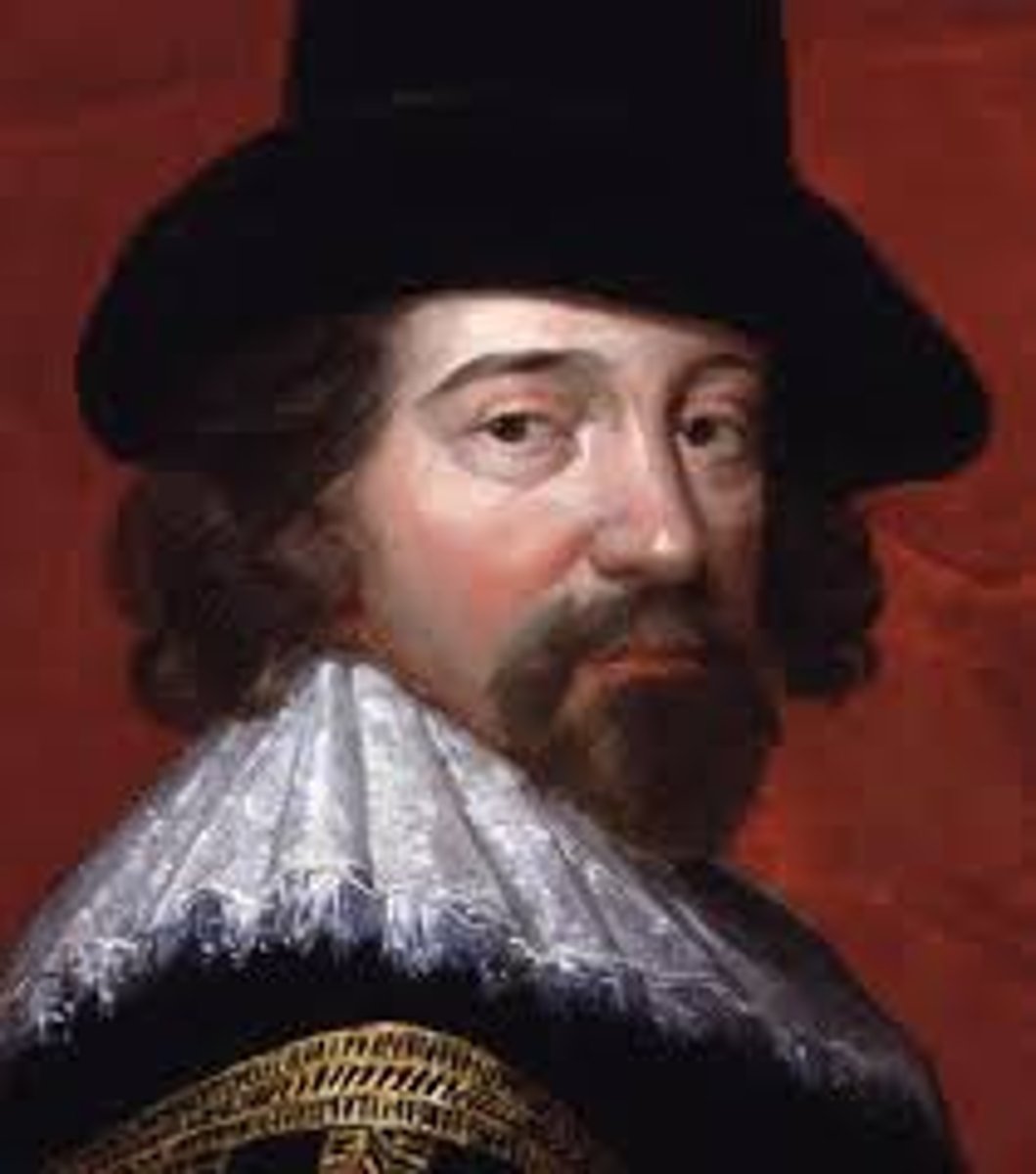
Francis Bacon (1561-1626)
English politician and writer, advocated that new knowledge was acquired through an inductive reasoning process (using specific examples to prove or draw conclusion from a general point) called empiricism; He believed it's necessary to collect data, observe, and draw conclusions. This was the foundation of the scientific method.
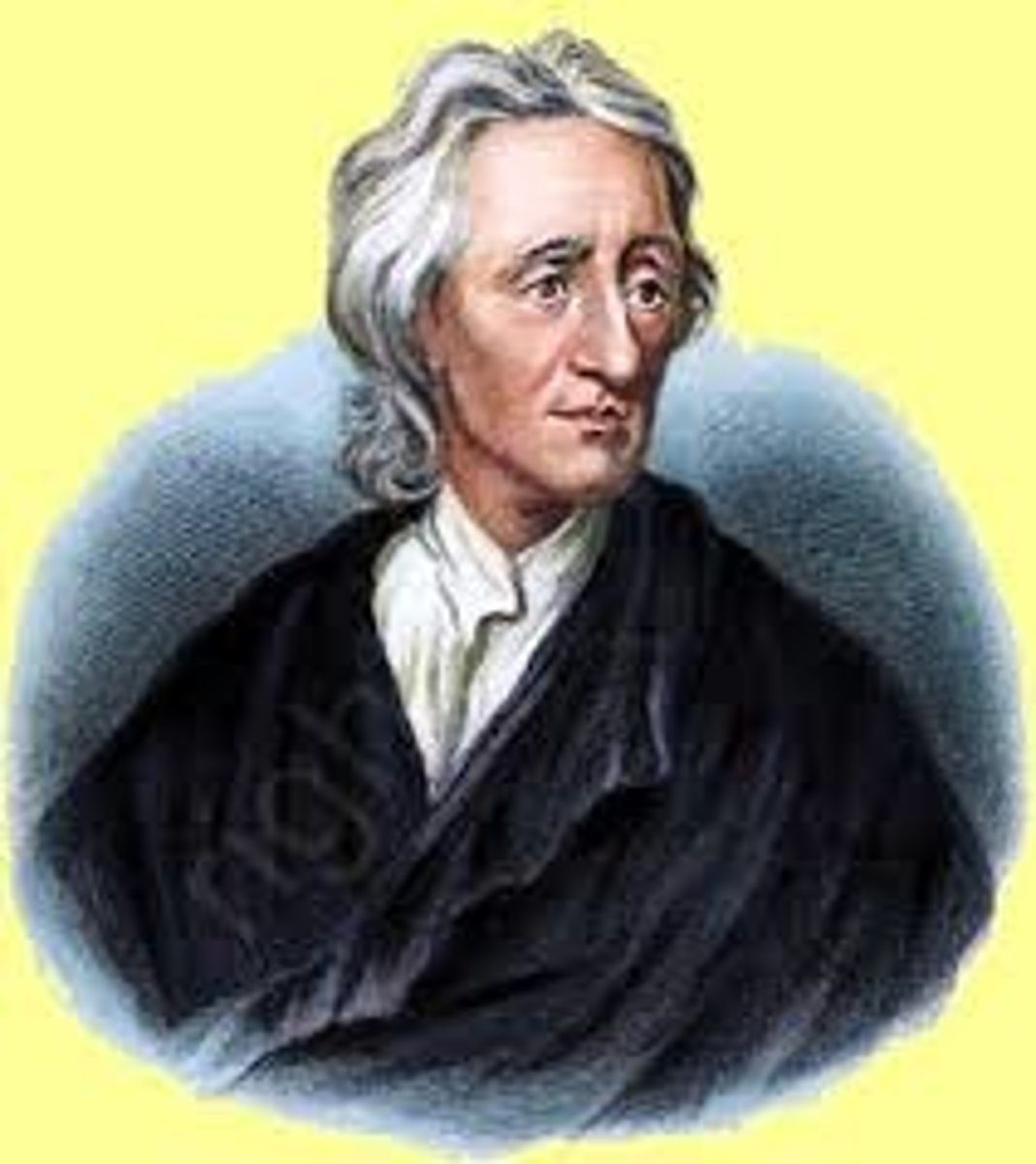
John Locke (1632-1704)
1. English philosopher who wrote "The Second Treatise of Government"
2. Viewed humans as basically rational beings who learn from experience
3. Formulated the theory of natural rights, arguing that people are born with basic rights to "life, liberty, and property"
4. Insisted that governments are formed to protect natural rights
5. Stated that the governed have a right to rebel against rulers who violate natural rights
Baron de Montesquieu (1689-1755)
French aristocrat who wanted to limit royal absolutism; Wrote The Spirit of Laws, urging that power be separated between executive, legislative, and judicial branches, each balancing out the others, thus preventing despotism and preserving freedom. This greatly influenced writers of the US Constitution. He greatly admired British form of government.
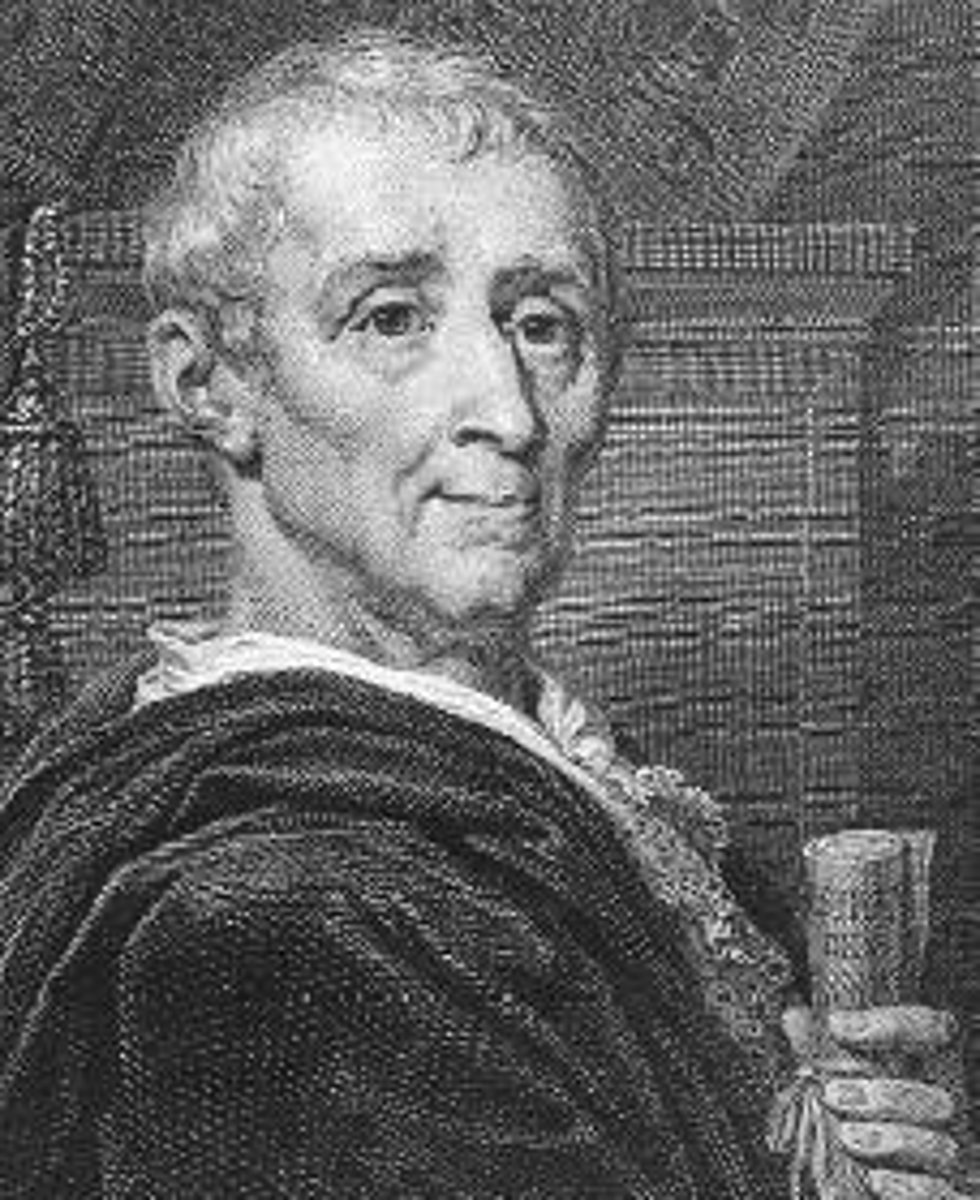
Voltaire (1694-1778)
1. French philosophe and voluminous author of essays and letters
2. Championed the enlightened principles of reason, progress, toleration, and individual liberty
3. Opposed superstition, intolerance, and ignorance
4. Criticized organized religion for perpetuating superstition and intolerance
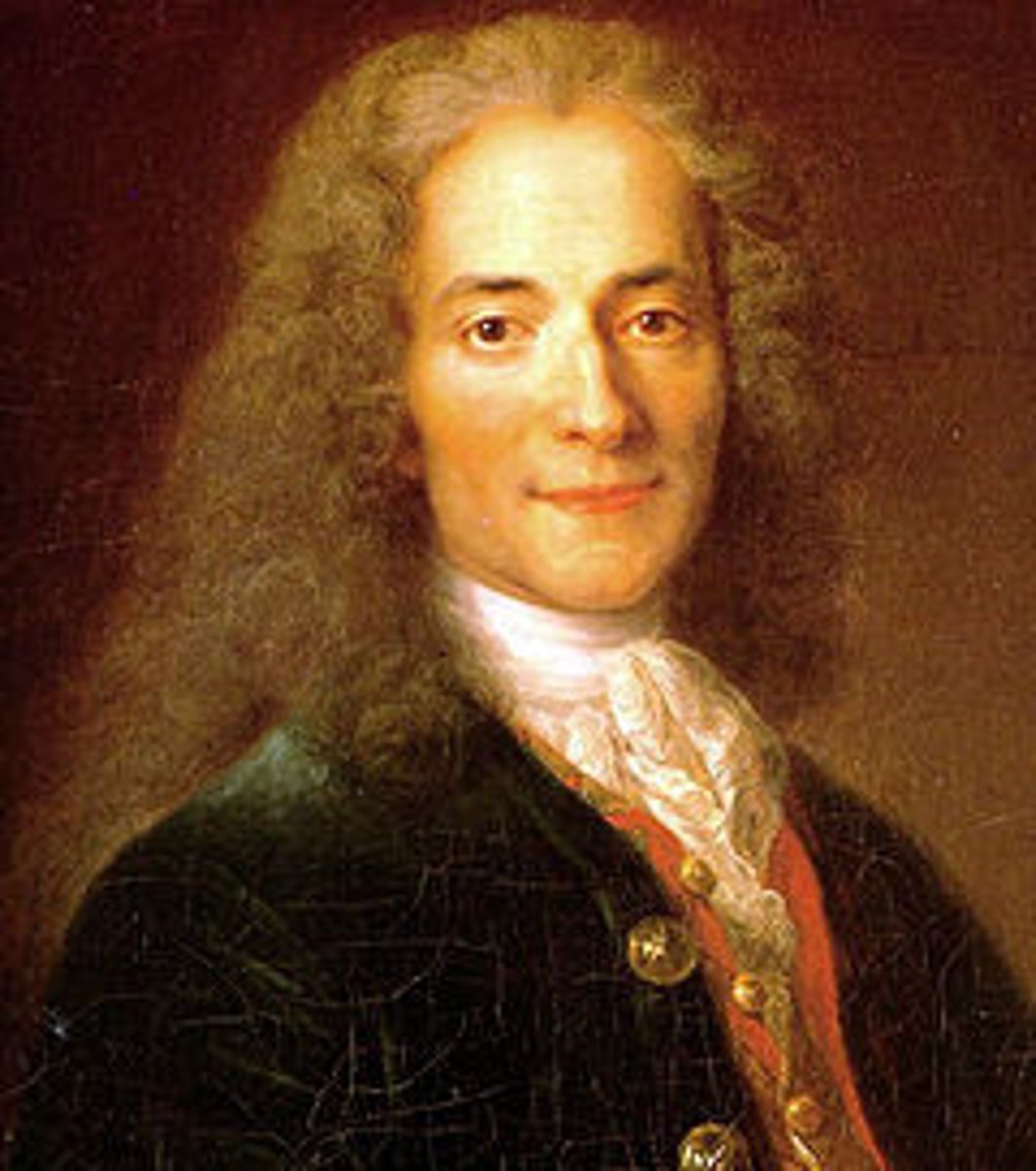
Denis Diderot (1713-1784)
Editor of the Encyclopedia, 28 volume set of collected knowledge of the era, which applied principles of the Scientific Revolution to society and human institutions; patronized by Catherine the Great of Russia when censored in France.

Adam Smith (1723-1790)
1. Scottish economist who wrote "An Inquiry into the Nature and Causes of the Wealth of Nations"
2. Opposed mercantilist policies
3. Advocated free trade and "the Invisible Hand of competition"
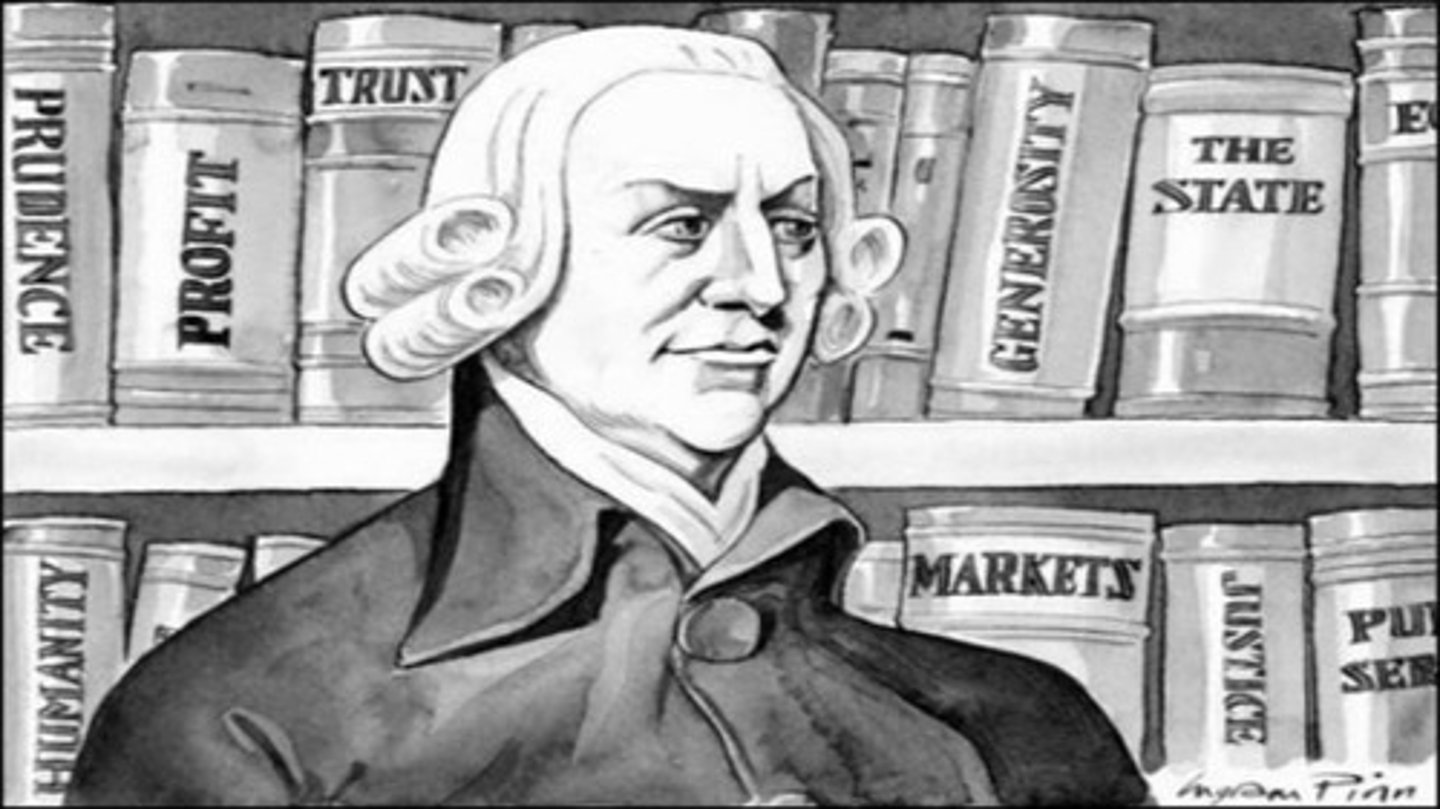
Cesare Beccaria (1738-1794)
Wrote On Crimes and Punishments with basic laws of justice based on reason, Including equality before the law; opposed death penalty, influenced Enlightened Despots
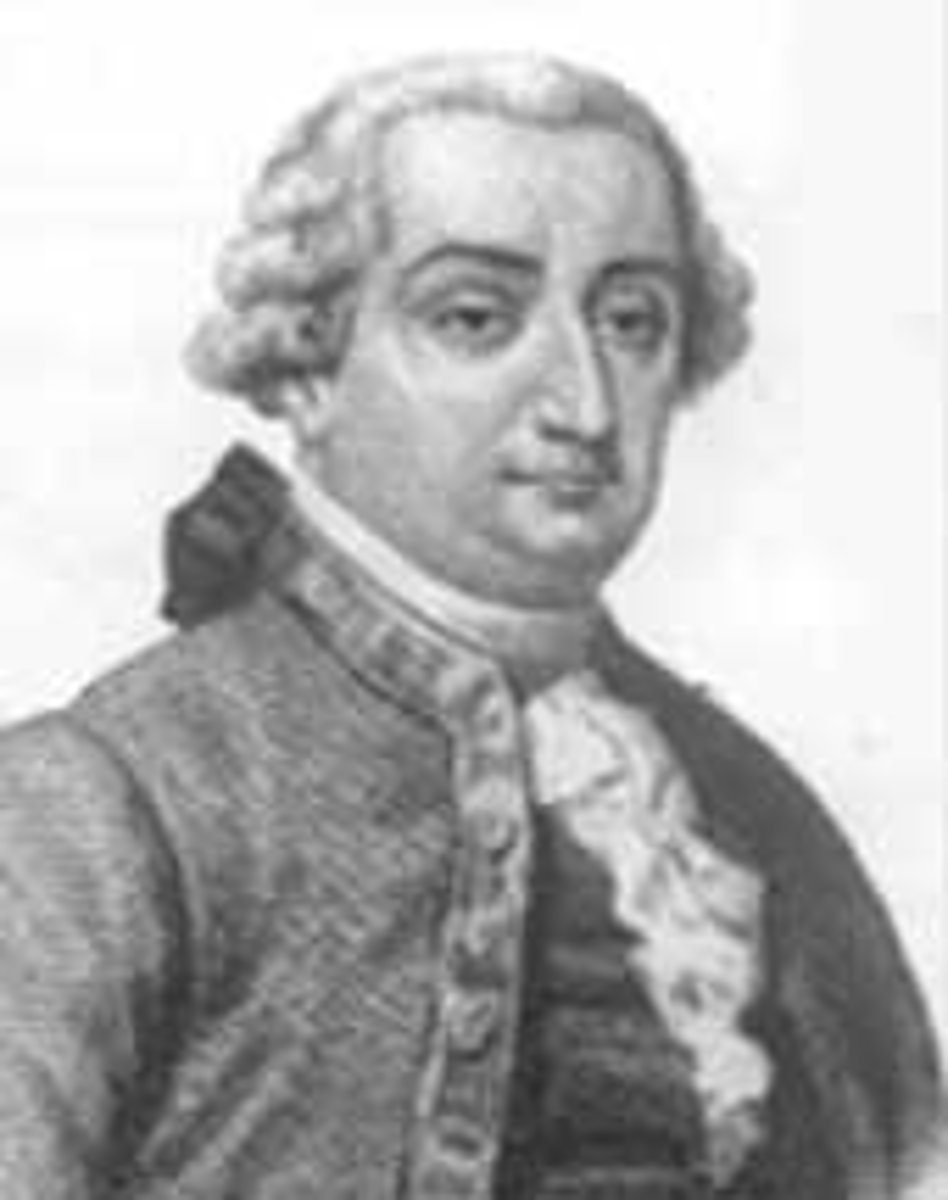
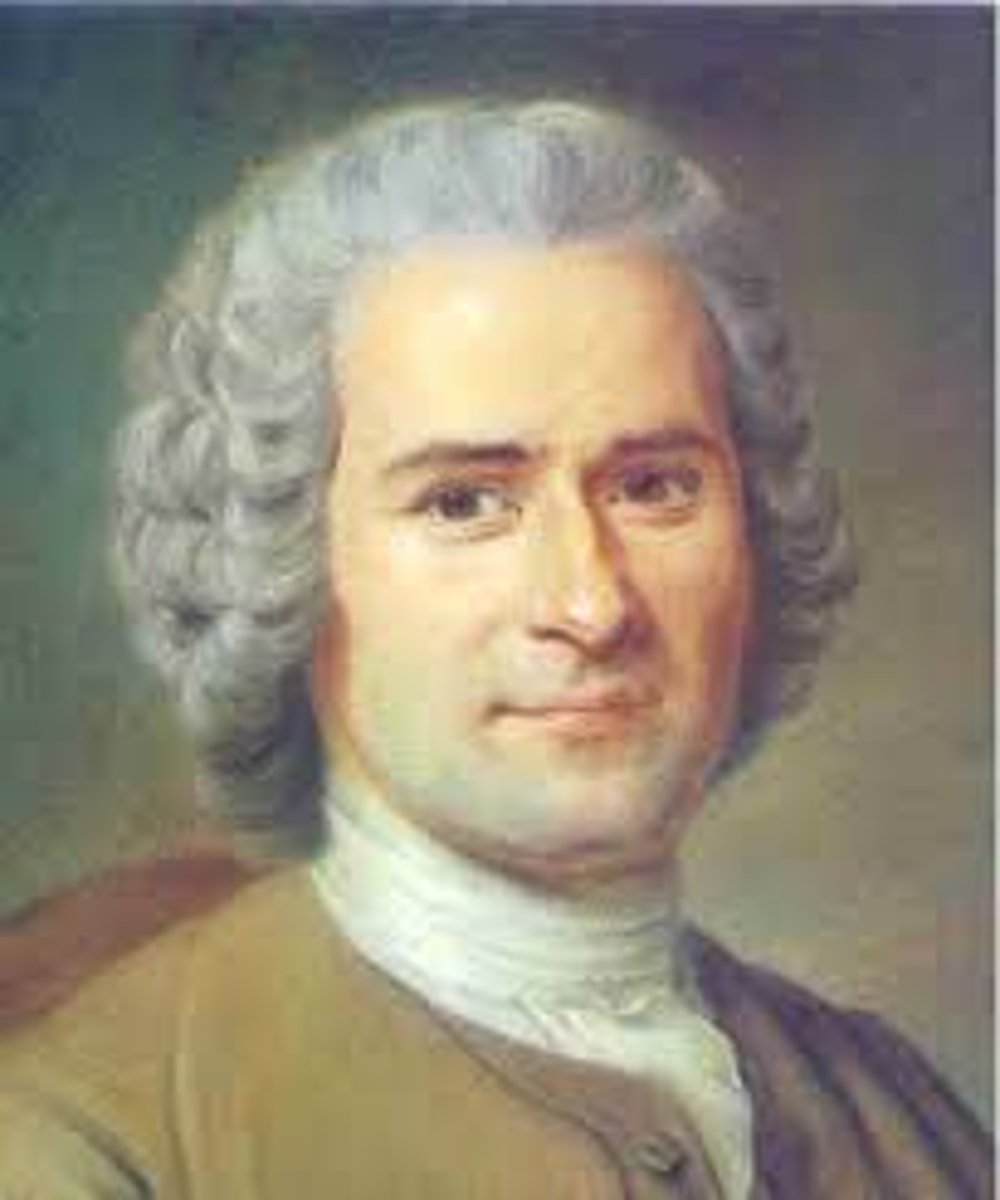
Jean-Jacque Rousseau (1712-1778)
French philosopher, 1712-1778. Wrote Social Contract. Ideas contained helped spark French revolution and American revolution. His ideas were a part of the Enlightenment desire to find a political natural law.
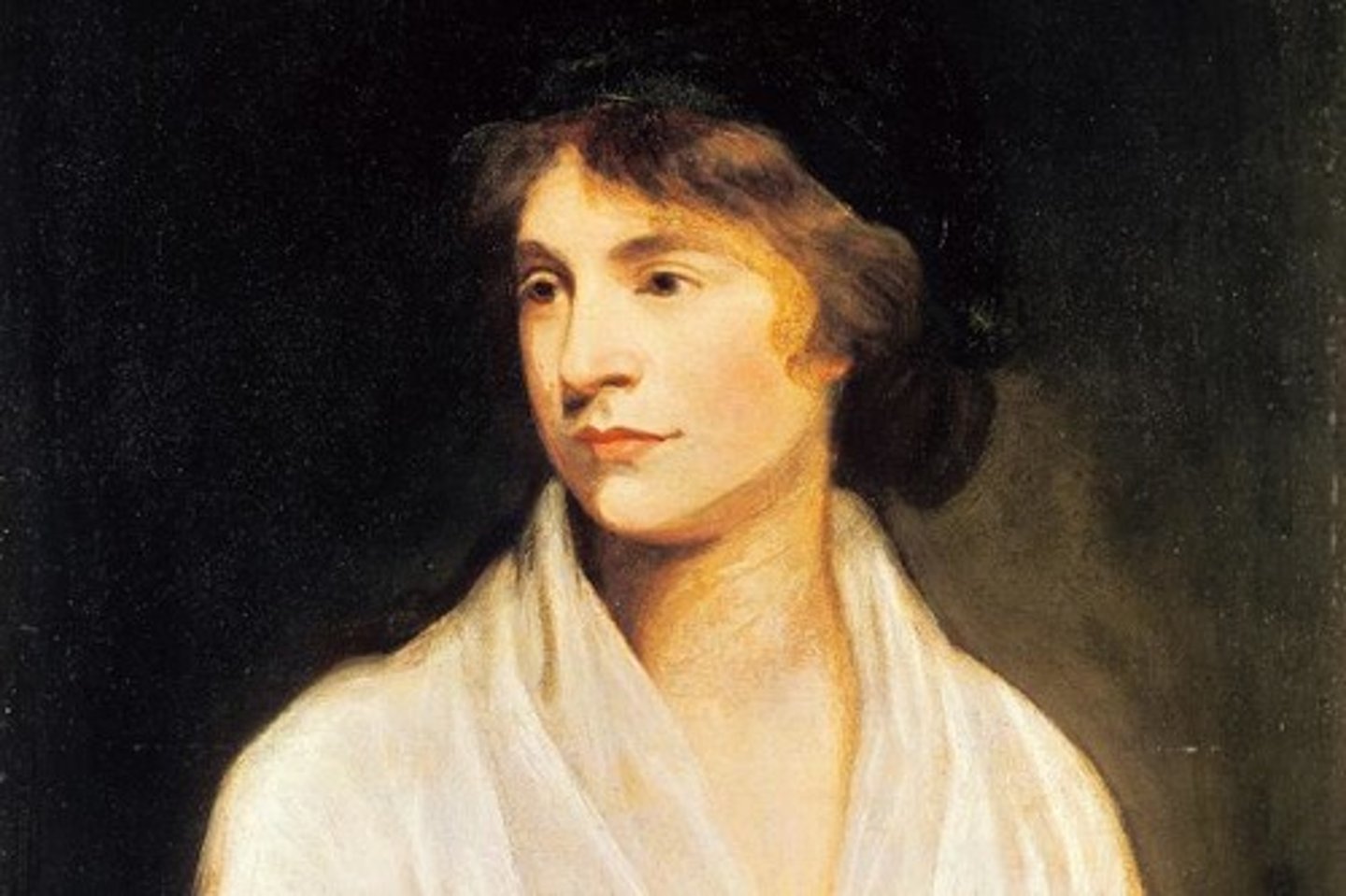
Mary Wollstonecraft (1759-1797)
1. British writer, philosopher, and feminist who wrote "A Vindication of the Rights of Woman"
2. Argued that women are not naturally inferior to men
3. Maintained that women deserve the same fundamental rights as men
philosophe
French for "philosopher"; applied to all intellectuals during the Enlightenment

Enlightened Monarchs
monarchs who introduced reforms to better society (freedom of speech, the press, religious toleration, education, laws) Catherine the Great, Frederick the Great, Joseph II
Voltaire
(1694-1778) French philosopher. He believed that freedom of speech was the best weapon against bad government. He also spoke out against the corruption of the French government, and the intolerance of the Catholic Church.
 Note
Note  Flashcards (50)