Media Languages, Codes, and Representations
 Studied by 0 people
 Call Kai
 Learn
Learn Practice Test
 Spaced Repetition
 Match
Match Flashcards
 Knowt Play
1/21

There's no tags or description
Looks like no tags are added yet.
Name | Mastery | Learn | Test | Matching | Spaced | Call with Kai |
|---|
No analytics yet
Send a link to your students to track their progress
22 Terms
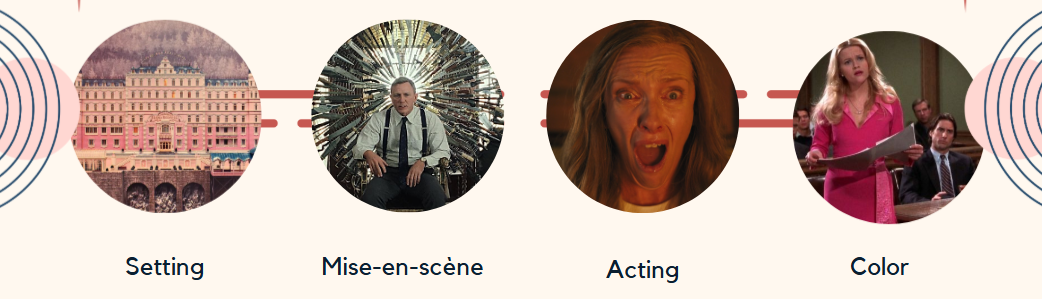
Symbolic codes
These are codes that are used to convey a symbolic—rather than a literal—meaning. One example is the way a character's emotions are implied in a scene.
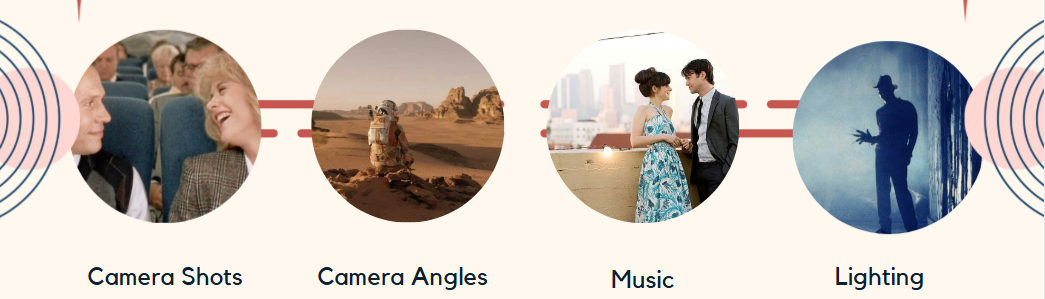
Technical codes
These include techniques and methods like camera angle, shot type, and lighting.
Audio Codes
These include codes related to sound. Background music, sound effects, and voice-overs are under this category.
Diegetic Sound
This is sound whose source is visible on the screen or whose source is implied to be present by the action of the film e.g. voices, sounds made by objects etc. The purpose of this type of sound is to create realism.
Non Diegetic Sound
This is sound whose source is not visible on screen nor has it been implied to be present in the action e.g. narrator’s commentary, sound effects, mood music. This type of sound is used to create emotion. It also helps create atmosphere and mood.
Written Codes
This refers to words used on screen to reinforce the images. These tend to be believed unquestioningly and are a quick and cheap way of conveying information.
They might include:
The title of person being interviewed as well as their qualifications, occupation or relationship
Times, dates and places of events
Facts, statistics or definitions
News headlines and article excerpts
Other comments from the film maker written on screen
Charts, Graphs & Statistics
These can be used to depict ideas visually, making it easier for viewers to digest the information provided.
They also work similarly to expert opinion in that they look scientific and add credibility, making the film makers appear knowledgeable and unbiased, further positioning us to agree with their perspective.
It's important to remember that they can also be manipulated to support the view of the film maker. Film makers will usually only select research that supports their argument.
Conventions
These are repeated ways of constructing media works, using codes that, over time, have become accepted by audiences. (e.g. a fade to black indicates time has passed; a scene of a car chase will include dramatic music) The meanings that are constructed by codes and conventions are culturally determined.
Form conventions
Are the certain ways we expect types of media’s codes to be arranged.
For instance an audience expects to have a title of the film at the beginning, and then credits at the end.
Newspapers will have a masthead, the most important news on the front page and sports news on the back page.
Video games usually start with a tutorial to explain the mechanics of how the game works.
Genre Conventions
Genre conventions point to the common use of tropes, characters, settings or themes in a particular type of medium.
Hero and villain
Damsel in distress and knight in shining armor
Rich vs Poor
Story Conventions
Story conventions are common narrative structures and understandings that are common in story telling media products.
Narrative structures
Cause and effect
Character construction
Point of View
Gender Stereotypes
Example: Detergent ads in the Philippines showing mothers as the ones responsible for laundry.
Ethnic & Regional Stereotypes
Example: Films and shows portraying Bisaya speakers as “comic relief” or “uneducated.”
Occupational Stereotypes
Example: OFWs often portrayed in dramas as either heroes or tragic victims, reducing their identities to sacrifice and suffering.
Beauty Stereotype
Example: Skin-whitening product ads suggest lighter skin = beauty, success, and social acceptance.
Age Stereotypes
Example: Teens depicted as reckless, addicted to gadgets, or uninterested in school.
Stereotype
Oversimplified, generalized beliefs about a group.
Bias
Tendency to present information from one perspective.
Political Bias in News Coverage
Example: A TV network giving more airtime and positive framing to one candidate during elections while highlighting scandals of the opponent.
Selection Bias in Reporting
Example: Newspapers highlighting urban crime stories more than rural community issues, creating a perception that cities are more dangerous
Language Bias
Example: Using terms like “freedom fighter” vs. “rebel” for the same group, depending on the outlet’s stance.
Omission Bias
Example: Media reports on a protest but leaves out why the protest is happening, focusing only on the disruption it caused.
 Note
Note  Flashcards (23)