BIOL 2110 Lab Practical 2 Study Guide
 Call Kai
 Learn
Learn Practice Test
 Spaced Repetition
 Match
Match Flashcards
 Knowt Play
1/113

There's no tags or description
Looks like no tags are added yet.
Name | Mastery | Learn | Test | Matching | Spaced | Call with Kai |
|---|
No analytics yet
Send a link to your students to track their progress
114 Terms
Phylum Echinodermata
Clade of animals including sea stars, brittle stars, sea lilies, sea urchins, and sea cucumbers
Class Asteroidea
Sea stars
Class Ophiuroidea
Brittle stars
Class Holothuroidea
Sea cucumbers
Class Echinoidea
Sea urchins
Phylum Chordata
Clade of animals that feature a Notochord and 4 other distinct features
Dorsal nerve cord
A hollow tube above the notochord; 1 of the 5 distinct traits of chordates
Post-anal tail
Extension of the spine that protrudes anteriorly; reduced in humans; 1 of 5 distinct traits of chordates
Pharyngeal slits or pouches
Openings into the throat or pouches in the throat; becomes inner ear in humans; 1 of 5 unique traits in chordates
Endostyle
Gland that secrets mucus that traps particles; precursor to thyroid in humans; 1 of 5 unique traits in chordates
Subphylum Urochordata
Clade of animals within Phylum Chordata that includes tunicates and sea squirts
Subphylum Cephalochordata
Clade of animals within Phylum Chordata that includes lancelets
Subphylum Vertebrata
Clade of animals within Phylum Chordata; includes all fish and their descendants
Class Myxini
Clade within Subphylum Vertebrata; includes hagfish
Class Petromyzontida
Clade within Subphylum Vertebrata; includes lampreys
Class Chondrichthyes
Clade within Subphylum Vertebrata; includes cartilaginous fishes such as sharks, skates, and rays
Class Actinopterygii
Clade within Subphylum Vertebrata; includes ray-finned fishes
Class Sarcopterygii
Clade within Subphylum Vertebrata; includes lobe-finned fishes and their tetrapod descendants
Class Amphibia
Clade within Subphylum Vertebrata; includes frogs, caecilians, and salamanders
Order Anura
Clade within Class Amphibia; includes frogs and toads
Order Gymnophiona
Clade within Class Amphibia; includes apodous amphibians such as caecilians
Order Urodela
Clade within Class Amphibia; includes salamanders and newts
Class Reptilia
Clade within Subphylum Vertebrata; includes snakes, crocodiles, turtles, and birds
Order Squamata
Clade within Class Reptilia; includes snakes and lizards
Order Testudines
Clade within Class Reptilia; includes turtles and tortoises
Order Crocodilia
Clade within Class Reptilia; includes crocodiles, alligators, and caimans
Order Anseriformes
Clade within Class Reptilia (formerly Aves); includes waterfowl such as ducks, geese, and swans
Order Galliformes
Clade within Class Reptilia (formerly Aves); includes ground-dwelling birds such as chickens, turkeys, and quail
Order Falconiformes
Clade within Class Reptilia (formerly Aves); includes birds of prey such as falcons, vultures, hawks, and condors
Order Columbiformes
Clade within Class Reptilia (formerly Aves); group of birds such as doves and pigeons
Order Cuculiformes
Clade within Class Reptilia (formerly Aves); group of birds such as cuckoos and roadrunners
Order Strigiformes
Clade within Class Reptilia (formerly Aves); group of birds solely including owls
Order Piciformes
Clade within Class Reptilia (formerly Aves); groups of birds such as woodpeckers and toucans
Order Passeriformes
Clade within Class Reptilia (formerly Aves); largest group of birds, known as songbirds or perching birds
Class Mammalia
Clade of animals within Subphylum Vertebrata; distinct traits include milk-producing glands (mammary) and hair/fur
Order Primates
Clade of animals within Class Mammalia; includes monkeys, lemurs, and apes; distinct traits include opposable thumbs and large brains
Order Cetacea
Clade of animals within Class Mammalia; includes whales, dolphins, and narwhals; distinct traits include fusiform (streamlined) bodies and the largest of any animals to have ever existed
Order Perissodactyla
Clade of animals withing Class Mammalia; odd-toes ungulates, includes horses, rhinos and tapirs; hooves can be present, but not antlers or horns
Order Artiodactyla
Clade of animals within Class Mammalia; even-toed ungulates, includes pigs, hippos, cattle, and deer; hooves, antlers, and horns can be present
Order Carnivora
Clade of animals within Class Mammalia; 3rd largest group of mammals, includes bears, cats, dogs, sea lions, etc.; largely carnivorous, some omnivorous; fastest running animals; some sociality is observed
Order Lagomorpha
Clade of animals within Class Mammalia; includes rabbits, hares, and pikas; employ coprophagy; feature unique peg teeth behind their incisors
Order Chiroptera
Clade of animals within Class Mammalia; solely includes bats, the only mammals that employ powered flight; 2nd most diverse group of mammals
Order Rodentia
Clade of animals within Class Mammalia; most common and diverse group of mammals, includes mice, beavers, porcupines, and squirrels; feature unique chisel-like incisors
Carnivorous
Used to describe an animal that eats meat or flesh
Herbivorous
Used to describe an animal that eats plants
Insectivorous
Used to describe an animal that eats insects
Granivorous
Used to describe an animal that eats seeds or grains
Frugivorous
Used to describe an animal that eats fruit
Omnivorous
Used to describe an animal that eats food from a multitude of sources
Sanguivorous
Used to describe an animal that eats blood
Saltatorial
Limbs adapted for jumping
Cursorial
Limbs adapted for running
Arboreal
Limbs adapted for climbing, particularly trees
Natatorial
Limbs adapted for swimming
Aerial
Limbs adapted for flight
Fossorial
Limbs adapted for burrowing
Ruminant herbivores
Cattle, sheep, goats, etc.; feature additional stomach chamber(s) (rumen(s)) for chemical breakdown of food
Nonruminant herbivores
Rabbits, guinea pigs, horses, etc.; lacking additional stomach chambers; often coprophagous as means of absorbing nutrients left behind from first digestion
Monotremes/Prototherians
Most primitive means of reproduction in mammals; employed by echidnas and platypuses
Marsupials/Metatherians
Animals that employ viviparity without a placenta; feature pouch in which young develop and acquire milk from mammary glands; can employ diapause
Placentals/Eutherians
Most prevalent reproductive system in mammals; embryos develop in utero on fixed schedule
Diapause
Ability in marsupials to arrest development of embryo to nourish pre-existing juveniles
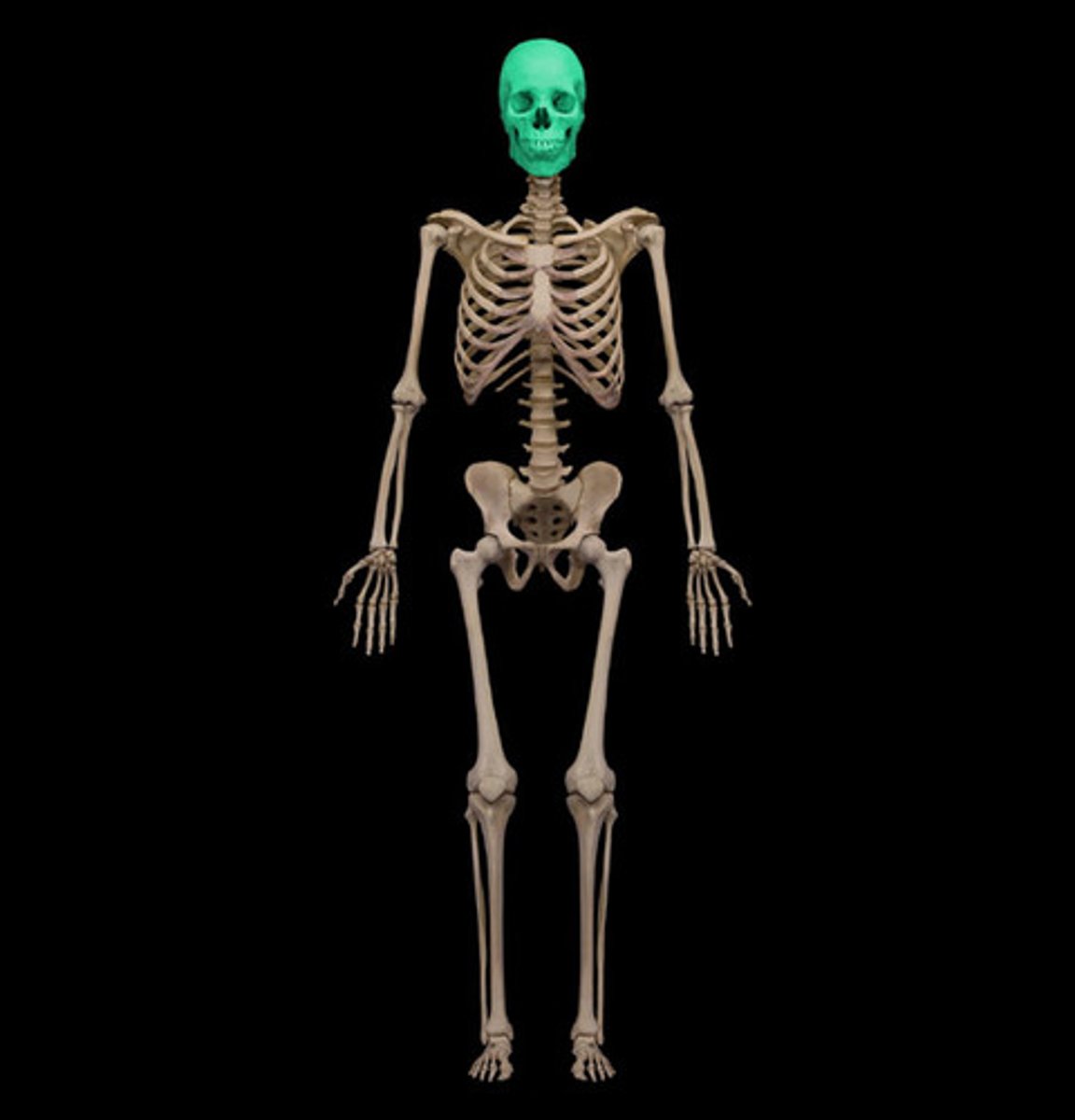
Human skull
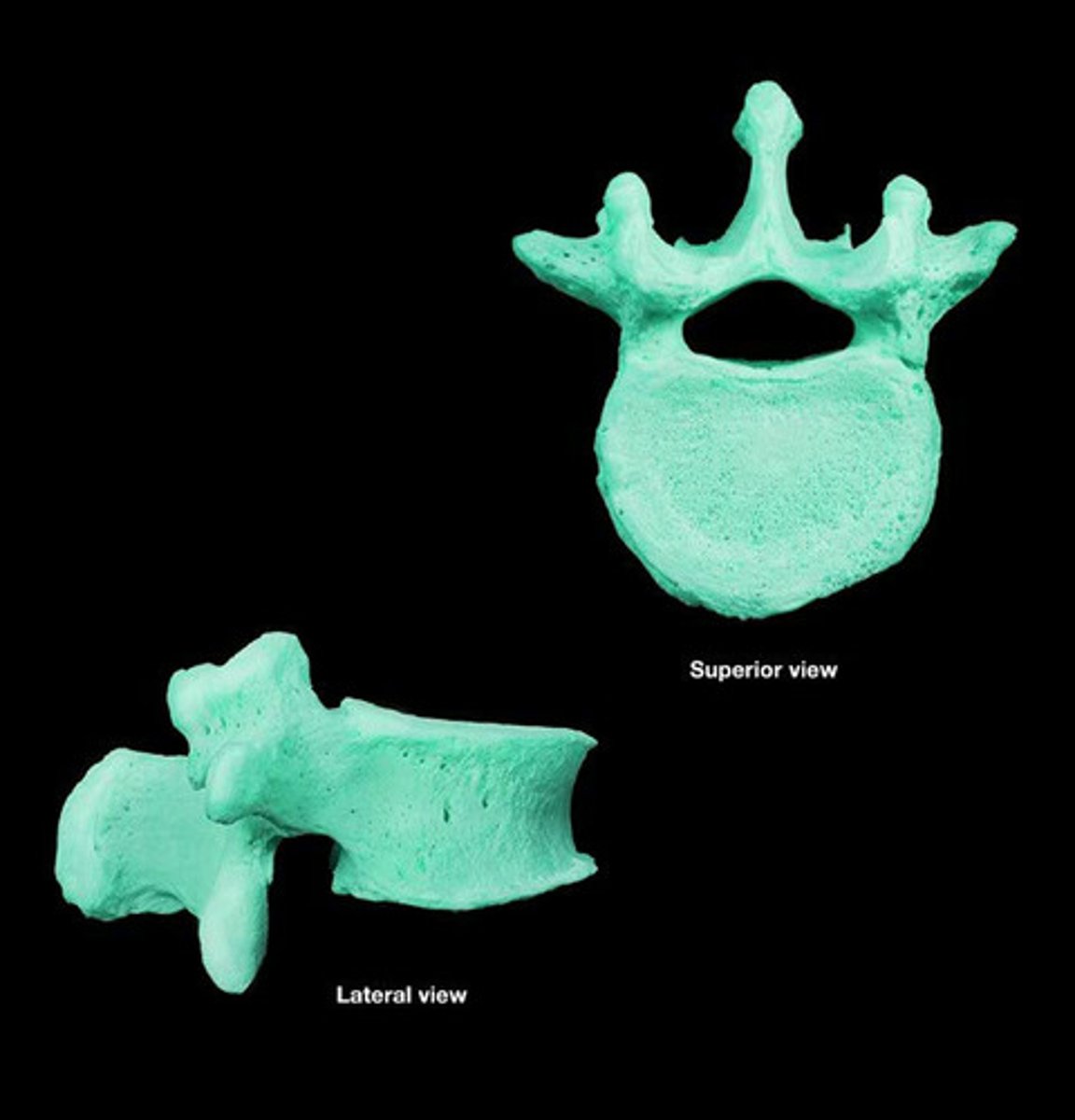
Human vertebrae
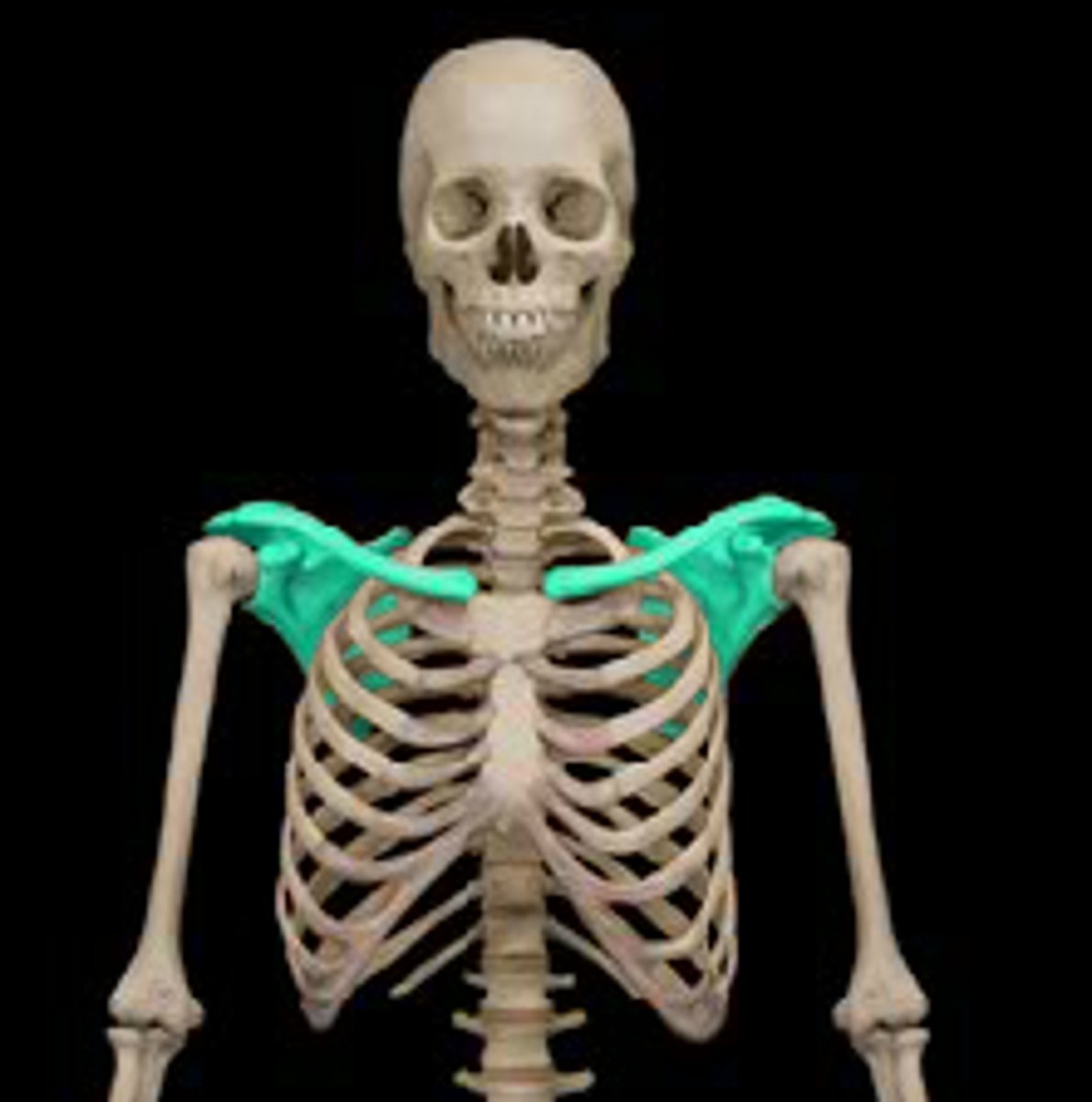
Human pectoral girdle
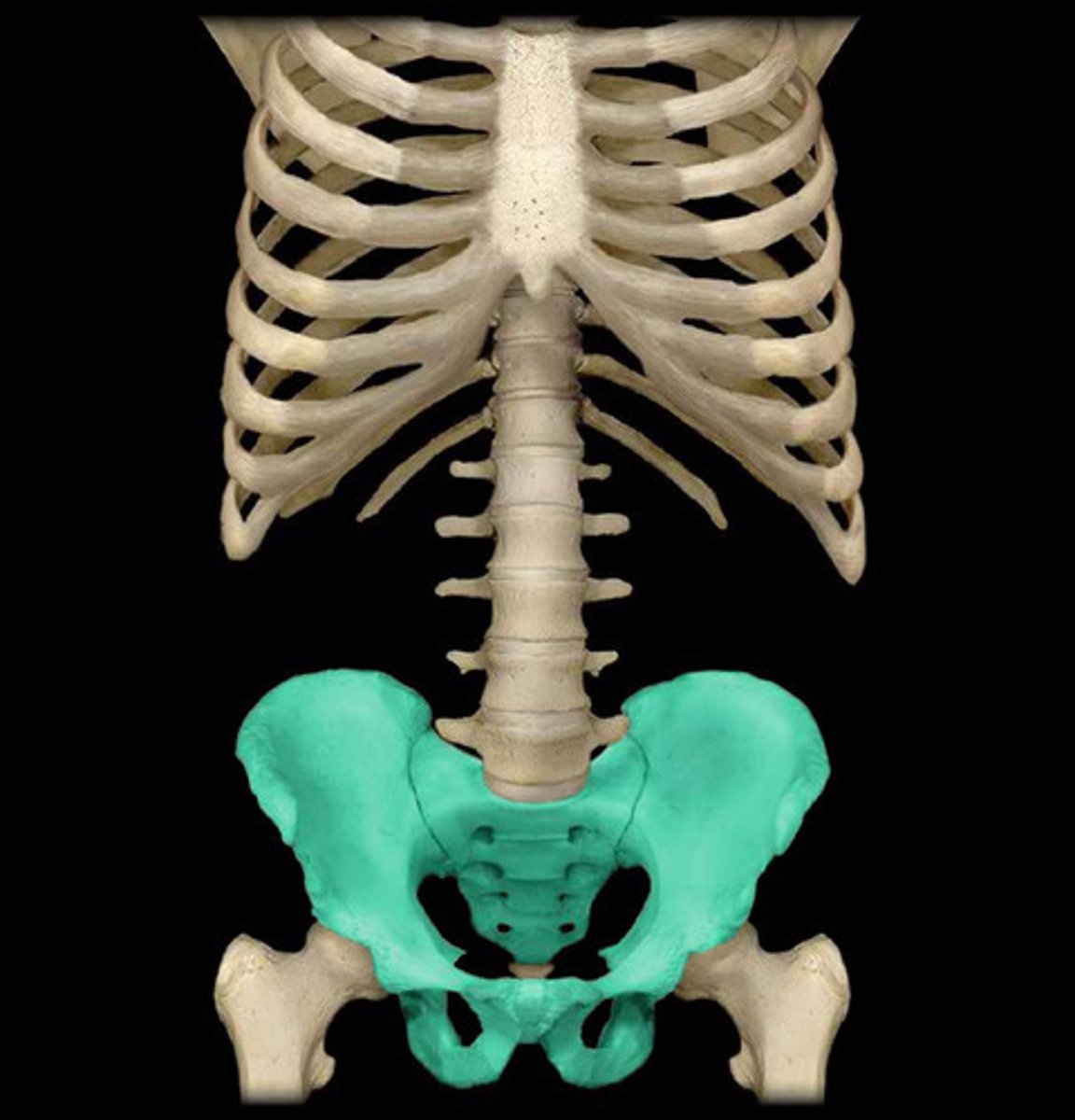
Human pelvic girdle
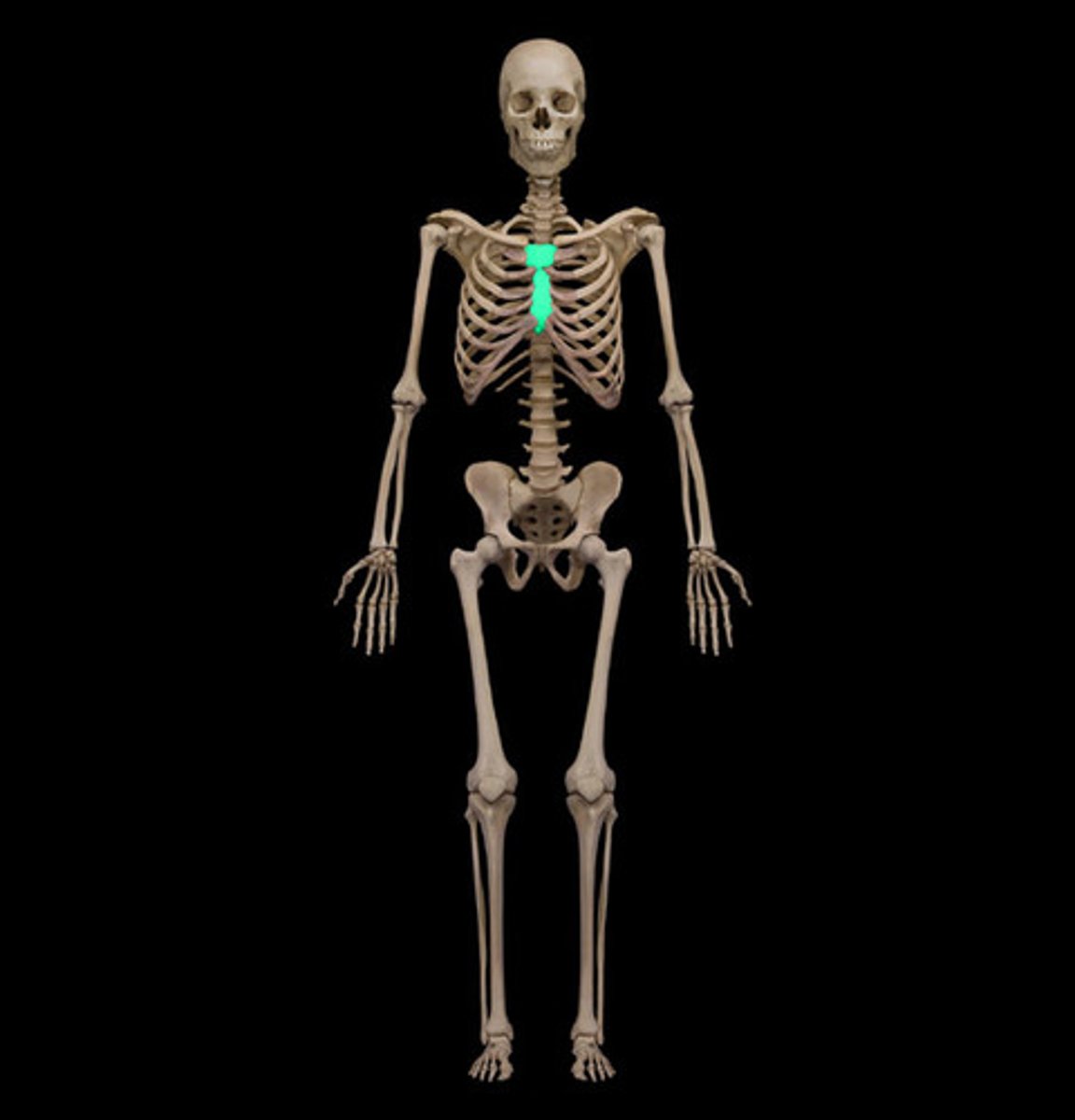
Human sternum
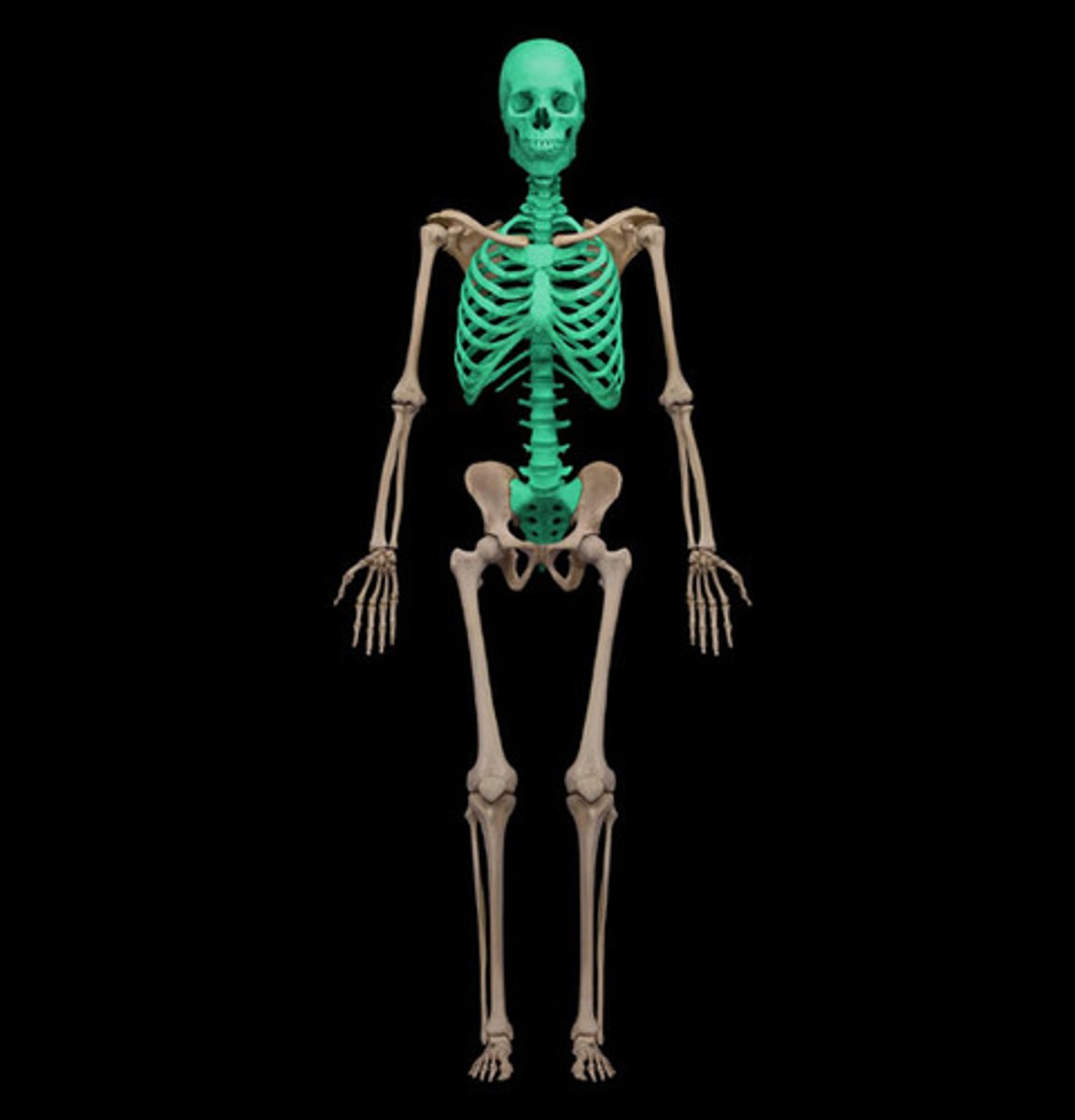
Human rib cage
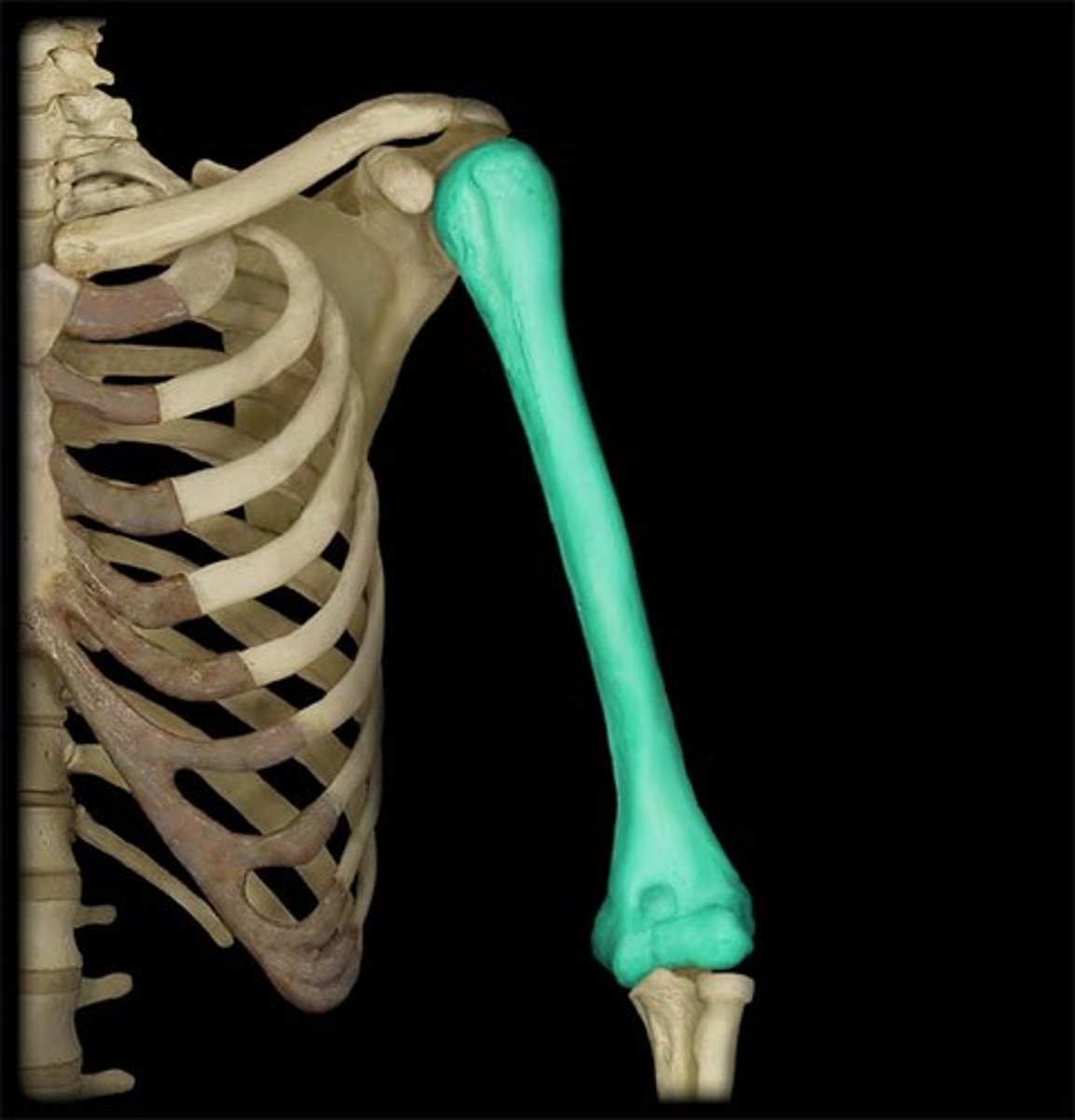
Human humerus
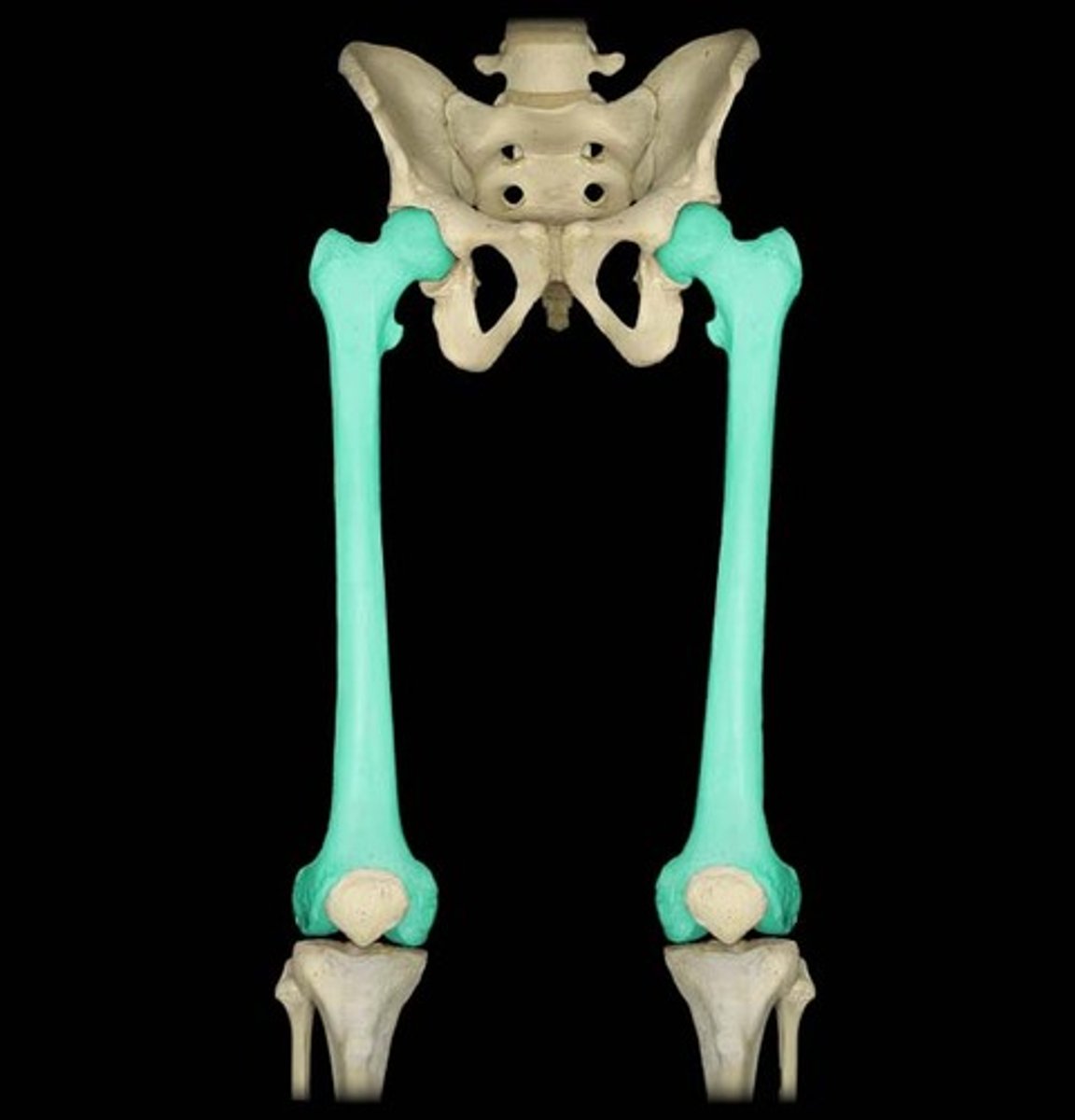
Human femur
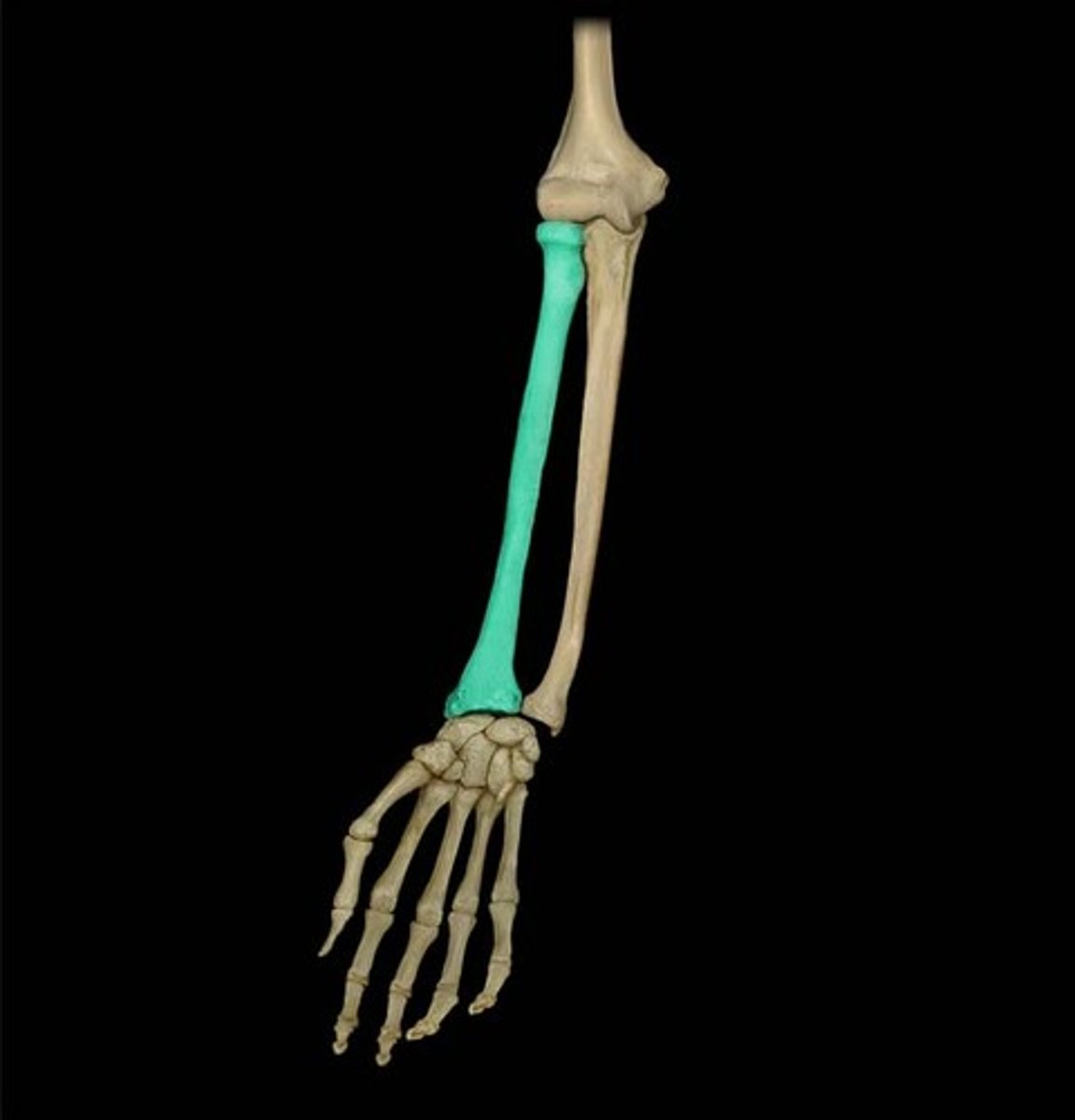
Human radius
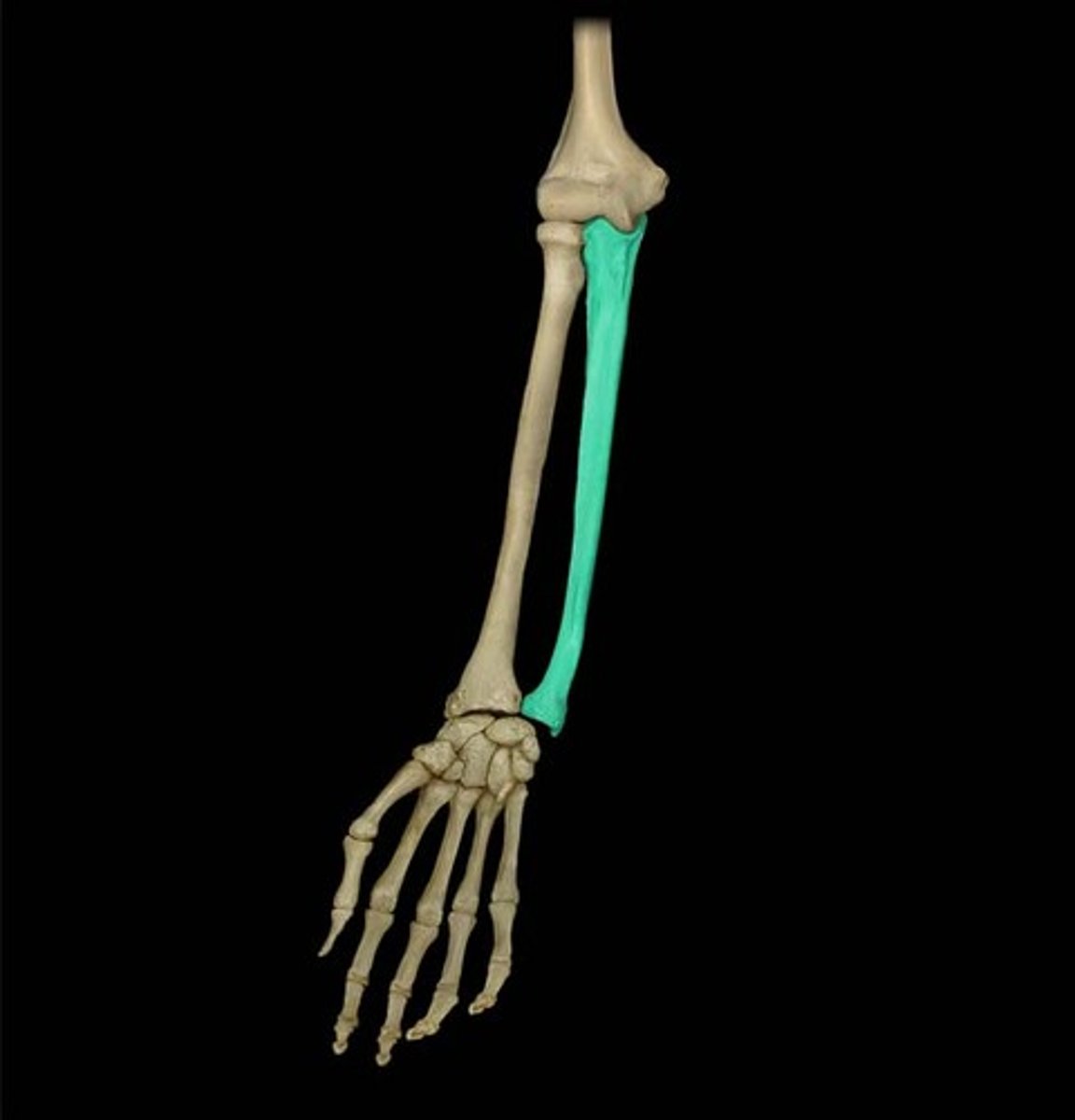
Human ulna
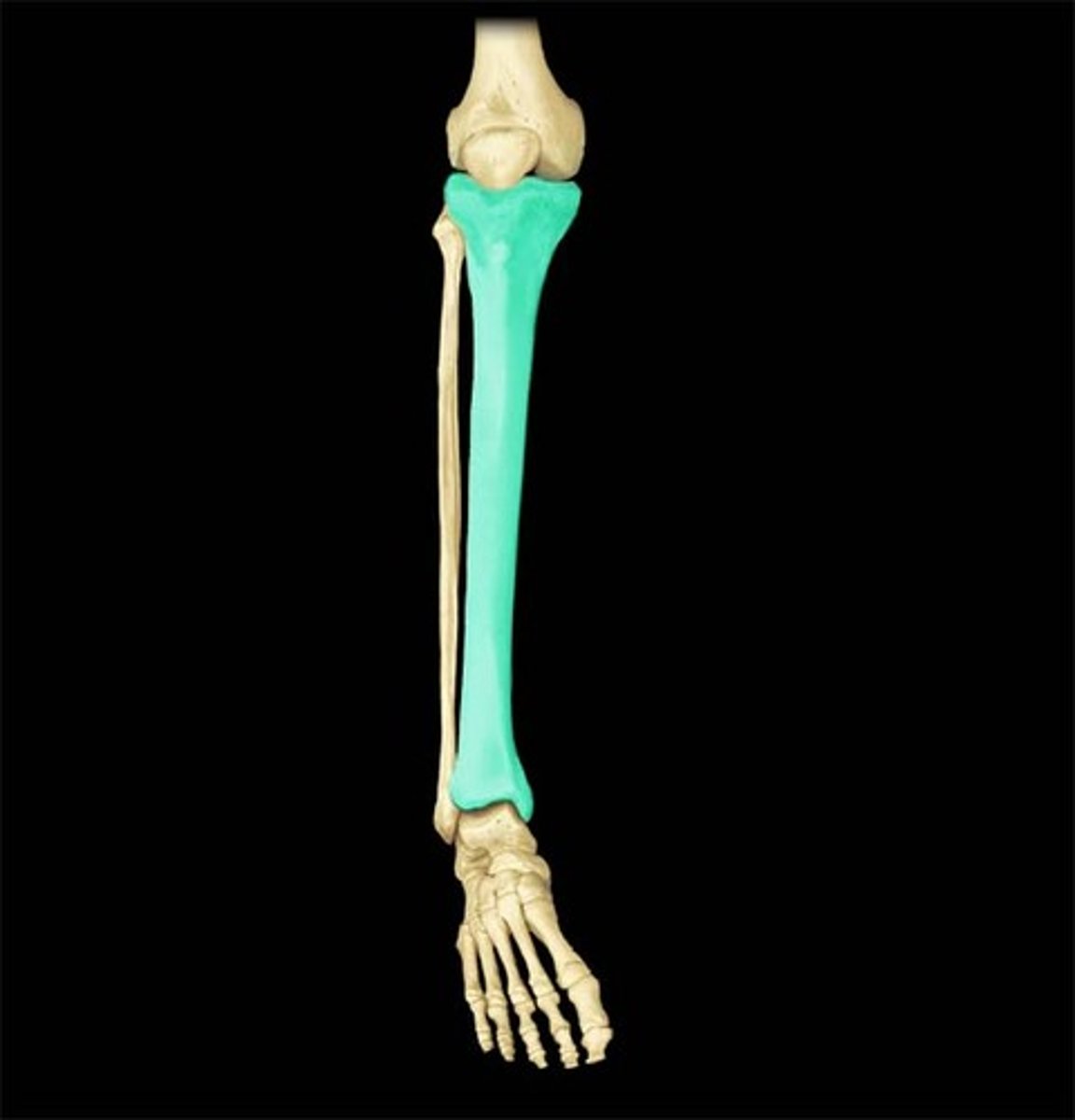
Human tibia
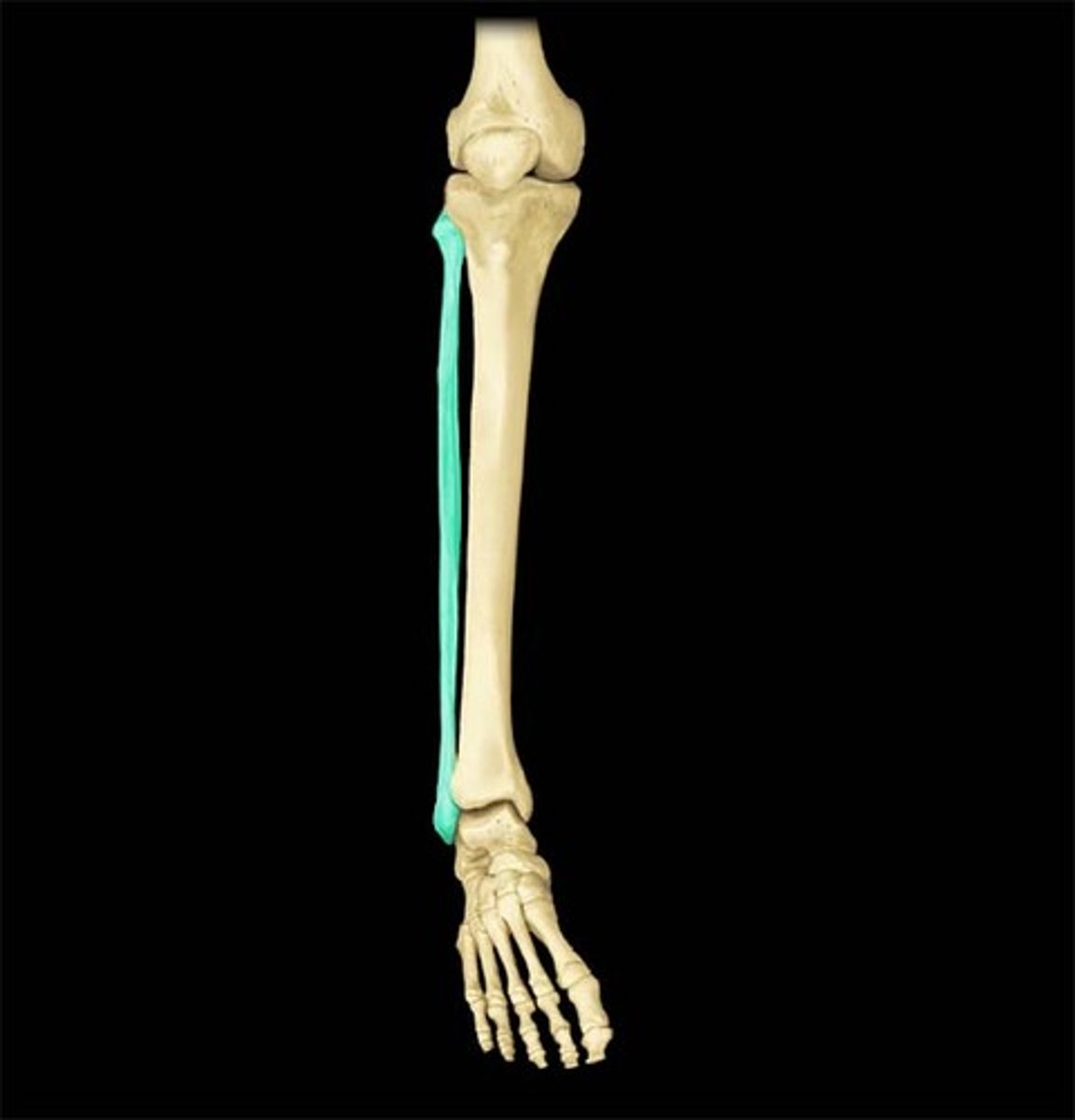
Human fibula
Human phalanges
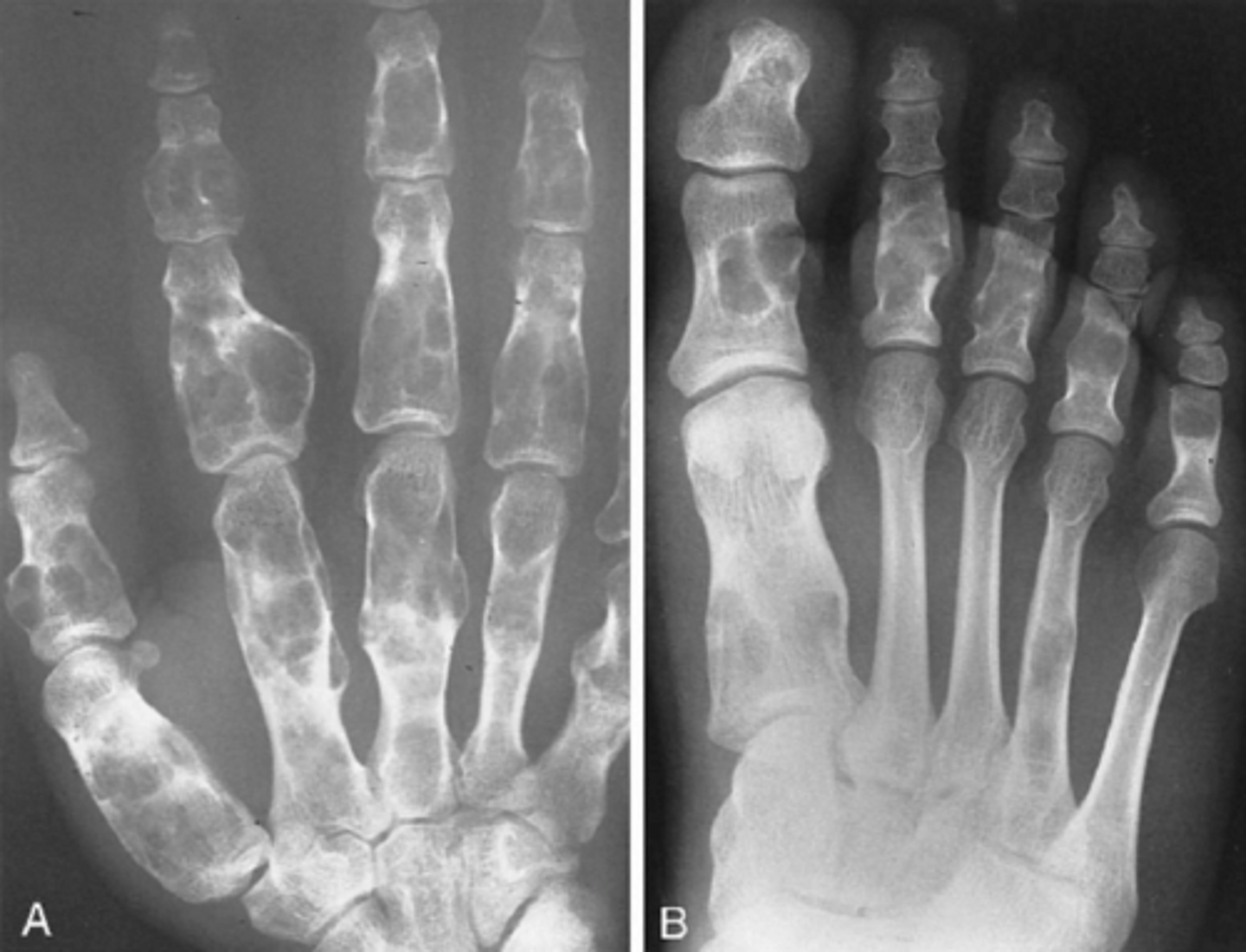
Human metacarpals
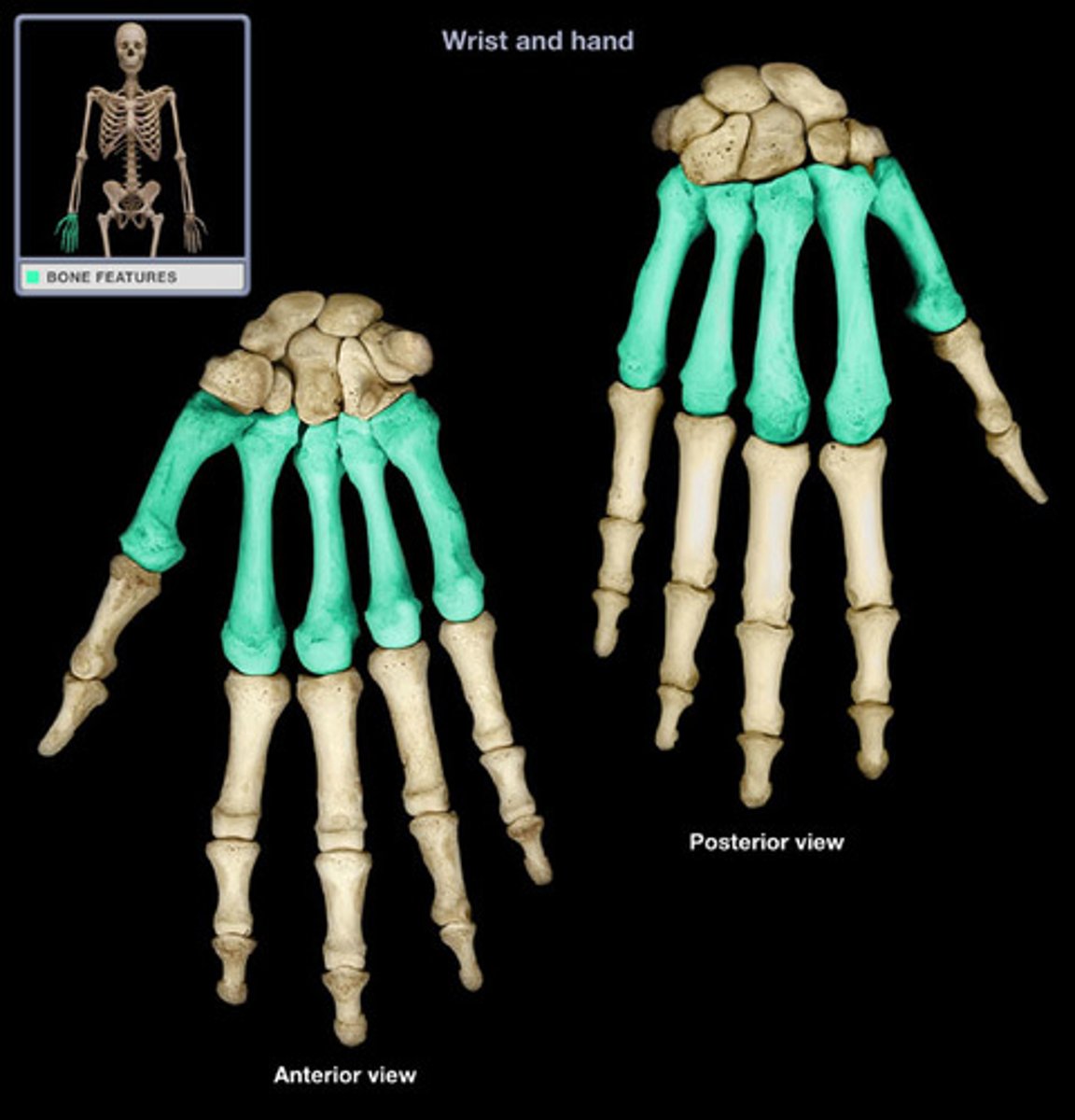
Human carpals
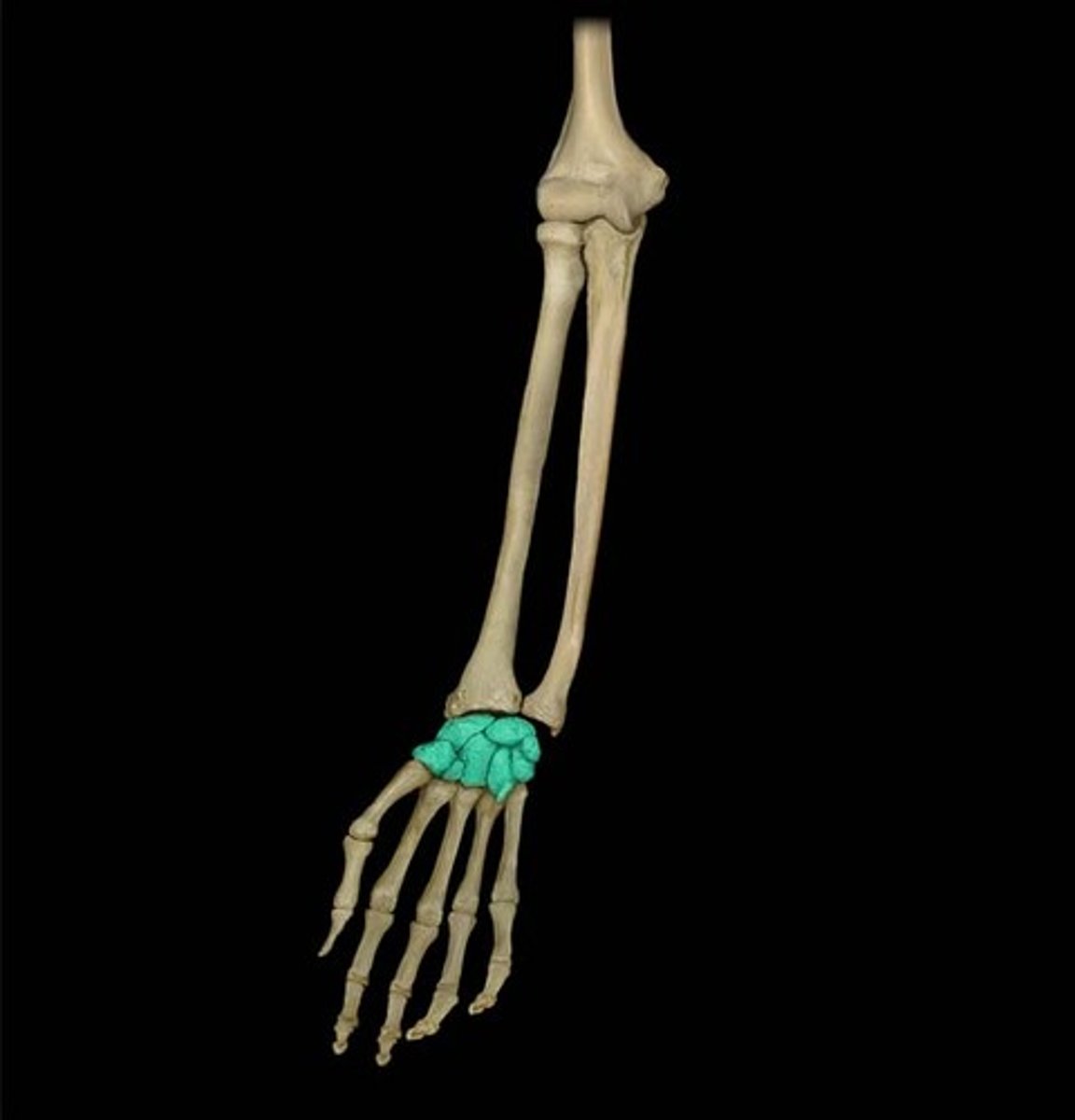
Human metatarsals
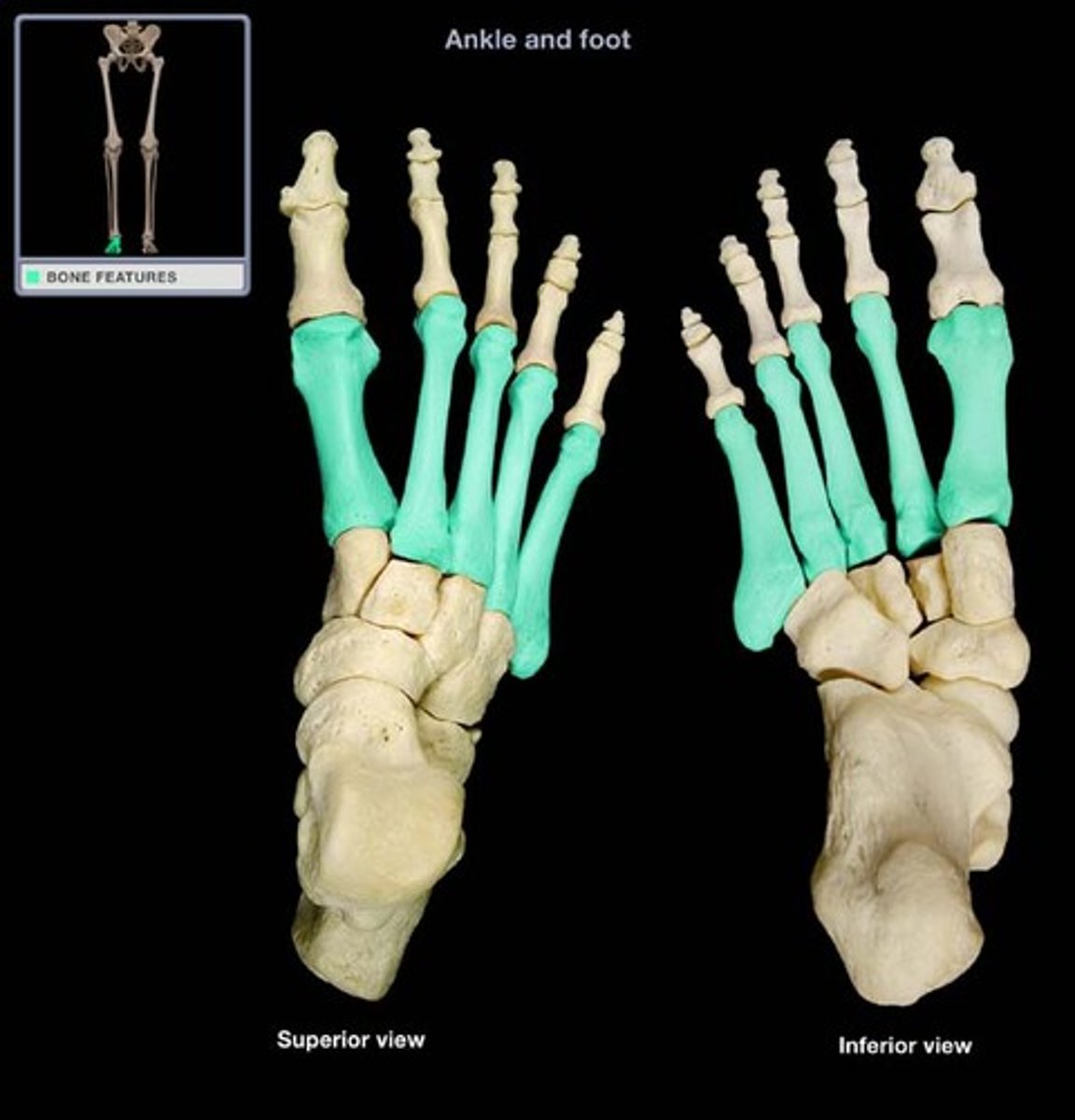
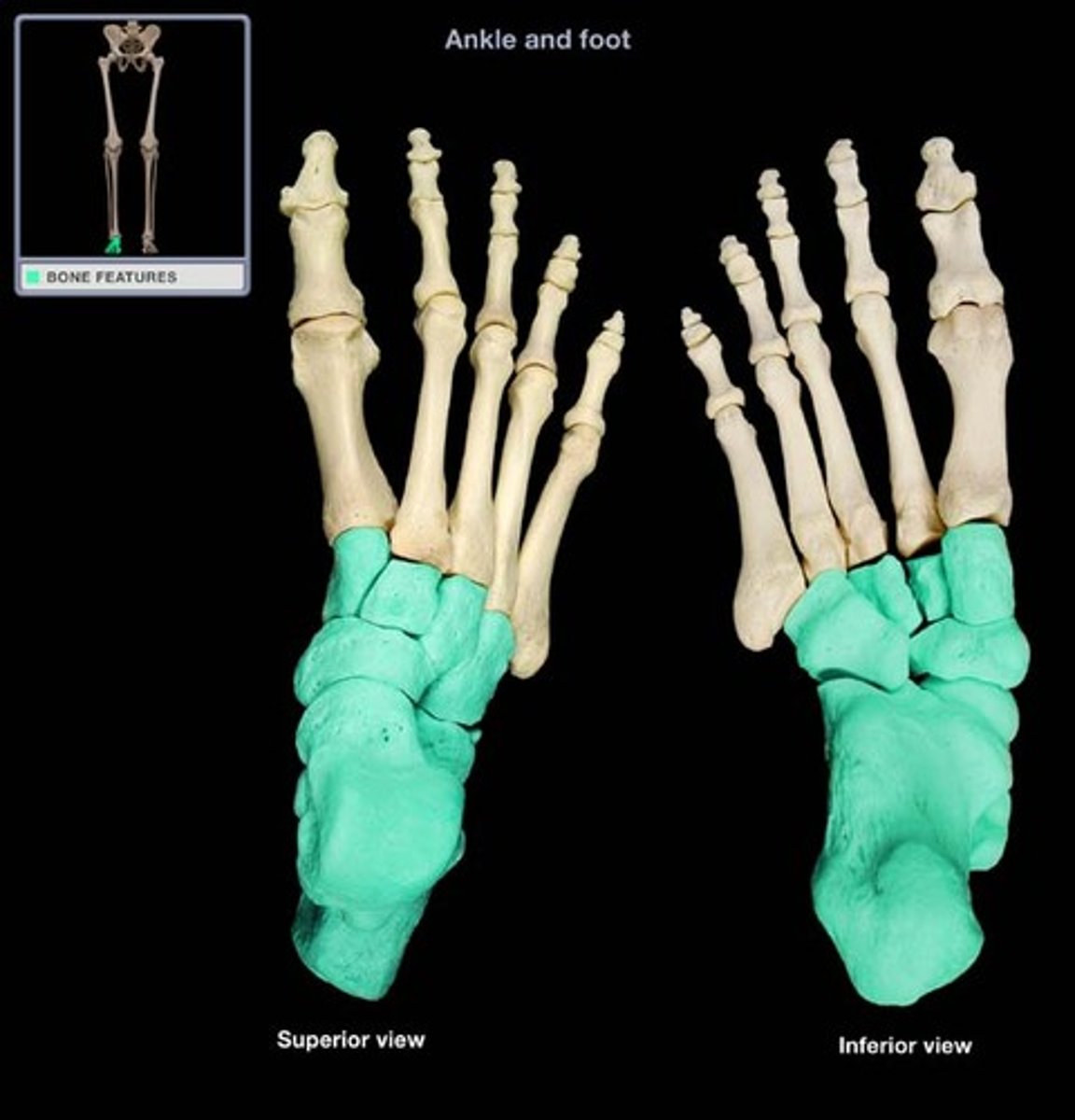
Human tarsals
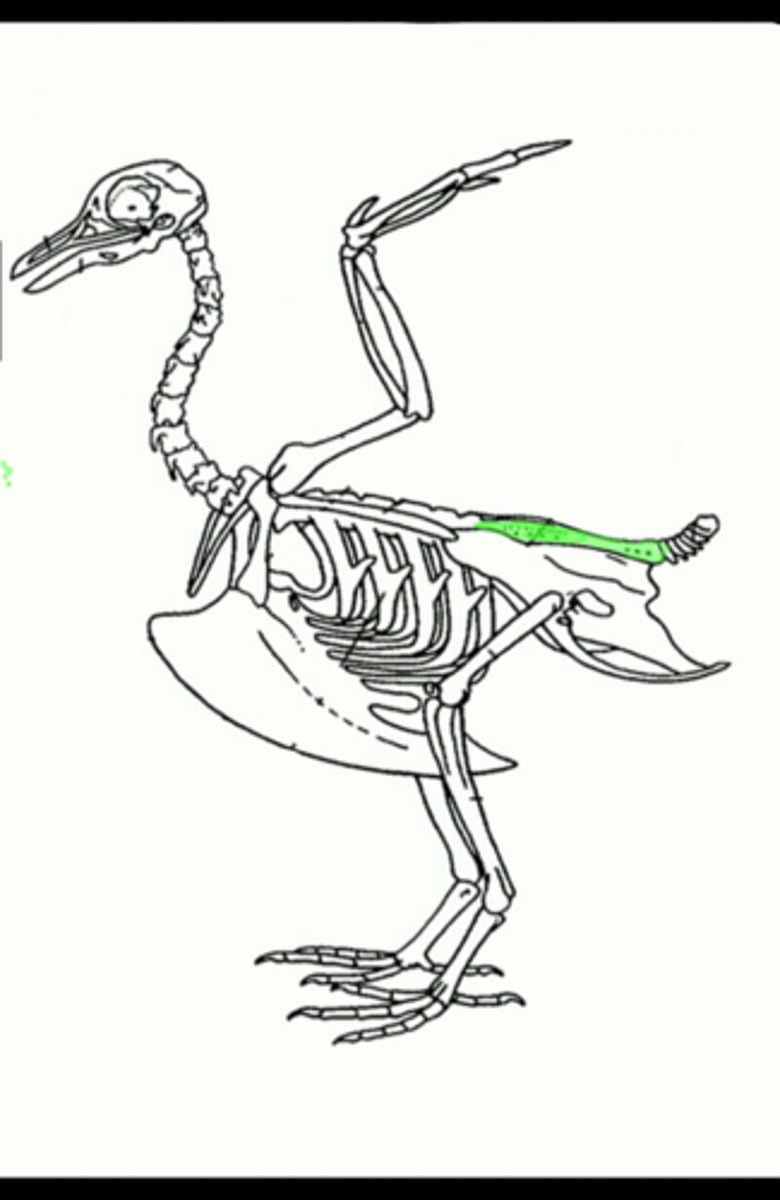
Bird synsacrum
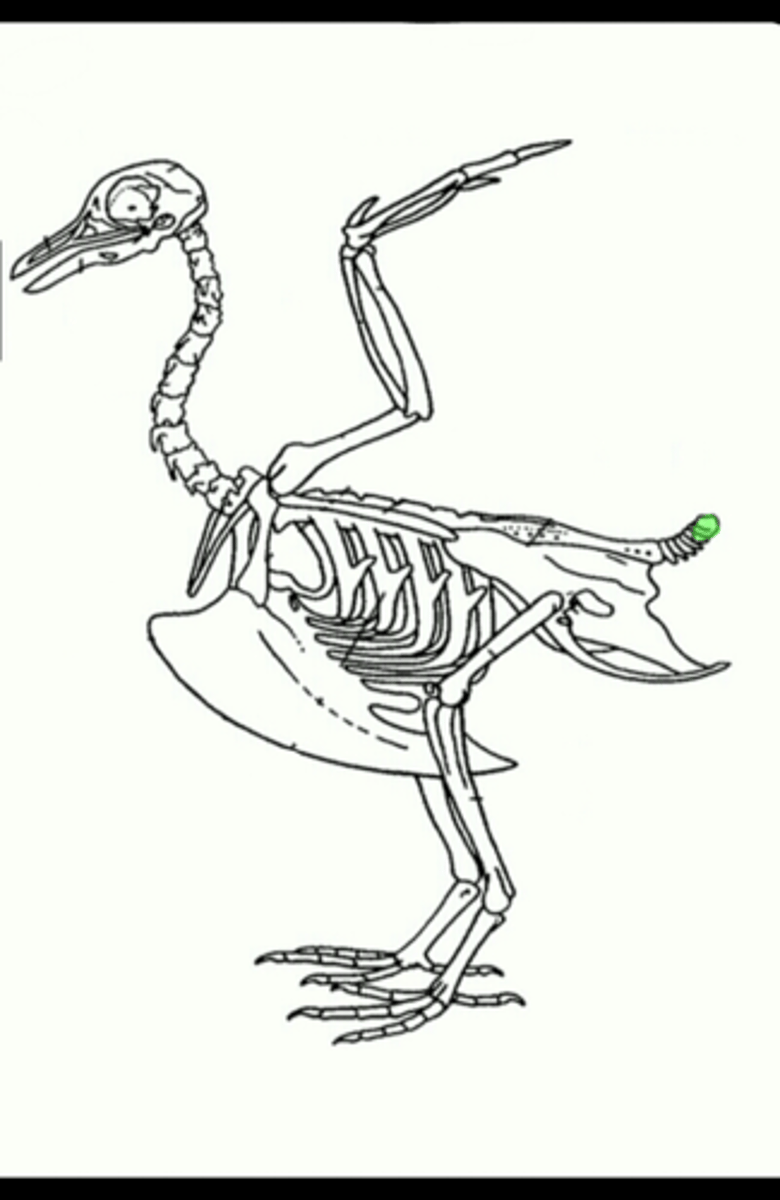
Bird pygostyle
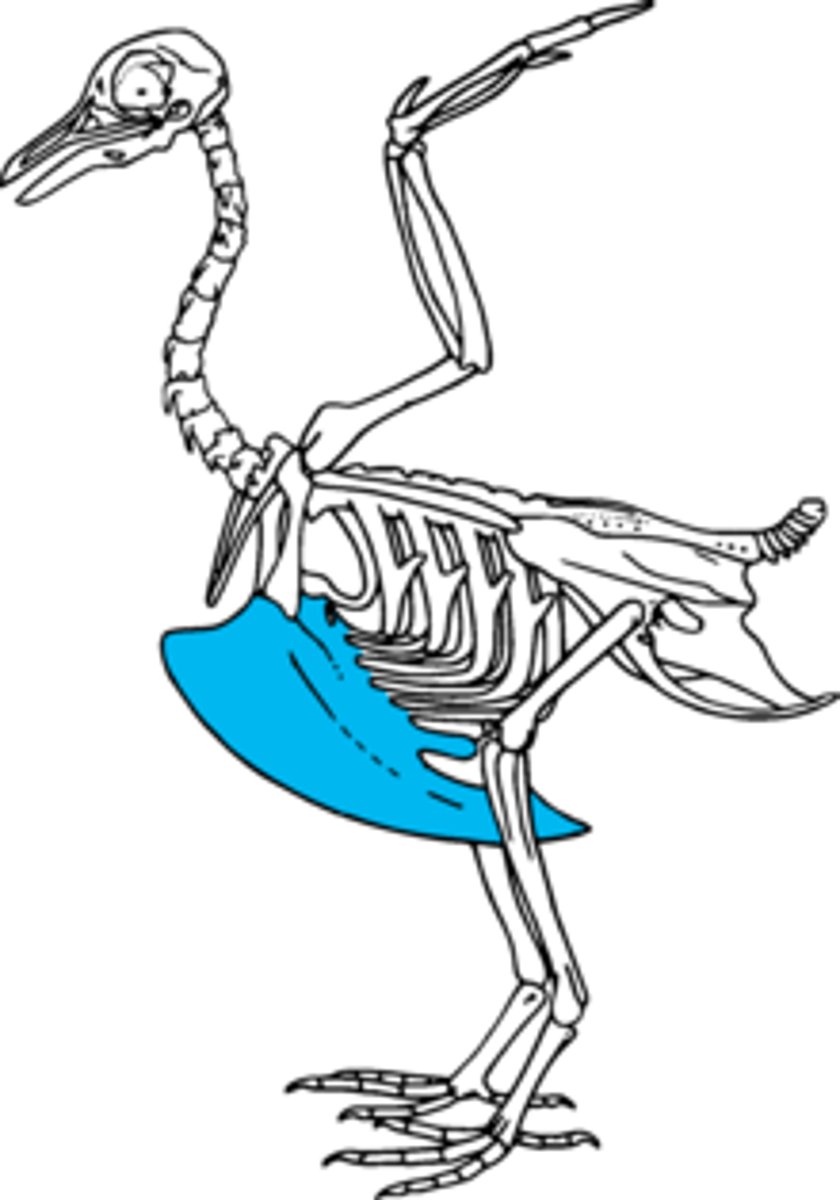
Bird sternum
Bird tibiotarsus
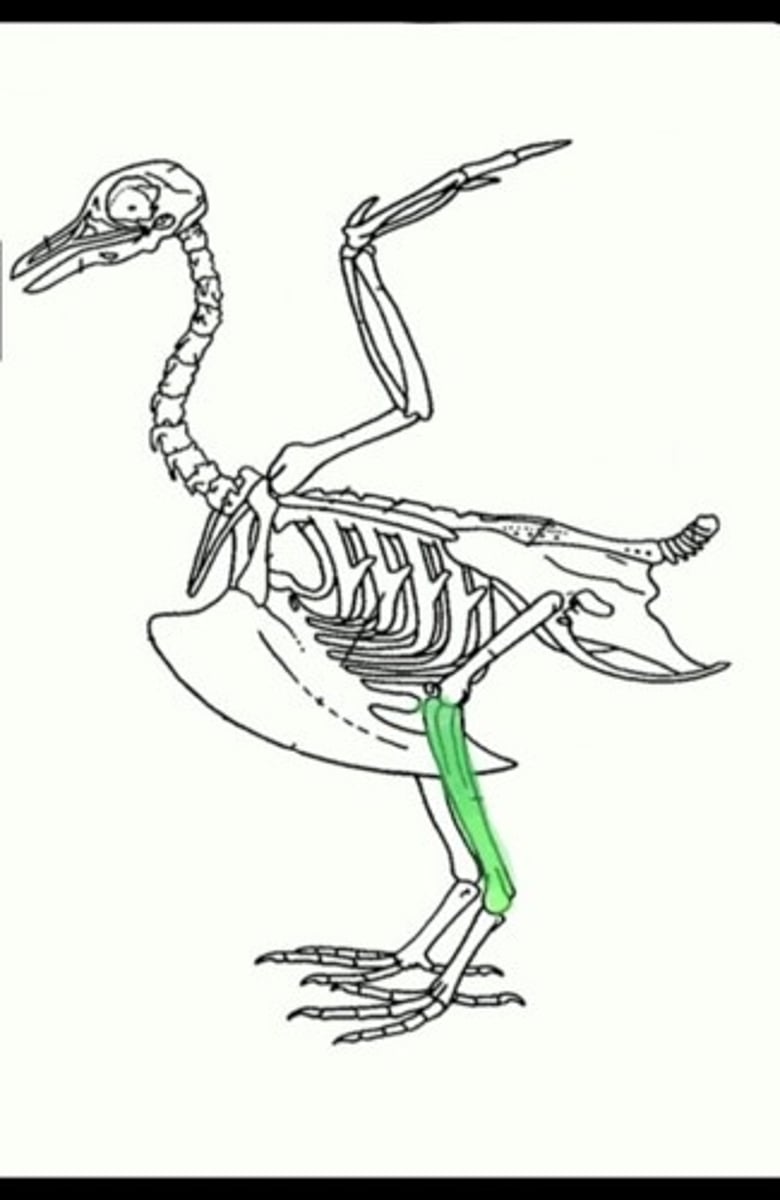
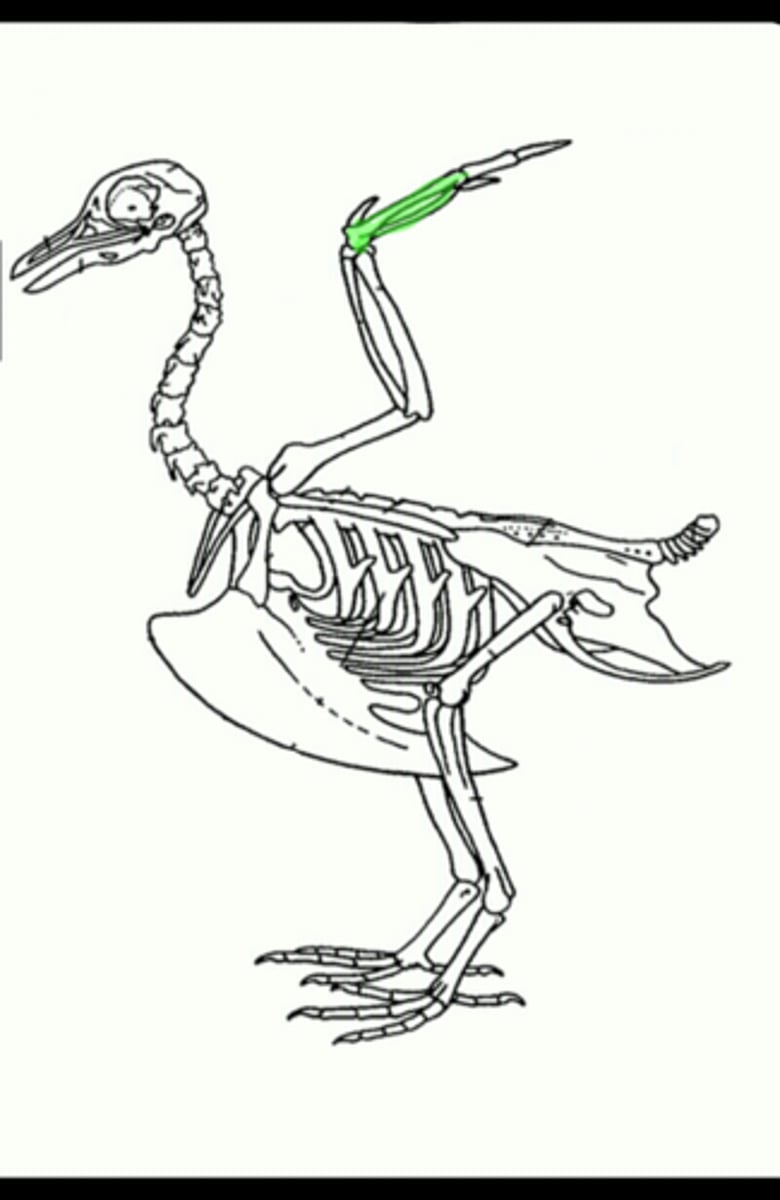
Bird carpometacarpus
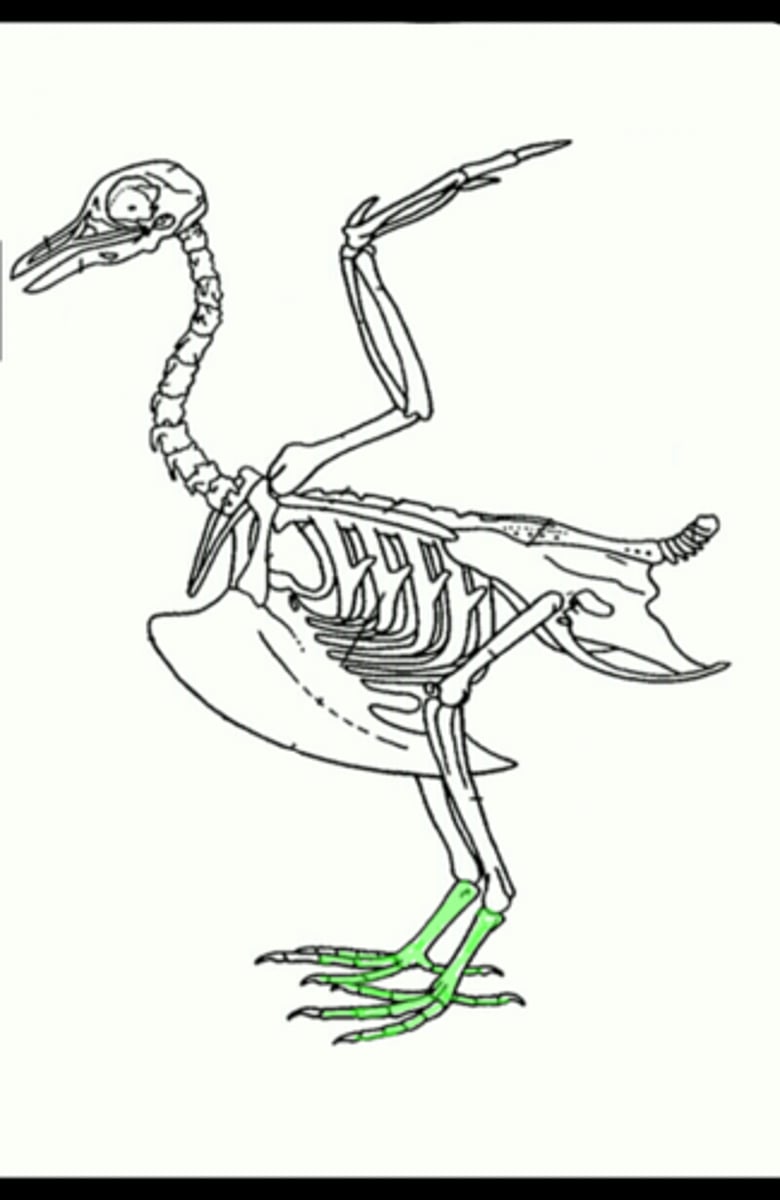
Bird tarsometatarsus
Water vascular (ambulacral) system
A network of hydraulic canals unique to echinoderms that branches into extensions called tube feet, which function in locomotion, feeding, and gas exchange
Stone canal
In echinoderms, a short canal that connects the madreporite to the ring canal around the mouth
Ring canal
In echinoderms, a circular canal that is near the mouth and that is part of the water-vascular system
Tiedemann's bodies
Organ for defense function, attached to ring canal in echinoderms; filters water into perivisceral coelom
Axial sinus and dorsal sac
What make up the hemal system in echinoderms?
Hemal system
Strands of tissue that encircle an echinoderm near the ring canal of the water vascular system; circulates coelomic fluid and distributes nutrients
Madreporite
Sieve-like structure through which the water vascular system of an echinoderm opens to the outside
Pedicellariae
Tiny pincers that are used for surface maintenance by sea stars and some sea urchins
Ossicles
Bony plates just under the skin of echinoderms; form the bony protrusions that earned them the "spiny skin" name
Largely herbivorous and insectivorous
What is the diet of animals from clade Rodentia?
Frugivorous, insectivorous, sanguivorous
What is the diet of animals from clade Chiroptera?
Herbivorous; employs coprophagy
What is the diet of animals from clade Lagomorpha?
Largely carnivorous, some omnivorous
What is the diet of animals from clade Carnivora?
Herbivorous
What is the diet of animals from clade Artiodactyla?
Herbivorous
What is the diet of animals from clade Perissodactyla?

