Paleolithic & Neolithic Basic Vocab
5.0(2)
Studied by 5 people Call Kai
 Learn
Learn Practice Test
 Spaced Repetition
 Match
Match Flashcards
 Knowt Play
Card Sorting
1/26

Earn XP
Last updated 1:08 PM on 10/8/22
Name | Mastery | Learn | Test | Matching | Spaced | Call with Kai | Chat |
|---|
No analytics yet
Send a link to your students to track their progress
27 Terms
1
New cards
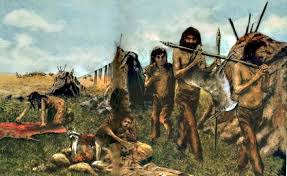
Paleolithic
The early part of human history, also known as the Old Stone Age.
2
New cards
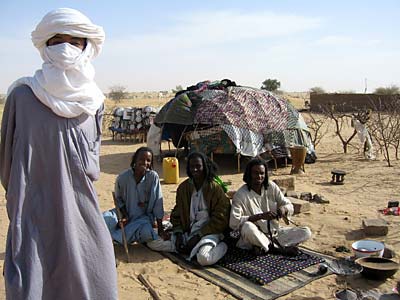
nomad
People who move from place to place to survive.
3
New cards
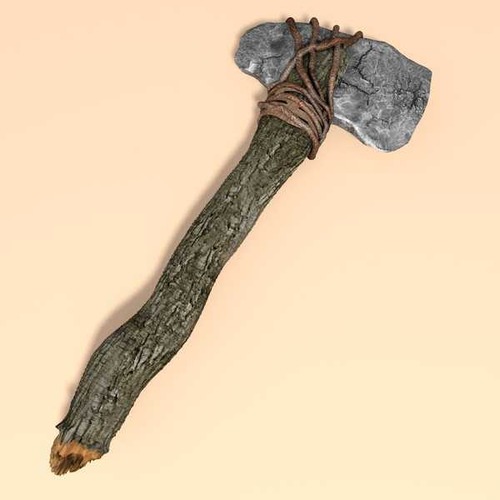
technology
The use of new ideas and tools to do work.
4
New cards
ice age
Long periods of extreme cold on Earth.

5
New cards
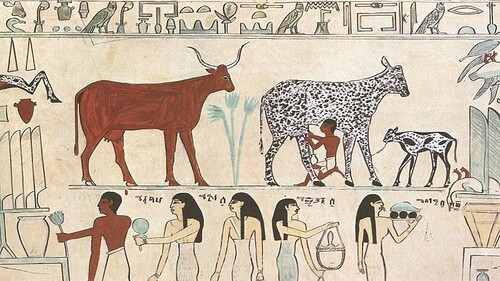
domesticate
the act of changing a wild plant or animal so it can be grown or raised by humans
6
New cards
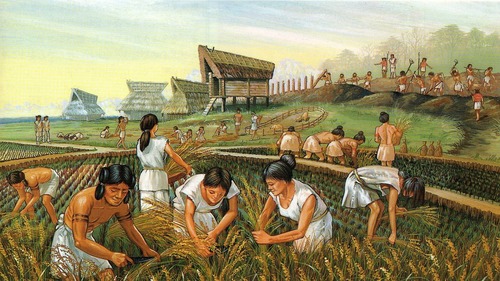
systematic agriculture
The growing of food on a regular basis.
7
New cards
Neolithic Age
The period of time from 8000 to 4000 BC.
8
New cards
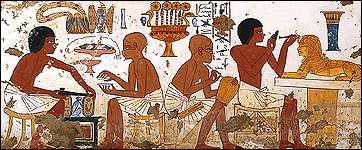
specialization
Performing jobs people are good at doing.
9
New cards
stayed in ________ bands
small
10
New cards
Why did they stay in small bands?
They were always on the move and they had little resources.
11
New cards
men's job
hunting
12
New cards
women's job
gathering
13
New cards
culture
Beliefs, customs, and traditions of a specific group of people.
14
New cards
Why didn't nomadic women have kids?
They were constantly on the move and you cant give birth while breastfeeding
15
New cards
Lucy
discovered in Ethiopia in 1974 by Donald Johanson, was an almost complete skeleton of a female hominid who had lived 3.5 million years ago.
16
New cards
Hominids
humans and other creatures that walk upright
17
New cards
Animals hunted
cattle, goats, fox, cats :(, birds
18
New cards
turning point
a time or an event in which a significant and lasting change occurs
19
New cards
division of labor
the type of arrangement in which each worker specializes in a particular task or job
20
New cards
Resource
a source or supply from which something benefits
21
New cards
Hunter-gatherers
Early nomadic humans who migrated following their food supply (animal herds, fish, fruits, berries, birds, nuts, roots, etc.)
22
New cards
Cultivate
to grow plants; to prepare or prepare and use for the raising of crops
23
New cards
Domestication
to convert animals, plants, etc. from wild to tamed for human use as food, transportation or labor.
24
New cards
Agriculture
The cultivation of plants and the domestication of animals
25
New cards
surplus
A situation in which quantity supplied is greater than quantity demanded
26
New cards
neolithic
-new stone age- organized agriculture- domestic animals- year round settlements
27
New cards
paleolithic
-old stone age-nomadic living-hinter/gatherer