Shell Lab
 Studied by 0 people
 Call Kai
 Learn
Learn Practice Test
 Spaced Repetition
 Match
Match Flashcards
 Knowt Play
1/52

There's no tags or description
Looks like no tags are added yet.
Name | Mastery | Learn | Test | Matching | Spaced | Call with Kai |
|---|
No analytics yet
Send a link to your students to track their progress
53 Terms
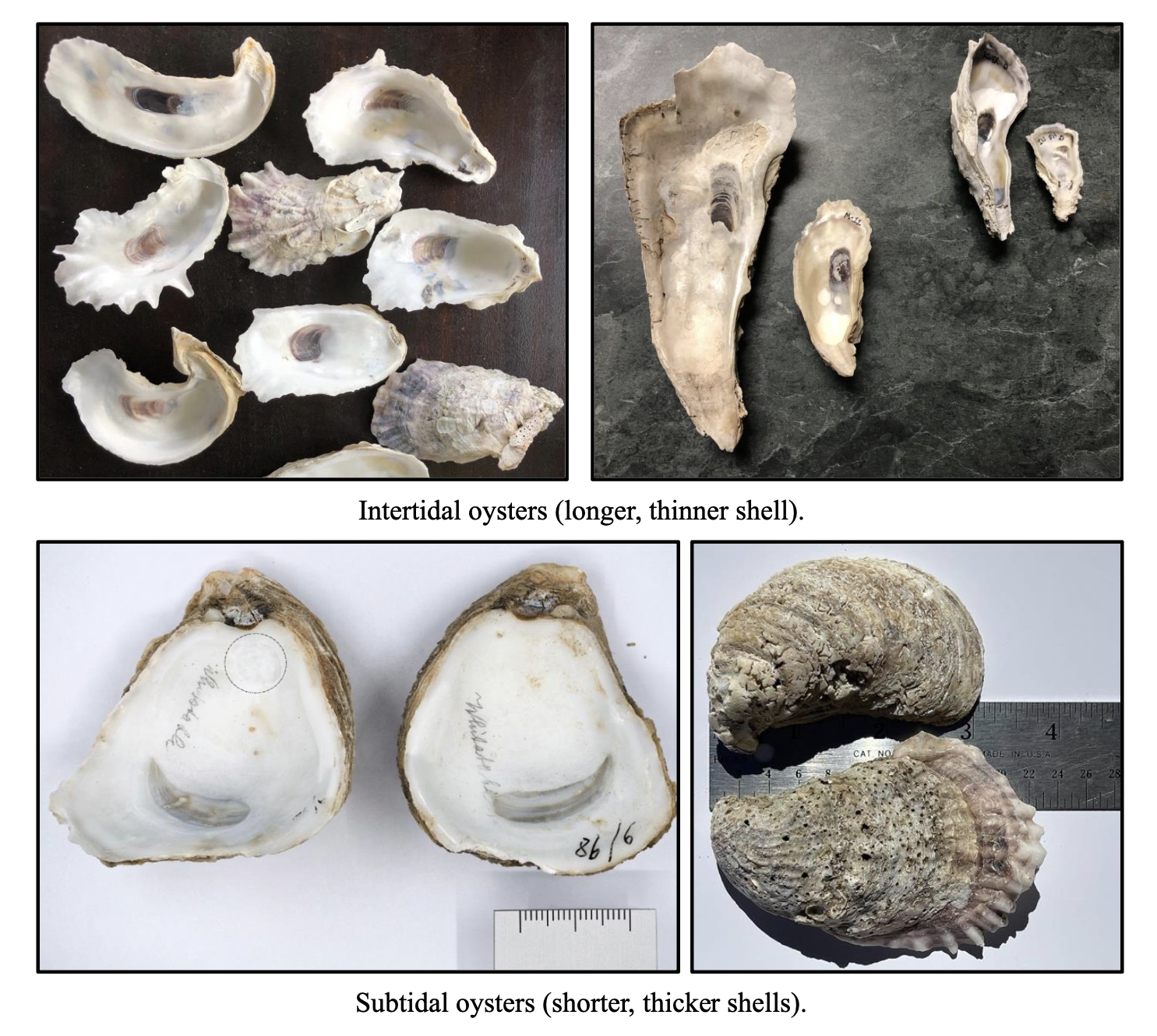
Eastern Oyster
Eastern Oyster
Type: Bivalve Habitat: Estuaries with lower salinity; attached to hard substrate Zone:
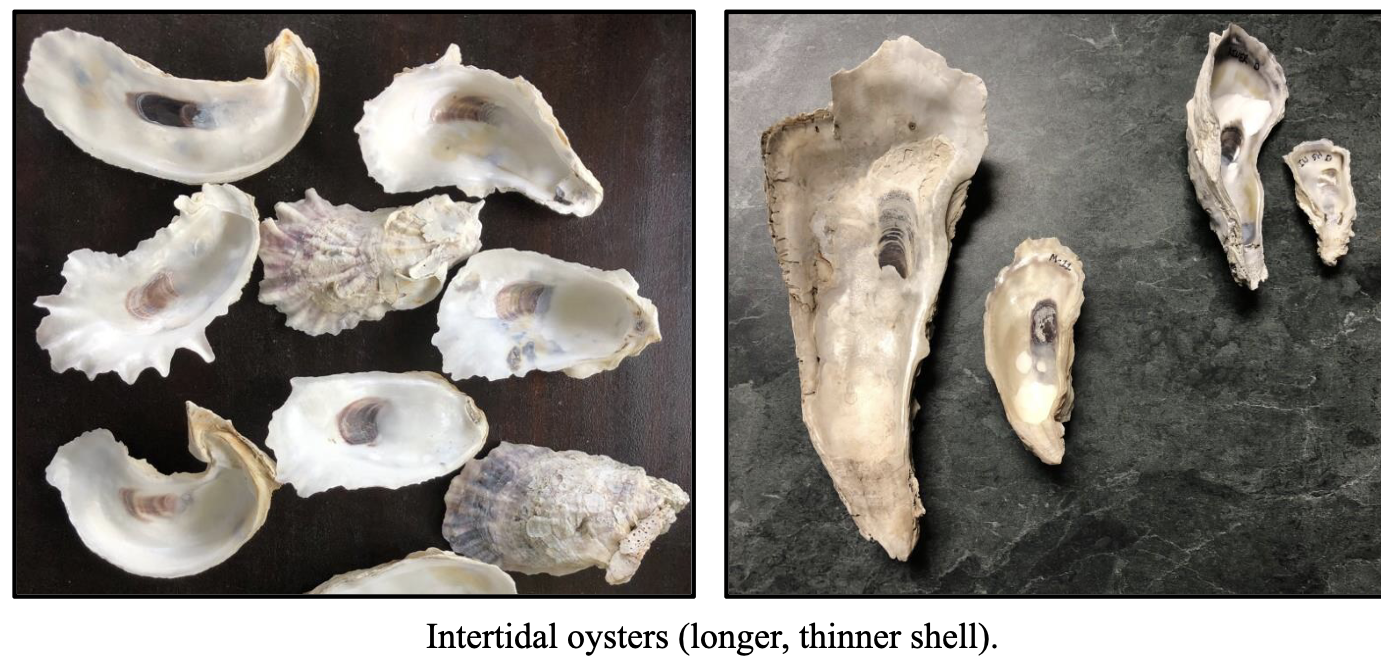
Intertidal oysters - exposed at low tide, thicker shells
Subtidal oysters - always underwater, thinner shells Notes: Forms reefs; very important habitat species ⭐ Used to determine season of collection (NE Florida)
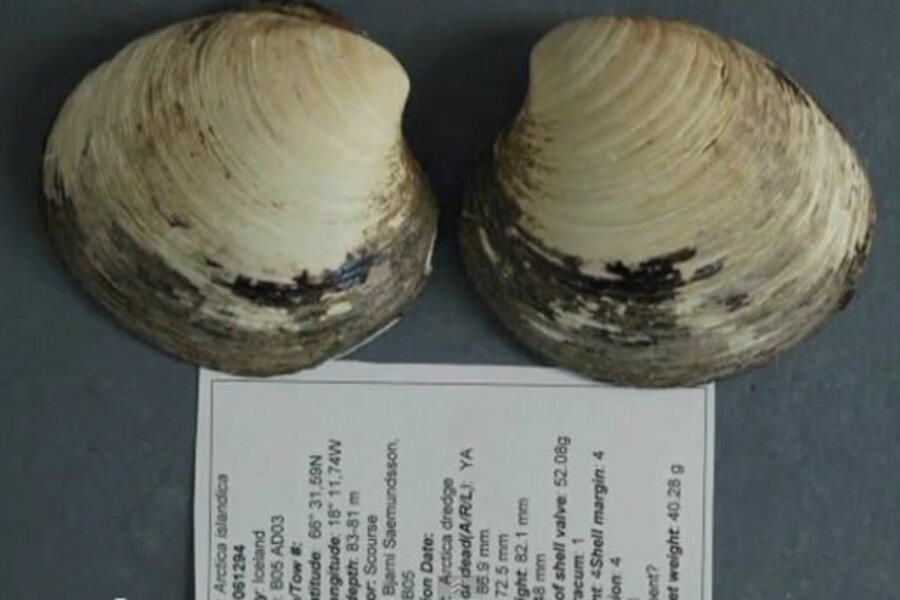
Quahog (Hard Clam)
Quahog (Hard Clam)
Type: Bivalve Habitat: Intertidal flats of mud or sand Zone: ⭐ Used to determine season of collection (NE Florida)
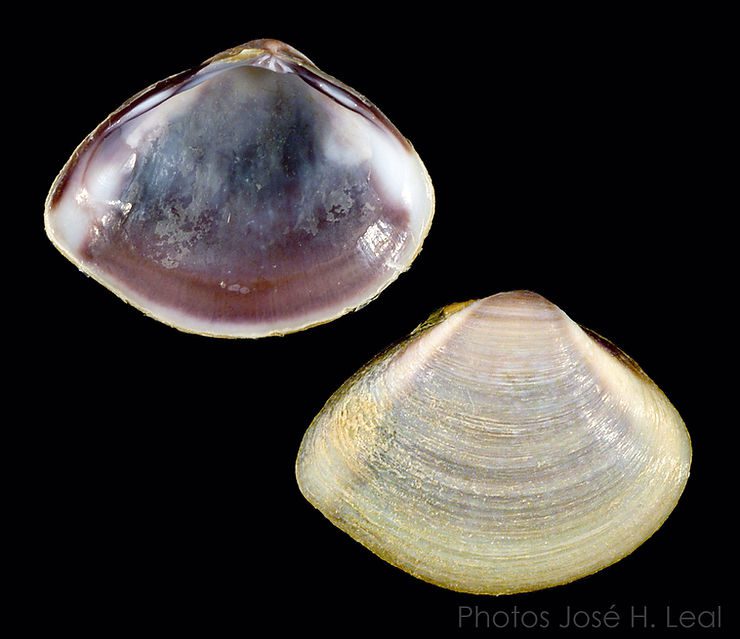
Marsh Clam
Marsh Clam
Type: Bivalve Habitat: Intertidal
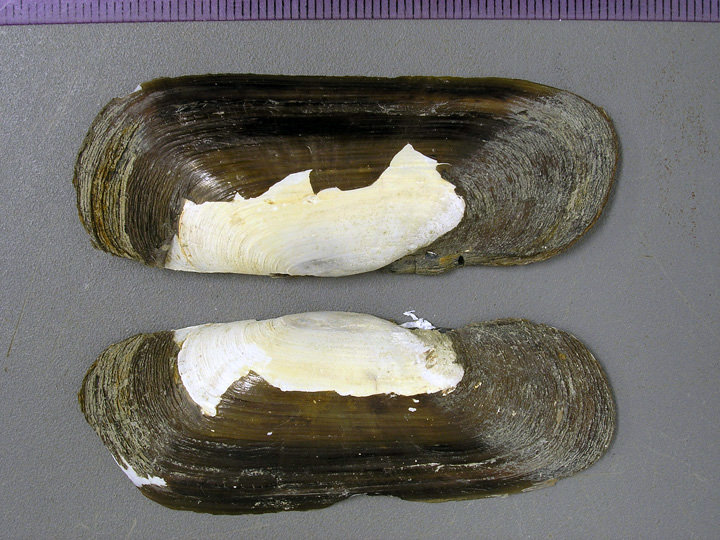
Stout Razor Clam
Stout Razor Clam
Type: Bivalve : Intertidal
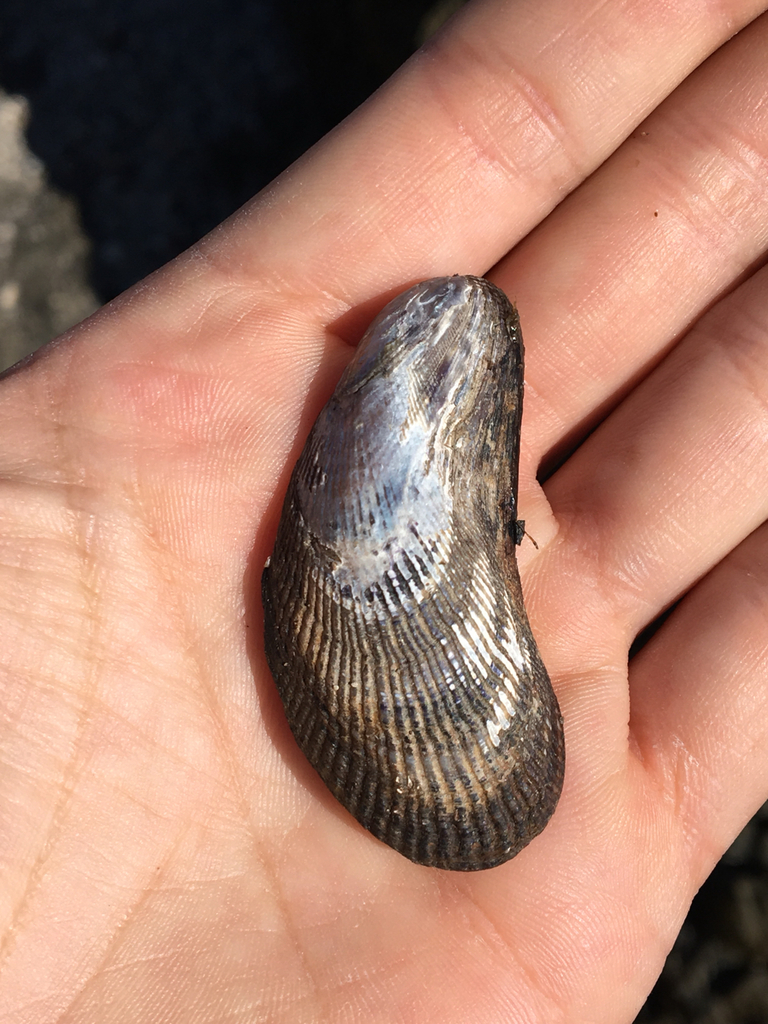
Atlantic Ribbed Mussel
Atlantic Ribbed Mussel
Type: Bivalve Intertidal
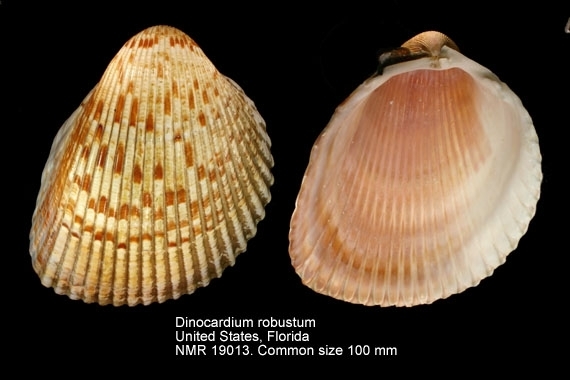
Giant Atlantic Cockle
Giant Atlantic Cockle
Type: Bivalve subtidal
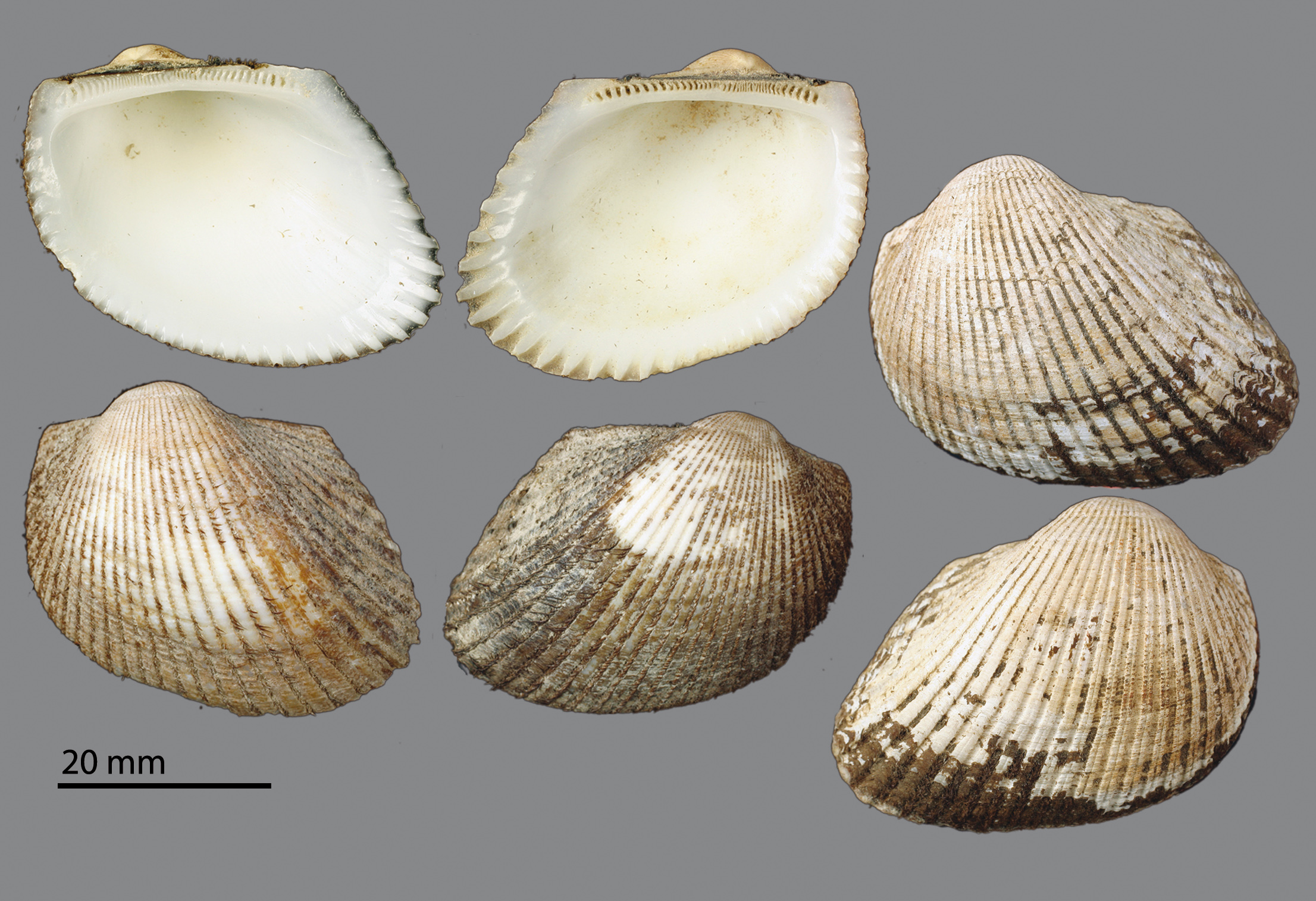
Ark Clams
Ark Clams
Type: Bivalve Subtidal (below low tide)
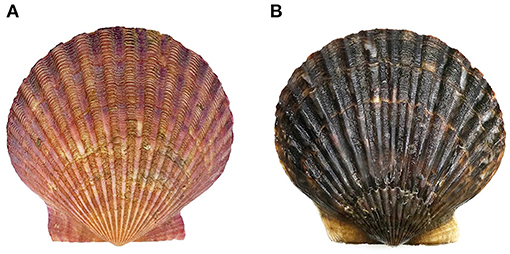
Bay Scallop
Bay Scallop
Type: Bivalve Subtidal ⭐ Used to determine season of collection (NE Florida)
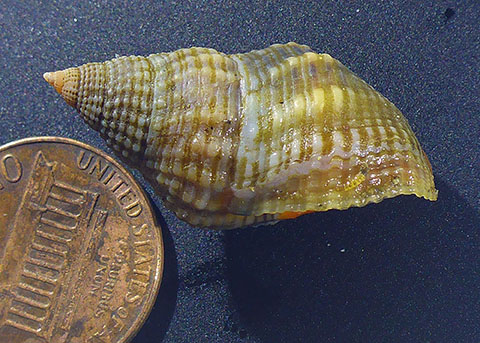
Mud Nassa
Mud Nassa
Type: Gastropod Intertidal
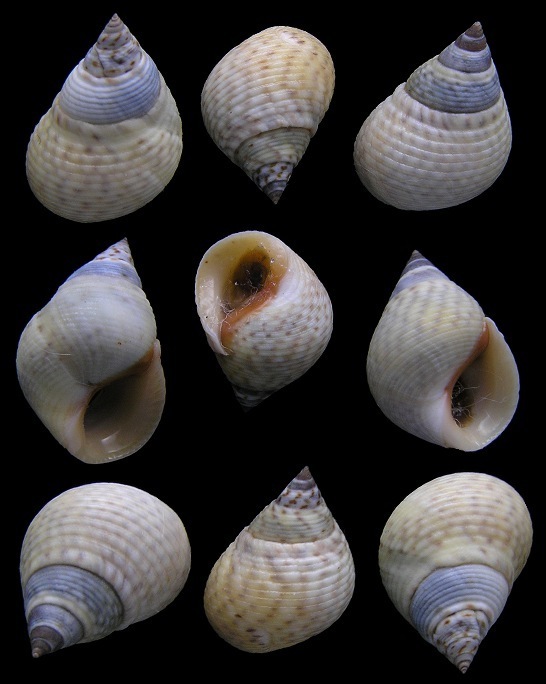
Marsh Periwinkle
Marsh Periwinkle
Type: Gastropod r intertidal
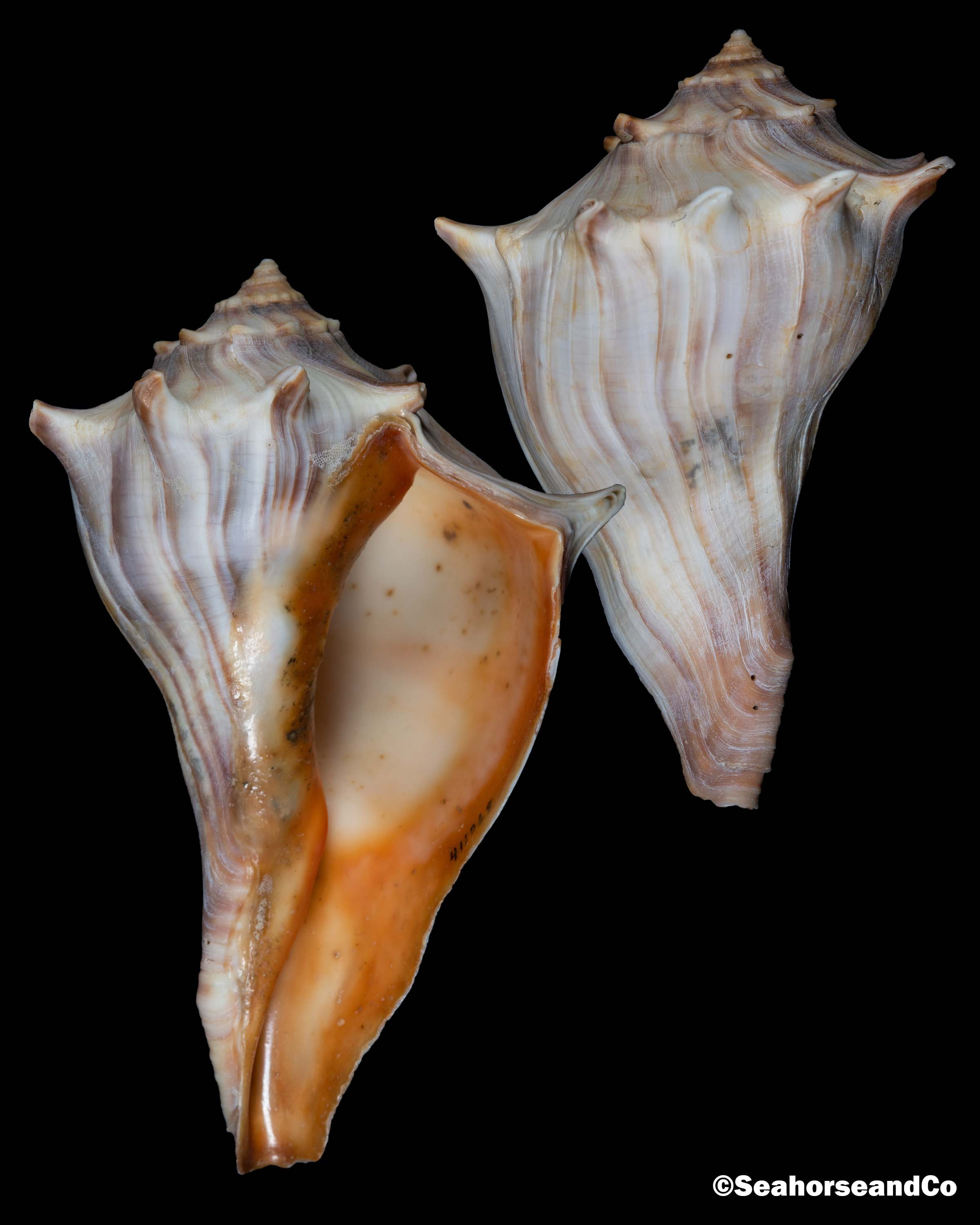
Knobbed Whelk
Knobbed Whelk
Type: Gastropod Subtidal
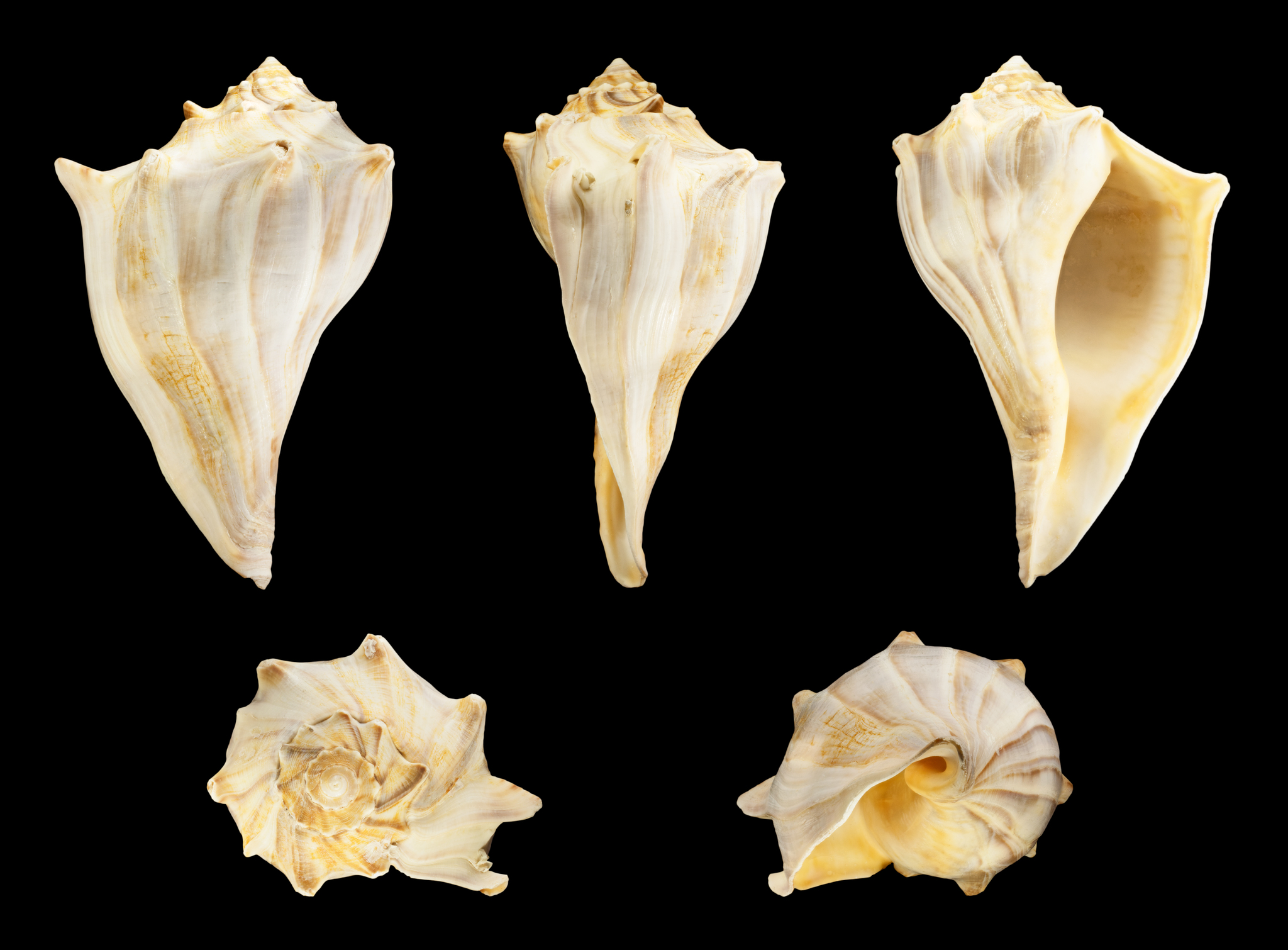
Kiener's Whelk
Kiener's Whelk
Type: Gastropod: Subtidal
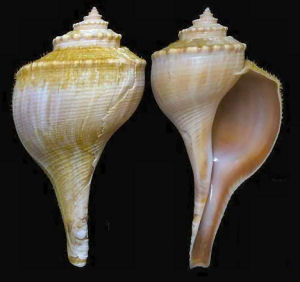
Channeled Whelk
Channeled Whelk
Type: Gastropod subtidal
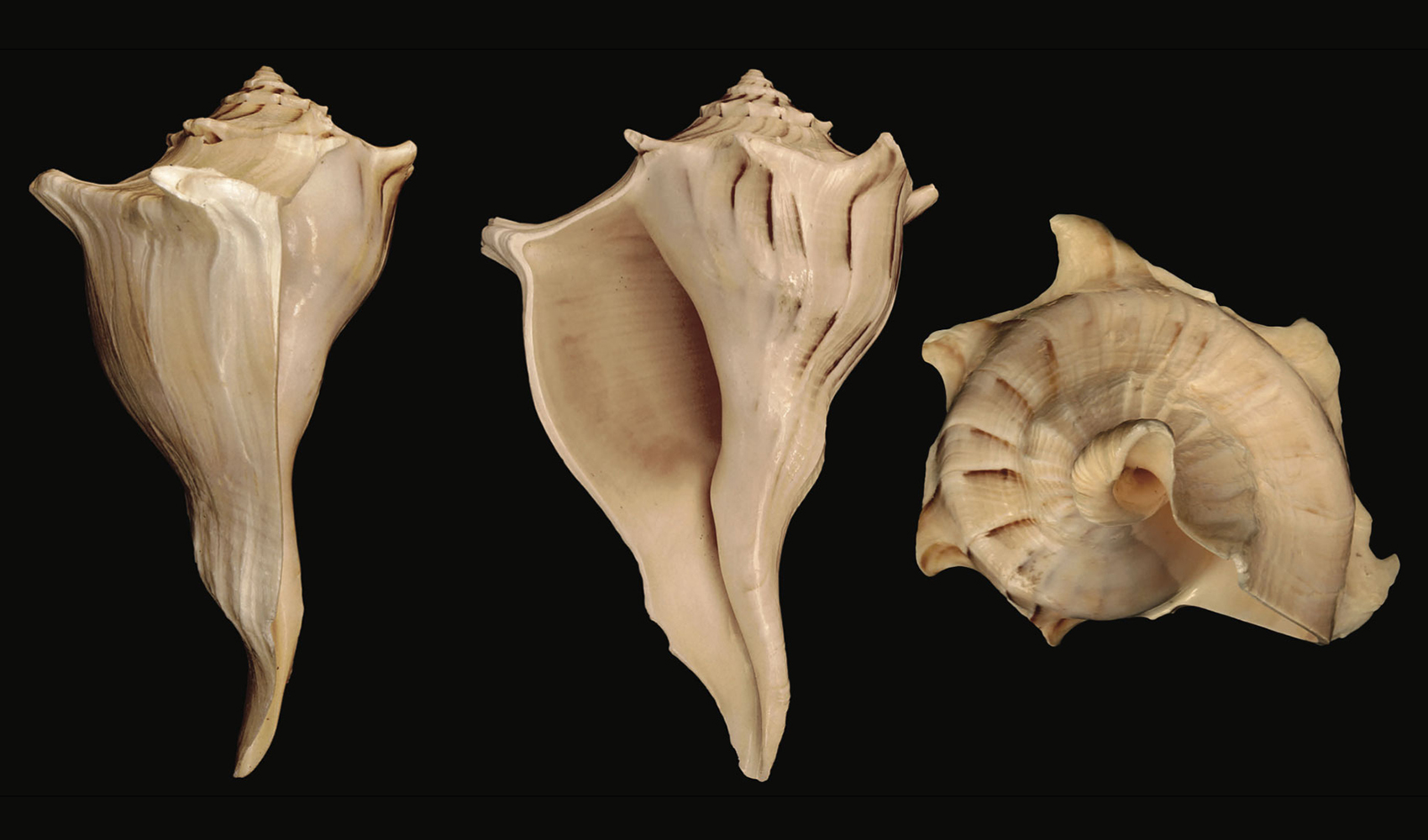
Lightning Whelk
Lightning Whelk
Type: Gastropod subtidal
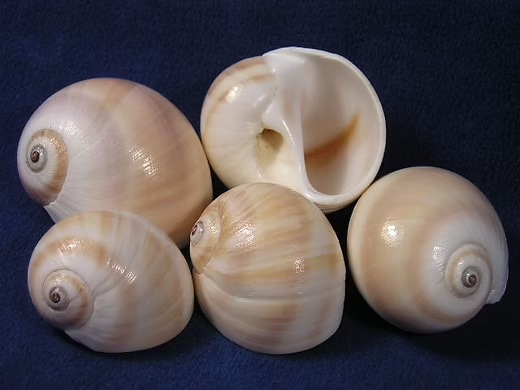
Shark Eye (Moon Snail)
Shark Eye (Moon Snail)
Type: Gastropod Intertidal
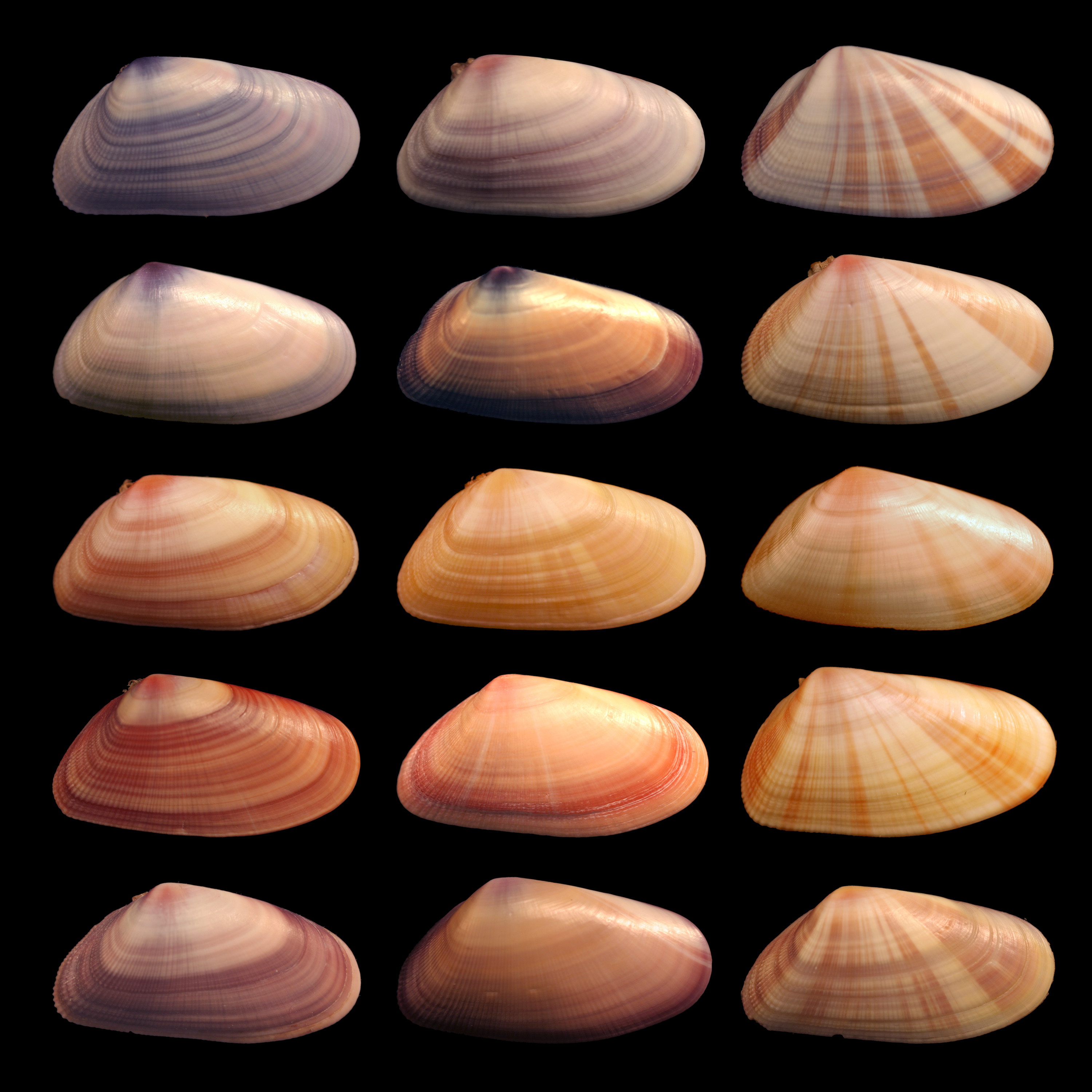
Coquina
Coquina
Type: Bivalve intertidal
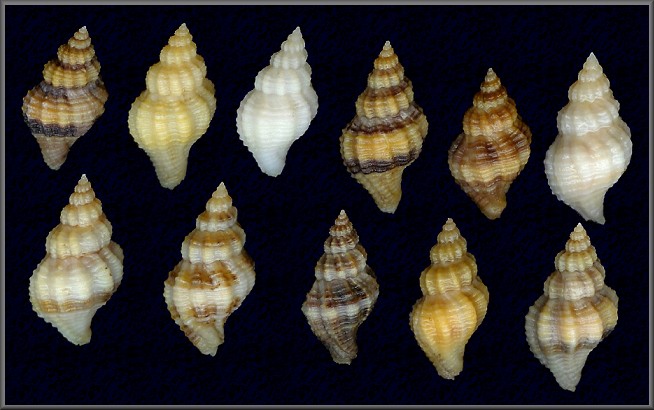
Atlantic Oyster Drill
Atlantic Oyster Drill
Type: Gastropod Intertidal
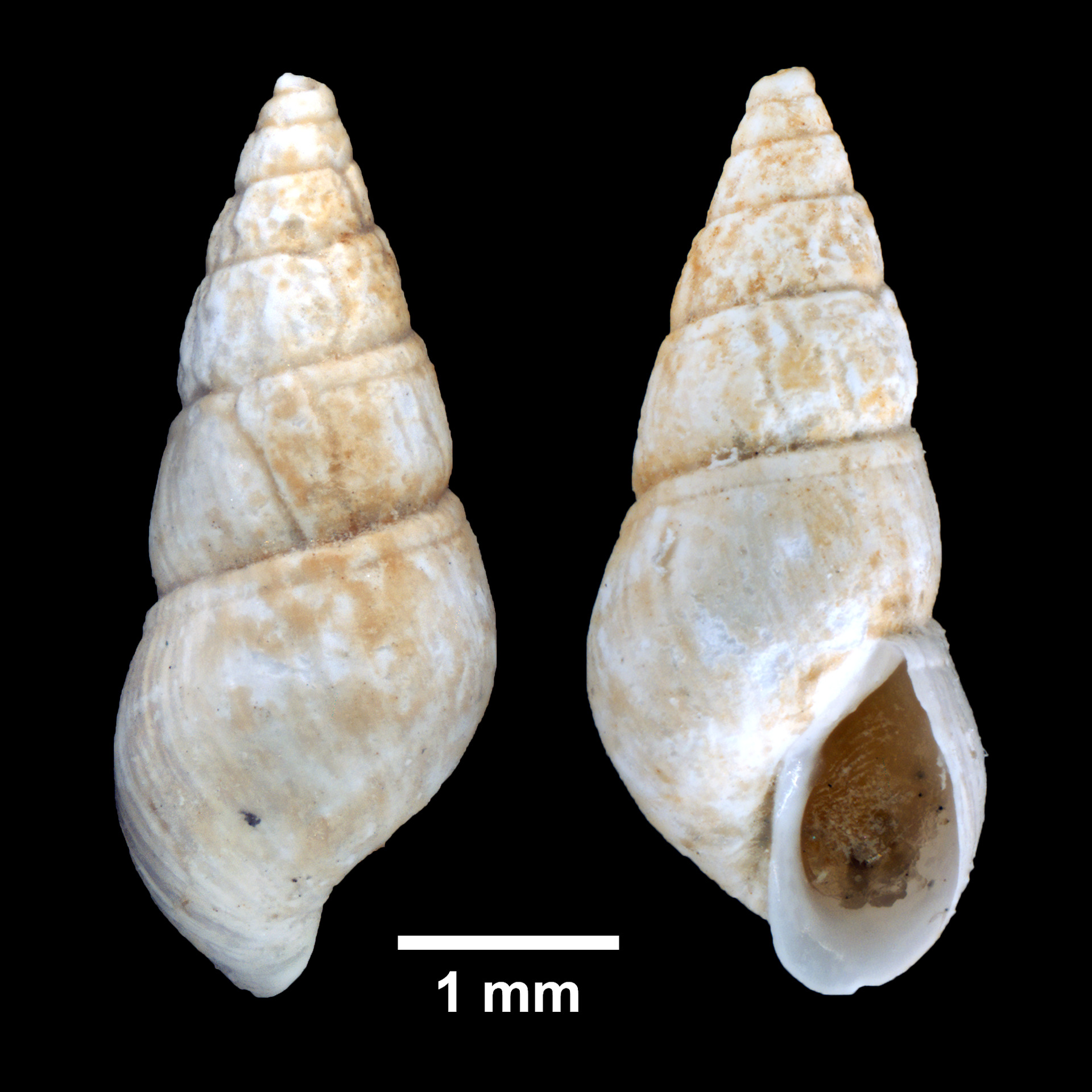
Impressed Odostome
Impressed Odostome
Type: Gastropod : Intertidal
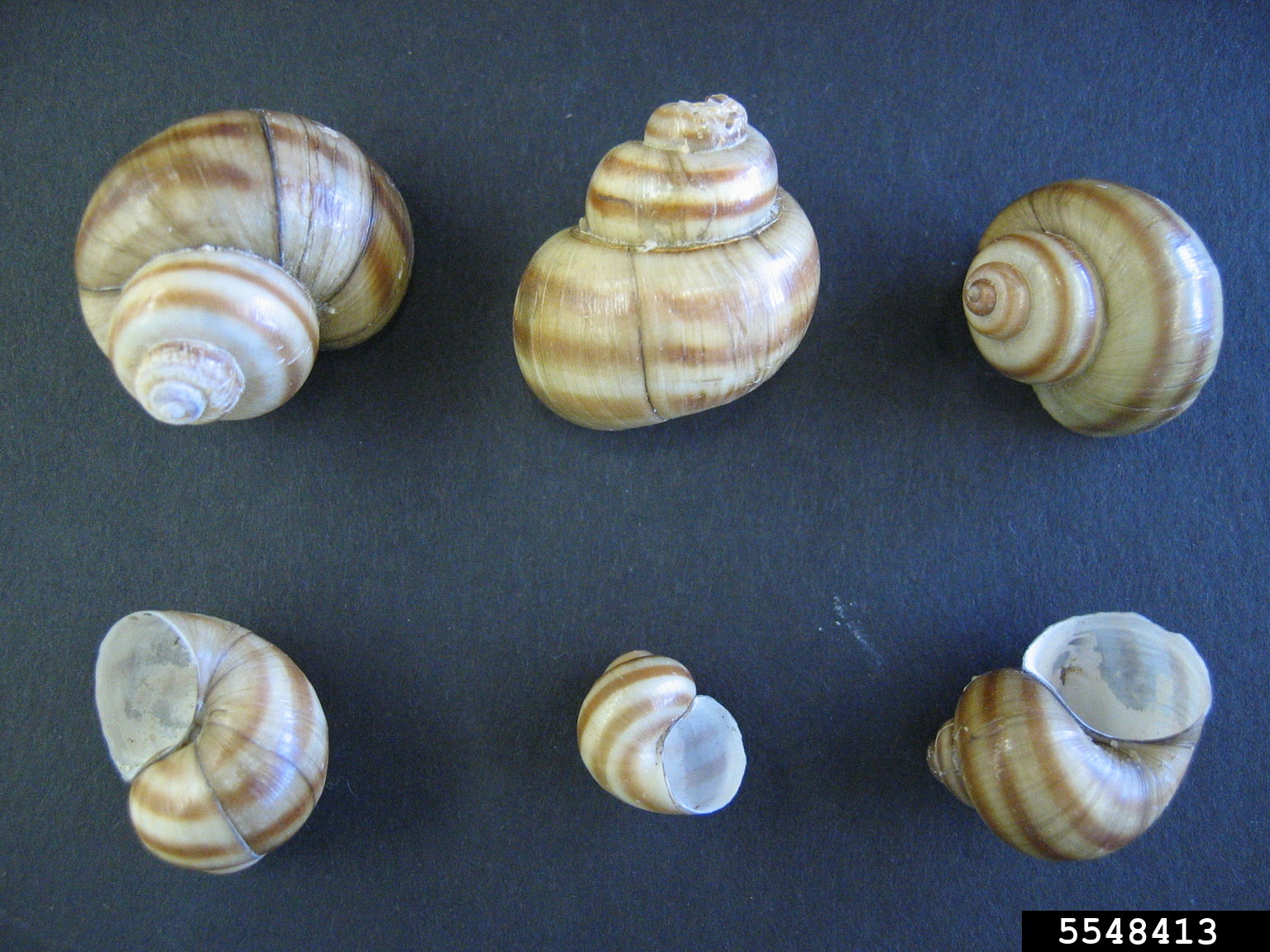
Banded Mystery Snail
Banded Mystery Snail
Type: Gastropod subtidal
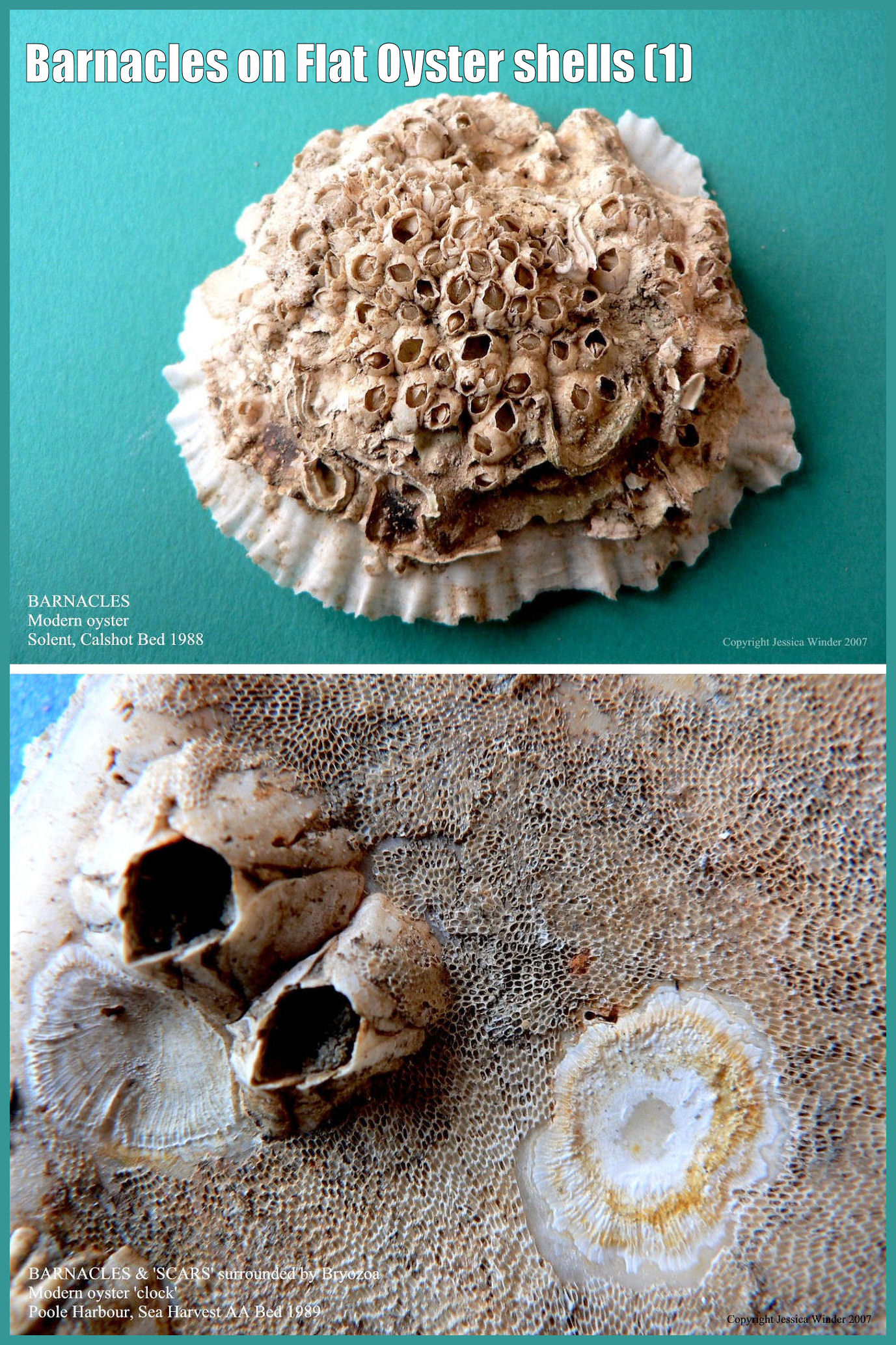
Barnacle
Barnacle
Type: Crustacean (not mollusk) Intertidal
NE FLORIDA — SHELLS USED TO DETERMINE SEASON OF COLLECTION
Eastern Oyster
Quahog (Hard Clam)
Bay Scallop
(These show seasonal growth patterns useful in archaeology and ecology.)
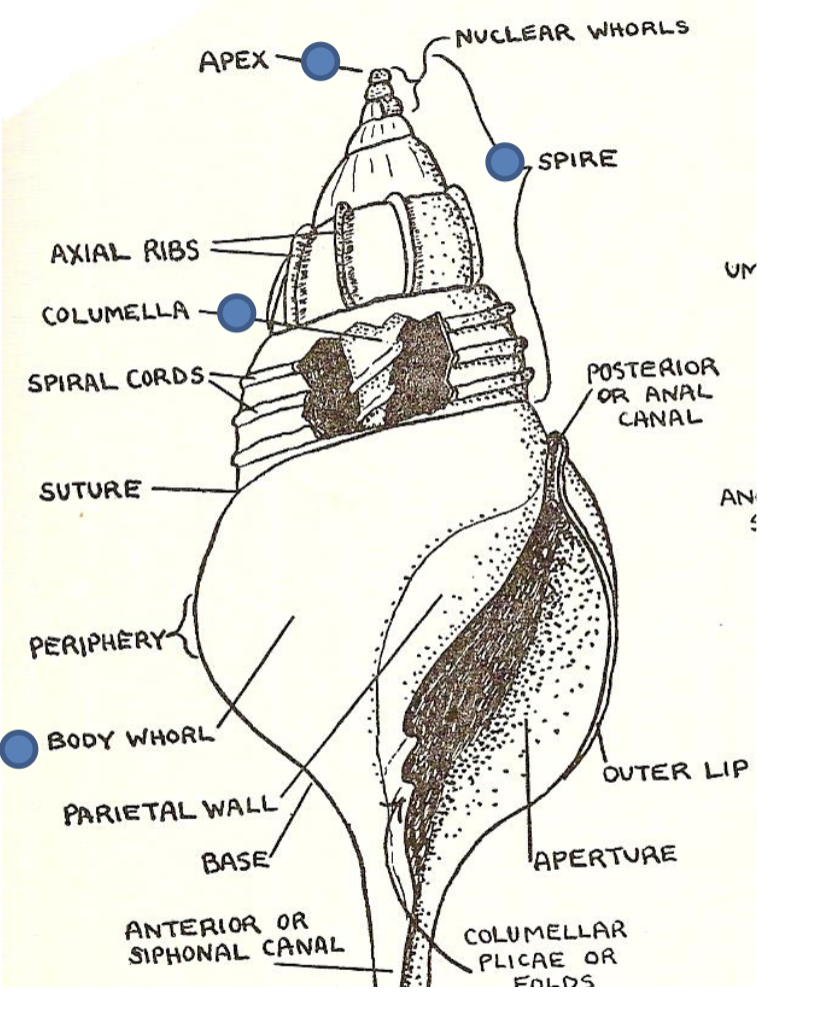
Key anatomical features of a whelk
Apex (oldest point), whorls, body whorl, aperture, outer lip, siphonal canal
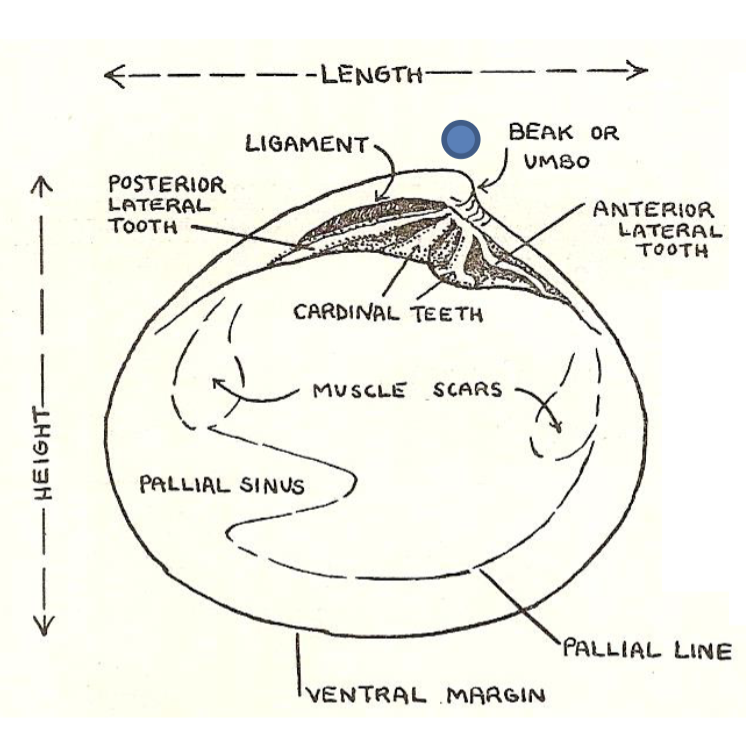
Key anatomical features of a clam
Umbo, hinge, anterior end, posterior end, dorsal margin, ventral margin, growth lines
Where are bivalves commonly modified?
Near umbo (perforation), ventral margin (edge grinding), central valve area (beads/ornaments)
Where are whelks commonly modified?
Apex removed (tools), outer lip flaked (cutting edge), body whorl perforated (ornaments)
How do you determine left vs right valve in a clam?
Hold hinge up and umbo toward you; anterior end on left = left valve, anterior end on right = right valve
How do you side a coquina valve?
Same as other bivalves; hinge up, umbo toward you; identify shorter anterior end
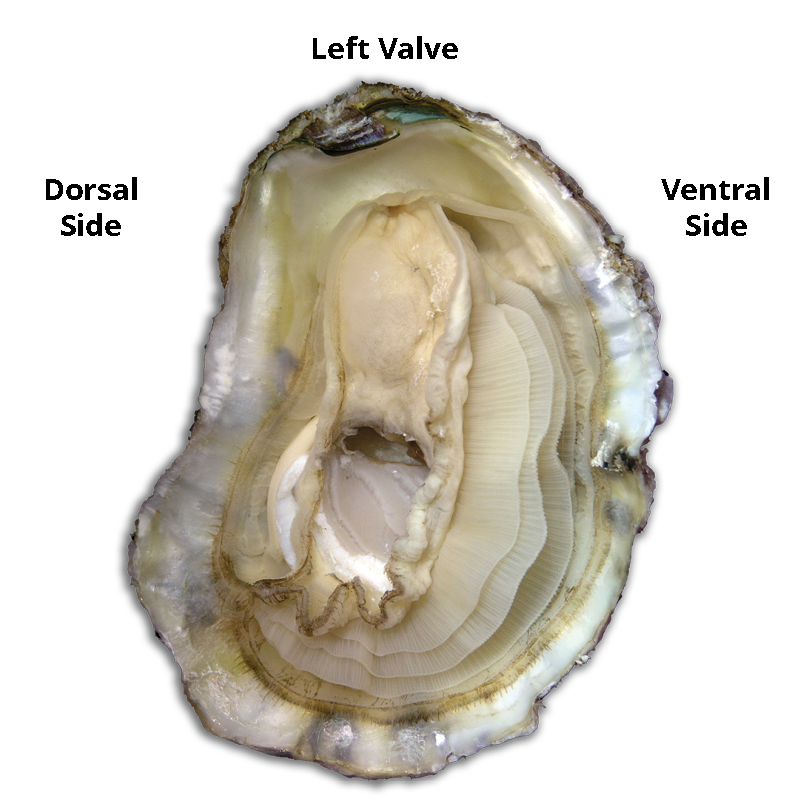
Characteristics of an oyster’s left valve
Larger, longer, more rounded, deeply cupped, cemented to substrate
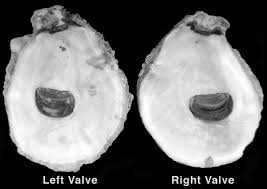
Characteristics of an oyster’s right valve
Smaller, shorter, flatter; functions as a lid
How do intertidal oysters differ from subtidal?
intertidal- longer thinner shells
subtital- shorter thicker shells
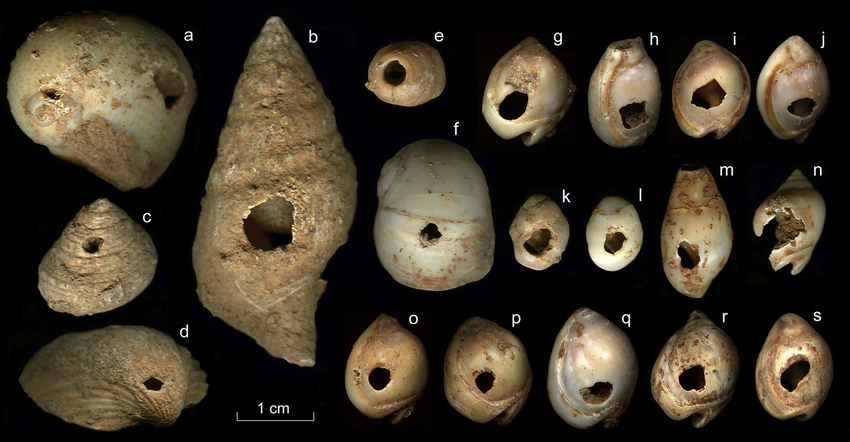
Perforation on shell
intentional punching, drilling, or sawing, usually on the dorsal side.
Intentional Punching: Using a sharp lithic point to punch a hole on the outer dorsal side, often creating irregular, chipped edges.
The dorsal side of a shell is the top, upper surface, or back portion. In bivalves (clams/mussels), this is the hinge line, where the two valves are joined, featuring the umbo or beak
Edge Grinding Bivalve
Flat stones, specifically slate or sandstone, are used to grind down both sides of a shell to create a sharp edge, which was historically used for shell knives and woodworking tools [1.9].
Tools: Clam and mussel shells are ground to create primitive cutting tools, such as knives or scrapers, that are effective for cutting leather or soft wood [1.9].
Crafts and Art: Smoothing uneven edges on oyster shells for decoupage or,, on a smaller scale, cleaning and preparing shells for jewelry [1.2, 1.7].
Industrial and Agricultural: Crushed and ground shell material is used for poultry feed (calcium supplement), soil amendments, and landscape materials [1.3]
Notching Bivalve Shell
Natural Anatomy (Scallops): One of the wing-like auricles along the hinge line of a scallop (Pectinidae) has a basal notch (byssal notch). This notch indicates the right valve and is often accompanied by small teeth (ctenolium).
Predation Holes: Moon snails (naticids) create, clean, circular holes or "notches" in the valves of other bivalves to feed on them.
Archaeological Evidence: V-shaped or W-shaped notches on the margins of oyster shells indicate they were opened with tools (like knives or pincers) while alive, often found in archaeological sites.
Removing Whelk Apex
Removing the apex (the pointed tip) of a whelk shell is primarily done to facilitate the removal of the creature inside, often for culinary purposes, or to clean the shell for display. The process involves creating an opening near the top of the shell to break the suction holding the animal inside.
Here are the methods based on typical practices:
Drilling/Hammering Method (For Live Whelks):
Locate the Spot: Identify the area just above the second set of small horns on the shell, or near the apex where the spiral begins.
Create a Hole: Use a hammer, a heavy knife, or a drill to carefully tap or bore a small hole in this area.
Release Suction: The hole allows air to enter, which breaks the muscle attachment (tendon) inside, allowing the meat to be easily pulled out with a hook or knife.
Whelk lip flaking
Flaking or chipping on the lip (aperture edge) of a whelk shell is a common occurrence, usually caused by the animal’s natural feeding behavior or, in the case of found shells, the breakdown of the outer coating.
whelk impact fractures
Whelk impact fractures refer to damage on the shells of
Buccinum undatum(common whelk) caused by mechanical stress, heavily influenced by fishing activities such as dredging and sorting. These impacts result in chipped, broken, or cracked shells, which, if not fatal, can be repaired by the organism, often leaving visible scars.
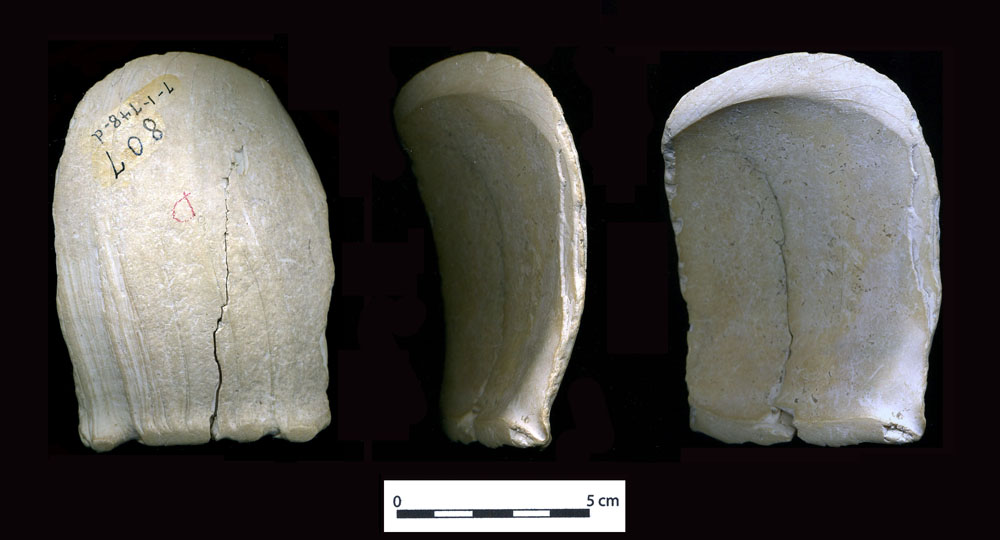
Shell adzes are ancient woodworking tools fashioned from thick marine shells, such as giant clam (T. gigas), conch, or whelk, primarily used in coastal or island regions lacking sufficient stone, particularly in the Pacific and Texas Gulf Coast. These tools, used for carving, shaping, and smoothing wood (especially for canoes), were created by grinding and flaking the shell's columella or whorl into a sharp, durable edge.
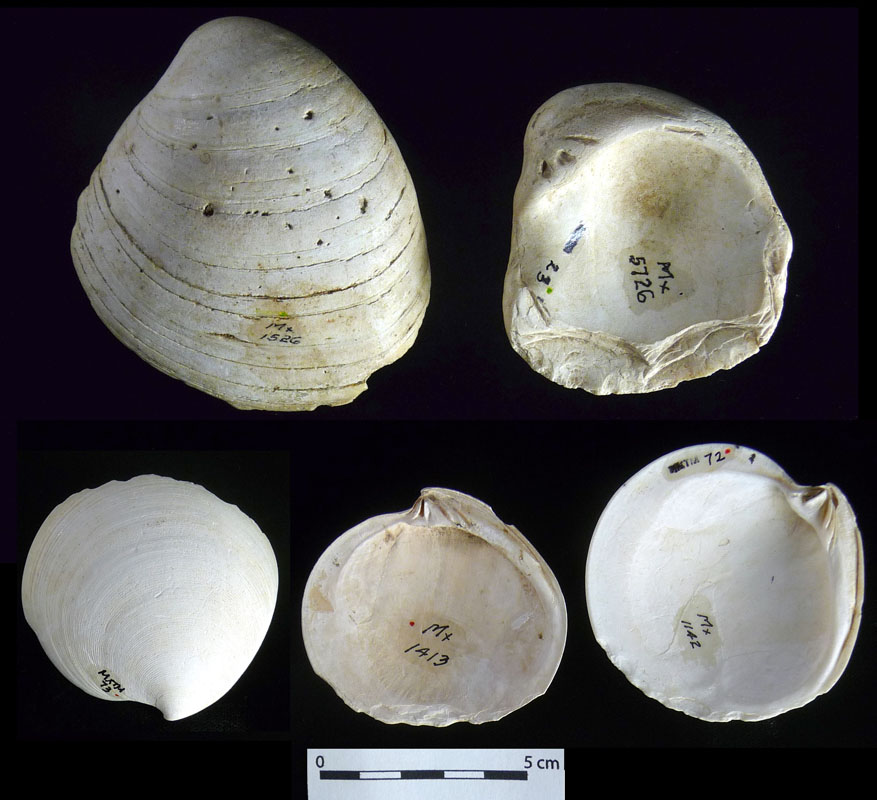
shell scrapers
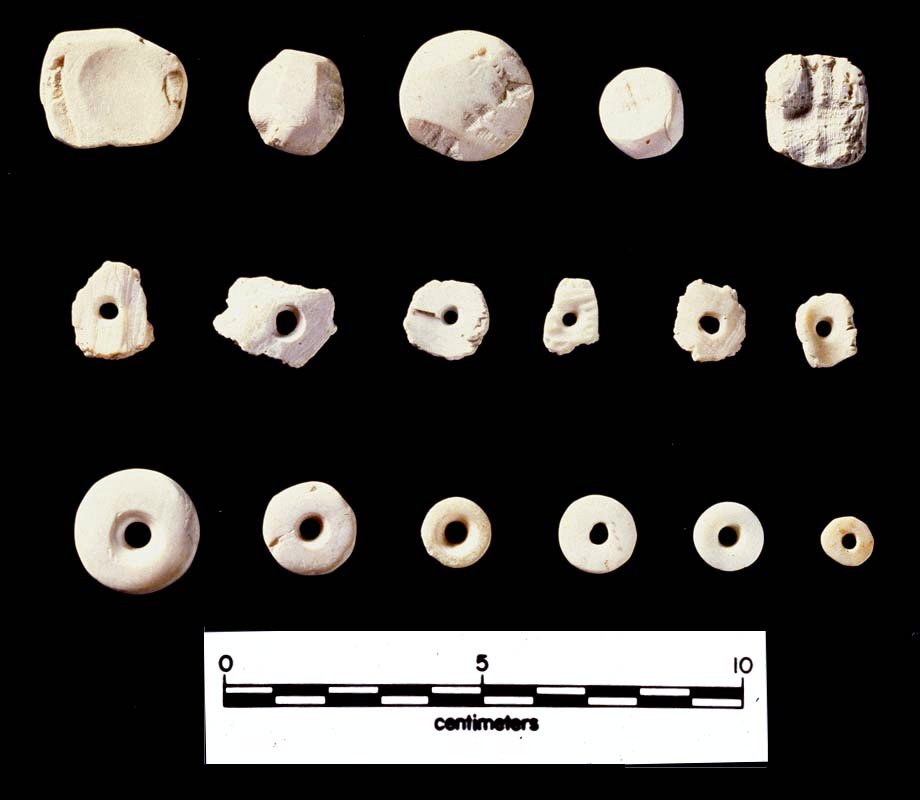
flat beads these beads functioned as personal decoration, grave goods, and indicators of social status.
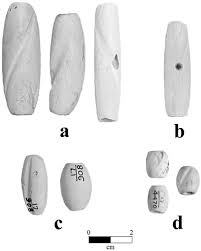
barrel beads
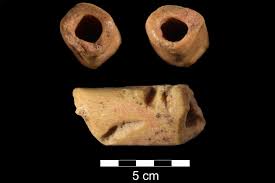
tube beads
dextral whelk
aperture on right counter-clockwise
sinistral whelk
aperture on left clockwise
 Note
Note  Flashcards (59)