Ancient Mediterranean World: Greece
 Studied by 0 people
 Call Kai
 Learn
Learn Practice Test
 Spaced Repetition
 Match
Match Flashcards
 Knowt Play
1/28

There's no tags or description
Looks like no tags are added yet.
Name | Mastery | Learn | Test | Matching | Spaced | Call with Kai |
|---|
No analytics yet
Send a link to your students to track their progress
29 Terms
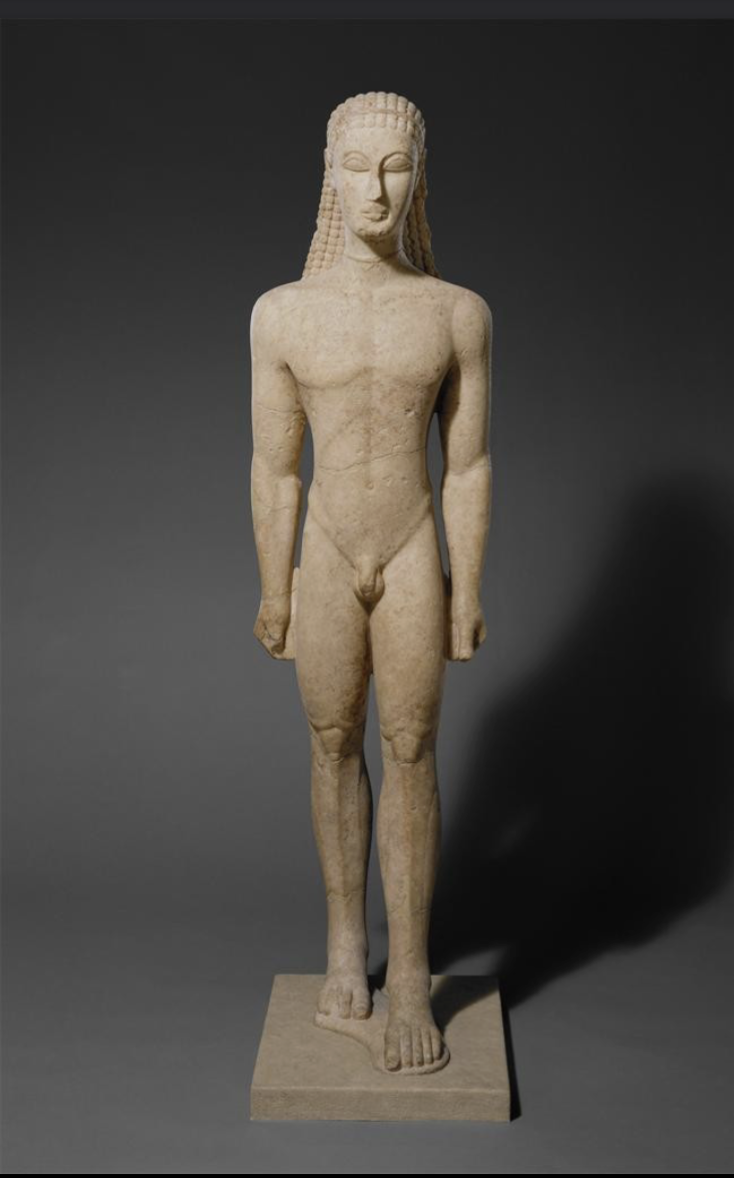
The “New York Kouros”
material: limestone statue
Location: Athens, Greece
date: ca. 600 BCE
historical period: Archaic period
3 main periods of Ancient Greece:
Archaic
Classical
Hellenistic
classical period of Anicent Greece considered the
Golden age of Greek art, culture, philosophy, democracy
date of Archaic period:
700-480 BCE
date of Classical period:
480-323 BCE
date of Hellenistic period:
323 BCE= 2nd/1st century BCE (until Roman conquest of Mediterranean)
Greek city-states independent, but shared
common cultural framework: language and religion
Greek colonization spread their influence which created
tensions with neighboring Persian Empire, culminating in the Persian Wars
In the __ century BCE (Early/High Classical Period) __ was a
5th Athens was a political, military, and economic powerhouse.
__ was the leading artistic and intellectual center in Greece
Athens
Greeks made contributions to the fileds of
mathematics, theater, art, architecture, philosophy, political structures, and science
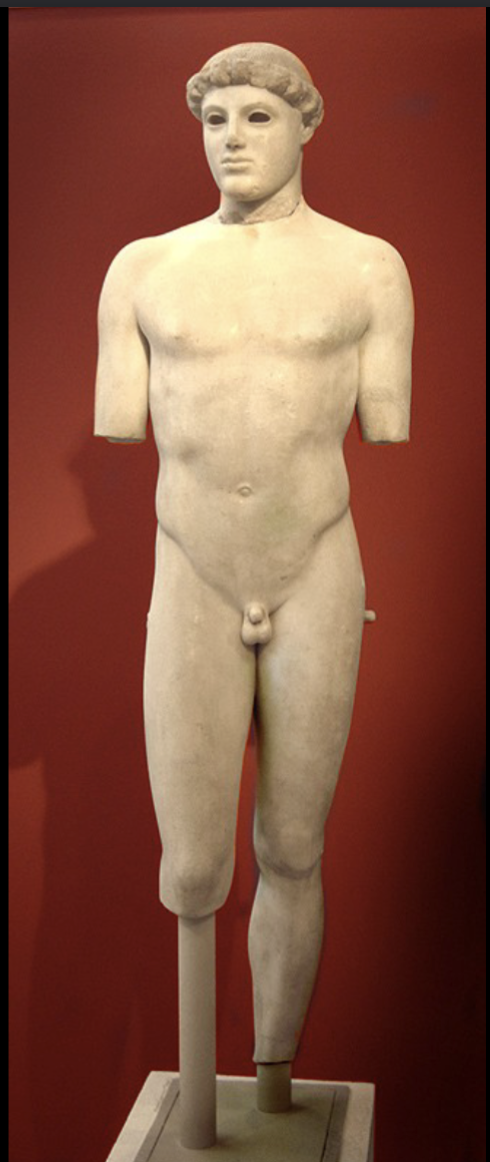
Kritios boy
material: marble
kouros
Location: Athens, Greece. Acropolis Museum, Athens. Athenian Akropolis
date: ca. 480 BCE
historical period: Early Classical period
Polykleitos, Doryphoros
Spear-Bearer
Material: Roman marble copy of a High Classical Period Greek bronze
Date: ca. 450-440 BCE
6’ 11 high
historical period: High Classical 450-400
location: Museo Nazionale, Naples
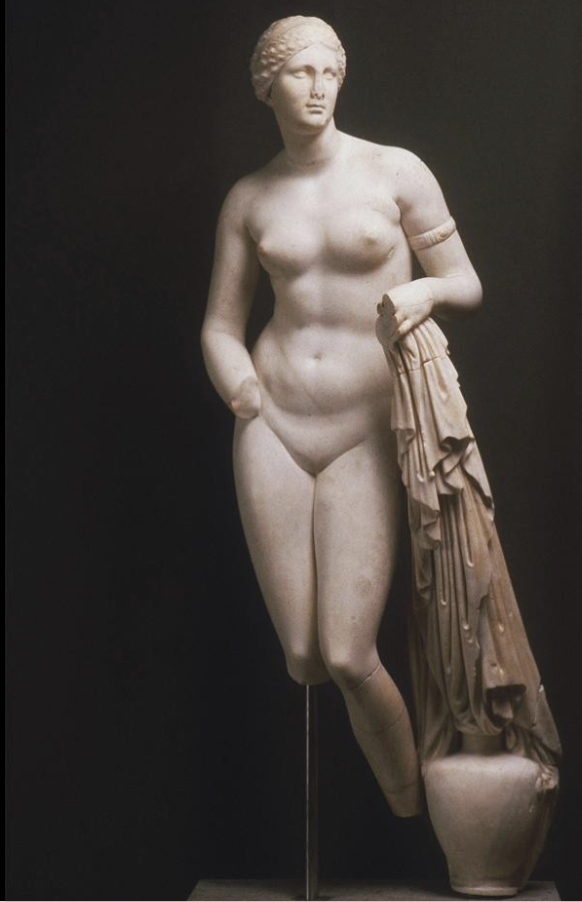
Praxiteles, Aphrodite of Knidos
Roman copy
material: marble
Date: 350 BCE
Historical Period: Late classical period
4’ll ¾
location: Glyptothek, Munich
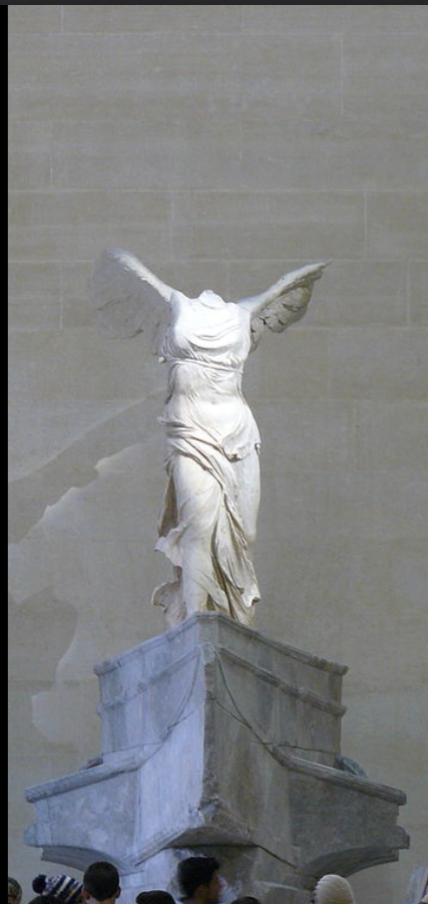
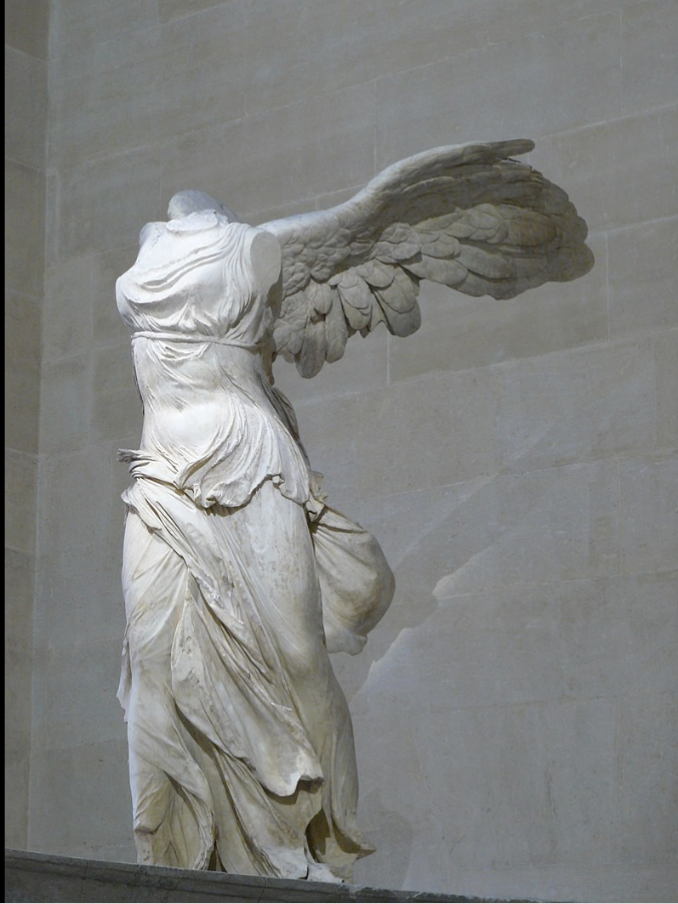
Nike of Samothrace
historical period: Hellenistic Period (323 BCE) through 1st c BCE
date: 190 BCE
material: marble sculpture of the godess of Victory
location: lourve, Paris
9 feet high
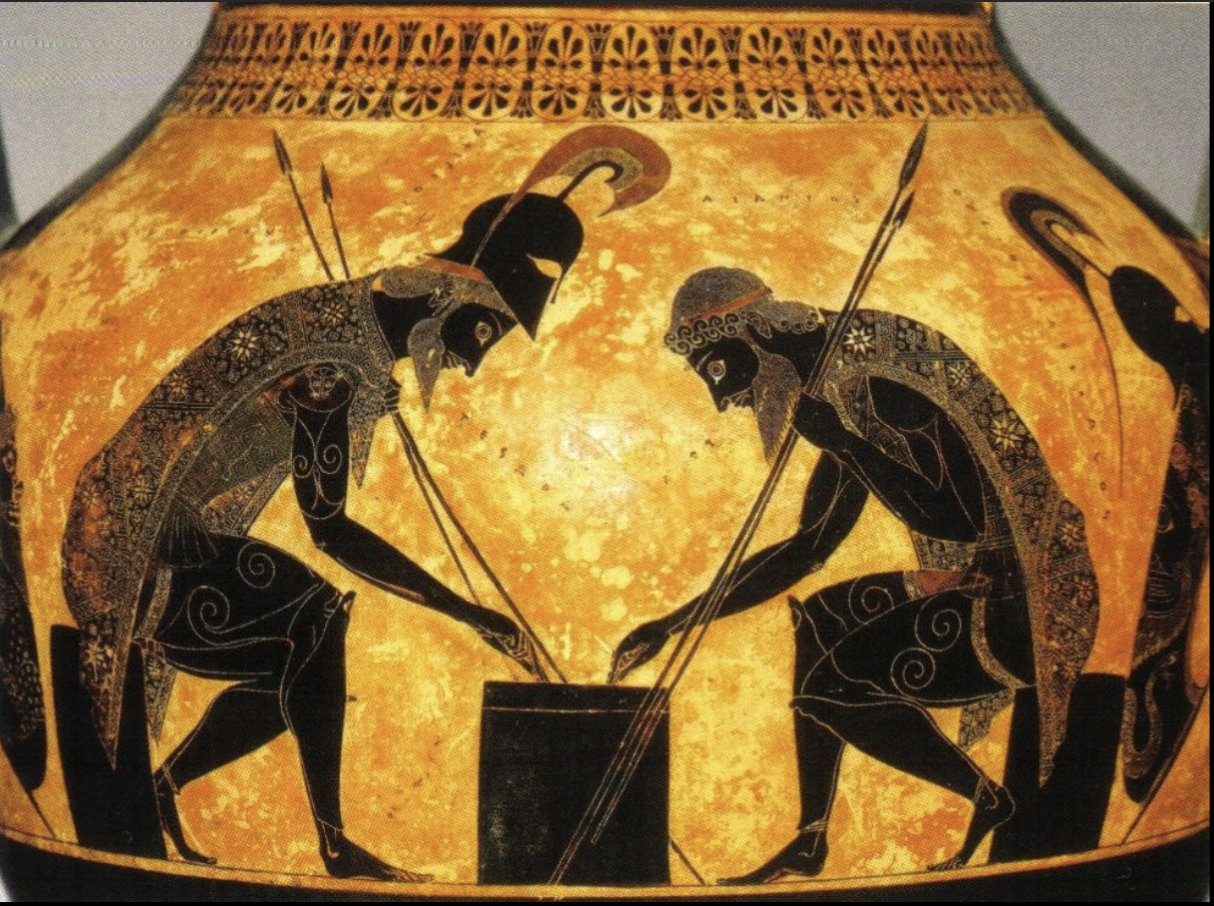
Exekias, Achilles and Ajax playing dice
Athenian black figure amphora
material: painted terracotta—-black figure amphora
Historical Period: Archaic period
date: ca. 540-530 BCE
Creator: Exekias
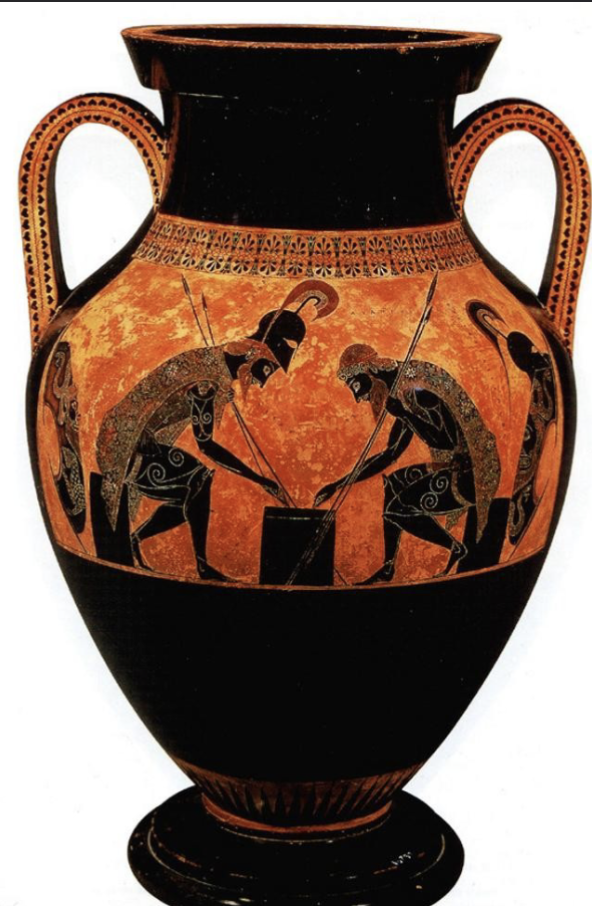
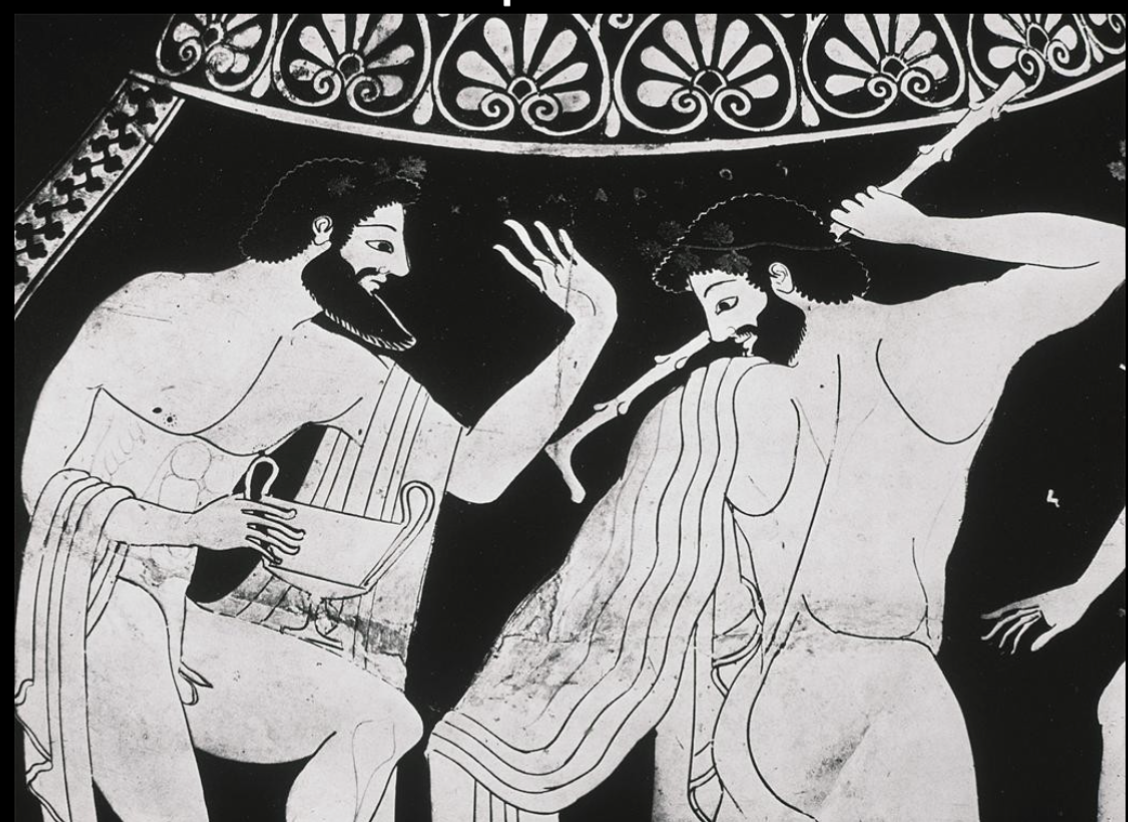
Euthymides, Three Revelers (at a symposium)
creator: (signed by) Euthymides
material: Athenian red figure amphora
date: 510 BCE
historical period: Archaic period
beneath the scene is written: “Euthymides son of Polion painted me, as never Euphronios [could do]
![<p>creator: (signed by) Euthymides</p><p>material: Athenian red figure amphora</p><p>date: 510 BCE</p><p>historical period: Archaic period</p><p>beneath the scene is written: “Euthymides son of Polion painted me, as never Euphronios [could do]</p>](https://knowt-user-attachments.s3.amazonaws.com/f44239da-2cd8-4429-9800-152d1d8e88db.png)
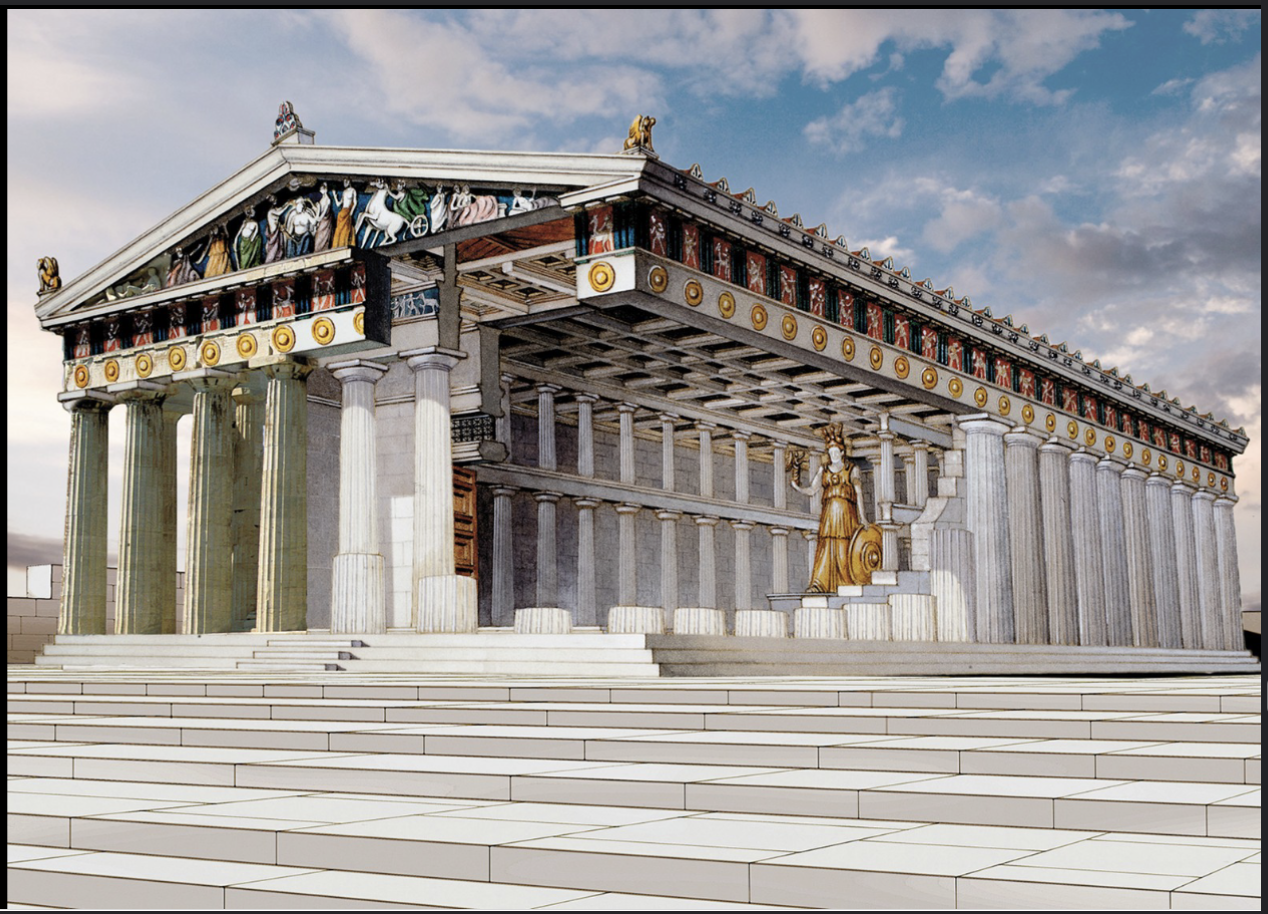
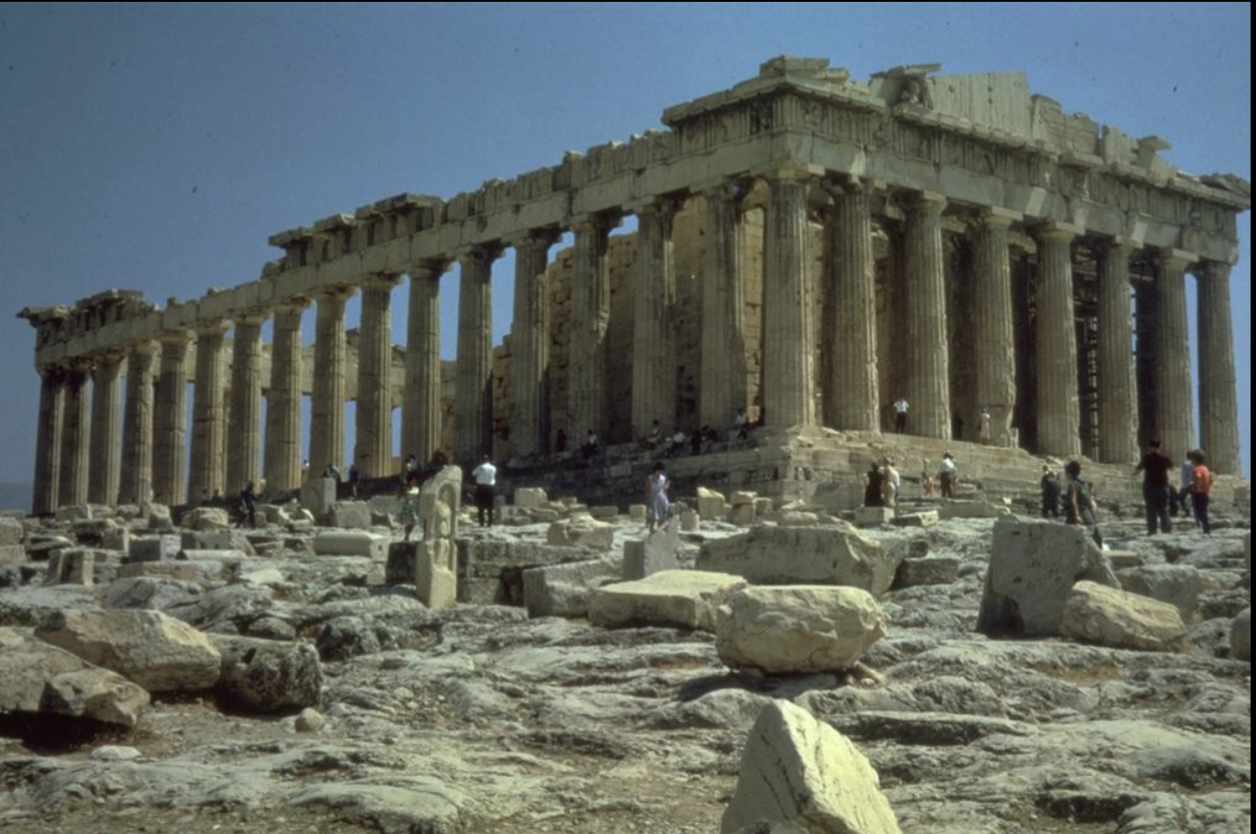
The Parthenon (temple of Athena Parthenos)
location: Athens
date: 447-438 BCE
material: marble
historical period: High classical period
Architects: Iktinos and Kallikrates
head sculptor: Phidias
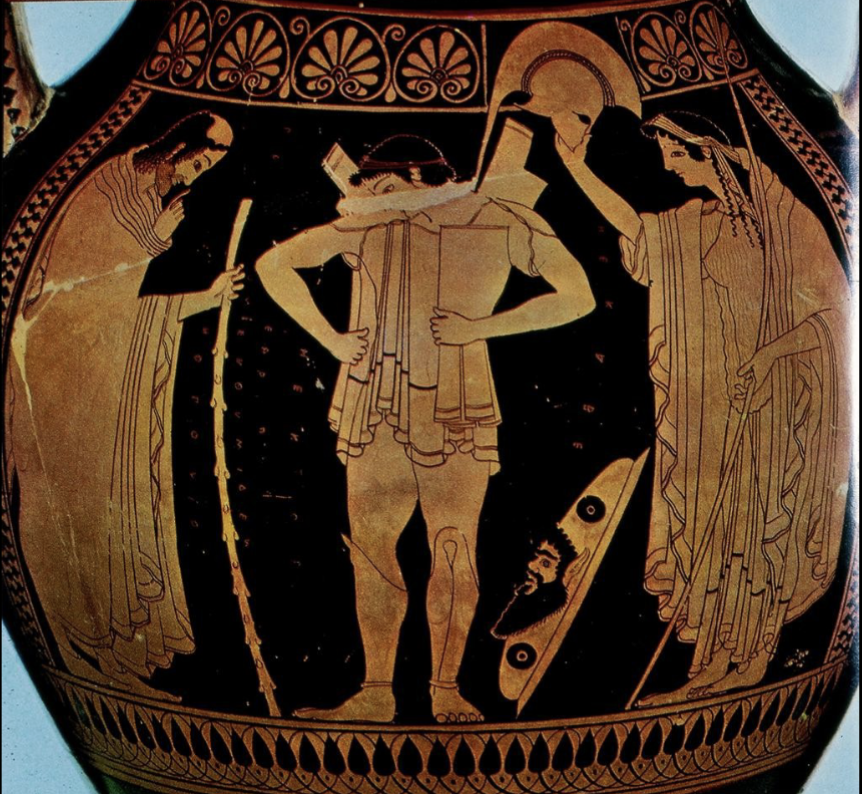
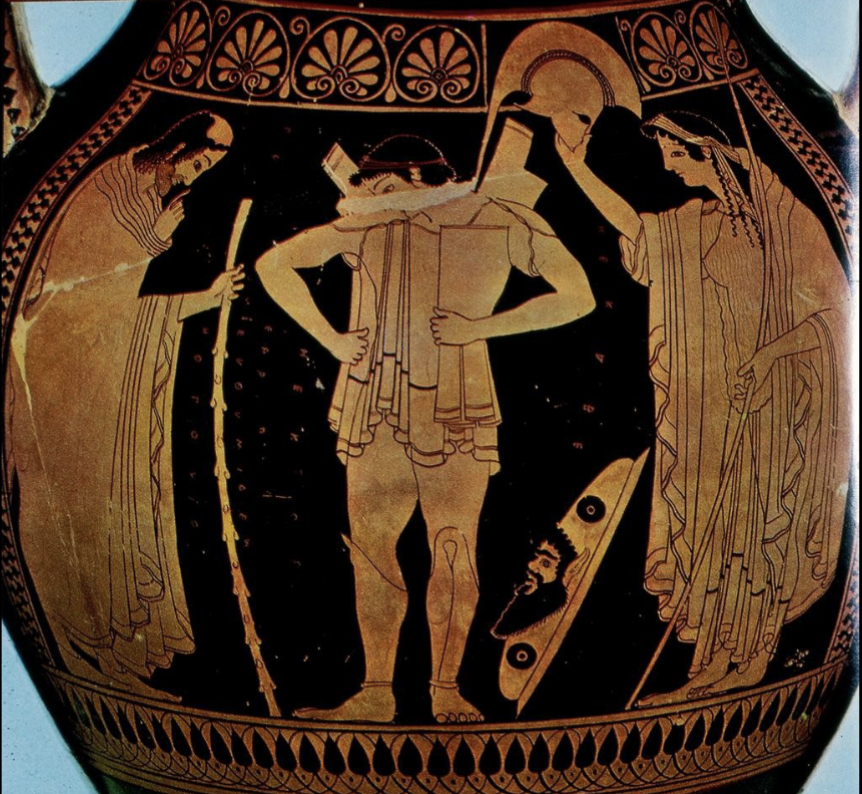
opposite side of three revelers vase (amphora)
Hector arming for battle
note the FORESHORTENING of Hector’s left foot
Athens becomes a democracy in
509 BCE
Male Athenian citizens
vote and elect their annual office-holders
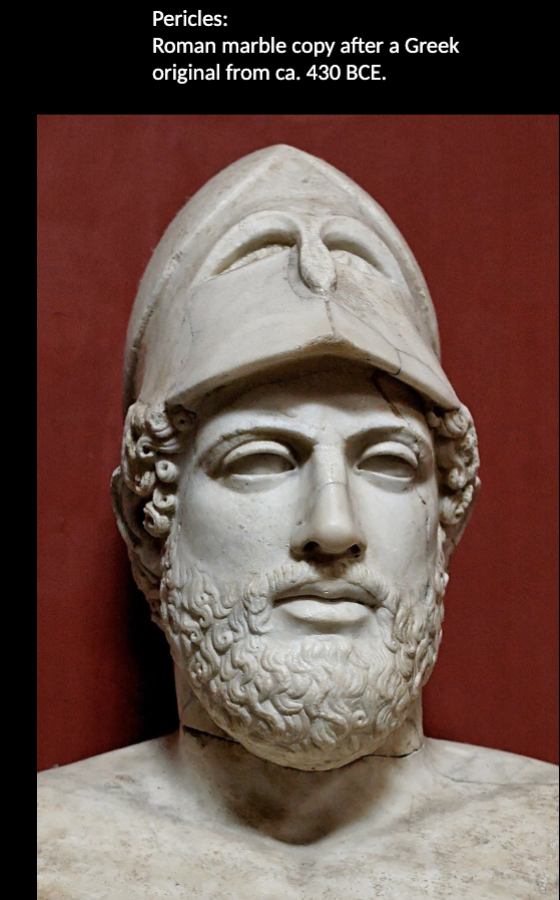
Who was Pericles?
In power (461-429 BCE)
General
responsible for transforming the rebuilding of the Akropolis after the Persians destroy it in 480 BCE
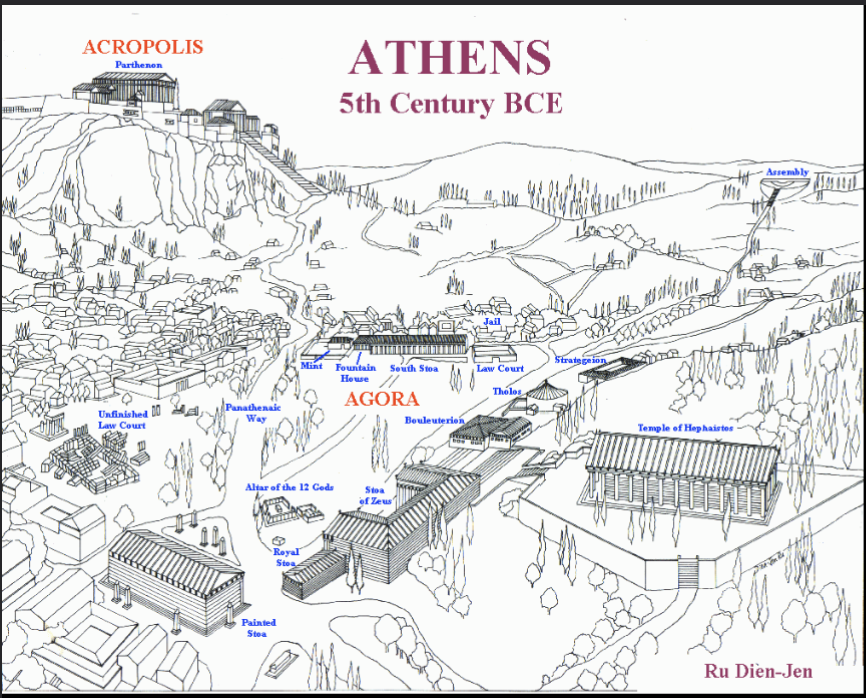
Agora
civic center of Athens
Public space for the government and commerce
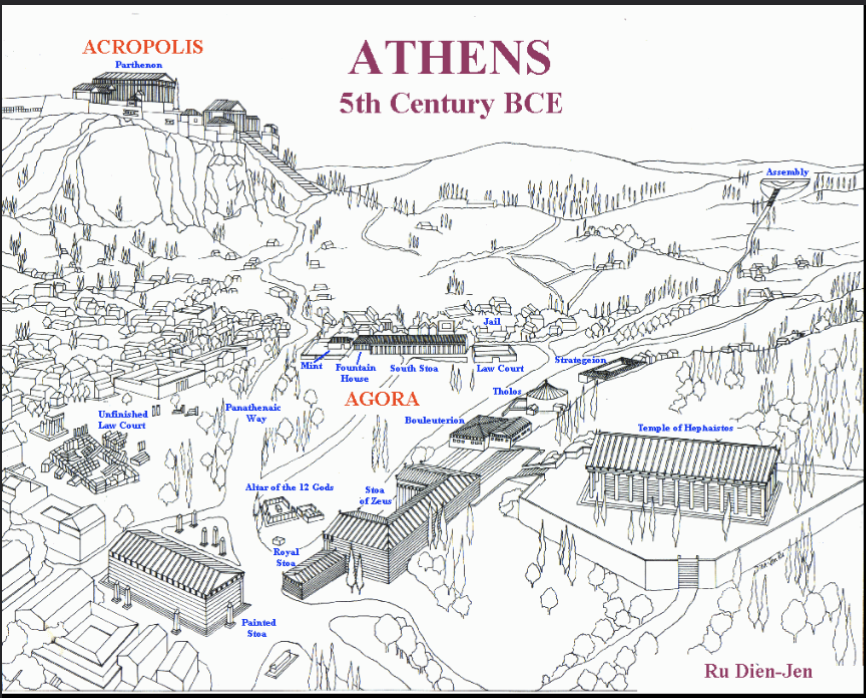
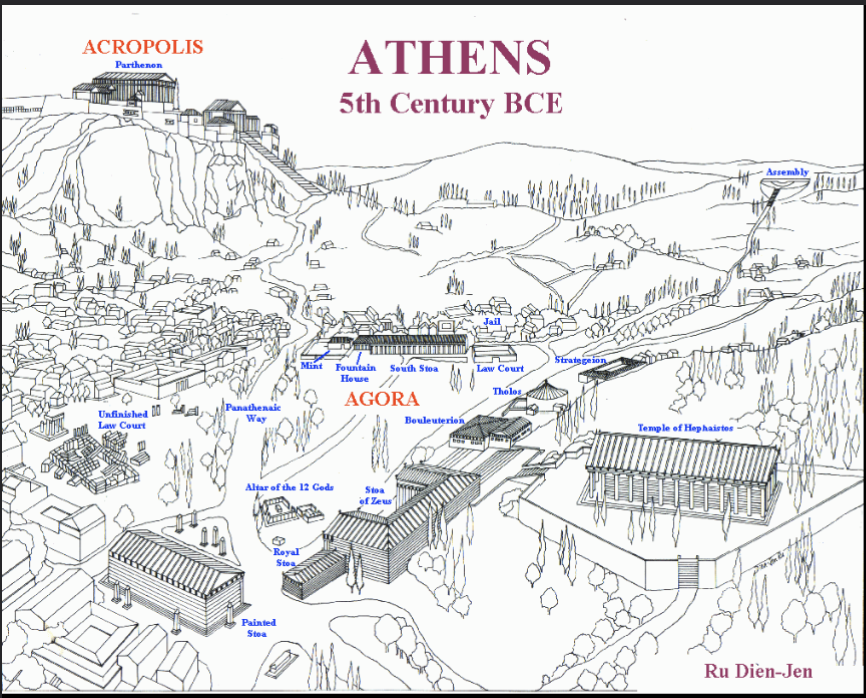
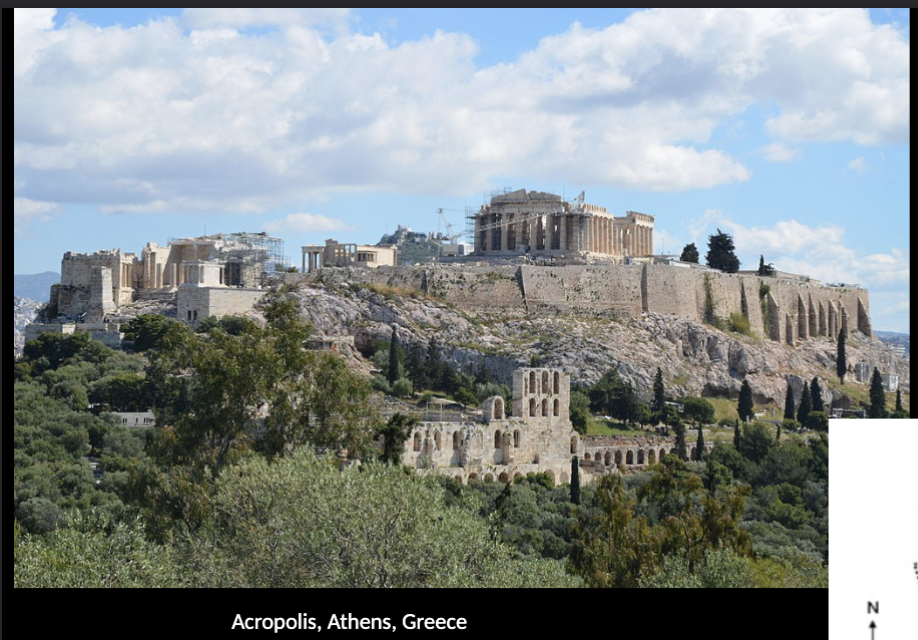
Acropolis
religious (sacred) space of Athens
Annia procession dedicated to Athena
Naturalism (naturalistic art)
resemblance to the “real world”
looks like our world
more naturalistic=more looks like our world
less=less likely to look like our world
relief sculpture (relief sculpture vs. scultpture ‘in the round”)
relief scultpures are made to be viewed from only one side
round sculptures are fully 3 dimensional
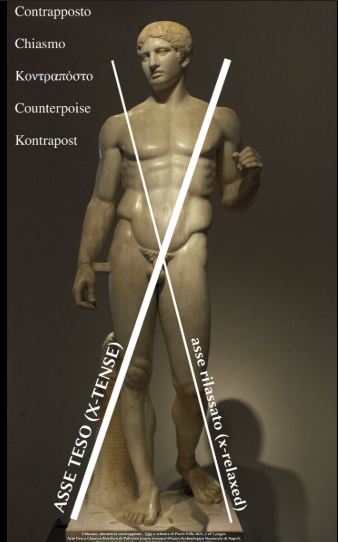
contrapposto
shifting of axes of the body
ex: shows the male figure shifting weight onto his right leg lifting leg to move
Black figure vs. red figure pottery
used to decorate fine pottery
red figure was best for naturalistic representation of anatomy, clothes, and emotions—invented 530 BCE
black figure—”figural and ornamental motifs were applied with a slip that turned black during firing, while the background was left the color of the clay.”
foreshorteninig
used to create illusion of depth in an image
making the art more realistic
depicting in a way to make an illusion of projection or extension in a space
 Note
Note  Flashcards (42)