Managing Diversity in South Africa: Legislation, History, and Workplace Strategies
 Call Kai
 Learn
Learn Practice Test
 Spaced Repetition
 Match
Match Flashcards
 Knowt Play
1/47

There's no tags or description
Looks like no tags are added yet.
Name | Mastery | Learn | Test | Matching | Spaced | Call with Kai |
|---|
No analytics yet
Send a link to your students to track their progress
48 Terms
What is diversity management?
The practice of managing differences among employees to create an inclusive environment.
What are the primary dimensions of diversity?
Elements of an individual that are difficult to change, such as race, gender, and age.
What are the secondary dimensions of diversity?
Elements of an individual that can be changed, such as education, marital status, and income.
What major historical event impacted diversity in South Africa?
The Apartheid era, which enforced racial classification and segregation from 1948 to 1994.
What was the Job Reservation Act?
Legislation that protected the economic interests of whites by reserving jobs for them and preventing lower-earning black people from being hired.
What impact did Apartheid have on corporate South Africa?
It led to a lack of diversity, occupational segregation, and limited opportunities for black workers and women.
What are some challenges South Africa faces in managing diversity today?
Rampant corruption, landlessness, crippling unemployment, dehumanizing poverty, and racial inequality.
What is the significance of leadership in managing diversity?
Effective leadership is crucial for fostering an inclusive workplace culture and addressing diversity challenges.
How can organizations improve their culture regarding diversity?
By enhancing engagement and ensuring that diverse backgrounds are represented and valued.
What does the term 'strategic human capital management' refer to?
The adaptation of HR practices to meet demographic changes and support organizational culture.
What is the role of HR in managing diversity?
To implement practices that support diversity, inclusion, and the development of specialized employee skills.
What are some dimensions of diversity that organizations should celebrate?
Education, age, gender, values, race, physical ability, mental capacity, personality, experiences, sexual orientation, culture, ethnicity, language, and backgrounds.
What is a common myth surrounding diversity management?
That diversity management is only about meeting quotas rather than fostering genuine inclusion.
What does it mean to create an inclusive environment?
To ensure that all employees feel valued, respected, and able to contribute fully to the organization.
How did the Apartheid system affect family relations among migrant workers?
It led to the deterioration of family relations due to forced separations and living conditions.
What is the importance of understanding the South African landscape in diversity management?
It helps organizations navigate historical inequalities and current challenges in fostering diversity.
What psychological stages is South Africa experiencing post-Apartheid?
Denial, anger, bargaining, depression, and acceptance.
What is one way organizations can support digital transformation in relation to diversity?
By ensuring their culture supports technology and encourages innovative thinking.
What does managing differences between employees lead to?
More efficient and effective work outcomes.
What was the role of Hendrick Verwoerd in the context of Apartheid?
He was the Prime Minister who enforced policies that upheld racial segregation and discrimination in education and employment.
Why is it important to adapt HR systems and technologies?
To keep pace with the rapid changes in employee skills and workplace dynamics.
What is the relationship between diversity and organizational performance?
Diversity can enhance creativity, problem-solving, and overall organizational performance.
What is the main goal of managing diversity?
To create an inclusive work environment that values and appreciates differences among individuals.
What does gaining a diversity advantage entail?
Acknowledging, understanding, and appreciating differences in the workforce.
What are the qualities of diversity?
Diversity can be hidden or visible, exists within groups and individuals, is constantly changing, and is not always clearly defined.
What is a common myth about diversity?
Myth 1: Diversity = women + minorities.
What is another myth about diversity?
Myth 2: Diversity is a new phenomenon.
What does 'fair discrimination' mean?
Distinction made based on inherent job requirements or an Employment Equity Plan.
What are fundamental rights in the context of South Africa?
Basic rights guaranteed to South Africans as indicated in the Constitution.
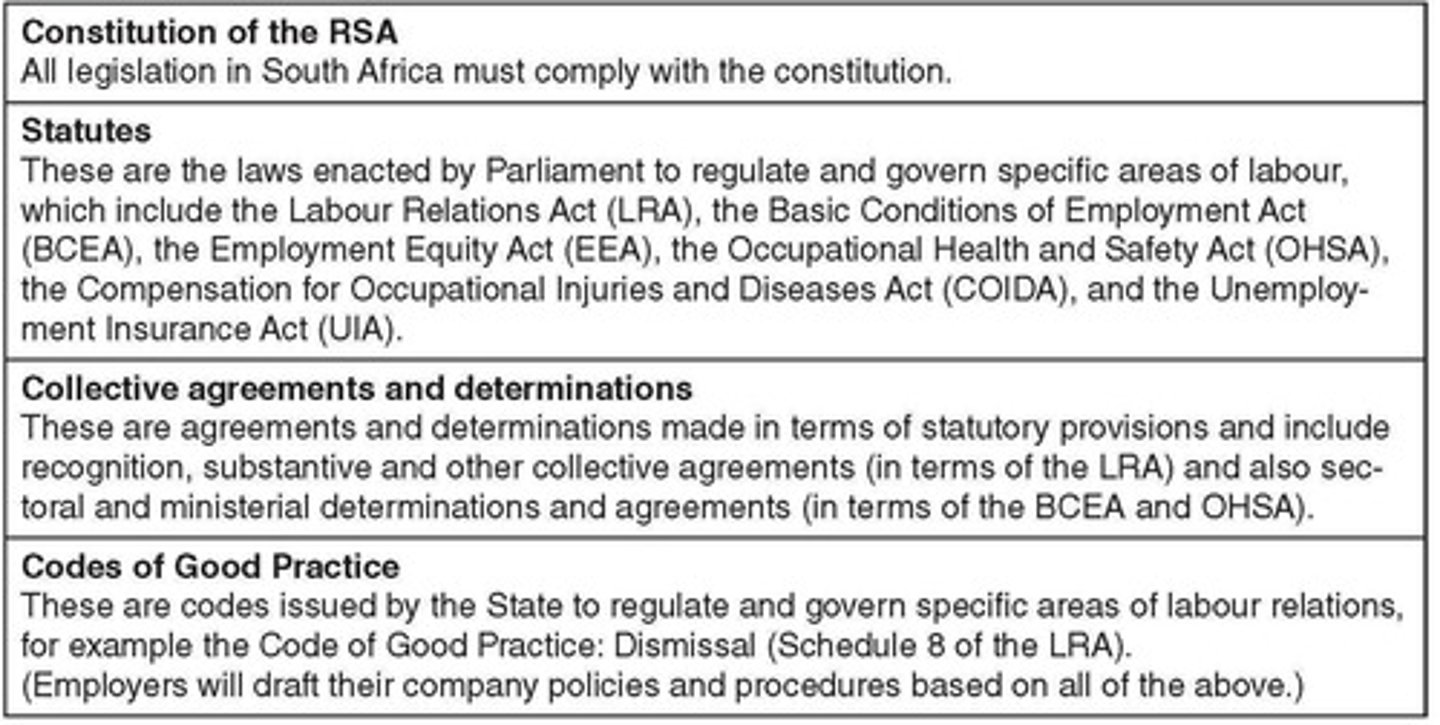
What does the South African Constitution guarantee in Section 9?
Equality before the law, freedom from discrimination, and the right to affirmative action.
What is the purpose of the Employment Equity Act (EEA)?
To promote equal opportunity and fair treatment in employment and to implement affirmative action measures.
What does Section 23 of the Constitution address?
Labour relations, including rights to fair practice, union participation, and collective bargaining.
What is the significance of the Labour Relations Act (LRA)?
It establishes fair labour practices and enforces equal rights for all workers in South Africa.
What is the impact of the 1913 Land Act?
It restricted land ownership for non-white South Africans, contributing to systemic inequality.
What was the purpose of the Bantu Education Act of 1953?
To provide inferior education to black South Africans, reinforcing apartheid policies.
What is the difference between differentiation and discrimination?
Differentiation refers to recognizing differences, while discrimination involves unfair treatment based on those differences.
What are some indirect benefits of managing diversity?
Increased morale, job satisfaction, employee harmony, and productivity.
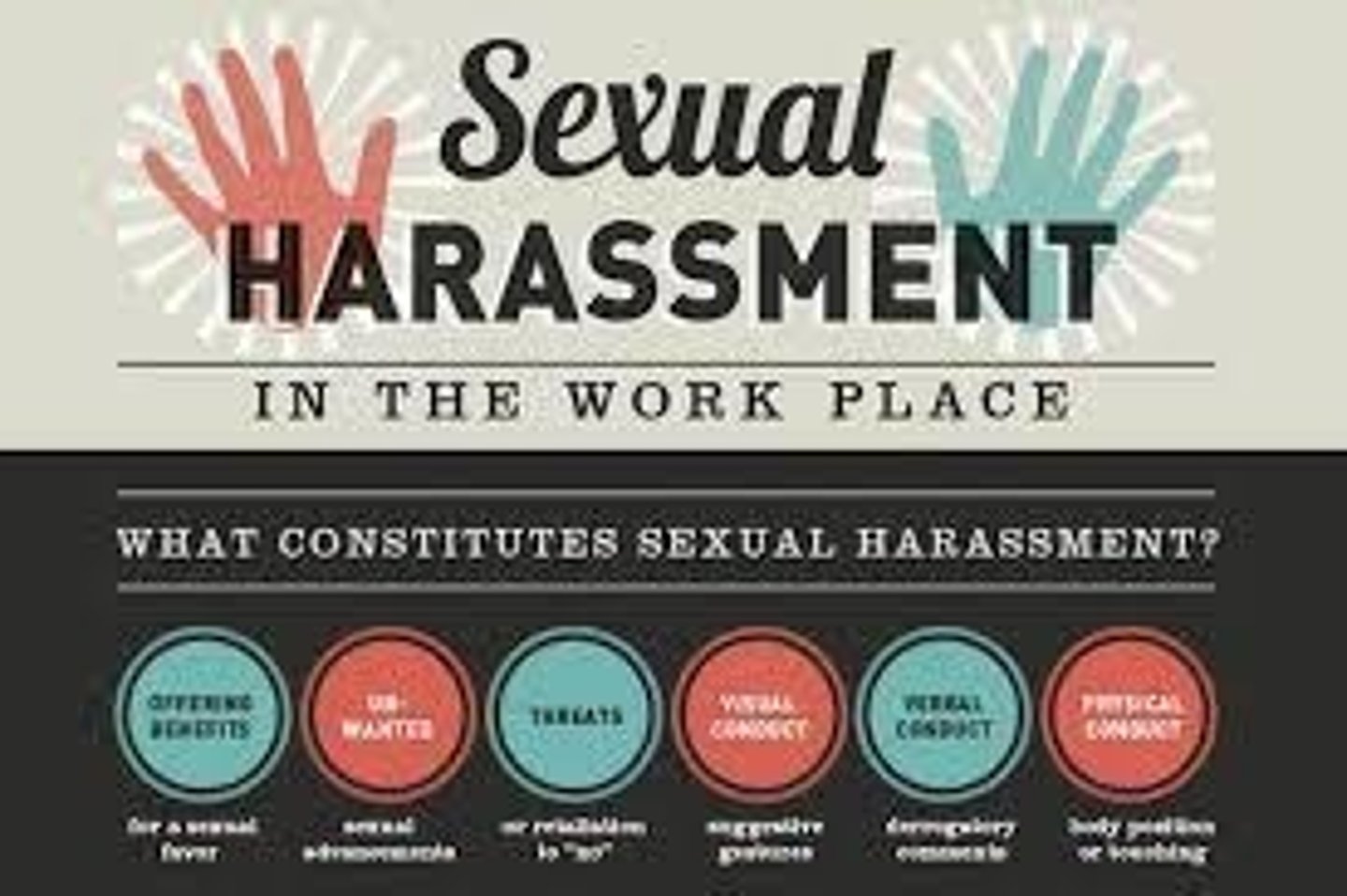
What is a common form of harassment in the workplace according to the EEA?
Sexual harassment.
What is the role of the Constitutional Democracy in South Africa?
It ensures that citizens can challenge legislation and actions that infringe on their fundamental rights.
What does the term 'cultural filters' refer to?
The biases and perspectives shaped by one's cultural background that affect understanding and acceptance of differences.
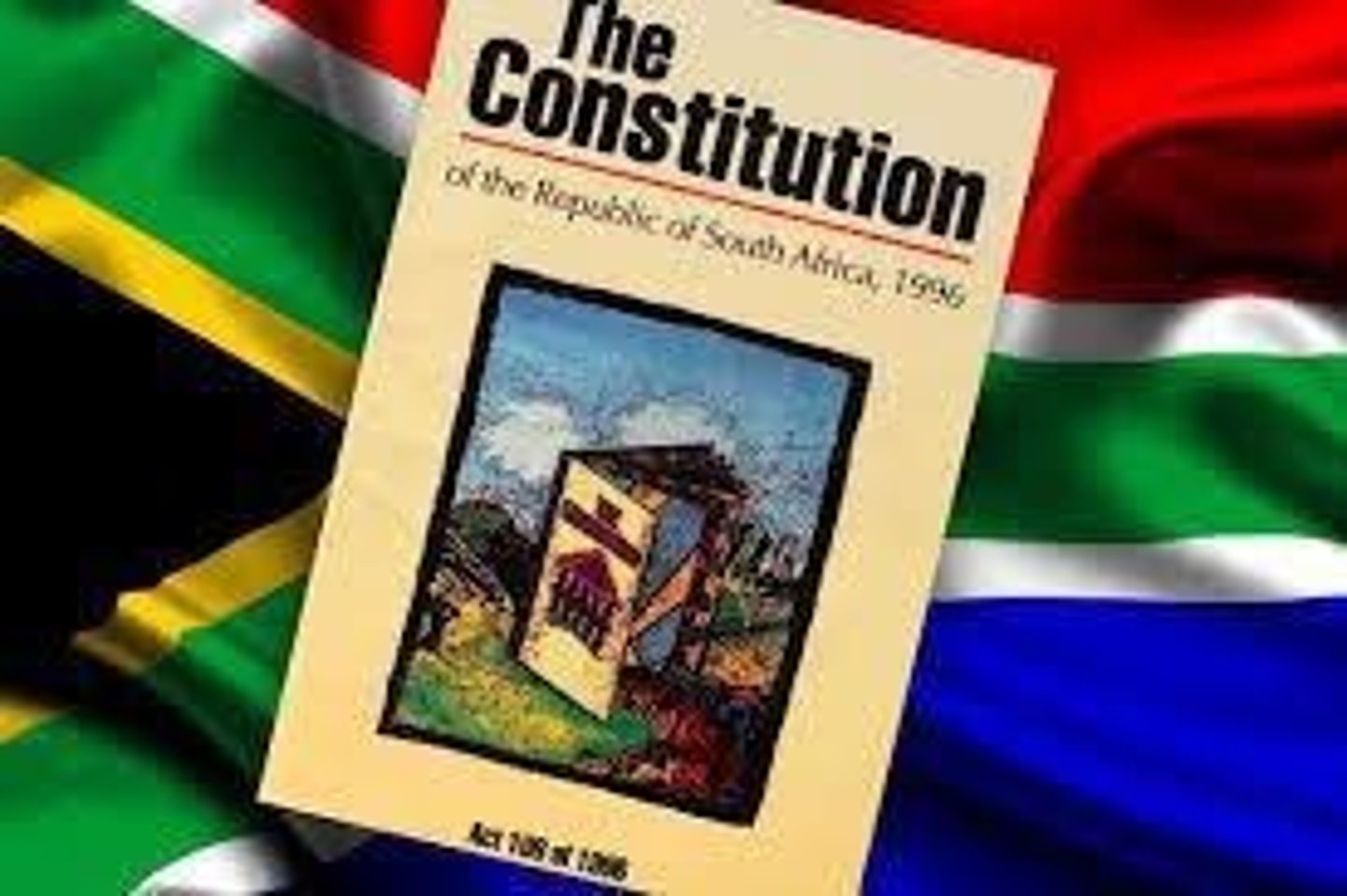
What is the significance of the 1996 Constitution in South Africa?
It is the supreme law that entrenches fundamental rights and promotes equality and diversity.
What are the proven benefits of managing diversity?
Access to talent and organizational flexibility.
What is the significance of the case study on District Six?
It illustrates the impact of apartheid policies on communities and the need for land restitution.
What does the Employment Equity Act aim to achieve?
Substantive equality by eliminating unfair discrimination and ensuring equitable representation.
What is the impact of apartheid on the South African workforce?
It created visible forms of discrimination and inequality in employment.
What are the key sections of the Constitution related to equality and diversity?
Sections 9 (Equality) and 23 (Labour Relations).
What is the role of affirmative action in South Africa's legislative framework?
To redress past unfair discrimination and promote equal opportunities in the workplace.
What does 'celebrating diversity' in the workplace lead to?
Achieving superior business advantages and results.

