AP US Government and Politics - The Constitution Vocabulary (thanks natalie)
0.0(0)
 Studied by 56 people
 Call Kai
 Learn
Learn Practice Test
 Spaced Repetition
 Match
Match Flashcards
 Knowt Play
Card Sorting
1/27

Earn XP
Description and Tags
Last updated 2:41 AM on 9/22/22
Name | Mastery | Learn | Test | Matching | Spaced | Call with Kai |
|---|
No analytics yet
Send a link to your students to track their progress
28 Terms
1
New cards
amendments
a new provision in the Constitution that has been ratified by the states
2
New cards
Antifederalists
those who favor a weaker national government
3
New cards
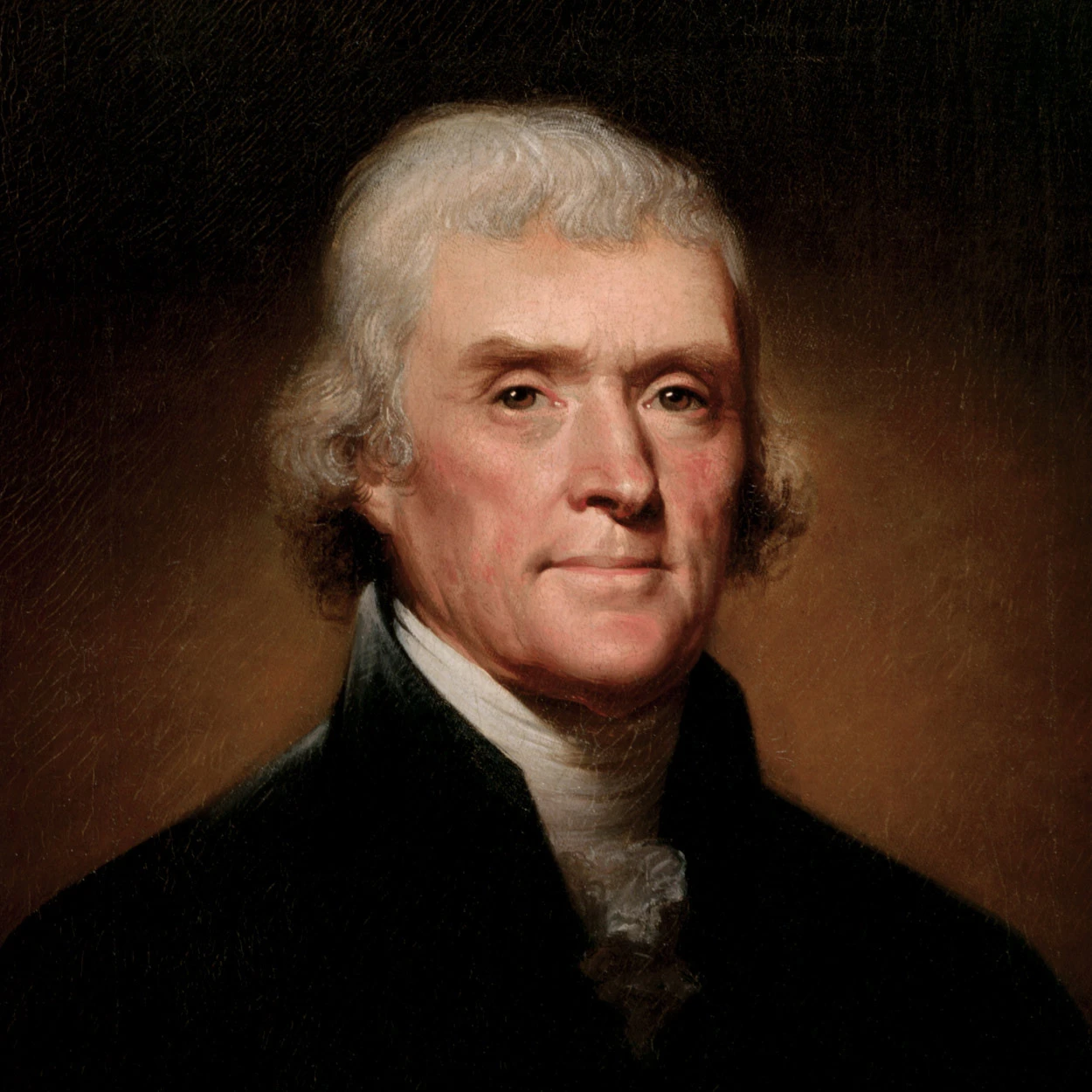
Articles of Confederation
A weak constitution that governed America during the Revolutionary War.
4
New cards
bill of attainder
a law that declares a person, without a trial, to be guilty of a crime
5
New cards
Bill of Rights
The first ten amendments to the Constitution
6
New cards
checks and balances
a system that allows each branch of government to amend or veto acts of another branch so as to prevent any one branch from exerting too much power.
7
New cards
coalition
an alliance of groups
8
New cards
concurrent powers
powers shared by the national and state governments
9
New cards
Constitutional Convention
A meeting in Philadelphia in 1787 that produced a new constitution
10
New cards
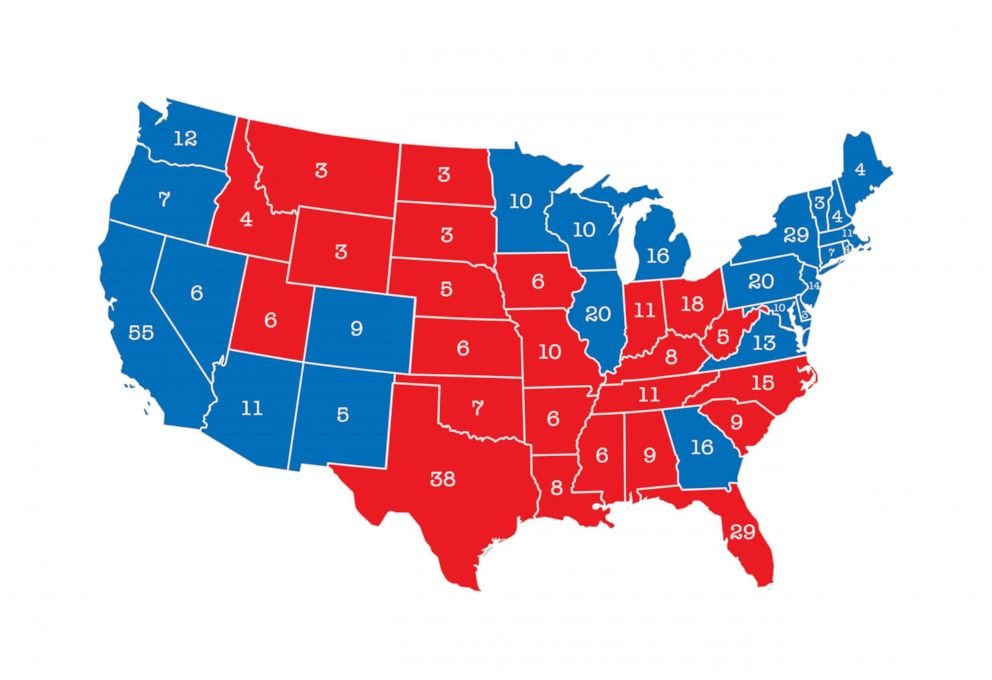
Electoral College
The government body which casts the votes used to elect a president. It was designed to insulate the executive branch from direct popular control.
11
New cards
enumerated powers
Powers given to the national government alone.
12
New cards
ex post facto law
A law that makes an act criminal although the act was legal when it was committed.
13
New cards
faction
A group with a distinct political interest.
14
New cards
federalism
Government authority shared by national and local governments.
15
New cards
Federalists
Those who favor a stronger national government

16
New cards
Great Compromise
Plan to have a popular elected House based on state population and a state-selected Senate, with two members for each state.
17
New cards
habeas corpus
An order to produce an arrested person before a judge.
18
New cards
Importation Compromise
According to the Constitution, the importation of slaves could be banned twenty years after the document's ratification (1808). This was offered in exchange for keeping the institution of slavery legal in the nation.
19
New cards
judicial review
The power of the courts to declare laws unconstitutional

20
New cards
line-item veto
An executive's ability to block a particular provision in a bill passed by the legislature
21
New cards
New Jersey Plan
A plan unsuccessfully proposed at the Constitutional Convention, providing for a single legislative house with equal representation for each state.
22
New cards
republic
A government in which elected representatives make the decisions.
23
New cards
reserved powers
Powers given to the state government alone.
24
New cards
separation of powers
The division of government responsibilities into distinct branches to limit any one branch from exercising the core functions of another.
25
New cards
Shay's Rebellion
A 1787 rebellion in which ex-Revolutionary War soldiers attempted to prevent foreclosures of farms as a result of high interest rates and taxes

26
New cards
Three-Fifths Compromise
The plan to appease both slave and non-slave states by having three-fifths of the slave population count towards representation in the House
27
New cards
unalienable
A human right based on nature or God
28
New cards
Virginia Plan
outlined a strong national government with three branches: legislative, executive, and judicial. The plan called for a legislature divided into two bodies (the Senate and the House) with proportional representation.
 Note
Note  Flashcards (94)