ch 25 - Plasticity of the Adult Brain
 Studied by 0 people
 Call Kai
 Learn
Learn Practice Test
 Spaced Repetition
 Match
Match Flashcards
 Knowt Play
1/38

Earn XP
Description and Tags
left off on slide 13
Name | Mastery | Learn | Test | Matching | Spaced | Call with Kai |
|---|
No analytics yet
Send a link to your students to track their progress
39 Terms
examples of plasticity
learning, memory, addiction, maturation, recovery
behavioral changes are accompanied by
changes in the nervous system
plasticity is common to
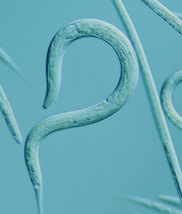
all animal nervous systems (and the governing principles of plasticity hold across species)
plasticity occurs at
many levels (from complex to simple: behavior, neural imaging, cortical maps, physiology, synaptic organization, mitotic activity, molecular structure)
how can you infer plasticity from changes in behavior?
changes in behavior resulting from an environmental stimulus can be seen neuronally. neural changes can disappear when the environmental stimulus is removed (wolfgang kohler’s prism adaptation)
describe Wolfgang Kohler’s Prism adaptation experiment
subjects fitted with prisms that change their vision can adapt to the shifted visual world, accompanied by neural changes. after prism removal and adaptation back to the normal world, neural changes disappear
how can you infer plasticity from cortical sensory maps?
motor and sensory maps can be altered by experience (ex. musicians show more complex finger regions in motor cortex)
if connections are cut, cortical area is taken over by
the area next to it
motor and sensory maps can be altered by
experience (not always adaptive)
Loss of motor control in a digit after making repetitive synchronous movements (career musicians, golfers)
focal hand dystonia
what is an example of somatosensory plasticity?
reorganization of somatosensory maps after amputation
focal hand dystonia
denervated hand and arm area (ex. after amputation) respond to stimulation of
face on the affected side of body (has to do with somatosensory organization)
what is an example of plasticity in physiological organization?
LTP/LTD
what is long-term potentiation?
Enhanced synaptic transmission after electrical stimulation of a cell, leads to changes in dendritic length and spine density. model of how learning occurs
what is kindling?
Development of persistent seizure activity after repeated exposure to an initially subconvulsant stimulus
LTP was first found in the
amygdala
what can be studied in postmortem tissue?
dendritic arborization through staining
synapse numbers and size through microscope
what is the computational challenge when studying synaptic organization?
cells with more challenging tasks to complete are more complex, and theres an individual difference in cell complexity based on life experiences
where can the adult brain manufacture new neurons (stem cell mitosis)
subventricular zone to olfactory bulb
hippocampus granule cell layer
sometimes in cortex in response to injury
precurser cells migrate along a path known as ___ migratory system to the olfactory bulb
rostral
rats in complex environments significantly increase ___ in response to ___
increase the activity of genes in response to the experience
what are the two types of plasticity caused by experience?
experience-expectant plasticity
experience-dependent plasticity
brain changes to neuronal assemblies that are already present
experience-dependent plasticity
behavioral changes result in (increase/decrease) of synapses
either. increase in synapses in one place and decrease in synapses in another place can result from behavioral change
what is metaplasticity?
changes from the experiences from a whole lifetime of living
pre-experiment ___ affects the outcome of the experiment
lifestyle (effects on synapses due to job, susceptibility to drug addiction, etc)
plasticity is ___-dependent
age-dependent and time-dependent
how is plasticity age and time dependent?
the same experience triggers different plastic responses at different ages.
synaptic changes can be stable or change over time (if not used in 14 days, may be lost)
___ of experience affects plasticity
relevance
plasticity is related to ___ and ___ of experience
intensity and frequency
(practice makes permanent)
what are some examples of plasticity being maladaptive?
chronic pain, tinnitus, focal hand dystonia
loss of oxygen for a period of time
ischemia, often a cause of stroke
why is it said that brain damage after a stroke is a cascade?
cascade of events set in motion even is blood flow is restored, so even if the stroke is treated immediately, damage to function can occur for months after.
what is the aphasia quotient?
a standardized measure of language incorporating spontaneous speech, fluency, comprehension, etc
recovery from surgical lesions
little to no recovery of function following surgery, even after 20 years
after a stroke, reorganization takes place (unilaterally/bilaterally)
bilaterally
what are some variable affecting recovery from a brain injury?
age, sex, handedness, intelligence, personality
which sex has more interhemispheric connections
female
what is constraint-induced therapy?
making the patient complete a task with their impaired limb. has great outcomes.
 Note
Note  Flashcards (20)