Cloud Infrastructures - CompTIA Security+ SY0-701 - 3.1
 Call Kai
 Learn
Learn Practice Test
 Spaced Repetition
 Match
Match Flashcards
 Knowt Play
1/6

There's no tags or description
Looks like no tags are added yet.
Name | Mastery | Learn | Test | Matching | Spaced | Call with Kai |
|---|
No analytics yet
Send a link to your students to track their progress
7 Terms
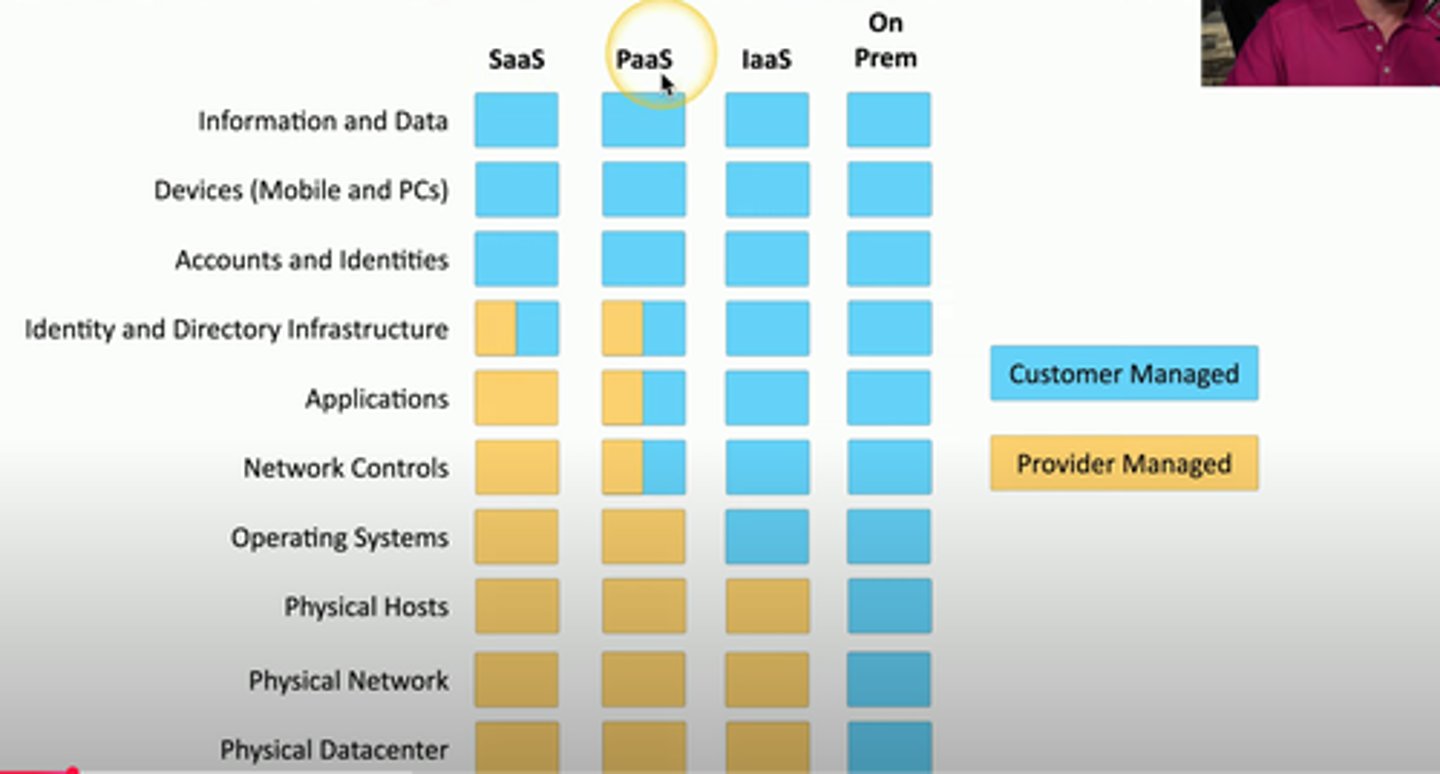
Cloud responsibility matrix
• IaaS, PaaS, SaaS, etc.
- Who is responsible for security?
• Security should be well documented
- Most cloud providers provide a matrix of
responsibilities
- Everyone knows up front
• These responsibilities can vary
- Different cloud providers
- Contractual agreements
- Responsibility matrix example
Hyrbid considerations
Hybrid cloud
- More than one public or private cloud
- this adds additional complexity
Network protection mismatches
- Authentication across platforms
- Firewall configurations
- Server settings
Different security monitoring
- Logs are diverse and cloud specific
Data leakage
- Data is shared across the public internet
Third party vendors in the cloud
You, the cloud provider, and third parties
- Infrastructure technologies
- Cloud-based appliances
Ongoing vendor risk assessments
- Part of an overall vendor risk management policy
Include third-party impact for incident response
- Everyone is part of the process
Constant monitoring
- Watch for changes and unusual activity
Infrastructure as code
• Describe an infrastructure
- Define servers, network, and applications as code
• Modify the infrastructure and create versions
- The same way you version application code
• Use the description (code) to build other
application instances
- Build it the same way every time based on the code
• An important concept for cloud computing
- Build a perfect version every time
Serverless Architecture
Function as a Service (FaaS)
- Applications are separated into individual, autonomous functions
- Remove the operating system from the equation
Developer still creates the server-side logic
- Runs in a stateless compute container
May be event triggered and ephemeral
- May only run for one event
Managed by a third party
- All OS security concerns are at the 3rd party
Microservers and APIs
Monolithic applications
- One big app that does everything
Application contains all decision making process
- User interface
- Business logic
- Data input and output
Code challenges
- Large codebase
- Change control challenges
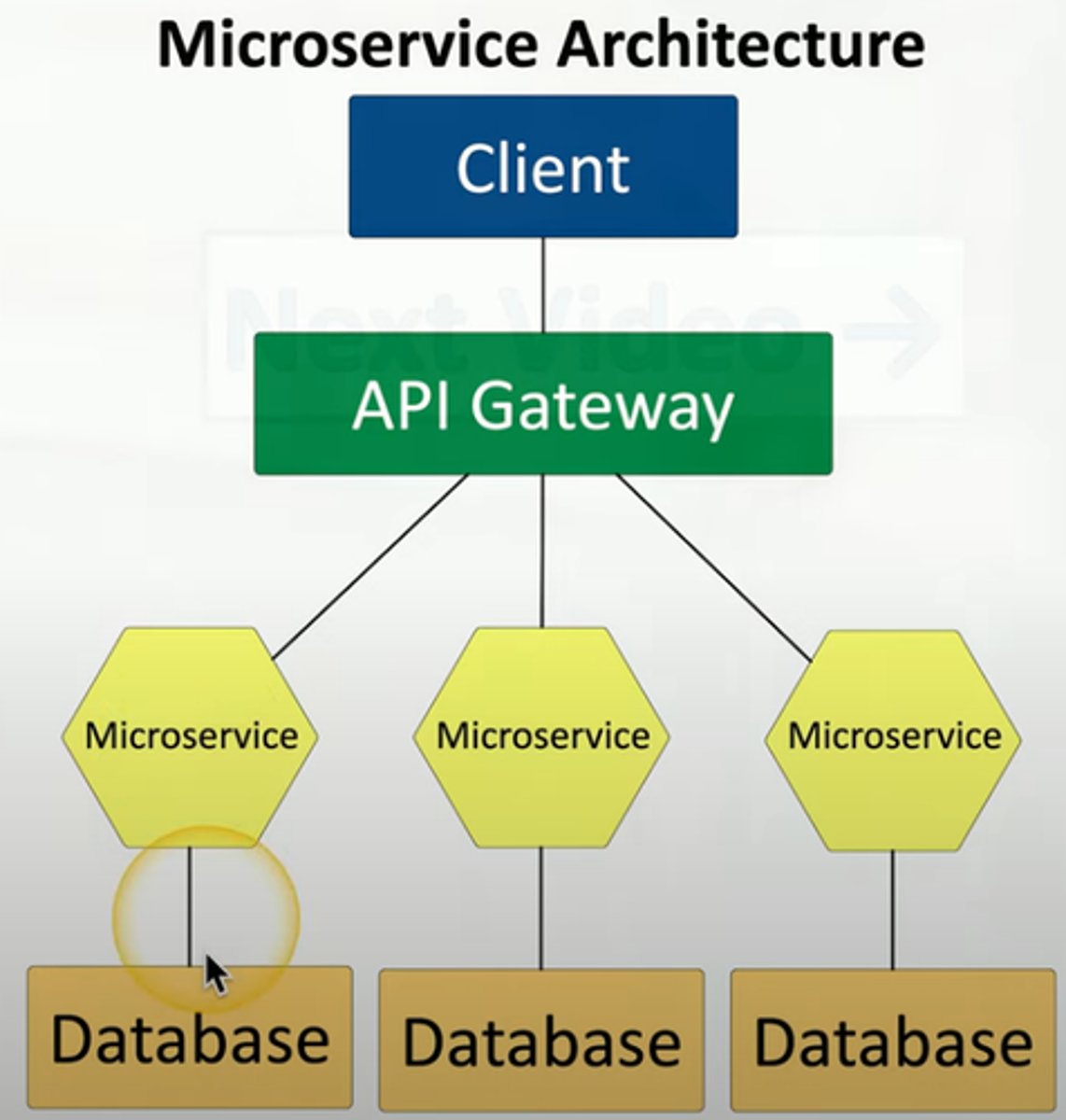
Microservices and APIs
APIs
- Application Programming Interfaces
API is the "glue" for the microservices
- Work together to act as the application
Scalable
- Scale just the microservices you need
Resilient
- Outages are contained