Models in cognitive psychology
 Studied by 0 people
 Call with Kai
 Learn
Learn Practice Test
 Spaced Repetition
 Match
Match Flashcards
 Knowt Play
1/17

There's no tags or description
Looks like no tags are added yet.
Name | Mastery | Learn | Test | Matching | Spaced | Call with Kai |
|---|
No analytics yet
Send a link to your students to track their progress
18 Terms
Model
A simplified (or idealised) representation of a more complex thing
Models in science
Simplified description of what is actually going on
Model - a simplified or idealised representation of a thing
Statistical model - a mathematical relationship between variable, that hold under specific assumptions
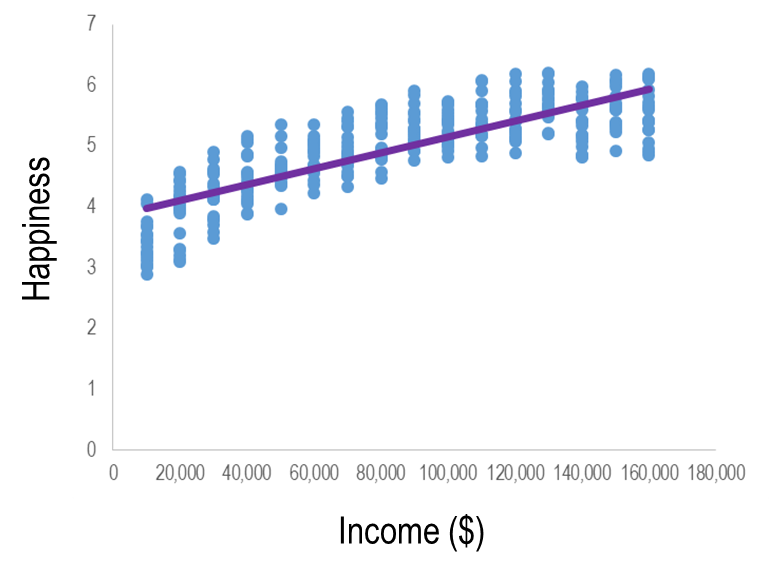
Theoretical models (in cognition) - a description of the relationship between different mental processes, that makes assumptions about the nature of these processes
Theoretical models try to explain something and provide further predictions from these descriptions, statistical models do not
Behaviourism
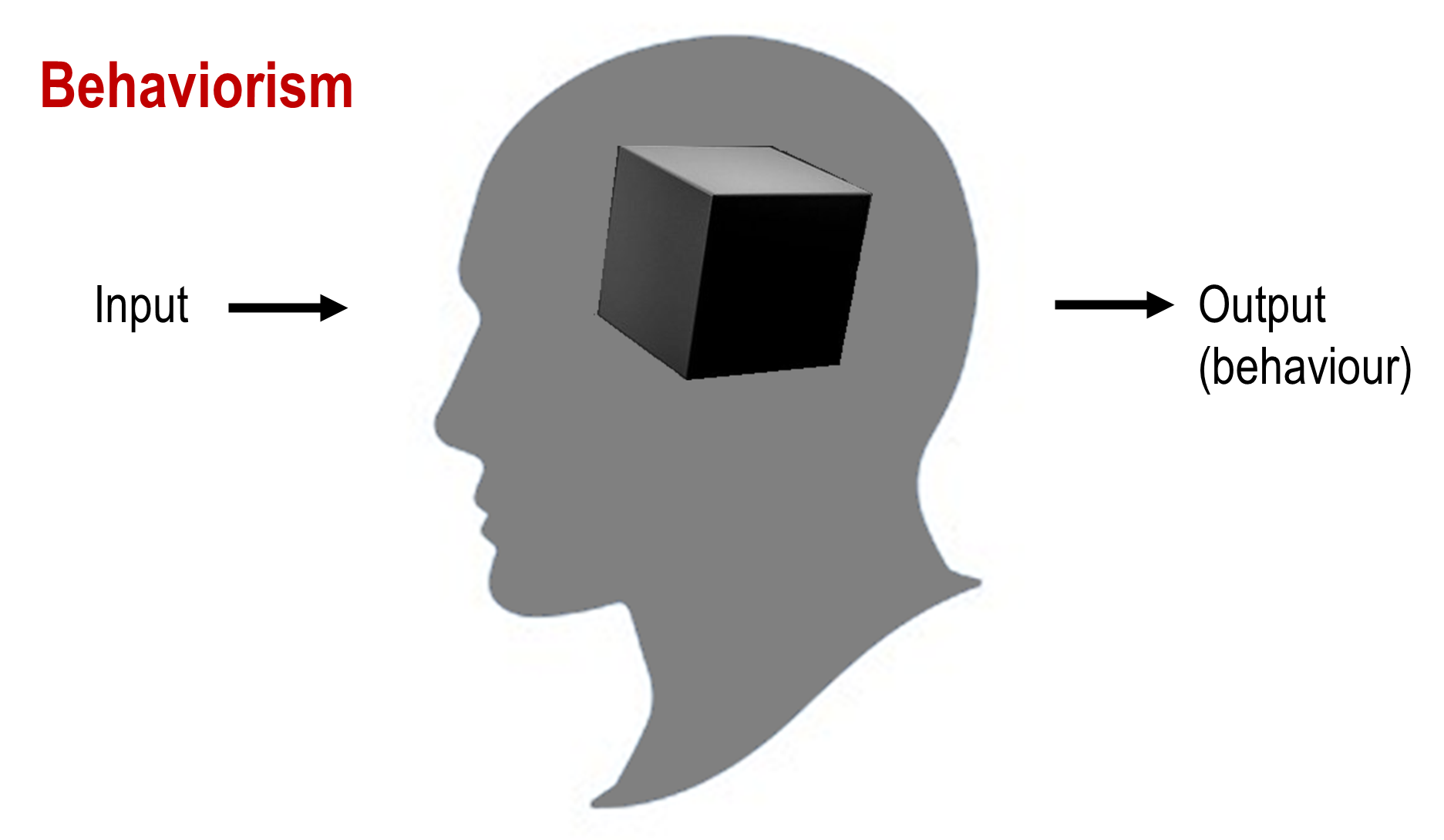
Behaviourism - the mind is like a black box, we don’t know what is happening inside so we should not care what is happening inside, all we care about is behaviour
if we change the input (eg. environment, education) and we see a change in behaviour
Cognitive - the mind is a black box and if you change the input and the output change, we can make some predictions about what occurs inside the black box
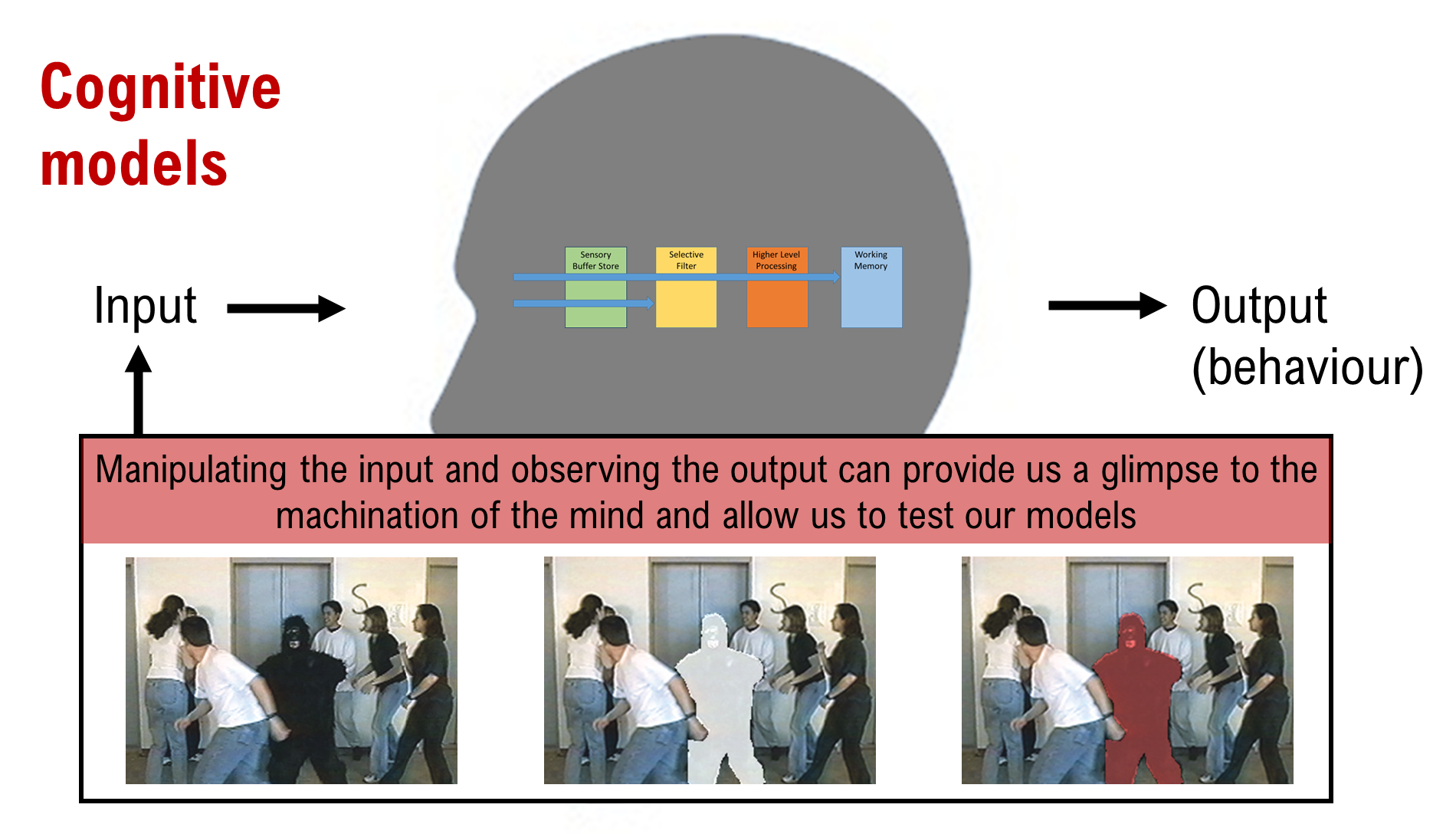
cognitive box and arrow models
Computational models
Simplified version of the actual process
Know the mind does no actually look like this but it is cimplified to its essential components
Models that describe the relationship between different mental processes, under the assumption that the mind operates like multi-staged info processing machines
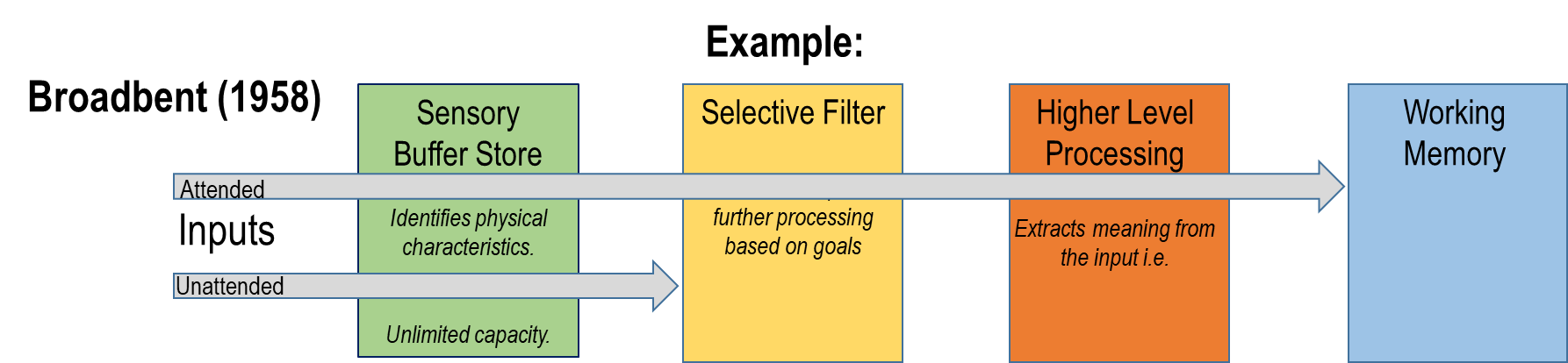
Box and arrow models started off simple, but can gradually become quite complex
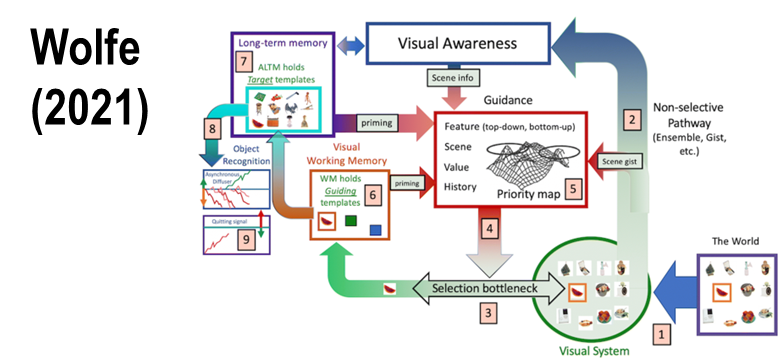
Cognitive models
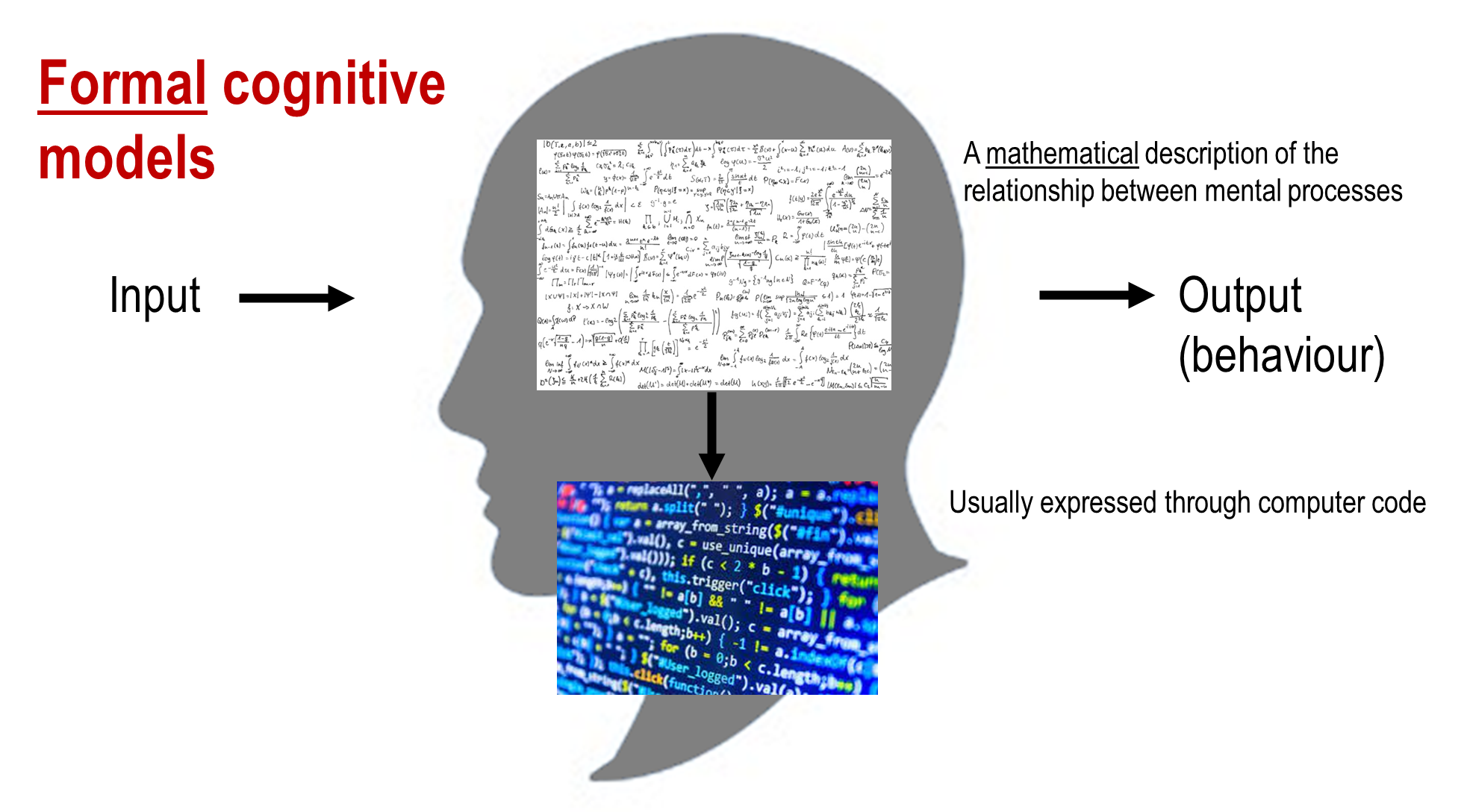
Formal cognitive models
Computational modelling
There is fluidity in science
no competition between the models
Simplification and abstraction
When we create a model, we acknowledge that we’re not going to describe all the info we’re describing, only the parts we think are critical for what we’re trying to represent
Simplification - making something simpler
Abstraction - generating general rules and concepts from specific info
What is the right level of abstraction?
depends on the question we are asking and / or what we are trying to convey
Prediction and / or explanation
Models in science must produce some predictions
These predictions can be directional or numerical
Model that provide numerical predictions can be more or less accurate
Non-scientific theories explain after the fact but cannot provide falsifiable predictions
Aim is to provide a simple model and check how good it is and develop the model to be more accurate
How do we use models to predict and explain?
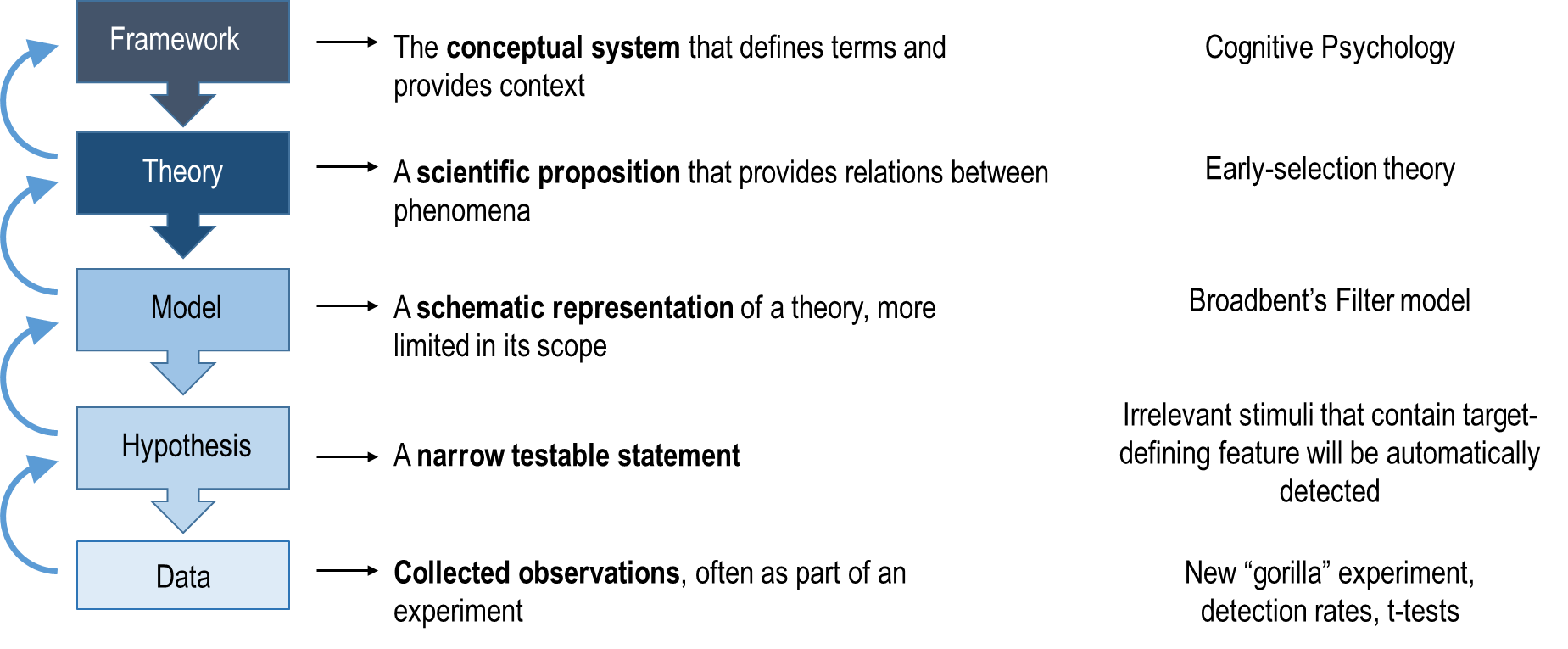
Explanation and prediction
Explanation without (exact) prediction
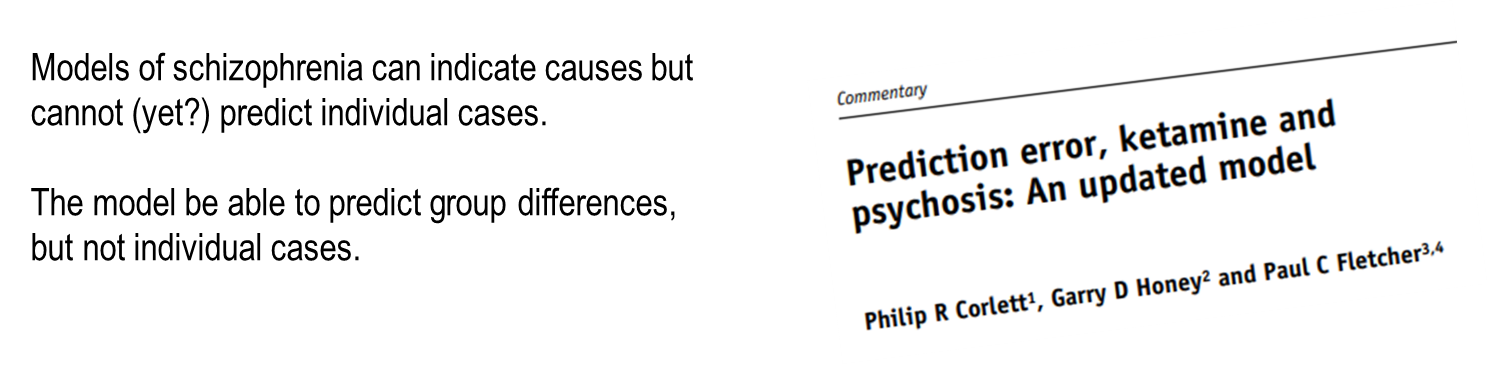
Prediction without explanation
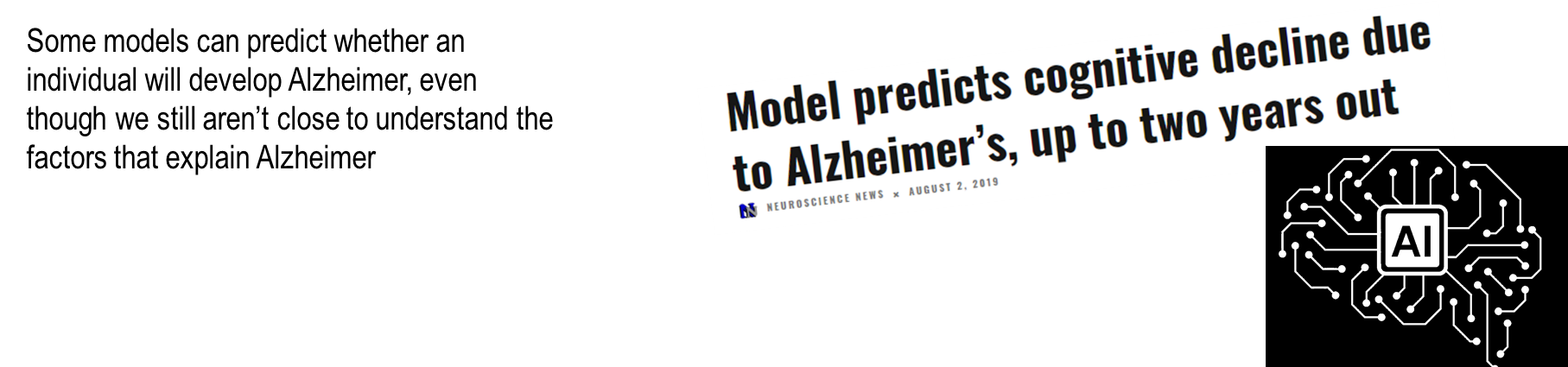
Difference between statistical and theoretical models is they are predicting or predicting and explaining
statstical model - predict and do no explain
theoretical - predict and explain
Informal vs formal cognitive models
Informal cognitive models
A verbal description of the relationship between different cognitive procedure
where often some assumptions are implicit
often provides only directional predictions
Formal / computational models
A mathematical description of the relationship between different cognitive preocedure, often instantiated via computer program / simulation
assumptions are explicit
often provides numerical predictions
How do formal models explain?
A formal model is correct but its specific input is not
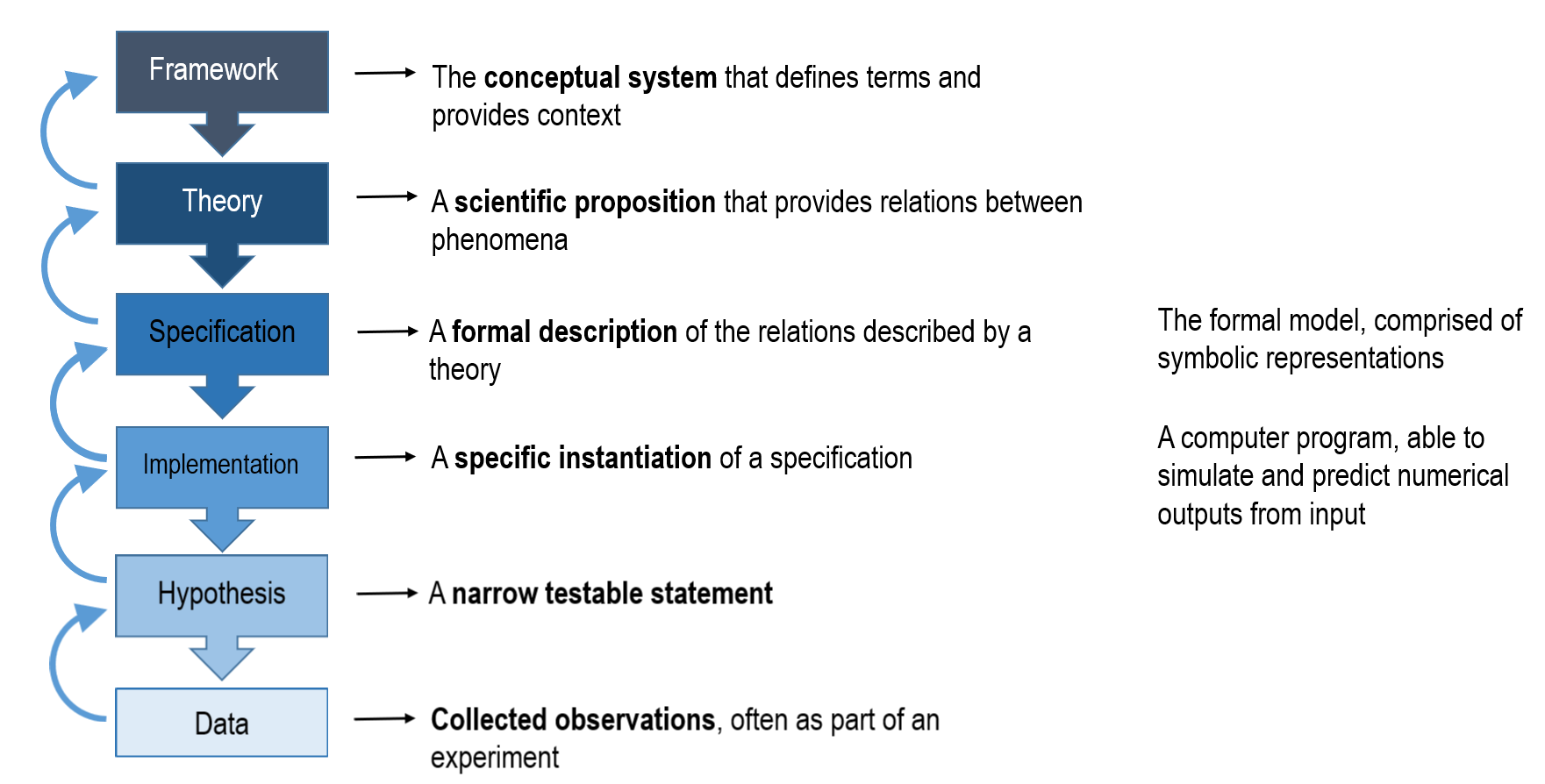
Why formal models?
More accurate predictions
By having a numberical simulation, we can see if the model provides unreasonable predictions (easier to reject bad models)
Can help us select which experiments to perform
By having numerical predictions, we can provide a more subtle form of hypothesis testing
We can see how close a model is to predicting an actual result
Falsifying - if you run a simulation and it tells you this is where you should find differences you can run and experiment to prove this and show this
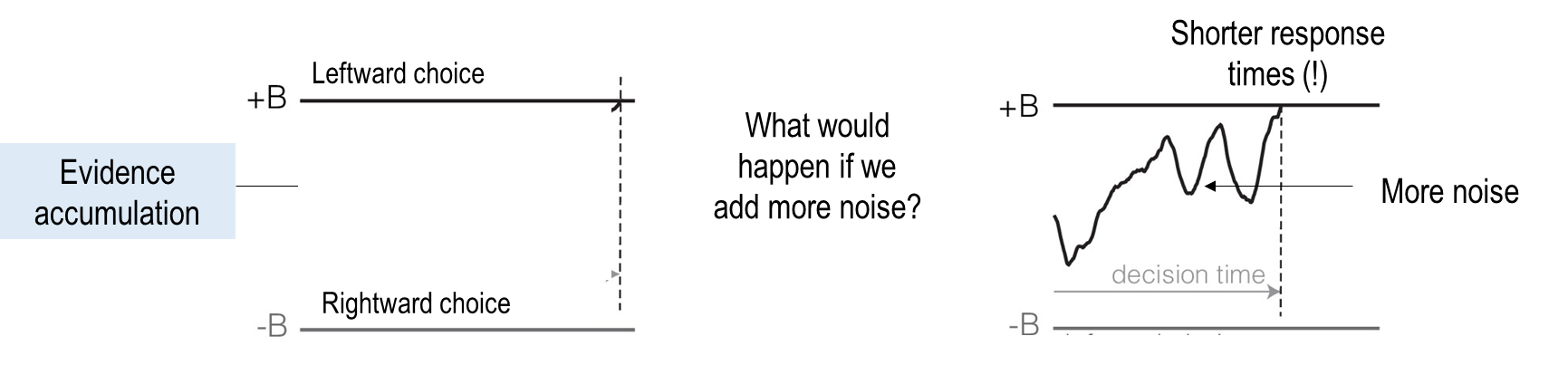
Counter intuitive predictions
A model can more clearly describe predictions follow from a model
With informal models, its hard to notice when they make counter-intuitive predictions
Formal models clearly produce such predictions
Benefits of explicit assumptions
By making assumptions explicit, we can reveal unanswered questions, flaws in our reasoning, contradictory or unreasonable assumptions
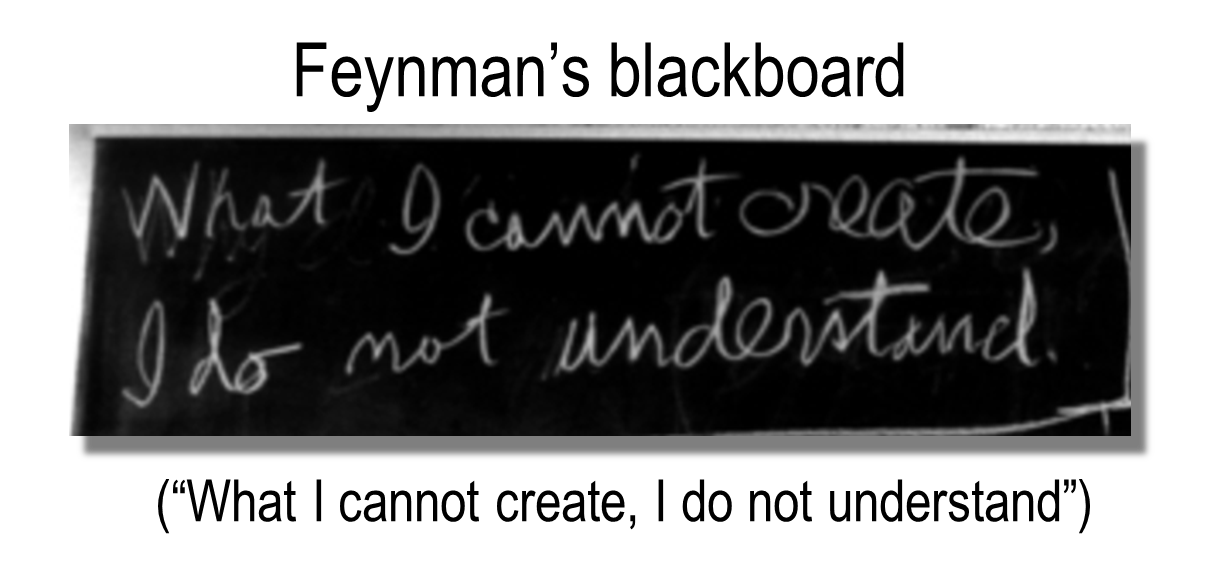
It can make our assumptions transparent for others to see
What are the cons of formal models?
Require substantial expertise
Transparency - therefore transparent mostly for experts
Comparison - be compared against other computational models
Prediction - sometimes numerical predictions are premature
Progress - changing model is costly time-wise, can limit progress
Theory - a computational model may give the semblance of scientific validity (neural network models)
making a model simulate a cognitive task does not necessarily teach us much about congition
How to understand the brain
Problem - we can only ever hope to sample from a tiny fraction of its activity, in a tiny fraction of a bit of brain
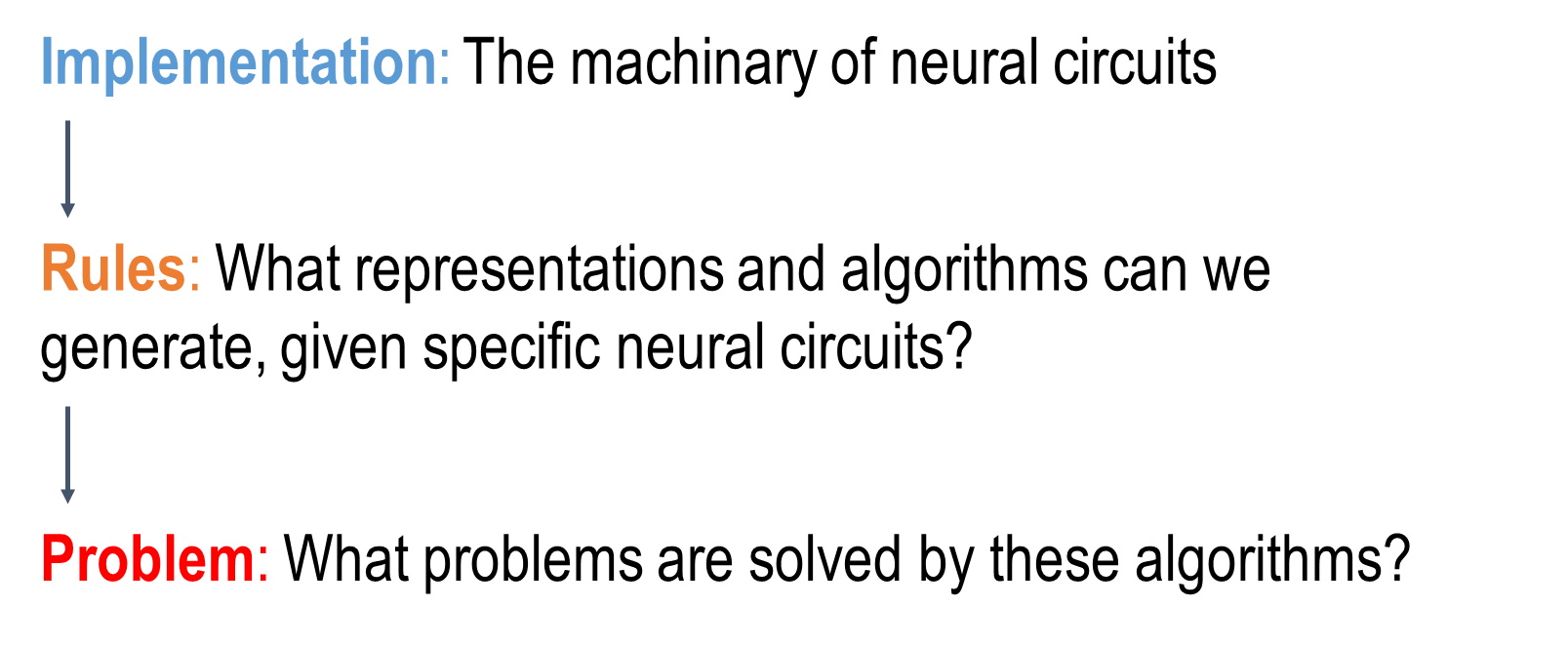
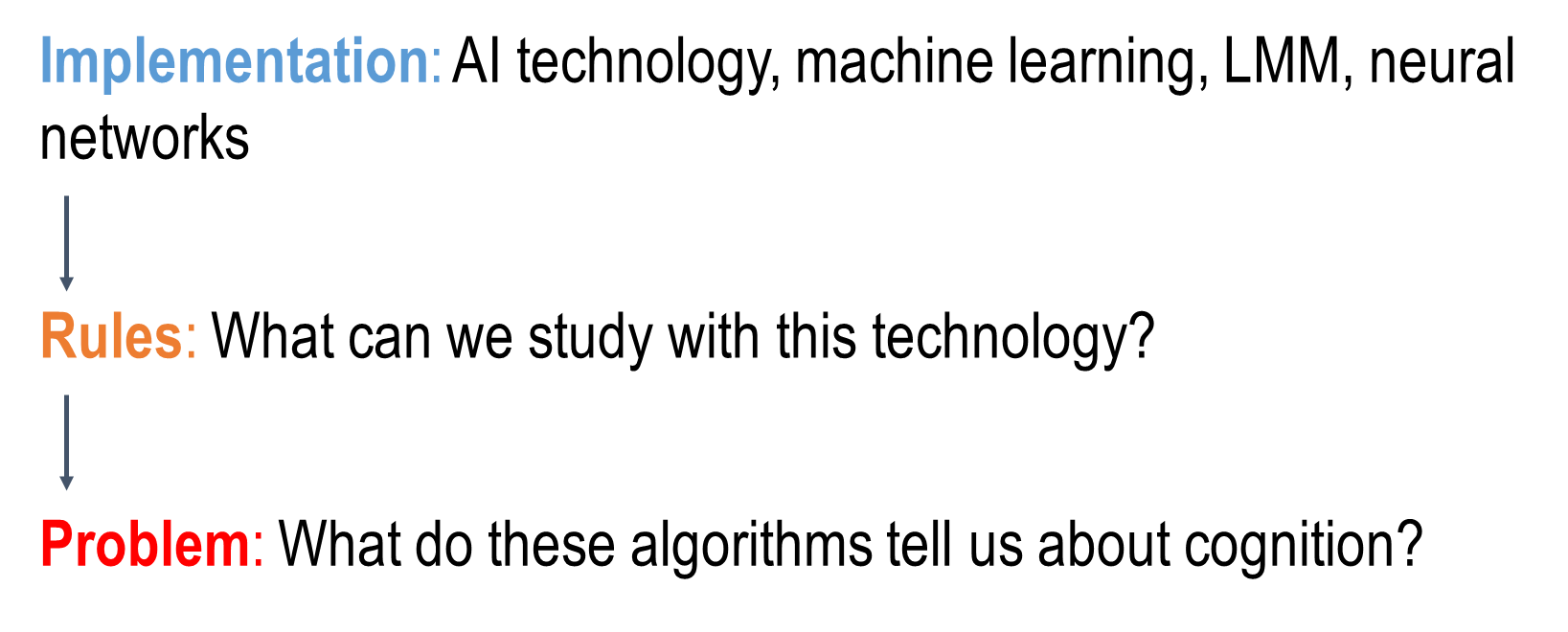
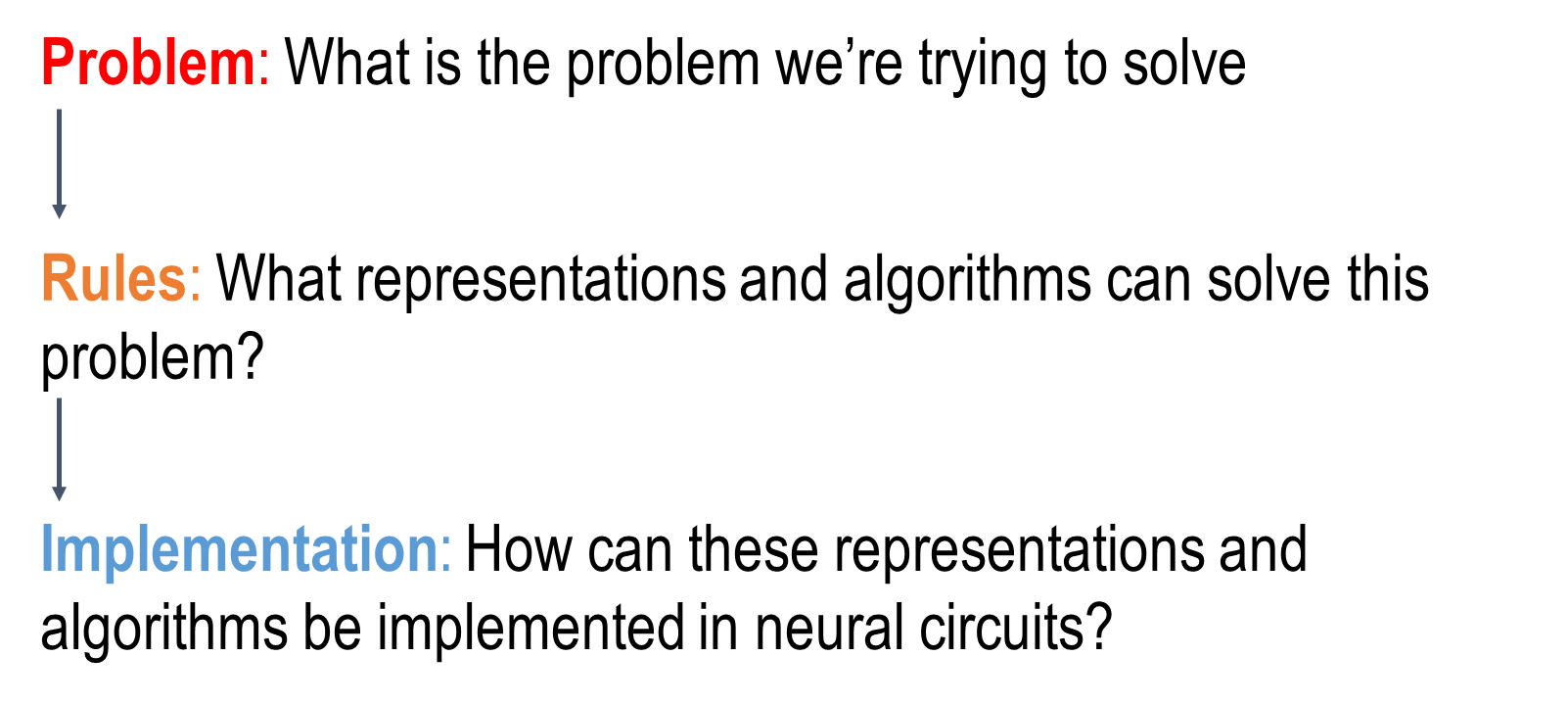
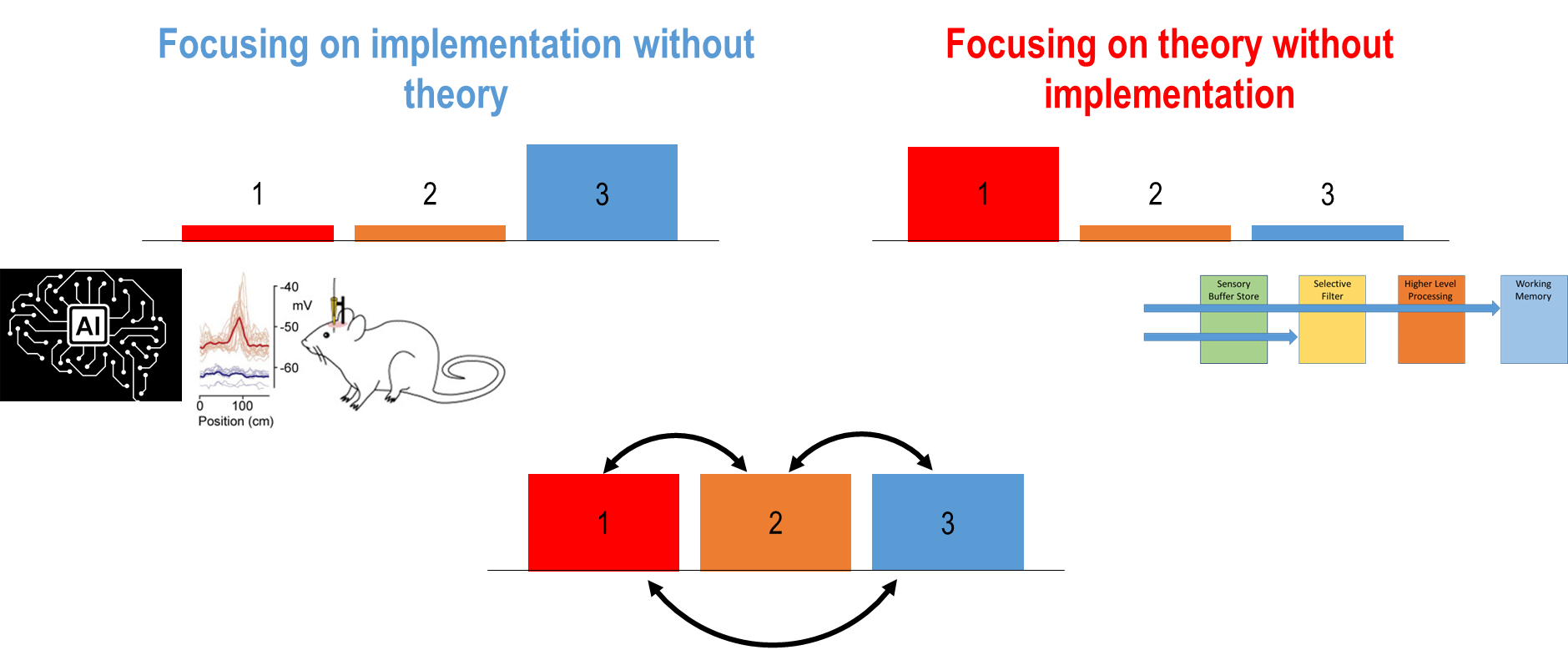
The way to make sense of brain data was to break any brain problem into 3 levels
Computation - the problem being solved
Algorithm - the steps / rules to solve it
Implementation - the actual machinery
Bottom up approach (neuroscience and AI)
Marr
An algorithm is likely to be understoof more readily by understanding the nature of the problem being solved than by examining the mechanism (ans the hardware) in which is it embodied
Comign from the function is easier than coming from the data point
Top down approach
 Note
Note  Flashcards (40)