Biology Exam 3 - Cellular energy and reproduction
 Call Kai
 Learn
Learn Practice Test
 Spaced Repetition
 Match
Match Flashcards
 Knowt Play
1/45

Earn XP
Description and Tags
freshman year semester 2
Name | Mastery | Learn | Test | Matching | Spaced | Call with Kai |
|---|
No analytics yet
Send a link to your students to track their progress
46 Terms
Why is regulation of cell reproduction necessary?
A lack of regulation can cause cancer or genetic disorders
What does the G1 checkpoint look for?
Checks cell growth
What does the G2 checkpoint look for?
Checks DNA synthesis
What does the M checkpoint look for?
Checks for correct number of chromosomes
Describe the M checkpoint
During Mitosis, during Metaphase
Proto-oncogenes
Gene that regulates cell cycle; stop signal
Tumor suppressor genes
Gene that regulates cell cycle; go signal
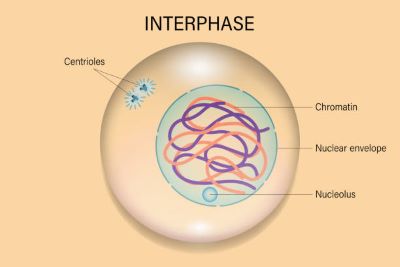
Interphase
Clearly visible nucleus, chromosomes are not visible, DNA still there (chromatins), 2 pairs of centrioles
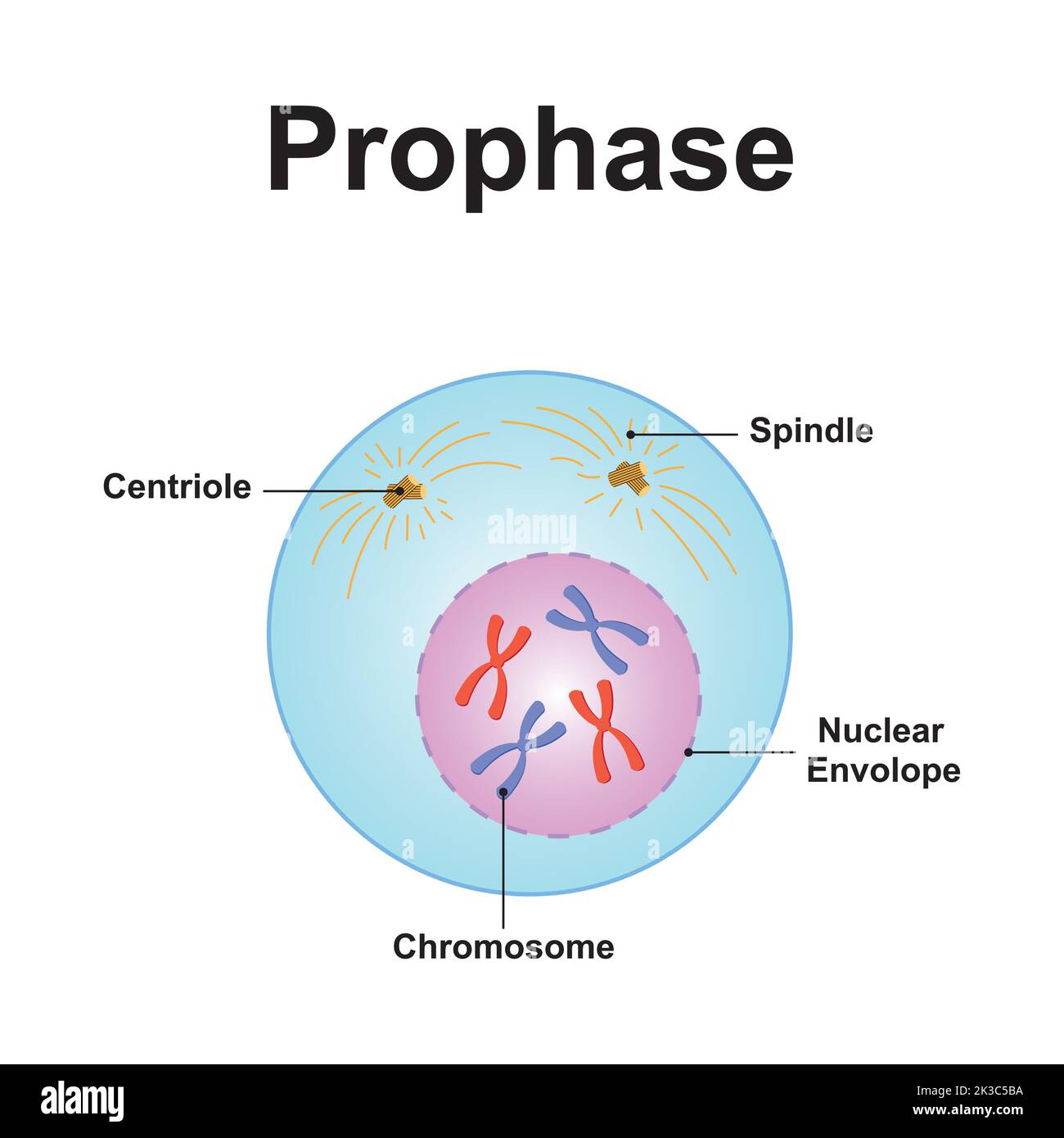
Prophase
Nuclear envelope begins to disintegrate, nucleolus no longer visible, chromosomes become more distinct, centrioles migrate to poles (ends) of the cell, spindle fibers form from centrioles
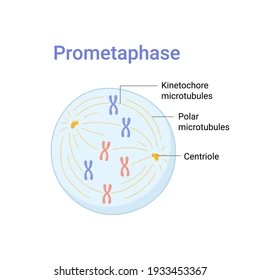
Prometaphase
Aster fibers that anchor centrioles to the inside of the cell membrane, Chromosomes are clearly distinct, spindle fibers stretch towards center of cell
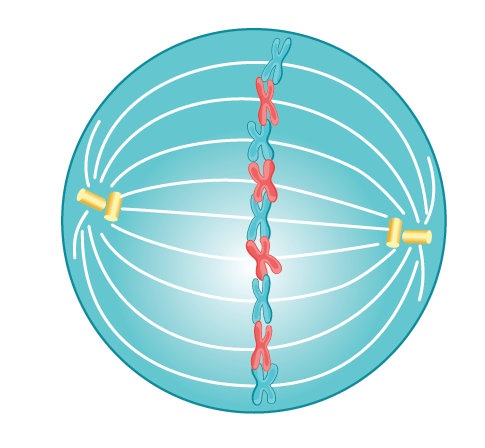
Metaphase
Chromosomes align along the midplate/center of the cell, aka the “equatorial plane,” and the spindle fibers connect to the chromosomes from both sides
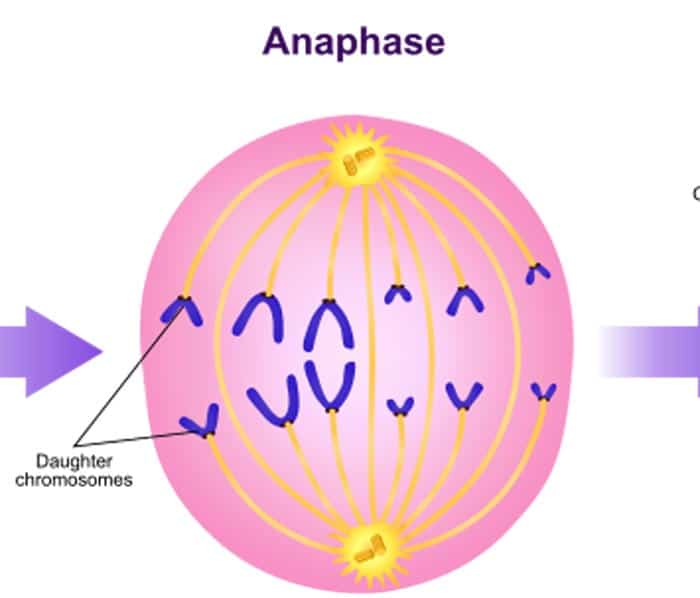
Anaphase
Spindle fibers pull the sister chromatids away from each other, towards the poles
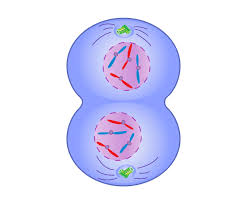
Telophase
Spindle fibers disappear, nuclear envelope begins to reform, cleavage furrow pushes membrane inward
Cytokinesis
Two daughter cells created, cell cycle begins anew
Genome
Traits, DNA, chromosomes; all the DNA in a cell
DNA
Deoxyribonucleic acid; composed of many nucleotides; found in cell nucleus
DNA structure
Double helix
Chromatin
Tangled molecules of DNA
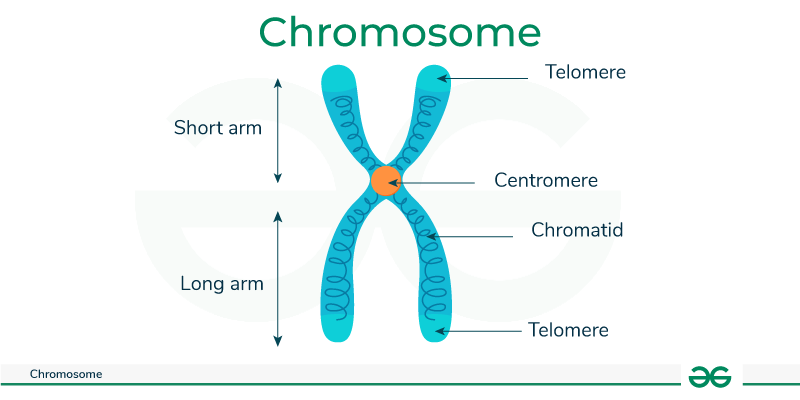
Chromosomes
2 molecules, 2 copies of same DNA, composed of 2 sister chromatids; different genes in each section of the molecule
Somatic cells
“Body cells”: bone, muscle, blood, organ, skin, etc
Germ cells
“Gametes” or “Sex cells”: sprm cells, egg cells
Homologous Chromosomes
Pair of maternal and paternal chromosomes; human somatic cells have 23 pairs of them; TOTAL OF 46
Diploid
“2n”: 46 chromosomes
Haploid
“n” 23 chromosomes; characteristic of human gametes/sex cells
Zygote
Fertilized egg
Embryo
Results from zygote multiplying
G1 phase
Interphase; cell growth and metabolism, cell performing its function
S phase “synthesis phase”
Interphase; DNA synthesis
G2 phase
Interphase; cell prepares for “M phase” (mitosis and cytokinesis)
Why mitosis occurs
Growth, maintaining healthy tissues, replace old/damaged cells
G0 phase
Some cells do not have M phase, such as nerve cells and muscle cells
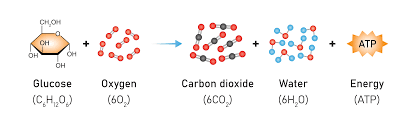
Aerobic cellular respiration
Glucose + Oxygen = Carbon dioxide, water, energy
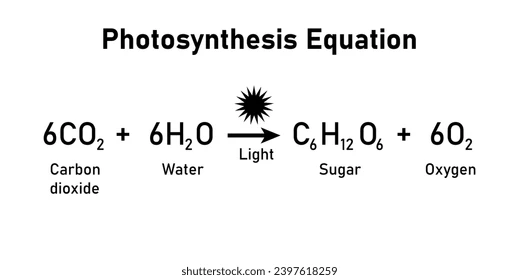
Photosynthesis
Carbon dioxide + water + solar energy = Glucose and Oxygen
Chloroplast
Found in plants and algae, allows photosynthesis to occur
Thylakoid
Contains chlorophyll, a photosynthetic pigment
Granum
Stack of thylakoid
Stroma
Empty space in chloroplast
Light dependent reactions
Photosynthesis PHASE 1: creates oxygen from water molecules, uses thylakoids
Light-independent (dark) reactions
Photosynthesis PHASE 2: Uses CO2 and the Calvin Cycle to create glucose (C6H12O)
Glycolysis
Aerobic Cellular Respiration PHASE 1: Takes place in cytosol, generates 2 ATP; Glucose —> 2 Pyruvate + 2 ATP
Formation of acetyl-CoA
Aerobic Cellular Respiration PHASE 2: Takes place in mitochondria, no ATP, intermediate
Citric Acid cycle
Aerobic Cellular Respiration PHASE 3: Takes place in mitochondria, 2 ATP generated
Oxidative Phosphorylation
Aerobic Cellular Respiration PHASE 4: Takes place in mitochrondria, 32-34 ATP generated
Anaerobic Cellular Respiration
ABSENCE of oxygen; lactic acid fermentation, alcohol fermentation
Lactic Acid
Fermentation taking place in human muscle cells
Alcohol
Fermentation takes place in yeast

