Expressing Conclusions
 Studied by 0 people
 Call with Kai
 Learn
Learn Practice Test
 Spaced Repetition
 Match
Match Flashcards
 Knowt Play
1/18

Earn XP
Description and Tags
L8
Name | Mastery | Learn | Test | Matching | Spaced | Call with Kai |
|---|
No study sessions yet.
19 Terms
Sally Clark
had a baby boy who passed away at age 8 months- ruled at cot death
around a year later she had another baby boy who also passed away at 9 months
this was also ruled as a cot death until leading paediatrician at Leeds at the time spoke up
he said it was a 1 in 73 million chance that it would happen twice and so there must be something going on here
gave the wrong statistics
multiplied the statistical chances of having one baby die of cot death by each other
however:
having one baby die makes you more likely to have another one die
the probability of a boy dying is much more than a girl
What is the role of the expert?
To aid the court with specialist knowledge beyond what the court could reasonably understand.
ANALYSIS: systematic analysis of individual elements of speech e.g phonetic
INTERPRETATION: compile analysis into an overall conclusion
What is the history of expressing conclusions?
In answer to the question “is it the same speaker?”
used to be a binary yes or no
then changed to a classical probability scale: positive side and a negative side
then looked at posterior probability: it is highly likely that the suspect and the offender are the same person [given the evidence].
What are some issues with using a classical probability scale in expressing conclusions?
We have a positive and a negative side
Positive = sure beyond reasonable doubt, very probable, possible
Negative = probably, likely
there are less options on the negative side- meaning there us a bias towards a positive identification of speaker
sure beyond reasonable doubt is a question for the jury not for us
issue of possibility- possibility doesn’t tell you anything about probability
How does posterior probability work?
you have:
probability - what the courts deal with
proposition - argument of events (either Hd or Hp)
evidence - try to express some notation
we are expressing our conclusion with the probability of the proposition given the evidence
How can posterior probability present itself as an issue within the courts?
Analogy
say we have 1% of population with a blood type, this is found at crime scene and matches our suspect
there is a 99% chance that a person would not have this blood type
does that mean they are guilty? NO
Posterior probability can overstate the value of the evidence- it is one small part of an entire investigation
it is up to the court to decide on guilt or innocence- all we can do is provide a likelihood that the speaker is the same
providing anymore confidence can sway the jury on a fact that we can never conclude to be 100% true
UK Position Statement
French and Harrison (IJSLL, 2007) produced this in response to CPS and PP
“fundamental change in the role of the analyst and the evidence”
no longer focusing on identification!
say we do our comparison, we are making a judgement about consistency between two samples, if the samples are consistent then we can look at distinctiveness between speech patterns
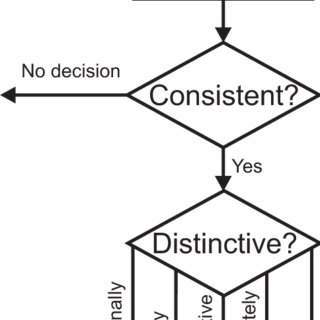
Critical response to French and Harrisons UK Position statement
we cannot do a categorial assessment of innocence
can lead to ‘cliff-edge’ decisions about consistency (what does it mean for the samples to be consistent with each other?)
serial ordering of consistency/distinctiveness
ultimately falls short of numerical, likelihood ratio framework
by saying the samples are not consistent, we are back to a binary conclusion
Likelihood Ratios
there is an increasing pressure to move away from PPs
improving the quality of forensic evidence: a “paradigm shift” Saks and Koehler
we have to report on our reliability and validity of our methods (error rates) e.g have done [n] error rates and found [n] consistency
Formula for numerical likelihood ratios
Similarity
Typicality
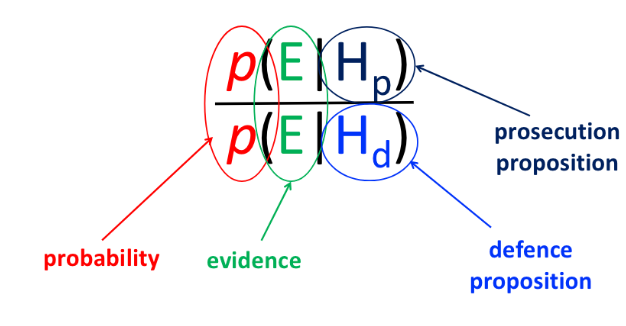
What are LRs telling us?
whether the evidence supports prosecution or defence and the strength/weight
of support
May be that evidence is inconclusive so scales don’t tip at all
This is a pro of LRs- it tell us the strength of the evidence
If we have an LR of 20, what does that tell us?
evidence is 20x more likely assuming the suspect and offender are the same person
(if something is typical, then we will have a larger number at the bottom)
this is a numerical LR
Verbal LRs
we have a number- anything above 1 = HP
anything below 1 = Hd
e.g 1000 = very strong evidence in favour of prosecution
1-10 = moderate
1-0.1 = limited evidence
< 0.001 = very strong evidence for defence
Why use LRs?
they are a logical way to evaluate evidence
separates the role of the expert and the court
objective: considers both prosecution and defence propositions
no ‘cliff-edge’ decisions with numbers
Issues with LRs
what is the relevant population? for typicality
there is a lack of population statistics to calculate typicality
courts struggle to interpret statistics
Halton 2016 —> as many interpretations as there are jurors
R v T (2010)
criminal division of court of appeal
footmark evidence presented in the form of a numerical LR
estimating population statistics
fundamental misunderstanding/mistrust of statistics
numerous responses by forensic experts and statisticians highlighting issues with ruling
What is current practice for LRs?
Gold and French surveys 2011 v 2019
verbal LR = 26% (compared to 11.4 in ‘11)
CPS. = worryingly 23.7% use them! was 40% in 2011
What is now used in the UK to present conclusions to the court?
tables for phoneticians with columns: support statement, score, relative probabilites
presented to court is just the RP
will say something like:
the probability that these results could be found under a different speaker hypothesis can effectively be ruled out
 Note
Note  Flashcards (234)