L8- Case Study (Adelie Penguins)
 View linked note
 Call Kai
 Learn
Learn Practice Test
 Spaced Repetition
 Match
Match Flashcards
 Knowt Play
1/32

There's no tags or description
Looks like no tags are added yet.
Name | Mastery | Learn | Test | Matching | Spaced | Call with Kai |
|---|
No analytics yet
Send a link to your students to track their progress
33 Terms
Sperm Competition→
the competition between the sperm of 2+ males inside the female’s reproductive tract
Sperm Competition theory suggests…
that males should mate guard to prevent extra-pair female copulation e.g. can be seen in male mallards
if male cannot mate guard…
the timing and frequency of copulation will determine which male gains paternity e.g. american kestrels cannot mate guard so copulate up to 690 times per clutch
Q→ do all behaviourally successful copulations (where there is cloacal contact) result in sperm transfer (ejaculation)?
36% of zebra finch copulations fail to transfer sperm
50% of chicken copulations fail to transfer sperm
→ NO
Q→ why would a male not transfer sperm when he has the chance?
Adelie Penguins:
start of breeding season, 30,000 pairs breed here, are long-lived and socially monogamous
males arrive first to set up nest, females come a few days later and pair with same male from last year unless he is not there
both sexes protect the nest, lay 2 eggs, have shifts of incubation-feeding
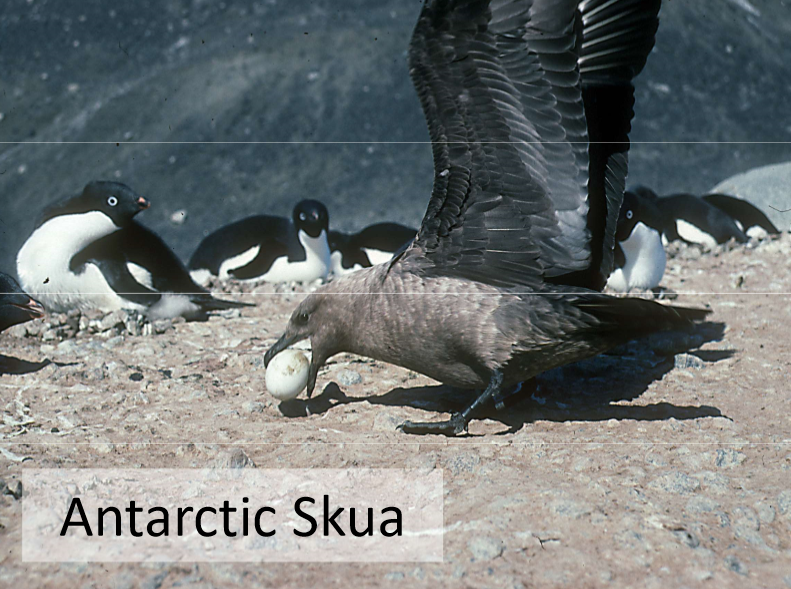
have to guard eggs from antarctic skua birds
after 35 days of incubation, eggs hatch, first 2-3 weeks parents guard them
Adelie Penguins Study:
Cape Bird, Antarctica
study spent four years looking at copulations in the pre-breeding season (october-november)→ got data on 10,000 copulations of known individuals
Copulation behaviour of the penguins:
males solicit copulation with a head-bow courtship display
female accepts, he mounts her, cloacal contact occurs
can see the ejaculate on a female as the male leaves
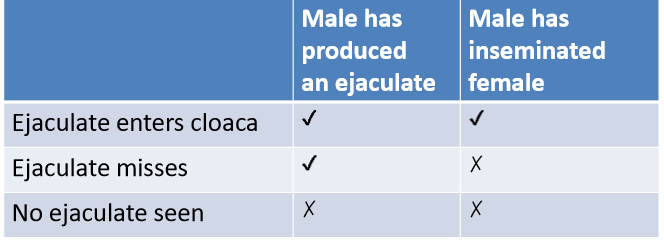
Ejaculate outcomes:
insemination→ enters female
misses cloaca→ poor positioning of male or female rejects him
no ejaculate seen
Q→ is there no ejaculate seen or is there no sperm actually produced?
examined cloacal smears of copulated females
if the ejaculate was missed or not seen, there was no sperm produced
→ cannot assume a successful copulation results in insemination of sperm
Outcomes of cloacal contact:
2 sources of sperm competition in socially monogamous species:
Extra-pair copulations→ 10% successful female EPCs, both sexes do this
Mate switching→ 15% of females had multiple males after one another
Q→ Do birds sometimes engage in prostitution behaviour?
males build stones where the females lay the eggs
defend these and may be washed away in spring from water
both sexes collect the stones and can steal them from others
female joins a single male, copulates, 8/10 are successful
after copulation, female picks up a stone and returns it to partner’s nest
many females go back again to take more stones
→ YES
benefits of prostitution behaviour:
male gets an extra offspring and a potential mate in the future
female gets some stones, assurance her eggs will be fertilised if partner is infertile and increases the quality of her offspring
→ female penguins trade an extra pair copulation for a material object
Sperm competition is a risk for paired males so do they ensure insemination with paired female at evert opportunity?
more than half the copulation attempts end in failure:
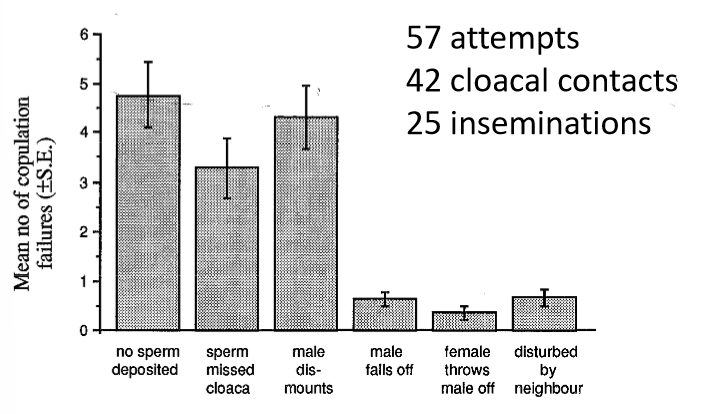 → NO
→ NO
outcomes of cloacal contact (%):
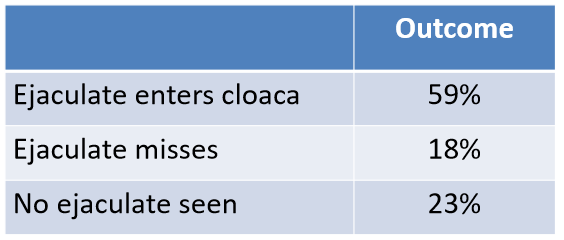 → nearly a quarter of males achieve cloacal contact but produce no ejaculate
Q→ why do males not transfer sperm?
may be due to limited semen supplies that needs to be replenished
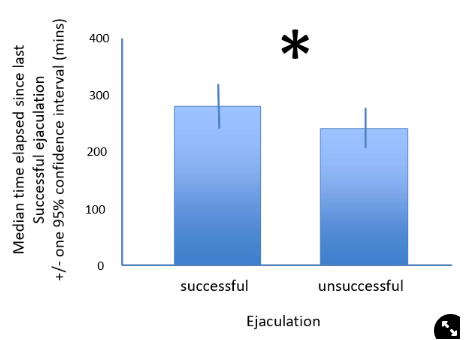
Q→ is semen a limited resource? (time between ejaculations)
predict→ a longer time between successful ejaculations for sperm to replenish than between failed ejaculations:
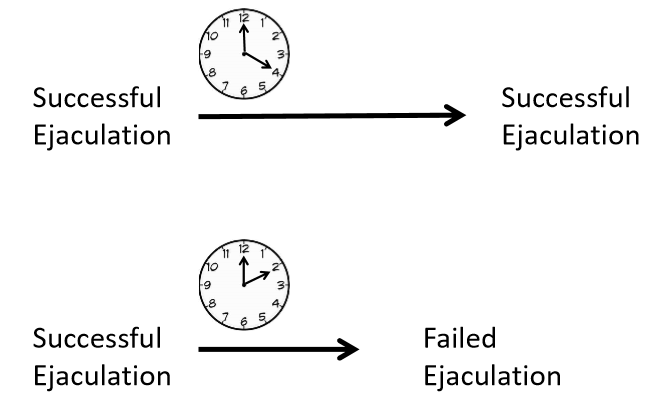
results→ there was a significant difference between successful and unsuccessful ejaculations
Q→ is semen a limited resource? (time interval between successful ejaculates)
predict→ the time interval between each ejaculate should increase if sperm is limited:
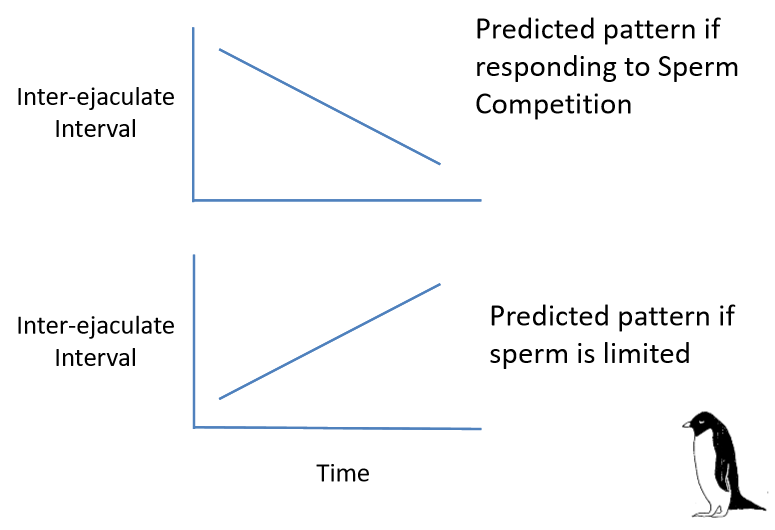
results → ejaculate interval increases between ejaculates
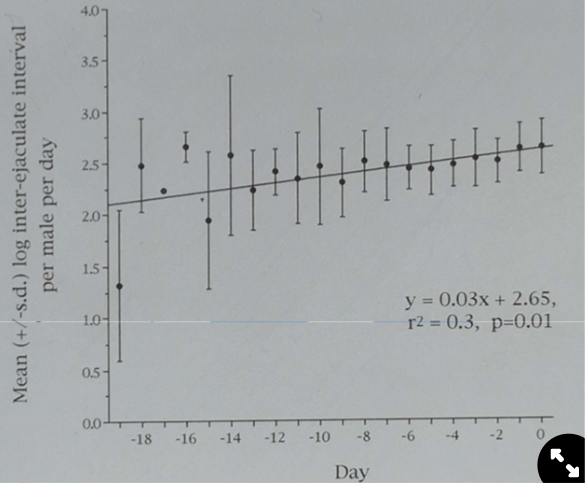
Q→ is semen a limited resource? (conclusion)
→ sperm is limited and needs to be replenished
What do males do if their sperm is limiting?
carry on copulating until they run out of sperm
conserve their sperm to allocate it strategically
Carrying on copulating:
males of some species suffer sperm depletion:
e.g. the number of viable sperm decreases over time in zebra finches
e.g. sperm declines during the day but is replenished overnight in house sparrows
there is no nighttime in antractica so penguins cannot replenish sperm
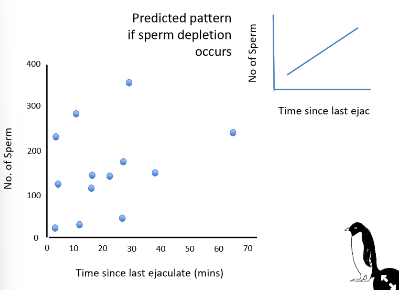
predict→ male penguins suffer from sperm depletion
Q→ do male penguins suffer from sperm depletion?
m→ took cloacal smears (male ejaculate samples did not work)
p→ if sperm depletion occurs, the number of sperm should increase as time since last ejaculation increases
r→ no correlation between number of sperm and time since last ejaculation
→ no evidence that males suffer from sperm depletion
Conserving sperm:
Jeff Parker suggested males allocate ejaculate to females that give him the greatest paternity returns
can be seen in beetles and fruitflies but has never been seen in birds before
Q→ can males allocate ejaculation?
predict→ males allocate sperm to extra pair copulations more than pair copulations as they are not guaranteed another EPC
results→ EPC were significantly less likely to result in failed copulations:
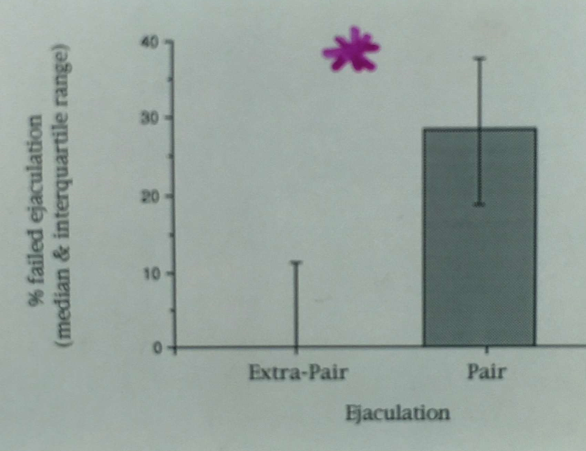
results→
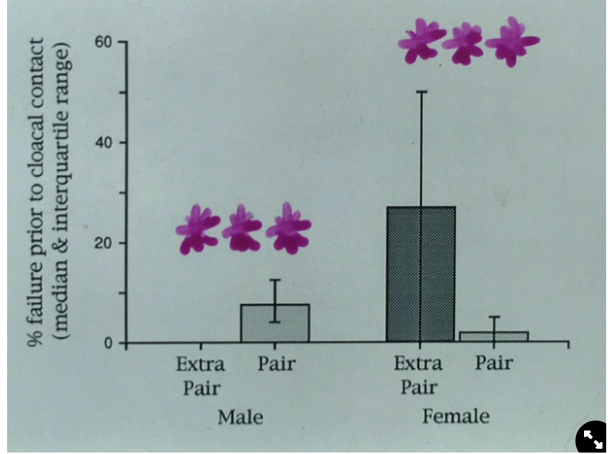
males terminated significantly fewer extra pair mountings than pair mountings
females terminated significantly more extra pair mountings than pair mountings
→ YES, males nearly always manage to produce ejaculate with extra pair females and so can allocate sperm to them
How can strategic allocation occur?
males attempt extra pair copulations when they have sperm available
males withhold ejaculates from their pairs to conserve sperm
Q→ do males withhold sperm from paired females?
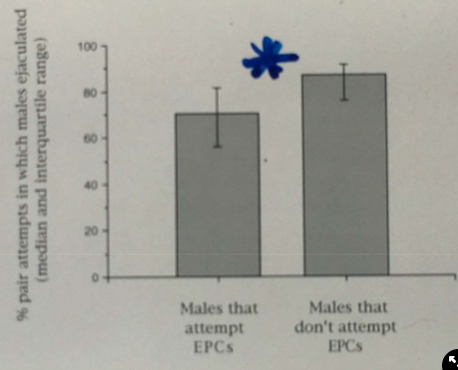
predict→ if males withhold sperm from pairs, males that do EPCs will ejaculate less often in paired copulations than males that do not do EPCs:
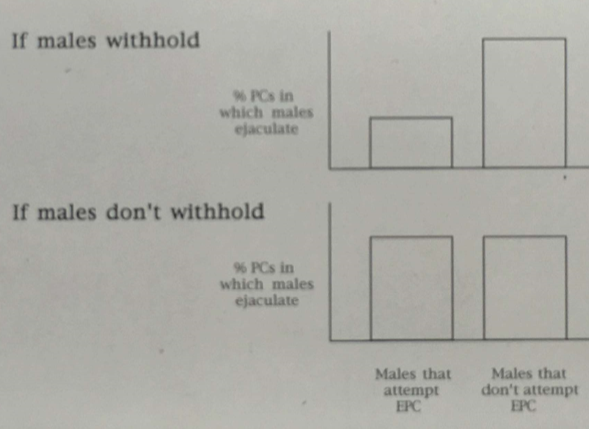
results→ males that engage in EPCs have significantly less ejaculations with their pairs than males that do not do EPCs
→ mechanism 2 is correct: males withhold sperm from paired females for use with extra pair females
Q→ do males run out of sperm or just withhold sperm?
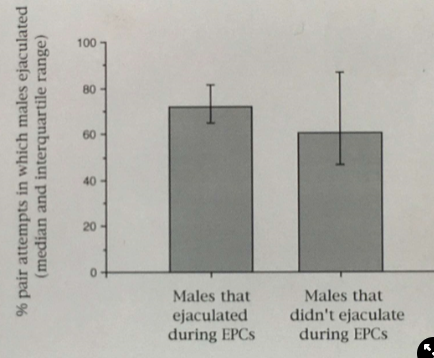
predict→ if males run out sperm, males that ejaculate during an EPC should have less ejaculate left for their paired females:
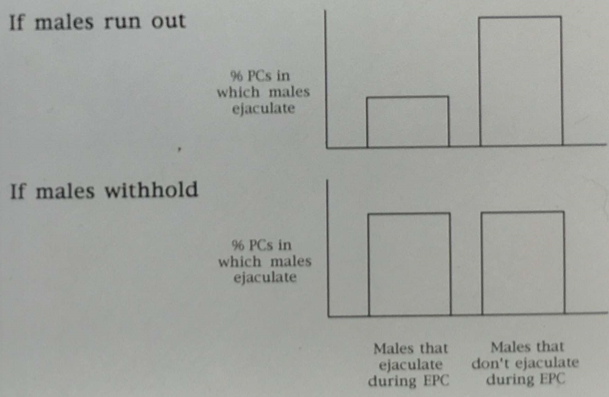
results→ there is no difference between ejaculates left for paired females in males that do EPCs and males that do not do EPCs
→ males just withhold sperm
Withholding sperm is costly:
all female penguins lay eggs at the same time
males have to do EPCs during the paired females fertile period→ risks losing paternity of the chicks her will raise
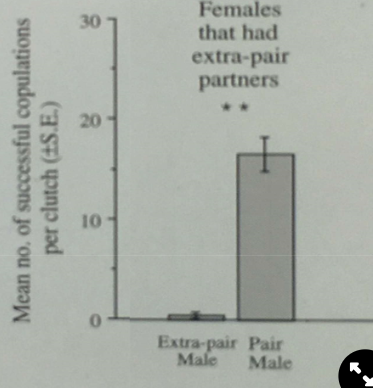
Q→ does the paired male or the extra pair male gain the most copulations with the paired females?
r→ despite limited sperm reserves, paired males have more copulations with paired female than extra pair male
Q→ do pair males actually father the chicks they raise?
m→ collected blood samples from pairs and their offspring and then used DNA fingerprinting to work out the paternity
r→ only 3% of chicks in the population were fathered by the extra pair male
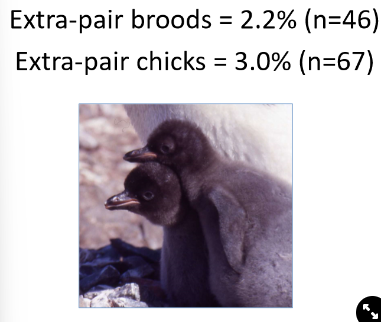
conclusions of male paternity:
there is a low frequency of male infertility in this population of penguins
most males father the offspring they raise
under the constraint of sperm availability, pair males still outcompete extra pair males by copulating frequently
Q→ why do males allocate EPC females sperm if they only have a small chance of paternity of her chicks?
there is still a slight chance of paternity and of doubling reproductive output for that year
→ benefit outweighs the cost
Conclusions of study:
male penguins have limited sperm supplies
males withhold ejaculates from their pair females to strategically allocate it to extra pair females
pair females have the most copulations with pair males who nearly always father the offspring they raise
