AP Psychology Unit 5.4 - Selection of Categories of Psychological Disorders
 Call Kai
 Learn
Learn Practice Test
 Spaced Repetition
 Match
Match Flashcards
 Knowt Play
1/73

There's no tags or description
Looks like no tags are added yet.
Name | Mastery | Learn | Test | Matching | Spaced | Call with Kai |
|---|
No analytics yet
Send a link to your students to track their progress
74 Terms
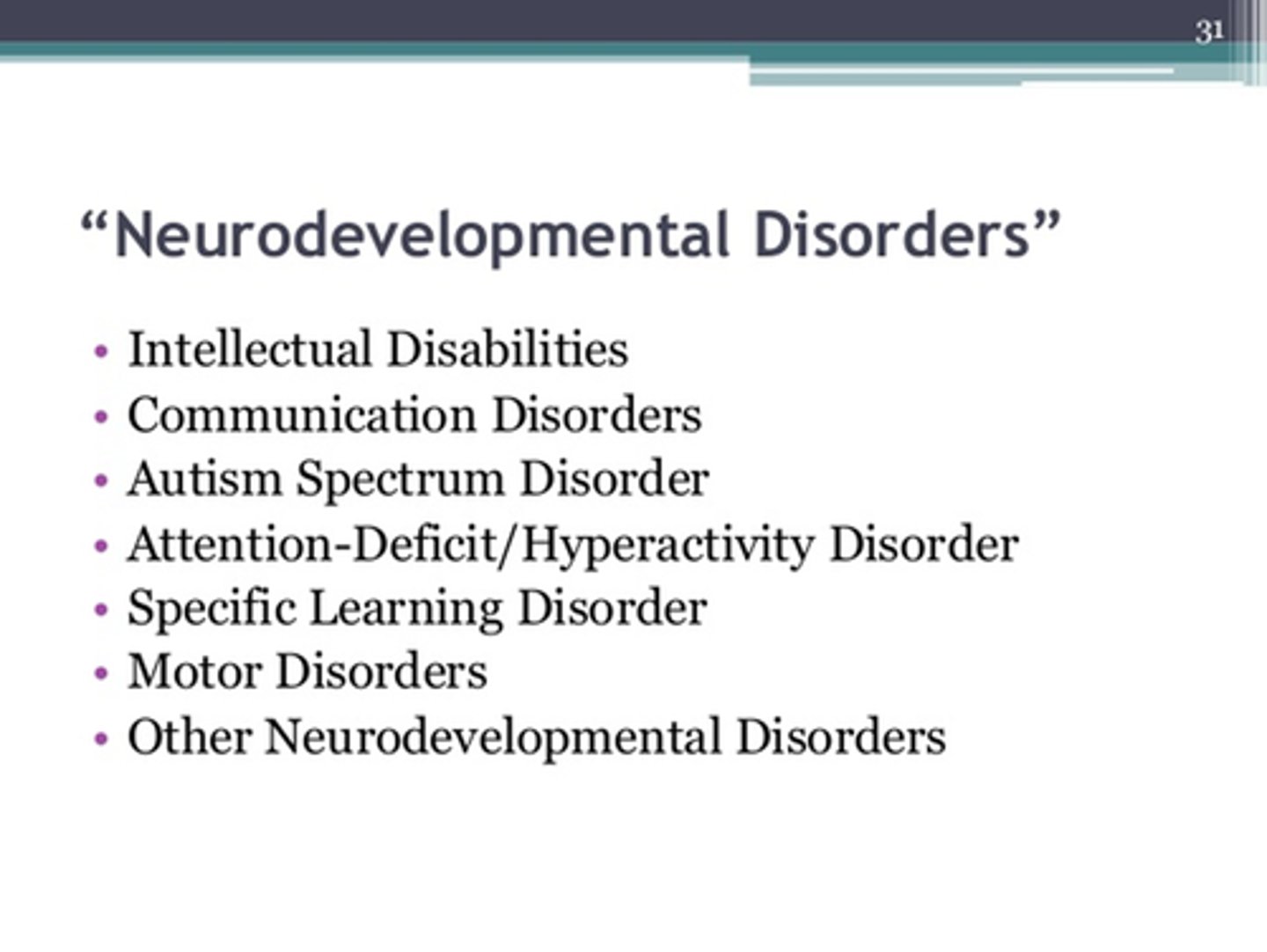
Neurodevelopmental disorders
a group of disorders with onset occurring during the developmental period with a focus on whether the person is exhibiting behaviors appropriate for their age or maturity range
Attention-deficit / hyperactivity disorder (ADHD)
a neurodevelopmental disorder that makes it difficult for people to focus and control their actions
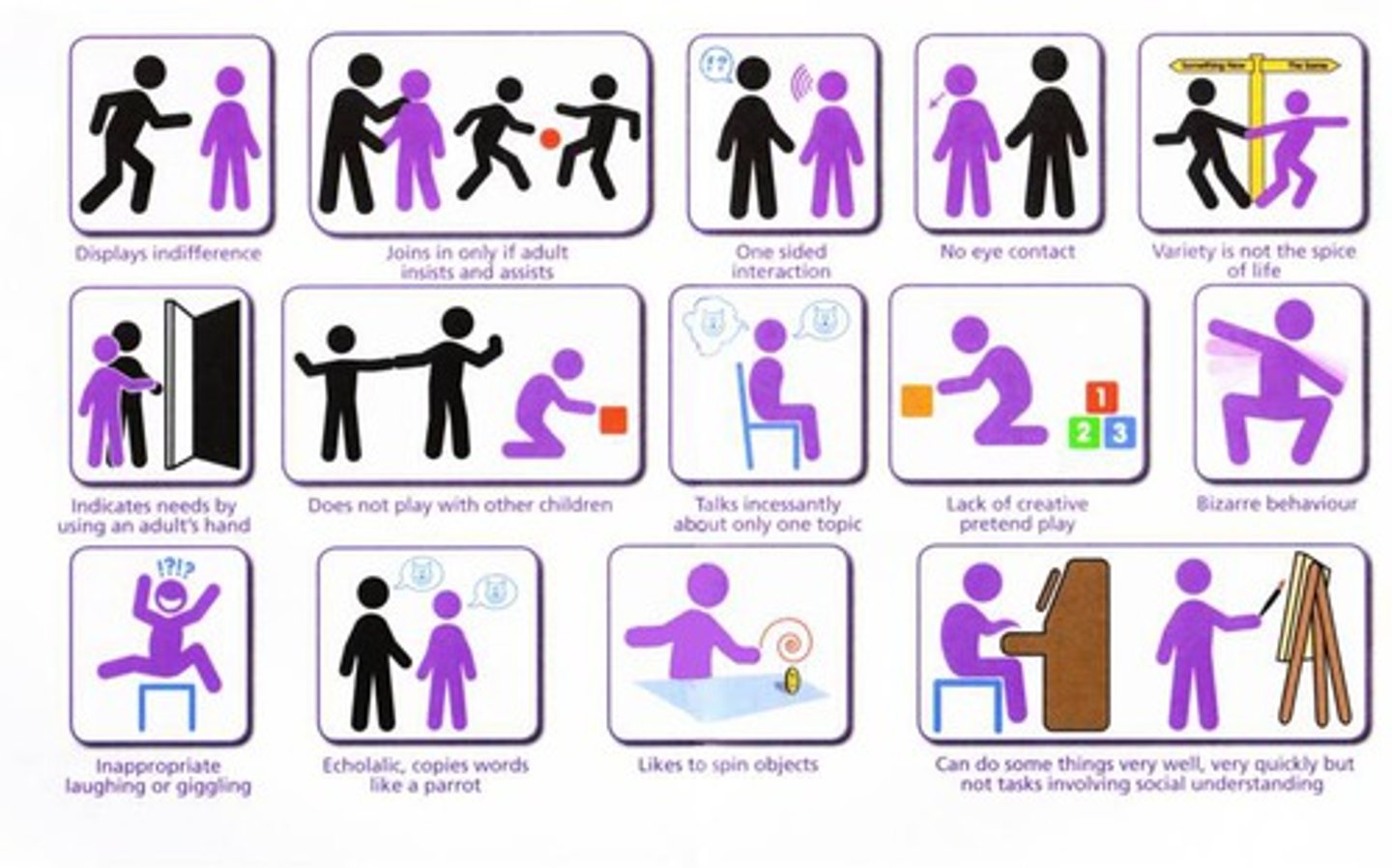
Autism Spectrum Disorder (ASD)
a neurodevelopmental disorder characterized by difficulties with social communication and interaction along with restricted and repetitive patterns in behaviors, interests, and activities
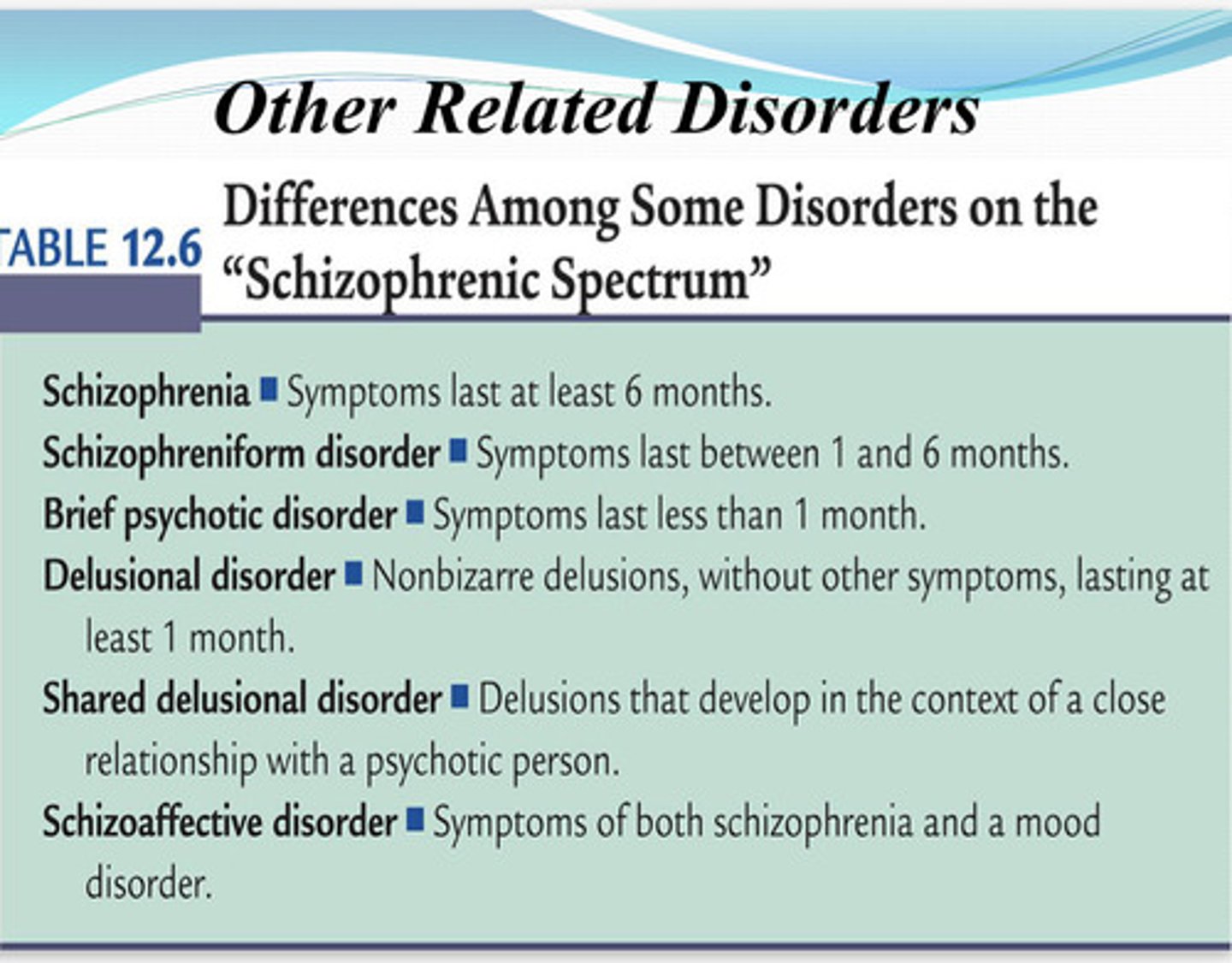
Schizophrenic Spectrum Disorders
a serious mental illness characterized by incoherent or illogical thoughts, bizarre behavior and speech, and delusions or hallucinations, such as hearing voices
Delusions
a positive symptom on the schizophrenic spectrum involving false beliefs (may include delusions of persecution or grandeur)

Delusions of persecution
a positive symptom on the schizophrenic spectrum involving a person believing they are being targeted or hunted

Delusions of grandeur
a positive symptom on the schizophrenic spectrum in which a person falsely believes they are more important or powerful than they actually are

Hallucinations
a positive symptom on the schizophrenic spectrum related to false perceptions (may involve one or more of the senses)

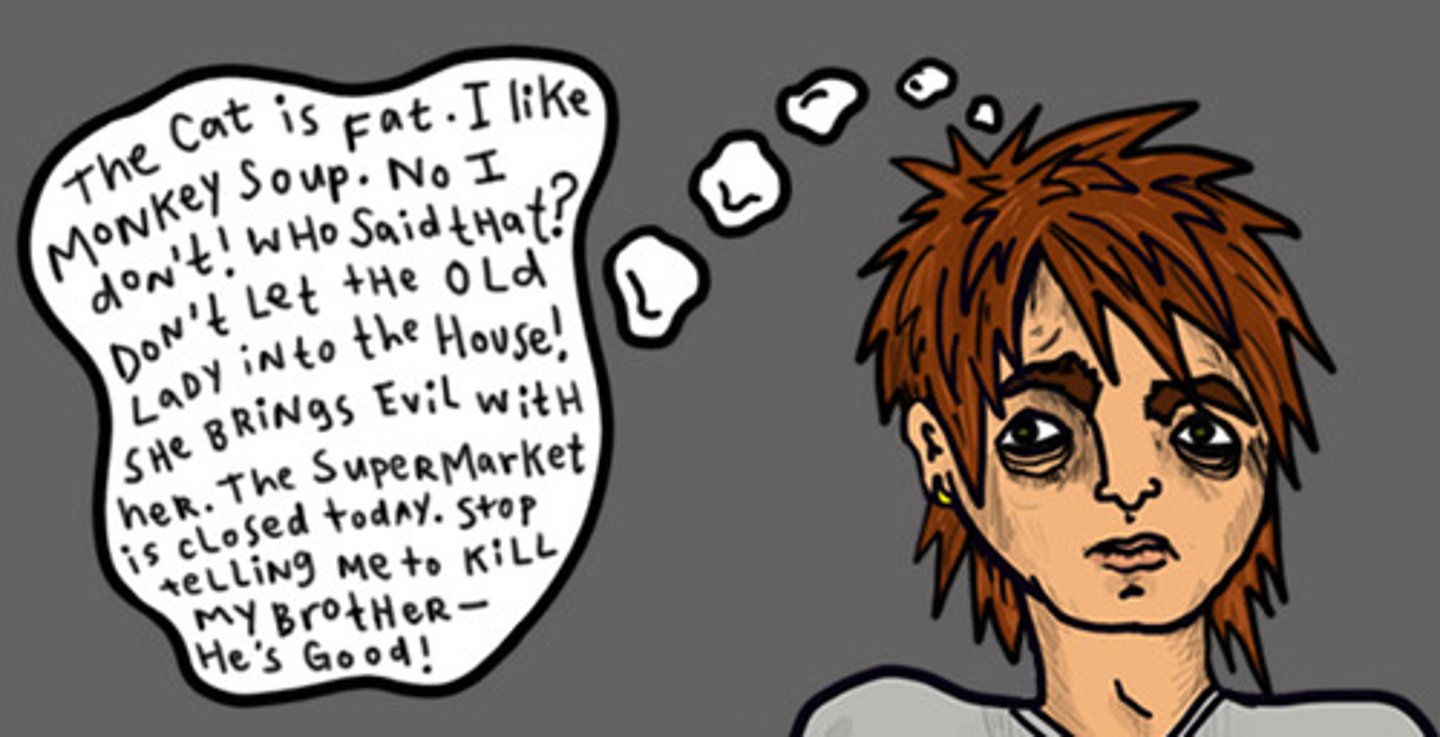
Disorganized thinking
a positive symptom on the schizophrenic spectrum characterized by incoherent and disjointed thought processes (e.g., rambling, illogical remarks, as well as difficulty understanding, remembering, or completing tasks)
Disorganized speech
a positive symptom on the schizophrenic spectrum characterized by incoherent speech
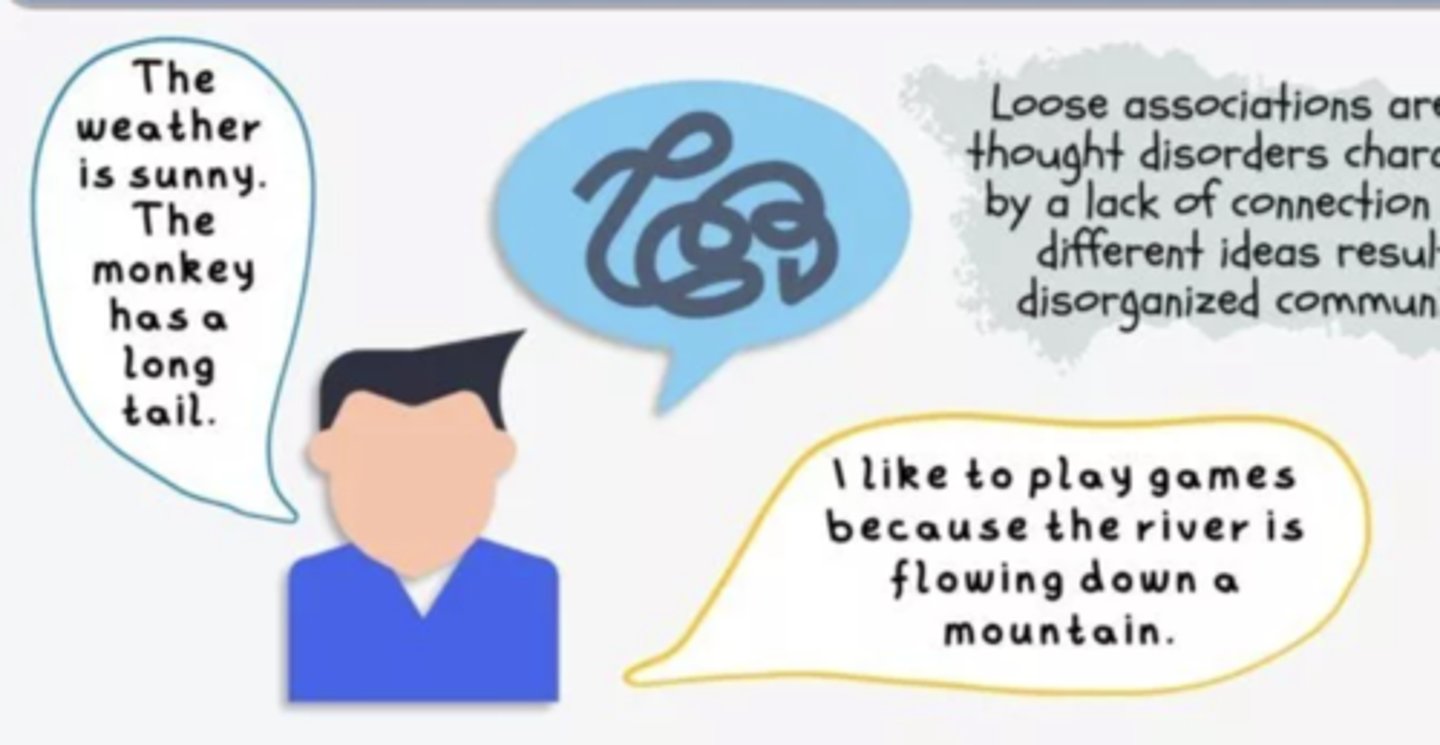
Word salad
a form of disorganized speech involving stringing together words in nonsensical ways

Disorganized motor behavior
a positive symptom on the schizophrenic spectrum characterized by unusual movements or behaviors that can range from childlike silliness to unpredictable agitation
Catatonia
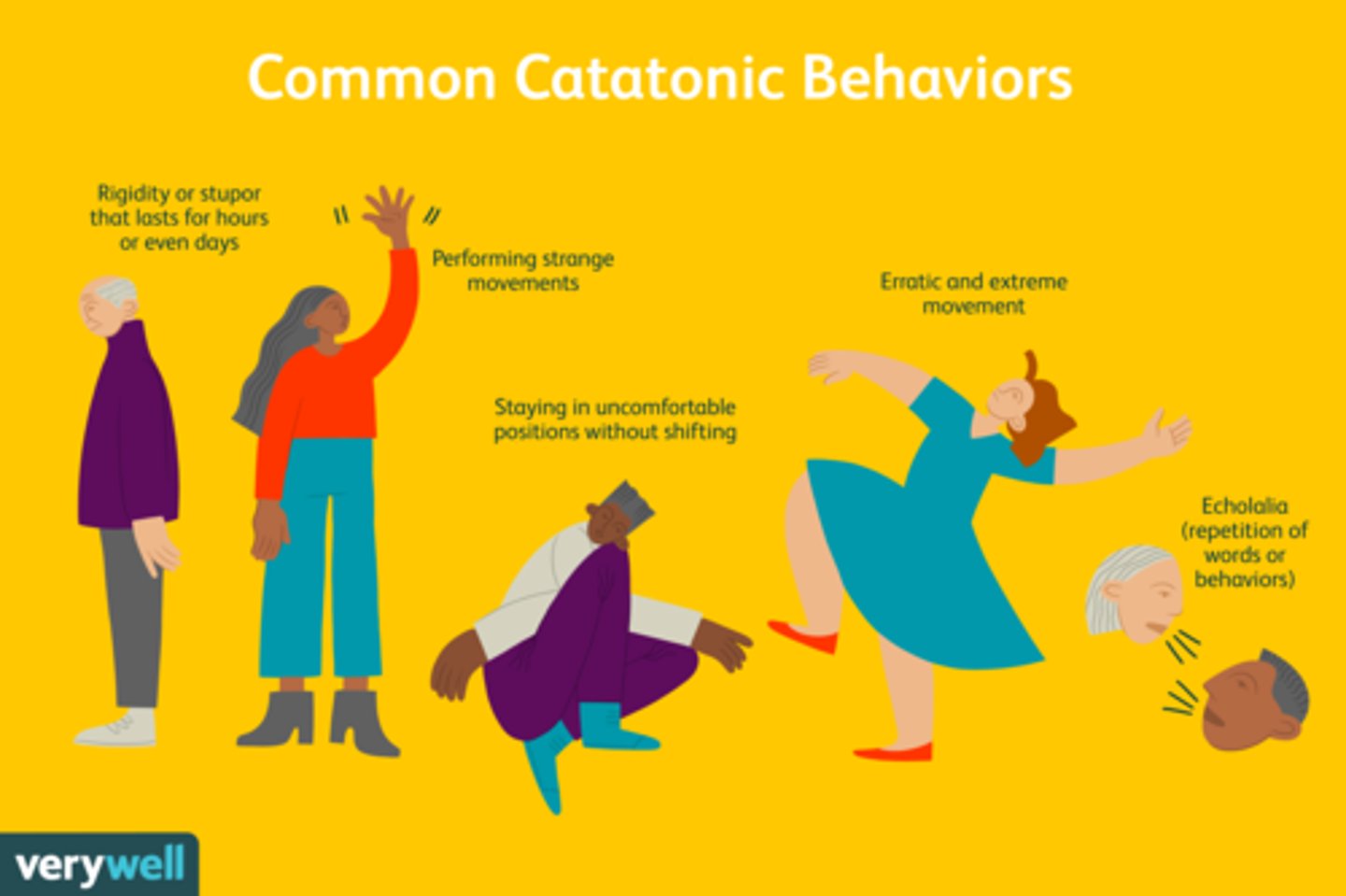
a symptom of disorganized motor behavior that is a negative symptom of schizophrenia in which someone is awake but does not seem to respond to other people and their environment (may involve impaired communication, unusual movements, bizarre postures, limited reactivity)
Excited catatonia
a positive symptom of schizophrenia involving excessive movement, agitation, and unusual behavior
Flat affect
a negative symptom of schizophrenia characterized by a lack of emotional expression (e.g., no facial expression, no eye contact, monotone voice, no body language, apathy)
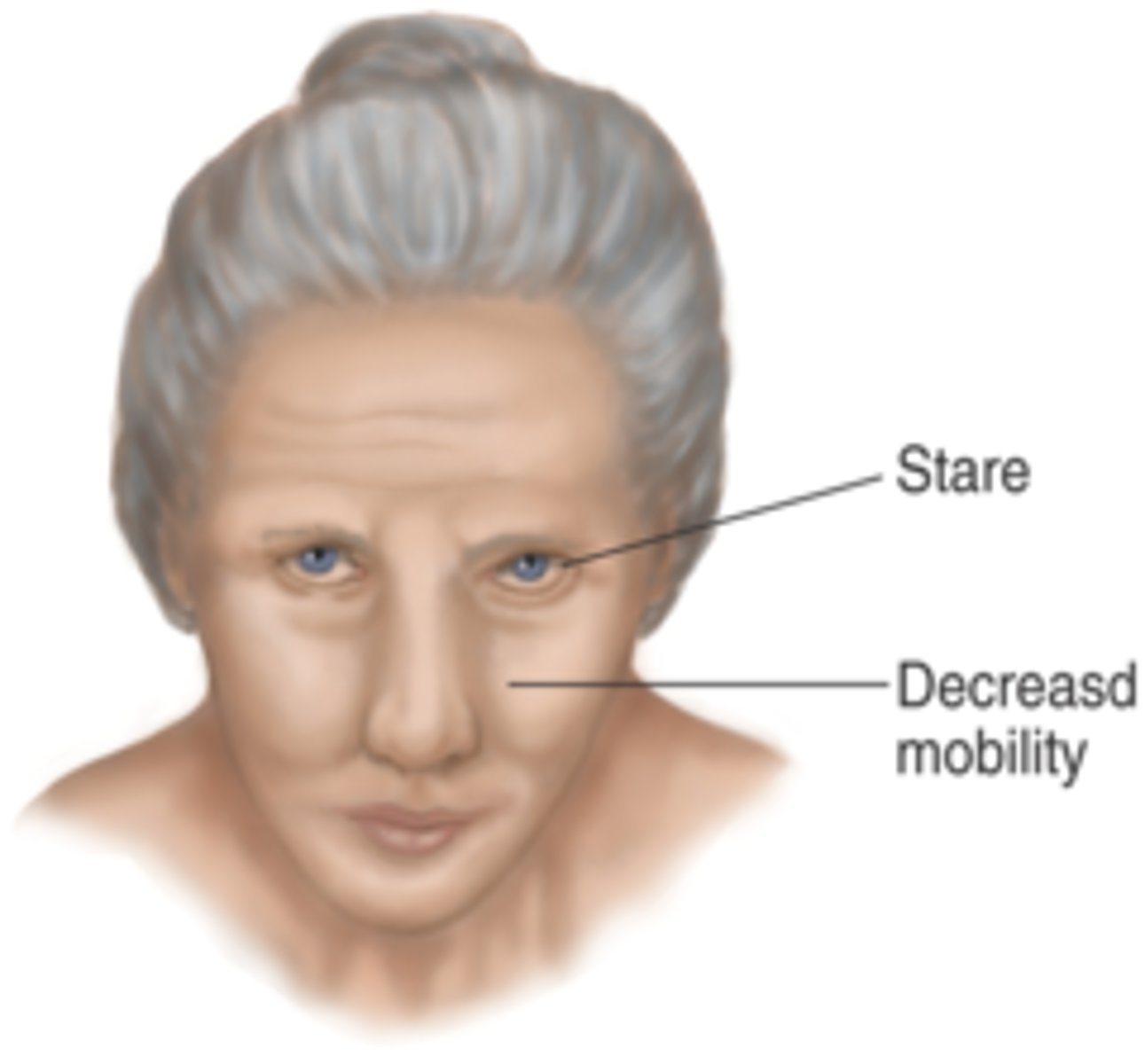
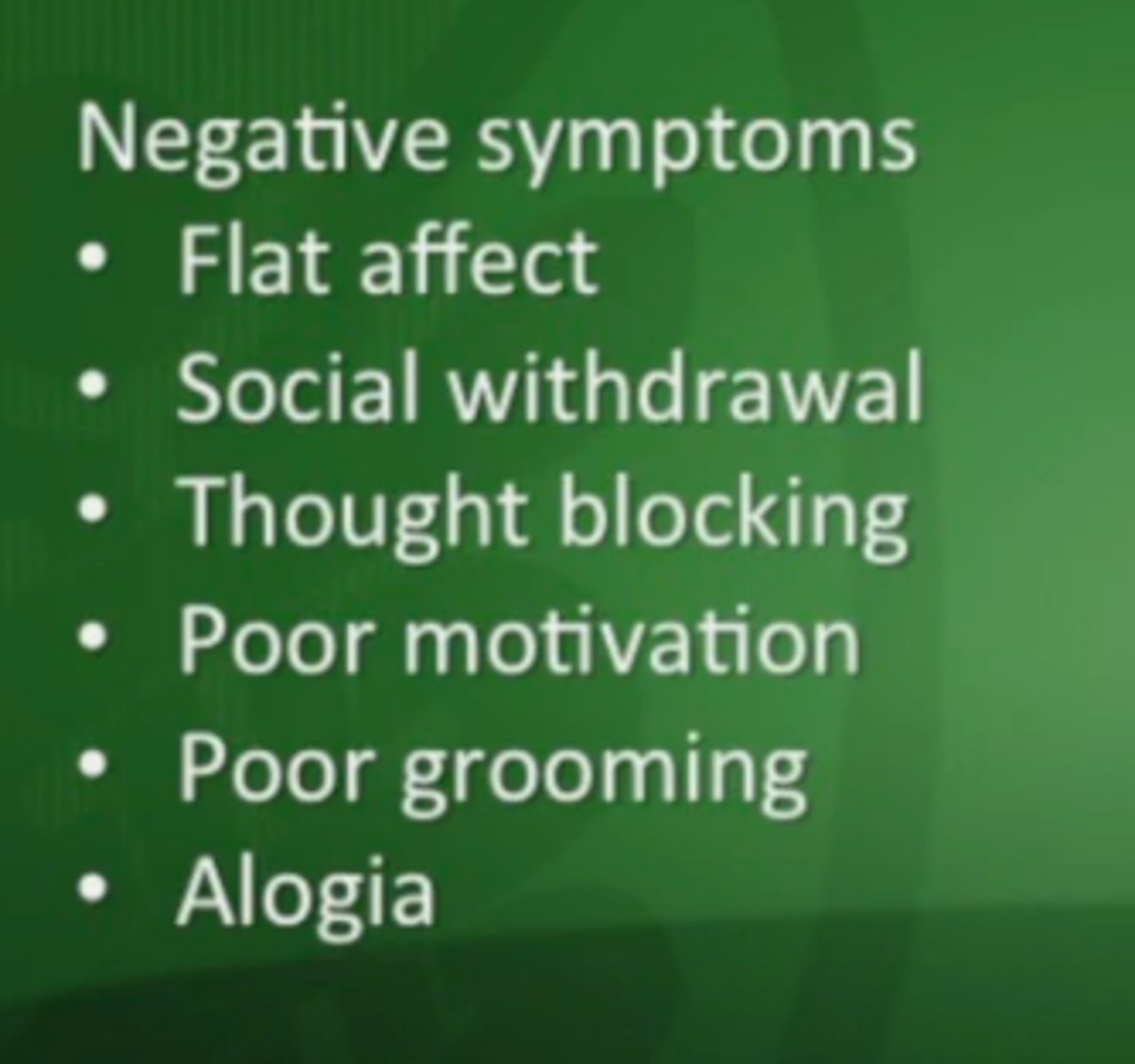
Negative symptoms
on the schizophrenic spectrum, these are symptoms that involve a decrease or absence of normal behaviors (e.g., the lack of movement or emotional expression)
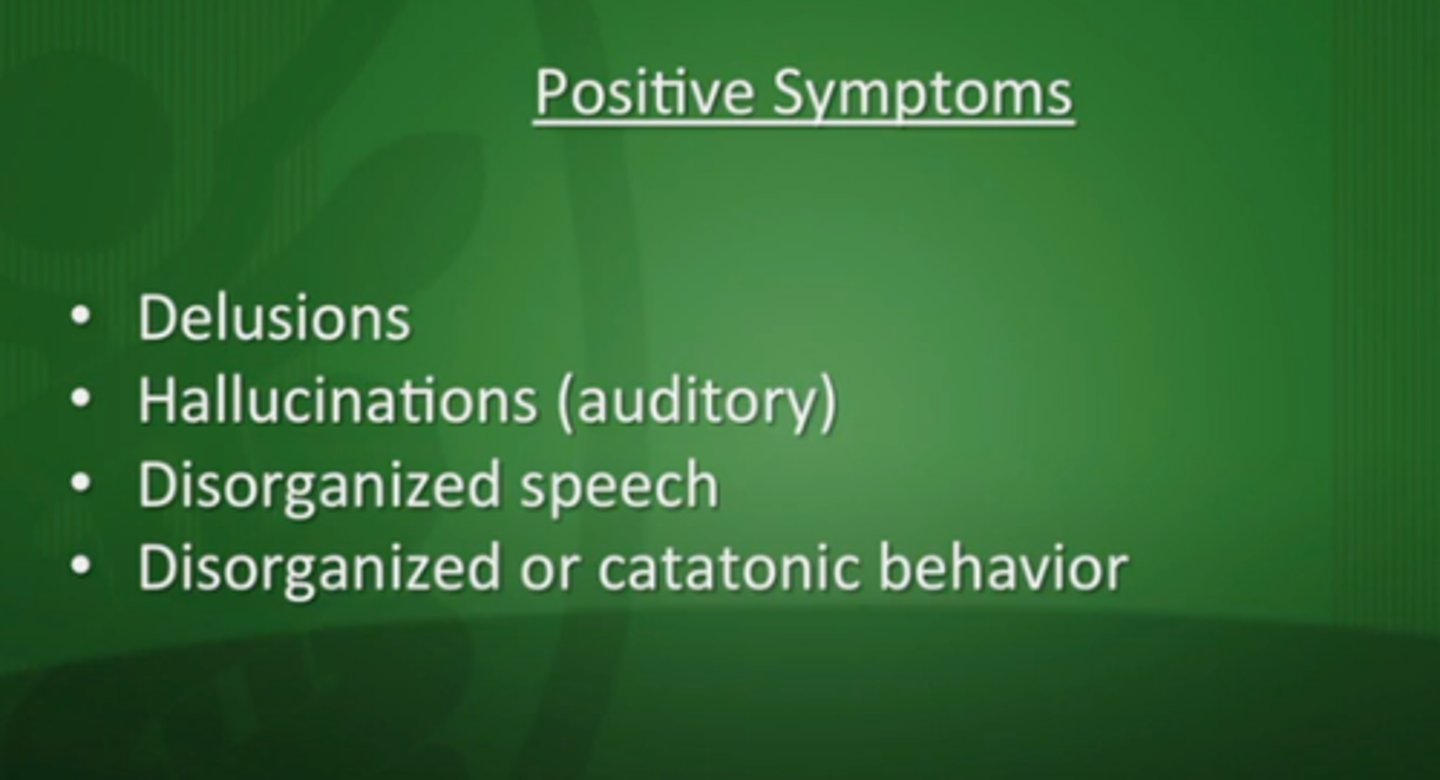
Positive symptoms
the presence of psychotic behaviors on the schizophrenic spectrum such as hallucinations, delusions, inappropriate affect, and disorganized thinking/speech/behavior
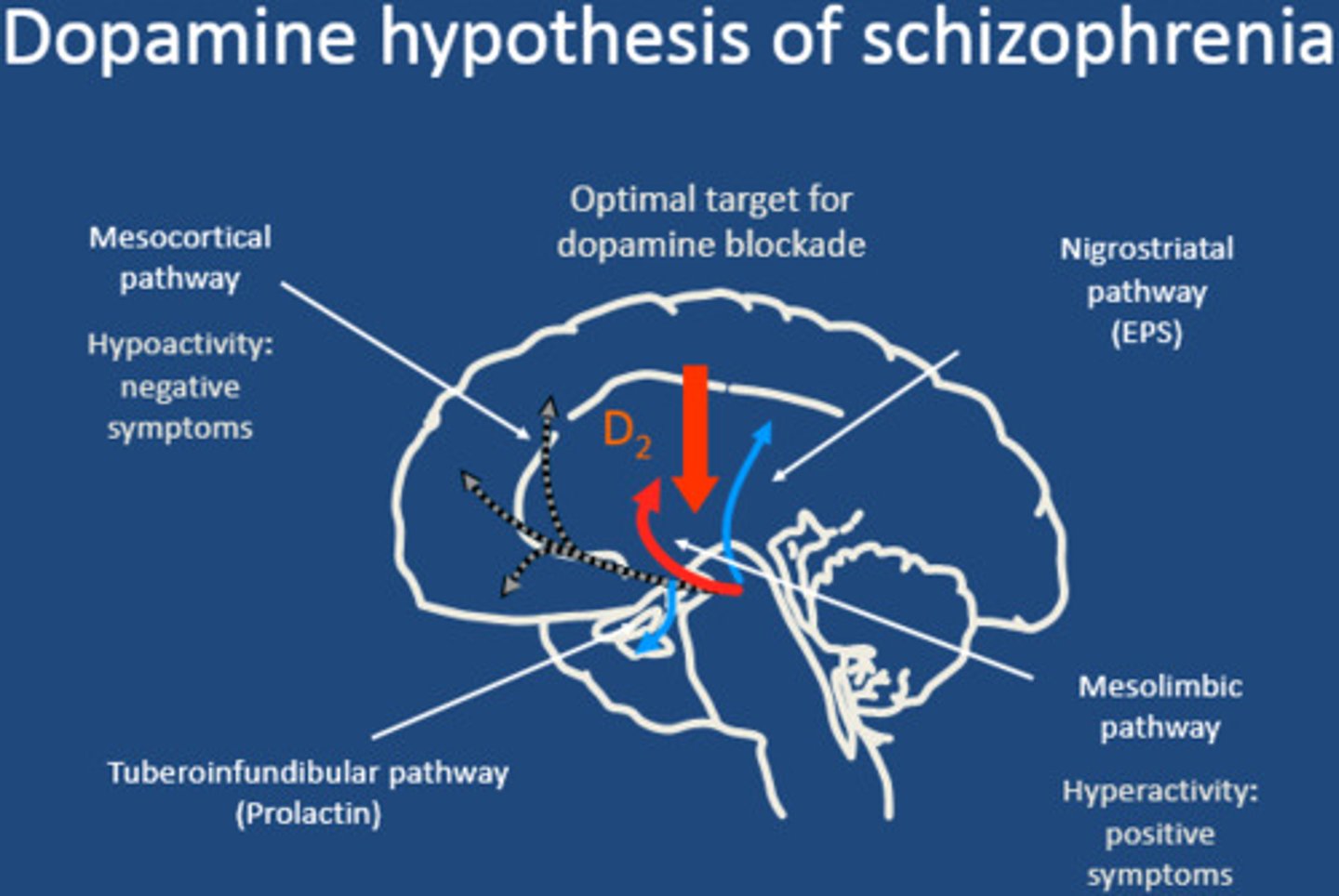
Dopamine hypothesis
a theory that schizophrenia is caused by imbalances with certain neurotransmitters which create an excess of dopamine in the brain
Depressive disorders
mental disorders characterized by the presence of sad, empty, or irritable mood along with physical and cognitive changes that affect a person's ability to function

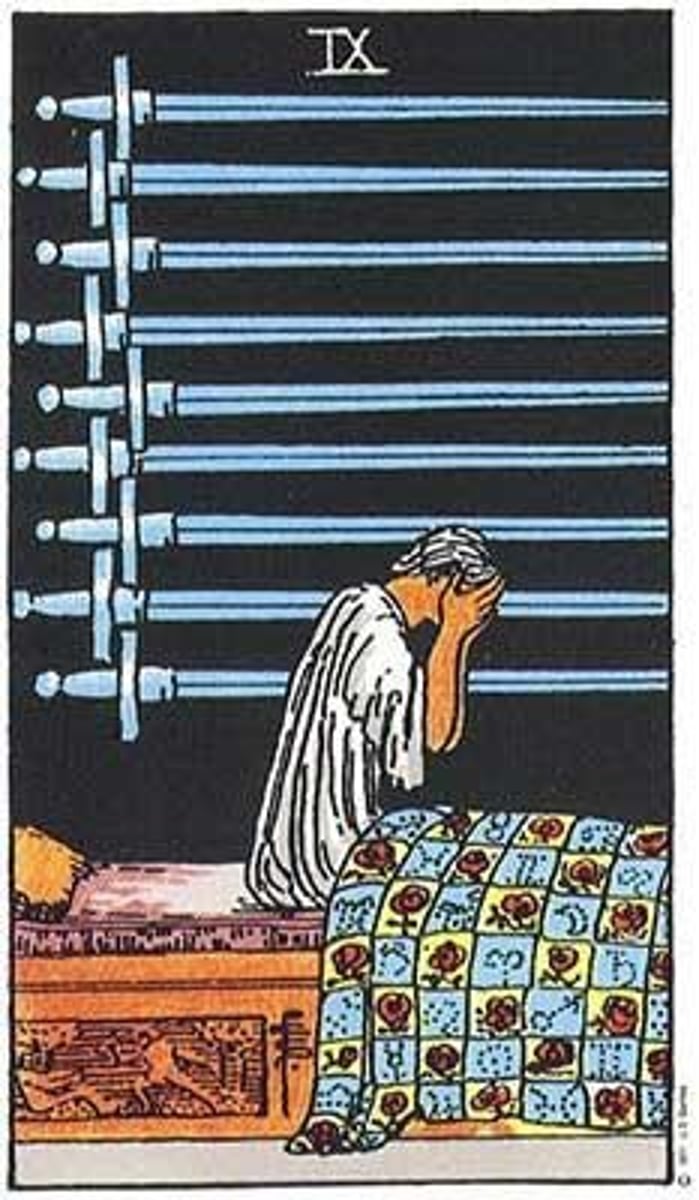
Major Depressive Disorder
a condition that causes a persistent low mood, loss of interest in activities, and feelings of hopelessness and sadness
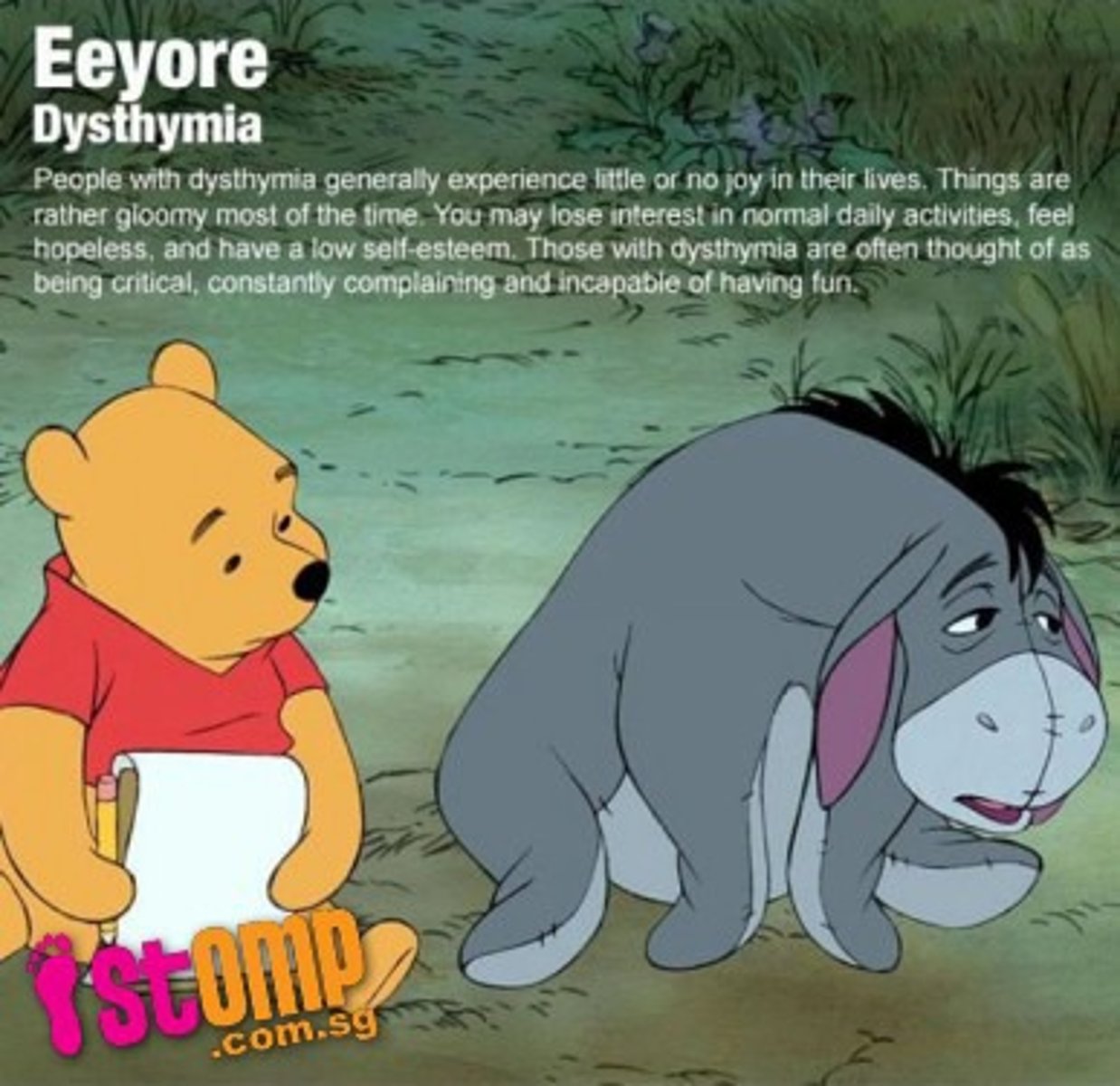
Persistent Depressive Disorder
a chronic low-level depression that is not as severe, but may last longer than Major Depressive Disorder (also known as dysthymia)
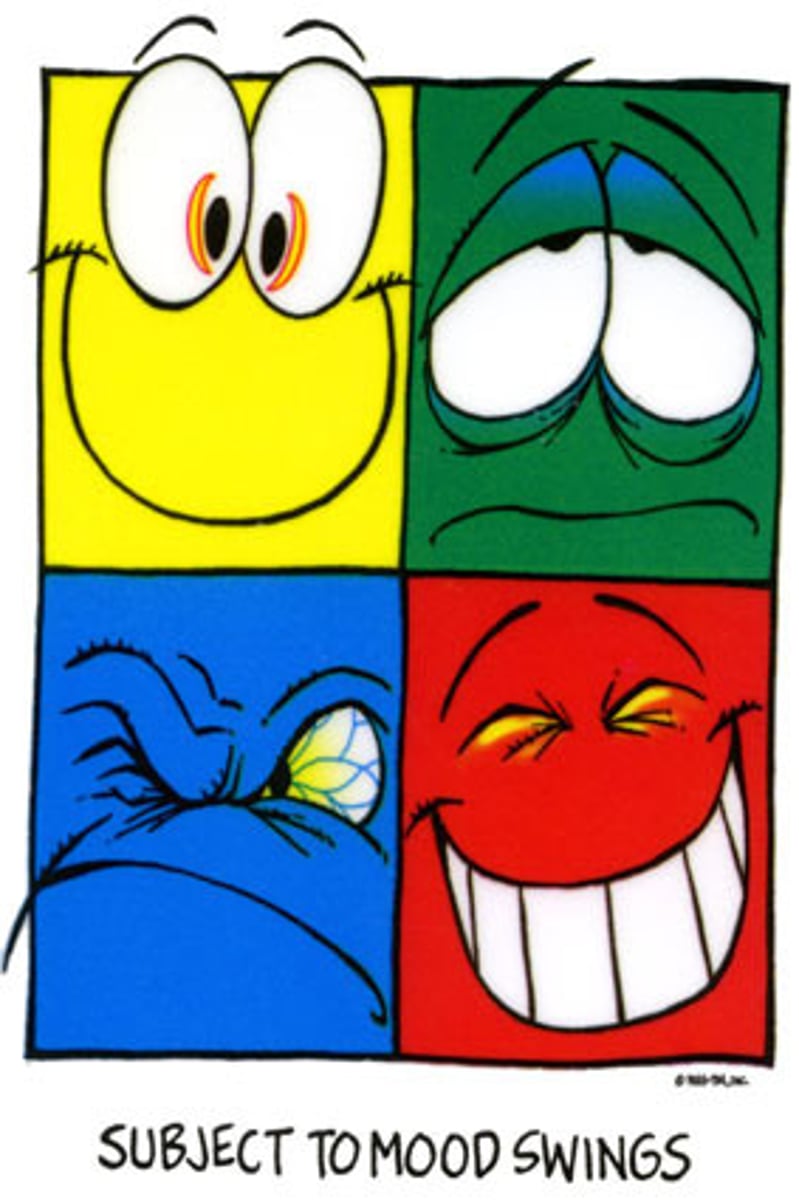
Bipolar disorders
serious mental illnesses that causes extreme mood swings, often unpredictably

Depression
sadness or despair that lasts more than days and interferes with the activities of daily life

Cycling
an aspect of bipolar disorders where a person experiences four or more distinct mood swings within a year
Mania
an aspect of bipolar disorders characterized by abnormal arousal (e.g., high energy, impulsivity, euphoria, irritability)

Bipolar I Disorder
a type of bipolar disorder marked by full manic and major depressive episodes

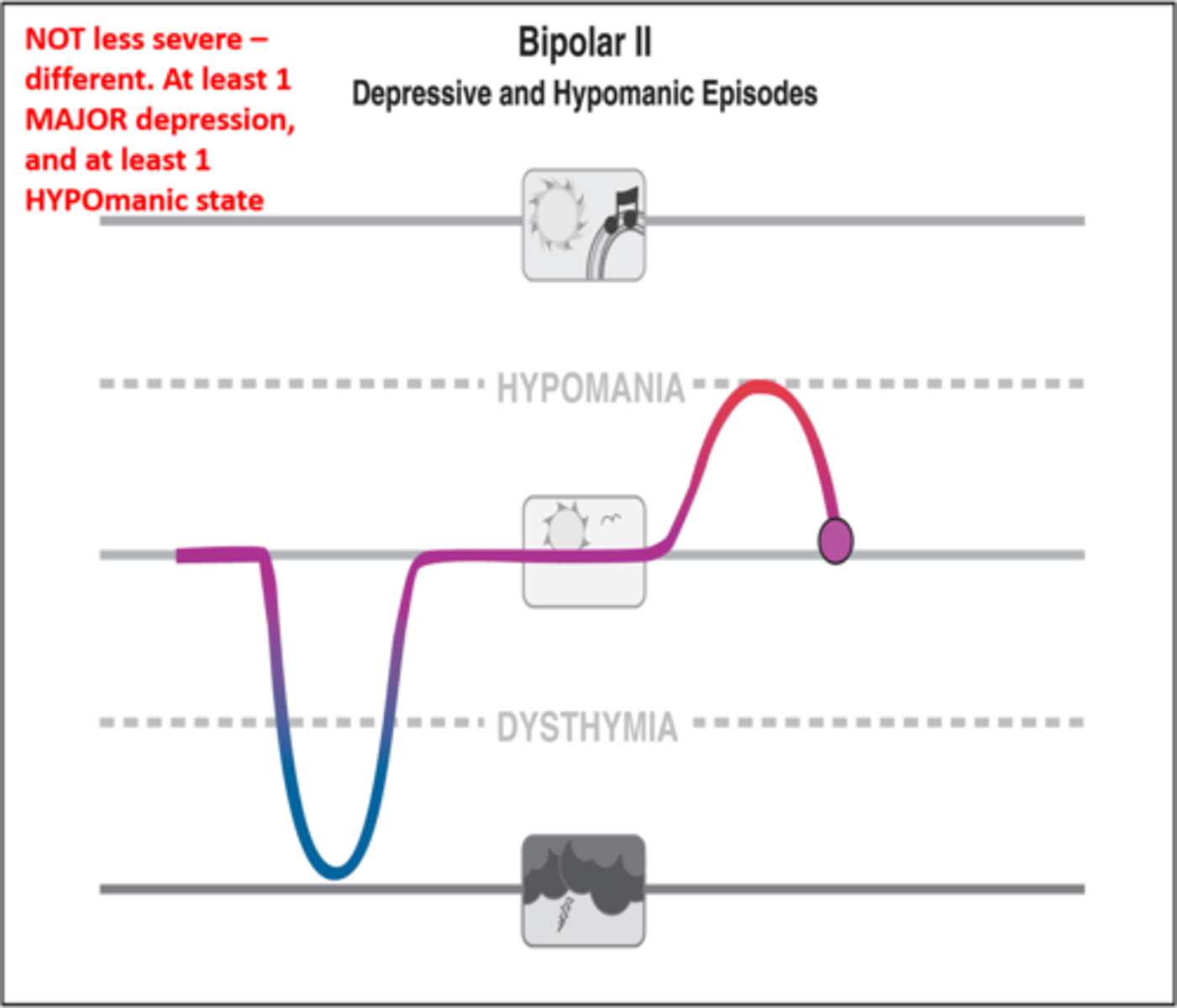
Bipolar II Disorder
a type of bipolar disorder marked by at least one mildly manic (hypomanic; lasting 4 days) episode and at least one major depressive episode (symptoms present for two weeks)
Anxiety disorders
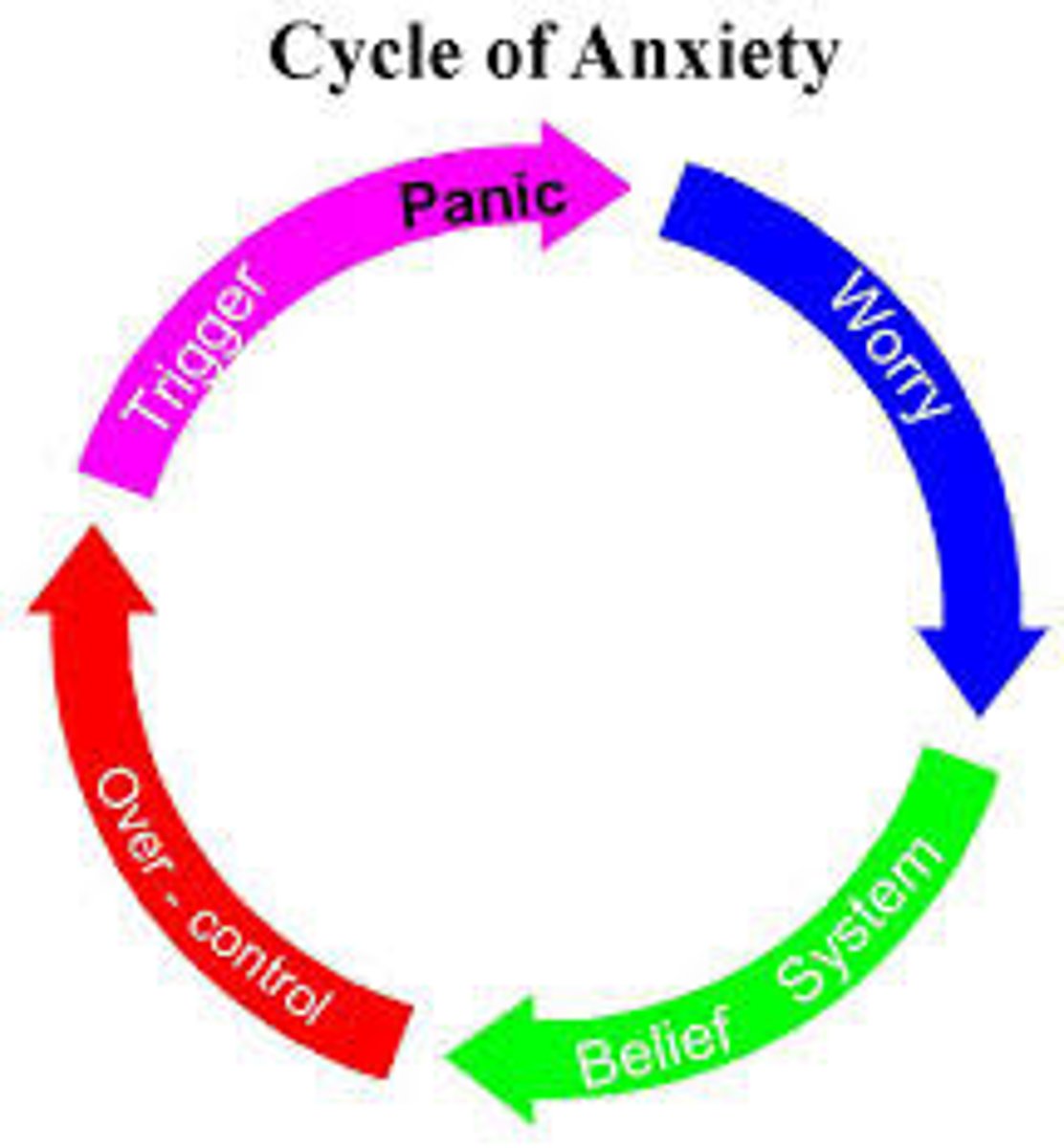
mental health conditions characterized by excessive fear and/or anxiety with related disturbances to behavior
Specific phobia
an intense, irrational, and persistent fear of a particular object, situation, or activity that is much greater than the actual risk

Agoraphobia
an intense fear of specific social situations, including using public transportation, being in open spaces, being in enclosed spaces (e.g., shops, theaters, etc.), standing in line or being in a crowd, or being outside of the home alone

Panic disorder
an anxiety disorder characterized by repeated, unexpected panic attacks

Panic attack
unanticipated and overwhelming biological, cognitive, and emotional experiences of anxiety

Ataque de nervios
A culture-bound anxiety disorder experienced mainly by people of Caribbean or Iberian descent characterized by mental incapacitation fears, shakiness, chest tightness, palpitations, and a sense of inner heat

Social anxiety disorder
involves the intense fear of being judged or watched by others (may include agoraphobia)

Taijin kyofusho
a culture-bound anxiety disorder experienced mainly by Japanese people characterized by a fear that others are judging your body as undesirable, offensive, or unpleasing

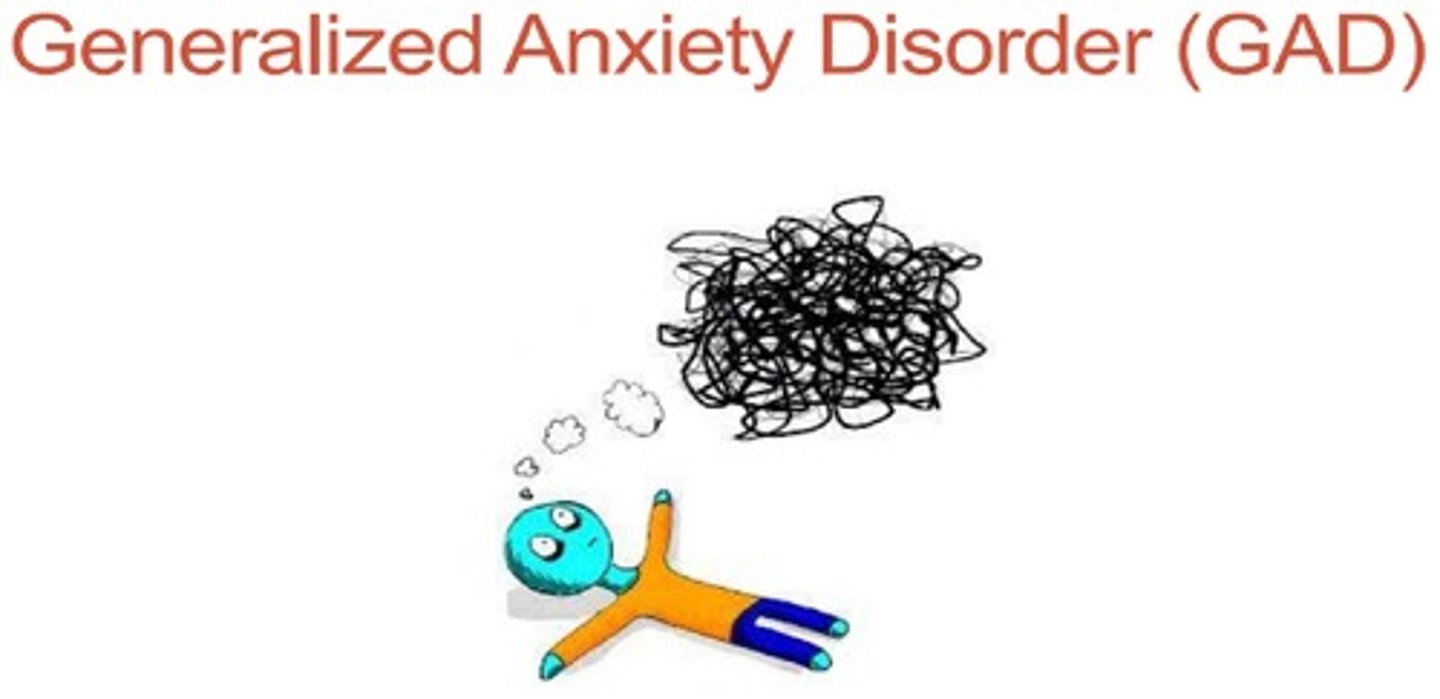
Generalized anxiety disorder (GAD)
prolonged experiences of nonspecific anxiety characterized by chronic excessive worry along with three or more of the following: restlessness, fatigue, concentration problems, irritability, muscle tension, and sleep disturbance
Obsessive-compulsive (and related) disorders
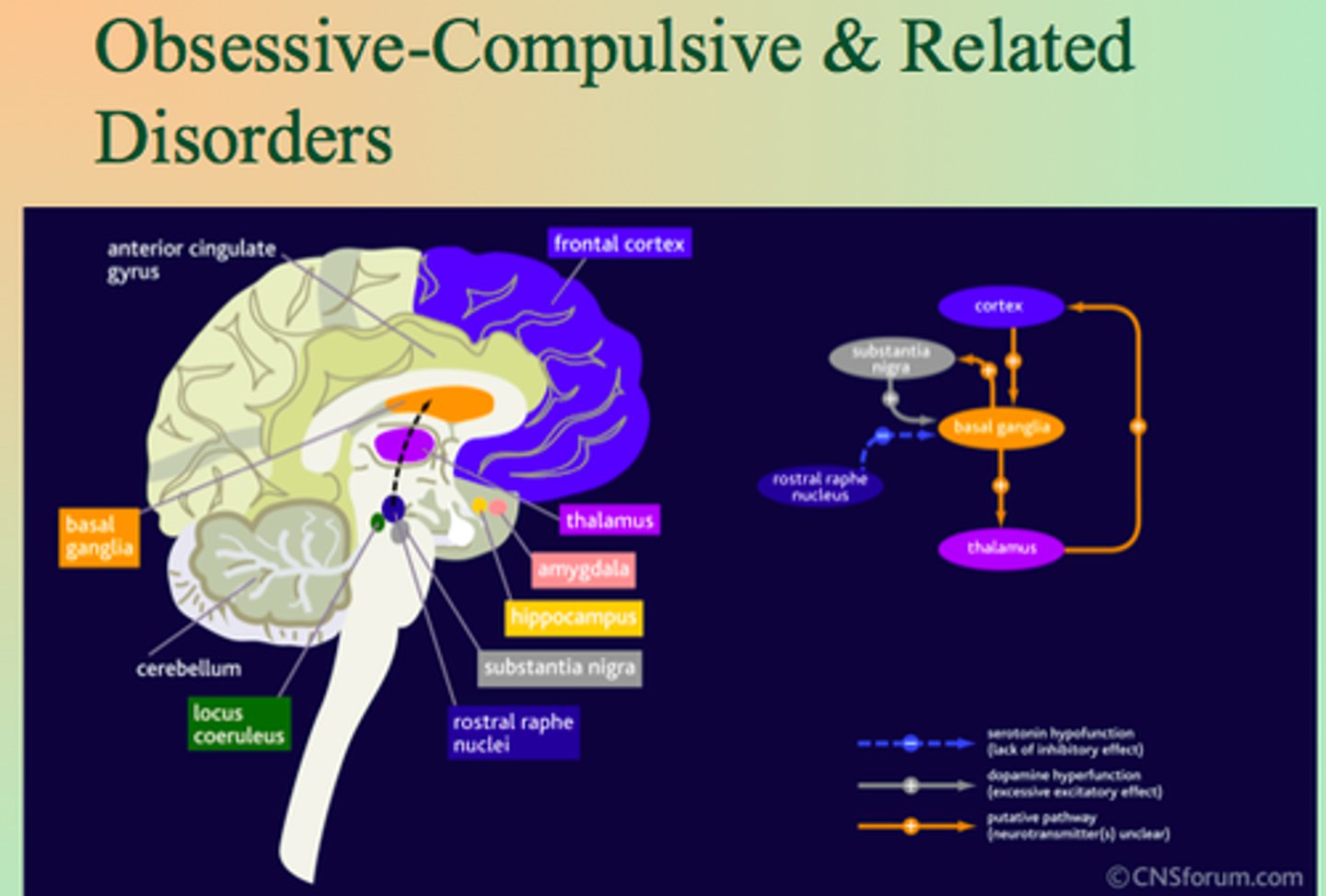
overlapping disorders involving unwanted thoughts along with behaviors that drive a person to do something over and over
Obsessions
unwanted, intrusive, and distressing thoughts or urges that are difficult to control (e.g., excessive concern about germs)

Compulsions
repetitive actions or mental events that are performed to reduce distress or prevent a feared outcome (e.g., excessive hand washing)

Hoarding disorder
a persistent difficulty discarding possessions even if they have no clear value

Dissociative disorders
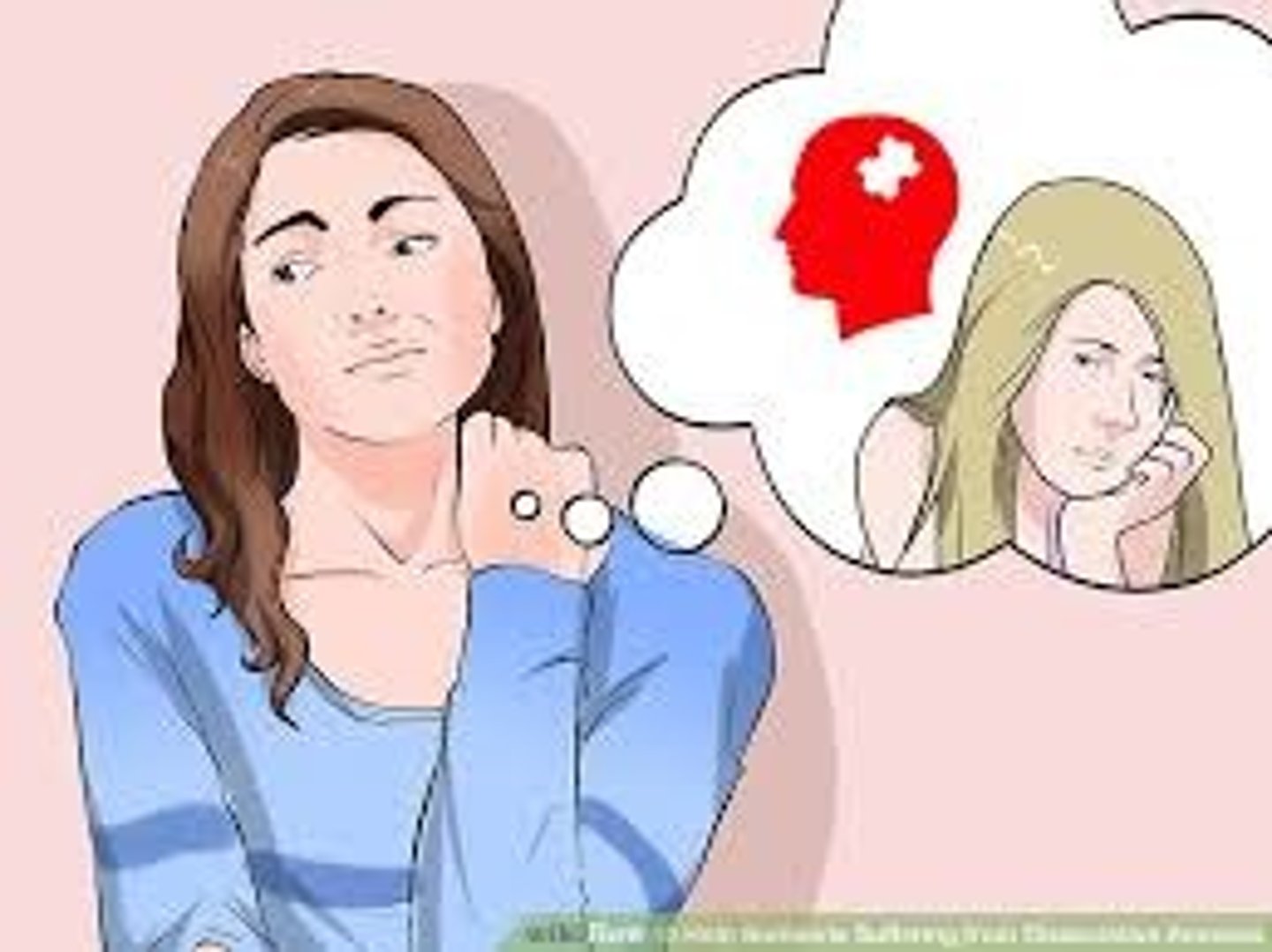
mental health conditions involving a loss of connection between a person's sense of self, memories, and identity (a person is "split off" or dissociated from their core sense of self)

Dissociation
when a person disconnects from their thoughts, feelings, memories, or sense of identity as a defense mechanism

Dissociative amnesia
a dissociative disorder characterized by memory gaps (often related to a traumatic or stressful event)
Fugue
a dissociative disorder characterized by sudden but temporary amnesia which may result in confusion about identity, unexplained wandering, assuming a new identity

Dissociative identity disorder
a rare disorder in which a person seems to have two or more distinct personalities (also known as multiple personality disorder)

Trauma and stressor-related disorders
various type of psychological distress which can develop after a traumatic event or major life change
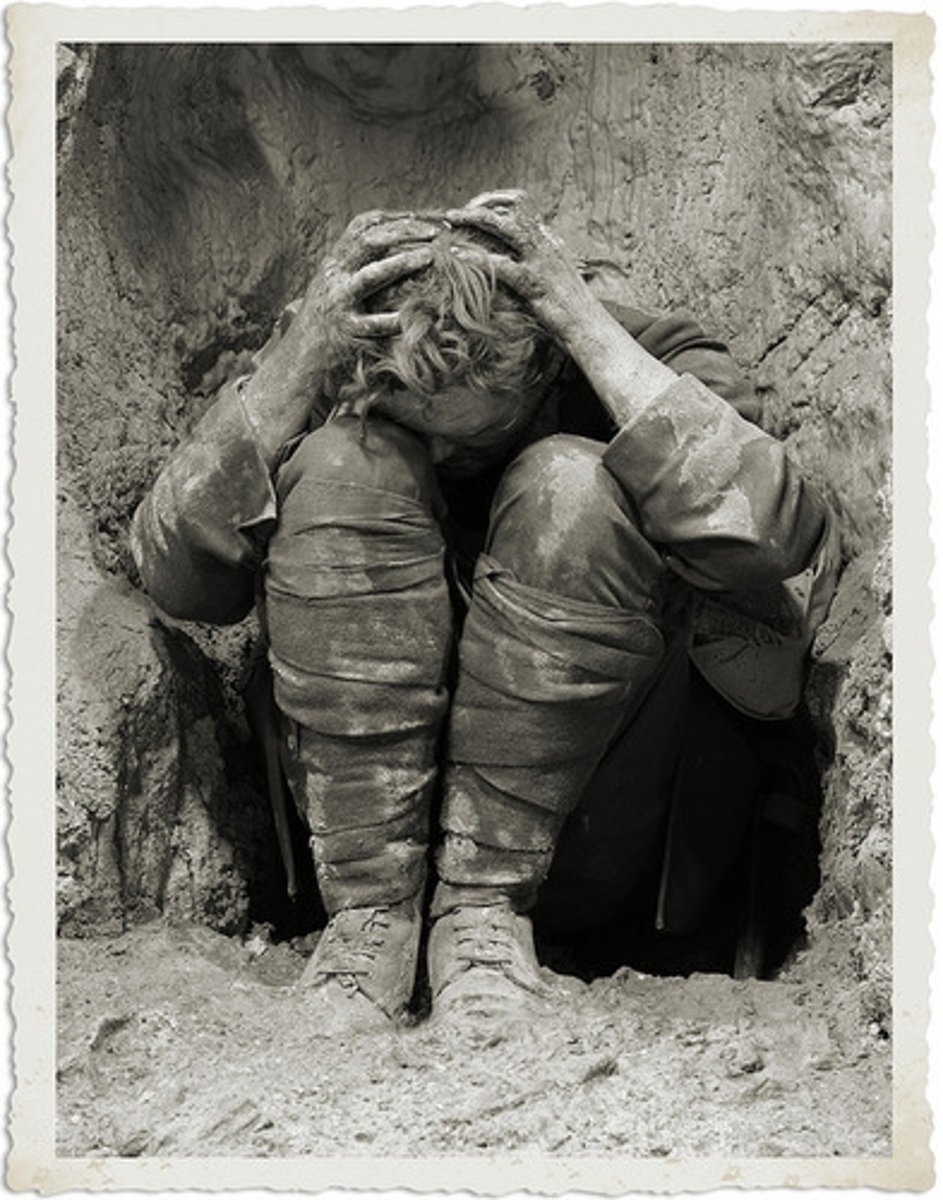
Hypervigilance
a symptom of trauma or stress characterized by being abnormally alert, especially to potential threats

Flashbacks
a vivid memory of a traumatic event that feels like it's happening in the present

Insomnia
a sleep disorder that involves difficulty falling or staying asleep

Emotional detachment
a symptom of trauma or stress characterized by an inability to fully connect with one's own or others' emotions

Hostility
a symptom of trauma or stress characterized by a negative attitude towards others that can be expressed through feelings, thoughts, and actions

Posttraumatic stress disorder (PTSD)
a condition that can develop after experiencing or witnessing a traumatic event which may include distressing thoughts, avoidance, negative emotions, and hyperarousal

Feeding and eating disorders
serious illnesses marked by severe disturbances in a person's eating behaviors that significantly impair physical health or psychological functioning
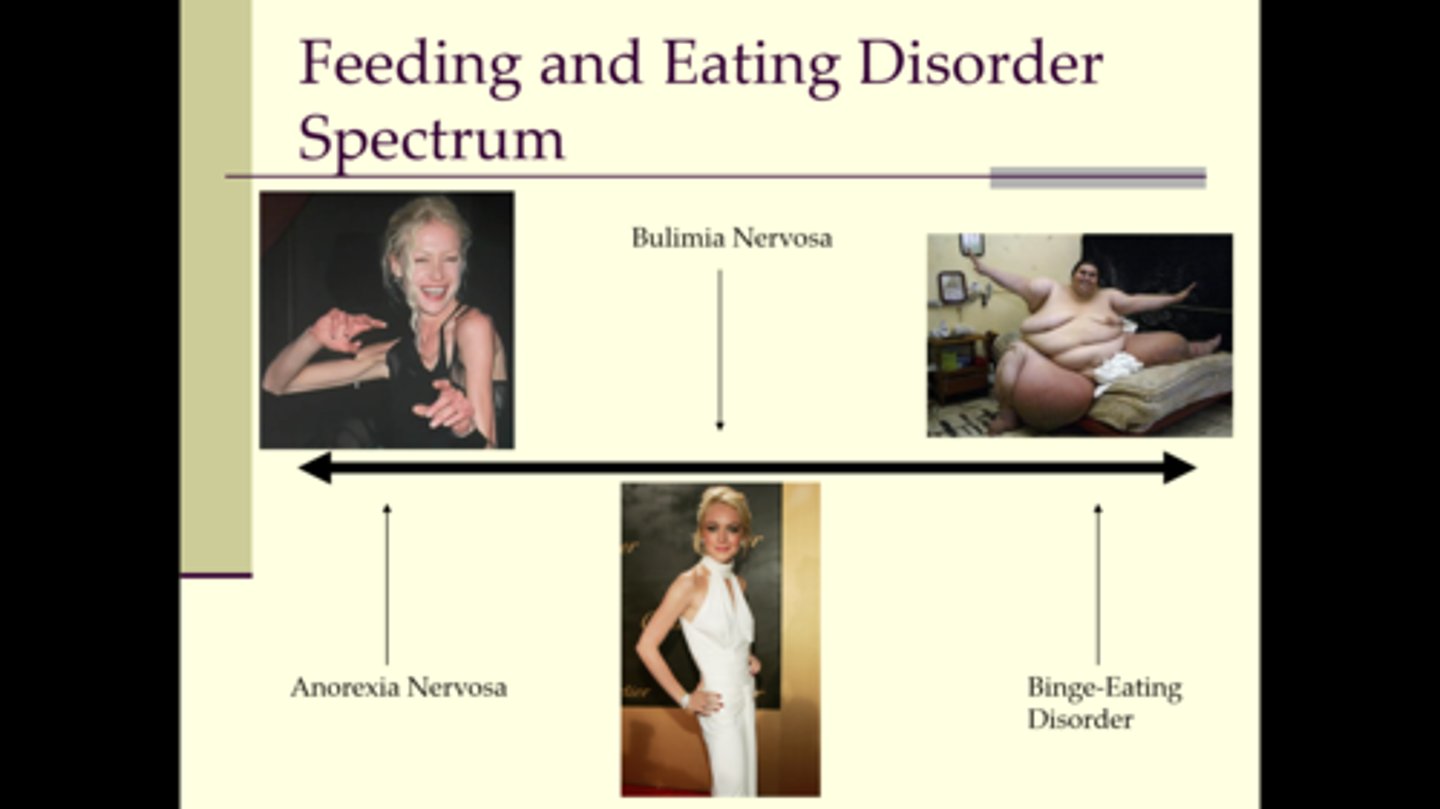
Anorexia nervosa
a disorder characterized by a strong desire to lose weight, a low BMI, and habitually restrictive eating

Bulimia nervosa
a disorder characterized by episodes of binge eating (excessive consumption) and purging (e.g., vomiting, laxative use, fasting, or excessive exercise)

Chronic
Slow to develop over time and harder to treat
Acute
Develops quickly, typically in reaction to a very stressful event, and has a better outcome with treatment
Anhedonia
A negative symptom in Schizophrenia characterized by an inability to experience pleasure, or a lack of interest or motivation in once enjoyable activities.
Avolition
A negative symptom of Schizophrenia characterized by a lack of motivation, initiative, and goal-directed behavior.
Alogia
A negative symptom associated with Schizophrenia, characterized by a significant reduction in speech output.
Personality disorders
A collection of conditions characterized by the following: persistent thoughts and behaviors which deviate from one's culture; pervasive and inflexible patterns; onset in adolescence or early adulthood; stability over time; and personal distress or impairment
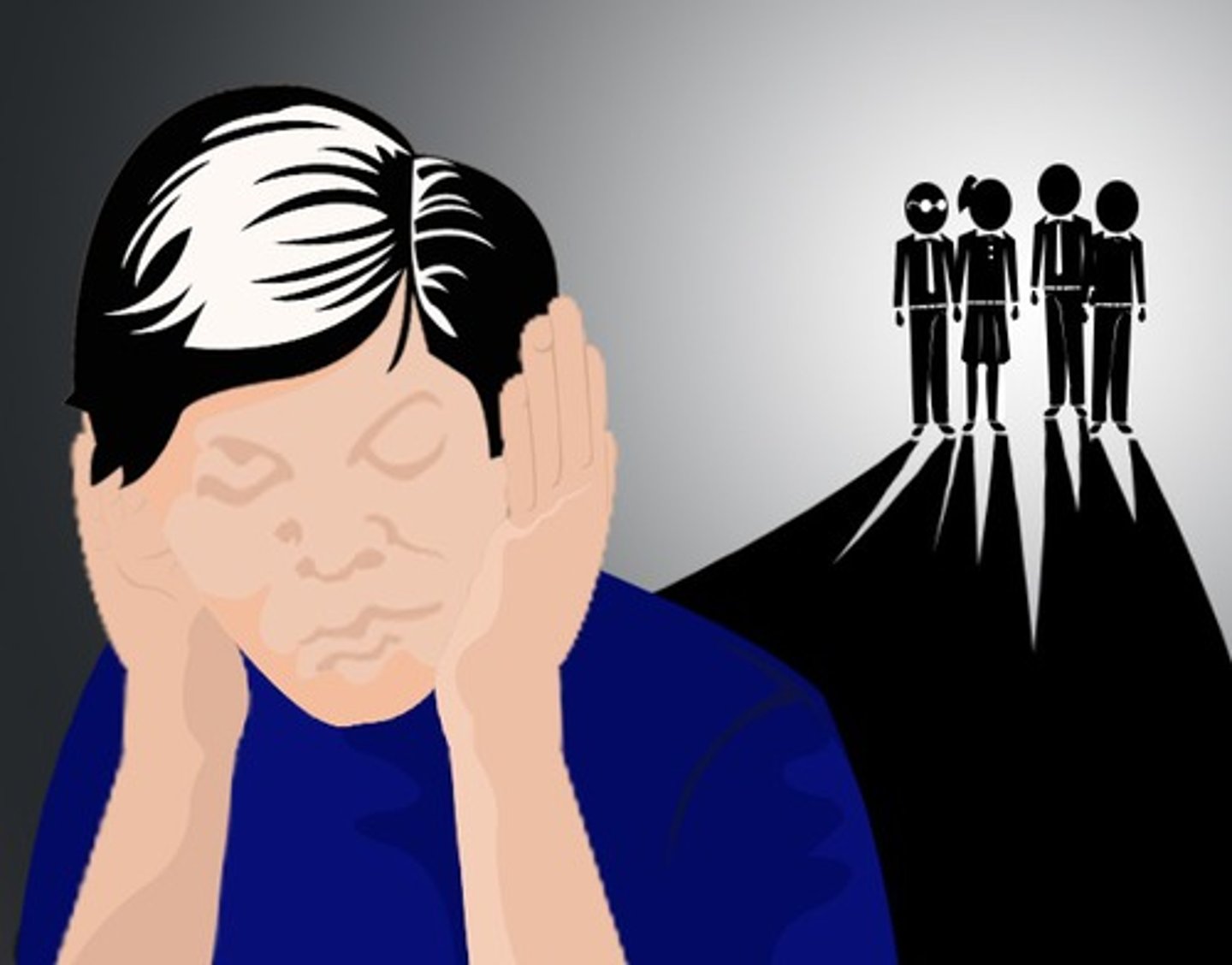
Cluster A Personality Disorders
A group of personality disorders that are characterized by odd or eccentric behaviors (includes paranoid, schizoid, and schizotypal personality disorders)

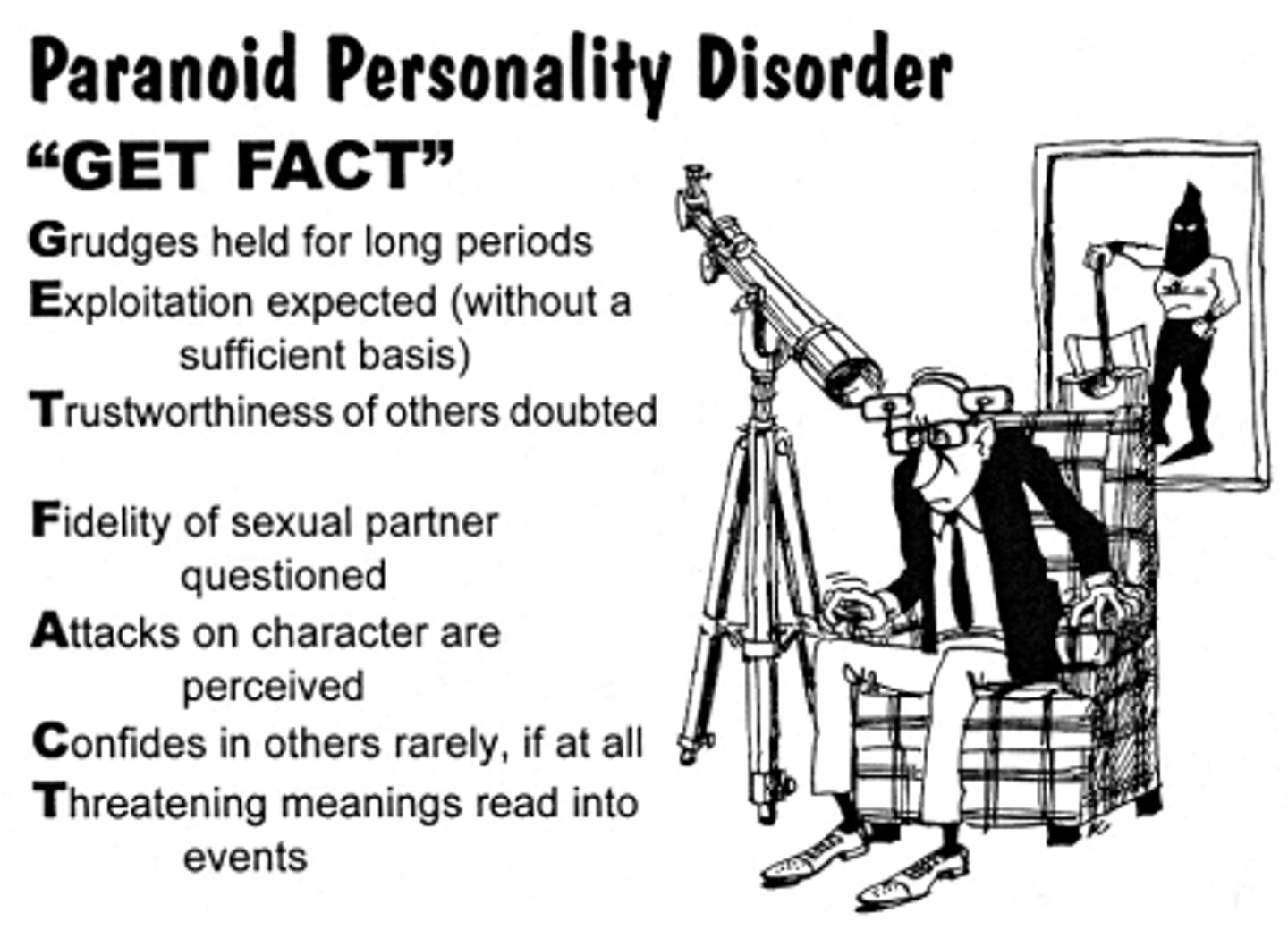
Paranoid Personality Disorder
A Cluster A disorder characterized by a long-term pattern of distrust and suspicion of others
Schizoid Personality Disorder
a Cluster A disorder characterized by limited interest in and ability to form relationships with others, a tendency to isolate oneself, and a lack of emotional expression
Schizotypal Personality Disorder
A Cluster A disorder characterized by a pattern of distorted thinking, eccentric behaviors, and difficulty relating to others

Cluster B personality disorders
A group of personality disorders that are characterized by dramatic, emotional, or erratic behaviors (includes antisocial, histrionic, narcissistic, and borderline personality disorders)

Antisocial Personality Disorder
a Cluster B disorder characterized by a lack of empathy for others and a disregard for right and wrong (also known as sociopathic behavior)

Histrionic Personality Disorder
A Cluster B disorder characterized by attention-seeking behaviors and exaggerated emotions (e.g., dramatic, impulsive, and flirtatious behaviors)

Narcissistic Personality Disorder
A Cluster B disorder characterized by an exaggerated sense of self-importance and a lack of empathy (e.g., exaggerated sense of self, lack of empathy, exploitive behaviors, arrogance)

Borderline Personality Disorder
A Cluster B disorder involving an inability to regulate emotions and characterized by instability in relationships, mood, and self-image
Cluster C Personality Disorders
A group of personality disorders that are characterized by anxious or fearful behaviors (includes avoidant, dependent, and obsessive-compulsive personality disorders)

Avoidant Personality Disorder
A Cluster C disorder involving an excessive fear of rejection and a strong sensitivity to criticism

Dependent Personality Disorder
a Cluster C disorder involving an excessive need for care from others (e.g., submissive, clingy, relying on others to make decisions)

Obsessive-Compulsive Personality Disorder
A Cluster C disorder involving a preoccupation with control, perfectionism, and organization (Note: This is distinct from obsessive-compulsive disorders which are related to anxiety)