business 10 - managing strategic change
 Call Kai
 Learn
Learn Practice Test
 Spaced Repetition
 Match
Match Flashcards
 Knowt Play
1/56

There's no tags or description
Looks like no tags are added yet.
Name | Mastery | Learn | Test | Matching | Spaced | Call with Kai |
|---|
No analytics yet
Send a link to your students to track their progress
57 Terms
the value of change to a business
helps firms stay competitive
adapting to market change - new tastes, preferences, tech and laws
continuous improvement
driving innovation and growth
managing risk
engaging employees
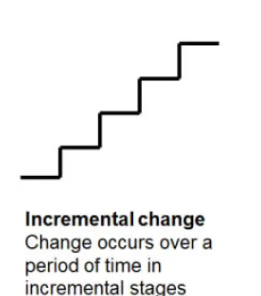
incremental change def, and why it is used
a series of small, gradual improvements to process, rather tahn a single large overhaul
resons for its use:
lower risk - easier to reverse choices
staff acceptance - get time to adapt
cost-effective - small tweaks use exisitng resources
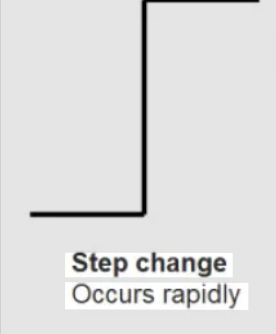
disruptive change - def and why it is used
a radical shift that transforms an industry / market by intorducing new model, tech, or ways of operating
why is it used:
first mover advantage = being the first in a major onnovation can secure market leadership
rapid growth potential -
outpacing rivals
long-term resilience
internal causes of change
leadership change - often have different ideas and goals for the business
tech upgrade
poor performance - overhauling or closing parts of the business that keep loosing money to protect profits
employee-drive improvement
external causes of change
tech advances e.g. smartphones
competition - actions from rivals to stay competitive
economy - recessions and booms
legal changes - new laws require businesses to alter processes
social / cultural trends (consumer values and lifestyles)
enviornmantal / ethical concerns
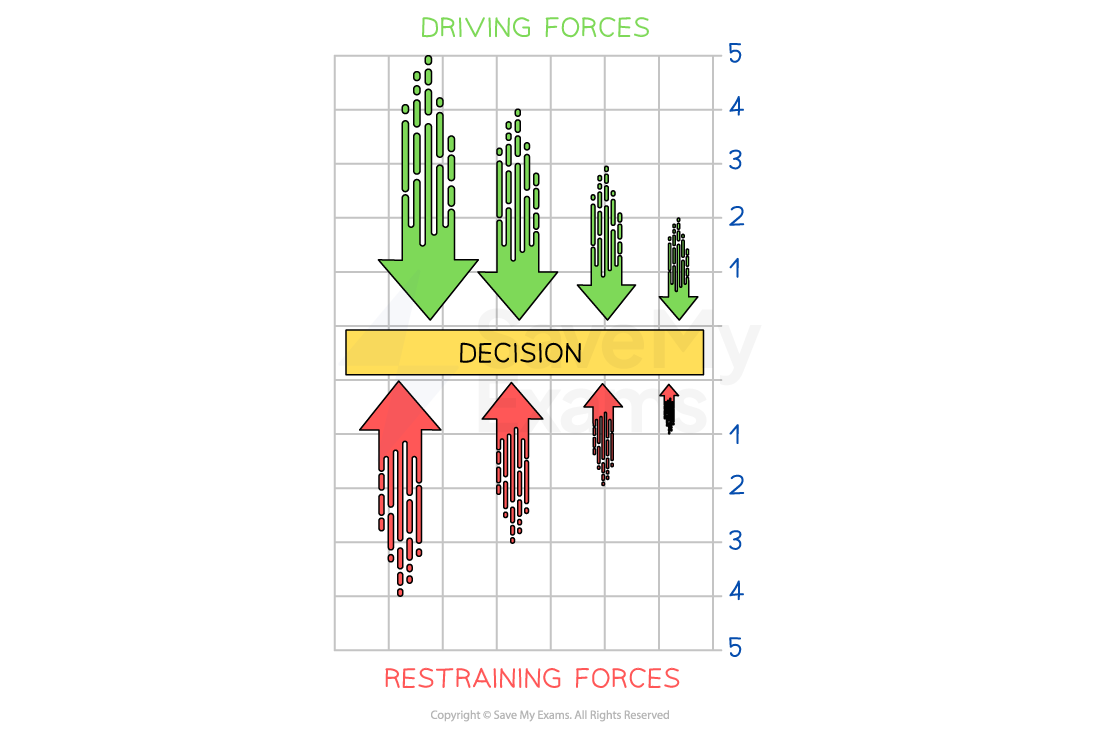
Lewin’s force field analysis - image and summary
involves managers identifying the driving and restraining forces that surround a strategic change decision, helping decision making process
Lewin’s force field analysis - driving forces
factors that justify the need for change:
internal:
outdated machinery
declining team morale
need to increase profits
external:
violate market
disruptive tech change
demographic trends
Lewin’s force field analysis - restraining forces
factors that could prevent or limit change
internal:
fear of the unknown
the existing organisational structure
‘that’s not how things are done here’ attitudes
external:
existing commitments
government legislation
obligations towards customers
Lewin’s force field analysis - strenghts and weaknesses of usign it
strengths:
1, simple and visual to show stakeholders
comprehensive
identifies and scales critical factors
weaknesses:
subjective - relies of judgements, leading to bias
lacks quantitative data
snapshot ideas
doesn’t provide solutions
why is flexibility valuable
rapid adaptation to change when needed
efficient use of resources
boosts innovation
stronger financial and staff resilience
aspects of restructing + definition
when a business makes significant change to its organisation, operation, or finance, intending to improve efficiency, cut cost or adapt to new circumstances
aspects:
redrawing organisation structures
outsourcing / insourcing functions
financial re-organisaiton workforce changes e.g. layoffs, redeployment
restructuring - adv and dis
adv:
improved efficiency
cost reduction
greater strategic focus
dis:
staff uncertainty
up-fron expenses
talent loss risk
delayering: def, adv, dis
the process of removing 1 or more teirs of management from the hierarchy
adv:
faster decision making
clearer communication
lower costs - overheads, managerial salaries
dis:
manager overload - too large spans of control
loss of experience
reduced morale - fear of redundancies
4 ways to develop / have a flexible workforce
multi-skilling - training workers to fulfill multiple job roles
outsourcing
part-time / temporary working - shows up when business needs them
flexible hours / home working -scheduling working hours to fit employees needs or locaiton
multi-skilling: adv, dis
adv:
improve outcomes in certain areas e.g. healthcare industries
utilise workforce more foten, improving their productivity
dis:
requires a high level of investment into training / development
may not be appropriate for low level jobs
part-time / temporary working: adv, dis
adv:
flexible working arrangements allows staff to be working at their most productive
improves staff loyalty and reputation, boosting morale
dis:
can create difficulties in communication and collaboration
monitoring is more difficult
outsourcing: adv, dis
adv:
. allow businesses to access specialist skills
reduce labour costs
dis:
loss of control over quality and delivery
ethical concerns
homeworking: adv and dis
commuting cost, stress and flexibility increased (employee)
smaller premises needed, workers more productive in isolation, high quality workers can be accessed anywhere (business)
dis:
staff can feel isolated, household costs increase, healthy work-home division can be lost (employee)
cost of equipping tech to employees, less opportunity for collaboration, harder to monitor (business)
mechanistic structures, def, adv, dis
rigid, hierarchical design where decision making is centralised, with everyone it every place having the same role as another location
adv:
clear authority
consistent quality
dis:
slow to change
low to change and innovation
organic structures: def, adv, dis
a flexible and adaptable structure, with decentralised decision-making with teams forming around tasks
adv:
quick adaptations
empowered employees
dis:
potential chaos
role uncertainty
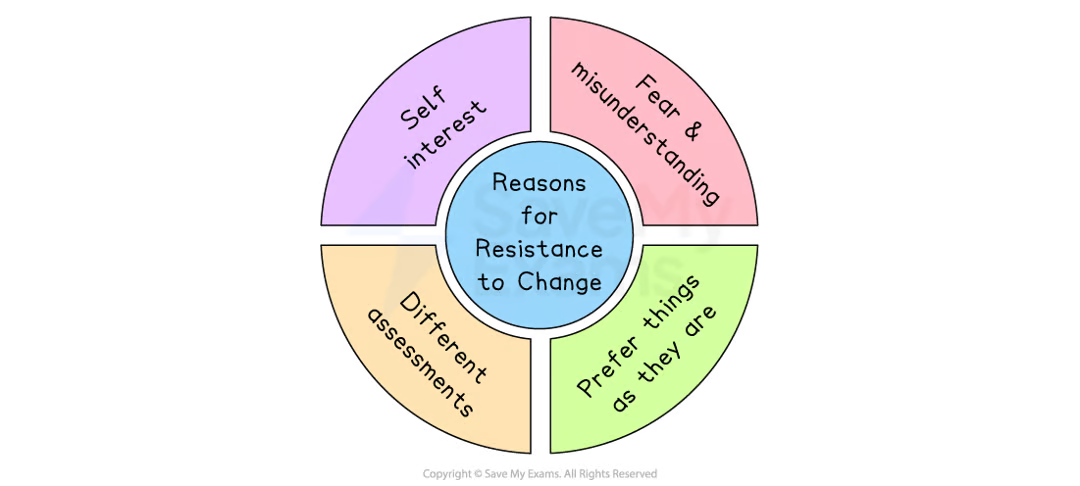
Kotter & Schlesinger's four reasons for resistance to change
self interest - people worry abotu their job rather than the business overall
fear ad misunderstanding - may not know why it is happening
different assessment - not everyone agrees on what the problem is or how to fix it
prefer things how they are - prefer routine over new ideas
ways of overcoming resistance to change
education
participation
facilitation
negotiation
maniulation
explicity coercion
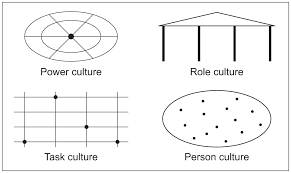
Charlies Handy organisational culture- summary
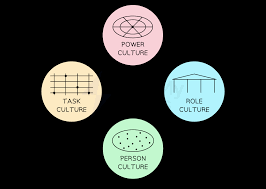
presents the 4 different cultures which are needed for different businesses and their situations:
power culture
task culture
role culture
person culture
Charlies Handy organisational culture- task culture
decisions are made up of employees with specific skills.
power lies with those with task-related skills e.g. finance specialist focuses in funding decisions
teams are formed and dissolved as projects start and finish
Adv:
encourages teamwork
adaptable strategy, promoting innovation and flexibility
dis:
can lack clear leadership
teamwork can slow down processes due to negotiiation
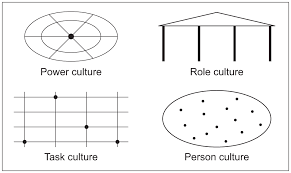
Charlies Handy organisational culture - role culture
people have clearly delegated authorities on different levels, wit employees expected to understand their place in the heirchy, used on large scale public sector e.g. the NHS
adv:
clear structure helps staff understand positions
predictable environments leads to stability
dis:
can be inflexible, slowing decision making
stifles creativity and innovation
not responsive to market changes
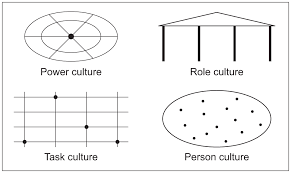
Charlies Handy organisational culture - power culture
control radiates from the centre few individuals, with few rules and little bureaucracy.
adv:
faster decision making
clear and direct leadership roles
dis:
high staff turnover due to limited involvement and motivation
innovation suffer as employees fear questioning leadership
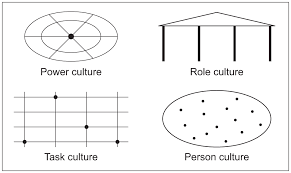
Charlies Handy organisational culture- person culture
individuals with extensive skills come together, and they themselves determine their own decision making, working autonomously
adv:
encourages creativity and individuality
good at attracting talented individuals who value freedom
dis:
lack direction or shared goals
difficult to manage / control
influence on the organisational culture used
leadership - values of attitudes of botht he manager and how they think of employees
performance - is there a need for change
history - is it how things are done there
society - impacts on people or sustainability
aspects which often change the culture in a business
business/ market performance - if not achieving goals, culture may change
new leaders - new values and ideas
mergers / takeovers - have to combine organisational cultures to unite employees
societal / ethical pressures
problems causes by changing the organisational culture
resistance from employees
high cost and disruption
time-consuming
incompatibility of cultures
loss of key staff
key roles leaders play in strategic implementation (turning strategy into action)
vision setting - articulate a clear vision aligning with strategy
decision making process
changing managements
empowering others - delegate responsibility
role model - embody values and behaviours
key elements of strategic communication
clarity
consistency
creating a timeline
two-way communication
channel selection e.g. Gmail, talks
examples of internal communication tools:
team meetings
internal emails
portals . intranet
workshops
1-1 reviews
importance of organisational structure in strategic implementation
clear roles and responsibilities
efficient communication / decision making
improved coordination and control
elements of a network diagram (critical path)
node - the circle which represents the activity, left halft is activity number, top right = EST, bottom right = LFT
activity - shown as the line between nodes, with the letter above showing what activity it is
Duration - shown below the line
calculating EST (earliest start time)
top right
trying to make the largest possible number
shows the quickest time a taks can be finished in
calculating LFT (latest finish time)
Bottom right
subtracting the duration of each task
identifying and calculating float time
where there is a difference between EST and LFT
EST - LFT
what is strategic planning?
setting the mission, vision and objectives of a business
analysing internal and external environment (SWOT)
making choices around competitive strategy
creating a co-ordinated action plan
benefits of strategic planning:
provides clear direction
improves coordination
supports decision making / proactive thinking
builds stakeholder / investor confidence
difficulties of strategic decision making
internal and external obstacles
poor planning / execution
lack of flexibility / resistance to change
Planned strategy
the deliberate approach a business sets out in advance, involcing clear objectives, plans and actions intended to achieve goals
emergent strategy
and approach that develops overtime as a business adapts to changing circumstances
it isn’t deliberately planned from beginning but arises due to response to unexpected circumstances e.g. opportunities and challenges
how plans change from planned to emergent:
external environment - competition, tech change, shifts in customer behaviour
internal - leadership change, resource shortage
opportunities and innovation - shift away due to expanded opportunities
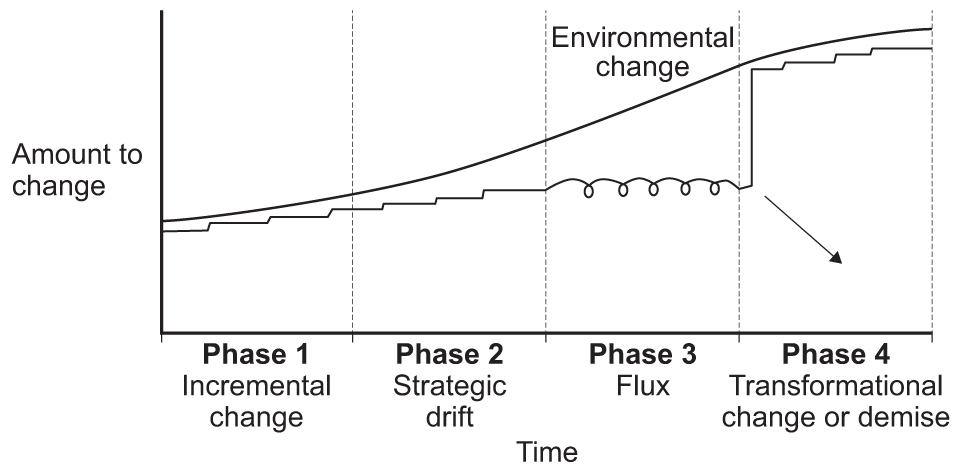
strategic drift - definition and stages
overtime, the external environment around a business and their strategy changes, and if the business fails to adapt effectively, it causes strategic drift
incremental - small changes barely notices
strategic drift - straying further from change required
flux - trying to take actions but often no decisive improvement
transformational / demise - the business either makes steep change or strays to far away and dies
strategic drift - reasons for strategic drift
changing external and / or internal environment
competitive nature of markets
denying issues
tech advancements
globalisation
strategic drift - consequences
loss of competitive advantage
declining sales / market share
reduced profitability
business failure if drift is unchecked
strategic performance - definition
the process of measuring how well a strategy is doing to its intended outcome using both quantitative data and qualitative insights
strategic performance - why evaluate?
measure succes
inform future choices
identify strategy strengths and weaknesses
improve resource allocation
strategic performance - ways of measuring
financial data
market performance
benchmarking
stakeholder feedback
contingency planning
trying to predict risky or unwanted events, the developing a process of how it will deal with the event
contingency planning - time, adv, dis
adv:
helps respond immediately
resources identified and available
dis;
time-consuming
plans need to be revisited regularly
contingency planning - cost, adv, dis
adv:
reduce costs
emergency equipment brought in advance
dis:
difficult to budget unknown crisis
wasted if not needed
contingency planning - safety, adv, dis
adv:
keep stakeholders staff
legal safety measures met e.g. fire regulations
dis:
Bureaucratic and difficult to implement swiftly
contingency planning risk, adv, dis
adv:
most likely threats covered i detail
reduces legal risk
dis:
human reactions cannot be mitigated e.g. panic
requires up to date and complete information
crisis situations - definition and examples
the immediate handling of a disruptive and unexpected situation, which would cause significant disruption and often into survival
e.g.:
loss of key staff
IT failure / data loss
natural disasters
war / terrorism
fire
theft
factors effecting crisis management
speed - rapid response can contain or reduce damage
transparency - keeping customers informed and telling the truth to protect reputation
control - ensuring leaders have authority and resources
communication - reassure stakeholders and reduce recovery times

