Ichthyology Final: Groups & their traits
 Studied by 6 people
 Call Kai
 Learn
Learn Practice Test
 Spaced Repetition
 Match
Match Flashcards
 Knowt Play
1/92

There's no tags or description
Looks like no tags are added yet.
Name | Mastery | Learn | Test | Matching | Spaced |
|---|
No study sessions yet.
93 Terms
Superclass Gnathostomata
jaws, paired fins, 3 semicircular canals, dentine based teeth
Subclass Holocephali
subclass under Class Chondrichthyes containing one order, includes chimaeras and ratfish
Subclass Euselachii
lateral gill openings, pectoral fins behind head, continually replaced tooth rows, hyostylic jaw
Superorder Squalomorphi
small, pelagic and benthic sharks, some with pointed or pavement teeth
Superorder Galeomorphi
large pelagic predators, blade like teeth
Division Batomorphi
ventral gills, enlarged pectoral fins, depressiform body shape, euhyostylic jaw
Class Osteichthyes
Subclass Sarcopterygii
lobe fins
Infraclass Dipmomorpha
Infraclass Actinistia
Subclass Actinopterygii
Infraclass Cladistia
Infraclass Chondrostei
Grade Neopterygii
Infraclass Holostei
Division Teleostomorpha
Subdivision Teleostei
ungraded division with cycloid or ctenoid scales, homocercal caudal fin, premaxilla moveable, branchiostegal rays
Cohort Elopomorpha
leptocephalus larvae, numerous branchiostegal rays (15+), teeth on the parasphenoid
Cohort Osteoglossomorpha
freshwater, most possess only the left ovary, epibranchial bones absent, supraorbital absent
Cohort Otocephala
cohort with otophysic connection between gas bladder and inner ear (in most)
Superorder Alepocephali
Superorder Ostariophysi
unique otophysic condition, has shreckstoff alarm substance, physostomous gas bladder, contains 70% of freshwater fish and 30% of all fish
Series Otophysi
weberian apparatus developed, tubercles in breeding males, pharyngeal teeth
Cohort Euteleostei
Order Lepidogalaxiiformes
neck joint, internal fertilisation, lack eye muscles
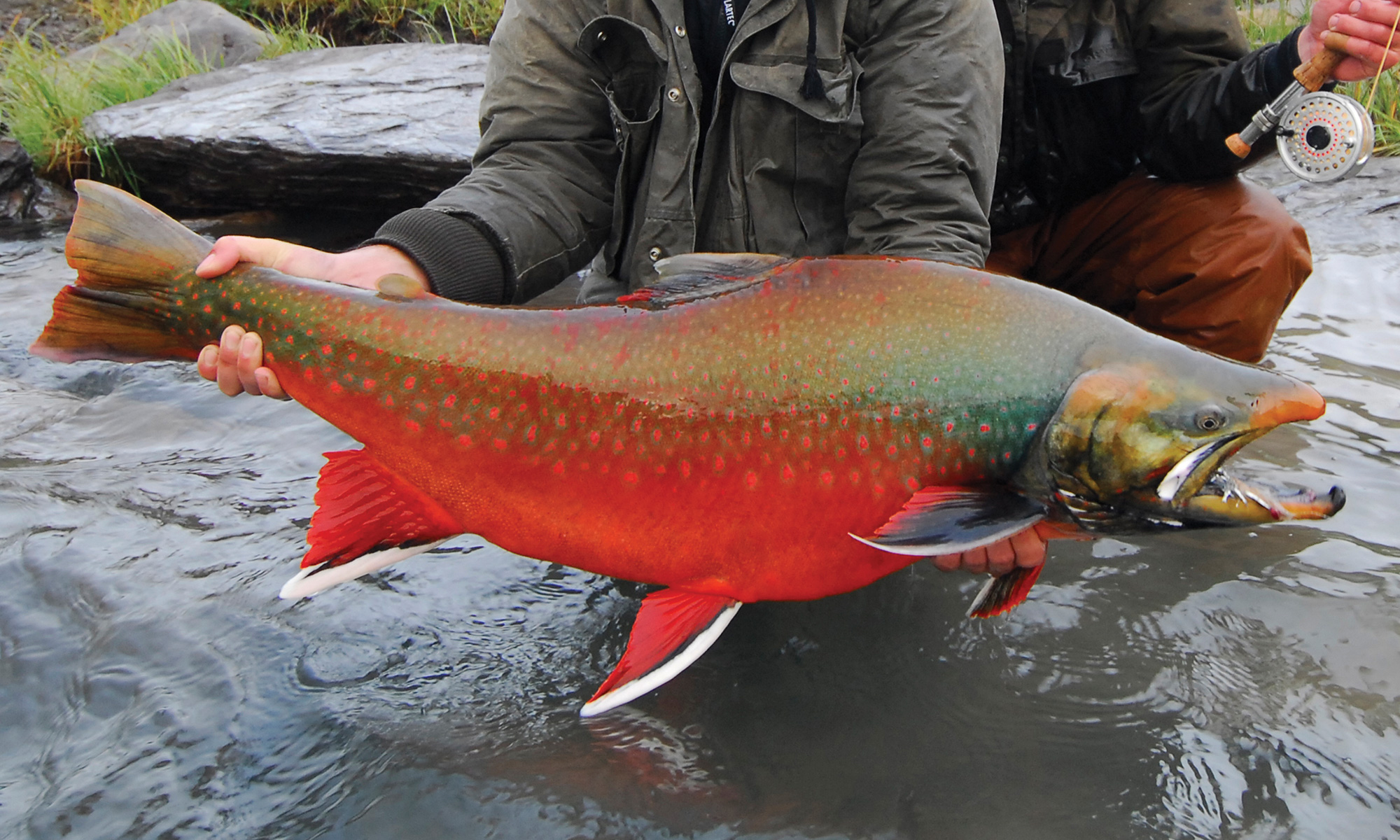
Order Salmoniformes
axillary process, adipose fin, last 3 vertebrae upturned
Superorder Protacanthopterygii
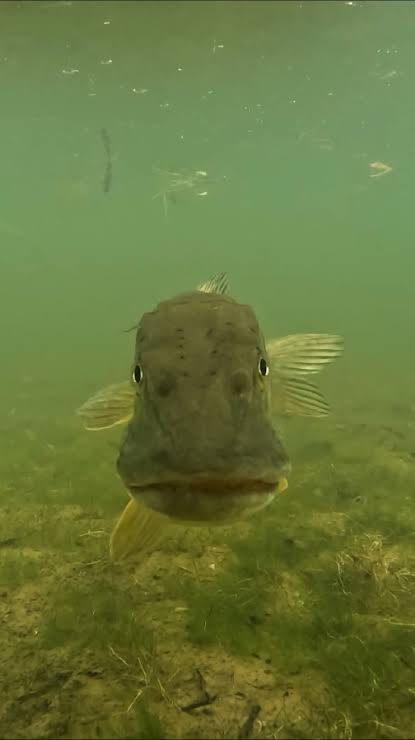
Order Esociformes
sagittiform body, toothless maxilla included in gape
Superorder Osmeromorpha
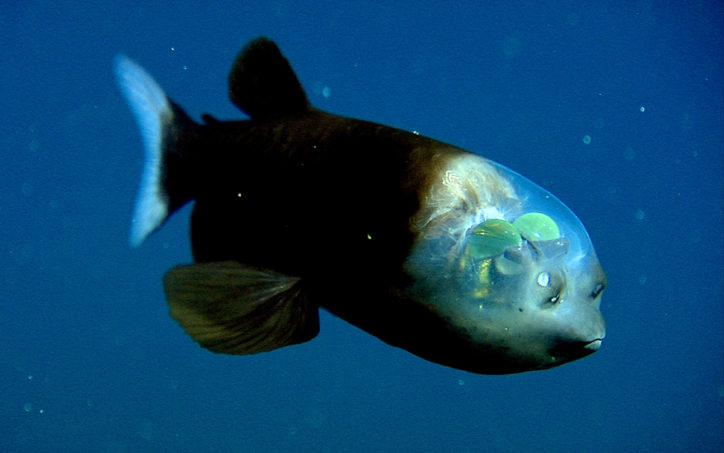
Order Argentiniformes
crumenal organ, adipose fin, marine, many bathypelagic
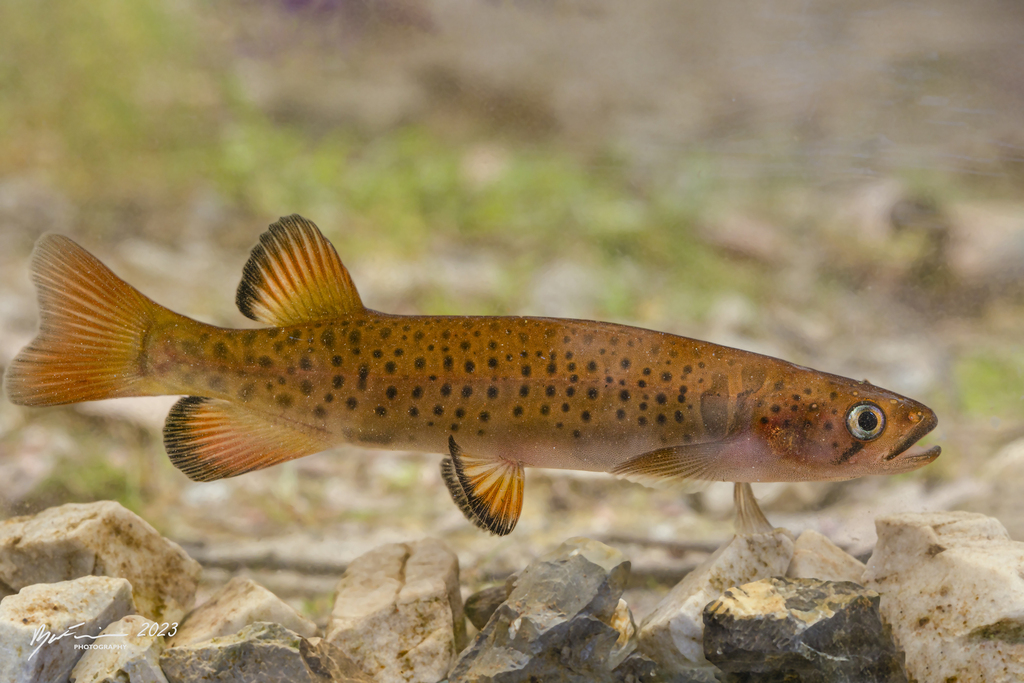
Order Galaxiiformes
no scales but have lateral line, no keel, no cucumber scent, live in southern hemisphere
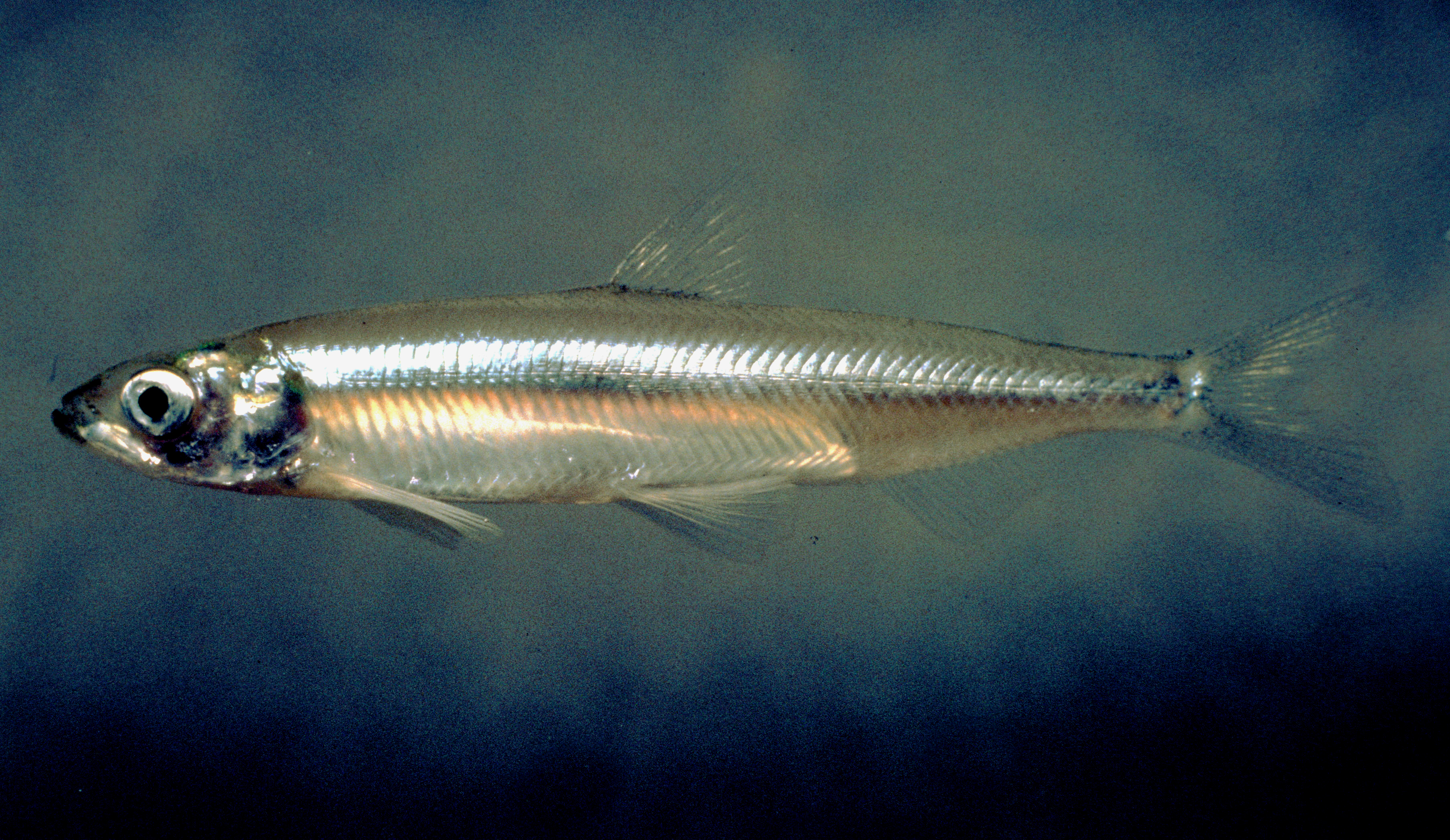
Order Osmeriformes
cucumber scent, articular absent/reduced, spawn in freshwater, adipose fin usually present
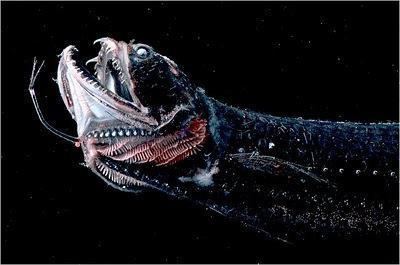
Order Stomiiformes
photophores, large mouth with teeth on premaxilla and maxilla, rete mirabile posterior gas bladder, genus Cyclothone is one of most abundant vertebrates
Superorder Scopelomorpha
adipose fin supported by cartilaginous plate, perform DVM,
Superorder Lamprimorpha
Superorder Paracanthopterygii
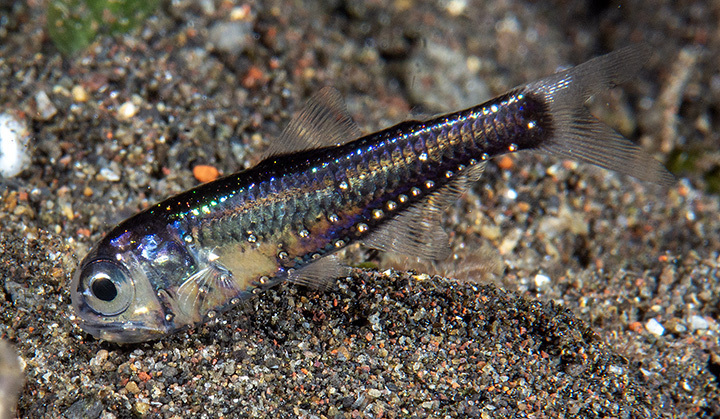
Order Myctophiformes
adipose fin supported by cartilaginous plate, commonly perform DVM, upper pharyngeal jaw dominated by third pharyngobranchial
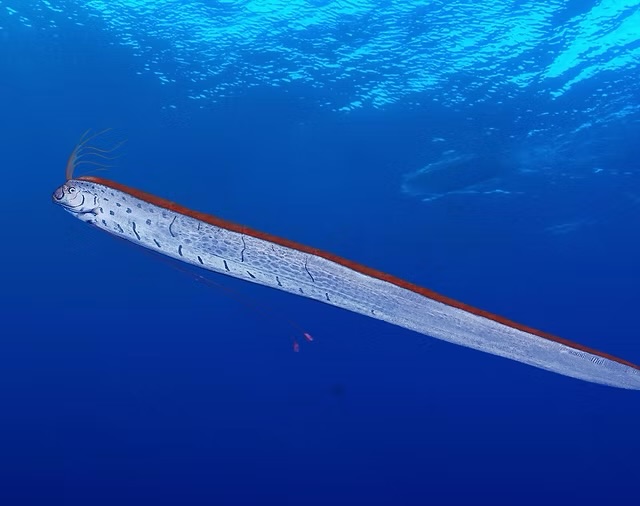
Order Lampriformes
maxilla slides with premaxilla, unique protrusible jaw, lack true spines
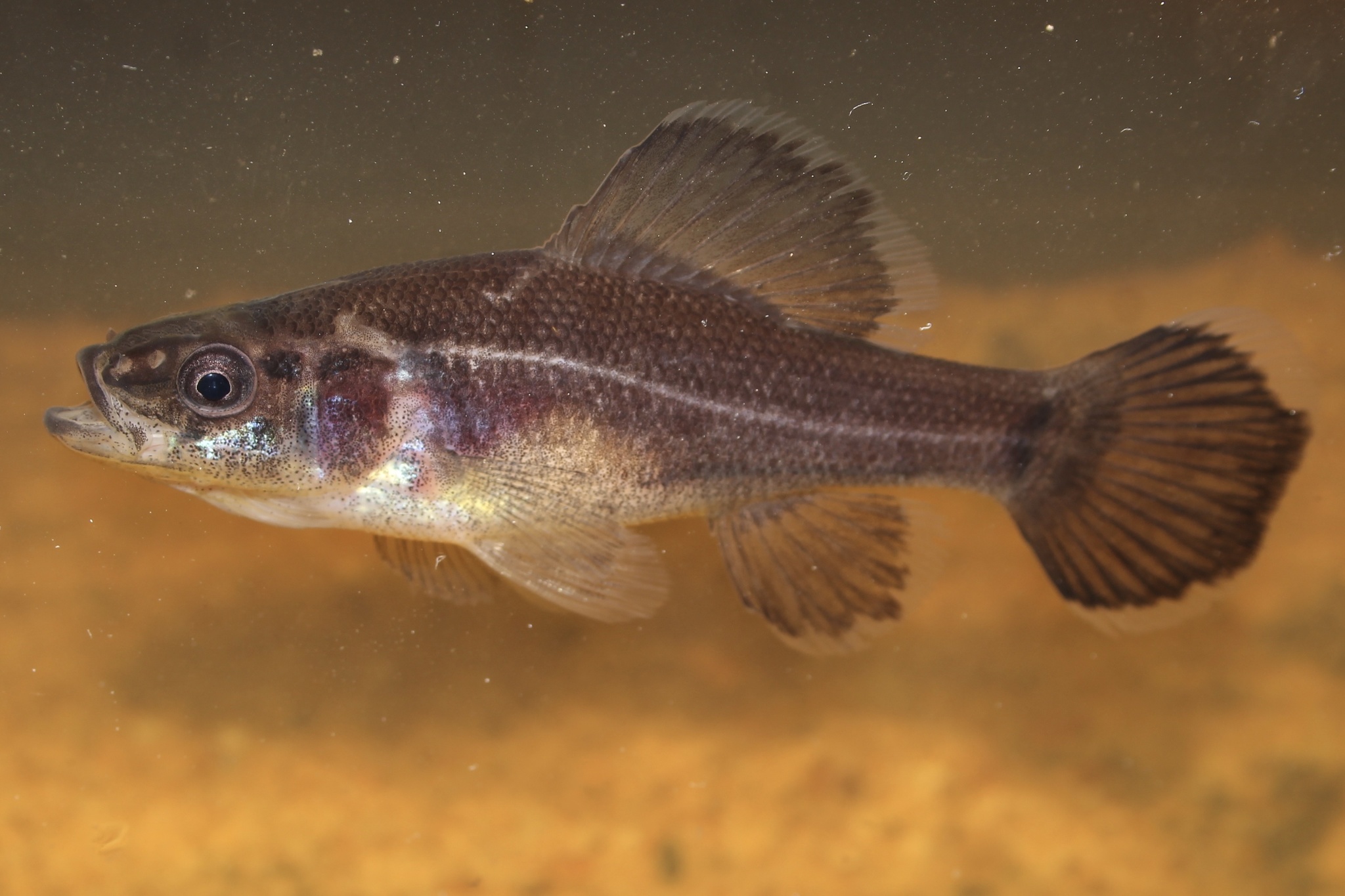
Order Percopsiformes
freshwater fish in eastern USA, premaxilla is nonprotrusible, ctenoid scales
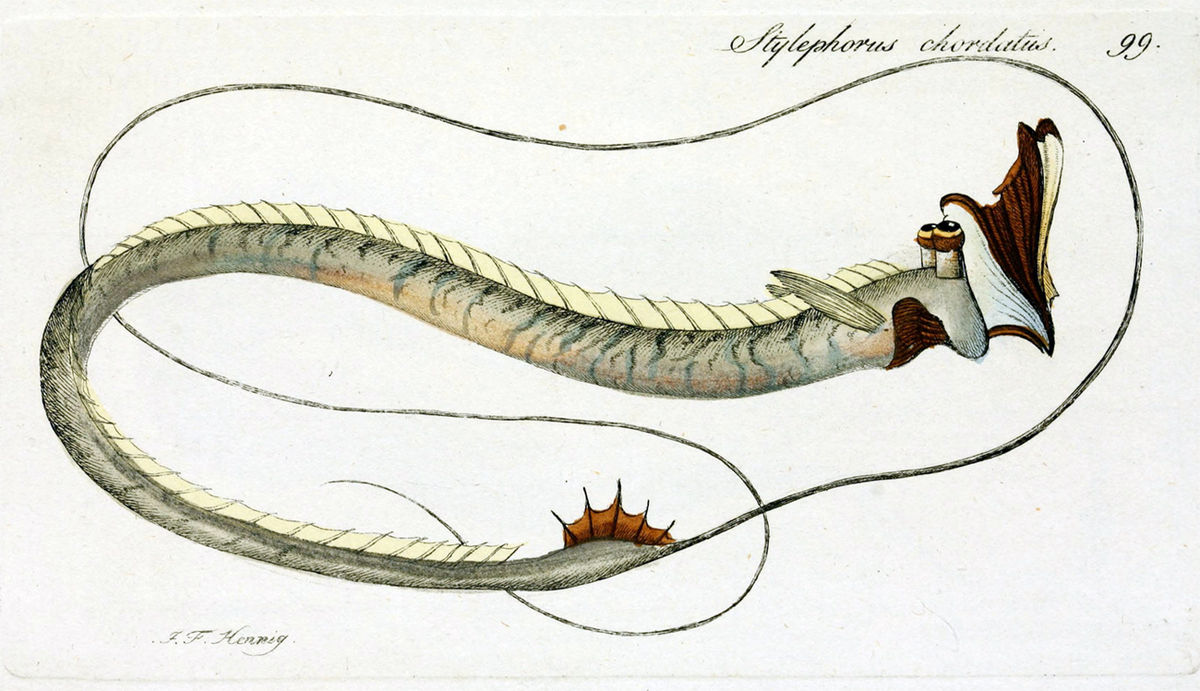
Order Stylephoriformes
marine abyssal fish, ribbonlike body, 40-fold enlargement of mouth
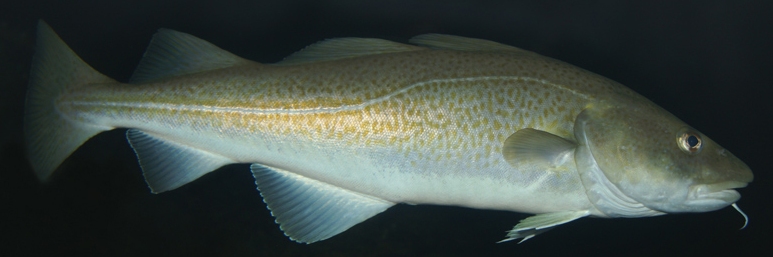
Order Gadiformes
isocercal caudal fin, 2-3 dorsals, pelvic thoracic or jugular, lack spines, mostly marine
Superorder Acanthopterygii
long ascending premaxillary process, Baudelot’s ligament originating on basioccipital of skull, upper pharyngeal jaw supported by second and third epibranchial bones
Series Percomorpha
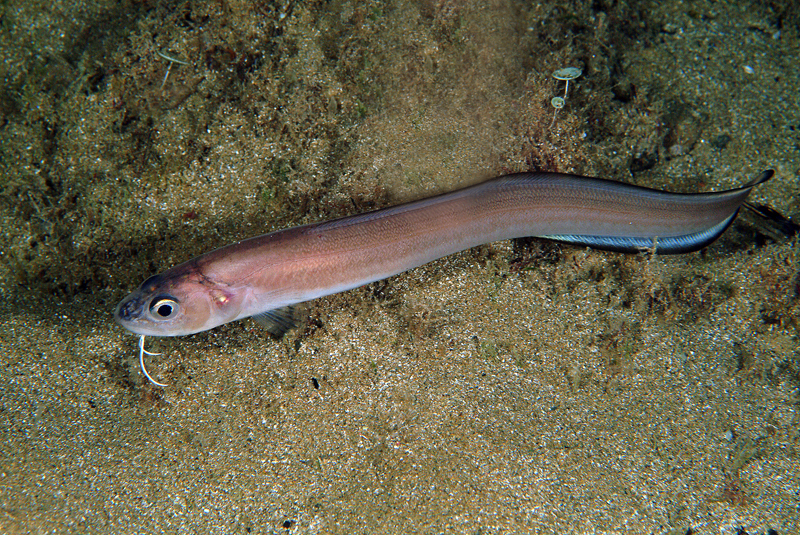
Order Ophidiiformes
eel like with tapering body, pelvic fins jugular or on chin if present, some parasitic or commensal, deep sea fish
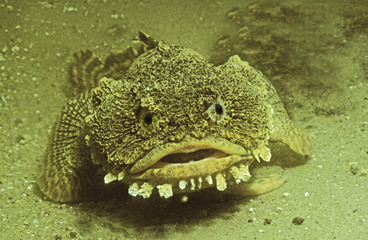
Order Batrachoidiformes
3 pairs of gills, multiple lateral lines, fastest contracting muscles, larvae with enormous yolk sacs
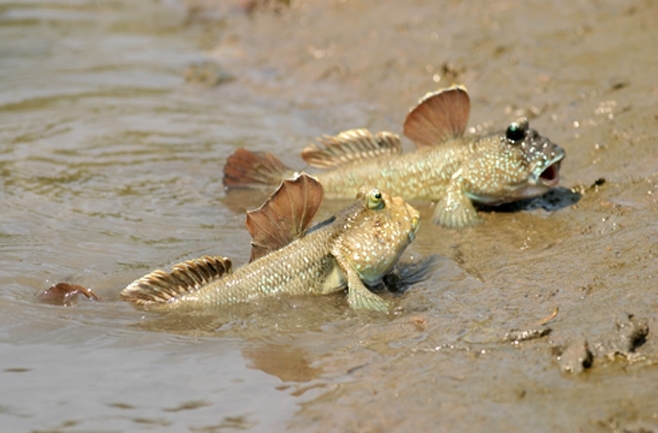
Order Gobiformes
pelvic fins usually united forming round disc, gas bladder absent, parietal bones absent, many with terrestrial-like adaptations
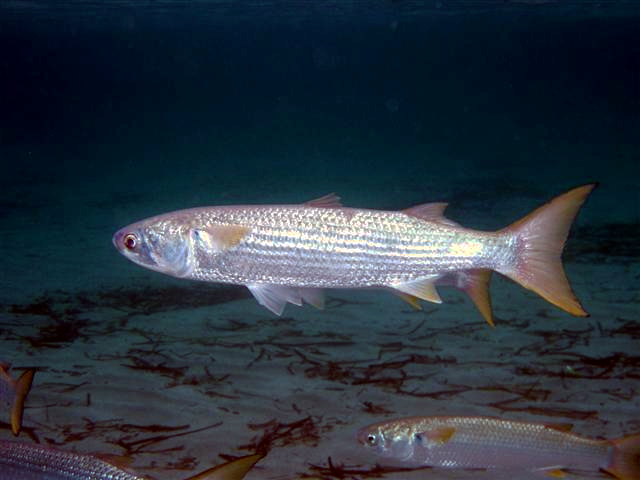
Order Mugiliformes
two widely separated dorsal fins, pelvic fins subabdominal, small triangular mouth, gizzard like stomach
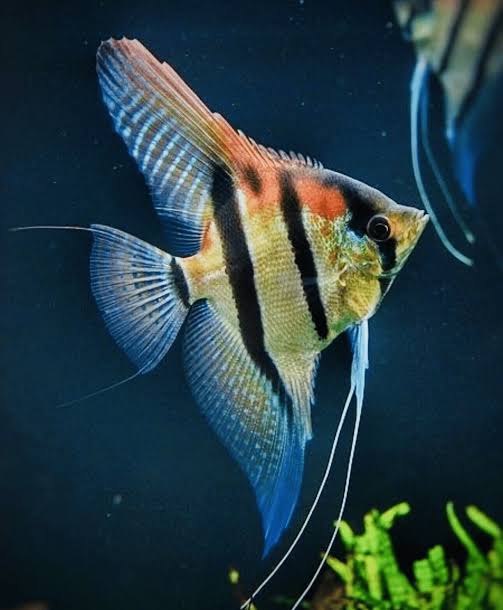
Order Cichliformes
single nostril on each side, lateral line is interrupted, mostly freshwater, largest & fastest vertebrate adaptive radiation
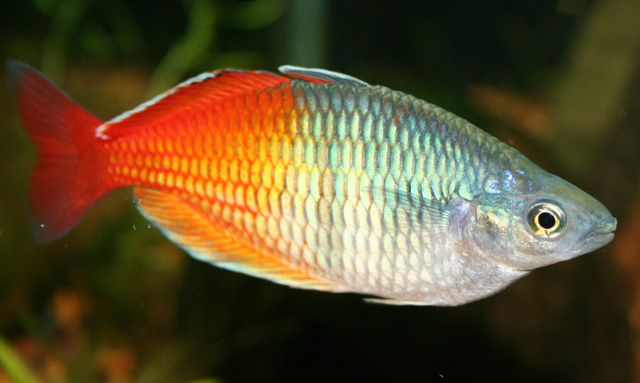
Order Atheriniformes
many have 2 dorsal fins with the first having flexible spines, usually abdominal pectoral fins, most diverse freshwater group in Australia
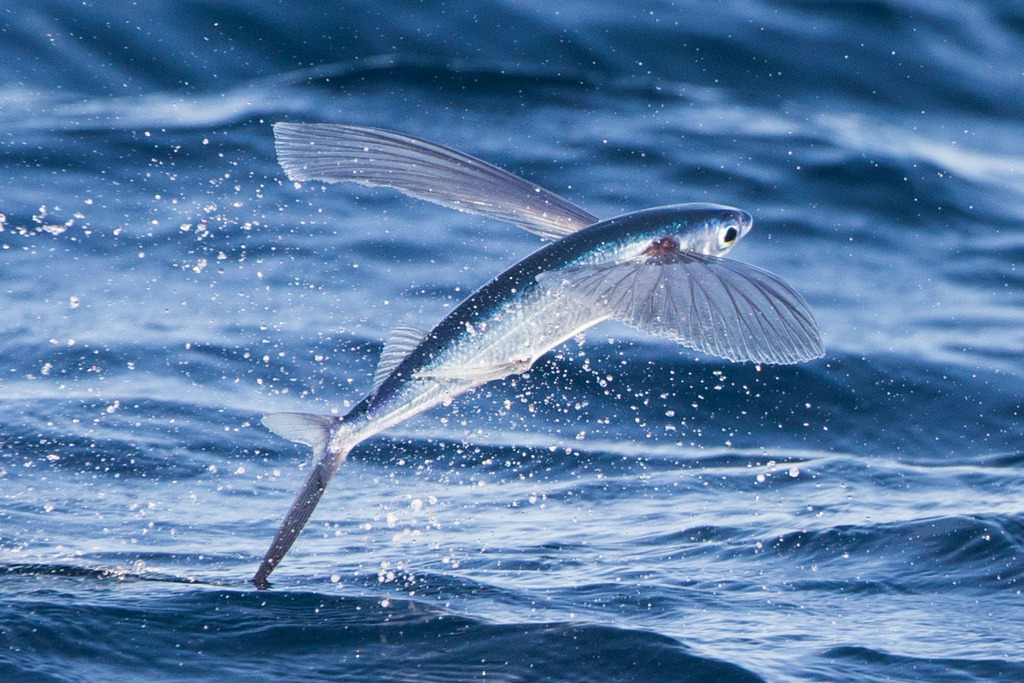
Order Beloniformes
lack spines, nonprotrusible upper jaw, lower caudal lobe has more rays than upper (hypocercal tail)
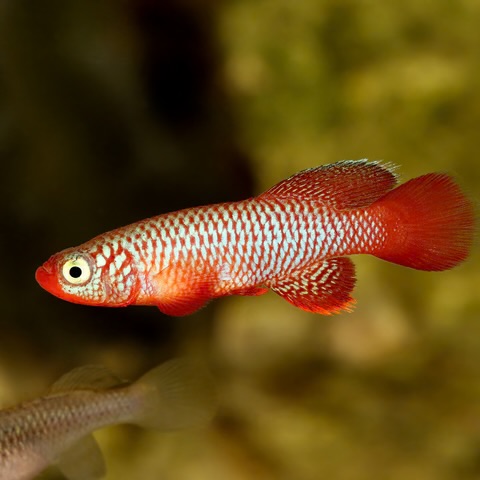
Order Cyprinodontiformes
symmetrical caudal fin supported internally by a single bone, first rib attached to second vertebra, single dorsal fin
Order Pleuronectiformes
most asymmetric vertebrate, highly compressed body, ontogeny characterized by migration of one eye, anteriorly placed dorsal fin, minimally overlapping neurocranium
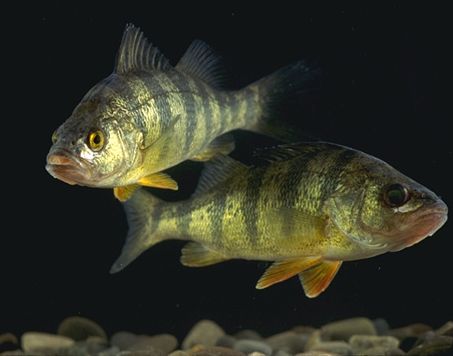
Order Perciformes
most diversified of all fish groups, mostly marine
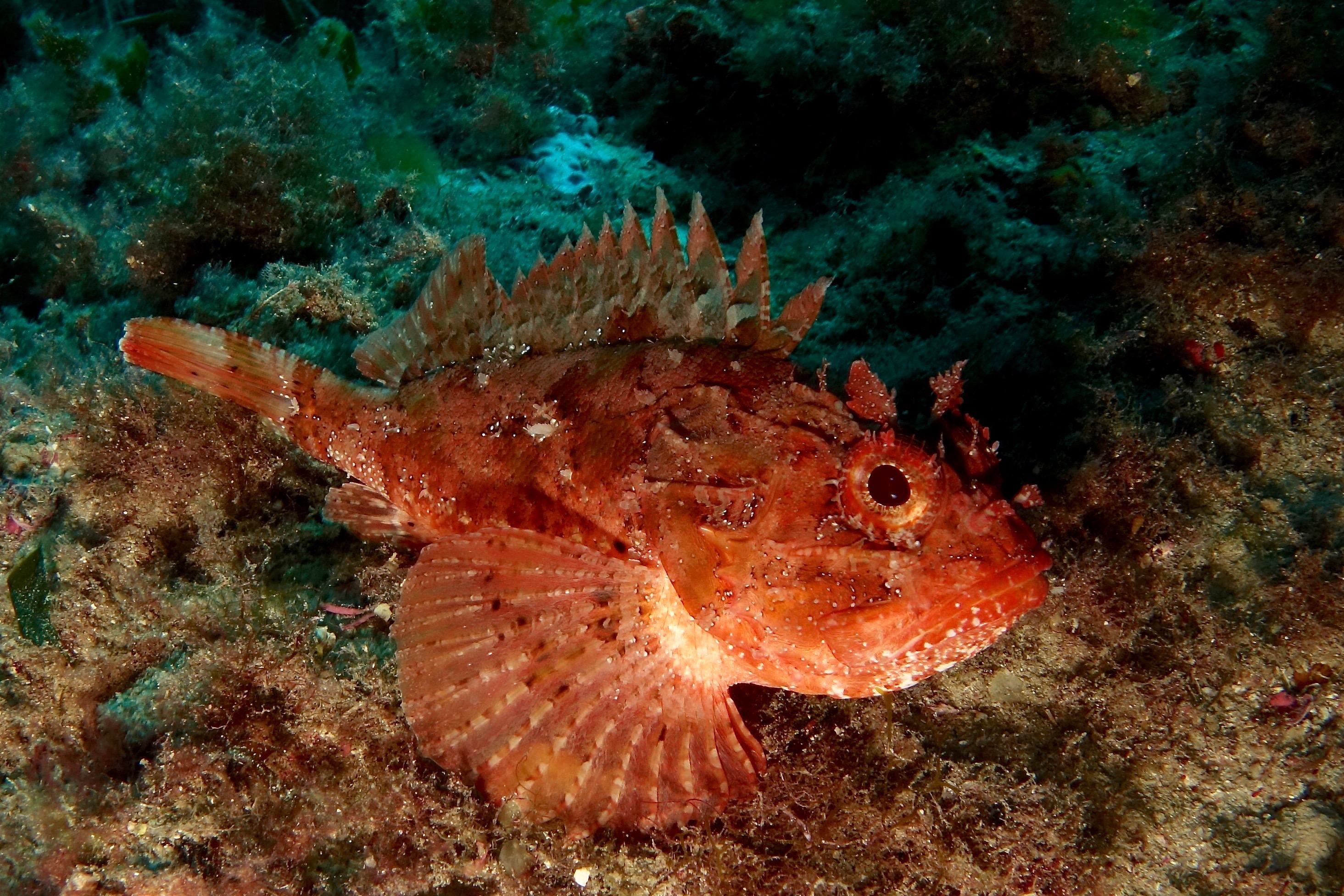
Order Scorpaeniformes
suborbital stay/mail-cheeked, head and body tend to be spiny or have bony plates, backwardly directed opercular spine, venomous spines
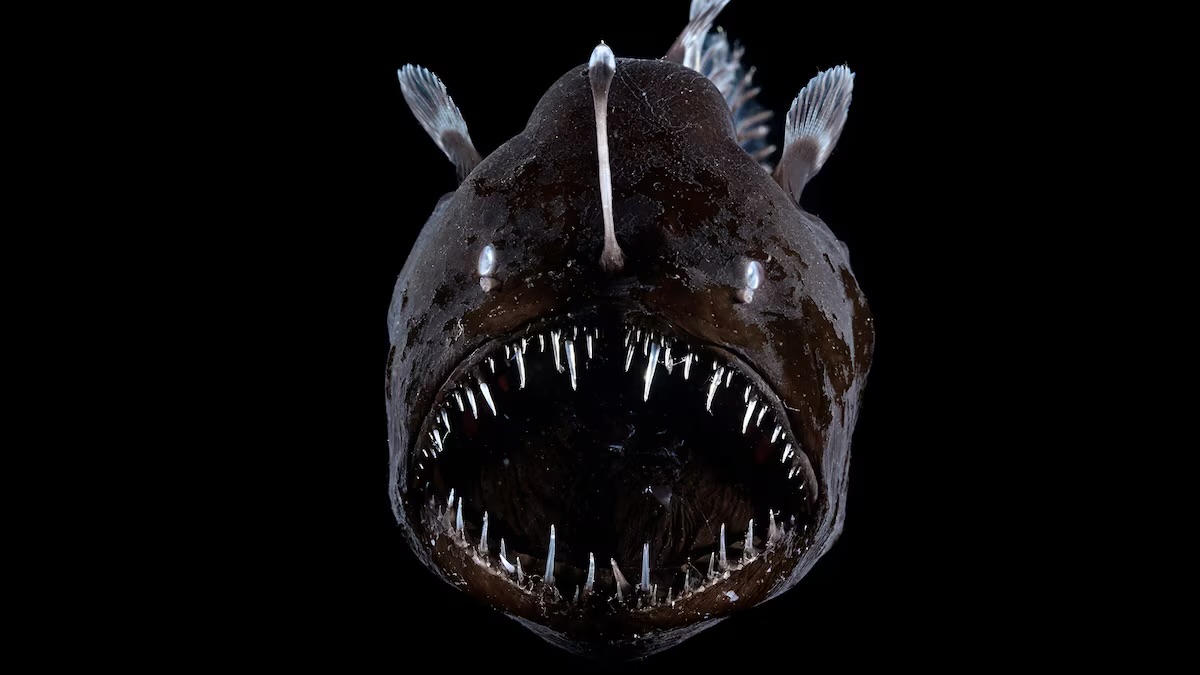
Order Lophiiformes
1st dorsal ray transformed into illicium and esca, small gill opening behind pectoral fin base, pelvic fins in front of pectoral fins, no ribs, first vertebra fused to skull
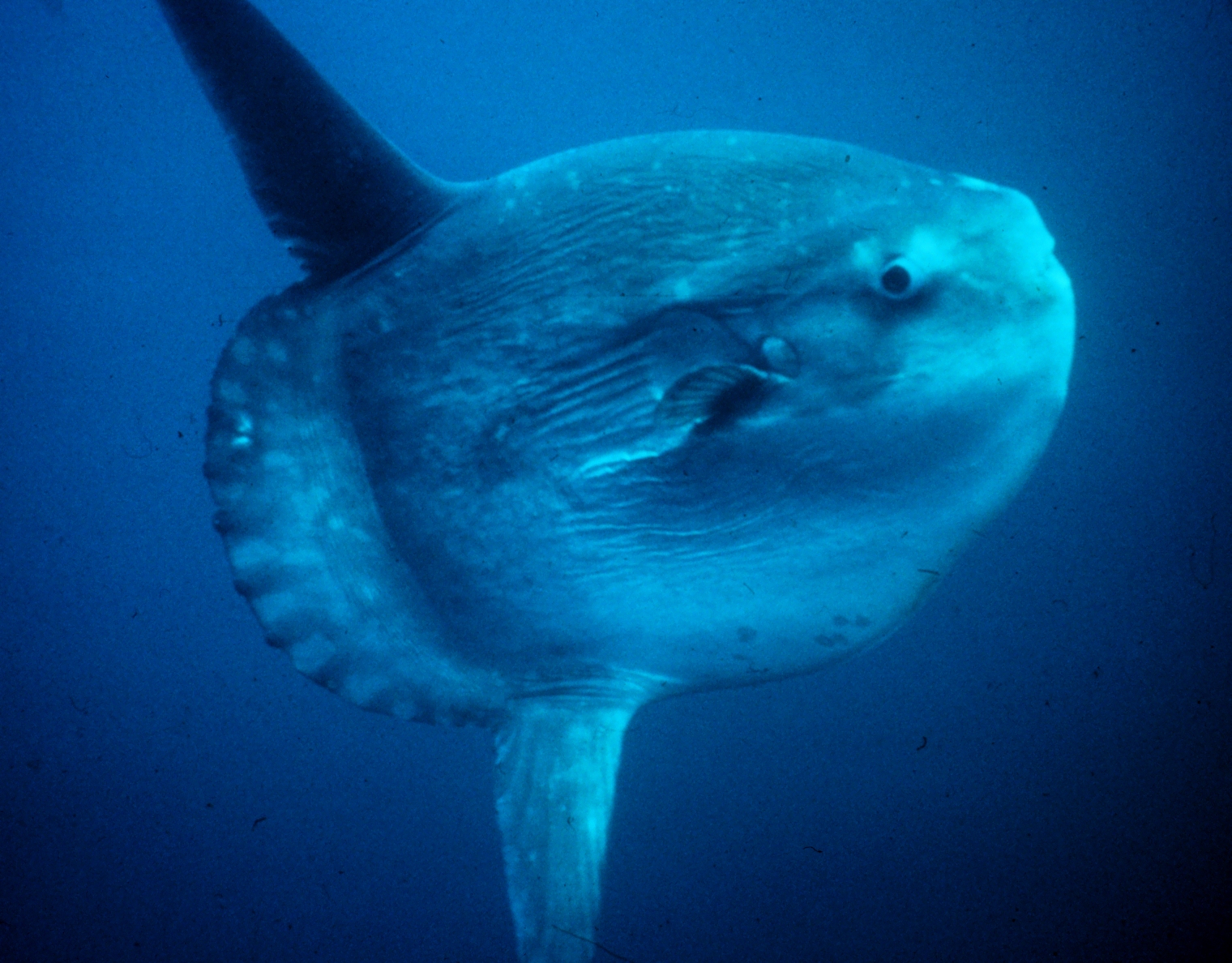
Order Tetraodontiformes
reduced and fused bones: 21 or fewer vertebrae, lack nasals, lack parietals, lack infraorbital bones, hyomandibular and palatine fused to skull, premaxilla and maxilla fused, gill openings restricted, scales modified as spines, shields, or plates
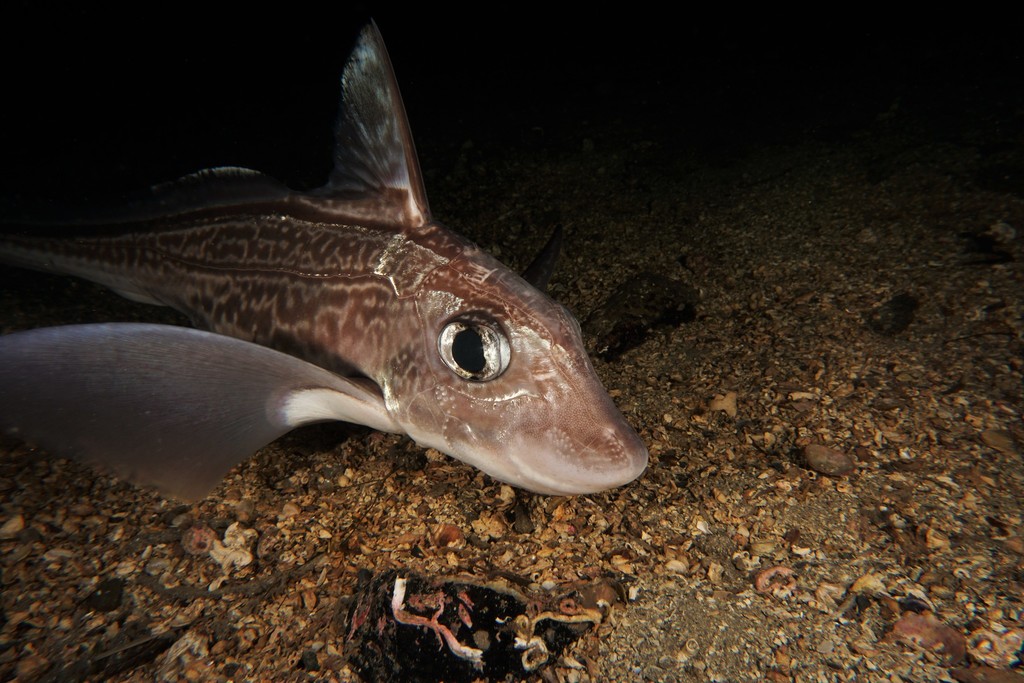
Order Chimaeriformes
single opercular flap, one tooth plate in lower jaw, 2 pairs in upper jaw, has a tentaculum covered in hooks
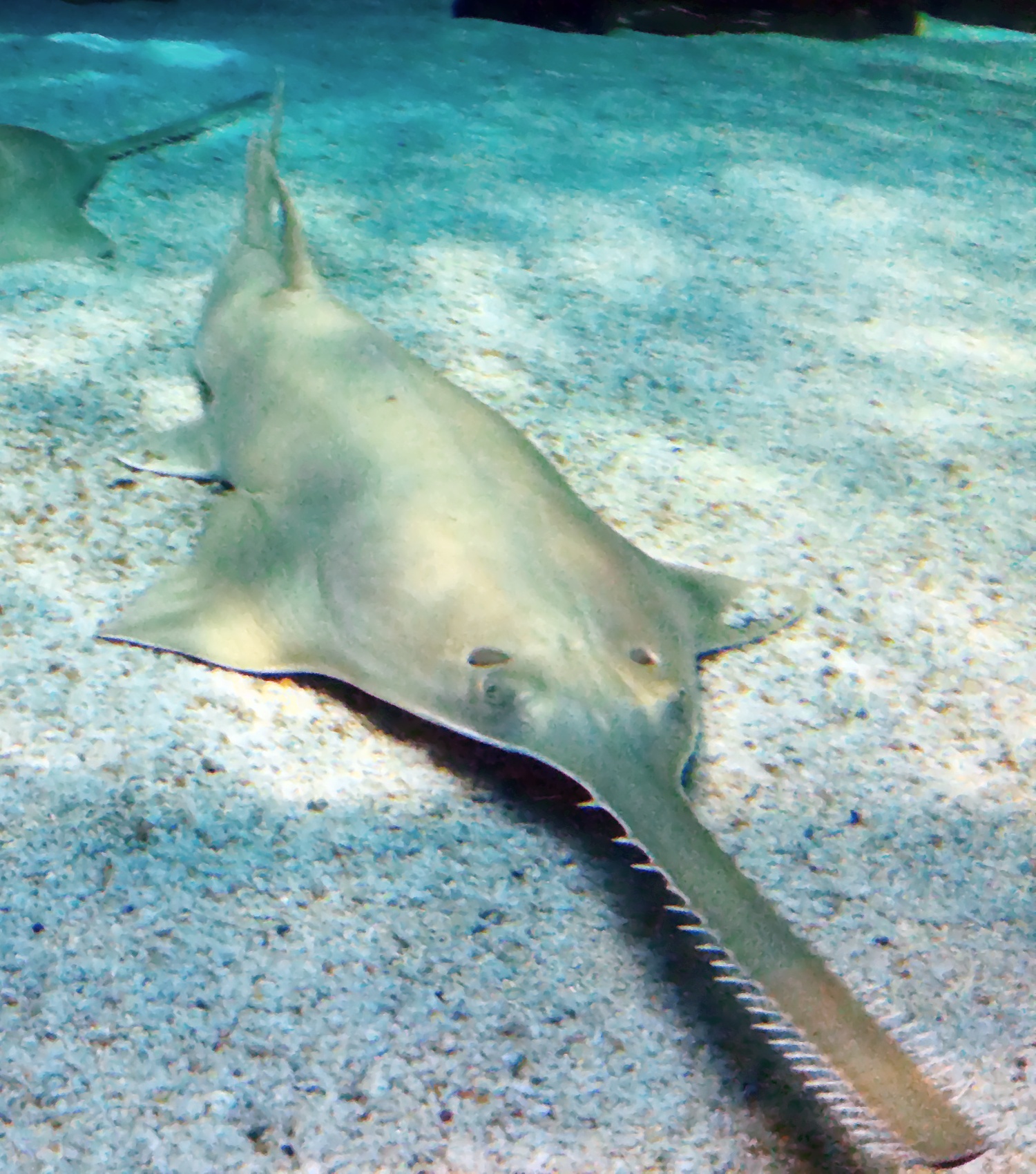
Order Pristiophoriformes
long saw-shaped snout, unequal sized teeth, barbels
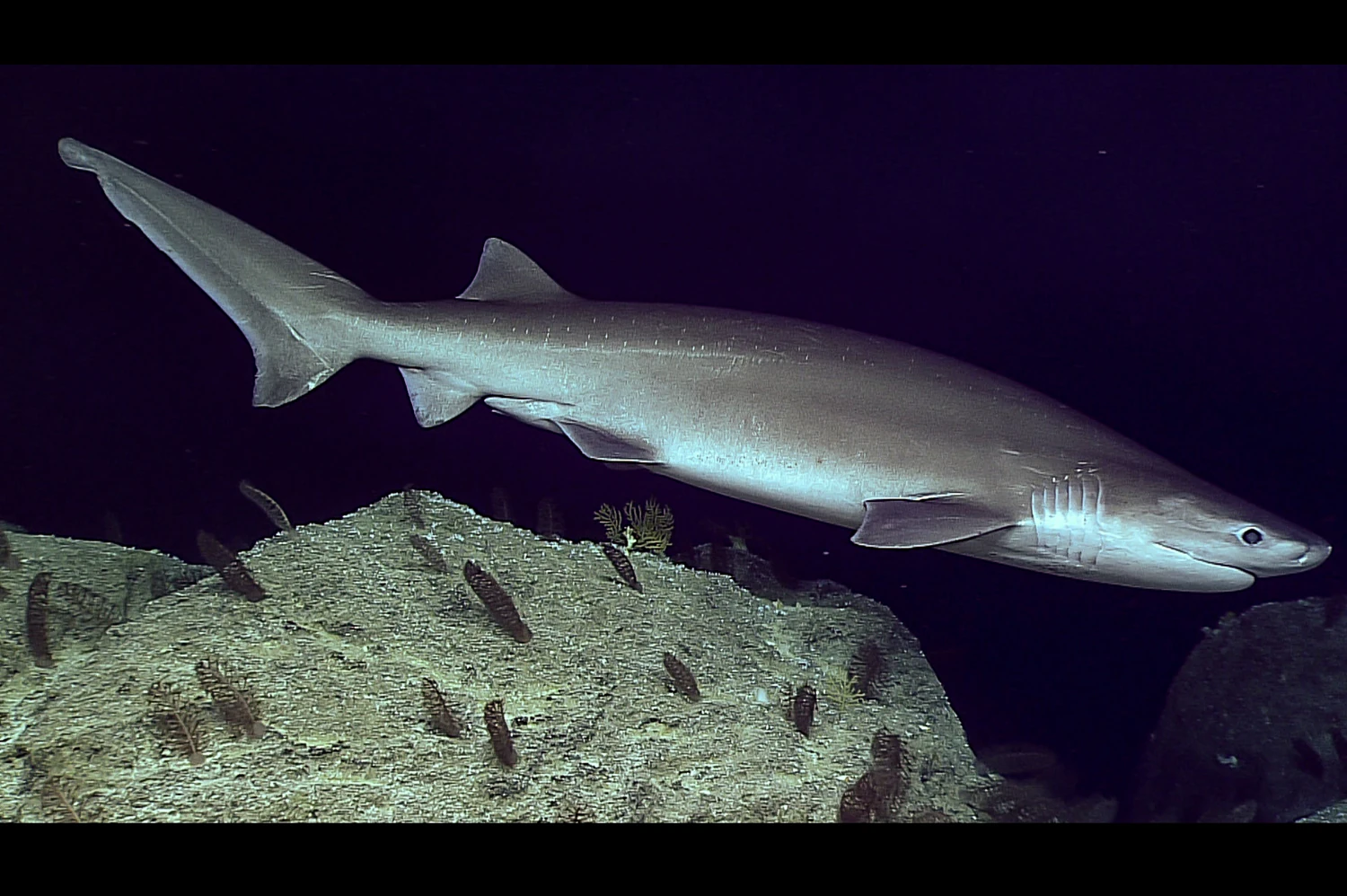
Order Hexanchiformes
6-7 gill slits, anal fin, 1 dorsal fin
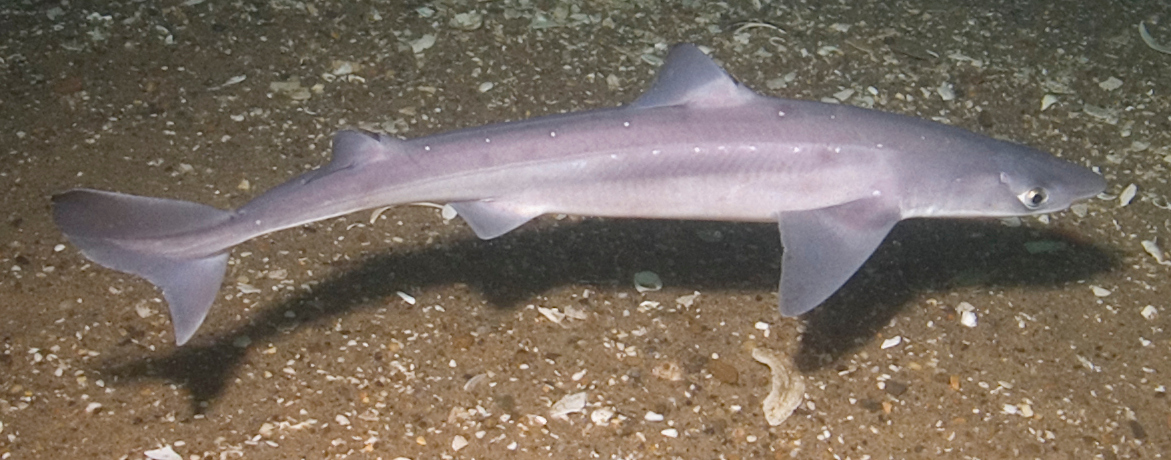
Order Squaliformes
no anal fins, 2 dorsal fins
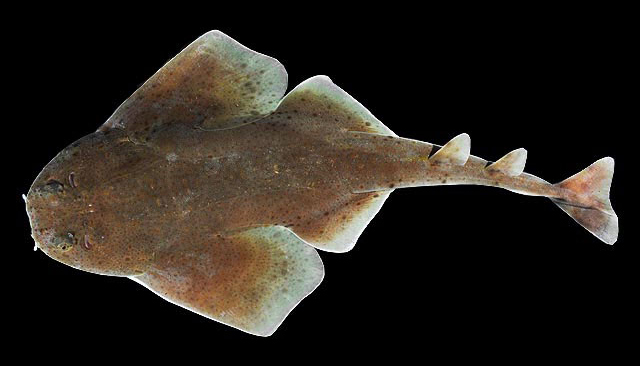
Order Squatiniformes
depressiform body shape, large pectoral fins, terminal mouth
Order Echinorhiniformes
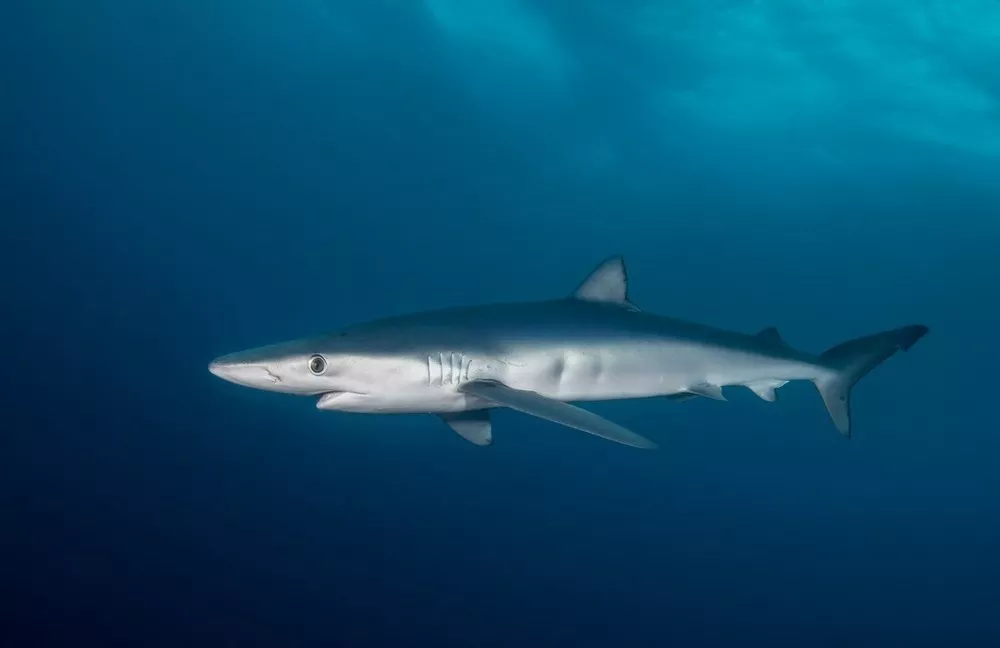
Order Carchariniformes
nictitating membrane, large mouth, lack spiracles
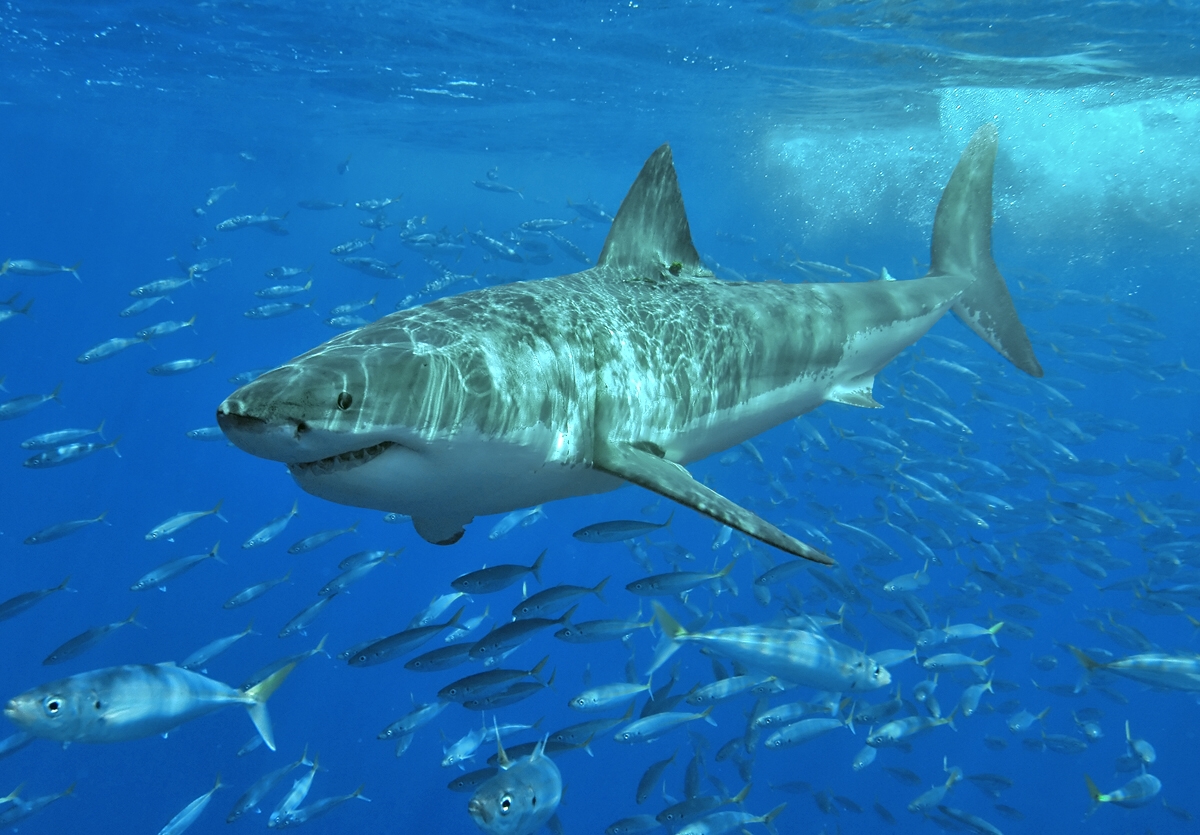
Order Lamniformes
large mouth, no nictitating membrane in eye, broad gill slits
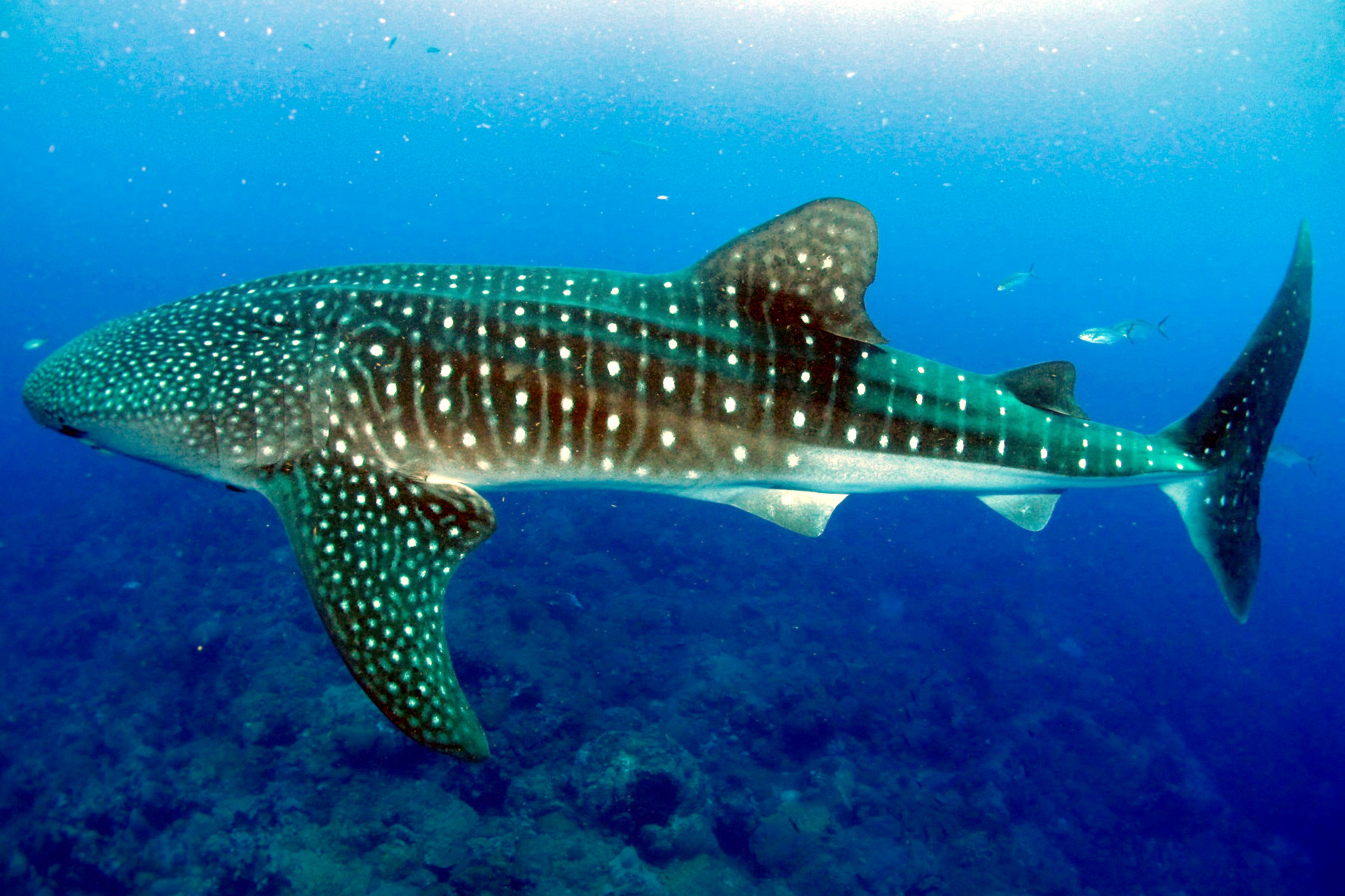
Order Orectolobiformes
mouth in front of eyes, naso-oral grooves and barbels
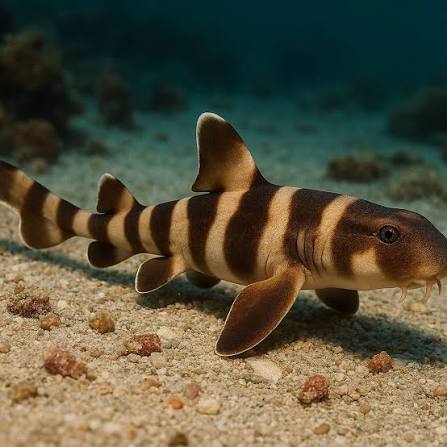
Order Heterodontiformes
2 dorsal fins with spines, crest above eye
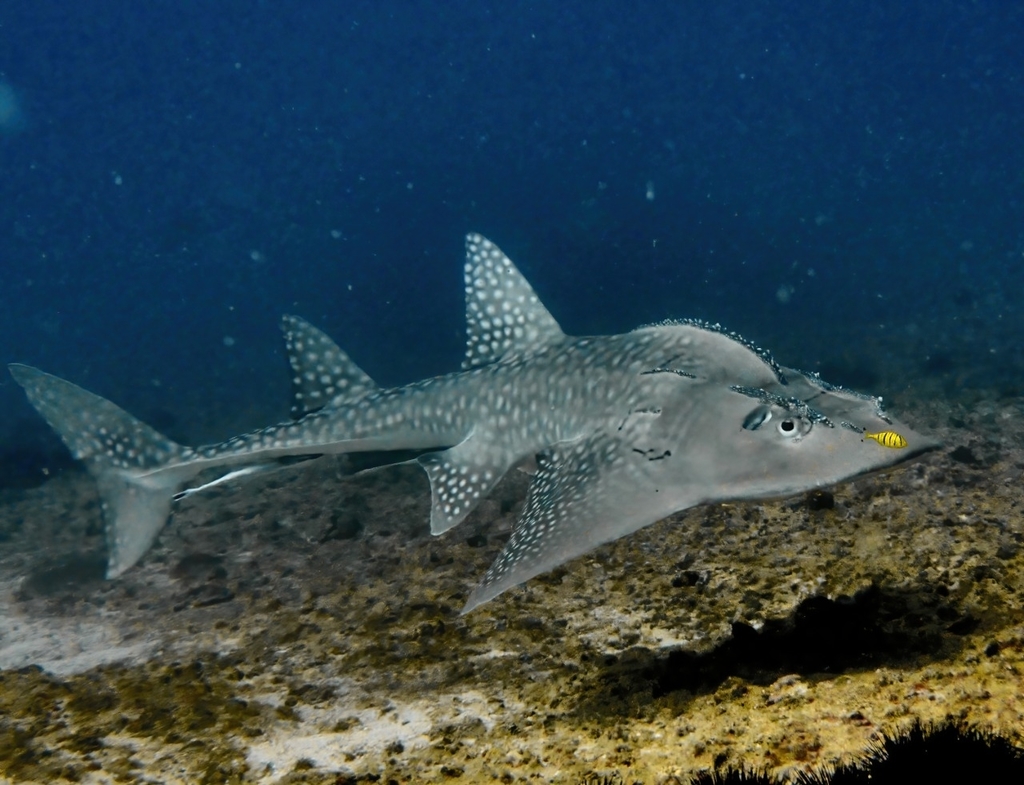
Order Rhinopristiformes
body between shark and skate, 2 dorsal fins, caudal fin well developed, lecithotropic vivarity
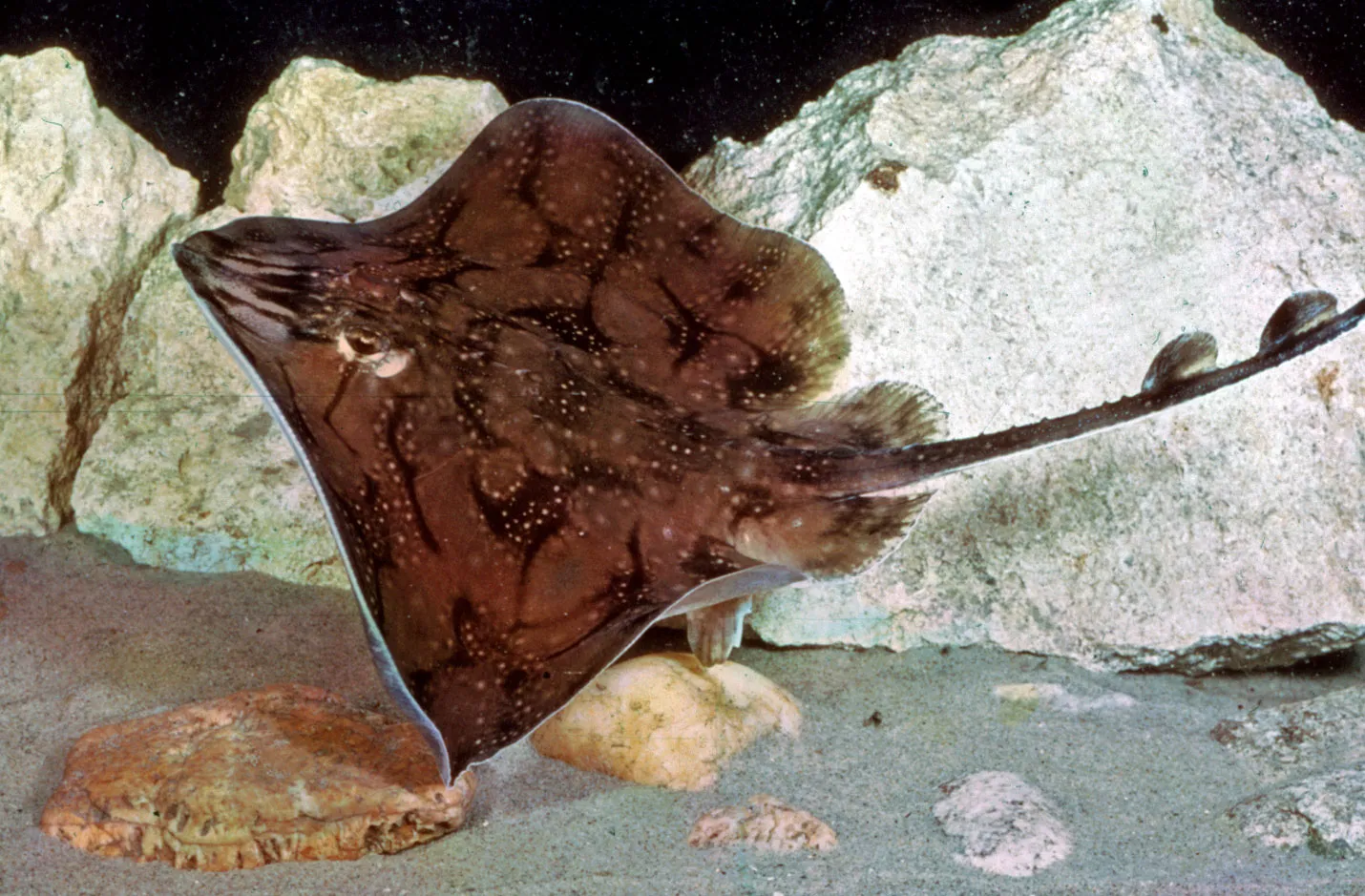
Order Rajiformes
tail slender without stinging spines, thorns or prickles on dorsal midlines, tail usually with two small dorsal fins near its tip
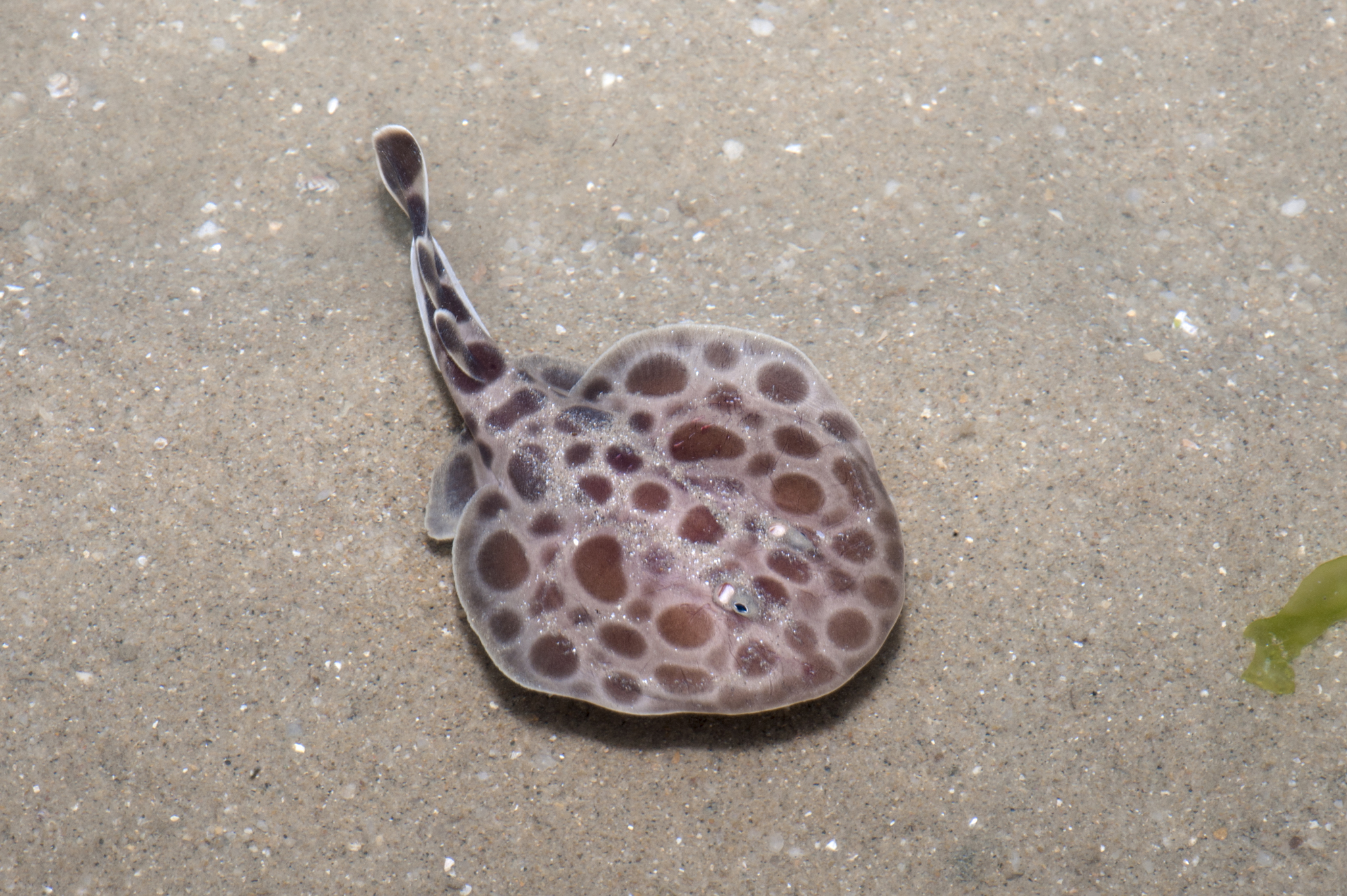
Order Torpediniformes
electric organ on pectorals, soft and loose skin, rounded disc
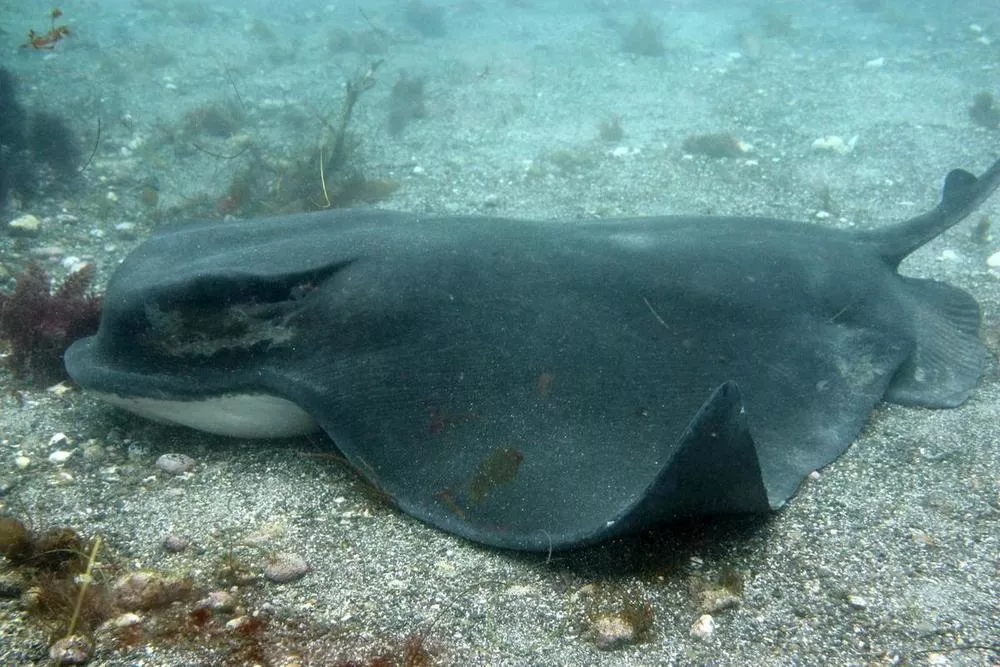
Order Myliobatiformes
whiplike tail with stinging serrated spine, tail usually without dorsal fins
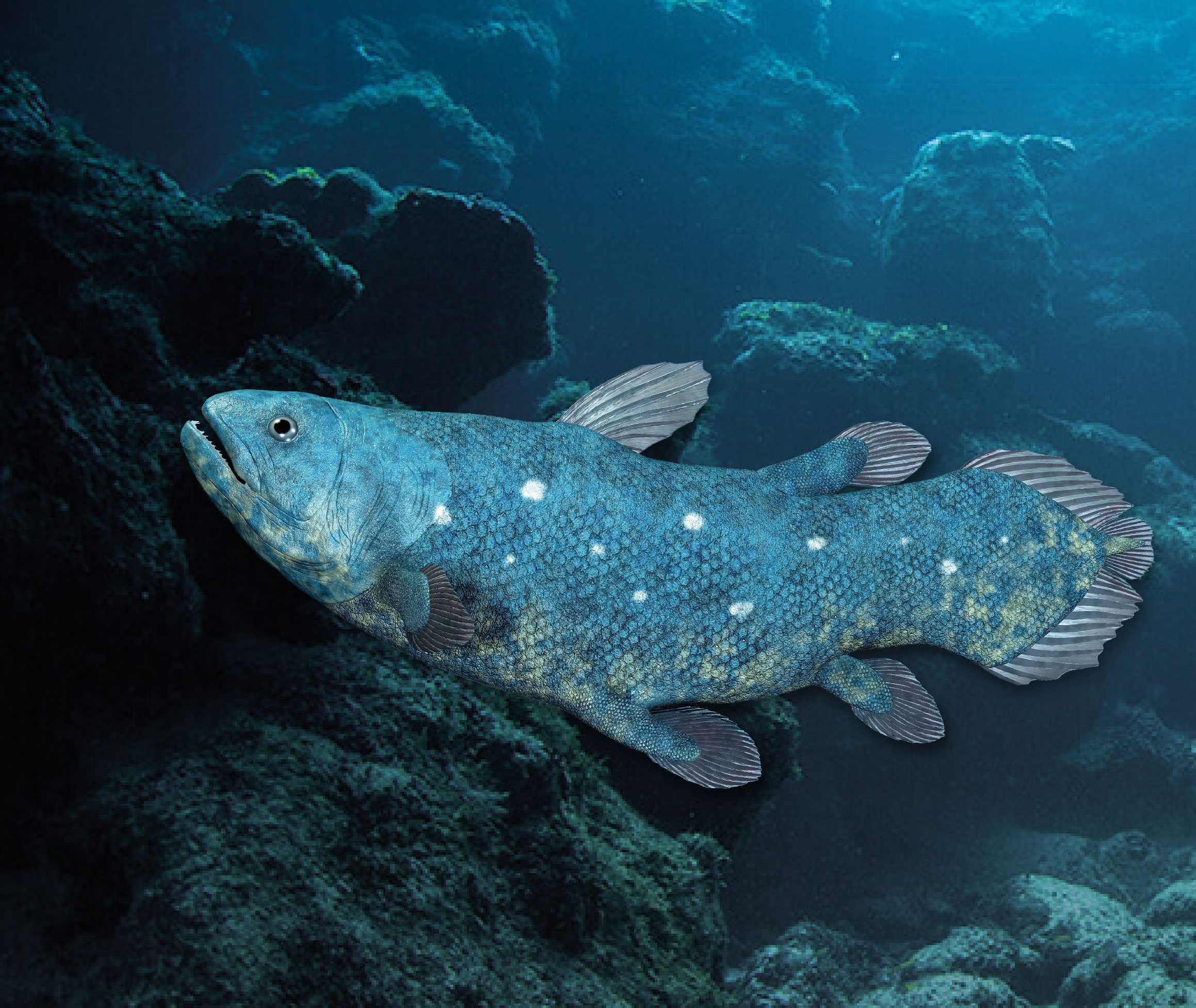
Order Coelacanthiformes
tri-lobed diphycercal tail, fat-filled gas bladder, has the largest ova of any fish and the longest gestation time of any bony fish
Order Ceratodontiformes
order with functional lungs, autostylic jaw, absent premaxilla and maxilla
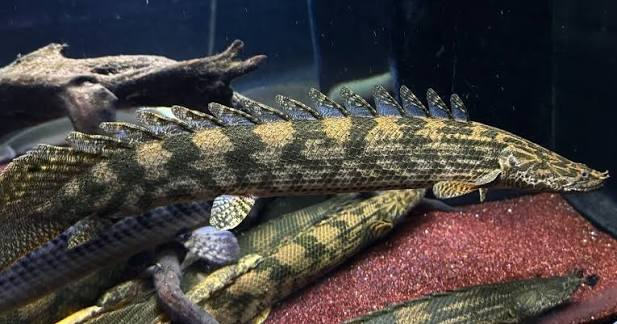
Order Polypteriformes
order with lobed pectoral fins, lungs, dorsal finlets, and ganoid scales
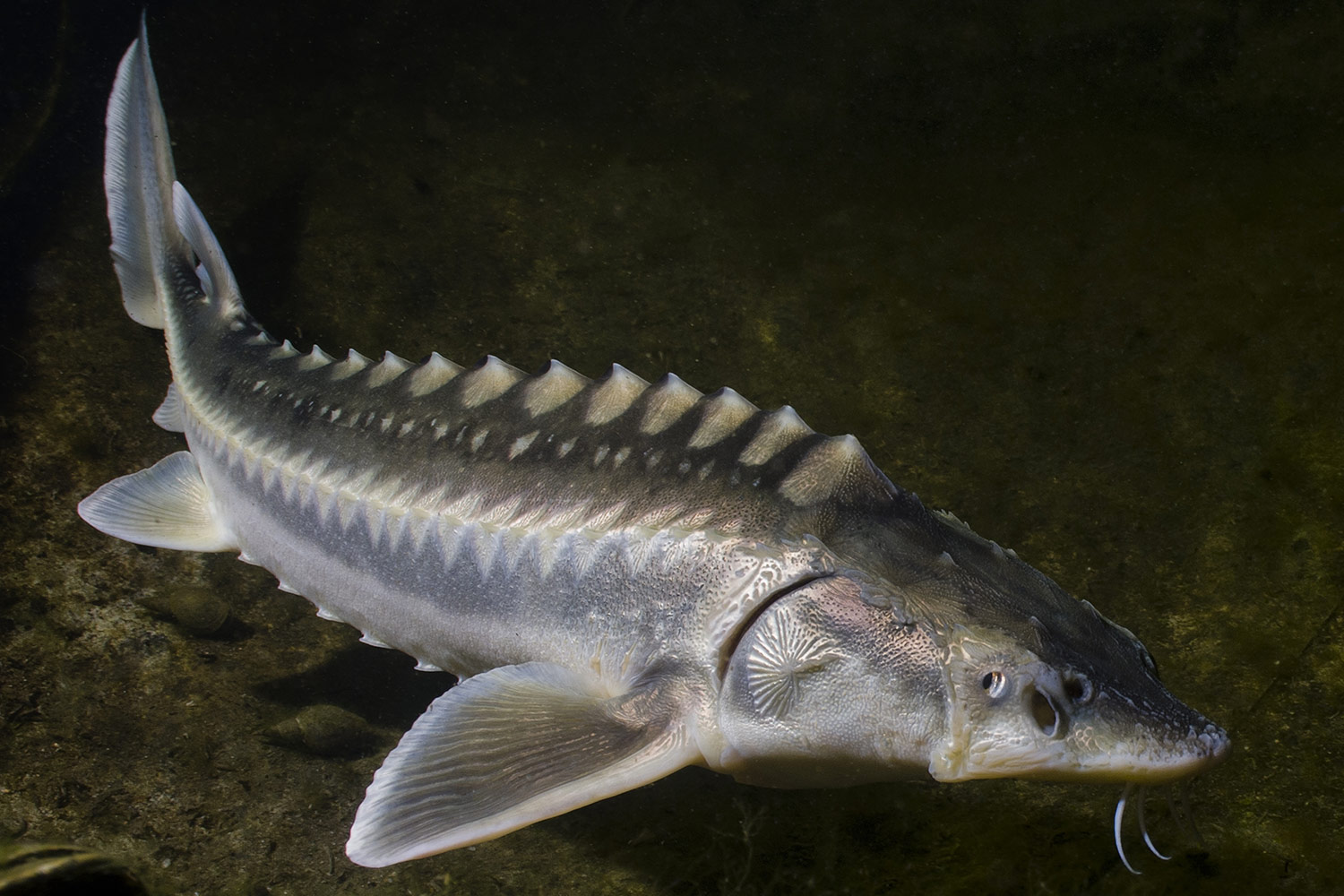
Order Acipenseriformes
order with cartilaginous skeleton, heterocercal tail, spiral valve intestine, endocranium with extensive rostrum
Class Chondrichthyes
cartilaginous, ceratotrichia, placoid scales, males with claspers, rectal gland excretes salts
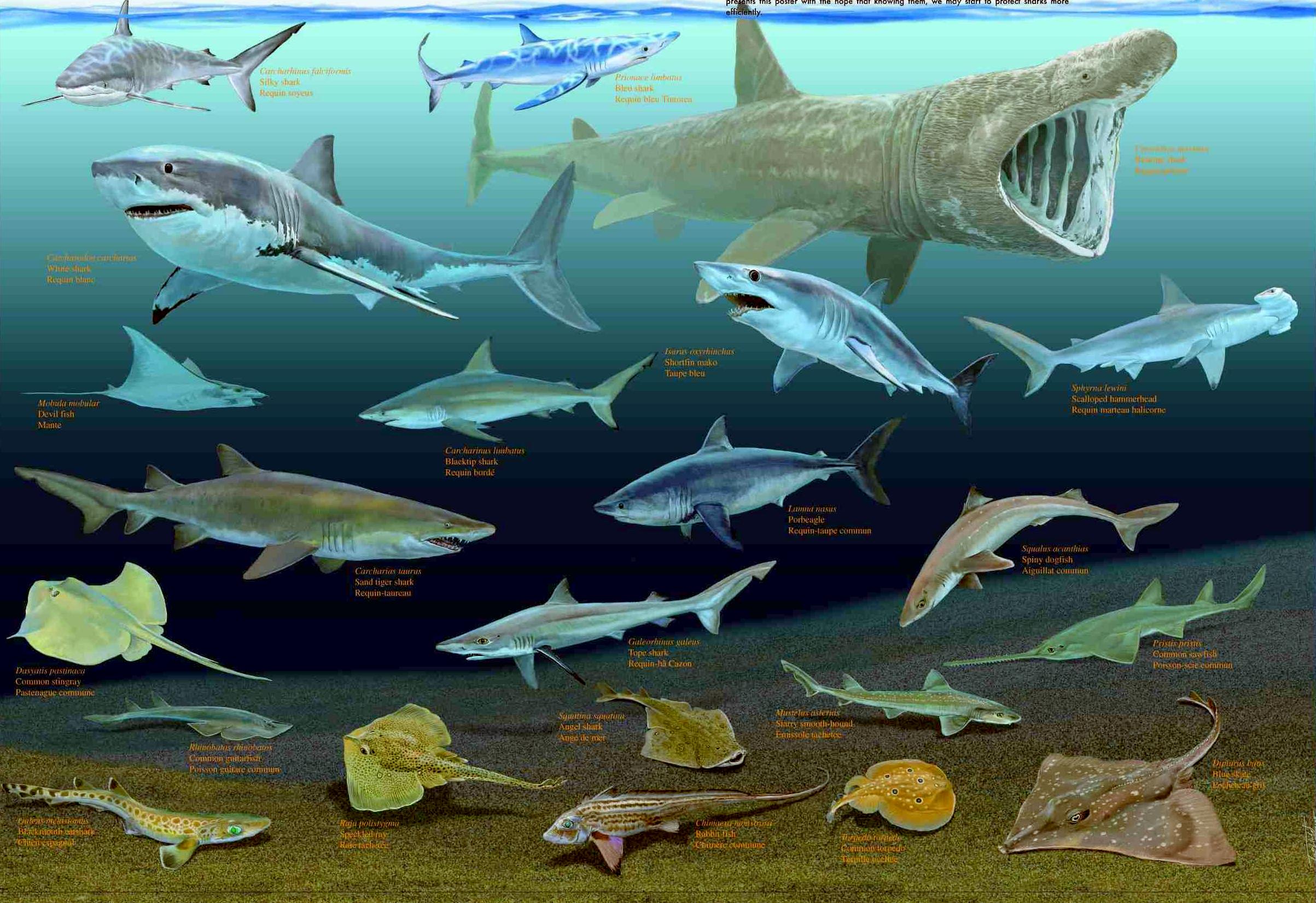
Infraclass Elasmobranchii
5-7 gill openings, jaw not fused to neurocranium, spiracles usually present
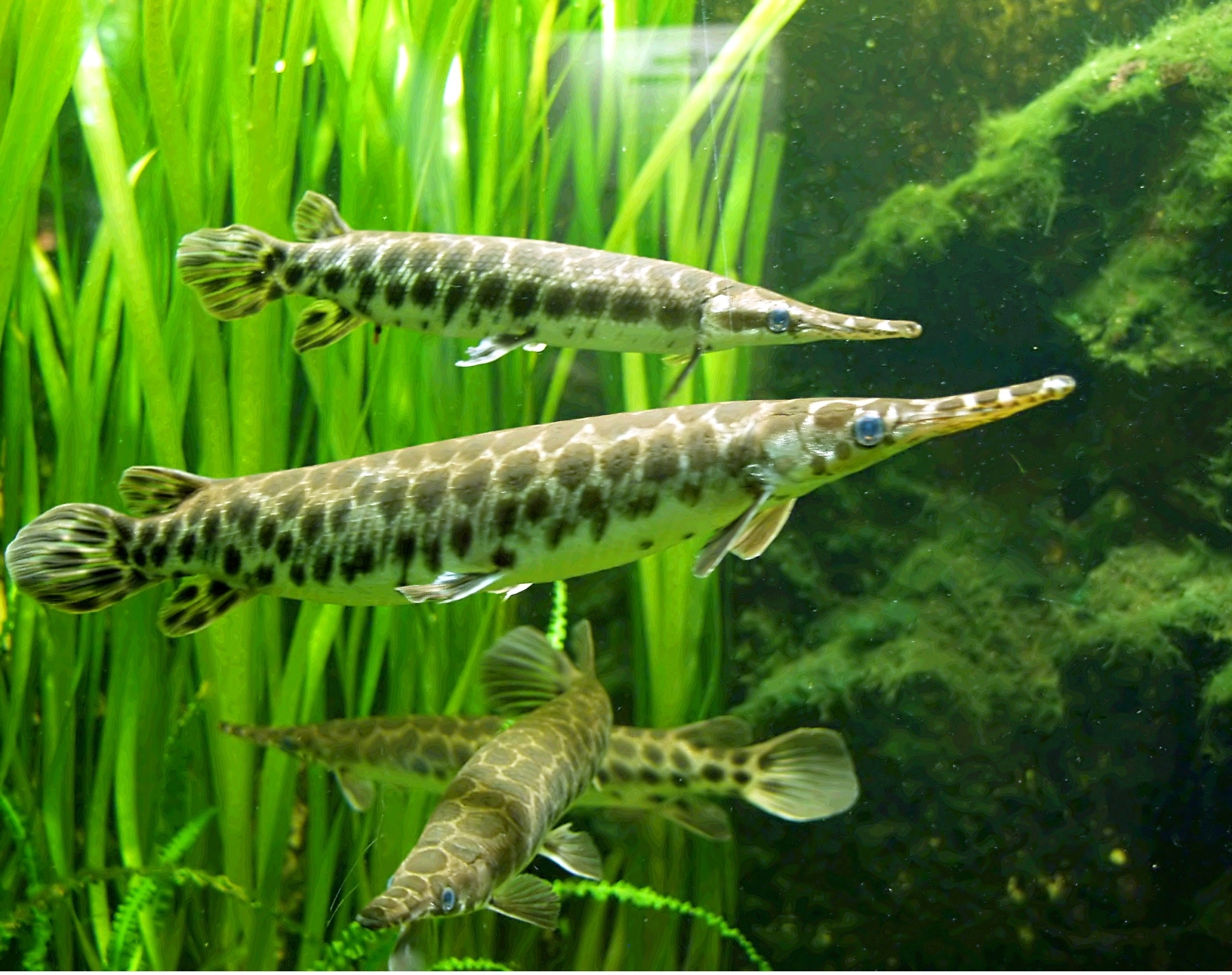
Order Lepisosteiformes
opisthocoelous vertebrae, ganoid scales, abbreviated heterocercal tail
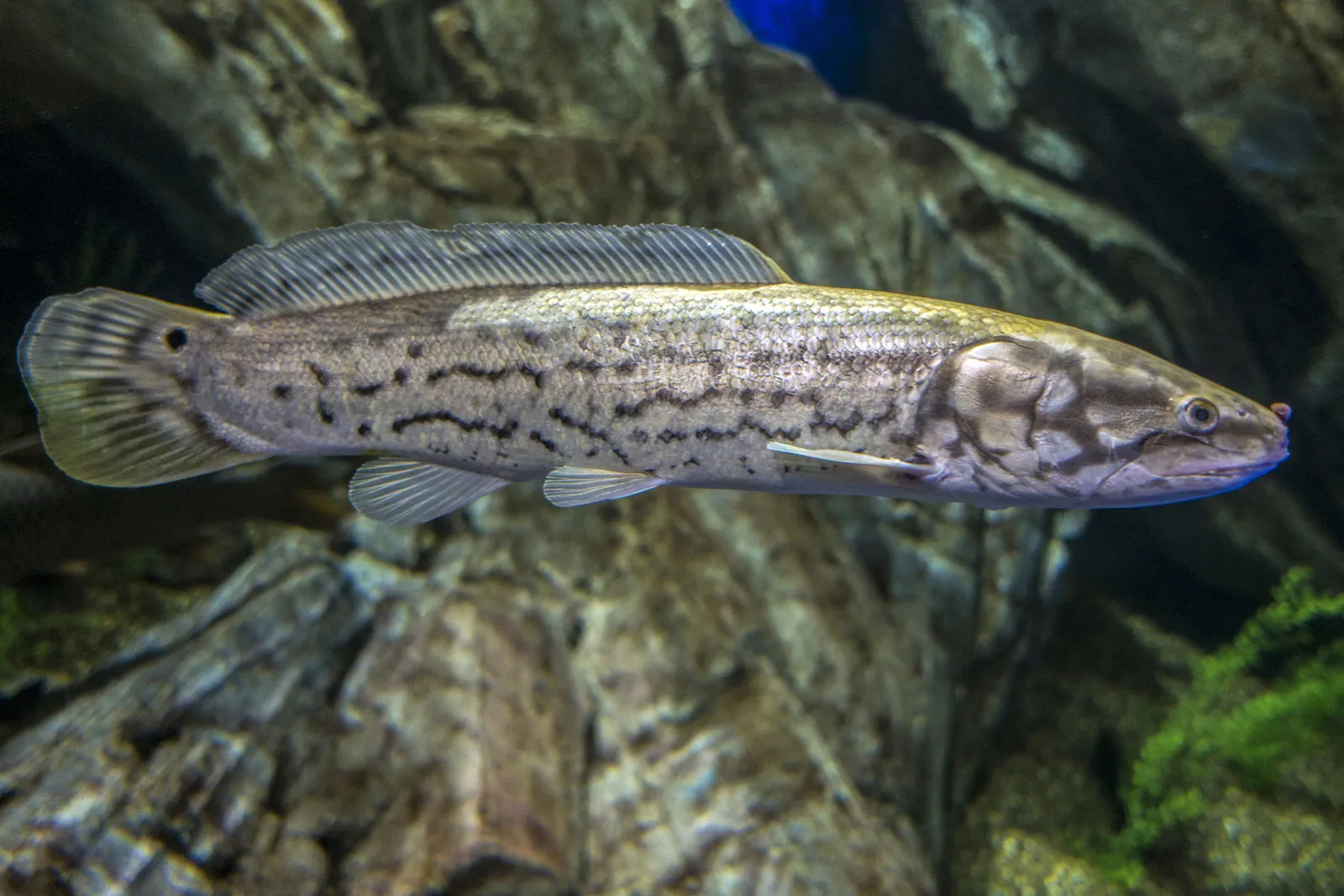
Order Amiiformes
abbreviated heterocercal tail, large median gular plate, ocellus in males
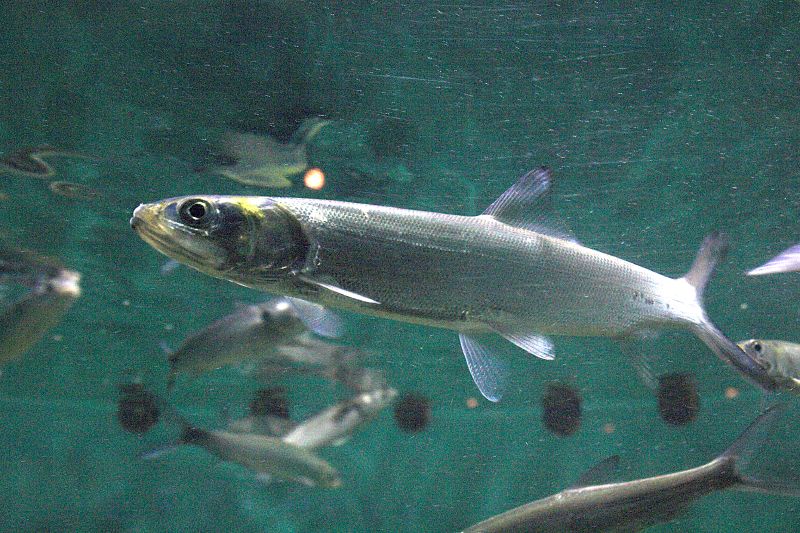
Order Elopiformes
gular plate, 25-35 branchiostegal rays, highly fecund, leptocephalus larvae with forked tail
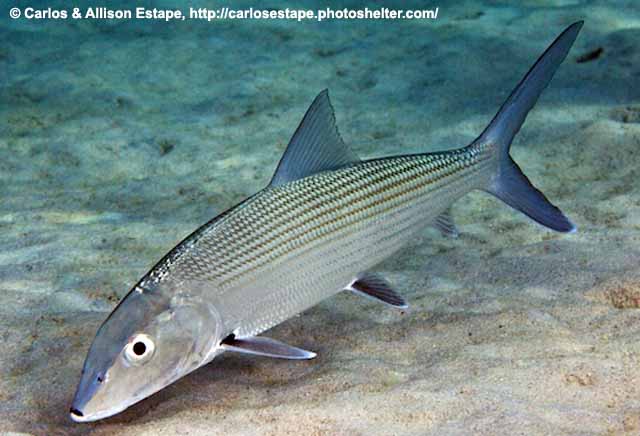
Order Albuliformes
gular plate, 6-15 branchiostegal rays, inferior mouth
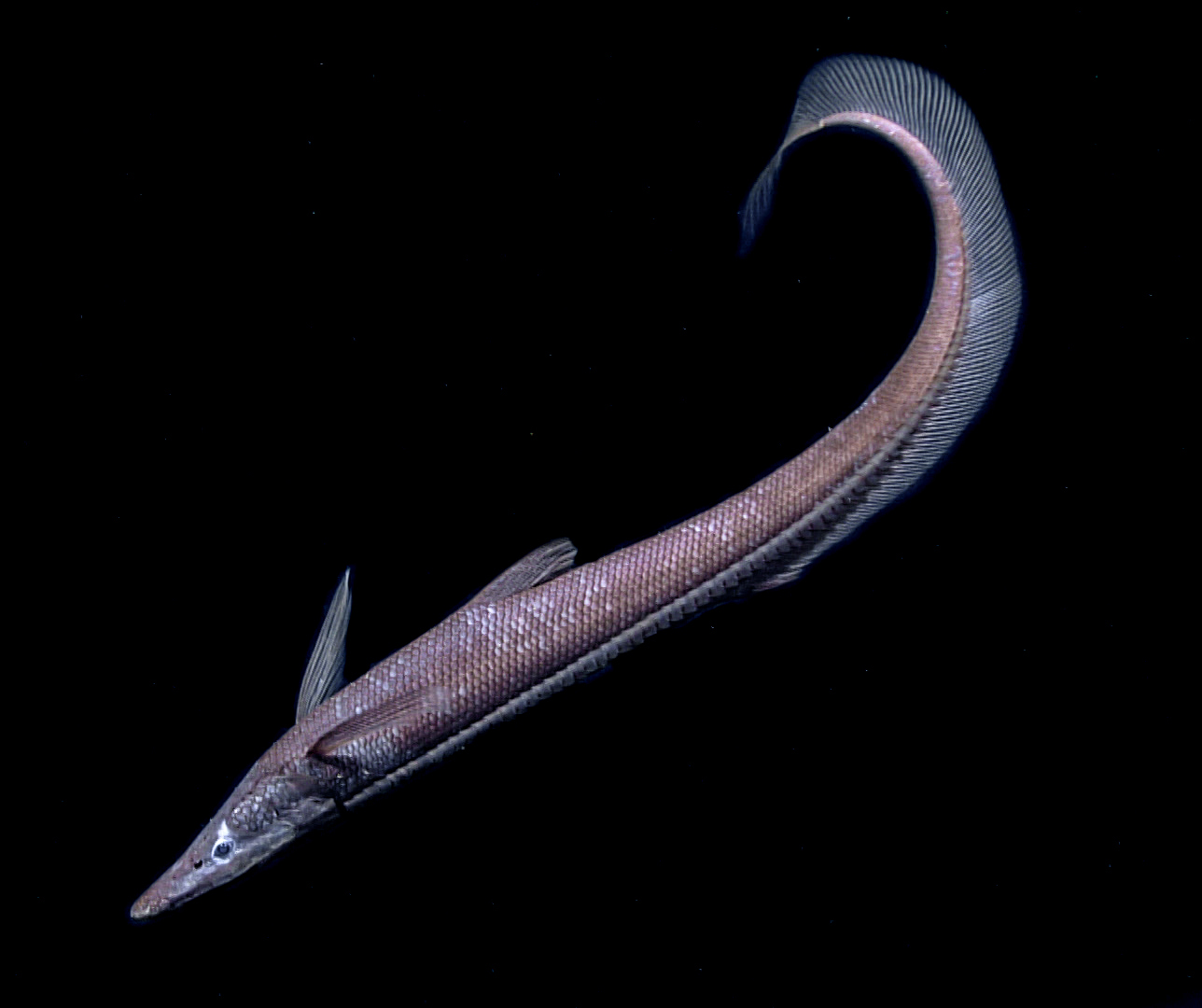
Order Notacanthiformes
large leptocephalus larvae (2m), long anal fin with numerous spines
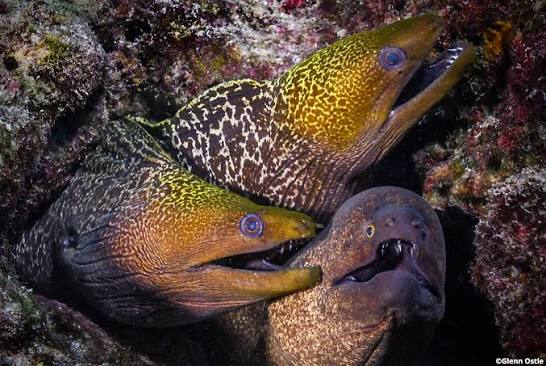
Order Anguilliformes
anguillliform body shape and swimming pattern, pelvic girdle and pelvic fins absent, narrow gill openings, lack gill rakers, scales usually absent
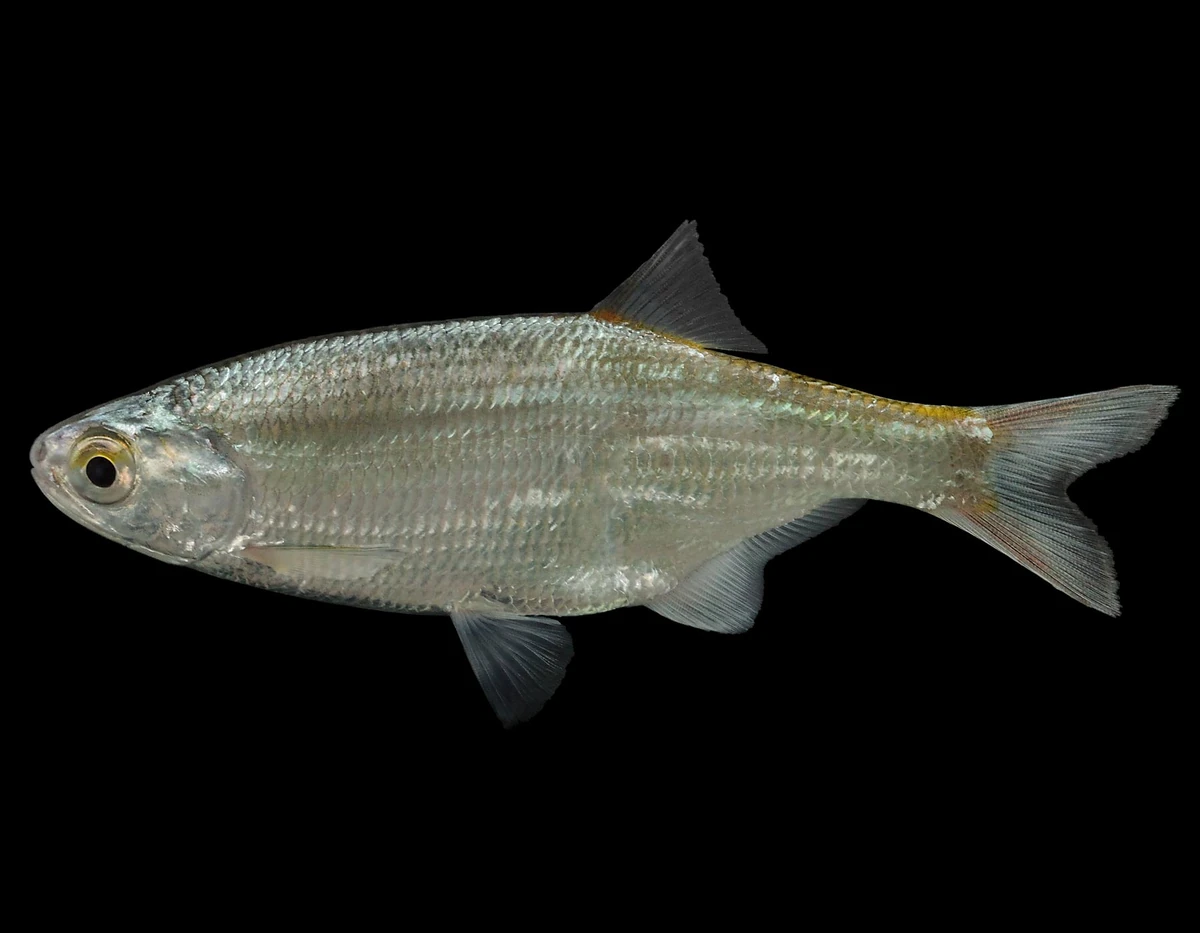
Order Hiodontiformes
freshwater found in North America, nasal bones are tubular and highly curved, opercle with recurved process
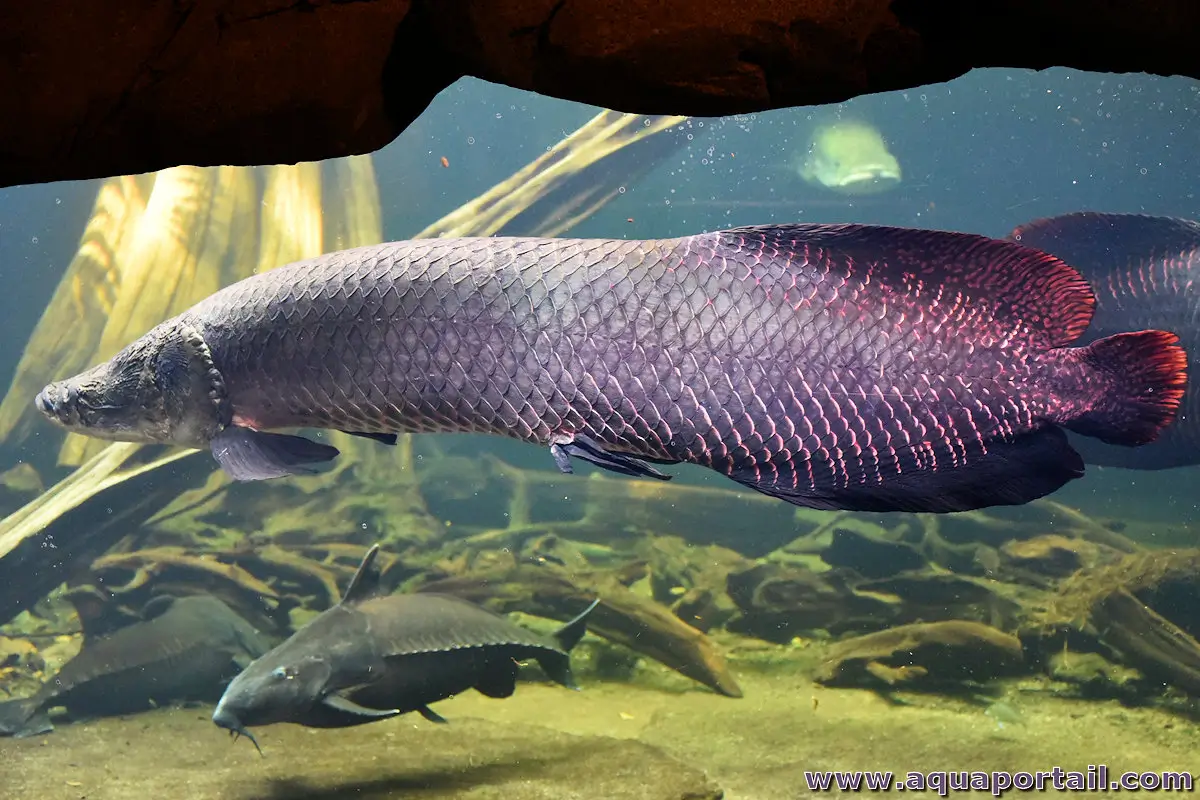
Order Osteoglossiformes
glossohyal plate bites against parasphenoid, premaxilla is fixed to the skull
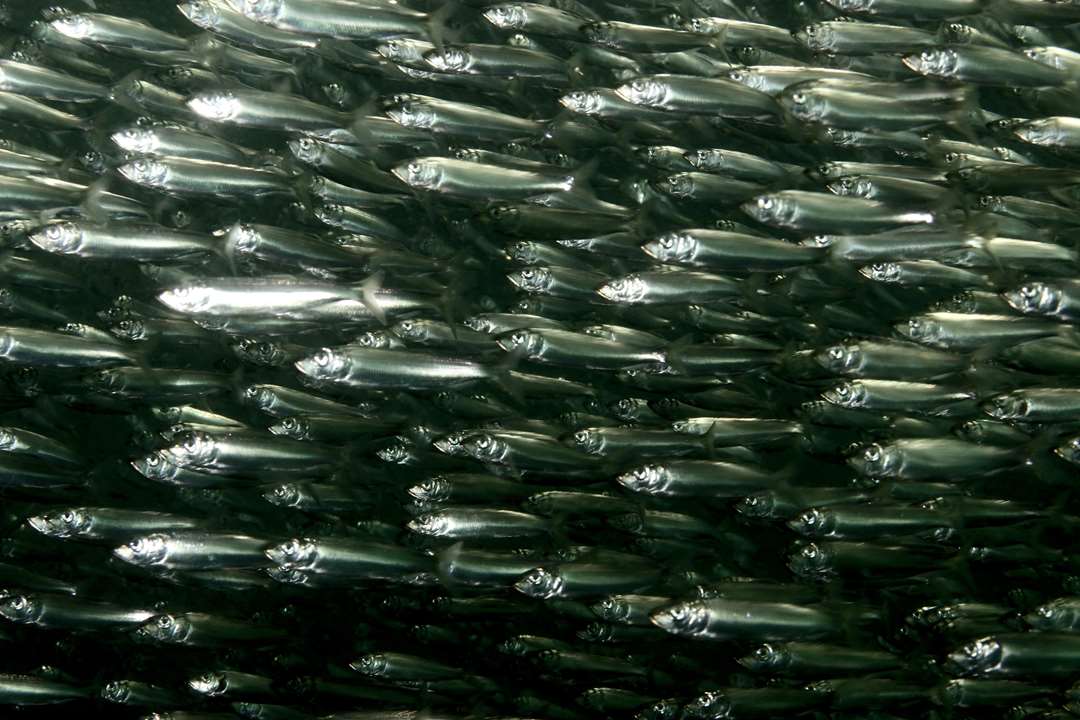
Order Clupeiformes
gas bladder is connected to ear by bullae, keel-like bellies made of scutes, most are plankton feeders, most abundant fish in the world
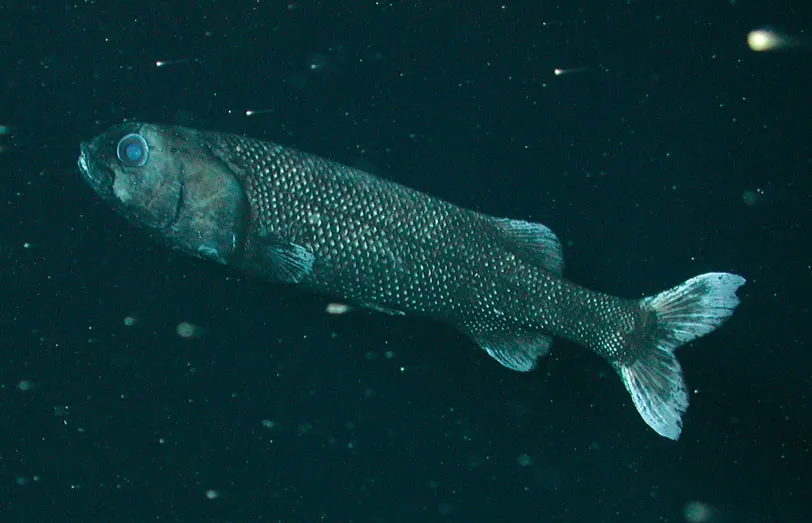
Order Alepocephaliformes
crumenal organ, last 2 rakers interdigitate, dorsal fin well posterior, no adipose fin or gas bladder despite being in Otocephala
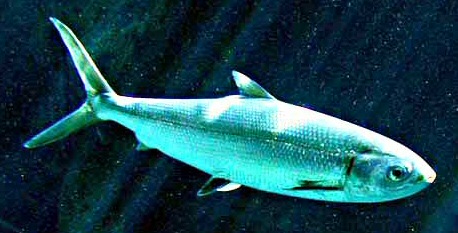
Order Gonorynchiformes
primitive weberian apparatus, suprabranchial organ
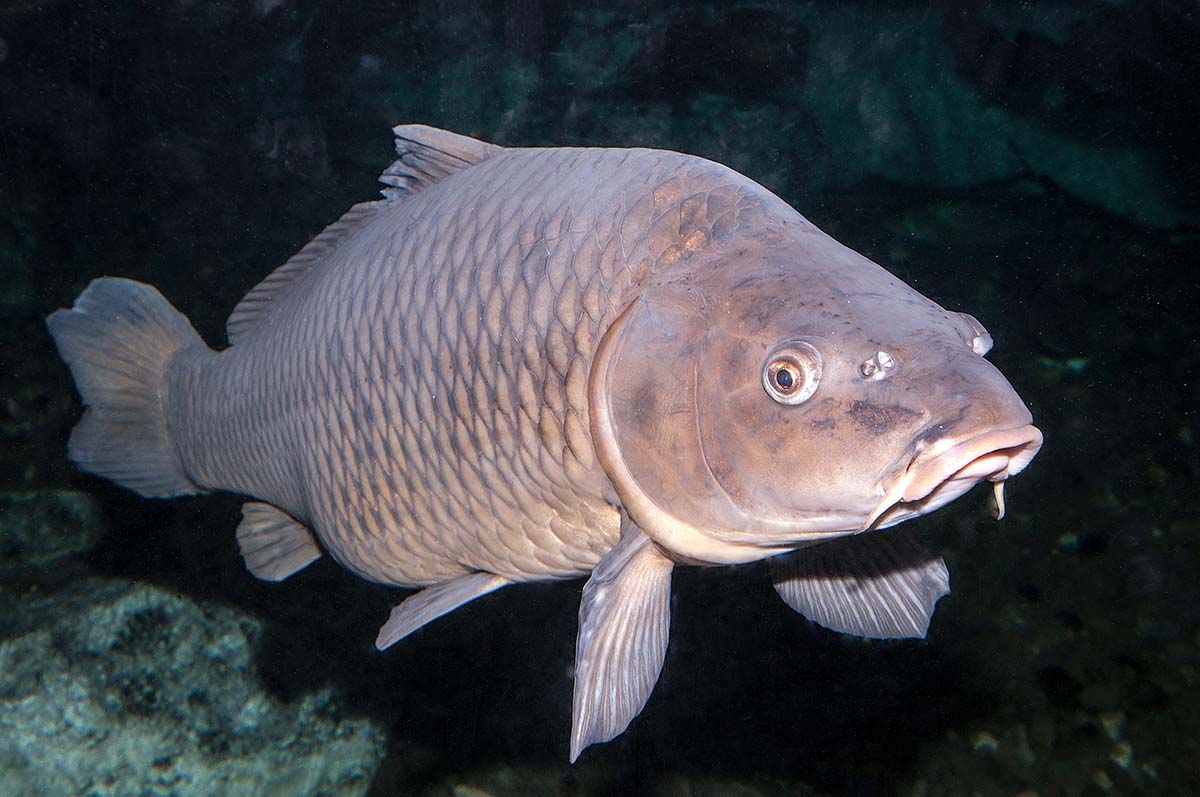
Order Cypriniformes
freshwater, lack teeth on oral jaw, protrusible upper jaw, kinethmoid bone, no adipose fin, absent in Australia and South America, largest order of fish
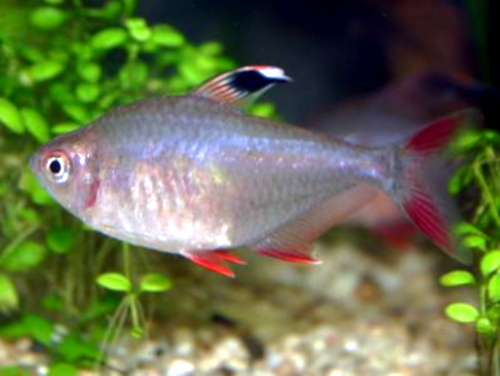
Order Characiformes
adipose fin, nonprotrusible upper jaw, jaw teeth present, body scaled, freshwater and found in Africa and Americas
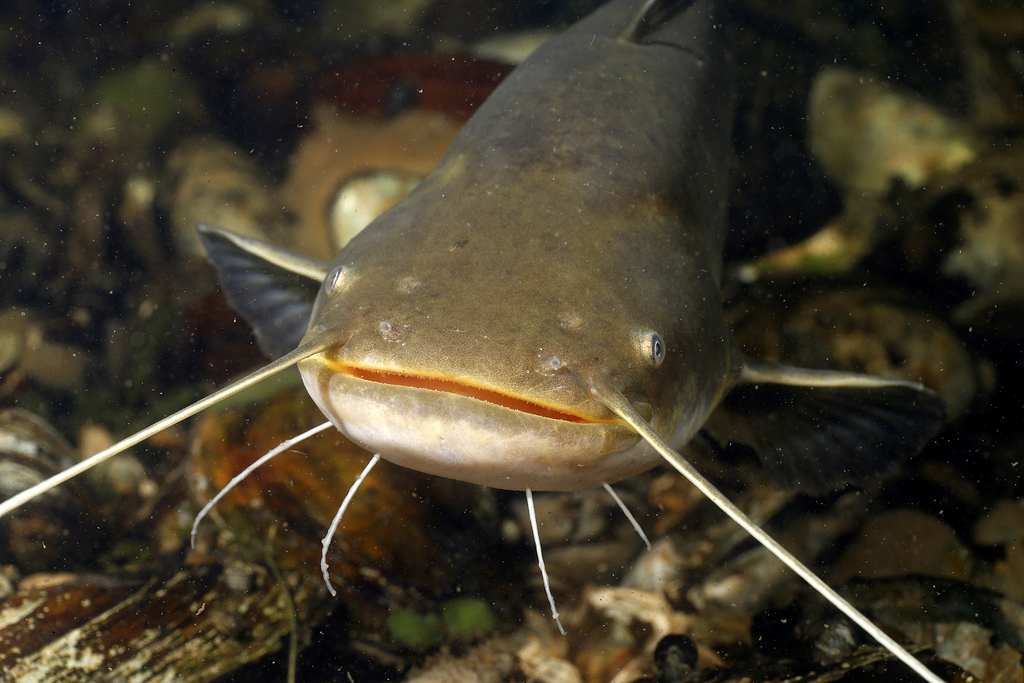
Order Siluriformes
adipose fin, barbels, no scales, spine-like rays, fusion of skull bones, intermuscular bones absent
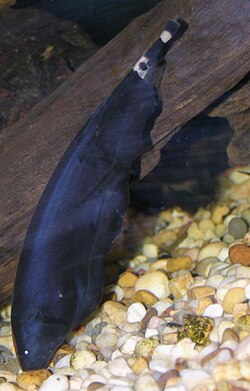
Order Gymnotiformes
electrolocation, no dorsal or pelvic fins, long undulatory anal fin
Neoteleostei
unranked grouping, retractor dorsalis muscle (upper pharyngeal teeth can be pulled back) and tripartite occipital condyle (first vertebra moves with 3 bones of skull)
Superorder Acanthomorpha
spiny ray finned fishes, most members have true spines in dorsal, anal and pelvic fins, 60% of known teleosts and 1/3 of vertebrate species
 Note
Note  Flashcards (327)