The Nucleus - (Organic/Nuclear Chemistry)
 Studied by 0 people
 Call Kai
 Learn
Learn Practice Test
 Spaced Repetition
 Match
Match Flashcards
 Knowt Play
1/24

There's no tags or description
Looks like no tags are added yet.
Name | Mastery | Learn | Test | Matching | Spaced | Call with Kai |
|---|
No analytics yet
Send a link to your students to track their progress
25 Terms
Nucleons
Atomic nuclei are made of protons and neutrons
Nuclide
An atom, identified by the number of protons and neutrons in its nucleus
Superscript
The mass number
Subscript
The atomic number
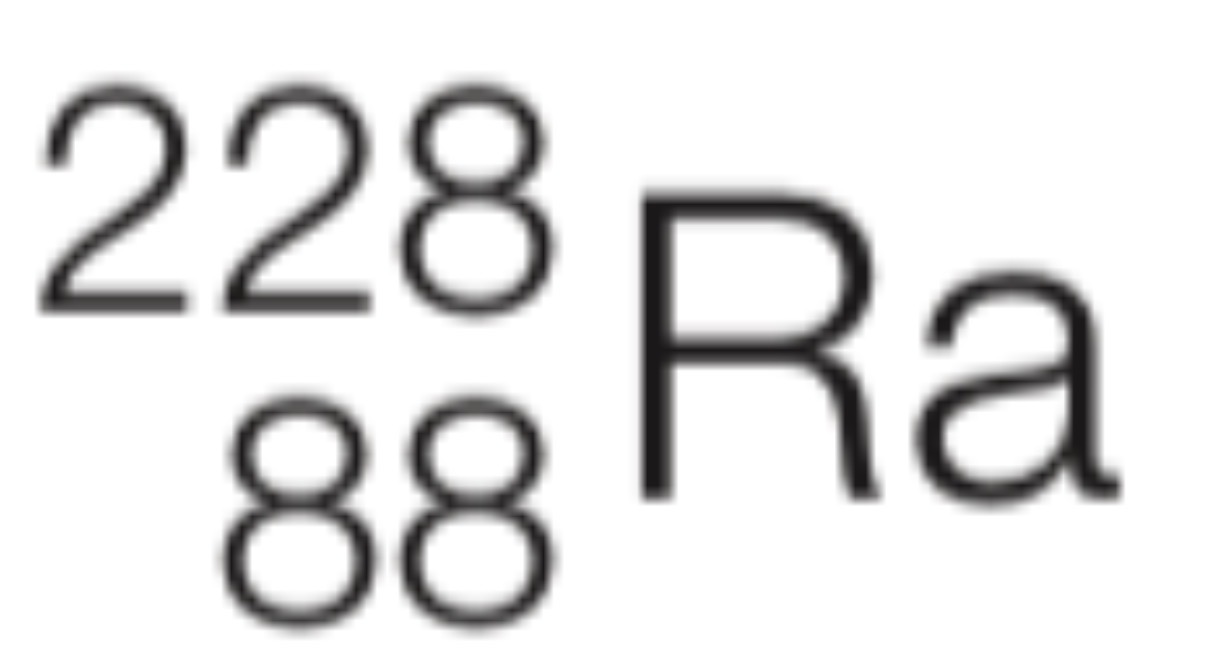
The mass number in
228
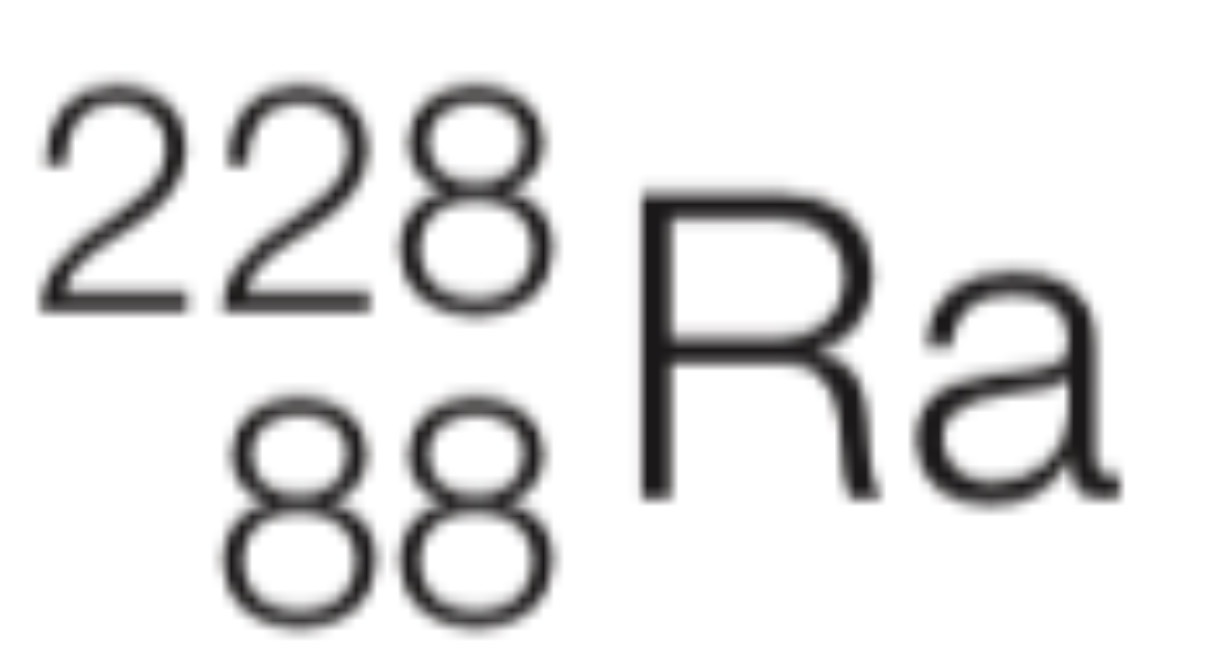
The atomic number in
88
Mass defect
The difference between the mass of an atom and the sum of the masses of its particles
Nuclear binding energy
The energy released when a nucleus is formed from nucleons
E = mc²
Mass can be converted to energy, and energy to mass
Mass defect cause
Caused by the conversion of mass to energy upon formation of the nucleus
Binding energy per nucleon
The binding energy of the nucleus divided by its number of nucleons
Binding energy per nucleons usage
To compare the stability of different nuclides
The higher the binding energy per nucleon,
The more tightly the nucleons are held together
Greatest binding energies per nucleon (most stable)
Elements with intermediate atomic masses
Band of stability
The stable nuclei cluster over a range of neutron-proton ratios
As the number of protons increases,
The ration increases from 1:1 to 1.5:1
Stable nuclei
René to have even numbers of nucleons
The stability of a nucleus is greatest when,
The nucleons (like electrons) are paired
The most stable nuclides
Those having 2, 8, 20, 28, 50, 82, or 126 protons, neutrons, or total nucleons
Nuclear shell model
Nucleons exist in different energy levels, or shells, in the nucleus
Magic numbers
The number of nucleons that represent completed nuclear energy levels (2, 8, 20, 28, 50, 82, and 126
The nuclear shell model suggests
That there might be an ‘island of stability’ for elements that lie beyond uranium in the periodic table
Nuclear reaction
A reaction that affects the nucleus of an atom
The total of the atomic numbers and the total of the mass numbers
Just be equal on both sides of the equation
Transmutation
A change in the identity of a nucleus as a result of a change in the number of its protons
 Note
Note  Flashcards (53)