Princeton Review AP Environmental Science Chapter 9
 Studied by 1 person
 Call with Kai
 Learn
Learn Practice Test
 Spaced Repetition
 Match
Match Flashcards
 Knowt Play
1/104

There's no tags or description
Looks like no tags are added yet.
Name | Mastery | Learn | Test | Matching | Spaced | Call with Kai |
|---|
No analytics yet
Send a link to your students to track their progress
105 Terms
toxin
any substance that, when inhaled, ingested, or absorbed at sufficient dosages, damages a living organism
toxicity
the degree to which a toxin is biologically harmful
dose-response analysis
a process in which organisms are exposed to a toxin at different concentrations, and the dosage that causes the death of the organism is recorded
dose-response curve
the resulting curve of a dose-response analysis
LD50
the dosage of a toxin it takes to kill 50% of the test animals
poison
any substance that has an LD50 of 50 mg or less per kg of body weight.
ED50
the point at which 50% of the test organisms show a negative effect from the toxin
threshold dose
the dosage at which a negative effect occurs
acute effect
an effect caused by a short exposure to a high level of a toxin (ex. snakebite)
chronic effect
an effect caused by long-term exposure to low levels of toxin (ex. lead paint in a house)
infection
the result of a pathogen invading the body
disease
occurs when an infection causes a change in the state of health
pathogens
bacteria, viruses, or other microorganisms that can cause disease; five main categories: viruses, bacteria, fungi, protozoa, and parasitic worms
vector
a carrier organism through which pathogens can be spread
risk
the degree of likelihood that a person will become ill after exposure to toxin or pathogen
risk assessment
calculating risk
risk management
using strategies to reduce the amount of risk
primary pollutants
pollutants that are released directly into the lower atmosphere (troposphere) and are toxic (ex. carbon monoxide, carbon dioxide, nitrogen oxide, nitrogen dioxide, sulfur dioxide, unburned hydrocarbons, VOCs, etc.)
secondary pollutants
pollutants that are formed by the combination of primary pollutants in the atmosphere (ex. sulfur trioxide, nitric acid, sulfuric acid, hydrogen peroxide, ozone, PANs, aldehydes, etc.)
sulfur oxides (SOx)
source: coal burning
effects: acid deposition, respiratory irritation, damages plants
equation for acid formation: SO2 + O2 = SO3 + H2O = H2SO4
reduction: scrubbers, burn low sulfur fuel
stationary sources
non-moving sources of pollution, such as factories.
moving sources
pollution sources that are mobile, such as cars
point source pollution
describes a specific location from which pollution is released (ex. a factory or a site where wood is being burned)
non-point source pollution
pollution that does not have a specific point of release (ex. a combination of many sources, like a number of cows releasing methane gas within few square miles)
criteria pollutants
the six pollutants that were classified as doing the most harm to human health and welfare; carbon monoxide (CO), lead (Pb), ozone (O3), nitrogen dioxide (NO2), sulfur dioxide (SO2), and particulate matter
main greenhouse gases
carbon dioxide, methane, nitrous oxide, water vapor, ozone, and CFCs
stratospheric ozone
ozone occurring in the stratosphere, which absorbs UV light from the Sun and therefore protects life on our planet
tropospheric ozone
ozone occurring in the troposphere, which is a result of air pollution; it is a powerful respiratory irritant and precursor to secondary air pollutants; it results from the interaction of nitrogen oxides, heat, sunlight, and VOCs; forms smog
nitrogen oxides (NOx)
source: auto exhaust
effects: acidification of lakes, respiratory irritation, leads to smog & ozone
equation for acid formation: NO + O2 = NO2 + H2O = HNO3
reduction: catalytic converter
industrial smog (gray smog) (gray-air smog)
the smog that covered London throughout the 19th century, and well into the 20th century; results from the burning of large amounts of low-quality coal
photochemical smog (brown smog)
usually formed on hot, sunny days in urban areas, in which NOx compounds, VOCs, and ozone all combine to form smog with a brownish hue (ex. in Los Angeles, California and in Athens, Greece)
chlorofluorocarbons (CFCs)
a family of organic compounds whose properties make them ideal for use in refrigeration and air-conditioning but resulted in the thinning of the ozone layer during their time of use
ozone loss
greatest in the spring as the chlorine breaks down ozone into O2
acid precipitation
whether in the form of acid rain, hail, snow, etc., occurs as a result of pollution in the atmosphere, primarily os SO2 and nitrogen oxides; these gases combine with water to form acids (typically nitric acid and sulfuric acid) that are deposited on the Earth through precipitation
dry acid particle deposition
acid precipitation in the form of gases and particles, usually occurring two to three days after emission into the atmosphere
wet deposition
acid deposition in the form of rain or snow that is usually delayed for four to fourteen days after emission; it can travel in air currents to locations that are many miles downward of the emission source
National Ambient Air Quality Standards (NAAQS)
amendment of the EPA's Clean Air Act which specifies concentration limits for pollutants and requires localities to improve air qualities to meet these limits
catalytic converter
a platinum-coated device that oxidizes most of the VOCs and some of the CO that would otherwise be emitted in exhaust, converting them to CO2
Corporate Average Fuel Economy (CAFE)
requires vehicle manufacturers to comply with the gas mileage, or fuel economy, standards set by the Department of Transportation (DOT); CAFE values are obtained using the city and highway fuel economy test results and a weighted average of vehicle sales
grassroots organizations
locally based groups that work to develop and improve the community
material used for fuel (ex. dung, wood, and crop waste)
main indoor air pollutants in developing countries
VOCs, CO, tobacco smoke, and radon
main indoor pollutants in developed countries
volatile organic compounds (VOCs)
organic compounds that become vapors at typical atmospheric temperatures; found in carpet, furniture, plastic, oils, paints, adhesives, pesticides, and cleaning fluid
sick building syndrome (SBS)
a term that is used when the majority of a building's occupants experience certain symptoms that vary with the amount of time spent in the building and for which no other cause can be identified
building-related illness
condition in which the signs and symptoms of a human sickness can be attributed to a specific infectious organism that resides in the building (ex. Legionella pneumophila)
anthropogenic greenhouse gas
a greenhouse gas produced by human activity- main sources include burning of fossil fuels, deforestation, enteric fermentation, rice farming, use of fertilizers, and use of chlorofluorocarbons and halons (three main anthropogenic greenhouse gases are carbon dioxide, methane, and nitrous oxide)
carbon sequestration
the process of capturing and storing atmospheric carbon dioxide
Kyoto Protocol
controlling global warming by setting greenhouse gas emissions targets for developed countries
heat islands
urban areas that heat up more quickly and retain heat more than do nonurban areas
2 ways to reduce thermal difference between urban and rural areas for urban populations
1.) replacing dark, heat-absorbing surfaces (such as roofs) with light-colored, heat-reflecting surfaces
2.) planting trees and adding to green spaces, which cool areas via transpiration process, shade areas, and decrease urban runoff
thermal pollution
a temperature increase in a body of water that is caused by human activity and that has a harmful effect on water quality and on the ability of that body of water to support life
thermal expansion
an increase in the size of a substance in response to an increase in the temperature of the substance
green roof
roof covered in vegetation - helps combat heat-island effect
temperature inversion
a phenomenon in which air pollutants become trapped over cities because they are not able to rise into the atmosphere
normal atmosphere: warm, polluted air over a city rises into the cooler atmosphere
inversion: the air above the city is warm and blocks the polluted air from rising
excess nutrients
runoff from land that can create eutrophication in a body of water and dead zones
dead zones
areas with little oxygen and little life; can be self-perpetuating with the dying organisms subsequently decomposing and causing continued oxygen demand by microbes
eutrophication
a process by which nutrients, particularly phosphorus and nitrogen, become highly concentrated in a body of water, leading to increased growth of organisms such as algae or cyanobacteria
hypoxic zone
an area in which the water contains low or no dissolved oxygen causing a condition known as hypoxia; nothing that depends on oxygen can survive there
pH
a measure of acidity or alkalinity (normal for water is 6-8)
hardness
a measure of the concentration of calcium and magnesium
dissolved oxygen
oxygen dissolved in water, dissolved oxygen is important for fish and other aquatic animals; low levels of dissolved oxygen indicate am inability to sustain life- warm water holds less dissolved oxygen than cool water
turbidity
cloudiness of water; the density of suspended particles in the water
biological oxygen demand (BOD)
a measure of the rate at which bacteria absorb oxygen from the water
wastewater
refers to any water that has been used by humans
physical treatment
in a sewage treatment plant, the initial filtration that is done to remove debris that were flushed down toilets, which is then sent to a landfill
primary treatment
in a sewage treatment plant, after physical treatment, the remaining water slows so that suspended soils settle out as sludge; chemically treated polymers may be added to help the suspended solids separate and settle out; removes about 60% of the suspended solids and 30% of the organic waste that requires oxygen in order to decompose
secondary treatment
in a sewage treatment plant, it refers to the biological treatment of wastewater in order to continue to remove biological waste; done by using trickling filters, or sludge processors- both include the use of anaerobic bacteria digesting waste
sludge processor
a tank filled with anaerobic bacteria that is used to treat sewage during secondary treatment
sludge
solid waste material from wastewater
gray water
wastewater from baths, showers, bathrooms, and washing machines
tertiary treatment
in a sewage treatment plant, it involves passing of the secondary treated water through a series of sand and carbon filters and then further chlorination in order to be used for groundwater recharge
Clean Water Act (1972)
used regulatory and non-regulatory tools to protect all surface waters in the United States
Ocean Dumping Act (1972)
made it unlawful for any person to dump, or transport or the purpose of dumping, sewage, sludge, or industrial waste into ocean waters
Safe Drinking Water Act (1974)
established a federal program to monitor and increase the safety of the drinking water supply; it does not apply to wells that supply fewer than 25 people; amendments in recent years have led to more stringent regulation of lead and algal toxins in drinking water
solid waste
can consist of hazardous waste, industrial solid material, or municipal solid waste (MSW)
primary recycling (closed-loop recycling)
materials such as plastic or aluminum are used to rebuild the same product (ex. recycling aluminum cans to produce more aluminum cans)
secondary recycling (open-loop recycling)
materials are reused to form new products that are usually lower quality goods (ex. old tires being recycled to form carpet and plastic bottles being recycled to create decking material)
composting
allows the organic material in solid waste be decomposed and reintroduced to the soil
Pay-As-You-Throw (PAYT) programs
programs that charge municipal customers for the amount of household garbage they throw away; provide a strong incentive for people practice good waste production habits
Not In My Backyard (NIMBY)
it was widely agreed that landfills were needed, but no one wanted a landfill close to their home
sanitary landfills
disposal sites for non-hazardous solid waste that is spread in layers and compacted to the smallest practical volume; the sites are typically designed with floors made of materials to treat seeping liquids (like clay and plastic liners) and are covered by soil as the wastes are compacted and deposited into the landfill to prevent the presence of pests and rodents/insects
leachate
polluted liquid produced by water passing through buried wastes in a landfill
Waste-to-Energy (WTE) program
when the energy released from waste incineration is used to generate electricity
the Resource Conservation and Recovery Act (RCRA) (1976)
controls hazardous waste with a cradle to grave system
corrosive waste
waste that corrodes metal (ex. batteries)
ignitable waste
substances that can easily catch fire (ex. alcohol and gasoline)
reactive waste
substances that are chemically unstable or react readily with other compounds, resulting in explosions or causing other problems (ex. lithium-sulfur batteries)
toxic waste
waste that creates health risks when inhaled or ingested, or when it comes into contact with skin (ex. batteries for electronic devices, pesticides, cell phones, and computers)
surface impoundment
type of hazardous waste storage that is typically used for liquid waste; it involves the creation of shallow, lined pools from which the hazardous liquid evaporates
deep well injection
type of hazardous waste storage that involves drilling a hole in the ground that is below the water table; these wells must be below the impervious soil layer into porous rock, and waste is injected into the well
nuclear waste burial
long-term storage method for spent fuel rods
transuranic waste
waste that is left over from the construction of nuclear weapons
low-level radioactive waste
radioactive wastes that produce low levels of ionizing radiation
high-level radioactive waste
radioactive wastes that produce high levels of ionizing radiation
its place of origin
how the EPA categorizes radioactive waste
brownfield sites
sites that were already contaminated by hazardous waste or pollutants
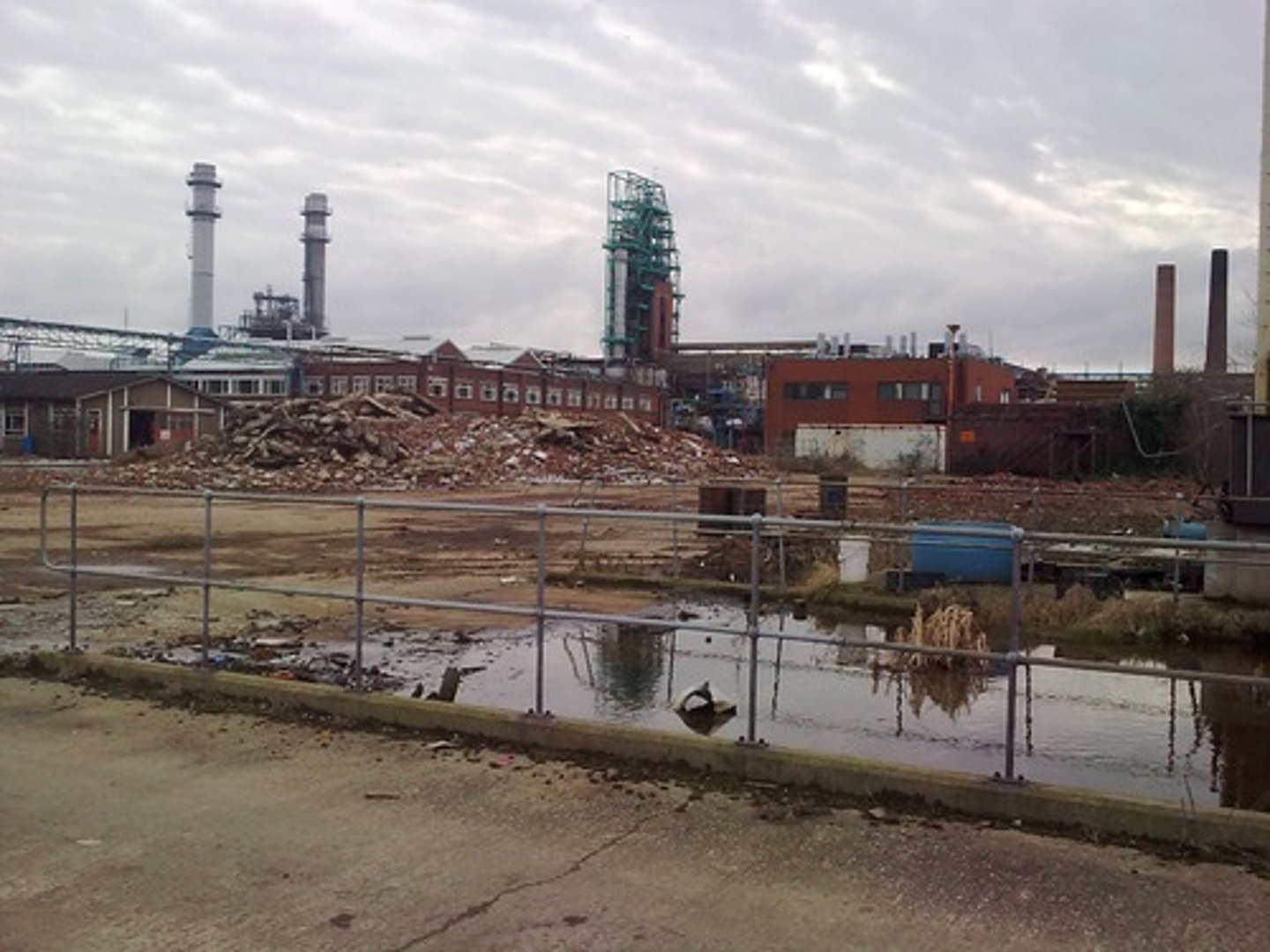
Love Canal
a neighborhood in Niagara Falls, New York, which became the subject of national and international attention, controversy, and eventual environmental notoriety following the discovery of 21,000 tons of toxic waste buried beneath the neighborhood; it was built upon a closed landfill
Hazardous Materials Transportation Act (1975)
governed the transportation of hazardous material and wastes in commerce
Toxic Substances Control Act (TOSCA) (1976)
gave the EPA the ability to track the 75,000 industrial chemicals currently produced in or imported to the United States; EPA repeatedly screens those chemicals and can require reporting or testing of those that may pose an environmental or human health hazard; allows the EPA to ban the manufacture and import of those chemicals that pose an unreasonable risk
the Comprehensive Environmental Response, Compensation, and Liability Act (CERCLA) (the Superfund Act) (1980)
-created a tax on the chemical and petroleum industries and provided broad federal authority to respond directly to releases or threatened releases of hazardous substances that may endanger public health or the environment
-established prohibitions and requirements concerning closed and abandoned hazardous waste sites
-provided for liability of persons responsible for releases of hazardous waste at these sites
-established a trust fund to provide for cleanup when no responsible party could be identified
 Note
Note  Flashcards (102)