Incredibly Massive SIO Flashcards
 Call Kai
 Learn
Learn Practice Test
 Spaced Repetition
 Match
Match Flashcards
 Knowt Play
1/100

There's no tags or description
Looks like no tags are added yet.
Name | Mastery | Learn | Test | Matching | Spaced | Call with Kai |
|---|
No analytics yet
Send a link to your students to track their progress
101 Terms
Endangered
In imminent danger of extinction or fewer than 2,500 mature individuals
Nurdles
tiny granules of plastic less than 5 millimeters in size used to manufacture all kinds of plastic products
Less than 5 millimeters in size
Nurdles
Eutrophication
excessive richness of nutrients in a body of water, frequently due to runoff from the land, which causes a dense growth of plant life and death of animal life from lack of oxygen.
Dead Zone
More than 400 areas of anoxic conditions caused by excess nutrients and warming waters. Marine life suffocates.
Pollution
Undesirable change in the physical, chemical, or biological characteristics of air, water, soil, or food that can adversely affect the health, survival, or activities of humans or other living organisms.
Shifting Baselines
A gradual change in the accepted norms for the condition of the natural environment due to lack of past information and experiences
Biodiversity
The diversity of plant and animal life in a particular habitat
Biological Magnification
the process where toxic substances (like mercury or pesticides) become increasingly concentrated in the tissues of organisms at higher levels in a food chain. Predators at the top accumulate far higher, more dangerous concentrations of toxins than the smaller organisms they eat, as the toxins are passed up the food chain
Anoxic
Relating or marked by a severe of deficiency oxygen in tissues or organs
Toxic Substances, Sewage, Fertilizers, Oil
Some sources of pollution
Greenhouse Effect
water vapor, carbon dioxide, methane, nitrous oxide, and ozone
Ocean acidification
Causing pH to decrease, impacts ability to uptake carbon, positive feedback loop (just keeps getting worse rather than a balance)
Historical Temperatures
can be measured by thermometer records, glaciers, tree rings and boreholes
Carbon Dioxide
CO2 levels over 400 ppm
Nonuse values
existence, species preservation, biodiversity, cultural heritage
Use values
consumptive use and nonconsumptive
Consumptive Use
harvesting, water supply
Sodium Chlorine
used for oil and gas exploration, textiles, paper industry, bleaching chemical, rubber manufacture, highways constructions, plastic industry, food industry, medicine, agriculture
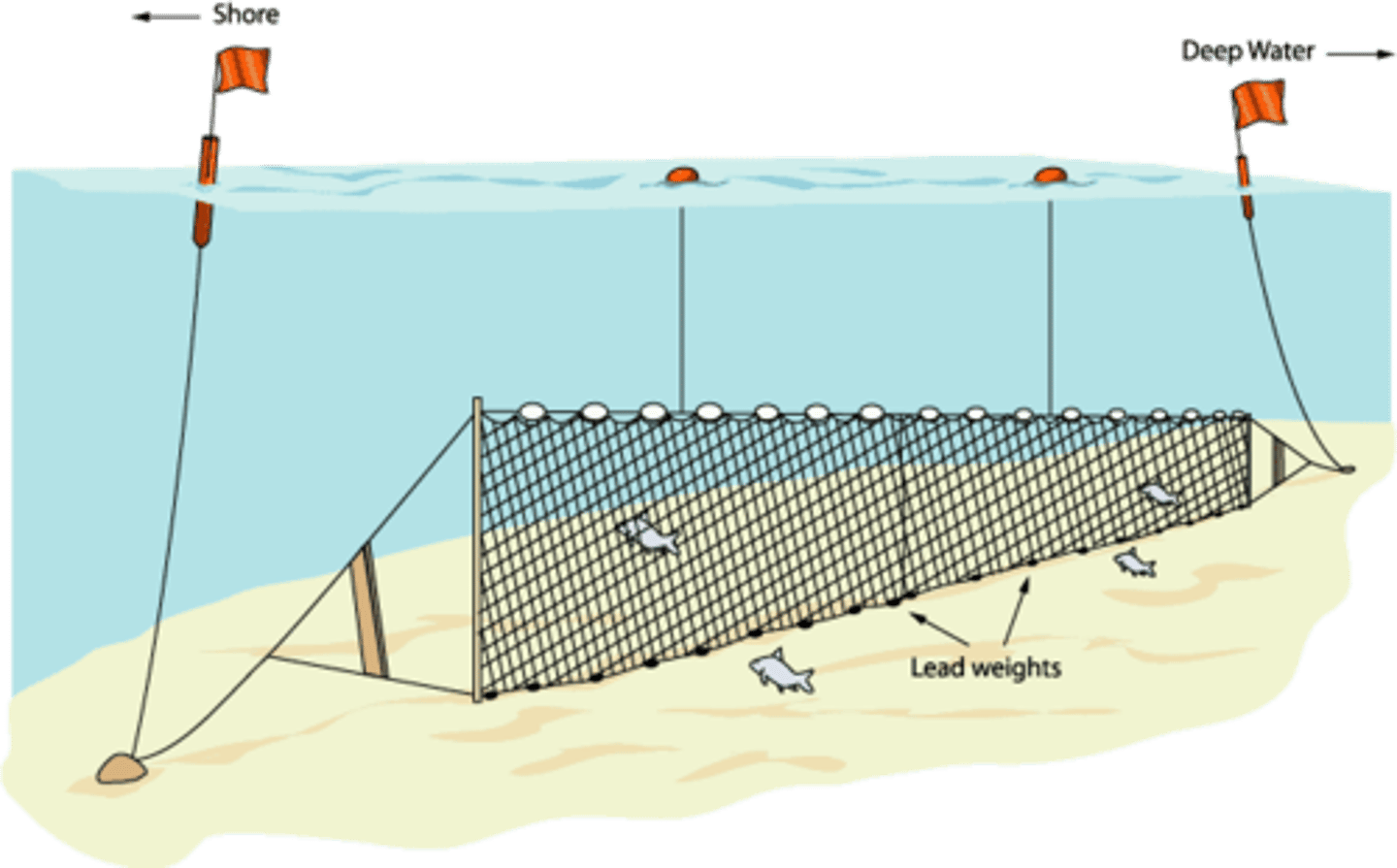
gill nets
Nets that drift on the bottom and midwater to trap and catch fish by their gills
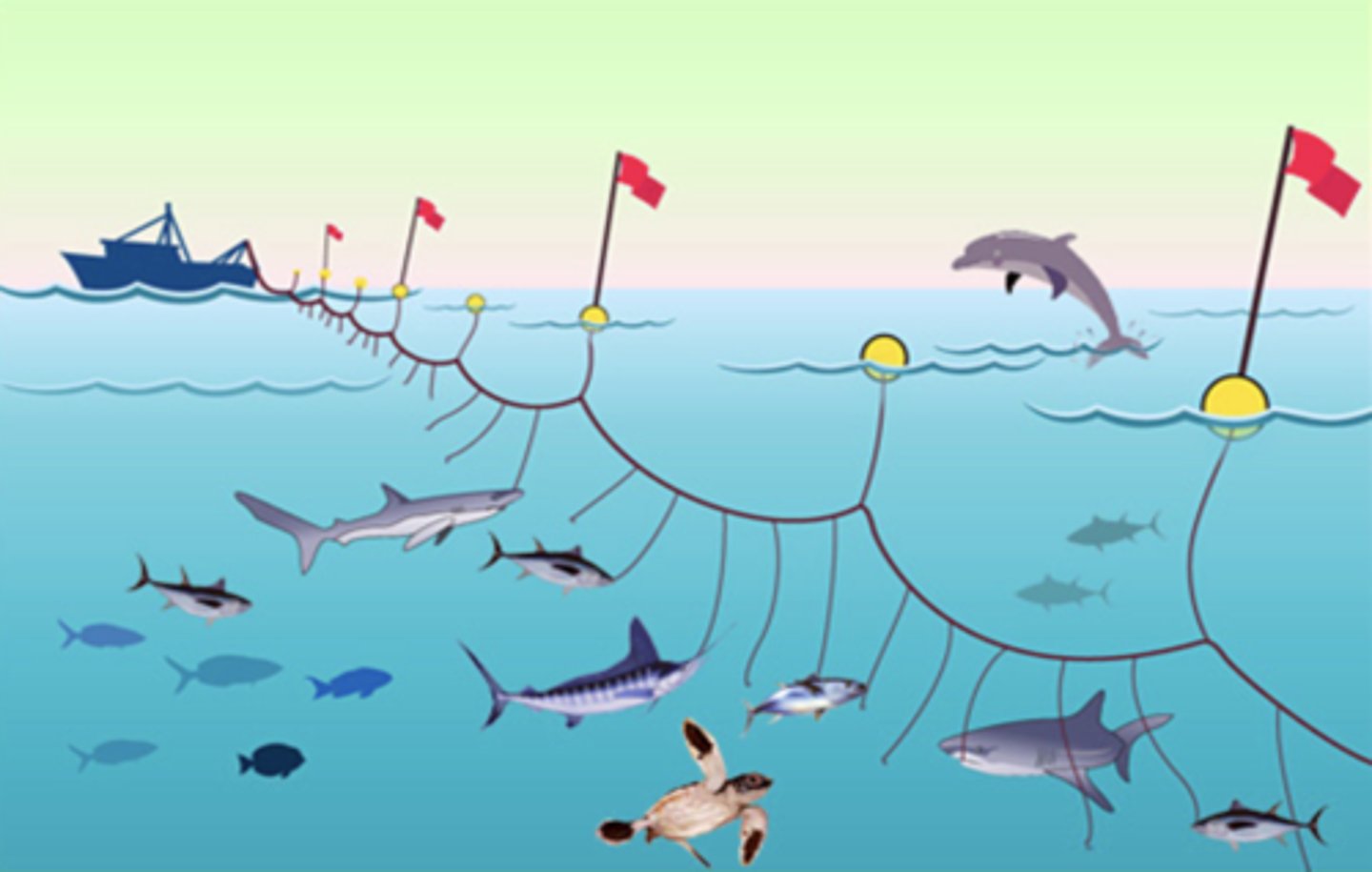
Longline
Placing very long lines with thousands of baited hooks. Swordfish, tuna, sharks, halibut, and cod. Endangers sea turtles, pilot whales, and dolphins.
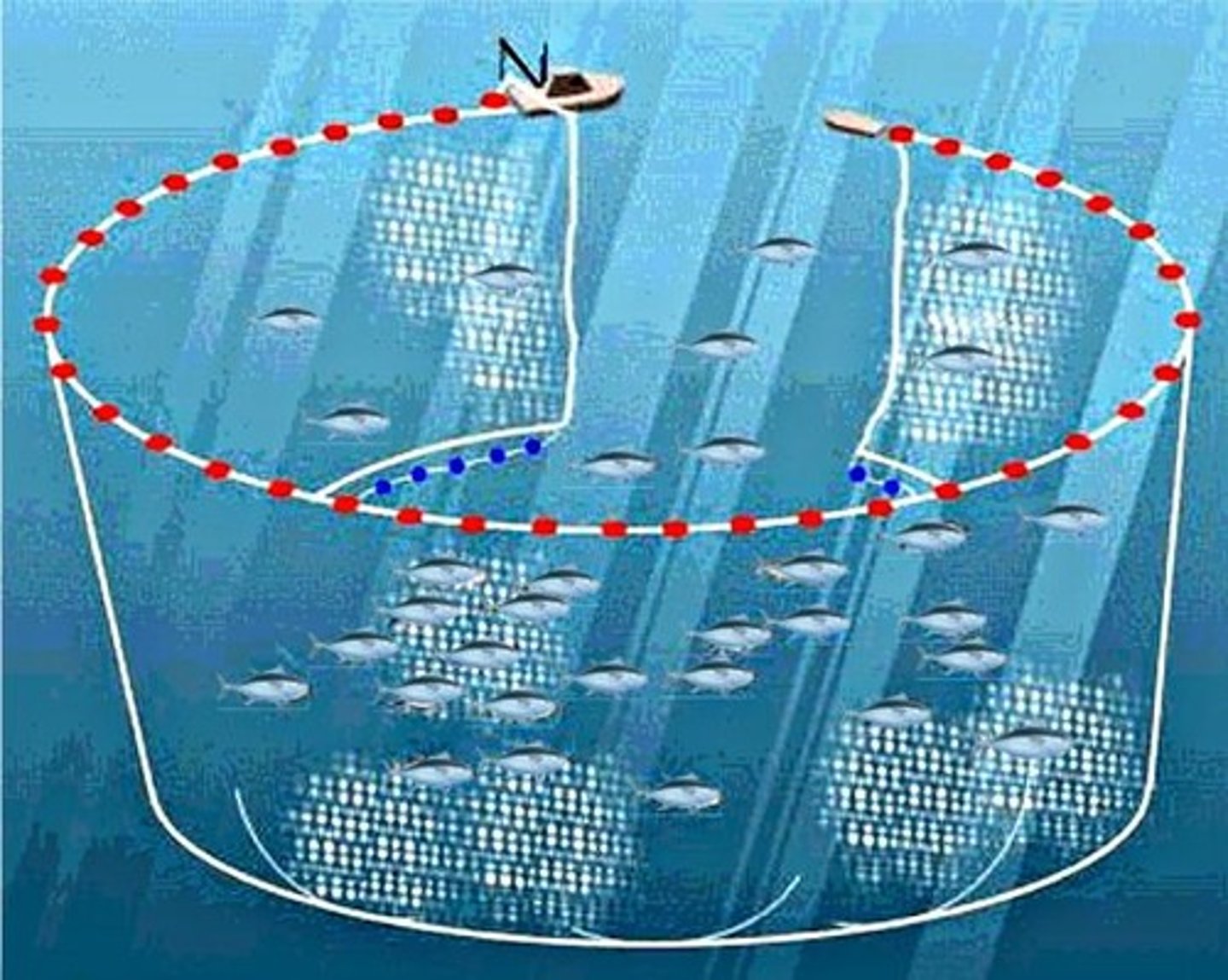
Purse Seine
a fishing method capable of harvesting large quantities of surface-schooling pelagic fish by surrounding the school with a net.
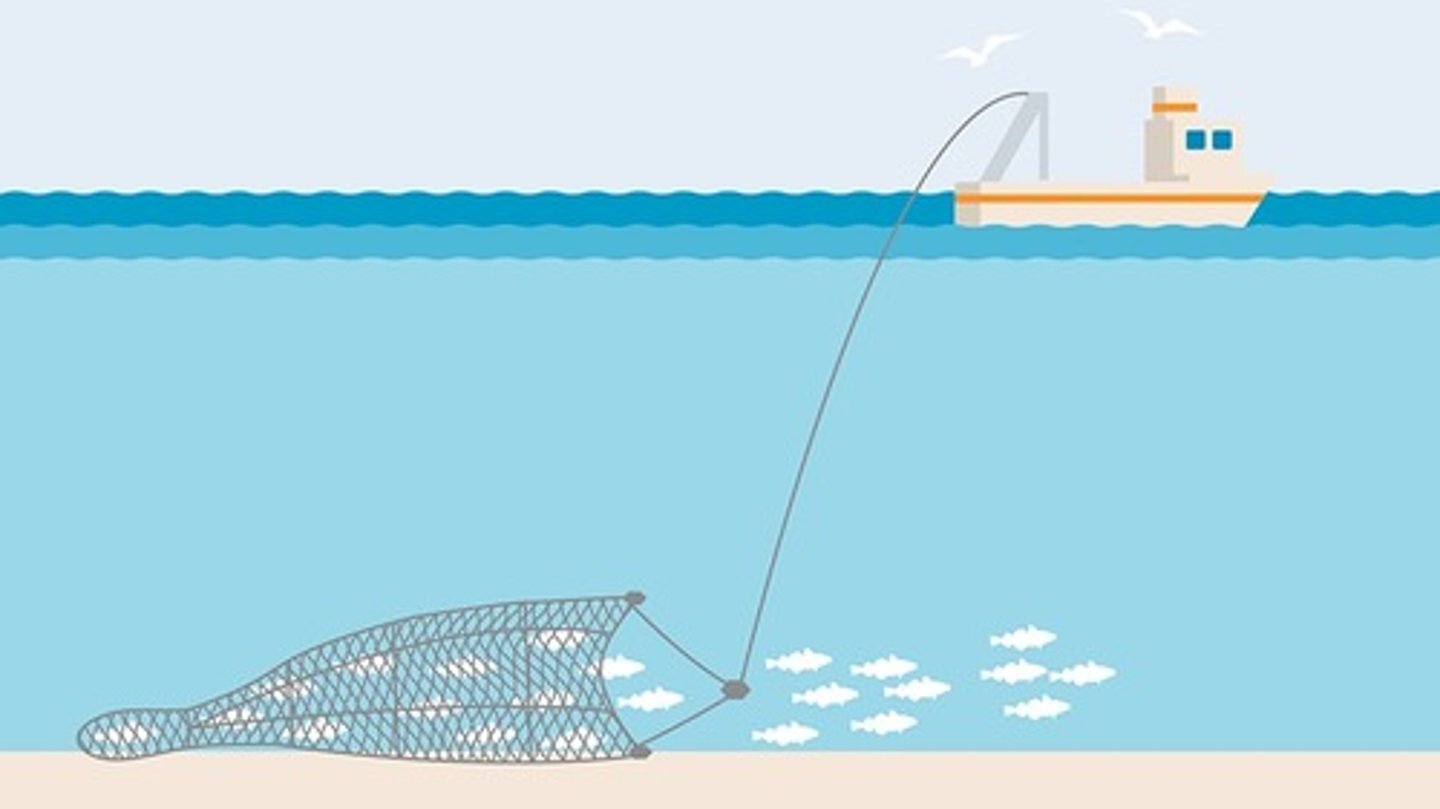
Trawl nets
Net that is dragged along the ocean floor - destroy the ocean habitat
75% of commercially important species
use estuarine areas as nursery areas
Collapse of a fishery
if numbers fall to 10% of historic highs.
Challenges with Aquaculture
• Disease and parasites
• Difficulty maintaining water quality
• If farmed species escape, may breed with wild stocks
• Pollution
• Estuarine communities may be destroyed to create farms
Materials Extraction
Salt, oil and gas, sand and gravel for the construction industry, freshwater via desalination
Habitat Destruction
75% of commercially important species use critical breeding grounds like estuaries, sea grass beds and mangroves
Food Extraction
Seafood represents only 1% of the food consumed annually, but accounts for 30% of total animal protein consumed
Aquaculture
rearing aquatic animals or aquatic plants for food (includes rivers)
Mariculture
a type of aquaculture that only happens in the ocean (saltwater)
Viruses
Release large amounts of organic matter that can be utilized by other organisms (dissolved organic matter or DOM), consist of nucleic acid, a coat of protein, lipid membrane (capsid)
Prokaryote
A unicellular organism that lacks a nucleus and membrane bound organelles, unicellular
Bacteria
break down dead organic matter to form detritus (waste)
Archaea
ancient organisms, fossils date back to 3.8 billion years, live in hydrothermal vents and salt flats
Photosynthesis
Conversion of light energy (carbon dioxide and water into sugar and oxygen) from the sun into chemical energy.
Blue-green algae
Cyanobacteria
Cyanobacteria
obtain their energy through photosynthesis
Biofilms
a thin, slimy film of bacteria that adheres to a surface.
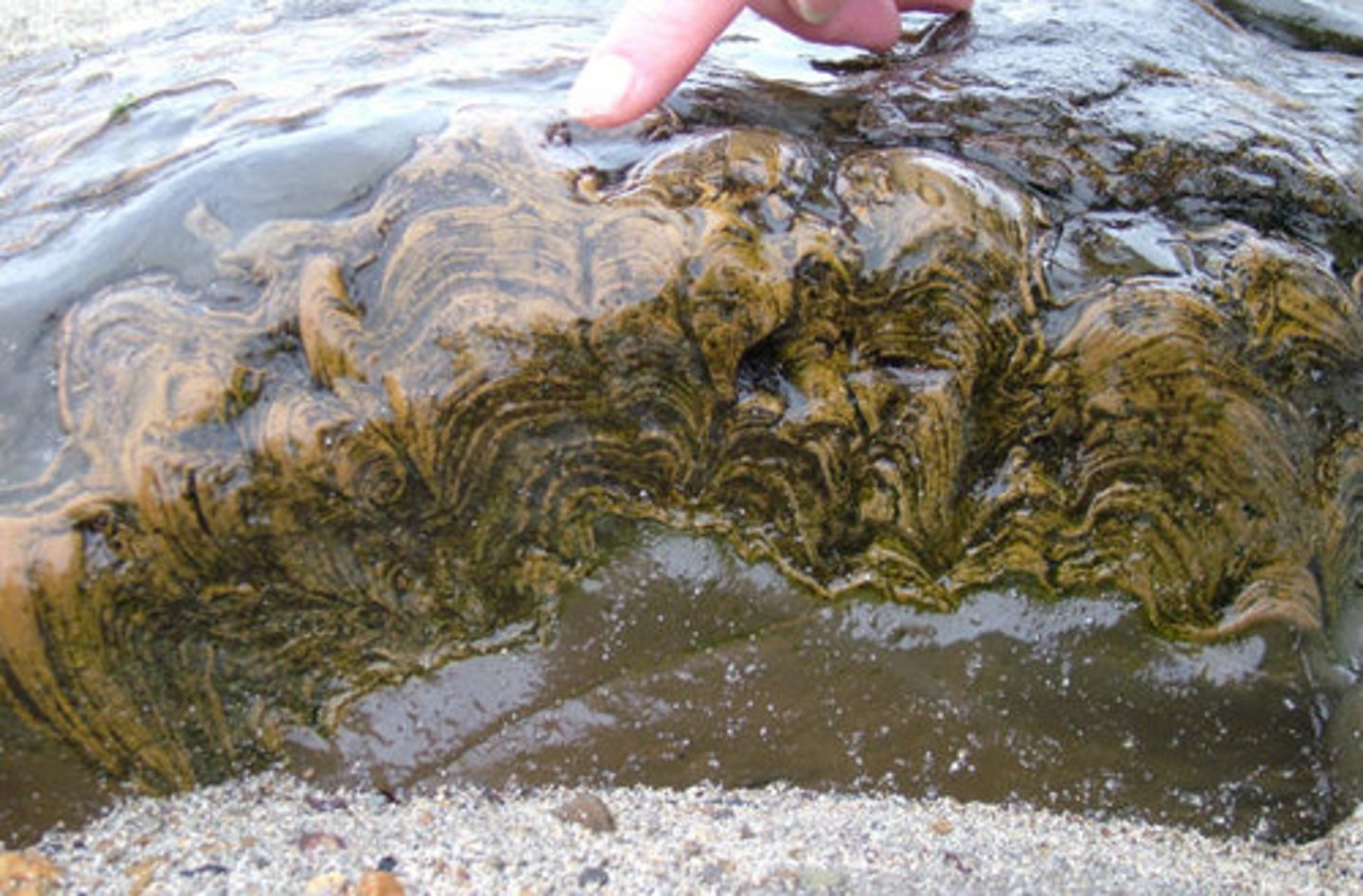
Stromalites
layered rocks that form when biofilms bind thin films of sediment together
Diatoms
Microscopic algae with glass-like shells made of silica that drift mostly at the surface
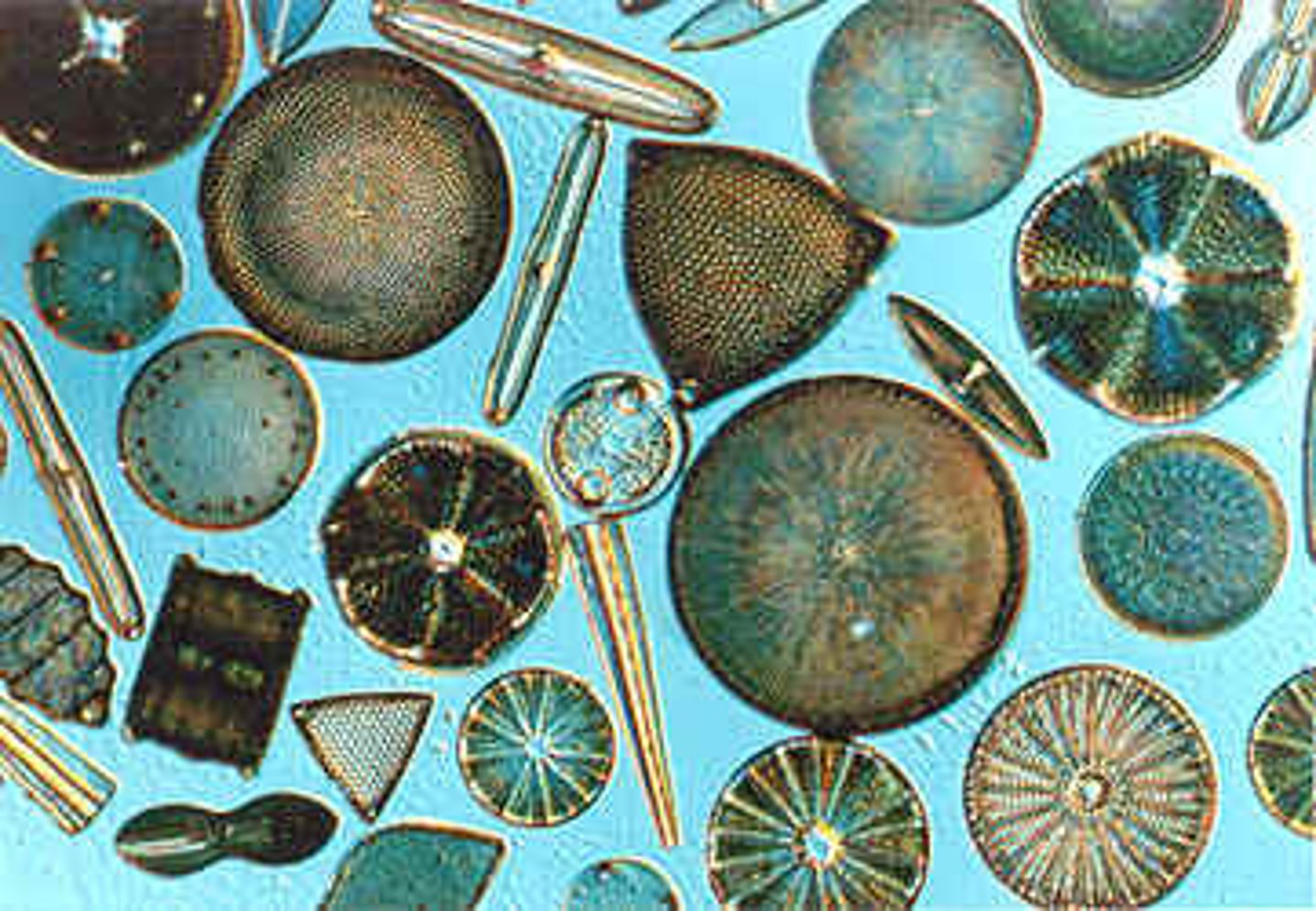
Most important primary producer on Earth
Diatoms
Dinoflagellates
Microscopic plankton that move using whip-like tails (flagella), plates of cellulose
Coccolithophores
Microscopic algae covered in tiny plates made of calcium carbonate, significant source of sulfur
Influence the amount of light reflected the Earth via cloud formation and a significant source of sulfur
Coccolithophores
Foraminifera's
Microscopic marine organisms with shells made of calcium carbonate, shells of calcium carbonate
Radiolarians
Planktonic, shell of silica, use pseudopods to catch phytoplankton
Fungi
have nucleus, break down dead organic matter, made of a partnership with cyanobacteria
Protozoa
animal-like protists (tiny living things (usually single-celled) that don't fit into the plant, animal, or fungi groups)
Two domains of prokaryotes
Bacteria
Marine Biologist
study the organisms that inhabit the sea
oceanographer
study the physical aspects of the sea
Aristole
studied dolphins/marine animals on the island of Lesbos in 367 BCE
Edward Forbes
British naturalist, considered to be the founder of oceanography and marine biology
Charles Darwin
English natural scientist who formulated a theory of evolution by natural selection (1809-1882, on the Beeble)
William Beebe
developed the bathysphere to explore the deep underwater of the sea
Sylvia Earle
Oceanographer, Leader of National Oceanographic, record holder for deepest walk on sea floor
Jacques Cousteau
best known for pioneering underwater exploration, co-inventing the Aqua-Lung (SCUBA)
Enric Sala
Former professor who quit to become a full-time conservationist and National Geographic Explorer. Founded Pristine Seas, and created 25 of the largest marine reserves on the planet
Molecules
Start as the basic level of organization in a biological system
Organic molecules
Contain carbon, hydrogen and oxygen
What makes up living organisms?
Proteins, lipids, carbohydrates, nucleic acids
Cell
The basic unit of structure and function in living things (after a molecule)
Carbon
an abundant nonmetallic tetravalent element occurring in three allotropic forms: amorphous carbon and graphite and diamond
Organelle
specialized structure that performs important cellular functions within a eukaryotic cell
Marine fish
drink sea water and salt is excreted by gills
Aggregation
A group of fish of the same species that are gathered together
Green algae
Eukaryotic, multicellular, Chlorophyll a, b, carotenoids
Chlorophyta
green algae
Phaeophyta
brown algae (kelp)
Rhodophyta
red algae
Photosynthetic pigments
Green algae have chlorophyll, brown has chlorophyll and carotenoids, and red has those two plus phycobilin's
Halimede
Calcareous green alga makes calcium carbonate, fastest primary producers associated with coral reefs
Rhodoliths
rounded nodules of coralline red algae that develop around the surface of stones
Household Algae Products
carREDgeenan, algAE (like brown algae and kelp), beta carotGREEN
Halophyte
plant growing naturally in salty soil
Ochrophyta
brown algae (more spiky)
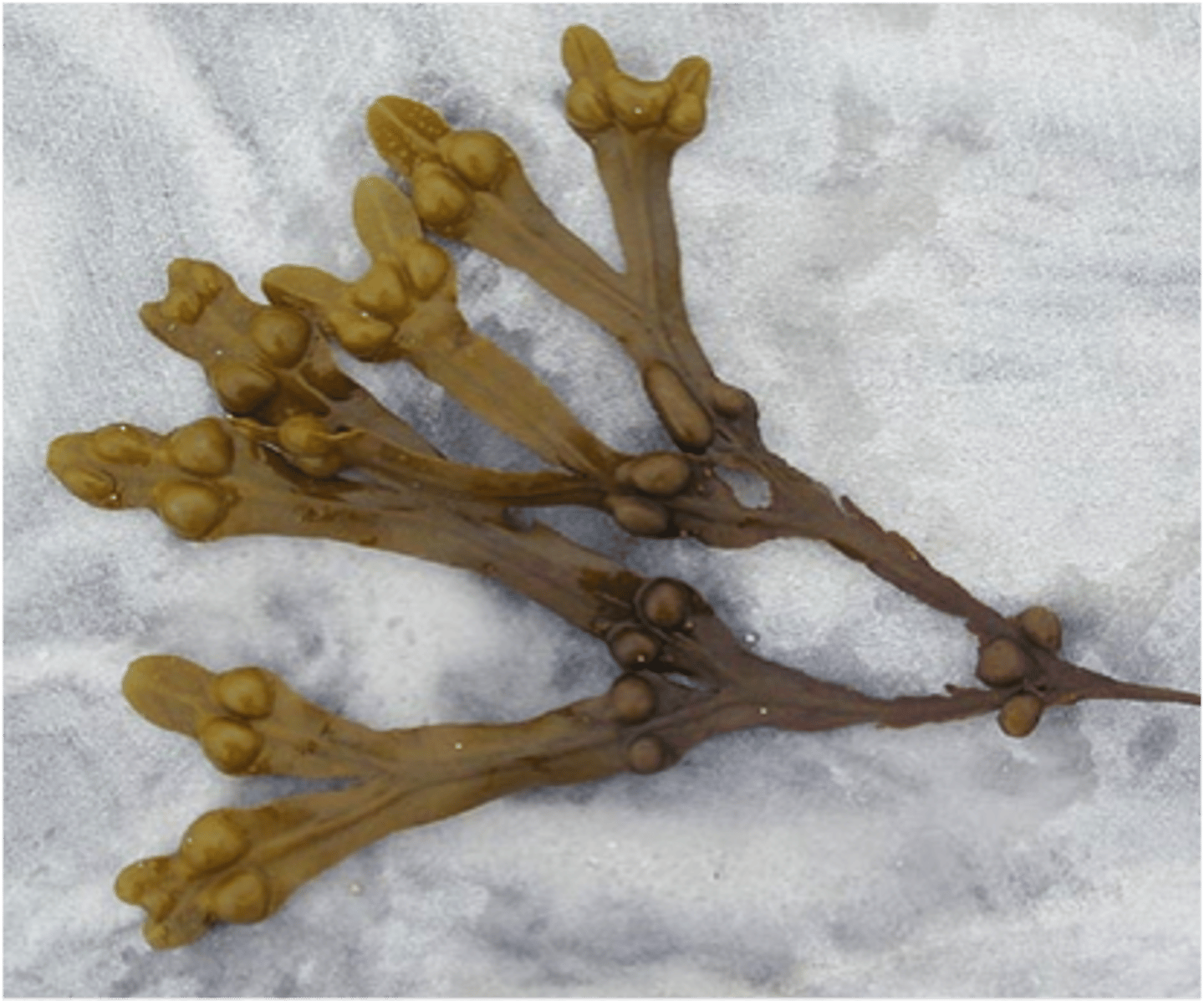
Macrocystis
species of brown algae that may reach 100 m
Thallus
Plant body without true stems or roots
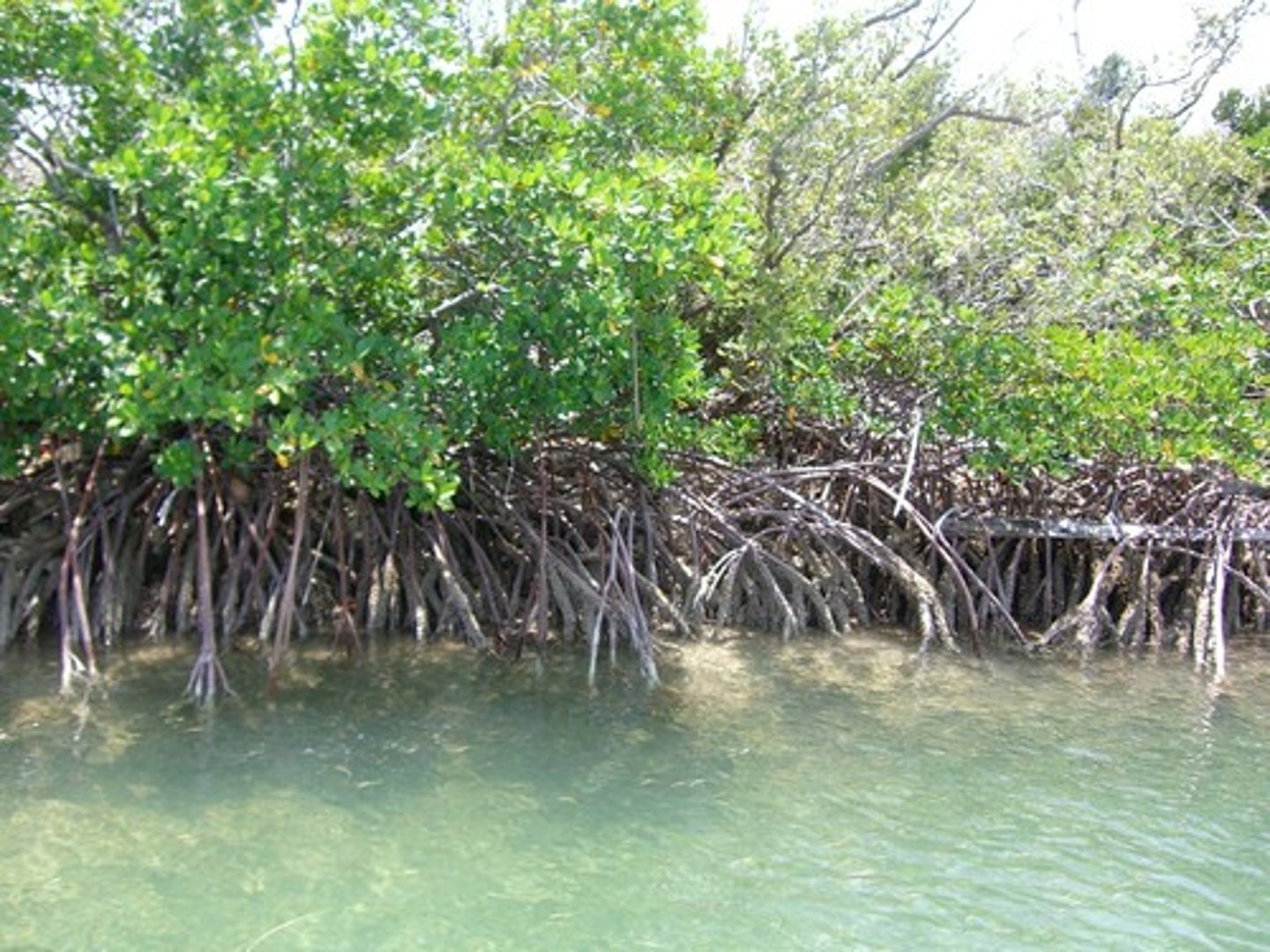
Mangroves
coastal ecosystems inhabited by salt-tolerant trees and shrubs
Pneumatocyst
gas-filled float present in several types of kelp plants
Rhizomes
horizontal underground stems
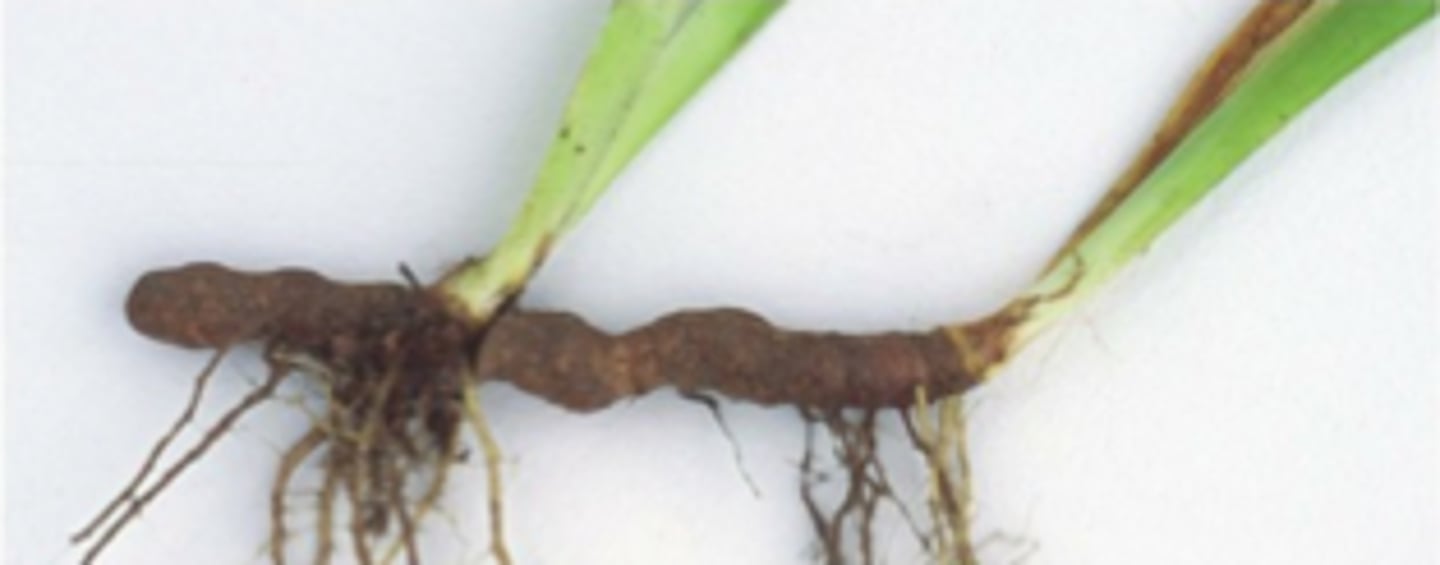
Algae
has roots
Percentage of the world's oxygen produced in oceans
66%
radial
round, equal parts radiate out from a central point
Cnidarians
invertebrates that have stinging cells and take food into a central body cavity
Cnidocytes
stinging cells
Nematocyst
stinging structure within each cnidocyte of a cnidarian that is used to poison or kill prey
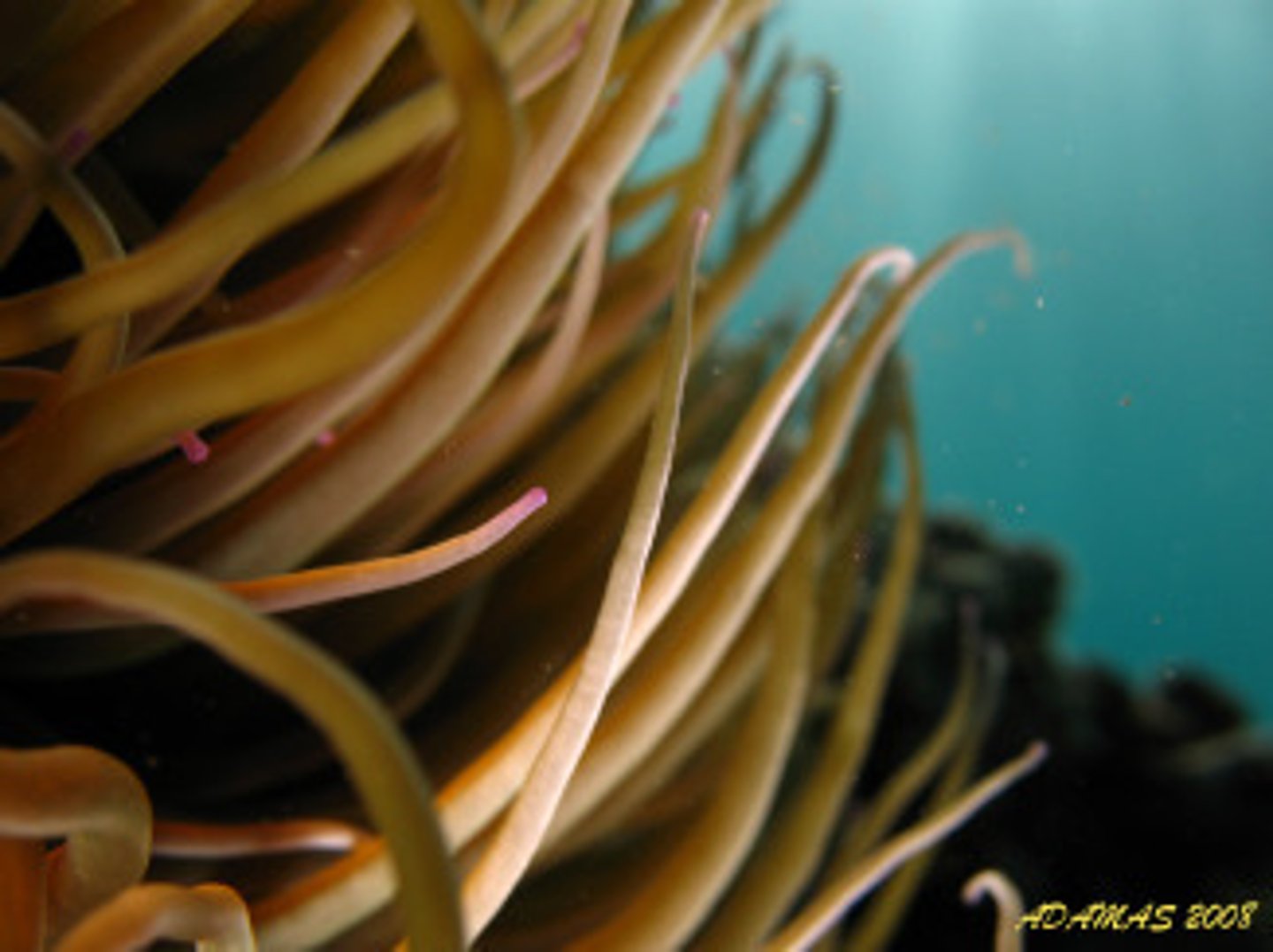
Sipuncula
peanut worm
Scyphozoa
true jellyfish, medusa (floating)
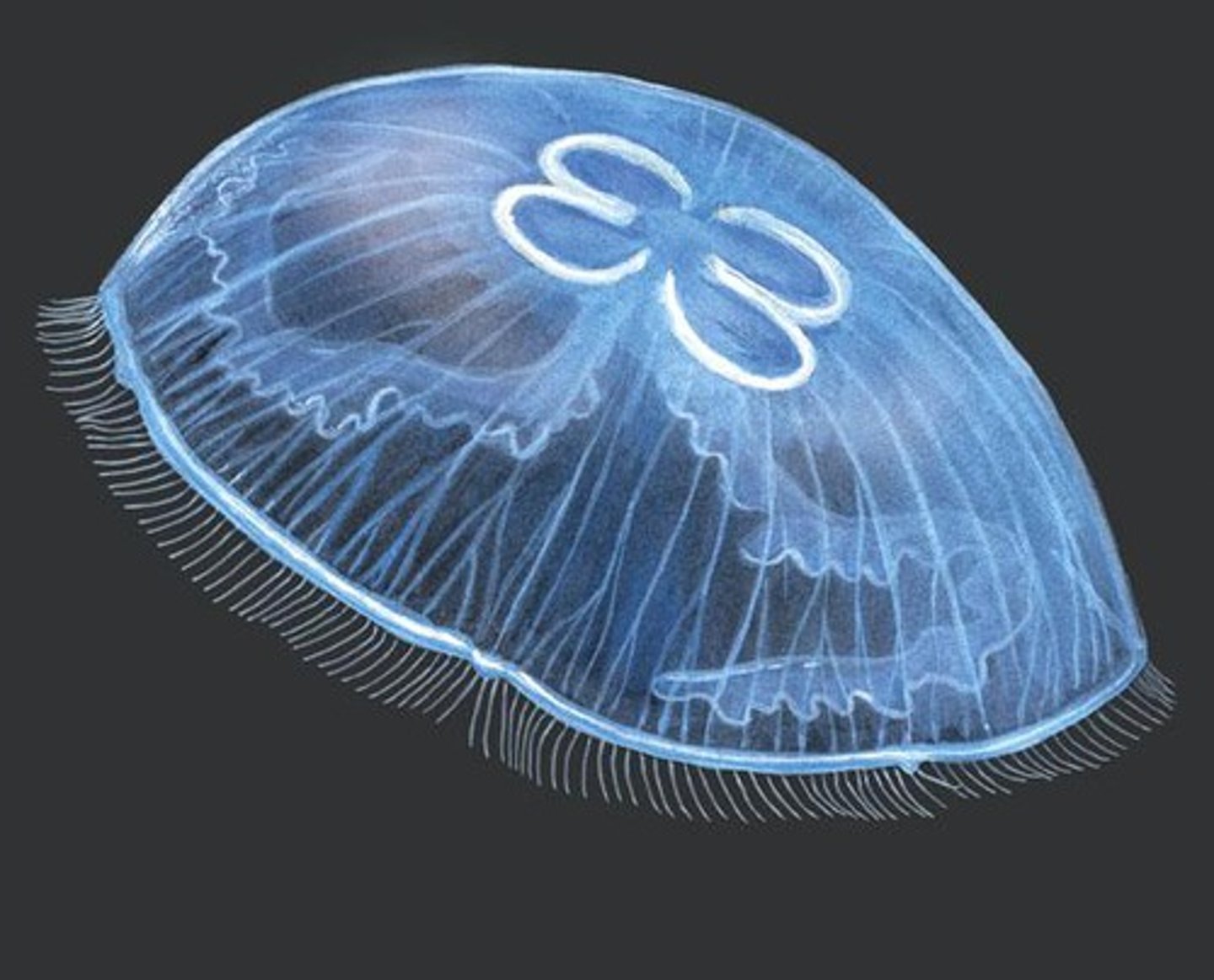
Hydrozoa
Simple jellyfish relatives, small jellyfish or colonies attached to surfaces
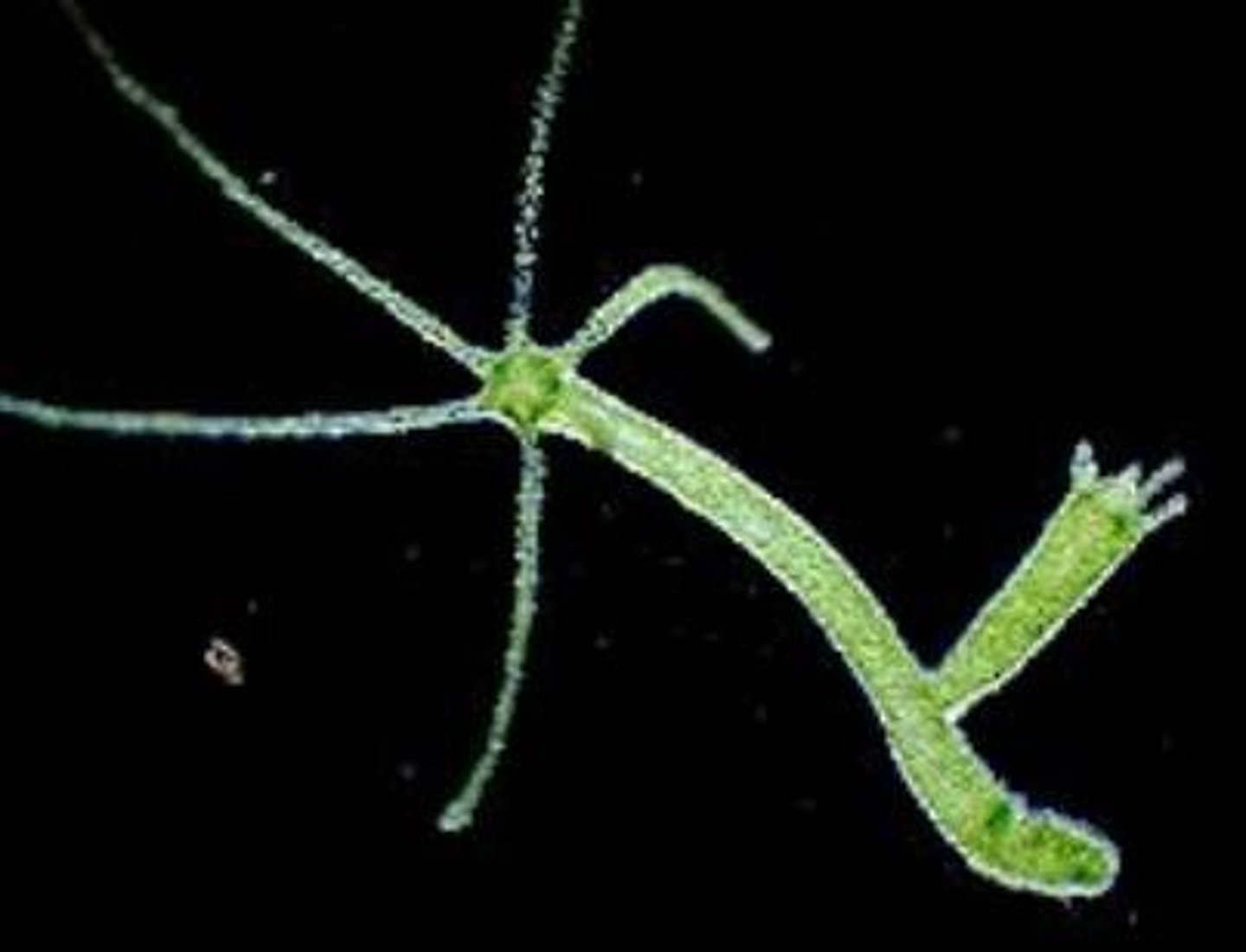
Anthozoa
attached animals like corals and anemones (no jellyfish stage)
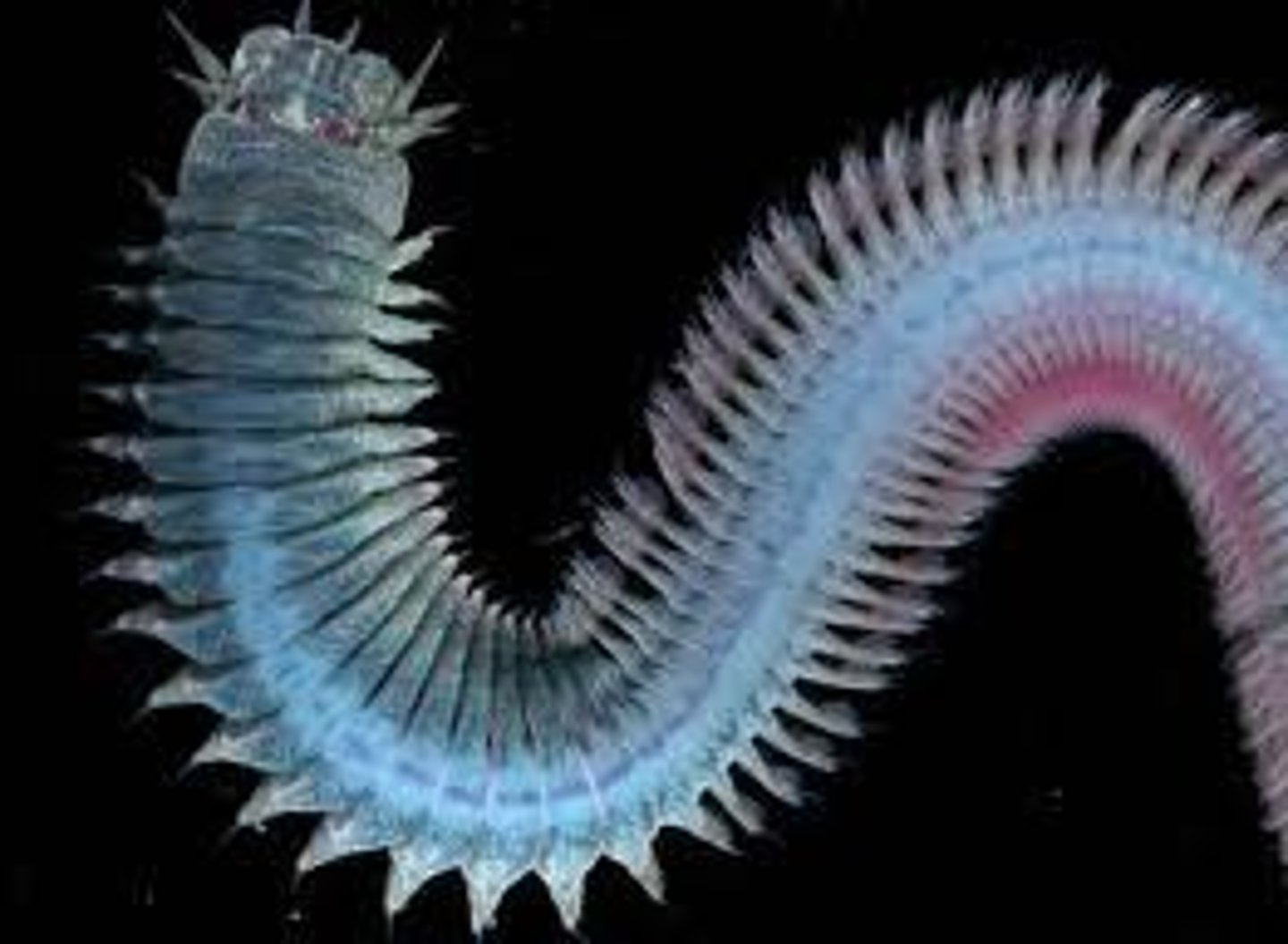
Annelida
segmented worms, leeches
Platyhelminthes
flatworms
Chaetognatha
arrow worms
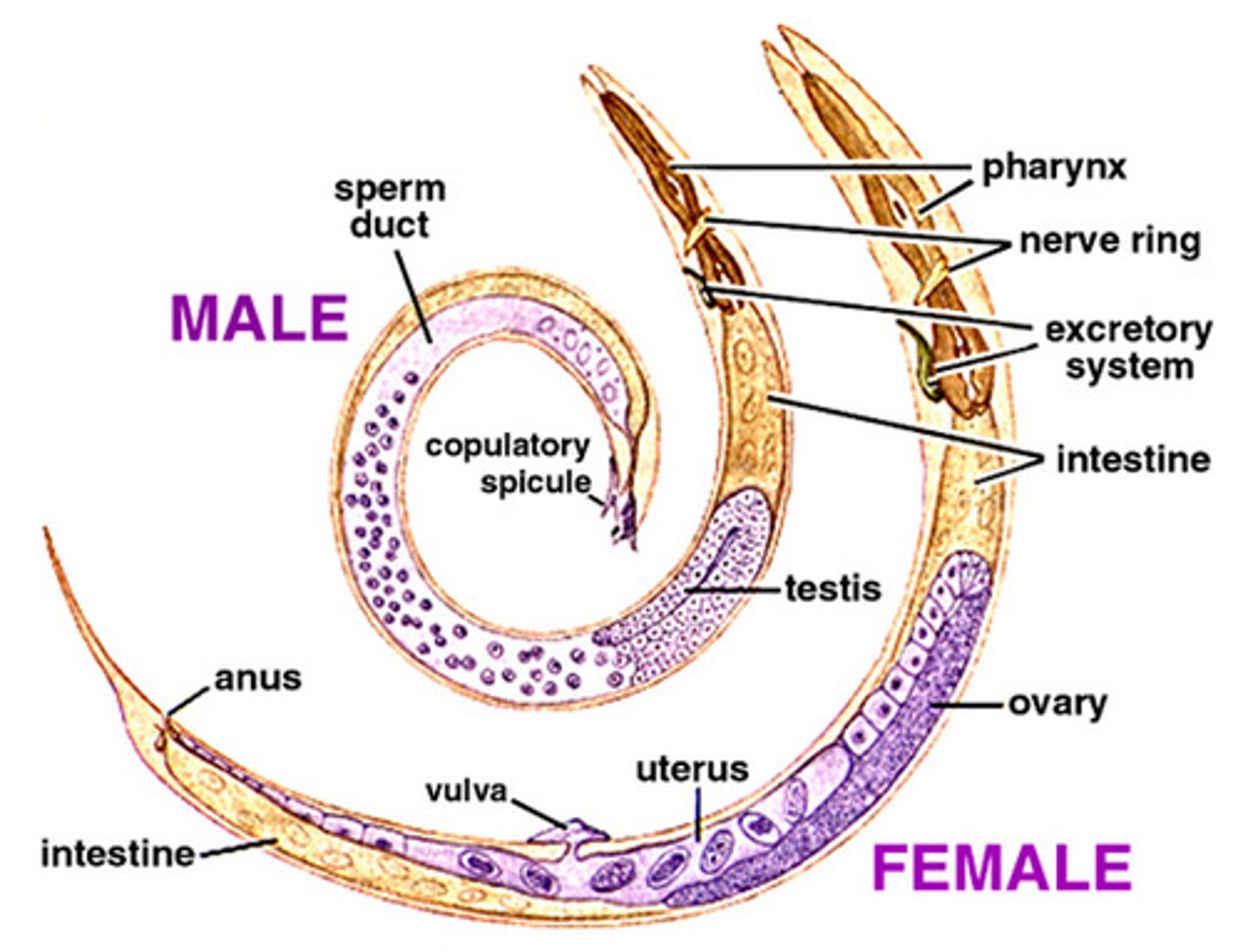
Nematoda
roundworms
Porifera
pore bearing
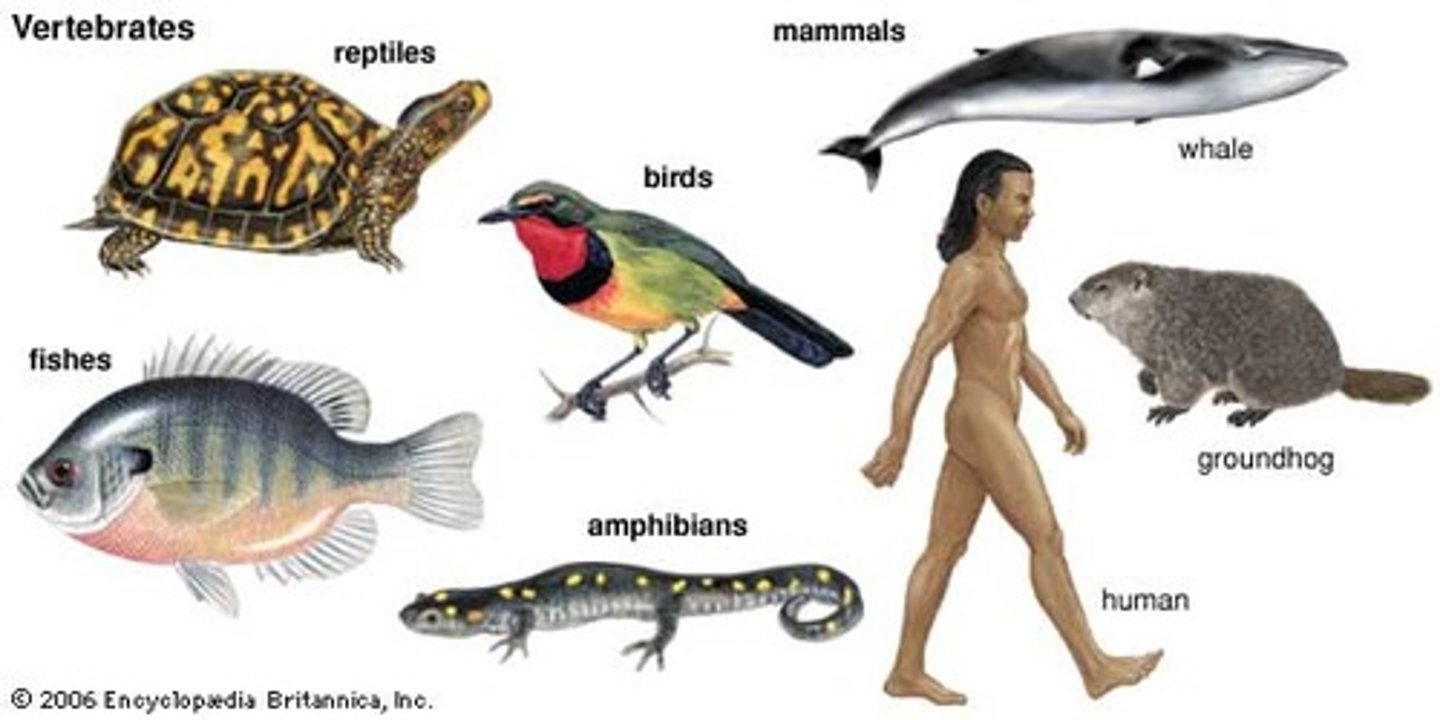
Chordates
having a spinal column (cord bearing)
Cnidara
jellyfish, corals; stinging cells
Radula
An organ covered with teeth that mollusks use to scrape food into their mouths

