Poetry: Love and Relationships
 Call Kai
 Learn
Learn Practice Test
 Spaced Repetition
 Match
Match Flashcards
 Knowt Play
1/44

Earn XP
Name | Mastery | Learn | Test | Matching | Spaced | Call with Kai |
|---|
No analytics yet
Send a link to your students to track their progress
45 Terms
In secret we met in silence I grieve
When We Two Parted: The sibilance creates a hushed, whispering tone, reinforcing secrecy and suppressed emotion. The private meeting suggests a forbidden or socially condemned relationship, intensifying the speaker’s isolation. Love is presented as something that must be hidden, leading to internalised grief and lasting sorrow.

Long long shall I rue thee
When We Two Parted: The repetition emphasises the enduring nature of his suffering, suggesting his regret will persist indefinitely. The verb conveys bitter regret, implying he views the relationship as a painful mistake rather than a cherished memory. Byron presents love as something that leaves lasting emotional damage, shaping the speaker’s future with unresolved remorse.

Silence and tears
when we two parted:The repetition at the beginning and end creates a cyclical structure, suggesting the speaker is trapped in his grief. By returning to the same restrained phrase, Byron implies that time has not healed the emotional wound. This circularity reinforces the idea that the narrator remains unable to move on from the loss.

And the moonbeams kiss the sea
Love's Philosophy: The personification presents nature as instinctively united, implying that connection is inevitable and harmonious. By depicting the world as interconnected, Shelley suggests separation is unnatural and incomplete. His desire is therefore elevated into something universal, framing intimacy as part of a divine order rather than mere impulse.

What is all this sweet work worth If thou kiss not me?
Love's Philosophy: The rhetorical question diminishes the value of nature without reciprocated affection, exposing the speaker’s self-interest beneath his romantic façade. The adjective suggests tenderness, yet contrasts with the subtle emotional pressure he applies. Shelley therefore presents love as persuasive and manipulative, driven by desire rather than genuine selflessness.

The winds of Heaven mix forever With a sweet emotion
Love's Philosophy: The religious imagery elevates his desire, suggesting their union is divinely approved and spiritually pure. By aligning his feelings with heavenly forces, he attempts to legitimise physical intimacy as sacred rather than selfish.additionaly The use of enjambment emphasises the depth and continuity of his love for her, reflecting how his emotions flow uncontrollably beyond structural boundaries.

Sullen wind
Porphyria's Lover: The word “……..” personifies the wind, giving it a dark and oppressive tone that mirrors the speaker’s disturbed mind. This use of pathetic fallacy sets a tense and stormy atmosphere from the start. Browning reflects the emotional turmoil of the poem through the natural setting.

God has not said a word
Porphyria's Lover: The final line implies that the narrator feels divine approval or at least absence of punishment, believing he has escaped judgment for his actions. This creates a chilling sense of moral ambiguity, as he interprets silence as consent. Browning presents the narrator as disturbingly confident, highlighting the unsettling nature of his obsession.

Murmuring how she loved [him]
Porphyria's Lover: The narrator presents her love as quiet and subdued, reflecting his desire to control and possess her. Her voice is muffled, showing that he values her only when she conforms to his ideal. Browning highlights the disturbing power imbalance and obsession in their relationship.

Rather, instantly / Renew thy presence
Sonnet 29: The adverb “………” conveys urgency, suggesting the speaker depends on constant mental presence of the beloved. This immediacy implies emotional insecurity, where love requires continual reassurance. Browning presents love as intense but psychologically fragile.

As wild vines, about a tree
Sonnet 29: The simile presents thoughts as “………….”, suggesting uncontrollable growth driven by instinct rather than reason. The tree symbolises the beloved as emotional support, implying the speaker’s identity depends on them. Browning exposes an unequal power dynamic within obsessive love.

I do not think of thee — I am too near thee
Sonnet 29: The dash marks a sudden psychological shift from obsession to calm. Physical closeness removes the need for fixation, suggesting desire is intensified by absence rather than love itself. Browning challenges romantic idealisation by implying obsession is not genuine intimacy.

The smile on your mouth was the deadest thing
Neutral Tones: Hardy employs a grotesque metaphor that transforms a symbol of affection into an image of lifeless decay, implying the relationship has spiritually died. The use of the superlative intensifies this sense of emotional extinction, suggesting total hollowness rather than mere distance. Through this distortion of warmth into something corpse-like, Hardy presents love as a façade once honesty has collapsed.

“Since then, keen lessons that love deceives”
Neutral Tones: The phrase “……………..” emphasises the lasting effect of the relationship, showing the speaker remains shaped by past pain. The adjective “……………..” suggests sharp emotional damage, while presenting love as a deceiver frames it as actively harmful. Hardy shows love as something that teaches through suffering rather than offering comfort.

The sun was white, as though chidden by God”
Neutral tones: The simile presents nature as oppressive , suggesting even the sun lacks warmth or approval. Religious imagery implies moral judgement, reflecting the speaker’s sense of emotional failure. Hardy presents love as something that drains warmth from both people and the natural world.
It’s not romance, simply how things are
Letters From Yorkshire: The declarative tone normalises their love, showing it as practical and grounded rather than idealised. Dooley contrasts romantic obsession with quiet, enduring attachment, emphasising emotional stability and mutual understanding.

pouring air and light into an envelope
Letters From Yorkshire: this metaphor shows the meaningful connection the narrator feels with her lover, as if she is sending fragments of her emotions and experiences through her letters, bridging the physical distance between them. and provide a escape of the drugery of life

Our souls tap out messages across the silence
letters from yorkshire The metaphor elevates correspondence to a spiritual level, showing that connection is maintained emotionally even when physically apart. “……..” emphasises distance, while “……..” suggests intimacy. Love is shown as communicative and enduring past death
A lone poor maid. ’tis but a stair betwixt us
The Farmer's Bride: The physical gap of the “……” symbolises the emotional void between the couple, reinforcing the lack of intimacy in the marriage. The caesura mirrors their disjointed and fractured relationship, suggesting emotional separation rather than connection.

Turned the key upon her, fast
The Farmer's Bride: The violent verb phrase suggests imprisonment and fear, implying the wife is treated as something dangerous or animalistic. The adverb “….” conveys urgency and panic, revealing the husband’s desire to dominate rather than understand. Mew presents love as coercive and oppressive.

I chose a maid
The Farmer's Bride: The verb “………” presents marriage as an act of ownership rather than mutual love. The noun “……” reduces the woman to purity and possession, stripping her of individuality. Mew criticises patriarchal power by exposing how love is replaced with control.
Love is proved in the letting go
Walking away: The declarative tone gives the statement authority, yet it contrasts with the speaker’s lingering pain. This suggests the line functions as self-justification rather than certainty. Love is presented as sacrificial but emotionally unresolved, leaving lasting guilt.

A half-fledged thing set free
Walking away: The bird metaphor conveys vulnerability, as “…………” suggests the child is not fully prepared for independence. Although “………” sounds positive, it implies abandonment rather than choice. This reflects the father’s remorse and the emotional cost of enforcing maturity too early.

Like a satellite wrenched from its orbit
Walking away:The simile presents the son’s departure as violent and unnatural, with “………” implying emotional pain rather than healthy separation. The ……… metaphor suggests the son once depended on the father as his centre, emphasising the speaker’s guilt. Love is shown as deeply connected to loss and emotional dislocation.
The sky whitens as if lit by three suns
Eden Rock: symbolises the ideal and sacred family unity, simile elevates the moment beyond reailism suggesting there perfect relationship w harmony and complete , also the “three “ has connotations to religion imagery showing parents as pure and eternal figures

I had not thought that it would be like this
Eden Rock: The reflective tone conveys quiet disorientation, suggesting the speaker’s expectations of death or reunion have been unsettled. The understated ambiguity of “…….” creates uncertainty, reinforcing the poem’s lack of clear resolution. By breaking the structural pattern at the end, Causley mirrors this unease, implying the speaker stands on the threshold between life and the afterlife.

they are waiting for me beyond eden rock
eden rock : suggests a short distace between life and afterlife, where parents live as peaceful eternal figures, eden rock symbolises the afterlife , innocence and paradise, liking the parents to spiritual purity. this show death as not frigtening but as a calm reunion . showing speakers longing for emotional connection
In his broad shadow
Follower: The metaphor conveys the father’s overwhelming presence, suggesting both protection and dominance. the adjective emphasises his physical and symbolic magnitude, dwarfing the child’s identity. Heaney implies that admiration is inseparable from obscurity, as the speaker exists only within his father’s imposing influence.

It is my father who keeps stumbling
Follower: The repetition creates structural symmetry, powerfully illustrating the reversal of roles between father and son. Whereas the child once struggled to keep pace, the father is now weakened by age, suggesting the inevitability of decline. Heaney presents this shift with subtle sorrow, exposing how time dismantles former strength and reshapes identity.
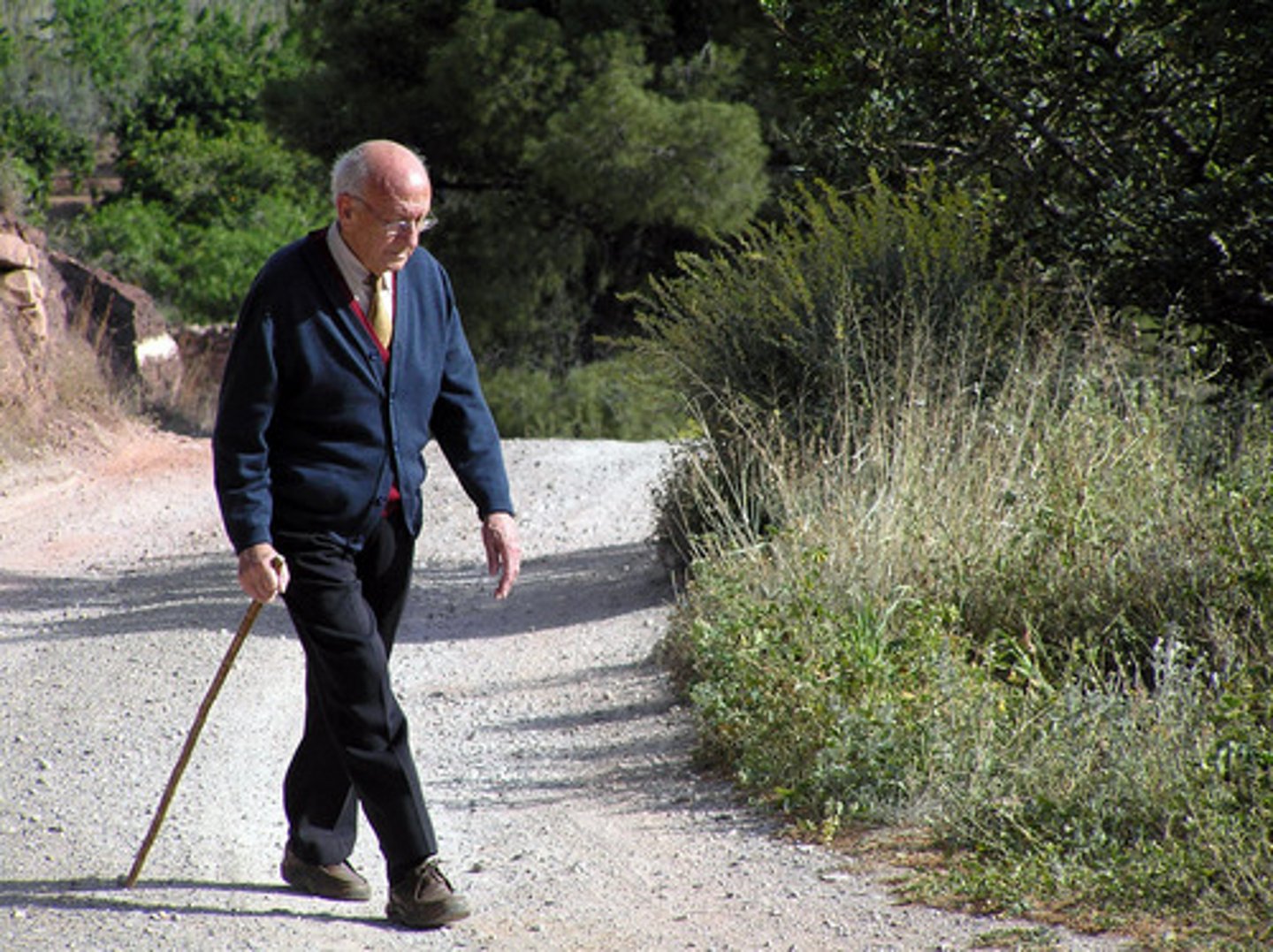
i stumbled in his hob nailed wake
follower: metephor of wake is the trail a boat makes on water suggesting that the father forges the dominant path he is destined to walk , however the verb stummbled conveyes the speakers infuriority and clumsyness emphisising his admeration and determination to his father, this contrast prepares the reader for the role reversal later in the poem as is will make the inevitability of aging more striking and emotional
You at the zero end, me with the spool of tape
Mother, Any Distance: metephor is used to show the emotional bond between mother and child as measurable but reaching , “….” presents the mother as a point of orign and security, while “……” suggests controlled independence. this shows the tension between freedom and dependece and shows love as supportave but gradualy loosening

The line still feeding out, unreeling years between us.
Mother, Any Distance: the extended metephor of the umbilical cord represents the emotional and physical bond between the mother and the child. the line “……..”echos nureshment suggesting continued maternal support even as the distance grows . however unrealing shows the bond streching over time presenting there seperation as natural rather than damaging.

i space walk through empty bedrooms
mother any distance: the line uses metaphors to compare independence to a “………….” , witch conveys both exhilaration of limitless exploration and risk of abandonment . suggesting that freedom can only cone with lack of security . the empty “………” symbolises emotional absence and loss of childhood stability . this shows how independece can be both empowering and vunerable
My loud, possessive yell
Before You Were Mine: The adjectives “……” and “………..” highlight the child’s arrival as a turning point that dominates the mother’s life. Duffy suggests that love, even maternal love, can be suffocating and demanding, complicating traditional, idealised views of parenthood.

The glamorous love lasts
Before You Were Mine: The enjambment and irony highlight the contrast between the mother’s youthful freedom and the constraints of motherhood. Duffy implies that love needs performance or spectacle to survive, suggesting that real-life love, such as parental devotion, is intense but less glamorous than remembered romance.

not here yet.The thought of me doesn’t occur
before you were mine:The caesura emphasises the mother’s independence before motherhood, showing she had a life and identity separate from her child. Duffy presents love as something that can coexist with freedom, challenging the idea that parental attachment should erase individuality.
'They mate for life' you said as they left
Winter Swans: symbolism and dialogue is used to reflect the relationships desire for permanence. the swans symbolise fidelidy and unity however there “……….. “ shows there clear differeces and emotional distace. this contrast shows hope for lasting love along side lingering uncertainty. showing how the relation ship is fragile bit still asperational

(The swans were) like boats righting in rough weather
Winter Swans: simile is uses to compare the swans movements “……….” stabilising after a storm this reflects the couples relationship , suggesting after conflict of emotional turbulence they are slowly regaining balece and stability . this image conveys how resiliece and effort is needed to restore harmony in a relationship.

the clouds have given their all
winter swans: the personification reflects the emotional intensity and tension between the couple. the stormy imagery establishes a tone of conflict and unresolved feelings at the start of the poem , by linking nature to human emotion, it shows how difficulties are temporary and natural, foreshadowing there reconciliation.
From di stool each night I say, is priceless baby
Singh Song!: the use colloquial language and endearment with “……………………….” conveys a genuine affection that is spontaneous and sincere. the phrase “………..” suggests a ritual and constancy, showing love as something reaffirmed daily rather than dramatically performed. this presents love as rich and sustaining, rooted in ordanary moments rather than idealied romance

My bride she effing at my mum in all di colours of Punjabi
Singh Song!:The line uses dialect and vivid colloquial language to highlight a clash of generations and cultures. The wife’s swearing at her mother-in-law presents her as assertive and defiant, deliberately rejecting traditional expectations of female submissiveness. Nagra uses humour to portray the relationship as rebellious and modern, romanticising cultural tension while celebrating individuality, equality, and emotional authenticity.

tiny eyes ov a gun
singh song: The violent imagery is used to juxtapose the wife’s fierceness with her affection, presenting her as multifaceted rather than one-dimensional. This contrast highlights her emotional intensity alongside warmth, suggesting she resists passive stereotypes. Nagra implies the speaker values and celebrates these differing traits, constructing love as dynamic, empowering, and deeply appreciative of individuality.
reaching for the summit
Climbing My Grandfather: the metaphor is used to compare the grandfather to a mountain, presenting their relationship as a journey of admiration and discovery. the summit suggests achievement and effort, highlighting the challenge is to understand someone fully.shows love and respect through exploration, celebrates the intergenerational connection

I decide to do it free, without a rope or net
Climbing My Grandfather: the metephor shows the trust and emotinal bravery he has in approching his grand father. the absence of sayfty equiptmnet , implyes his vunerability , showing the speakers willingness to engage honestly rather than causioly. he presents love as an act of faith built on respect and trust rather than protection or control.

watching the clouds and birds circle
climbing my grand father : The use of natural imagery conveys reflection and careful observation during the climb. The circular motion of the clouds and birds suggests life’s ongoing cycles, emphasising the speaker’s admiration and thoughtful contemplation of his grandfather’s experience and wisdom. Armitage presents love as patient and attentive, showing the speaker’s wonder and deep respect for his grandfather.