The Challenges of Urbanization
 Studied by 0 people
 Call Kai
 Learn
Learn Practice Test
 Spaced Repetition
 Match
Match Flashcards
 Knowt Play
1/20

There's no tags or description
Looks like no tags are added yet.
Name | Mastery | Learn | Test | Matching | Spaced |
|---|
No study sessions yet.
21 Terms
II. THE CHALLENGES OF URBANIZATION!
II. THE CHALLENGES OF URBANIZATION!
OBJECTIVE: Discuss and explain how the arrival of so many immigrants caused cities' populations to swell-and their problems to increase.
OBJECTIVE: Discuss and explain how the arrival of so many immigrants caused cities' populations to swell-and their problems to increase.
URBAN OPPORTUNITIES!
Why did people move t the cities?
URBAN OPPORTUNITIES!
Why did people move t the cities?
golden door
Another name for "land of opportunity"
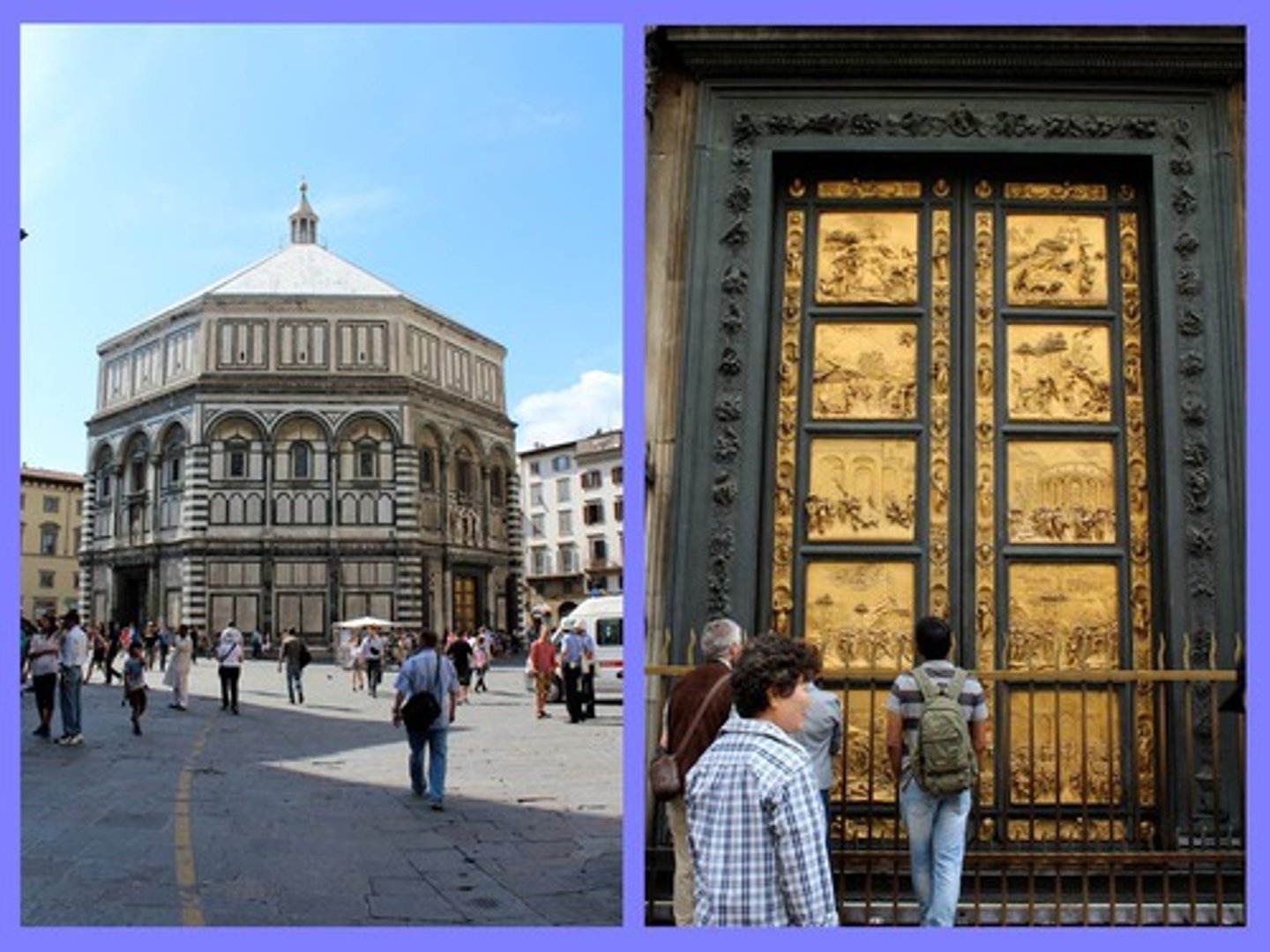
cities
Where many of the nation's new immigrants to the U.S. settled and lived in the early 1900s.
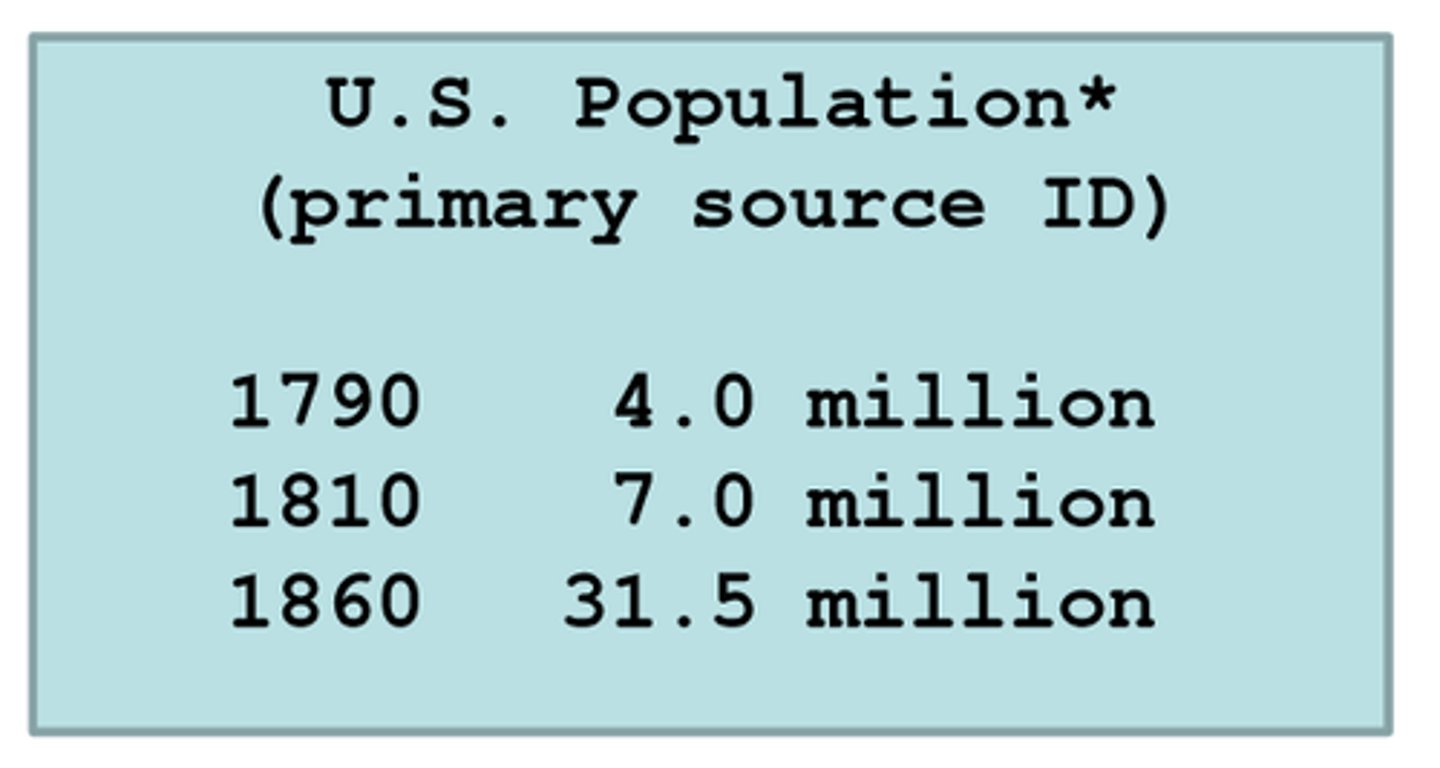
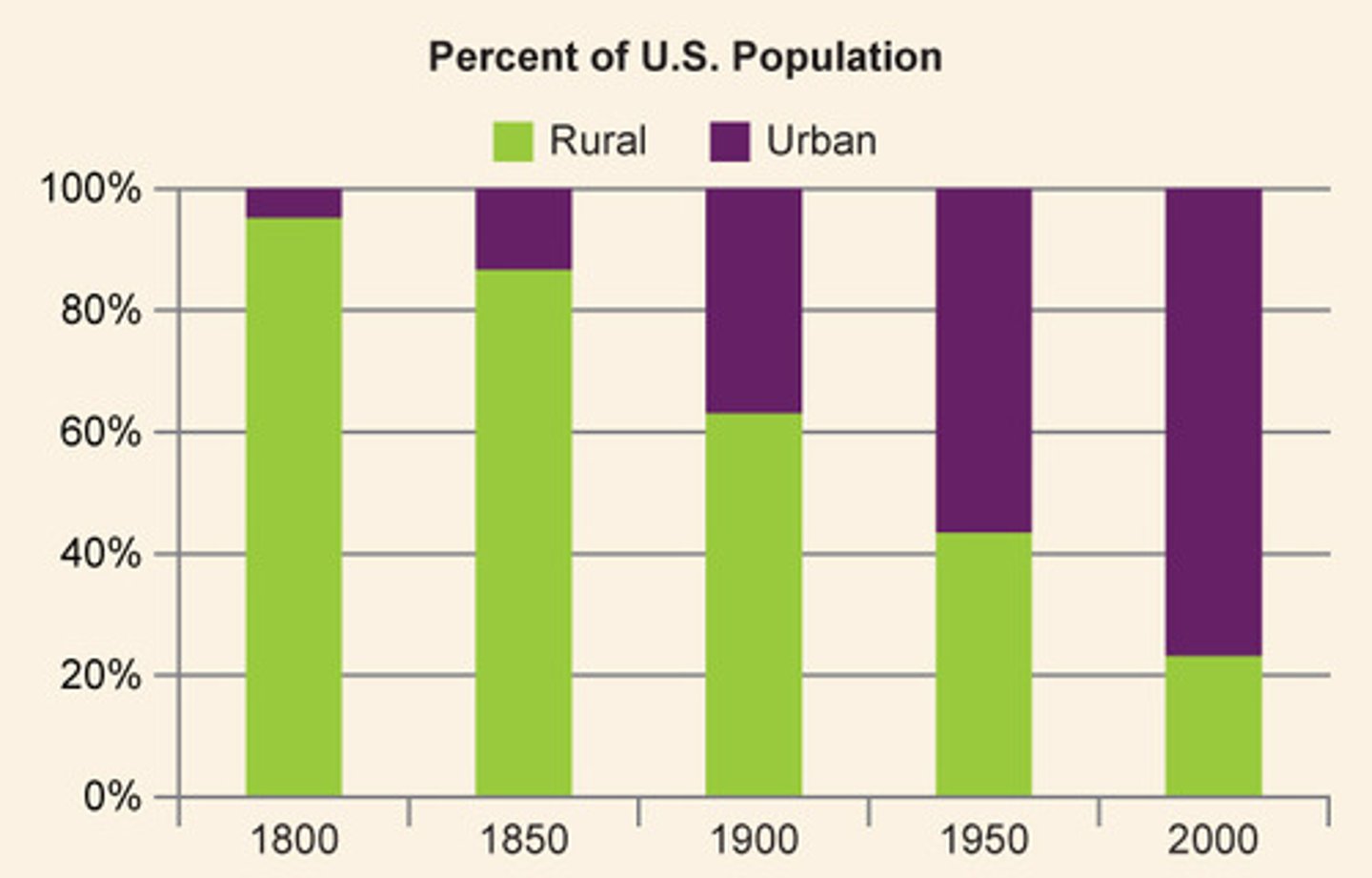
urbanization
Term for growth of cities By 1910, immigrants made up half of the population of 18 major cities.
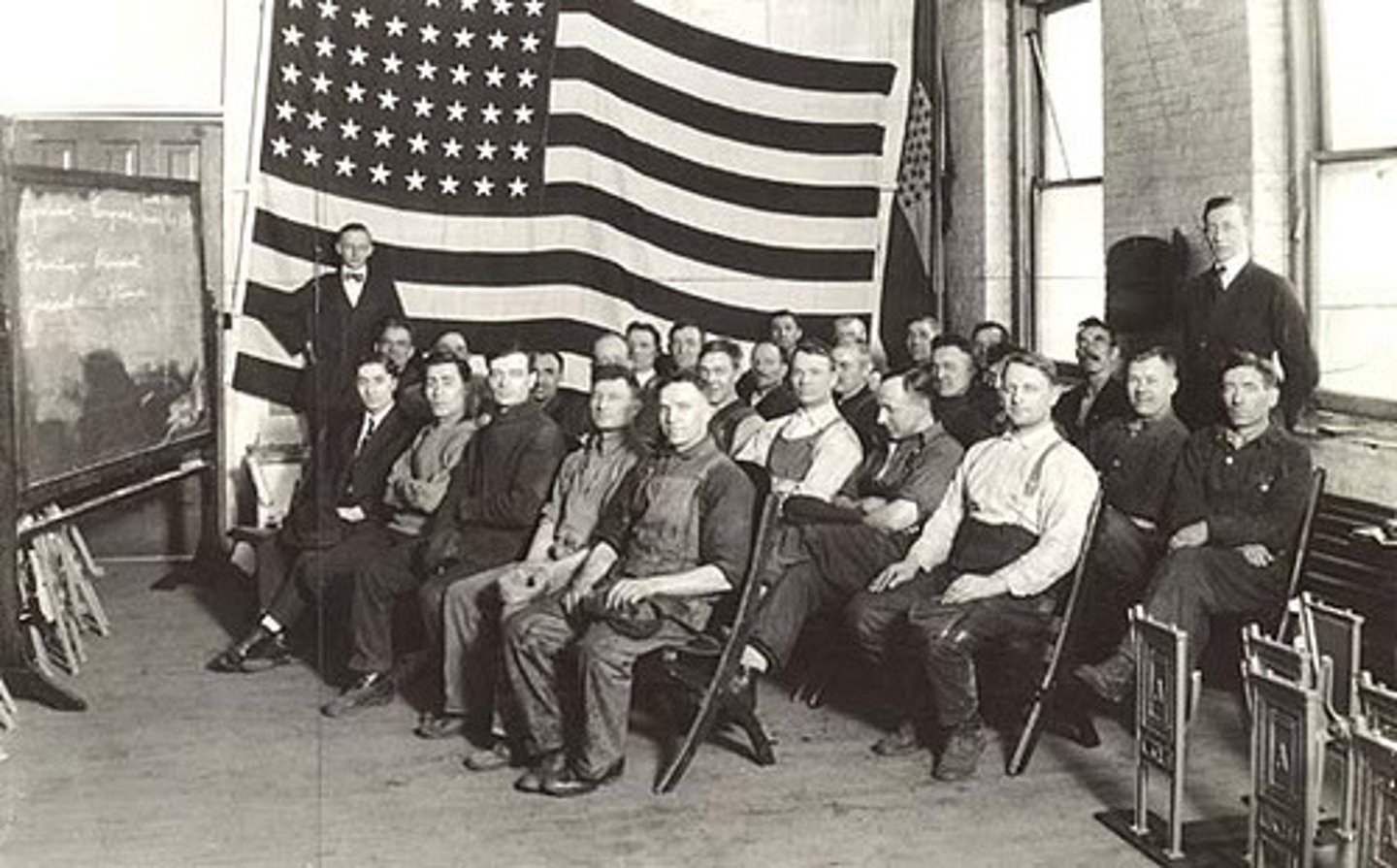
Americanization Movement
Newcomers to the United States learned about their new country through THIS education program.
Under this program, schools taught immigrants English, and American History and Government.
These subjects helped immigrants become citizens.
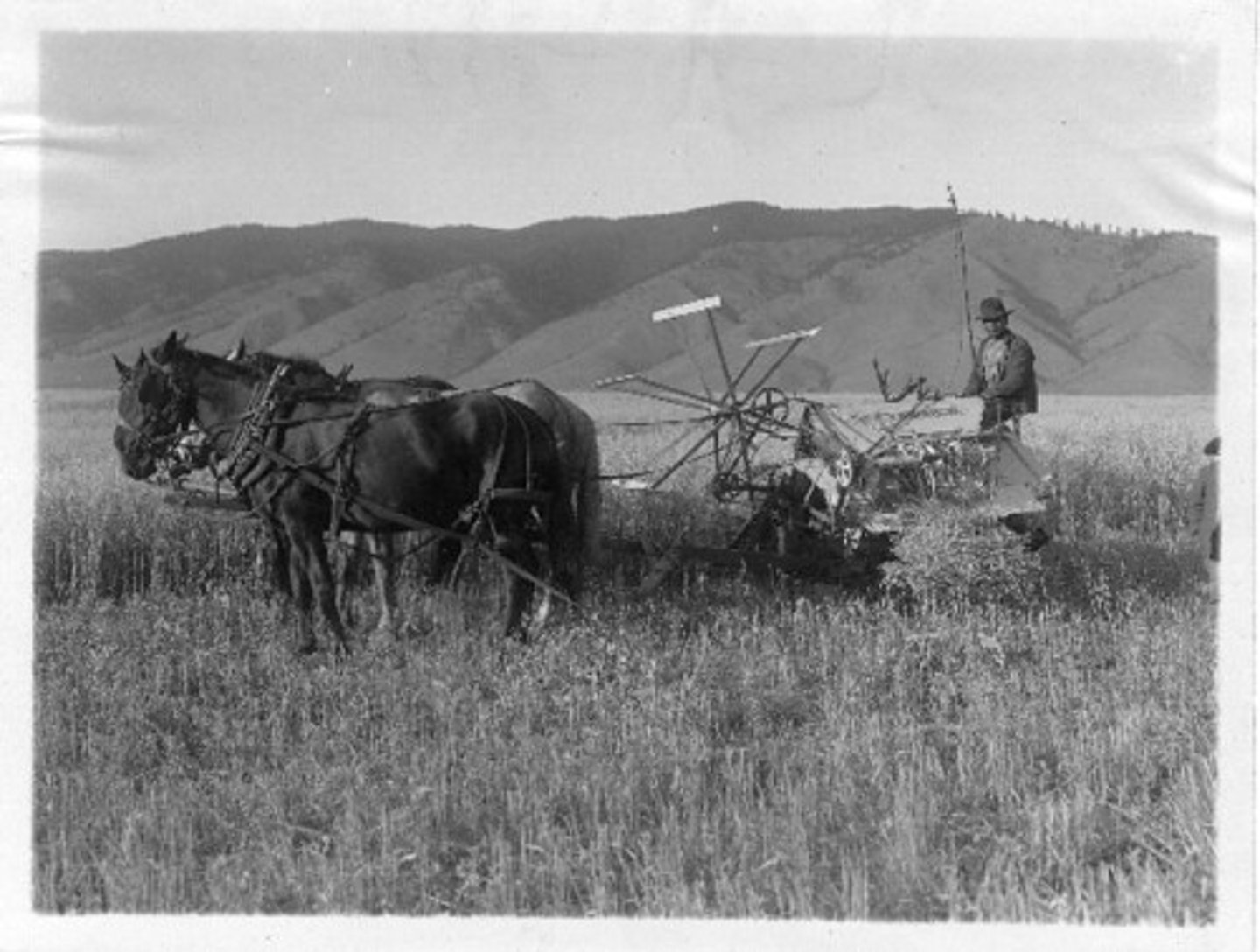
new machines
On the nation's farms, THESE replaced workers.
As a result, many workers in the rural areas lost their jobs.
Unemployed farm workers soon moved to the cities to find jobs as well.
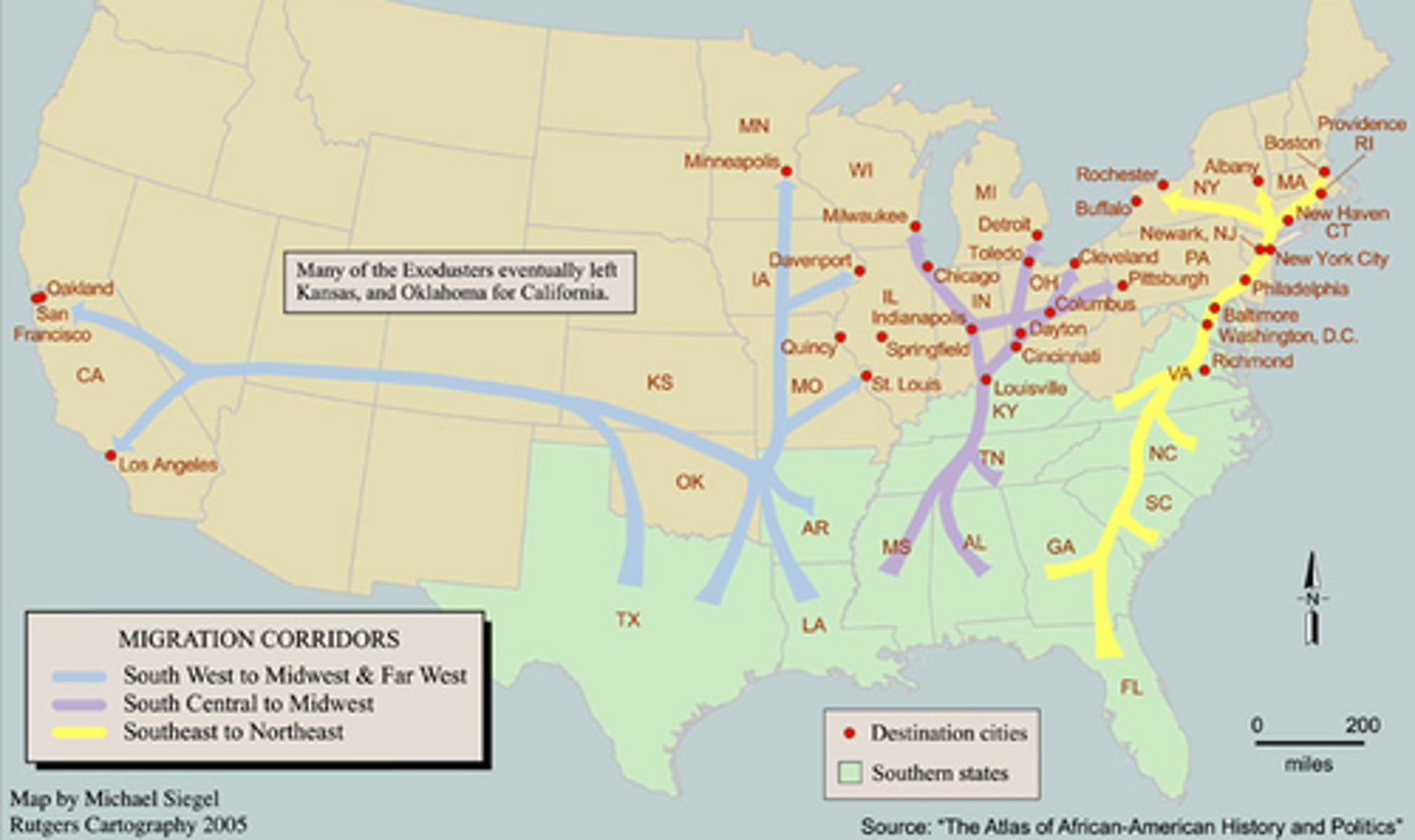
African Americans
THEY consisted of many of the Southern farmers who lost their jobs.
Between 1890 and 1910 about 200,000 of THEM moved from the South to cities in the North.
URBAN PROBLEMS!
WHAT PROBLEMS DID CITY DWELLERS FACE?
URBAN PROBLEMS!
WHAT PROBLEMS DID CITY DWELLERS FACE?
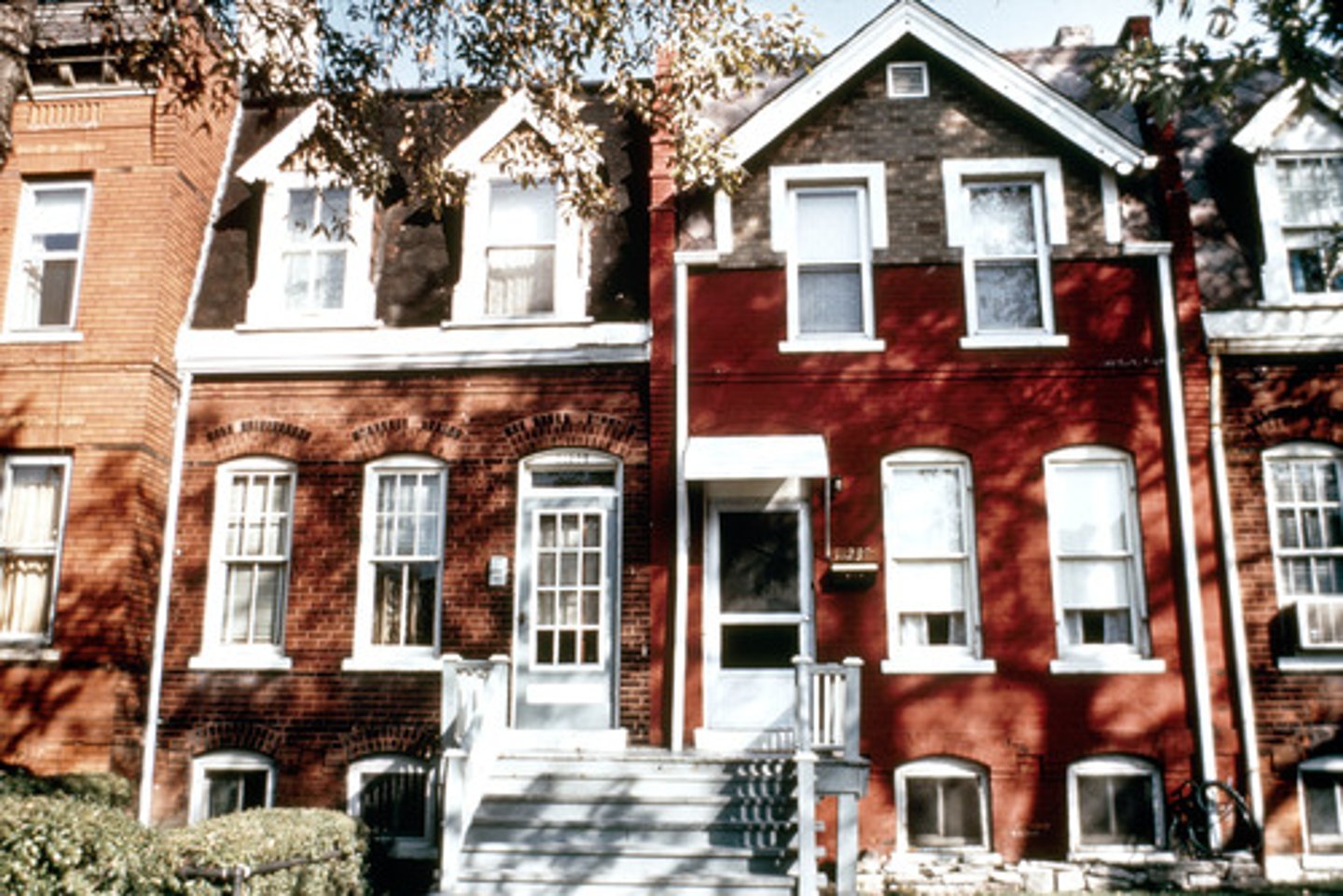
row houses
As city populations grew rapidly this created many new problems.
One problem was a shortage of housing.
One new type of housing was THIS single-family dwelling that shared side walls with other similar houses.
tenements
Another type of housing was THIs multifamily urban housing that were often overcrowded and unsanitary.

streetcar
Transportation became a growing problem within cities.
many cities developed mass-transit transportation systems designed to move large numbers of people.
A common late 19th century means of transportation.

taps
cities also faced problems supplying safe drinking water as its poor quality caused disease.
Cities like New York and Cleveland built public waterworks but many people were still without water and had to get their water from THESE on the streets.

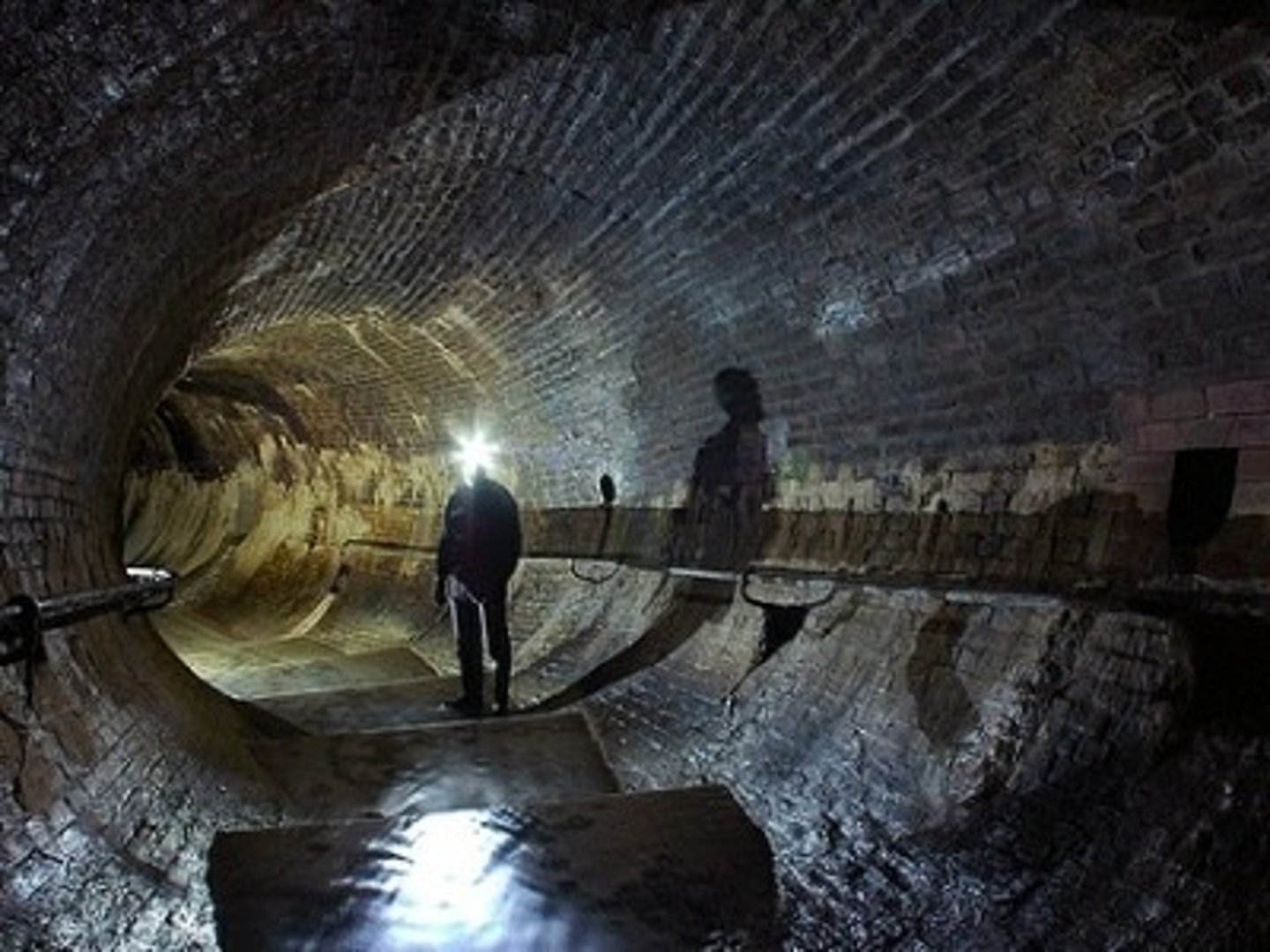
sewers
Sanitation was also a problem.
People threw their garbage out their windows.
Sewage flowed in the streets.
By 1900, many cities built THESE and created sanitation departments.
Chicago
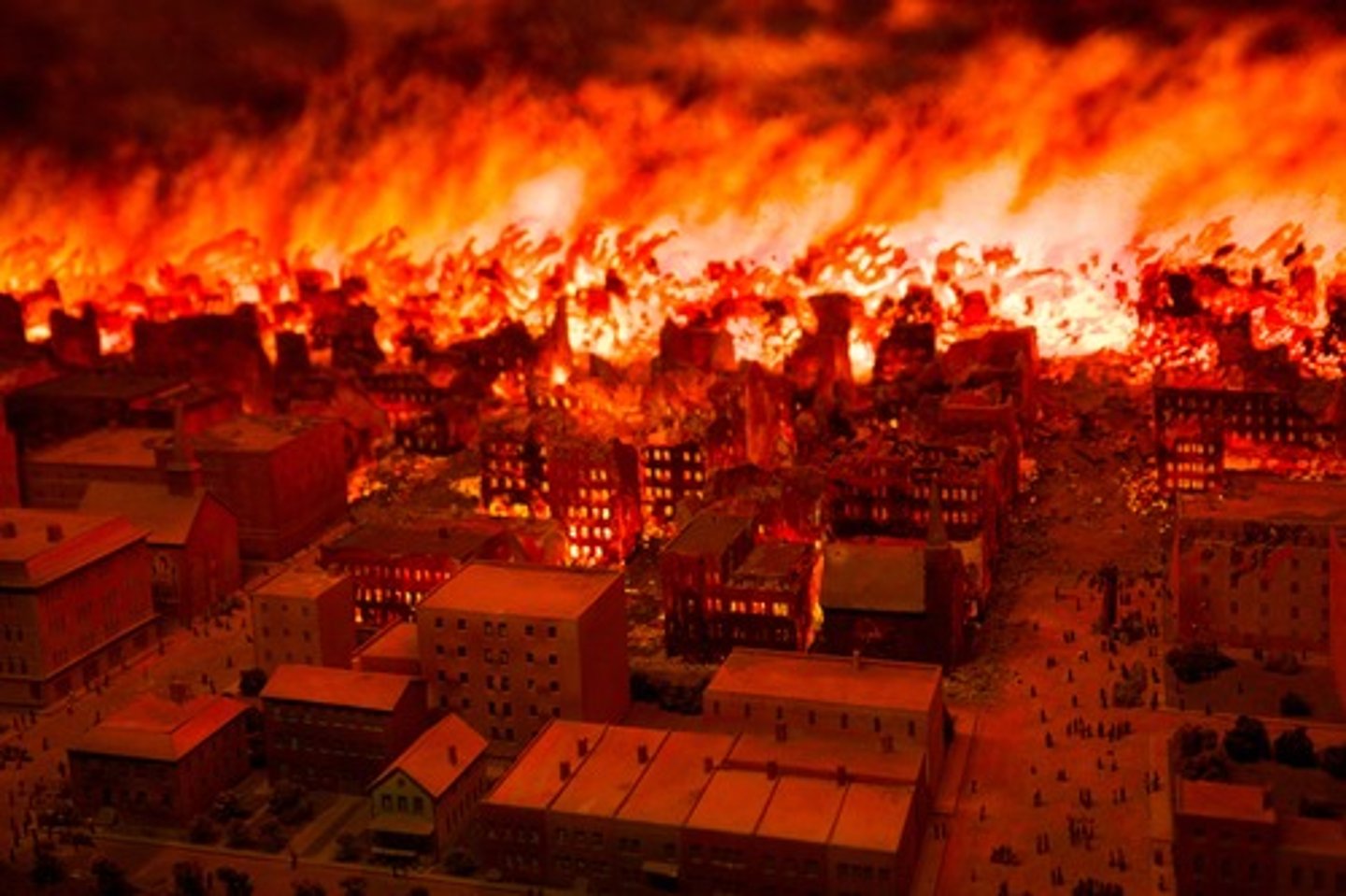
Crime and fire were also ongoing problems.
Overcrowded and poorly built tenements and a lack of water made fire especially dangerous.
THIS was the site of the enormous 1871 fire.
REFORMERS MOBILIZE!
HOW DID REFORMERS HELP THE POOR?
REFORMERS MOBILIZE!
HOW DID REFORMERS HELP THE POOR?
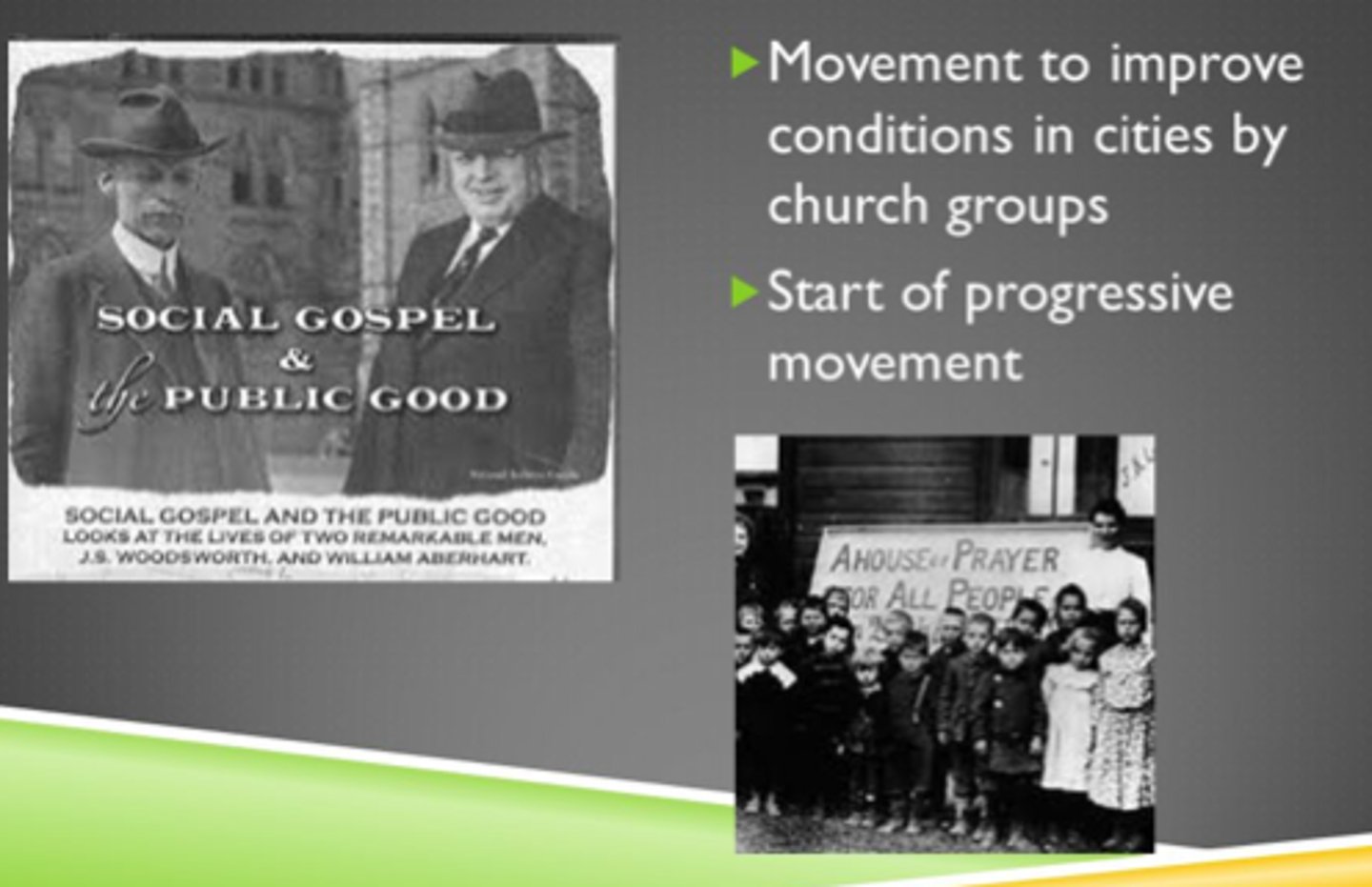
The Social Gospel Movement
A number of social reformers worked to improve life in the cities.
This was one early reform program preached that people reached salvation by helping the poor.
settlement houses
Many reformers responded to the movement's call by establishing THESE community centers located in slum neighborhoods.
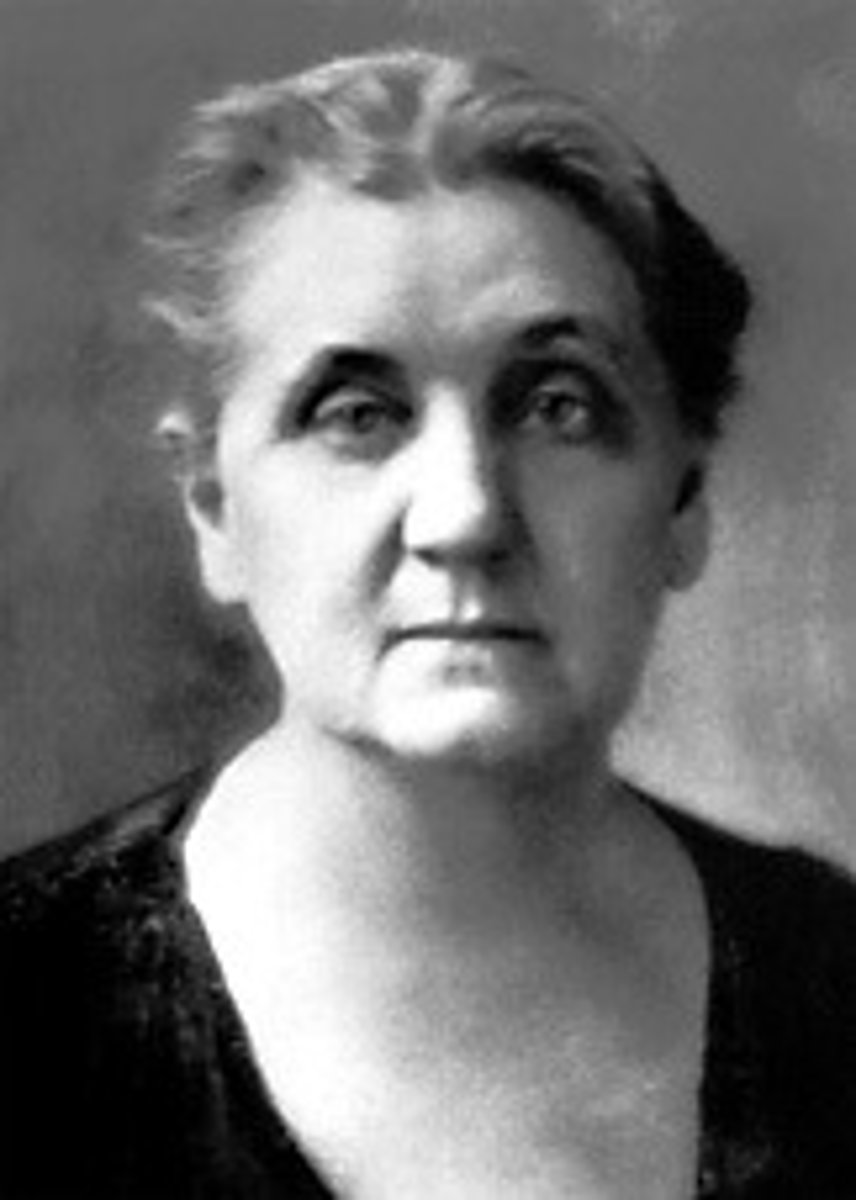
Jane Addams
SHE was one of the more well-known social reformers of this time.
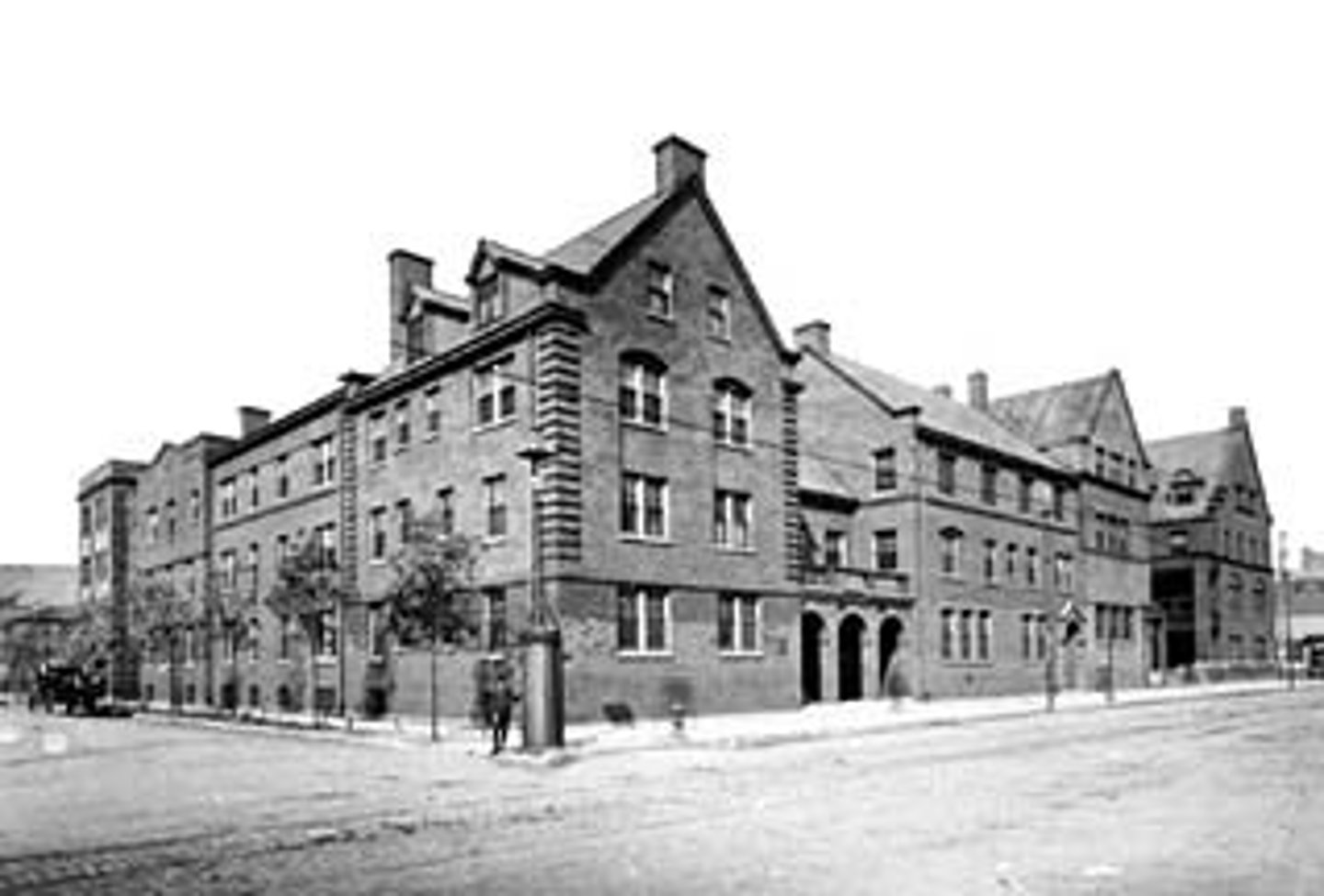
Hull House
Addams helped establish THIS settlement house that helped the poor in Chicago.

 Note
Note  Flashcards (20)