7. Diarrhea in Adult Horses and Foals
 Studied by 0 people
 Call Kai
 Learn
Learn Practice Test
 Spaced Repetition
 Match
Match Flashcards
 Knowt Play
1/23

Earn XP
Description and Tags
1/20/2026
Name | Mastery | Learn | Test | Matching | Spaced | Call with Kai |
|---|
No analytics yet
Send a link to your students to track their progress
24 Terms
Acute inflammation and mucosal injury to the colon that often precipitates and accompanies diarrhea
colitis
Colitis may include cecum (_________) and small intestine (_______)
May include cecum (TYPHLOCOLITIS) and small intestine (ENTEROCOLITIS)
what is the most common symptom of colitis?
diarrhea
Intraluminal sequestration of fluid secondary to malabsorptive or hypersecretory mechanisms and dysbiosis
Diarrhea
t/f: Acute or chronic diarrhea can present independent of colitis
true
adult horse can loss up to _____ liters/day with severe diarrhea
100
Etiologies of Acute Colitis/Diarrhea in Adult Horses
Infectious
Salmonellosis*
Clostridiosis
Potomac Horse Fever
Coronavirus
Toxicologic or other
Antibiotic-associated
NSAID associated*
Carbohydrate overload
what are TWO etiologies of acute colitis/diarrhea in adult horses that we can test for?
Salmonellosis
Clostridiosis
What are Etiologies of Chronic Colitis/Diarrhea in Adult Horses
Chronic parasitism
Inflammatory Bowel Disease
Sand enteropathy
Intestinal Neoplasia
Etiologies of Acute Colitis/Diarrhea in Foals
Infectious
Rotavirus
Clostridiosis; Salmonellosis
Sepsis
Parasitic or protozoal
Cryptosporidium
Toxicologic/other
Necrotizing enterocolitis
Perinatal asphyxia-associated
“Foal heat”
Nutritional: lactose intolerance, enteral nutrition
Antimicrobial/NSAID-associated
Etiologies of Chronic Colitis/Diarrhea in Foals
Infectious
Lawsonia intracellularis
does systemic inflammation impact disease severity?
yes
what is systemic inflammatory response syndrome (SIRS)?
Clinical/pathological manifestation of uncontrolled systemic inflammation
in foals, what does SIRS usually progress to?
Sepsis: SIRS w/ documented systemic bacterial infection (neonatal foals)
what predisposes horses with colitis to SIRS?
Systemic exposure to circulating bacterial endotoxin (endotoxemia) from damaged GIT predisposes horses with colitis to SIRS
t/f: Prevention of endotoxemia and treatment of SIRS are not critical in management of horses with colitis/diarrhea
false! they are!
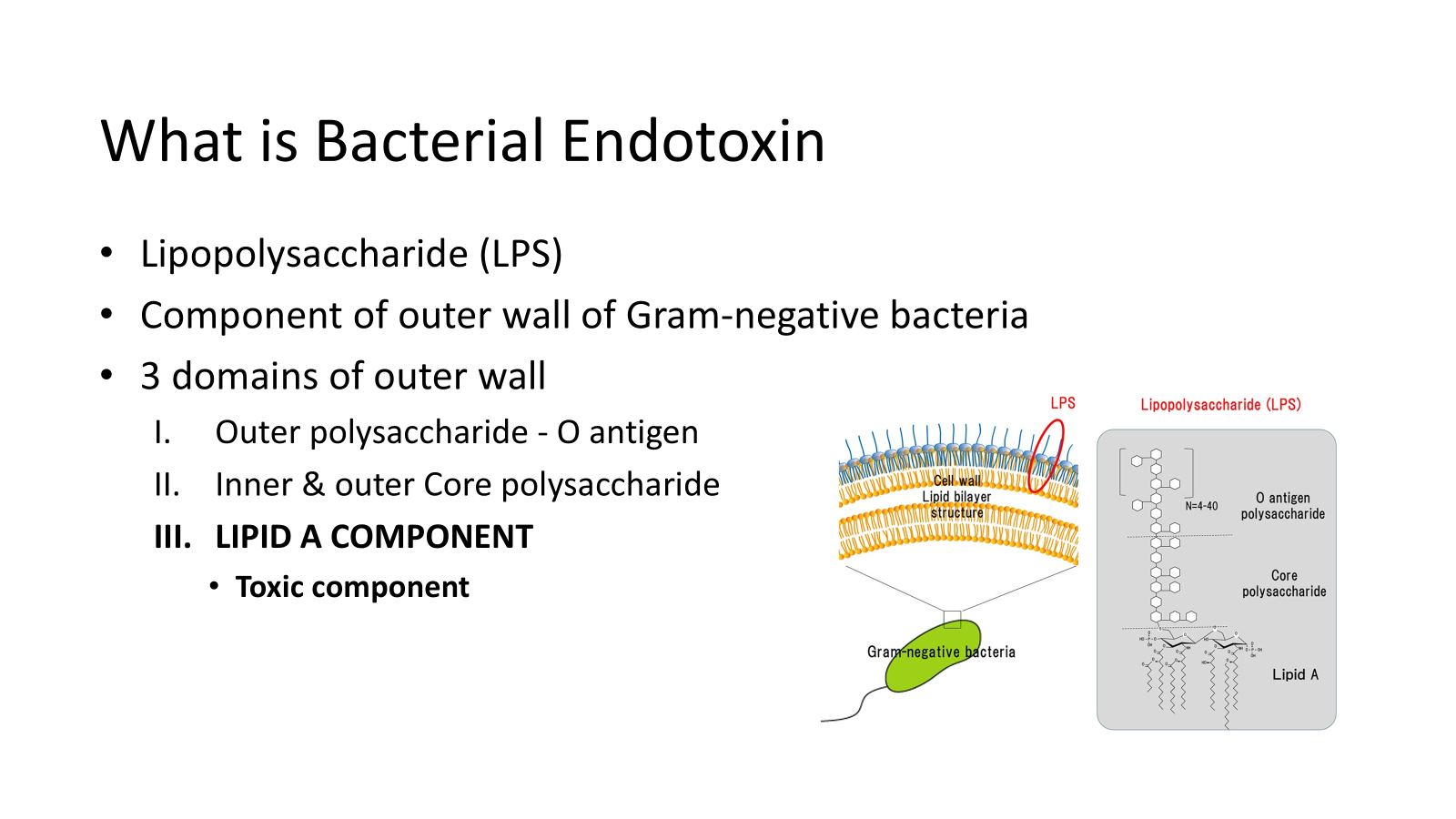
what is bacterial endotoxin?
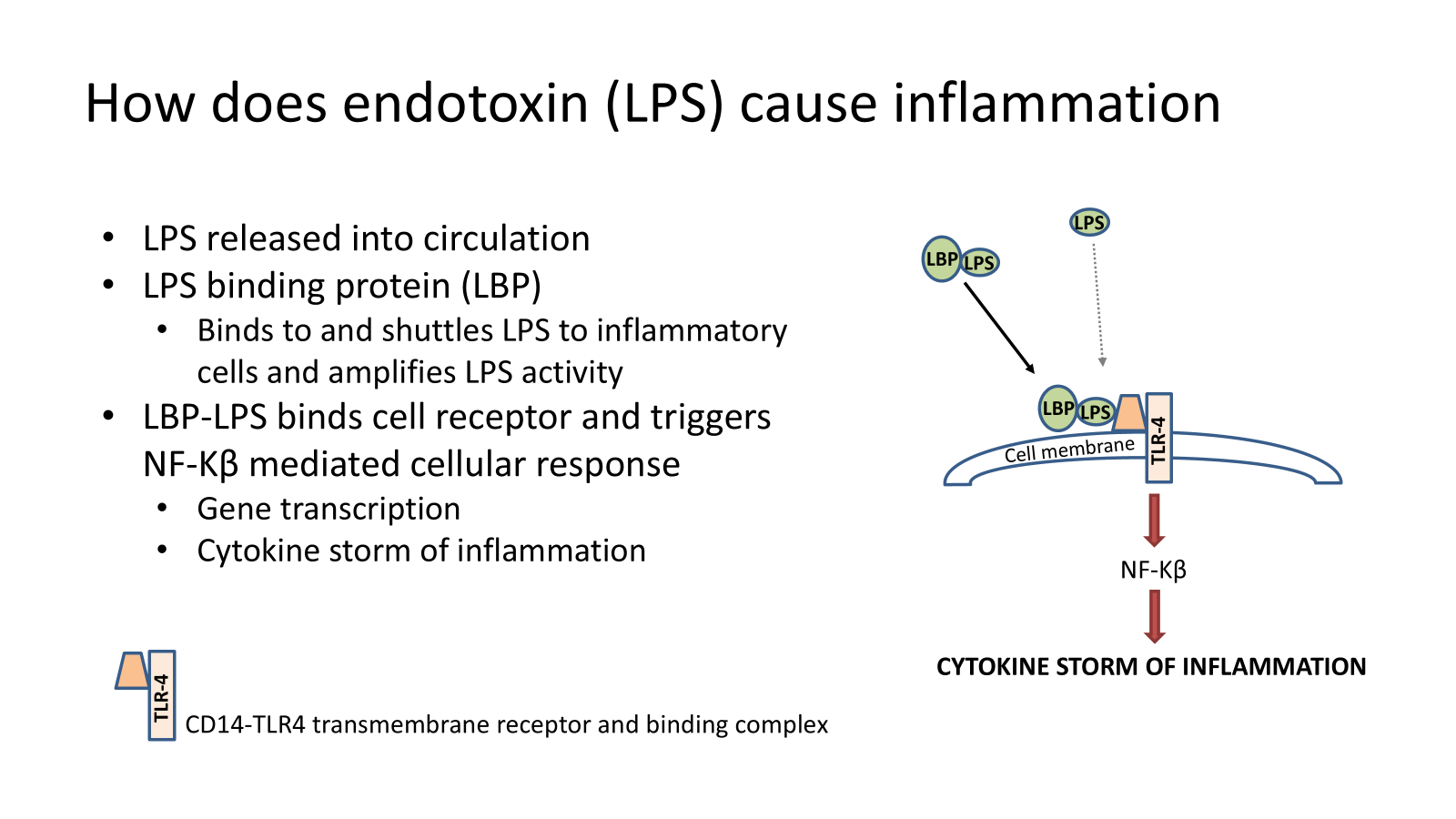
how does endotoxin (LPS) cause inflammation?
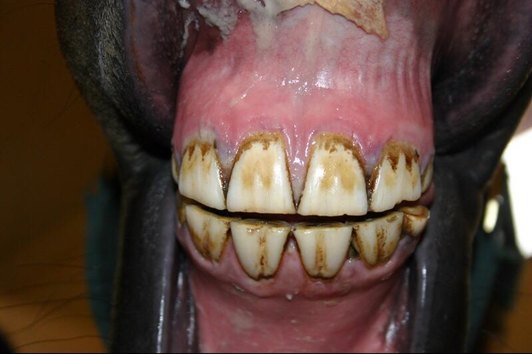
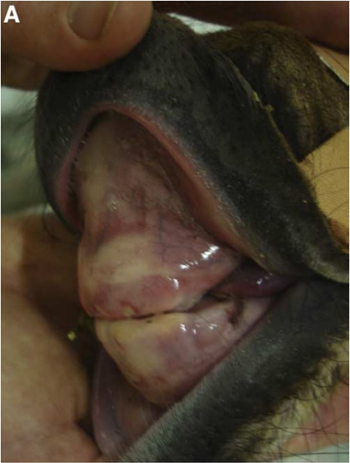
what are clinical signs of SIRS?
Inflammation
Fever, tachycardia, tachypnea
Alterations to perfusion
Hyperemic/discolored mucus membranes (red, “toxic line”)
Prolonged jugular fill; prolonged CRT
Cool extremities, poor pulse pressure
Coagulopathy
Thrombophlebitis, petechiation
Tissue injury (hypoxia, endothelial injury)
Laminitis (adult horses), renal injury
Sepsis (foals) – infection manifested elsewhere
Clinicopathologic abnormalities with SIRS
Inflammation
Leukopenia with degenerative left shift & toxic changes to neutrophils OR leukocytosis
Altered perfusion & tissue injury
Hyperlactatemia, metabolic acidosis
Azotemia may suggest kidney injury
Glucose or triglyceride dysregulation
Foals: hypo or hyperglycemia
Coagulopathy:
Thrombocytopenia, hypofibrinogenemia
Clinical signs that may accompany acute diarrhea
Depression, lethargy, anorexia
Colic: Ileus, intestinal inflammation, abdominal distension
Prolonged CRT, skin tent, dry MM
Dehydration, hypovolemia
Encephalopathy (rare; adults)
hyperammonemia
clinical presentation depends on (1) and (2)
Clinical status of these patients can change rapidly
severity of colonic and systemic inflammation
severity of fluid and electrolyte loss
describe the Clinicopathologic findings associated with acute diarrhea
Increased PCV, azotemia, hyperlactatemia
Dehydration, hypovolemia
Electrolyte and protein derangements
Metabolic acidosis
Hypoglycemia (neonates)
Hyperammonemia (rare; only adults)
Clostridiosis; ECoV
 Note
Note  Flashcards (36)