(2) Vikings: Military History and Notable Events
 Studied by 0 people
 Call Kai
 Learn
Learn Practice Test
 Spaced Repetition
 Match
Match Flashcards
 Knowt Play
1/13

There's no tags or description
Looks like no tags are added yet.
Name | Mastery | Learn | Test | Matching | Spaced | Call with Kai |
|---|
No analytics yet
Send a link to your students to track their progress
14 Terms
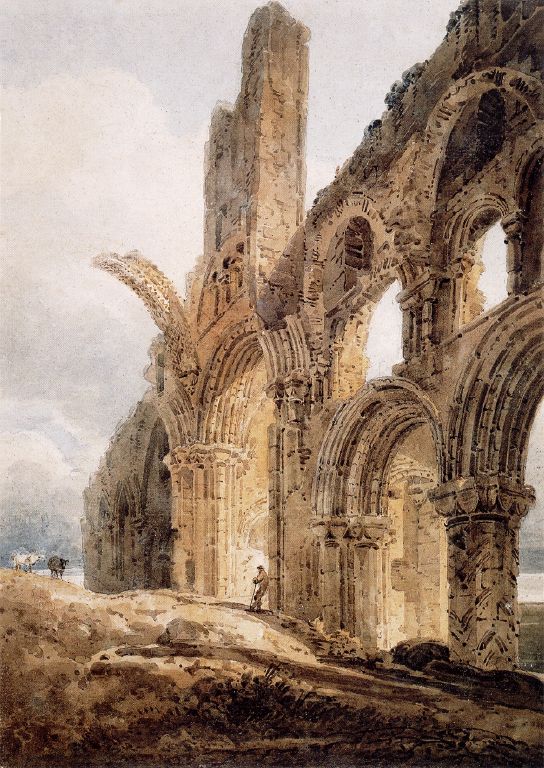
793 - Sack of Lindisfarne (All Facts)
Sacking of the namesake monastery and holy island of Northumbrian where many defenseless monks were slaughtered by Vikings
Most historians consider it as the start of the Viking Age
795 - Sack of Iona (All Facts)
After attacking the Shetlands, the Vikings sailed down the west coast of Scotland and sacked the namesake monastery, plundering it and Ireland for the first time
806 - Sack of Iona (All Facts)
Sacked the namesake monastery where they famously massacred 68 monks, today known as the martyrs of the namesake monastery
834 - Sack of Dorestad (All Facts)
Sacked the namesake major trading center near the mouth of the Rhine River
842 - Sack of Noirmoutier (All Facts)
845 - Sack of Hamburg (All Facts)
891 - Battle of Leuven (All Facts)
Battle in which the Vikings were defeated by King Arnulf and Germany / East Francia (and the Holy Roman Empire) near the Dyle River, expelled from his kingdom of Germany / East Francia (and the Holy Roman Empire)
911 - Treaty of Saint-Clair-sur-Epte (All Facts)
Peace treaty signed between Charles the Simple of France / West Francia and Rollo of Normandy
Peace treaty in which Charles the Simple conceded western territory to Rollo that laid the foundations for the Duchy of Normandy (or “Northmen” or “Normans”), and Rollo
Swore homage to Charles the Simple
Accepted baptism and converted to Christianity
Agreed to defend his kingdom against other Vikings
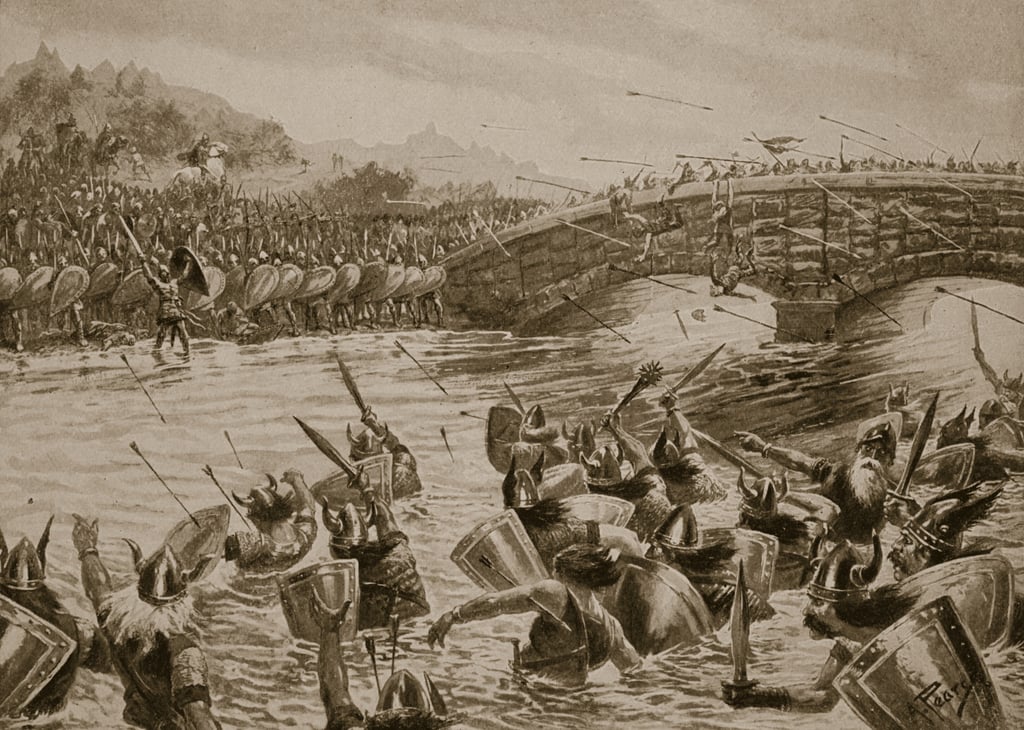
991 - Battle of Maldon (All Facts)
Battle in which Olaf the Norseman and the Vikings defeated the English, overcame the heroic English defense, and afterwards continued to advance deep into England until they were bought off by English King Aethelred II “The Unready”
999 - 1198 - Norman Conquest of Southern Italy (All Facts)
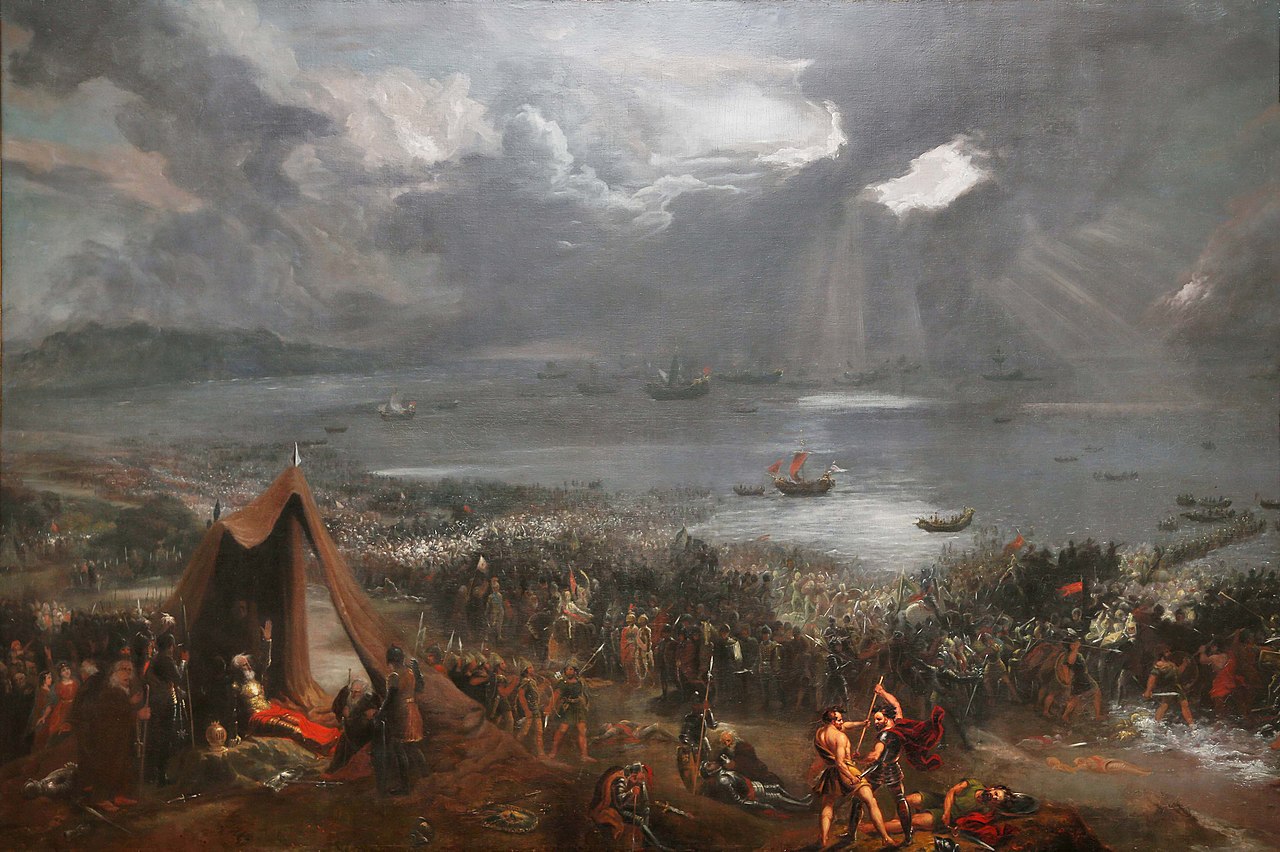
1014 - Battle of Clontarf (All Facts)
Battle in which the Vikings were defeated by King Brian Boru and his Irish forces, although Boru was killed in battle
1053 - Battle of Civitate (All Facts)
Battle in which Robert Guiscard and his Norman forces invaded Italy and defeated Pope Leo IX and his Papal forces, capturing Pope Leo IX and conquering southern Italy and Sicily
1059 - Treaty of Melfi (All Facts)
Treaty signed between Pope Nicholas II and the Norman princes Robert Guiscard and Richard I of Capua, in which
The Pope promised to recognize the Norman conquest of Southern Italy and Sicily and Robert Guiscard as Duke of Apulia and Calabria (which he had already conquered by that point), and as Duke / Count of Sicily (which he was going to conquer next but did not want the fear of Papal armies attacking his rear)
Robert Guiscard promised to be faithful to the Pope and the Catholic Church and promised to invade and take back Sicily from the Muslims
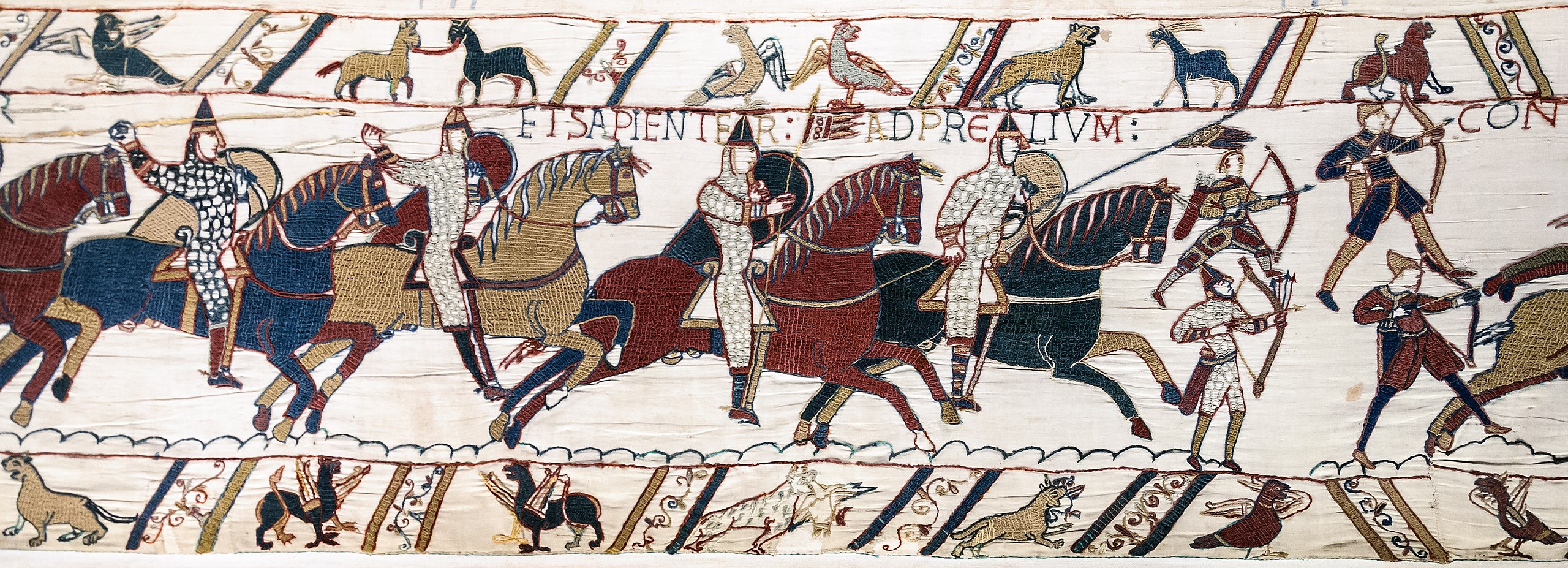
1066 - Battle of Hastings (All Facts)
Battle in which William, Duke of Normandy, and his Norman-French forces, defeated Harold II and his Anglo-Saxon forces, completing the Norman-French Conquest of England and initiating the reign of William as King of England and the founding of the House of Normandy Dynasty of England
Battle in which William commanded a mixed force of around 7K Norman-French, Breton, and mercenary soldiers and crushed the army of his rival for the English throne, King Harold, on windswept Sussex
Battle after which the Norman-French claimed William was the rightful heir to the English throne and that King Harold II had conceded this
Battle which saw a struggle between two opposed styles of combat, including
Mobile Norman-French archers
Stoical, close-packed ranks of English infantry armed with lances and axes
Battle which saw Harold II and his Anglo-Saxon forces dominate for much of the battle
Battle in which
William and his Norman-French forces approached through a wood near the top of Sandlake Hill, eight miles inland, and dismounted and formed up in tight formation on the high ground
William’s Norman-French troops attacked with archers in front followed by armor-clad infantry
William and his Norman-French forces rolled uphill in human waves which boke time and again
William, on horseback, stayed close and kept control as a conspicuous target who had three horses killed under him
William dismounted, removed his helmet in order to be recognized, and, spear in hand, ordered back into the battle the French front ranks who had at last panicked and fled, their own knights having cut them down
The Anglo-Saxon English then, observing the beginning of a rout, freed at last from their role as bowmen’s targets, ran forward in hot pursuit
The English, however, were hit on both flanks by French cavalry, which was probably the most decisive moment in the battle
William and his Norman-French forces, turned near-disaster to their advantage, using the ploy to encourage the Anglo-Saxon English to break ranks
In such confusion, the Anglo-Saxon English leaders were exposed as ready targets and Harold II’s two brothers were killed in a hail of arrows and spears
William and his Norman-French forces continued to squeeze the core of Harold II’s army until only a few dozen remained standing
Those survivors, knowing all was lost, retreated in good order to make a last stand on ground which gave them the best chance to sell their lives dearly, in a steep valley cut by ditches and unsuitable for the Norman-French cavalry
However, William, his lance broken, led a party of men from Boulogne into the enemy at this position
Battle in which Harold II, despite having lost one eye, fought on magnificently against William and his invading Norman-French forces so much so that when his body was recovered it was virtually unidentifiable
 Note
Note  Flashcards (37)