Bio 30 DNA quiz
 Studied by 0 people
 Call Kai
 Learn
Learn Practice Test
 Spaced Repetition
 Match
Match Flashcards
 Knowt Play
1/38

There's no tags or description
Looks like no tags are added yet.
Name | Mastery | Learn | Test | Matching | Spaced | Call with Kai |
|---|
No analytics yet
Send a link to your students to track their progress
39 Terms
DNA
Deoxyribonucleic Acid
Watson and Crick
1953; concluded double helix structure; became accepted as molecular structure of DNA
Hershey and Chase
1952; used radioactive labeling to conclude DNA was genetic material not proteins
Chargaff
1949; discovered that DNA contains equal amount of A/T and C/G (pyrimidines = purines)
Avery, McCarty, Macleod
1944; identified Griffiths transforming principle as DNA
Frederick Griffiths
1928; discovered bacteria can transfer genetic information but didn’t know the agent of transformation
A deoxyribose sugar unit, A phosphate unit, and a nitrogen base
The DNA molecule is a "Double Helix", made up of nucleotide's. The nucleotide's is composed of?
Sugar-phosphate backbone
The deoxyribose sugar and phosphate unit form the outside of the molecule, called the?
The "rungs" of a ladder
The nitrogen bases are the inside of the molecule
4 Nitrogen bases in DNA
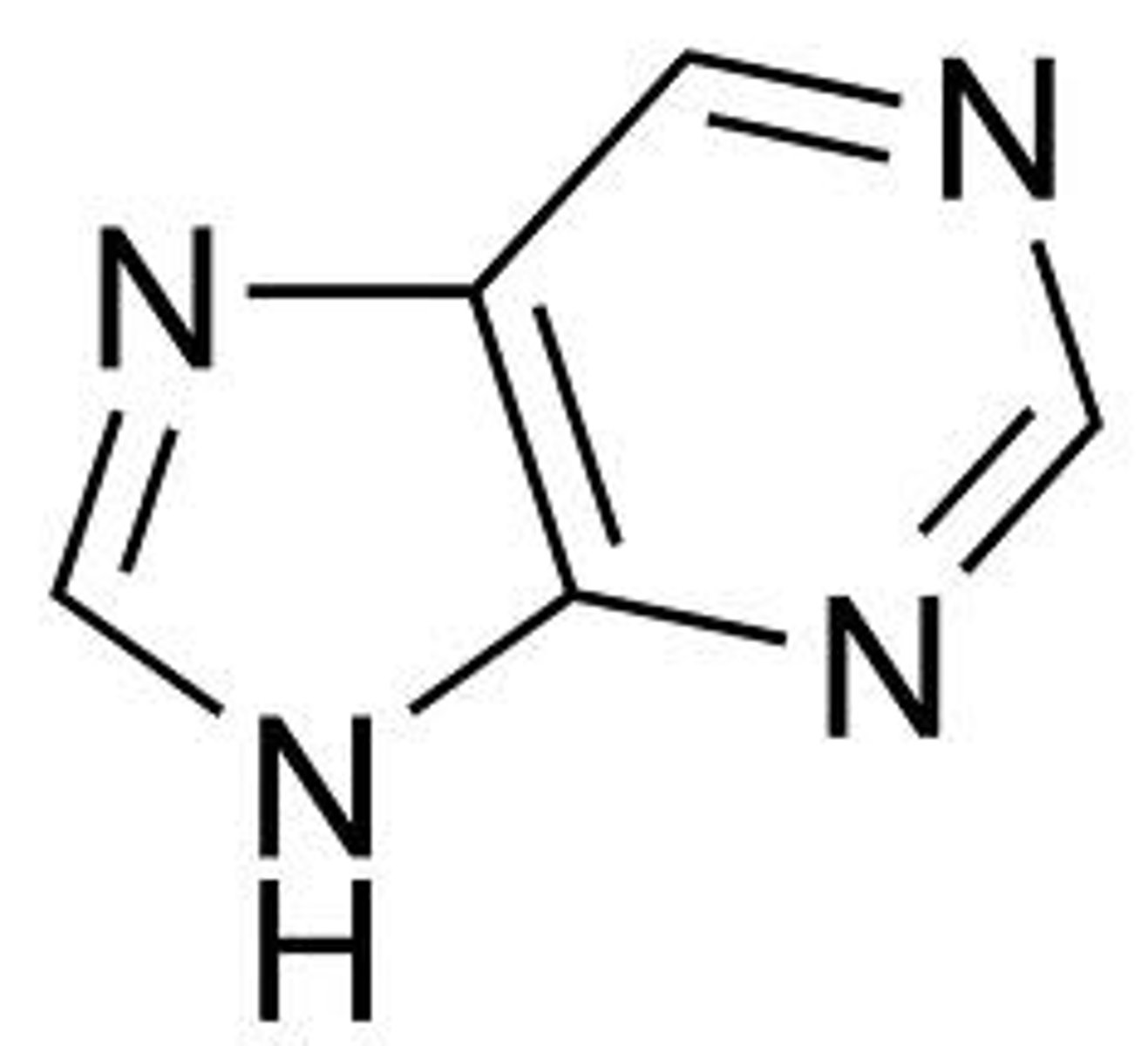
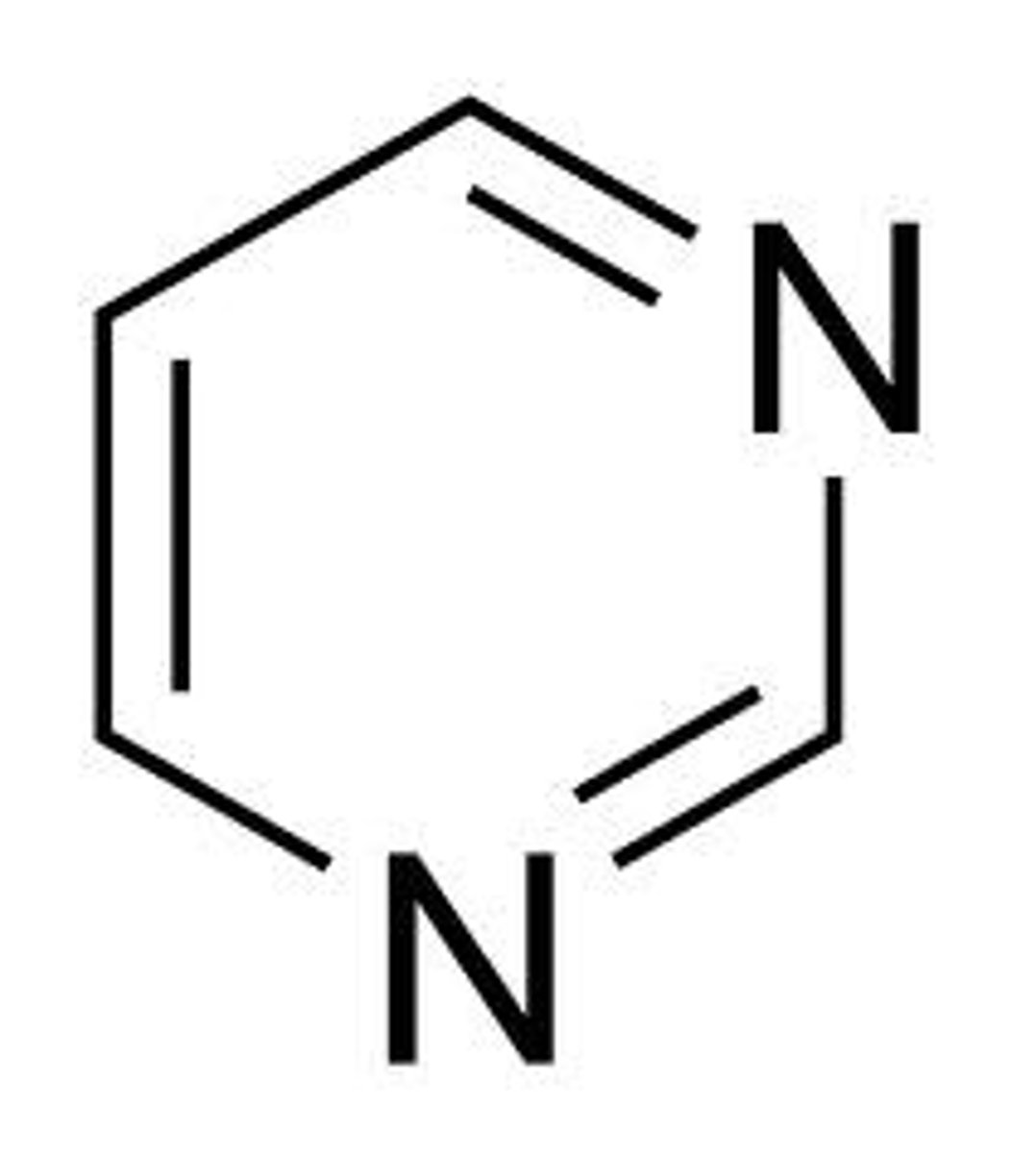
Adenine (A), Guanine (G) are called purines (double ringed structures). Thymine (T), and Cytosine (C) are called pyrimidines (single ringed structures)
Complementary base pairs
Refers to the hydrogen bonded, nitrogenous base pairs of adenosine and thymine, and of cytosine and guanine in the DNA double helix, or the base pairs of adenosine and uracil and cytosine and guanine in hybrid molecules that link complementary strands of RNA and DNA.
Chargaff's Rule
This person found that the nucleotides are not present in equal amounts. Instead, the nucleotides are present in varying, but characteristic proportions. This person found that the amount of adenine in any sample of DNA is approximately equal to the amount of thymine and the amount of cytosine is always approximately equal to the amount of guanine. The relationship is known as?
Rosalind Franklin
1953; bombarded DNA with x rays to determine DNA’s helical structure
3 things that make up a nucleotide
*Deoxyribose sugar unit
*Phosphate unit
*Nitrogen base
Purines
(Double ringed structures)
*Adenine
*Guanine
Pyrimidines
(Single ringed structures)
*Thymine
*Cytosine
Human Genome
(Sum of all DNA carried in each cell) is made up of 3 billion base pairs and is composed of 20000 - 25000 genes
Genes
Each chromosome is made up of DNA are called? (These code for proteins and polypeptides)
Non-sense DNA/Introns
Non-coding sections of DNA are often referred to as?
Semi-Conservative
DNA replication is called? because each DNA molecule has one strand from the original DNA molecule and one new strand
3 Stages of DNA replication
*Initiation
*Elongation
*Termination
5 to 3
Replication occurs in a ___ to ___ direction?
Helicases
Unzips the DNA in order for the DNA to make a replication of itself. It unwinds the parental double helix.
Single-Strand binding
Proteins that protect and bind to the DNA strands and keep them separated.
DNA Polymerase III
-Replicates DNA molecules to build a new strand of DNA.
-During DNA replication, an enzyme that slips into the space between the two strands, uses the parent strands as a template and adds nucleotides to make complementary strands
DNA Polymerase I
removes RNA primers to replace them with DNA nucleotides
Primase
creates primer (comes in and makes RNA primers on both strands to help DNA polymerase get started)
Leading Strand
This strand is synthesized continuously in the 5 to 3 direction by DNA polymerase.
Lagging Strand
Is synthesized discontinuously. Primase synthesizes a short RNA primer, which is extended by DNA polymerase to form an Okazaki fragment.
Okazaki Fragments
short Pieces of DNA that aren't properly synthesized
RNA primer
It starts the process of getting DNA polymerase to do it's job
DNA ligase
Glues together the Okazaki fragments until the DNA polymerase properly synthesizes.
RNA
*Ribonucleic Acid (Single Stranded Molecule)
Contains Ribose sugar instead of deoxyribose
Does not contain Thymine (T) but contains Uracil (U)
U is complementary to A
Replication Bubbles
Due to the presence of various replication origins on a chromosome, these bubbles form throughout the chromosome during replication. These eventually join up forming duplicate strands.
Replication Origins
Replication begins at specific nucleotide sequences which are called.
Error Rate
DNA polymerase proof reads the new daughter DNA molecules and fixes any problems that it detects. 1 mistake per 1 billion nucleotides!
2 Stages Of Protein Synthesis
Transcription - Occurs in the nucleus
DNA - mRNA (messenger RNA)
Translation - Occurs in the cytoplasm
mRNA - Protein
3 types of RNA
*mRNA (messenger)
*tRNA (transfer)
*rRNA (ribosomal)
Topoisomerase
relieves tension from unwinding - keeps DNA from recoiling
 Note
Note  Flashcards (58)