IB Biology - Chemistry of Life
 Call Kai
 Learn
Learn Practice Test
 Spaced Repetition
 Match
Match Flashcards
 Knowt Play
1/287

There's no tags or description
Looks like no tags are added yet.
Name | Mastery | Learn | Test | Matching | Spaced | Call with Kai |
|---|
No analytics yet
Send a link to your students to track their progress
288 Terms
Where did cells first originate?
Cells first evolved in bodies of water
Water is a medium where most life process occur
What is water a medium of?
solvent
reactions
transport of substances
temperature regulator
protection (brain, spinal cord, joints)
absorption of nutrients
excretion of waste
Polarity
When a molecule has both a partially negative (δ−) and positive charge (𝛿+)
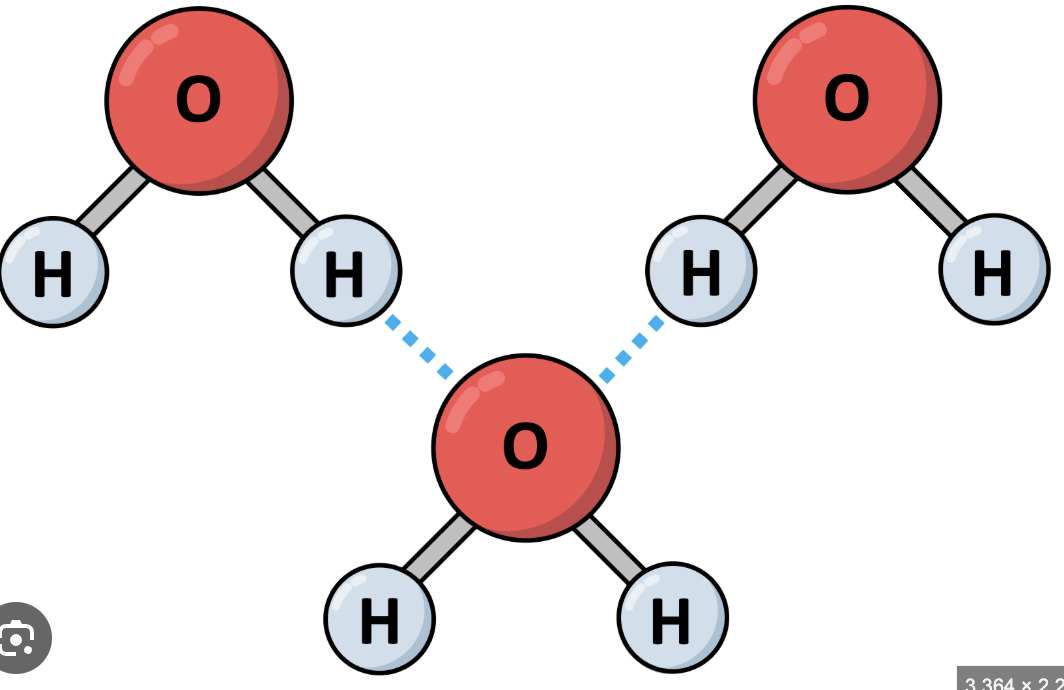
What are a consequent of the polar bonds within water molecules
Hydrogen bonds
Causes of the polarity of covalent bonding in water molecules
Due to the unequal sharing of bonded electrons
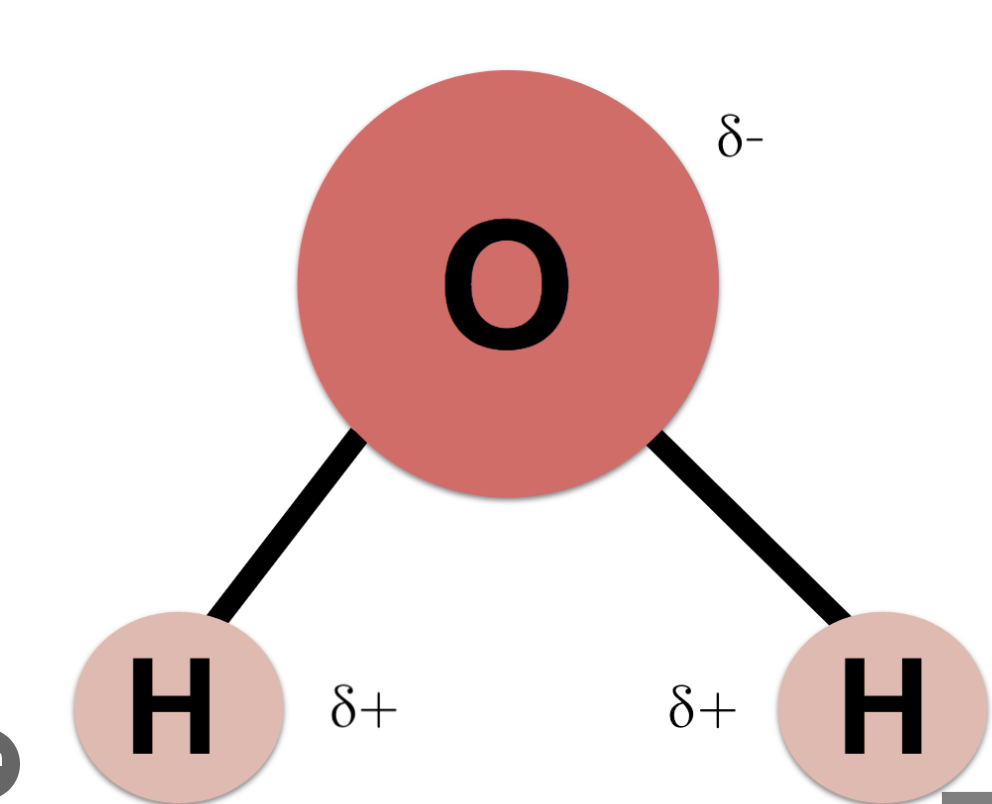
What is the structure of a water molecule
1 O atom (partially negative) covalently bonds with 2 H atoms (partially positive)
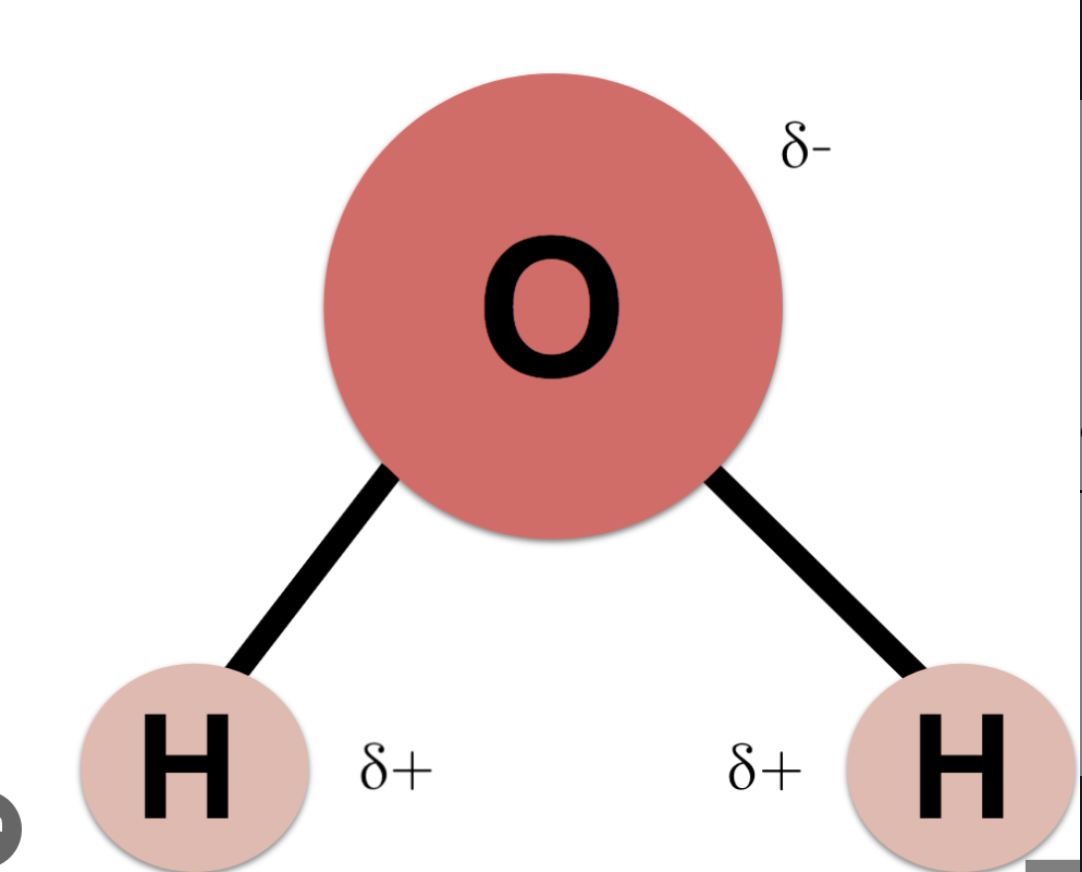
Dipolar nature
TREAT THIS THE SAME AS POLAR, DIPOLAR = 2 OPPO. POLES
Polarity due to excess electrons surrounding O atom (not the usual excess of electrons due to ionic bonding) → hydrogen bonds (weak bonds) form between different water molecules → cause specific properties of water
Cohesion
binding together of molecules of the same substance due to H bonds (same molecules sticking together)
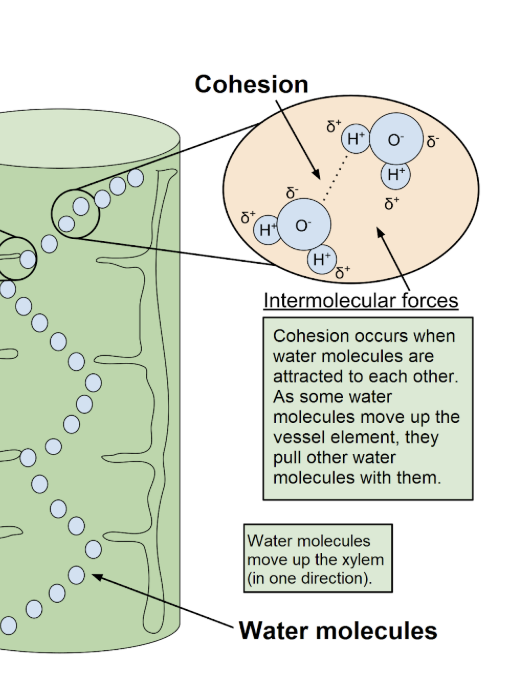
What is the direction of movement of water in the xylem vessels?
(against gravity) by water molecules “pulling each other up”
Surface tension
resistance of the surface of a liquid to breaking → caused by hydrogen bonding between surface molecules
Adhesion
H bonds form between water + other polar molecules (water sticking to other compounds)
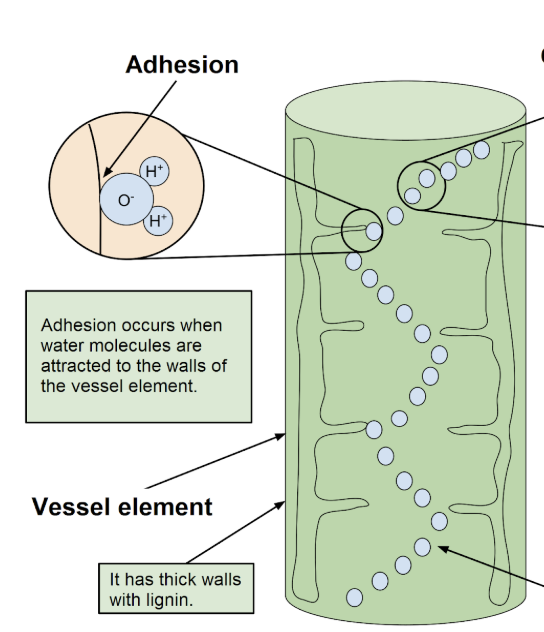
Adhesion enables #1
Movement of water in xylem (against gravity) by water molecules adhering to polar cellulose molecules in cell walls
Adhesion enables #2
Movement of water molecules between soil particles by adhering to polar organic matter in the soil → spreading due to plants’ uptake of water through roots
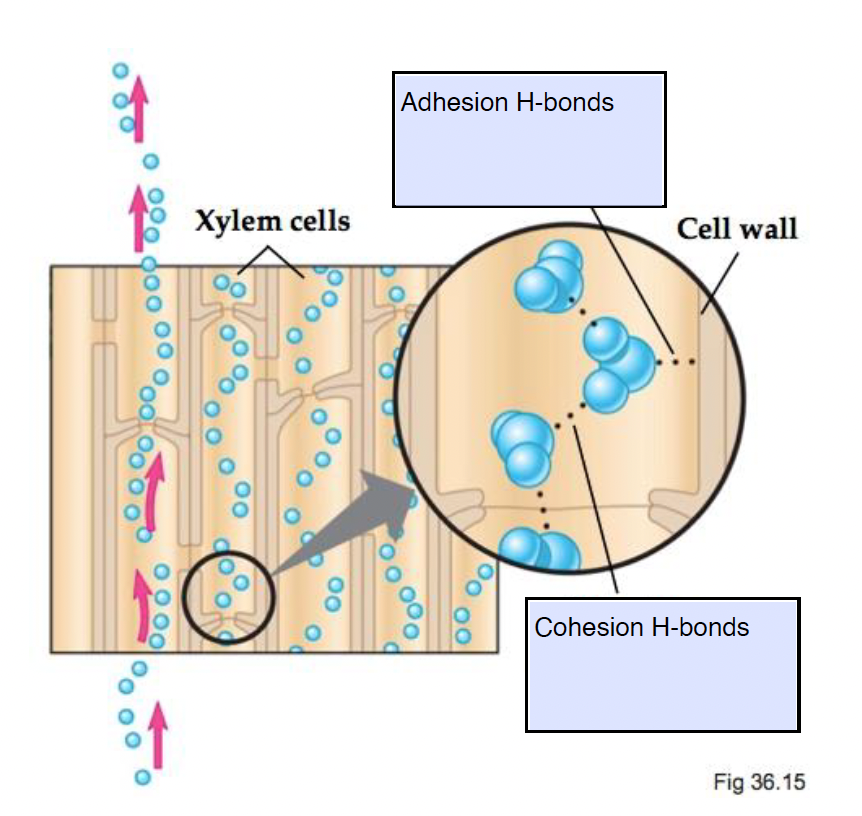
BOTH adhesion and cohesion contribute to capillary action
Role of solvent properties of water
medium for metabolism
for transport in plants + animals
What types of molecules dissolve in water?
A wide variety of hydrophilic molecules dissolve in water → most enzymes catalyse reactions in aqueous solutions
Functions of some molecules in cells depends on them being hydrophobic + insoluble
Why does water have a solvent property
Because of polarity, water molecules dissolve a number of other polar molecules
HYDROPHILIC (water-loving) SUBSTANCES = soluble in water
chemically attracted to water: polar charged or substances that water adheres to (glucose, cellulose, sodium chloride)
Hydrophilic substances
extremely important for transport of nutrients + wastes
most metabolic enzymatic reactions happen in a watery environment
HYDROPHOBIC (“water-fearing”) SUBSTANCES = insoluble in water
nonpolar (uncharged) particles that can not be attracted to water (oils, fats, lipids, hydrocarbons)
Importance of hydrophobic substance
extremely important that some substances remain hydrophobic → e.g. some lipid-based hormones, efficient energy storage as fats, transport of fatty substances in blood via “lipoprotein complexes” → hydrophilic exterior and hydrophobic interior
DON’T ASSUME that hydrophilic + soluble are together
CAN ASSUME hydrophobic + insoluble
How is glucose transported in blood
Mode of transport | How it works |
(soluble) Dissovled in blood plamsa | Glucose is a polar molecule which dissolves in water. Blood plasma is mostly water. |
How is amino acids transported in blood
Mode of transport | How it works |
(soluble) Dissovled in blood plamsa | Amino acids is a polar molecule which dissolves in water. Blood plasma is mostly water. |
How is cholesterol + other lipids transported in blood
Mode of transport | How it works |
(insoluble) Lipoprotein complexes | Cholesterol and lipid molecules are nonpolar, and will not dissolve in blood plasma, which is mostly water. |
How is sodium chloride transported in blood
Mode of transport | How it works |
(soluble) Dissovled in blood plasma | Sodium chloride is an ionic compound which dissolves in water. Blood plasma is mostly water. |
How is oxygen transported in blood
Mode of transport | How it works |
(insoluble) Mostly bound to hemoglobin, some dissolved in blood plasma | Oxygen is nonpolar, and does not readily dissolve in water. |
Physical Properties of water: water anomaly (thermal)
most substances increase in density as their temperature decreases until they reach a solid state → water is densest at 4°C rather than 0°C → ice is less dense than water, so it floats on the surface → enables survival of aquatic plants + animals
Physical Properties of water: HBP (thermal)
high because of high heat of vaporization → boiling point is the max temp. in which substance is still liquid
Physical Properties of water: high latent heat of vaporization (thermal)
high amount of heat (energy) required for a water molecule to break H bonds (set free from the liquid) → become a water vapor molecule
evaporation has a cooling effect (sweating) on organisms → e.g. humans
very large span of liquid water availability on Earth (0-100C)
Physical Properties of water: high specific heat capacity (thermal)
Specific heat capacity = amount of energy required to raise 1 g of a substance by 1°C.
Water has high SHC → resists temperature change due to hydrogen bonds absorbing energy → large bodies of water resist temperature change → stable aquatic ecosystems
Physical Properties of water: thermal conductivity (thermal)
water conducts heat much more effectively than air → means aquatic animals lose body heat more rapidly → animals must be adapted to reduce heat loss
Physical Properties of water: buoyancy (the ICE floats on the water)
upwards force (drag) exerted by a fluid on an object immersed in it → liquid water is a denser fluid than air, providing greater buoyancy for aquatic animals → allows them to float or swim more easily
helps many aquatic animals conserve energy → allows them to stay afloat without expending a lot of effort
Aquatic mammals have a layer of blubber that provides buoyancy → helps them float on the surface of the water (also provides thermal insulation)
Physical Properties of water: viscosity
measure of a fluid’s resistance to flow → the higher the viscosity, the more difficult it is for animals to move through the fluid
Water has a higher viscosity than air, so most aquatic animals have various hydrodynamic shapes → streamlined body shape which allows them to smoothly move through water
Ringed seal - buoyancy
layers of blubber → allows to remain buoyant while in sea → reduces energy required to swim
Ringed seal - viscosity
streamlined body → allows them to efficiently move through water
flippers → use drag to facilitate movement
Ringed seal - thermal conductivity
layer of blubber → insulates them in water
fur → can trap air → helps with insulation
seals tend to huddle → reducing exposed surface area + heat loss when on land
Ringed seal - high specific heat capacity
endotherms (able to make their own heat) = adapted to maintain a constant body temperature → the high specific heat capacity of the water in their bodies help maintain a stable body temperature
Black throated loons - buoyancy
able to adjust its density by changing the volume of air in special 'air sacs' (in their lungs) → allows them to control the depth when diving for food
by spreadings its wing → stabilise + distribute weight on water surface → able to increase its buoyancy
bones → dense to help them dive down to hunt for food
Black throated loons - viscosity
streaming shape of loons → allows them to efficiently move through air + water
webbed feet → helps the birds to move through water
Black throated loons - thermal conductivity
endotherm = maintains a constant body temp
feather trap air and provide insulation
feather are covered in hydrophobic oil → keeps feathers dry
Black throated loons - high specific heat capacity
water has HSHC → aquatic environments change temperature slowly → reduces rapid heat loss when diving → help loons to regulate its body temp
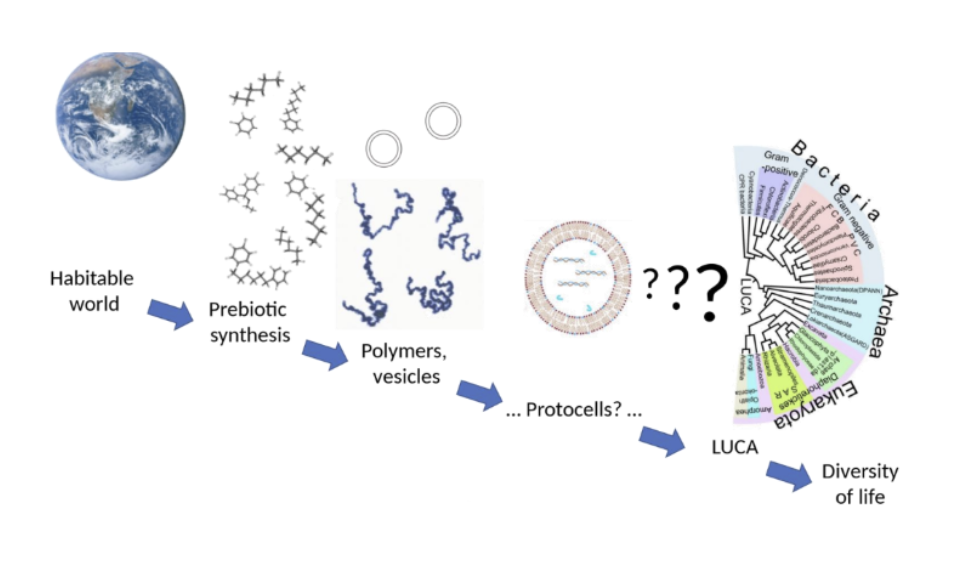
Why was there no water on “proto-Earth”?
Earth + other rocky planets of the inner solar system formed by clumping together
Water was not present as ice since the temp. were too high for it to exist as ice → any gaseous water would have been moved by solar winds
How did Earth gain its water?
Solid water was formed in the outer solar system (due to low temperatures) since the sun was far
ice formed comets + asteroids
Earth's water came from asteroids (have similar heavy hydrogen atoms as Earth's water)
Water came during the Late Heavy Bombardment (4 billion years ago)
How did Earth retain its water?
Earth's large mass creates enough gravity to retain the liquid water + vapor inside. The moon is smaller --> less gravity --> cannot retain water vapor
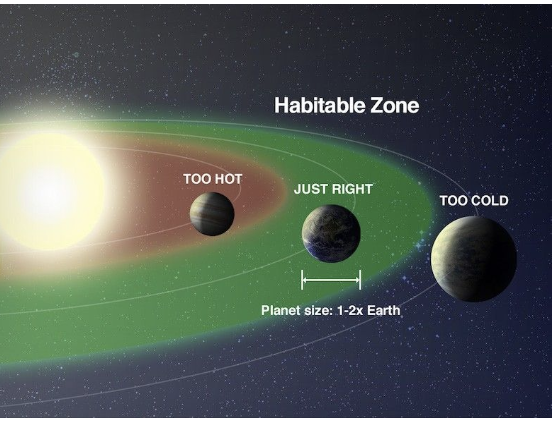
Earth is in a habitable zone of the solar system --> water exist in liquid here. Earth's temp. is suitable for the water cycle --> water vapor condenses to liquid water --> falls back to Earth as precipitate
What is required for life to exist? - Liquid water
acts as a solvent → enables chemical reactions
What is required for life to exist?
Source of energy
What is required for life to exist? (essential chemical elements)
Carbon
Hydrogen
Oxygen
Nitrogen
Phosphorus
Sulfur
What is required for life to exist? (stable environment)
Habitable zone around a star = zone in which liquid water can form and remain = the Goldilocks zone
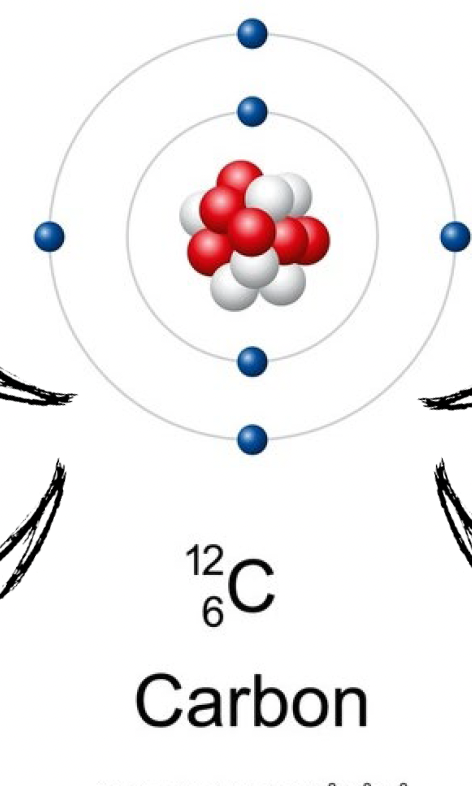
Carbon atom’s structure
Carbon atoms contain 4 electrons in their outer shell → can pair up with electrons of other atoms → able to form single/double/triple covalent bonds with other atoms
Covalent bonding
Covalent bonds are strongest type of bond between atoms → stable molecules can be formed
Carbon on Earth
Carbon very abundant on the planet → forms the backbone of every single organic molecule
Carbon forming with others
Carbon can form molecules with many different elements → e.g. other carbon atoms, metallic + non-metallic atoms.
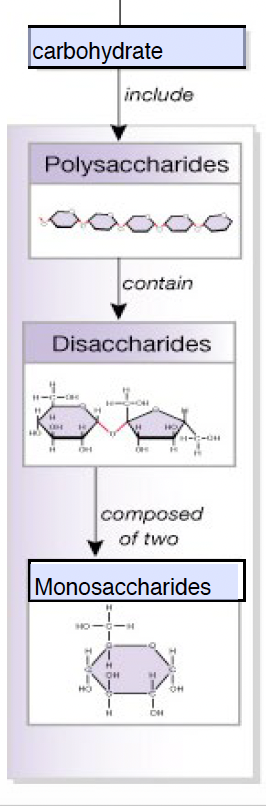
Carbohydrates
Lipids
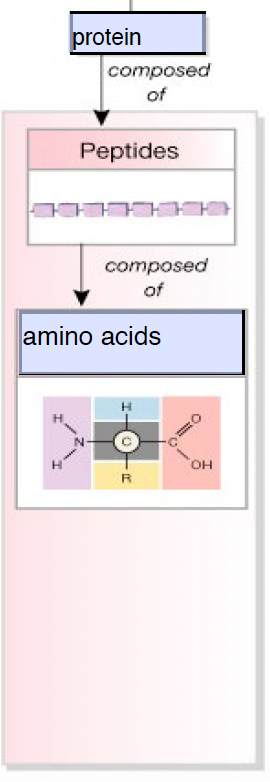
Protein
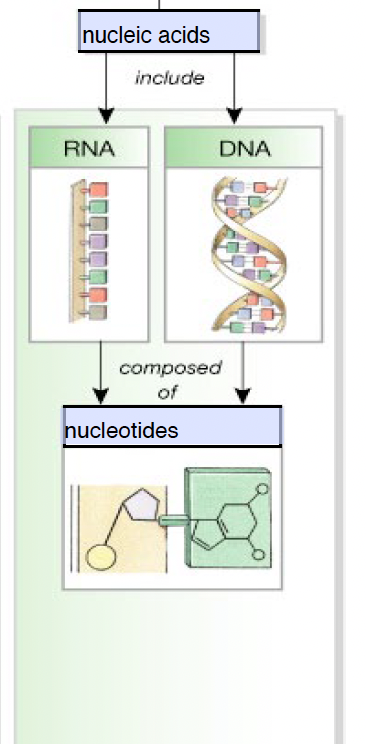
Nucleic acids
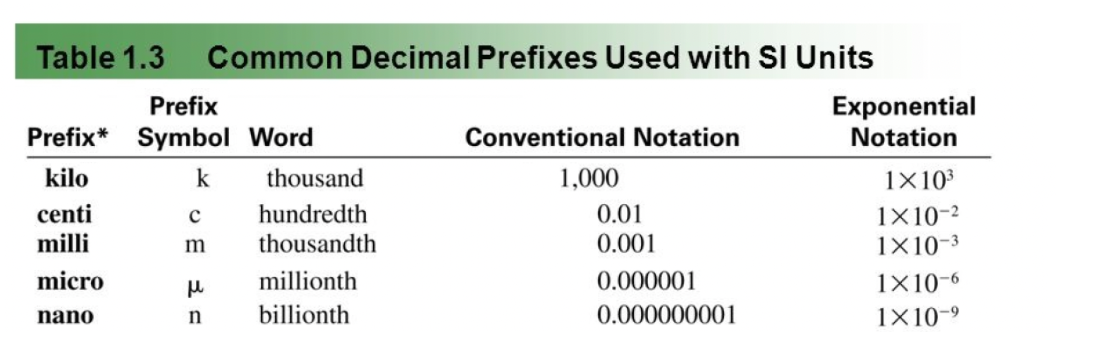
SI Metric Units Prefixes
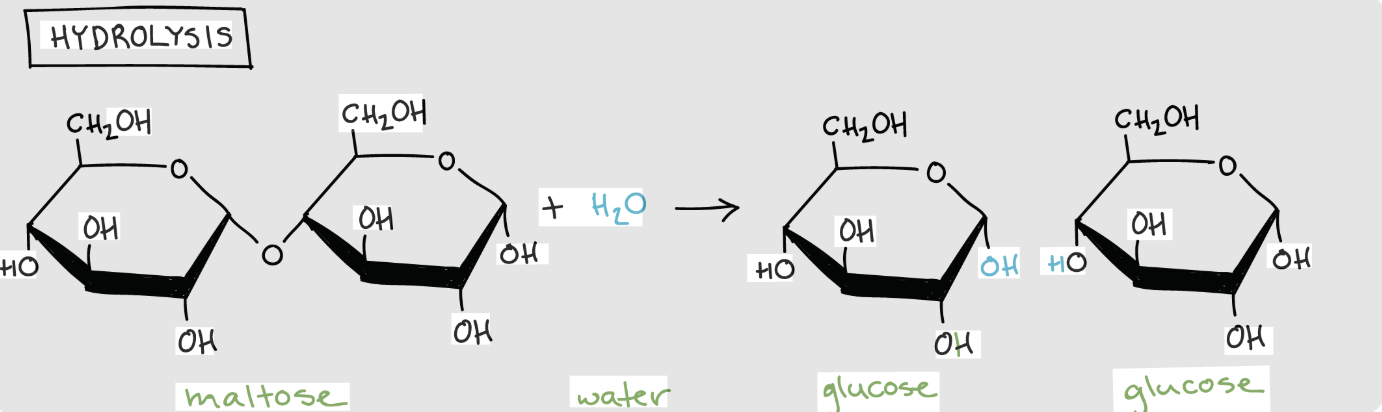
Hydrolysis
Breaking apart polymers (bonds) into monomers using water
Catabolic
In: water
Out: energy (exergonic react.)
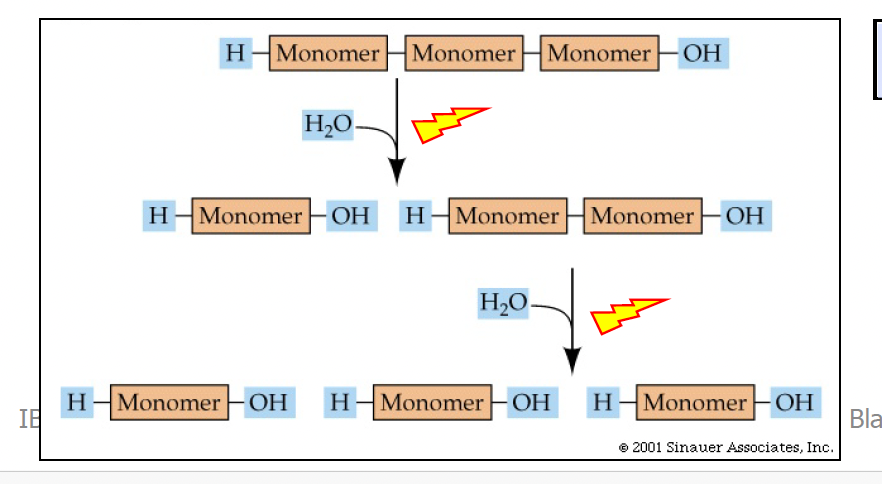
Hydrolysis defintion
breaks down complex polymers into monomers by adding a water molecule to break covalent bonds
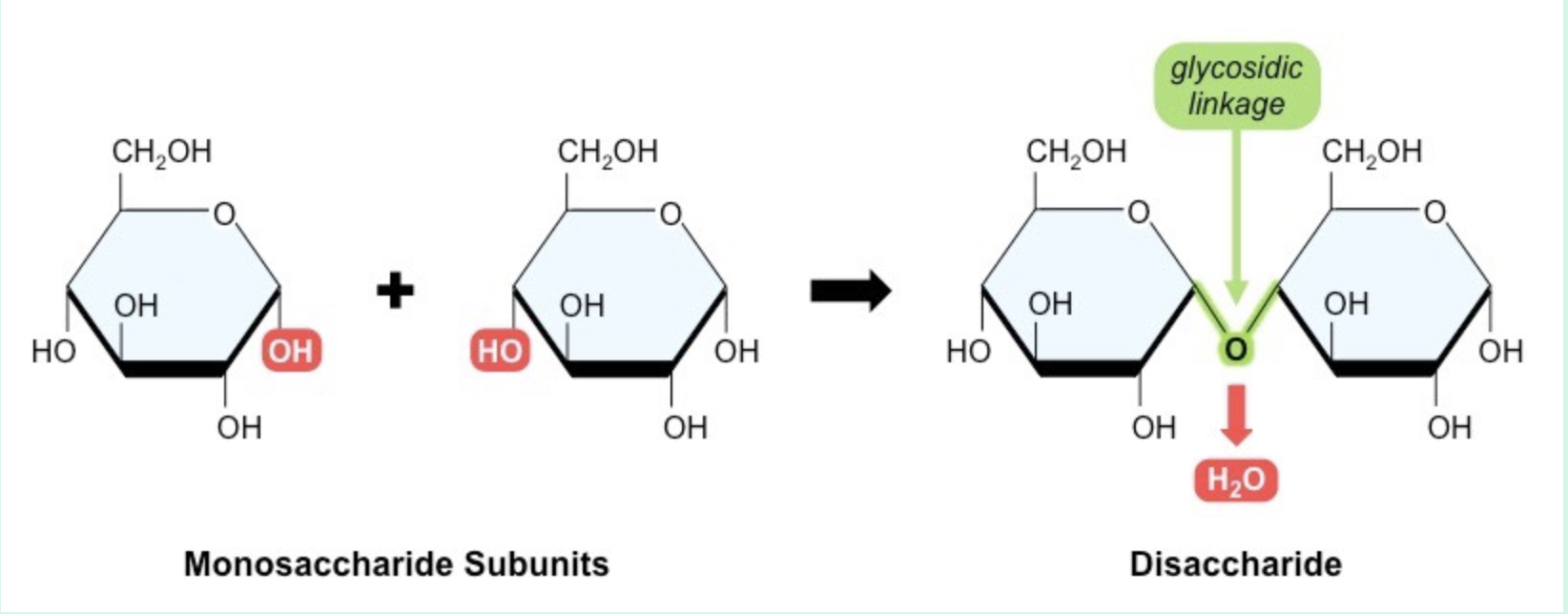
Condensation
Polymerization of monomers
Anabolic
In: energy (endergonic react.)
Out: water
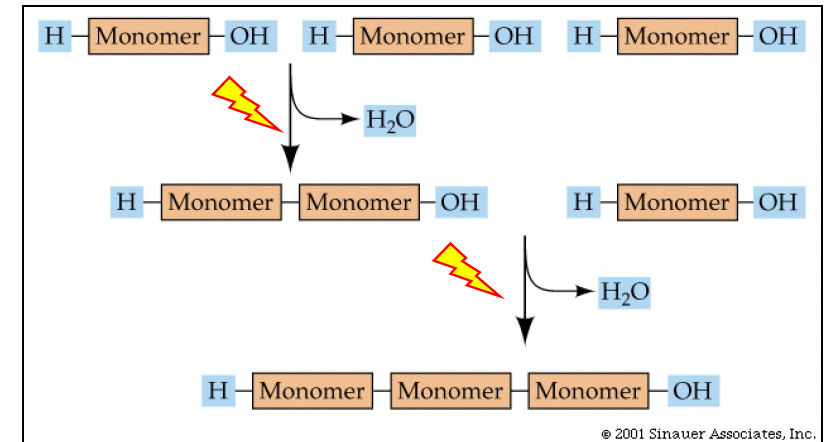
Condensation definition
joins two monomers together to form a polymer, releasing a molecule of water as a by-product
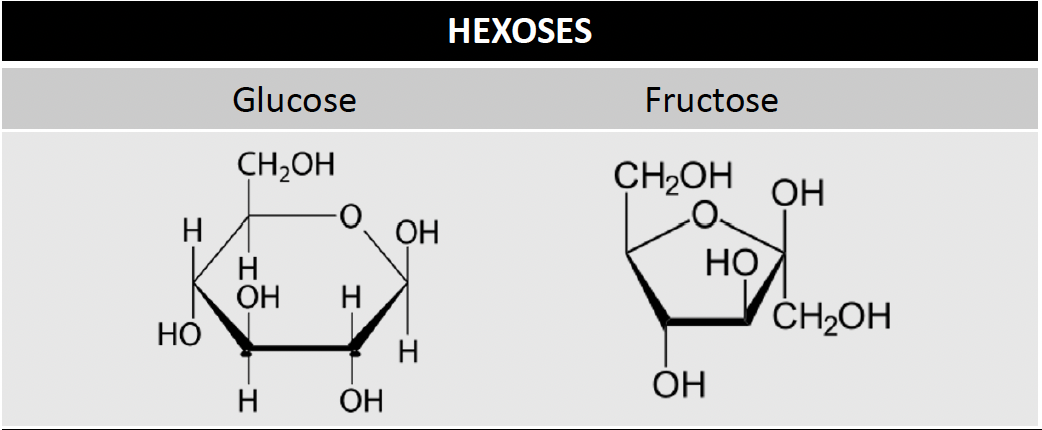
Hexoses
A type of monosaccharide
Pentoses
A type of monosaccharide
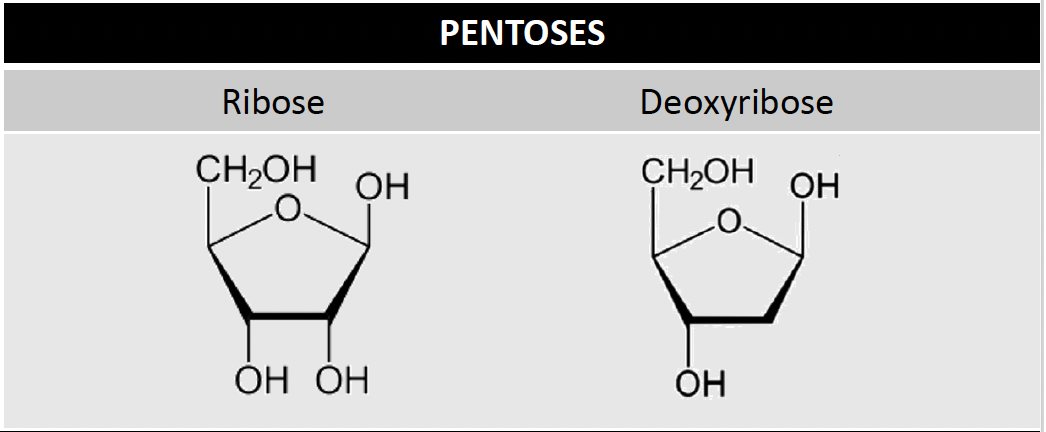
What is an example of a monosaccharide?
Glucose is a monosaccharide
Solubility of glucose
Glucose is a polar molecule which readily dissolves in water
Transportability of glucose
Since glucose is soluble in water, it is transported within bodily fluids, such as the bloodstream in humans
Chemical stability of glucose
Glucose is a relatively stable compound, so it does not degrade as it is being transported
Energy yield of glucose
Glucose is the primary fuel for respiration in cells - it is repeatedly oxidized to produce a net gain of up to 36 ATP molecule
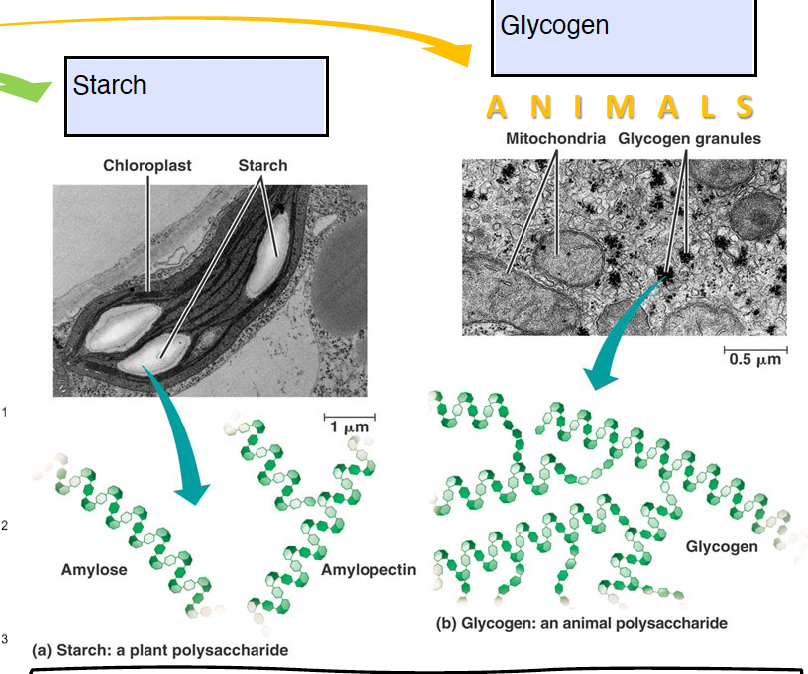
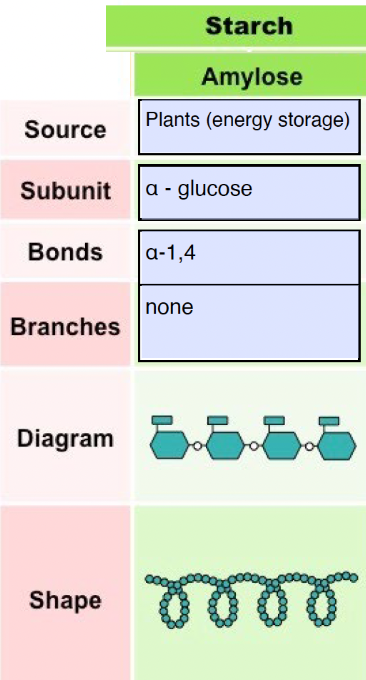
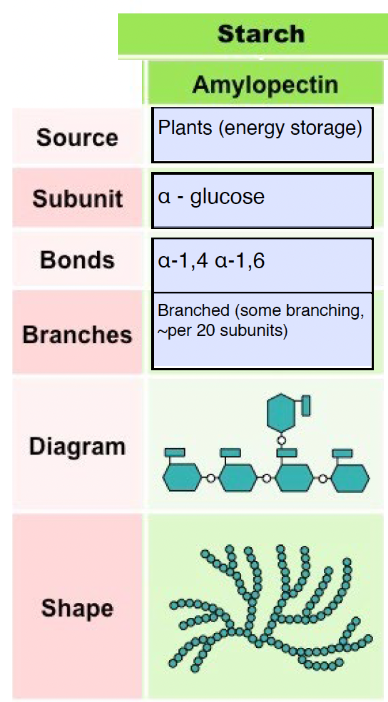
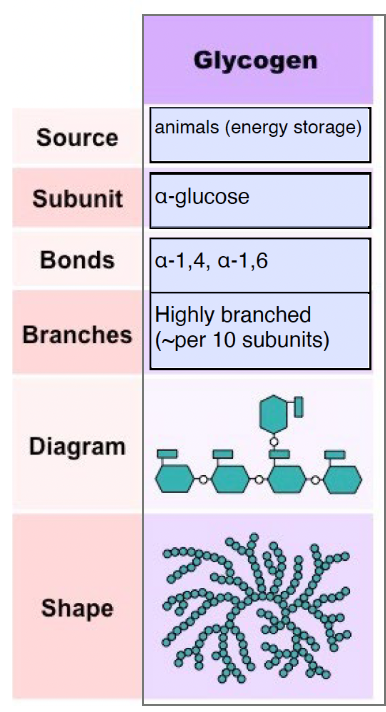
Properties of starch and glycogen
- large compact polymers of α - glucose due to
1. spiral coiling (1-4 glycosidic bonds)
2. branching (1-6 glycosidic bonds)
- insoluble (due to size), which allows efficient storage of many glucose molecules (which can be quickly released when needed)
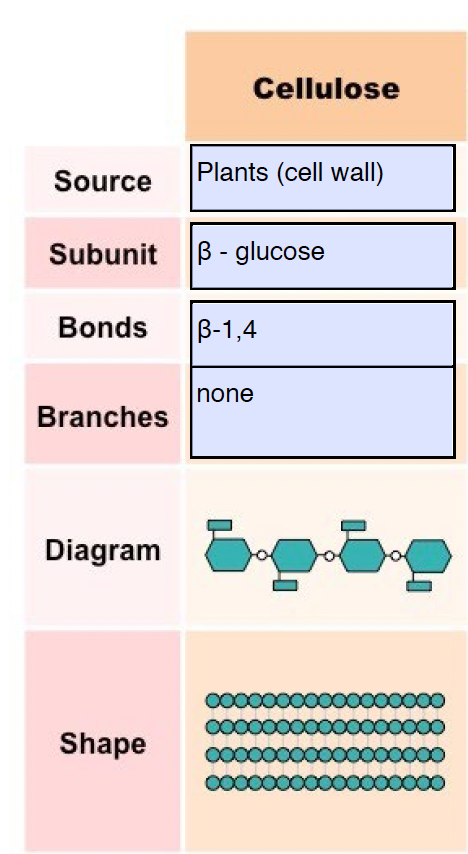
Properties of cellulose
- polymer of β - glucose (1-4 glycosidic bonds)
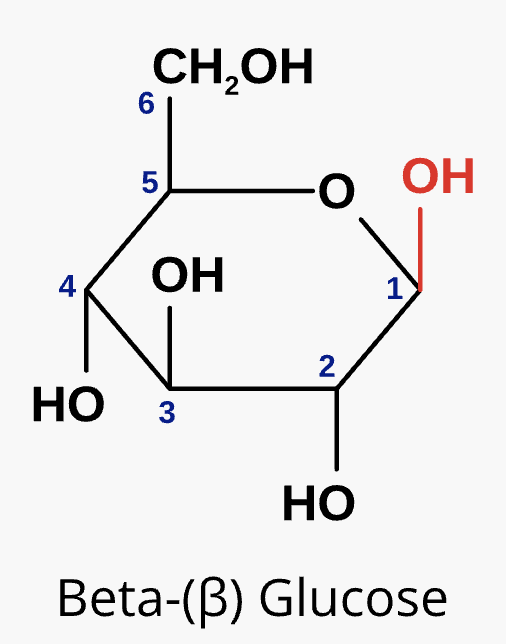
1. the position of the C1 -OH group repels the C4 -OH group on the neighboring molecule, which causes every other molecule to flip 180 --> long straight chains called microfibrils
- microfibrils are held together by hydrogen bonds which gives them a very high tensile strength = structural integrity of the cell walls in plants
- hydrophilic, but insoluble
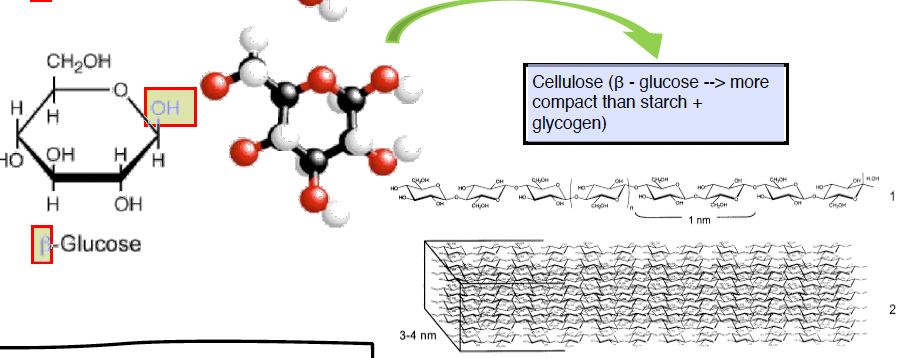
Structure of cellulose
Structure amylose
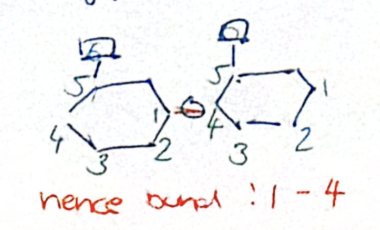
Structure of amylopectin
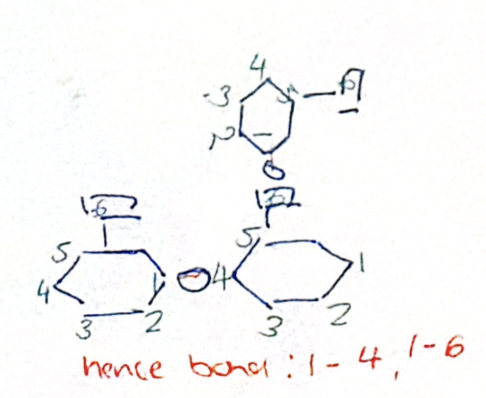
Condensation + hydrolysis in α - glucose monomers
condensation → build energy stores
hydrolysis → mobilize (making it more readily available) energy stores
Condensation + hydrolysis effect in α - glucose monomers
α-glucose monomers are added by condensation reactions + removed by hydrolysis → allows rapid building + mobilization of energy stores
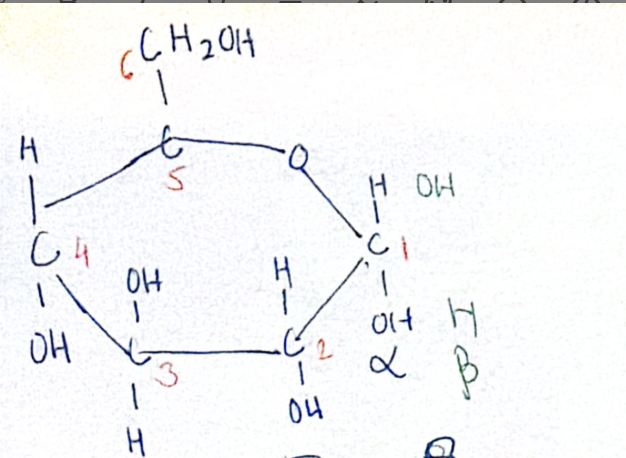
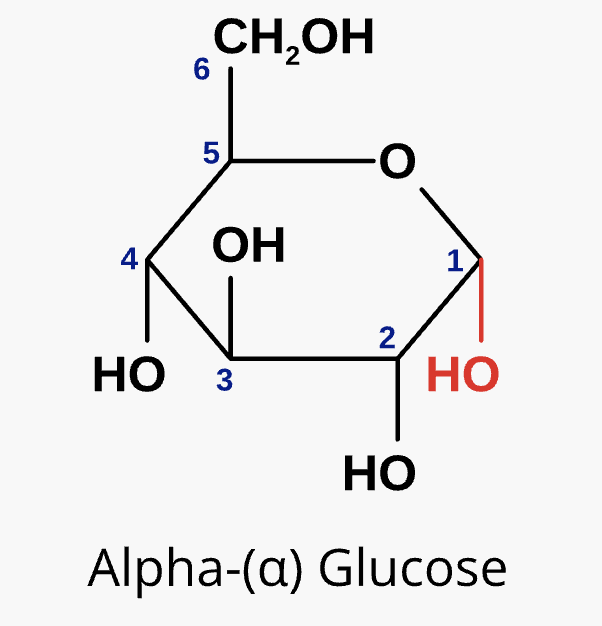
alpha (α) - glucose
beta (β) - glucose
Cellulose
β-glucose units alternate (every other one flipped 180°)
This prevents coiling → chains stay straight
Parallel chains form microfibrils
Hydrogen bonds between chains give tensile strength (plant cell walls)
Amylose
Amylopectin
Glycogen
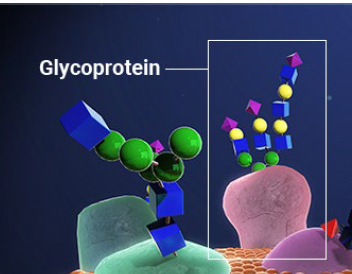
Glycoproteins
Glycoproteins = integral membrane proteins
(located within the phospholipid bilayer of cells’ membranes) with short outside-facing carbohydrate chains attached to them → recognized by other receptors
Glycoproteins functions - cell to cell adhesion
Cell to Cell Adhesion → interact with glycoproteins on neighboring cells → allows formation of tissues
Glycoproteins functions - receptors for hormones
when a hormone binds to a specific glycoprotein receptor → changes metabolism. within the cell
Glycoproteins functions - cell to cell communication
neurotransmitters bind to glycoproteins → allows communication between cells
Glycoproteins functions - immune responses
act as markers on cells → allows the immune system to distinguish between self + non-self cell
Structure of red blood cells
All red blood cells carry the same “stem” glycoprotein (H) on their membrane surface, plus different glycoproteins on it → depending on the alleles that the person has
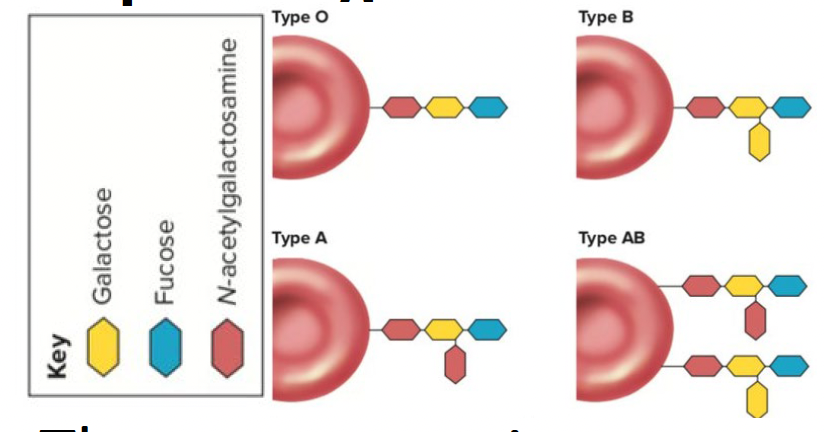
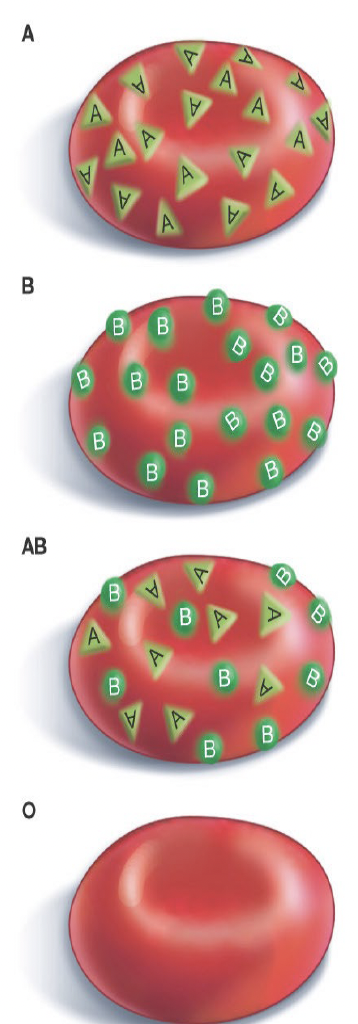
Determining blood group
Blood group A – glycoprotein A
Blood group B – glycoprotein B
Blood group AB – glycoproteins A & B
Blood group O – no glycoprotein
Importance of glycoprotein
they help the immune system cells to recognize “own self” cells from “non-self” cells
Non - self cells
“Non-self” cells = containing any glycoprotein that the person doesn’t already have) → can cause a very dangerous immune reaction → they are recognized as antigens (much like actual pathogens) by the immune system cells → starts making antibodies to fight them off = extremely important to watch out for during transfusion
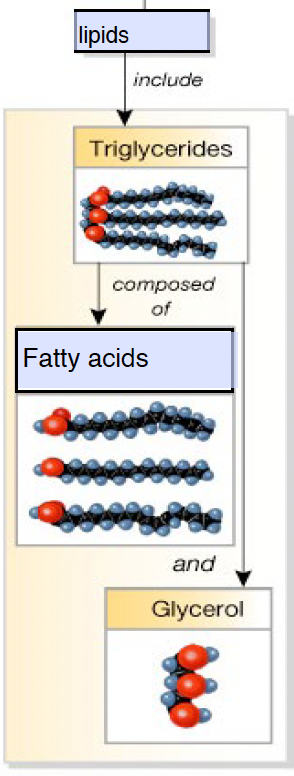
Lipids
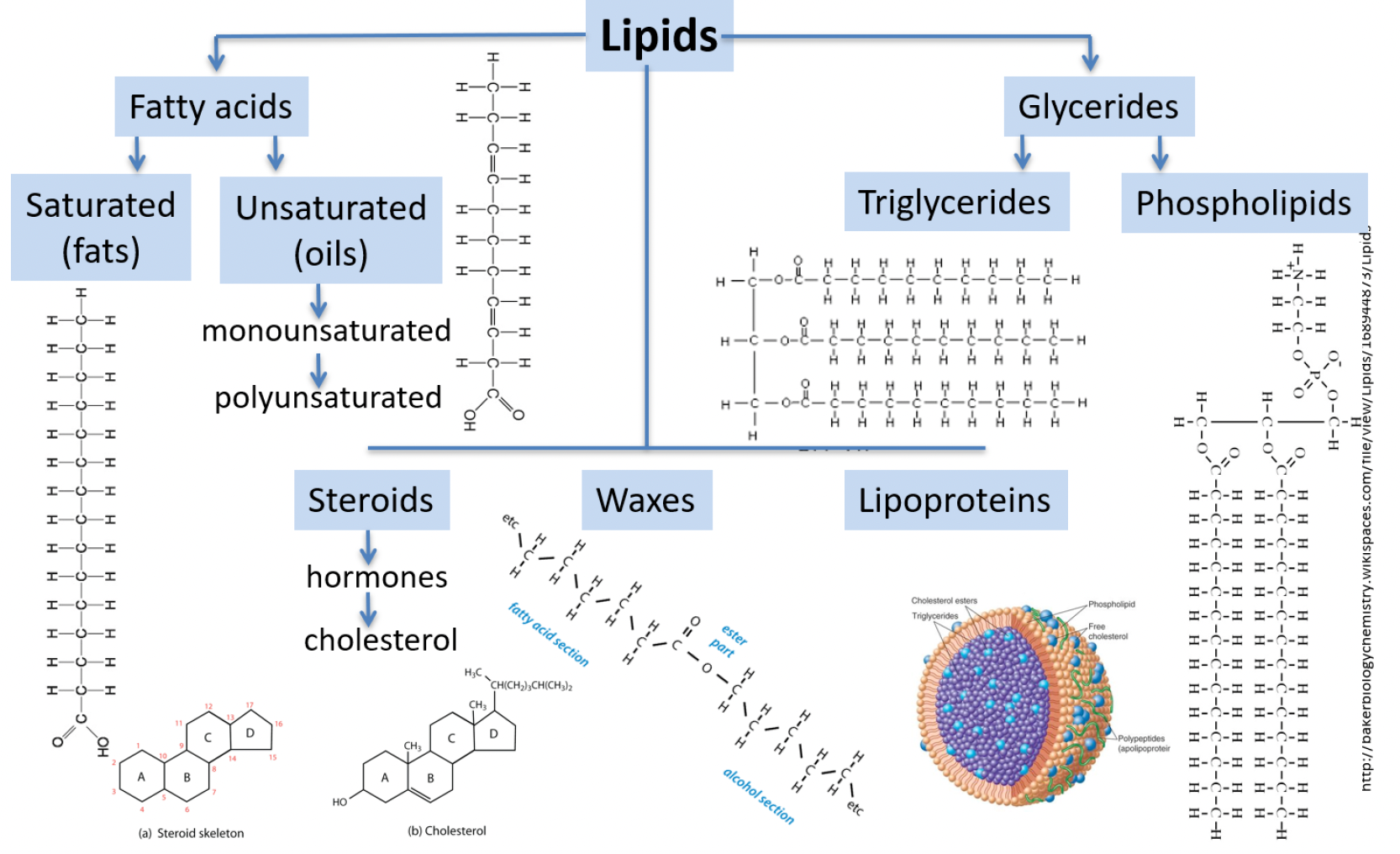
Groups of lipids
diverse group of organic compounds which all have long chains of hydrocarbons
Lipids’ charge
hydrophobic, non-polar compounds → dissolve in other nonpolar compounds, but do not dissolve in water
Fats
Long - term energy reserve + concentrated source of energy for animals
supply essential fatty acids + fat soluble vitamins (A, D, E, K)
constituent of cell membranes
stored in adipose tissue for insulation + energy
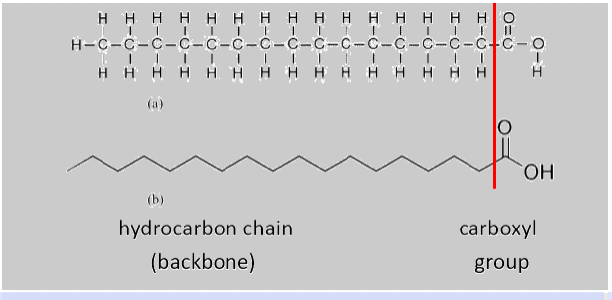
Oils
triglycerides liquid at room temperatures
relatively low melting points
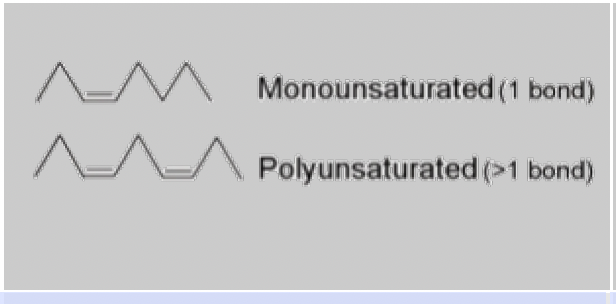
usually unsaturated fatty
plants (and fish) use oils as an energy store
Waxes
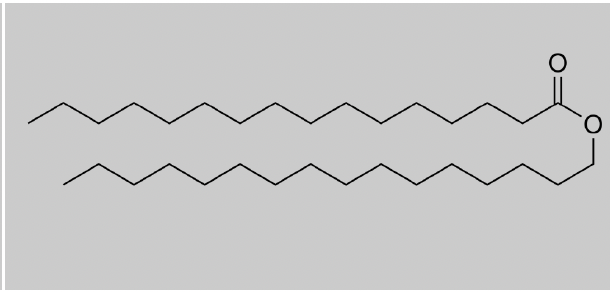
long fatty acid chain esterifies to long chain alcohols
covers some aquatic birds' feathers and some plants' leaf surfaces - they prevent water from sticking on the surface
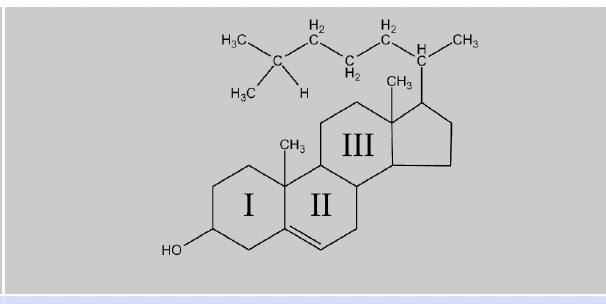
Steriods
Lipids with a structure of 4 fused carbon rings
Cholesterol is a component of animal cell membranes + helps regulate membrane fluidity
Some steroids (steroid hormones) are lipid-soluble and can diffuse through the phospholipid bilayer to bind to intracellular receptors
Act mainly as signalling molecules in organisms