Bioethics Mod 9 - Healthcare
 Studied by 0 people
 Call Kai
 Learn
Learn Practice Test
 Spaced Repetition
 Match
Match Flashcards
 Knowt Play
1/20

Earn XP
Description and Tags
PHL 116
Name | Mastery | Learn | Test | Matching | Spaced |
|---|
No study sessions yet.
21 Terms
what does the govt provide?
representation, education, some food, libraries, police, firemen; basic services, social programs, etc.
US patchwork healthcare system
1965: medicare and medicaid
1997 State Children’s health insurance program
Tricare and VA hospitals
1986 EMTALA - hospitals must stabilize patients even w/o insurance
2010 Obamacare Affordable Care Act - individual insurance mandate; repealed in 2017
universal health care in which countries
canada, UK, france, germany, australia, new zealand, austria, belgium, denmakr, cuba, south africa, taiwan, and more.
single payer universal health care
one government agency provides insurance for everyone
mandated multi-plan universal health care
completed patchwork; this was the intent of obamacare
UK’s NHS
singer payer, est. 1948 after WWII; can supplement with private insurance
emphasis on preventative care to avoid later larger costs
problems can include wait times, cost, and accountability for errors
Canada Medicare
single paer, est. in 1962
lower cost; per capita ½ of American system
one of the lowest infant mortality rates
covers most doc vists, hospitalization, historically, not Rx, dental, or vision (now varies by province)
Jase Yoder
born with spinal muscular atrophy, often fatal genetic disease (older sister died at 15 months from it)
new medication spinraza approved in 2016 grant him life
cost of one does is $125,000; need 3 doses yearly
moral foundations supporting medicare for all
care, fairness, loyalty, sanctity
moral foundations against medicare for all
authority, sanctity, liberty
arguments for universal
not everyone is covered currently, high costs for every little thing currently
arguments against universal
lack of competition and innovation; hidden costs, not consumer-driven; generational pyramid scheme (unsustainable financing); healthcare valued over legitimate health and well-being
Amy Gutmann (1949-)
author of “For and Against Equal Access to Healthcare” (1981)
was president of Penn and US ambassador to Germany
philosophy and political science
justice/fairness demands: equality of access not results; and not necessarily a single-payer system (obamacare, for example, may suffice)
fairness and economic systems
John Rawls says a mixed economy where the worst off are better than the worst off in communism is the fairest system
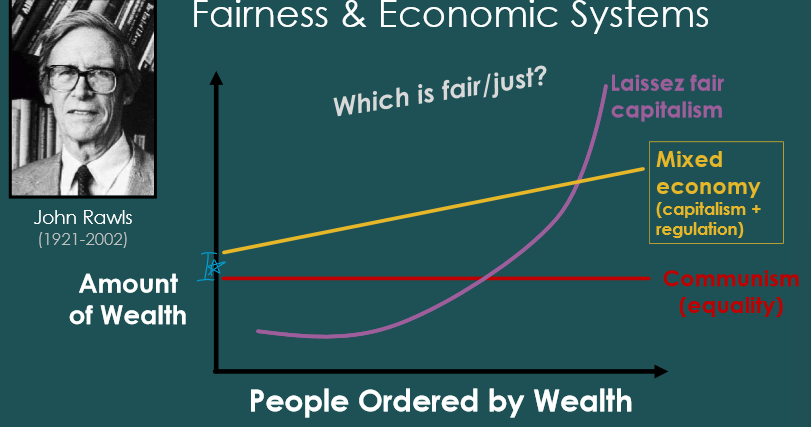
which principles make a fair society?
we must decide under a veil of ignorance, in which we do not know what position we will be in the society
under the veil, we would choose the Principle of equal acces
every person who shares the same type or degree of health-need must be given an equally effective chance of receiving appropriate treatment of equal quality so land as that treatment is available to everyone.
health isnt a luzury
it is essential for people to function in society
harm objection by Goldhill
free healthcare incentivizes bad health habits
^false dichotomy
a more consumer-centered health care system would use different sorts of financing for different elements of care

false dichotomy fallacy
assuming only two options are available when there are other possibilities
Gutman’s reply to Goldhill’s harm objection
fairness trumps quality and cost
unfairness objection: its unfair to tax and redistribute my earnings! especially for preventable diseases
Gutmann’s reply:
not unfair if democratic majority choose it; we use it for police protection, fire stations, public education, etc. some people deserve these services more than others; why not implement this into healthcare?
 Note
Note  Flashcards (34)