Lab 3 | Quizlet
 Call Kai
 Learn
Learn Practice Test
 Spaced Repetition
 Match
Match Flashcards
 Knowt Play
1/74

There's no tags or description
Looks like no tags are added yet.
Name | Mastery | Learn | Test | Matching | Spaced | Call with Kai |
|---|
No analytics yet
Send a link to your students to track their progress
75 Terms
What are the two main causes of food spoilage?
1. Non-microbial changes → O₂ + light
- Oxidative rancidity
- Physical injury
- Chemical changes
2. Microbial growth → bacteria + yeasts + moulds
What does full inspection procedure consist of?
- Label verification
- Organoleptic inspection of samples (sensory assessment)
- Microbiological examination of samples
What is meat preparation?
- Meat undergoing preparation without altering internal muscle fibre structure
- Characteristics of meat still present
- E.g. minced meat with > 1% salt
What is a meat product?
- Product formed from processing meat or meat preparation
- Muscle fibre structure no longer visible when cut
- E.g. sausages
What external defects occur in cured meats?
- Surface mould growth
- Yeast/bacteria growth → biological frost
- Salt efflorescence → crystalline frost
- Non-microbial discoloration
Describe surface mould
- Spots on sausage casing
- Uncontrolled mould growth
- Colours → grey, green, yellow, blue-green, black
- Spots may be separate or confluent
- Earliest change at binding site
- Strong characteristic odour
- Microscope → filamentous structure
Factors favouring mould growth
- Poor air quality in storage rooms
- Poor ventilation
- Too much raw material
- Small production area
- Breaks in refrigeration chain → surface moisture
How is pigmented mould removed?
By washing sausage casing
What is the problem with removing mould by washing?
- Improves appearance only
- Toxic + allergenic metabolites remain in meat
What is biological frost?
Growth of yeasts + bacteria on sausage surface
Microorganisms causing biological frost
Yeasts:
- Debaryomyces
- Pichia
Bacteria → G(+) cocci
- Enterococcus
- Streptococcus
Appearance of biological frost
- Grey-green or whitish spots
- Sharply separated
- Dry matte surface
- Granular structure
- Earliest change at binding site
Factors favourable to biological frost
- Humidity: > 90%
- Temp: > 12°C
- Distance between sausages: < 4–5 cm
What is salt efflorescence (crystalline frost)?
Salt crystals forming on sausage casing
Causes of salt efflorescence
- Insufficient soaking of natural casings before stuffing
- Diffusion of salts from over-salted filling
Appearance of salt efflorescence
- Glossy spots on surface
- Usually on natural casings
- Can resemble biological frost
Describe non-microbial discoloration
- Grey-green discoloration
- Red, yellow or blue spots may appear
Causes of non-microbial discoloration
- Casing too tight
- Incorrect smoking
- Incorrect storage
- Light exposure
What internal defects occur in cured meats?
- Discoloration under casing layer
- Mucus fermentation
- Meat putrefaction
What does discoloration under casing layer look like?
- Usually in fermented sausages
- Cross section shows
→ 1-3 mm thick layer
→ Grey, green or brown colour
→ Clearly separated from core
Factors causing discoloration under casing layer
- Water poorly removed from soaked casings
- Rapid cooling of smoked meat
- Temp too low
- High humidity
- High microbial contamination
What causes mucus fermentation?
Growth of Bacillus
Factors contributing to mucus fermentation
- Too much sugar in meat batter
- Poor hygiene → cross contamination
- Contaminated raw material
What is observed when sausage is broken in mucus fermentation?
- Thread of mucus
- Jelly-like structure
What causes meat putrefaction?
Growth of putrefactive bacteria
Factors contributing to meat putrefaction
- Long storage
- High storage temp
- Poor hygiene
- Faults in technological process
How should organoleptic inspection of sausages be performed?
- Cut sausage at both ends + middle
- Smell product during cutting
- Inspect area under casing first
Why is area under casing inspected first?
Microbial activity begins there
What physical hazards may be found during organoleptic inspection?
- Bone fragments
- Packaging material (foil)
What defect may indicate risk of rancidity?
Presence of oxygen bubbles
What are the aims of microbiological exam?
- Protect human health from pathogens + toxins
- Prevent microorganisms causing product deterioration
What is purpose of microbiological testing?
Determine degree of bacterial contamination
How can microbiological testing be performed?
- Qualitative testing
- Quantitative testing
What is qualitative microbiological testing?
Detect presence of microorganisms
Example of qualitative testing
- Contact analysis
- Impression plate
What does contact analysis verify?
Effectiveness of cleaning + disinfection
What is quantitative microbiological testing?
Determines number of microorganisms
Units used in quantitative testing
- CFU per gram
- CFU per cm²
Methods used in quantitative testing
- Destructive method
- Swab method
What is destructive method?
Standardized piece of meat cut from product surface
What is total plate count?
Measures total contaminating microflora
What does total plate count determine?
Number of viable microorganisms
What agar is used for total plate count?
Nutrient agar
What is selective plate count?
Determines specific microorganisms
What media are used in selective plate count?
- Selective media culture
- Chemical additives suppress unwanted bacteria
Describe total plate count method
- 10g meat + 90 mL sterile water
- Homogenise in stomacher
- Serial dilution (1:10 → 1:100 → 1:1000)
- Transfer 1 mL to Petri dish
- Spread with sterile stick
- Incubate
Incubation conditions for total plate count
- 12–24 hrs at 35–37°C
or
- 24–48 hrs at 30°C
What colony numbers are countable in plate counts?
25-250 CFU
What does CFU mean?
Colony forming unit
What is pure culture?
Culture containing one species/strain
What is a colony?
Population of cells from one cell or spore
When are Durham tubes used?
Detect gas production by microorganisms
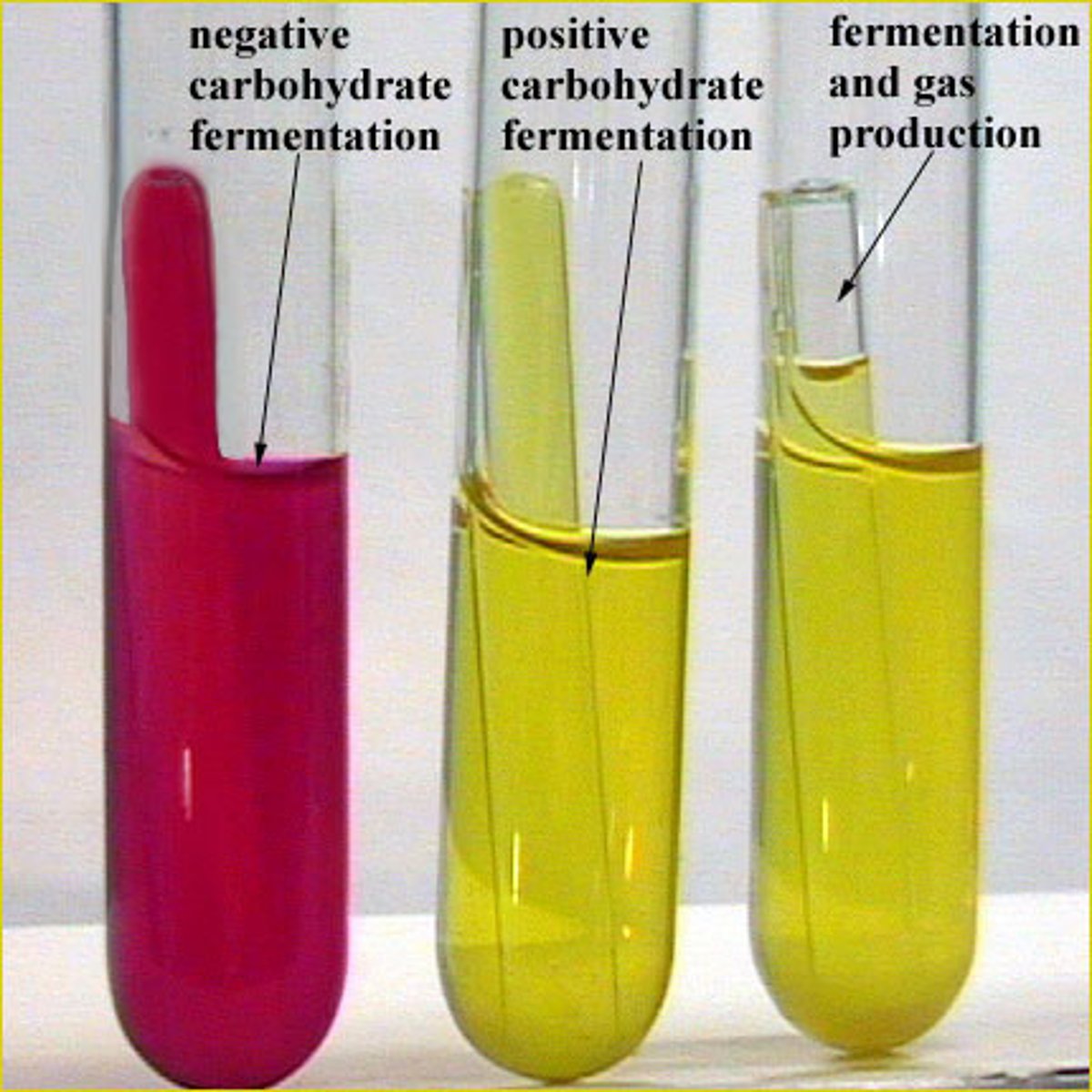
How are Durham tubes placed?
Inserted upside down in broth
What broth is used to detect coliforms in the lab?
Brilliant green bile broth (2%)
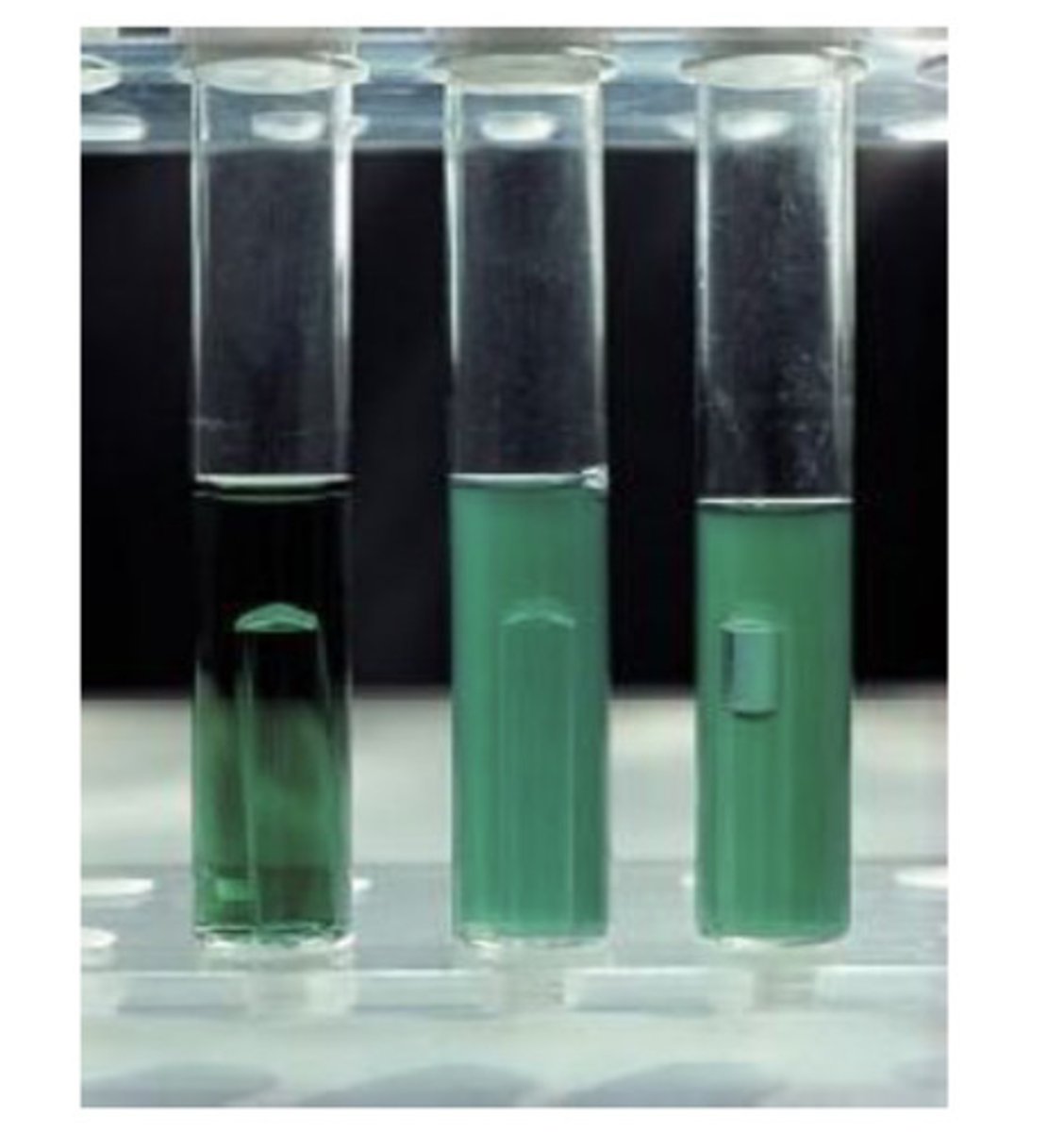
What indicates presence of coliforms?
- Gas production
- Colour change
- Turbidity
What determines characteristics of sausages?
- Type of meat
- Product formulation
What formulation factors influence sausage characteristics?
- Salt content
- Sugar content
- Nitrate/nitrite
- Spices + additives
What determines characteristics of fermented sausages?
- Starter culture vs natural flora
- Organisms used
- Fermentation temp
- Cooking
- Smoking
- Mold ripening
- Drying level
Bacteria used in starter cultures
- Lactobacillus plantarum
- Pediococcus
→ produce lactic acid
What is role of Micrococcus in fermented sausage?
Converts nitrite → nitrate
What chambers are used in sausage fermentation?
- Fermentation chamber
- Drying chamber
- Drying/storage chamber
Temperatures used in fermentation chamber
- No starter → 16–20°C
- Fast culture → 24–40°C
Temperatures in drying chamber
12-16°C
Temperatures in drying/storage chamber
10-12°C
Difference between dry fermented + semi-dry sausages
Dry fermented:
- Moisture 25–45%
- E.g. salami, pepperoni
Semi-dry:
- Moisture 40–50%
- E.g. cervelat
What is microbiological criteria?
Tool used to assess food safety + quality
Aim of microbiological criteria
Define max acceptable microbial contamination level
→ ensure safety + suitability
What does microbiological criteria in the Regulation 2073/2005 contain?
- Sampling plan
- Laboratory method
- Stage in food chain
- Corrective action
What is food safety criteria (FSC)?
Assess safety of final product
What is FSC applicable to?
Products placed on market during shelf life
What happens if FSC is not met?
Product withdrawn or recalled
What is process hygiene criteria (PHC)?
Indicates correct functioning of production process
What happens if PHC levels are not met?
Improve production hygiene + raw material selection
What does m mean?
Lower acceptable limit
What does M mean?
Upper acceptable limit

