AP PSYCH - Unit 1 (Intro to Psych)
 Studied by 1 person
 Call Kai
 Learn
Learn Practice Test
 Spaced Repetition
 Match
Match Flashcards
 Knowt Play
1/21

There's no tags or description
Looks like no tags are added yet.
Name | Mastery | Learn | Test | Matching | Spaced | Call with Kai |
|---|
No analytics yet
Send a link to your students to track their progress
22 Terms
Psychology
the study of human thought processes and human behavior
Nature vs. Nurture Argument
-Nature (innate behavior): determined by our inherited genetic structure
-Nurture (learned behavior): learning/experience resulting from outside factors such as parents, media, peers, & religion

Industrial Organizational Psych
applies psychological concepts in the workplace to increase productivity

Educational Psych
studies the diff. influences on teaching and learning
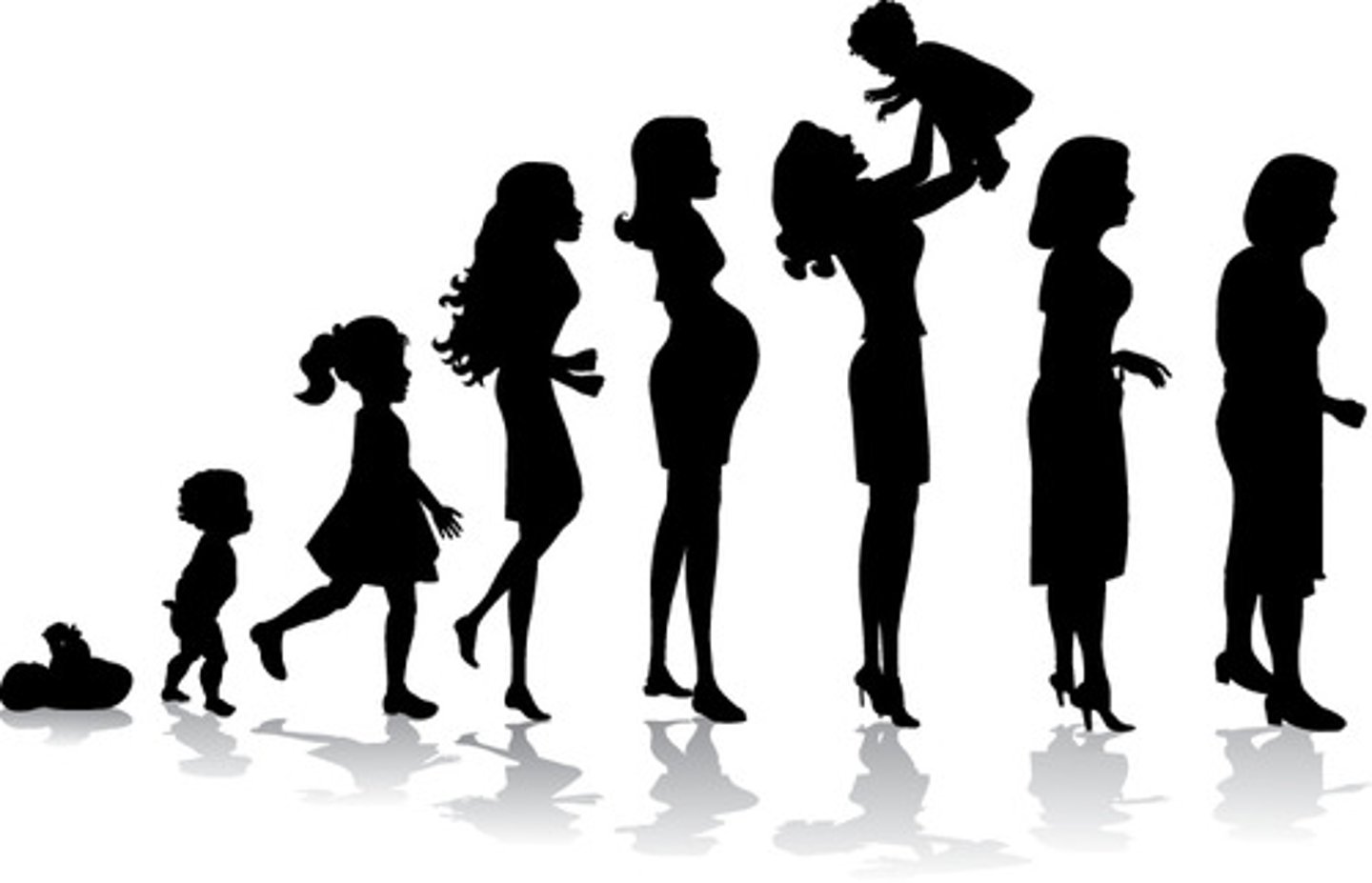
Developmental Psych
studies the ways in which we change/stay the same from birth to death
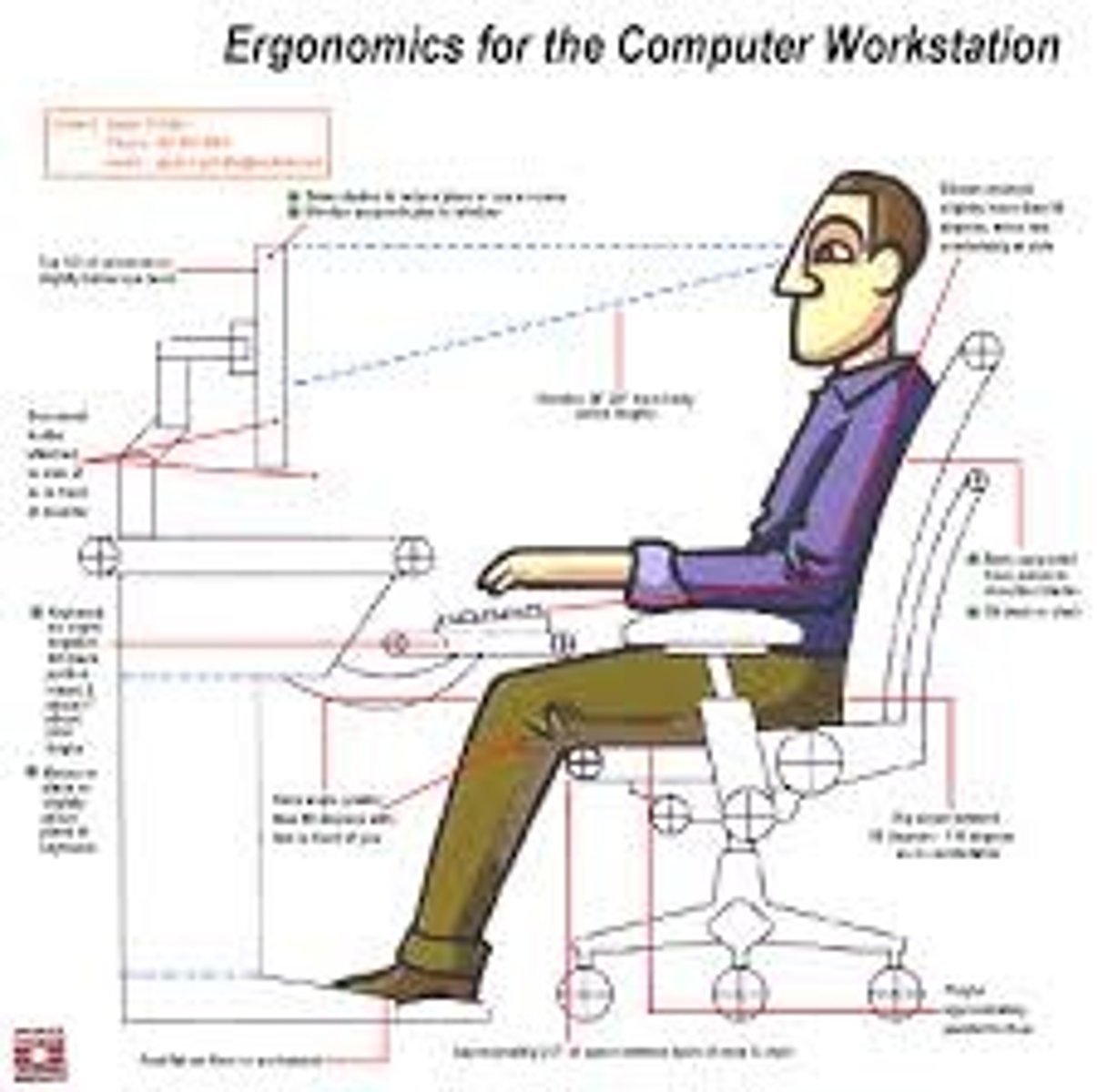
Human Factors Psych
studies the interaction of humans & machines, and designs machines that are safe & user-friendly
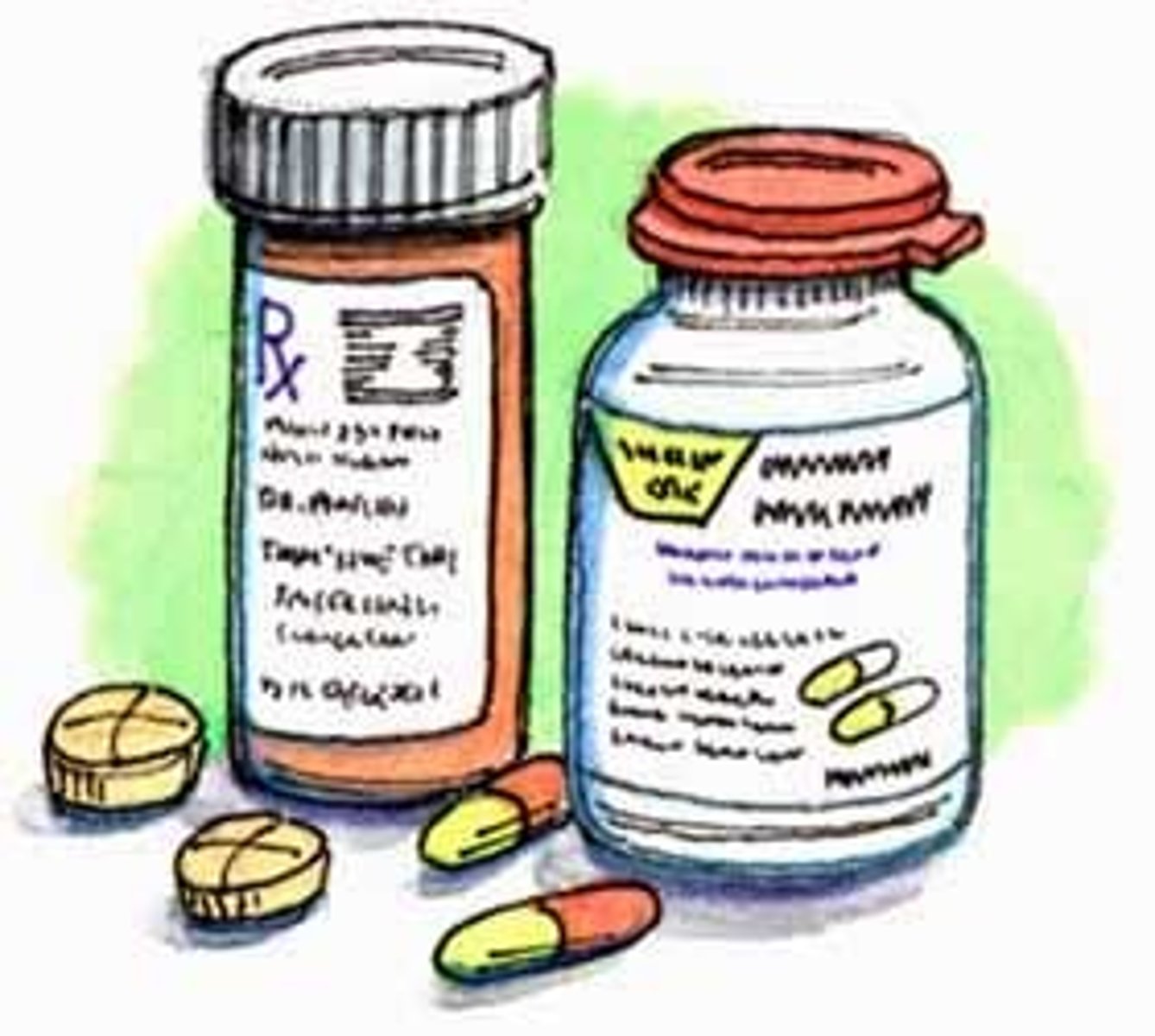
Psychiatry
concerned with the treatment of mental illness/medication prescription
Criminal Psychology
studies the minds/patterns of behavior of criminals/analyze crime scenes
Cognitive Neuroscience
studies the brain and how it affects cognitive abilities (attention, focus, memory, etc.)
Counseling Psychology
assists people with problems of NORMAL LIFE related to work, family, or marriage

Community Psychology
implements programs aimed at increasing the mental health in the community
Clinical Psychology
treats people with psychological disorders
Research Psychology
formulates questions and designs research studies that gather data to help answer those questions

Psychometrics
analyze statistical data from psychological research studies
-linked to research psychology

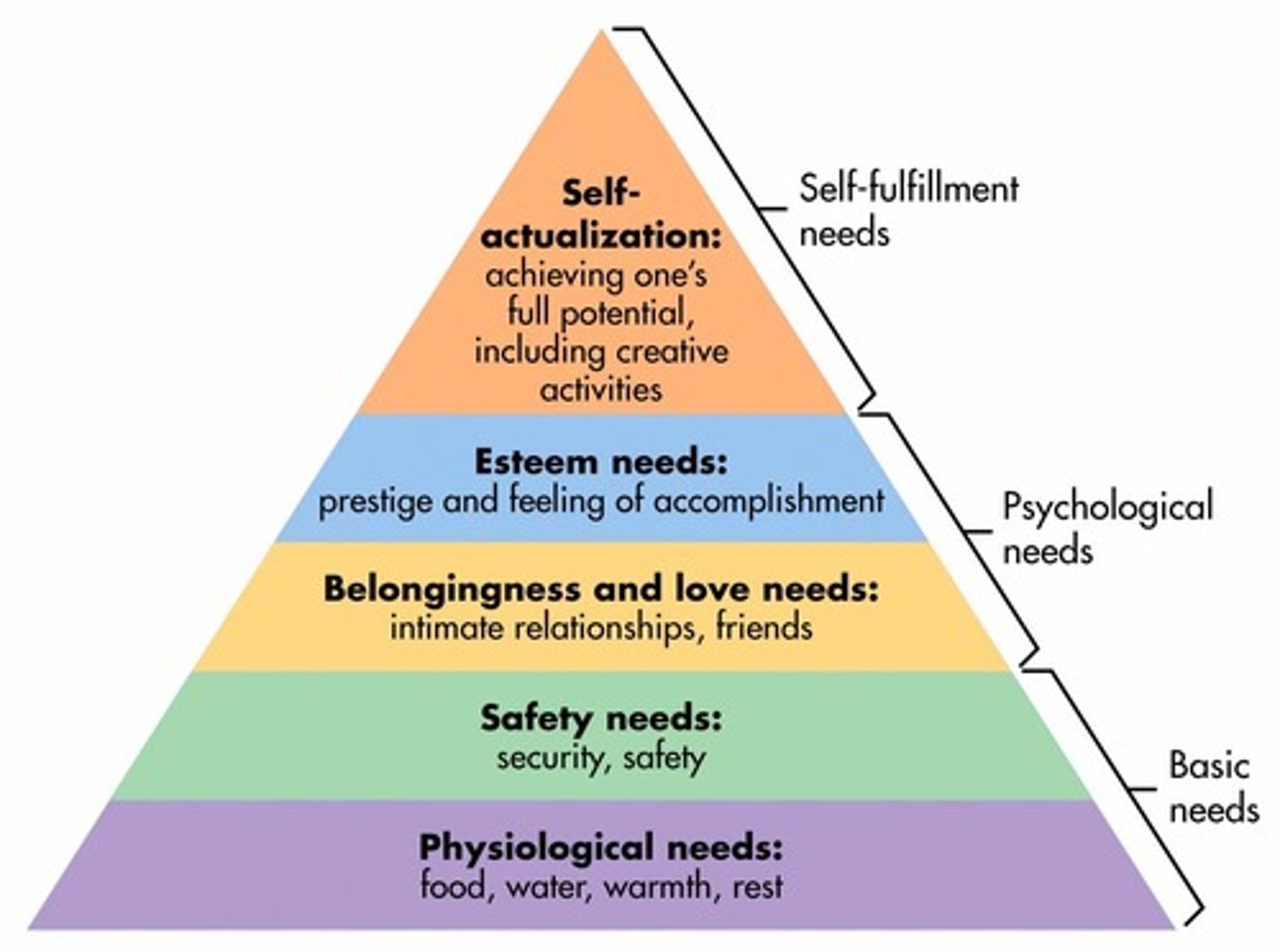
Humanistic Perspective
(used for positive psych.)
potential, the good in you, strengths --> we look at progress, goals, purpose
Evolutionary Perspective
From this perspective, we look like another animal. --> We study evolution, natural selection, and ADAPTATIONS/SURVIVAL INSTINCTS.

Behavioral/Learning Perspective
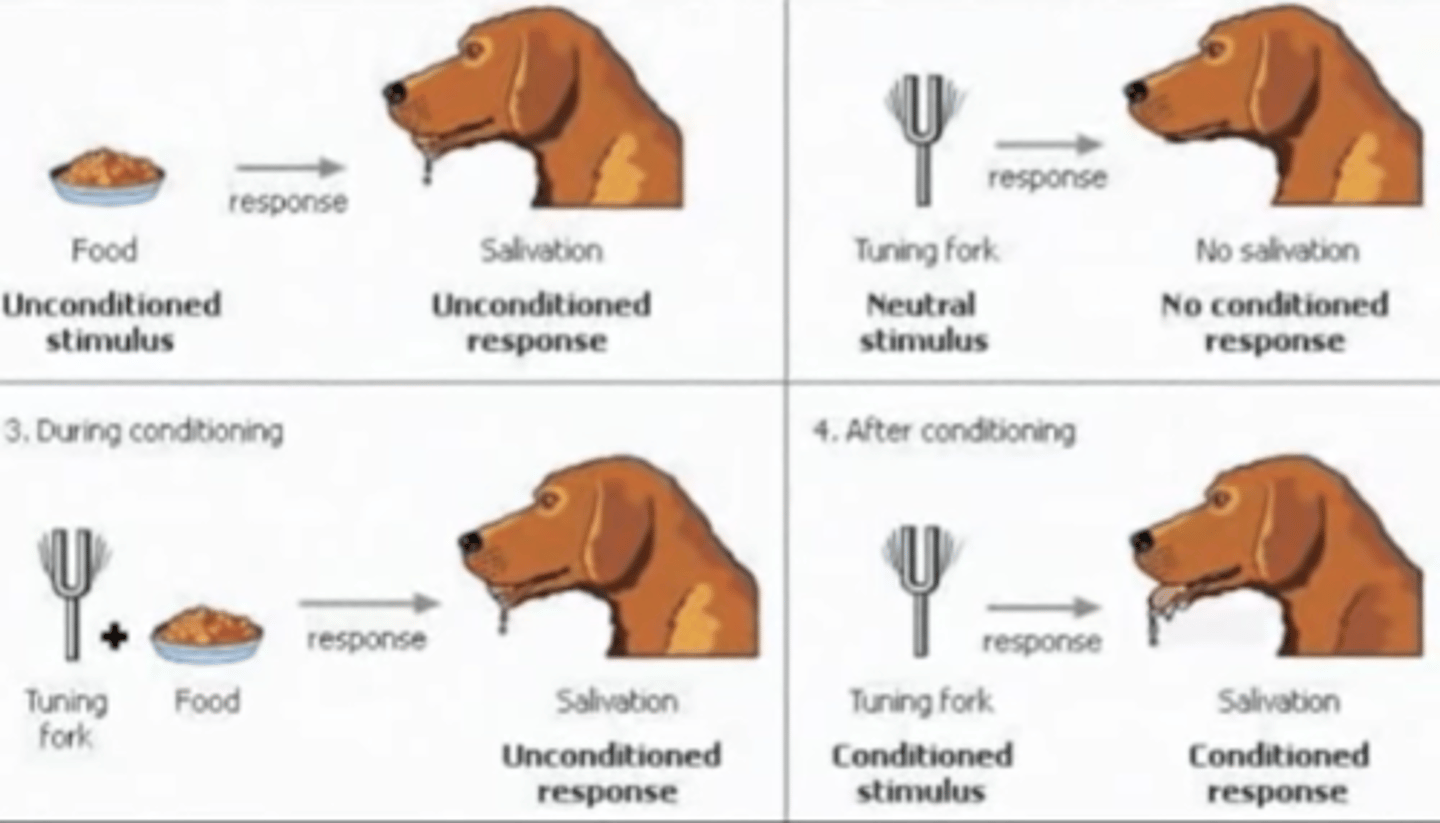
From this perspective, we look like programmed robots. --> We study learned behaviors and conditioned responses.
Psychodynamic Perspective
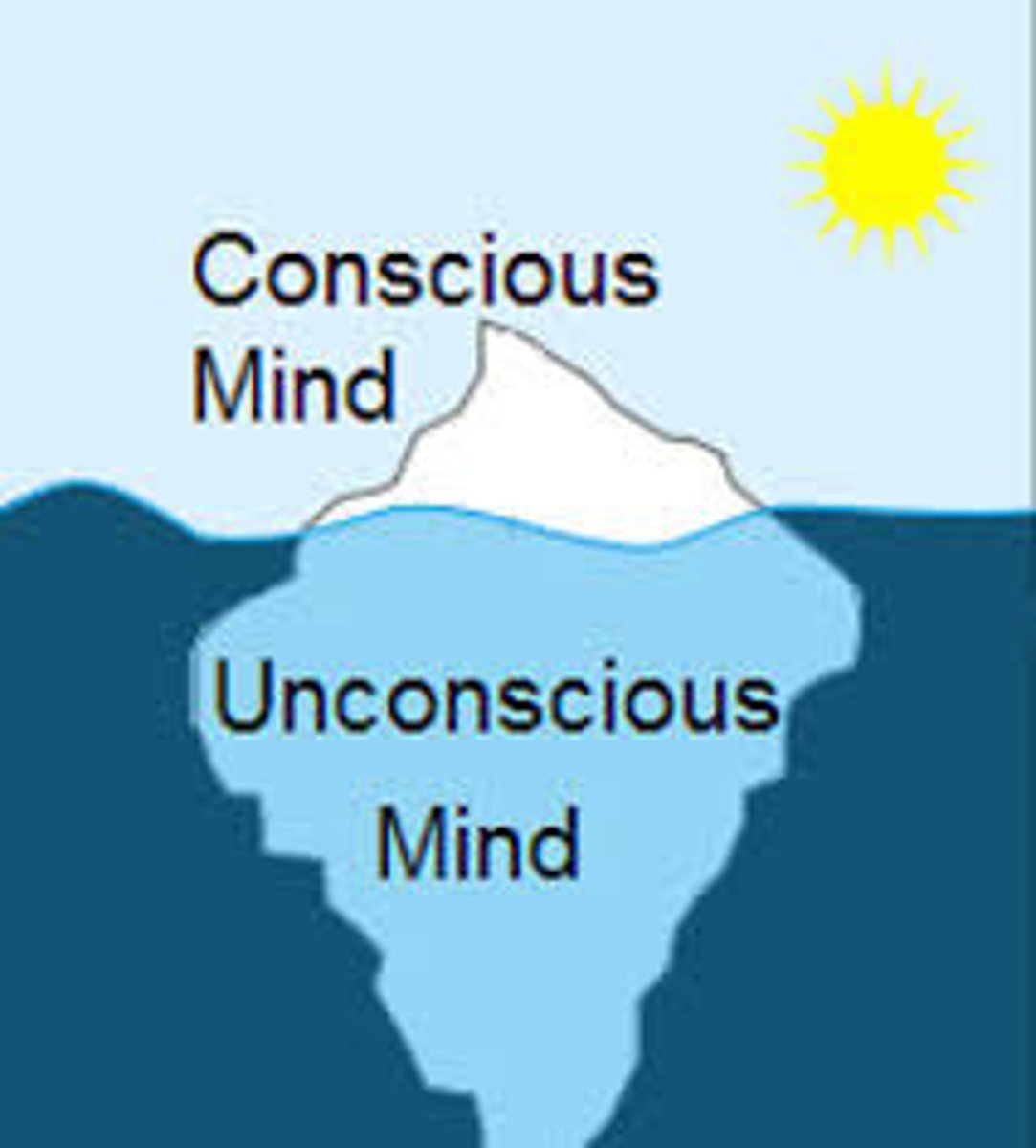
From this perspective, we look like the unconscious mind. --> We study stored/internalized/repressed experiences, defense mechanisms, dreams, and past traumas.
Biological Perspective
physical body, brain, hormones, nervous system, muscles, neurotransmitters --> We look at hormone levels, neurotransmitter balances, etc.

Socio-cultural Perspective
relationships, environments, social groups: sports teams, teachers, friends, family, etc.
Cognitive Perspective
memories, thoughts, problem-solving, perception, etc.
Biopsychological Perspective
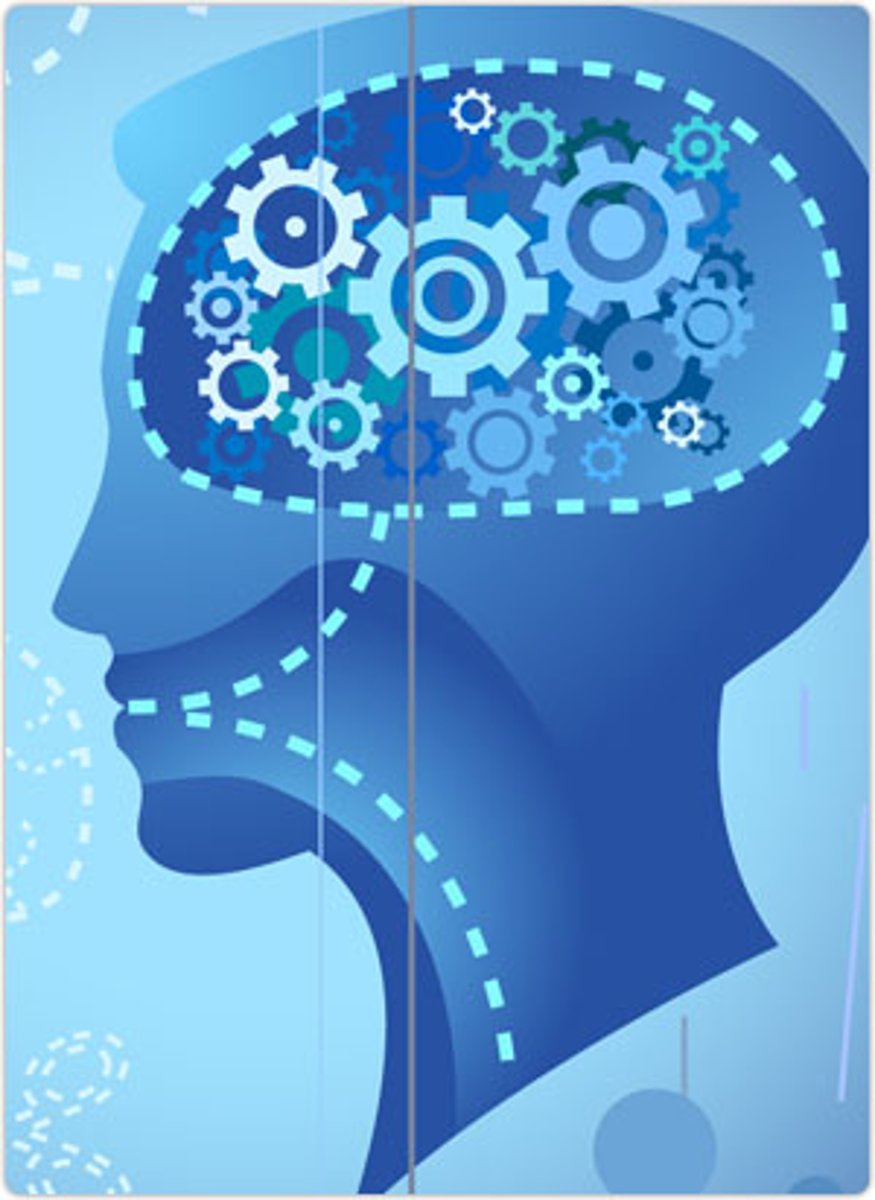
From this multi-dimensional perspective (biological/cognitive/socio-cultural), we look like our brain, thoughts, and environment. --> We study our complexity and integration of disciplines to understand our nature.
 Note
Note  Flashcards (20)