Chapter 12 The Age of the Renaissance

0.0(0)
Studied by 0 people
call kaiCall Kai
learnLearn
examPractice Test
spaced repetitionSpaced Repetition
heart puzzleMatch
flashcardsFlashcards
GameKnowt Play
Card Sorting

1/27

encourage image

There's no tags or description

Looks like no tags are added yet.

Last updated 9:22 PM on 4/5/26
Name
Mastery
Learn
Test
Matching
Spaced
Call with Kai

No analytics yet

Send a link to your students to track their progress

28 Terms

1
New cards

Renaissance

"Rebirth" This is the period in European history, especially in what is present day Italy, where it is said that the ideas of classic Rome and Greece were brought back into society during the 14th and 15th centuries.
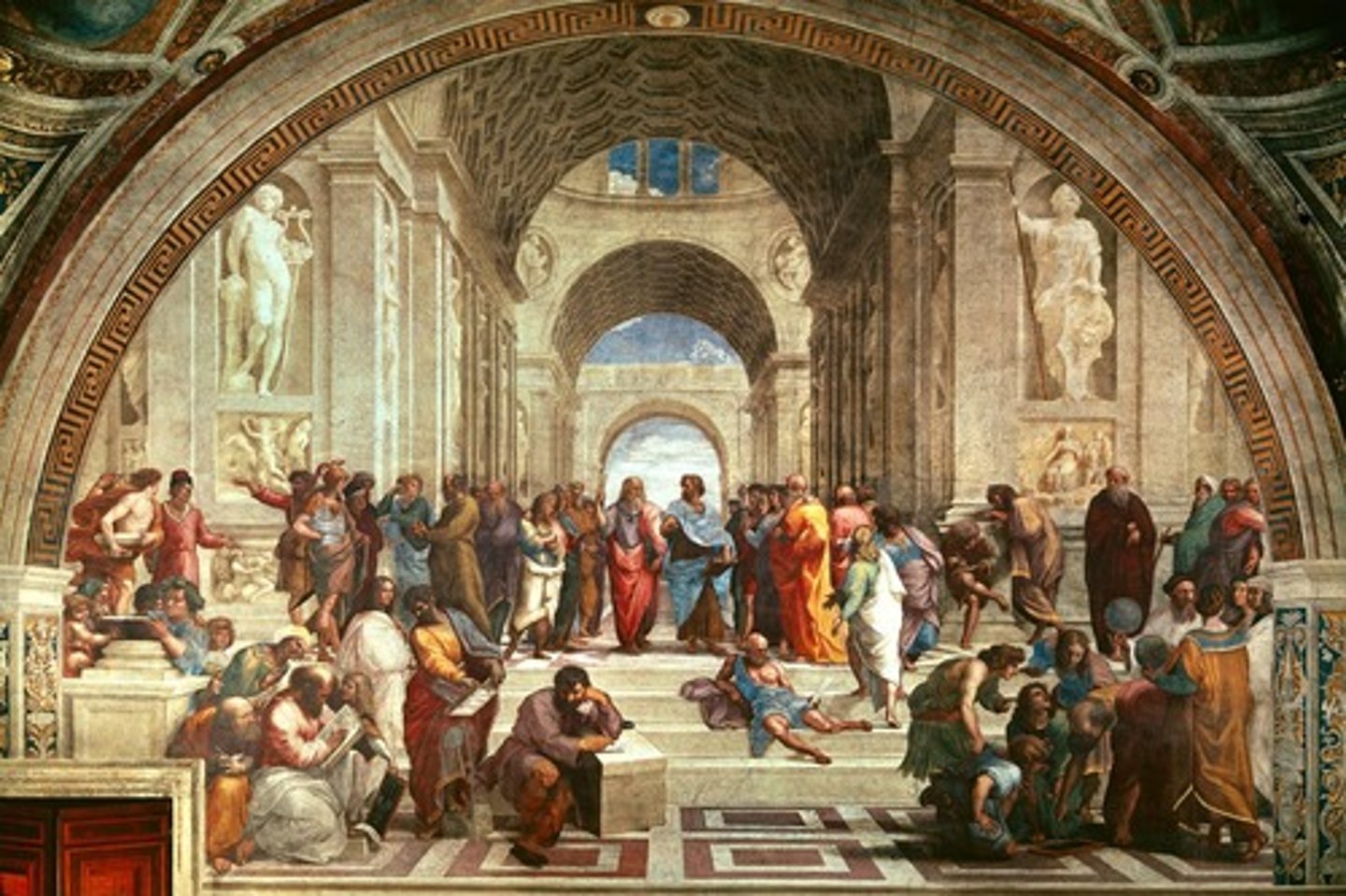
<p>"Rebirth" This is the period in European history, especially in what is present day Italy, where it is said that the ideas of classic Rome and Greece were brought back into society during the 14th and 15th centuries.</p>
2
New cards

City-State

A type of country like the ones in Ancient Greece or Renaissance Italy where small territories were run independently. Many had their own forms of government, money and armed forces. They were often small, town or county sized, but run as a nation would be.
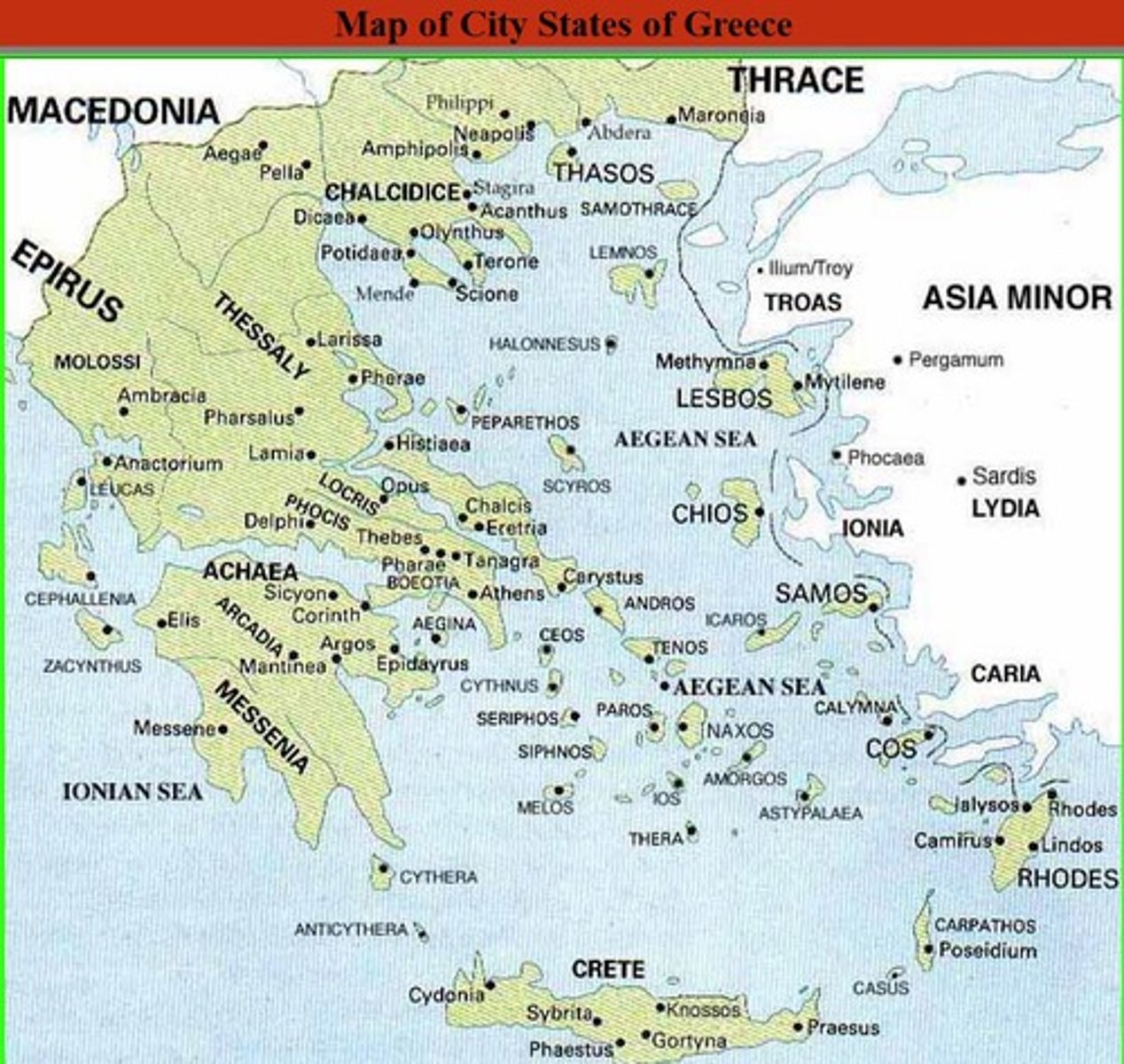
<p>A type of country like the ones in Ancient Greece or Renaissance Italy where small territories were run independently. Many had their own forms of government, money and armed forces. They were often small, town or county sized, but run as a nation would be.</p>
3
New cards

Individual Worth

Individuals were recognized as important during the Italian Renaissance due in part to the great works of art done by famous artists. These artists gain great fame and would be often known by name. This in turn showed the power, worth and contributions by individuals.

<p>Individuals were recognized as important during the Italian Renaissance due in part to the great works of art done by famous artists. These artists gain great fame and would be often known by name. This in turn showed the power, worth and contributions by individuals.</p>
4
New cards

Hanseatic League

A powerful group of merchants, mostly from Northern Europe, that had an increase in wealth and trading power while the Italian city-states were recovering from the effects of the Plague. They specialized in timber, fish, grain, metals, honey and wines.
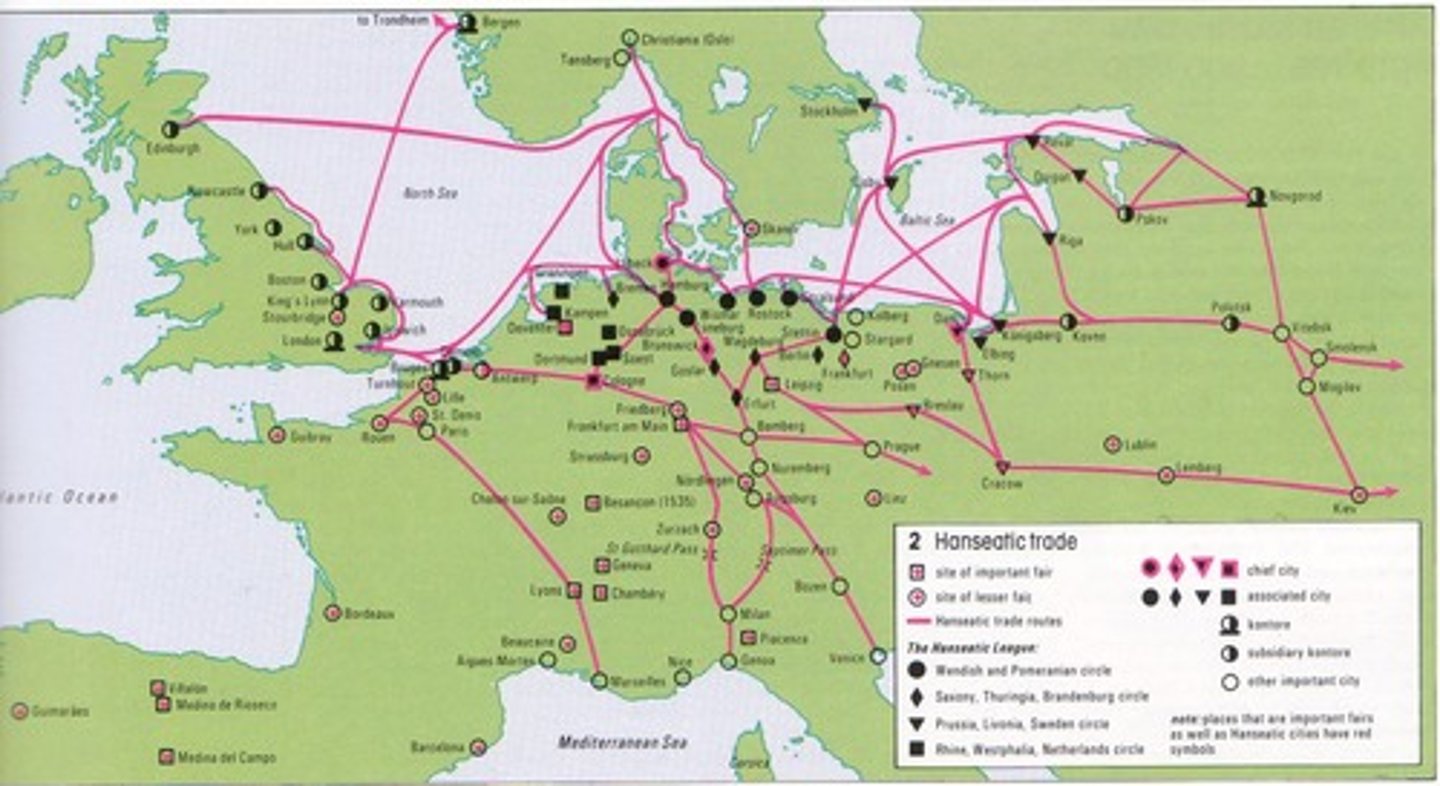
<p>A powerful group of merchants, mostly from Northern Europe, that had an increase in wealth and trading power while the Italian city-states were recovering from the effects of the Plague. They specialized in timber, fish, grain, metals, honey and wines.</p>
5
New cards

The Medici Family

A powerful banking family based in Renaissance era Florence. They began in the cloth production business and then expanded into finance. They would grow to be the greatest bank in Europe at their height. They would lose their wealth and power after 1494 when the French king found it easier to take their lands and money rather than repay them what he owed.
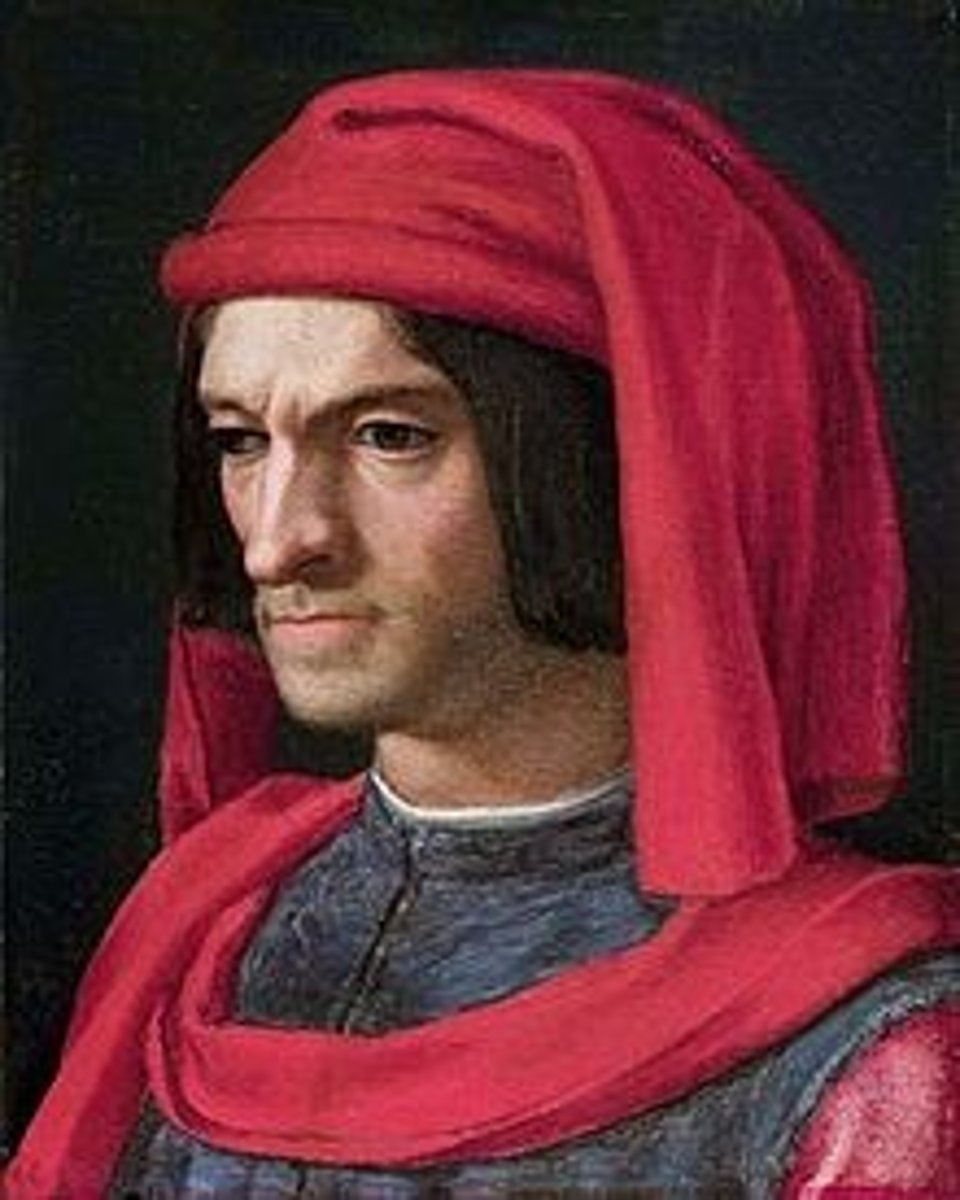
<p>A powerful banking family based in Renaissance era Florence. They began in the cloth production business and then expanded into finance. They would grow to be the greatest bank in Europe at their height. They would lose their wealth and power after 1494 when the French king found it easier to take their lands and money rather than repay them what he owed.</p>
6
New cards

The Estates

The First Estate was made up of the clergy, from the Pope all the way down to the priests. The Second Estate was made up of the nobility. The Third Estate consisted of all the rest of the people, from the middle class business owners to the poorest of the poor.
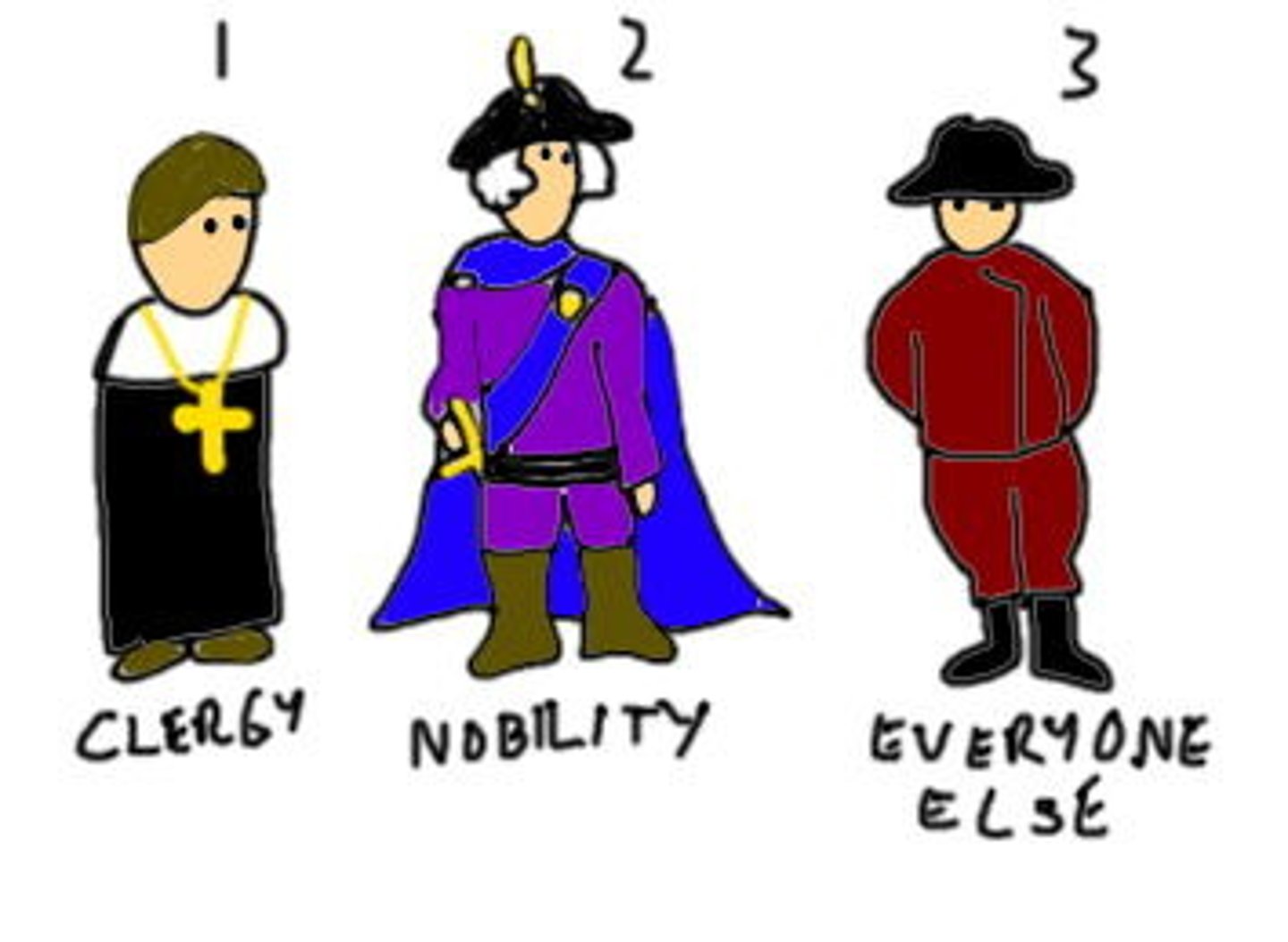
<p>The First Estate was made up of the clergy, from the Pope all the way down to the priests. The Second Estate was made up of the nobility. The Third Estate consisted of all the rest of the people, from the middle class business owners to the poorest of the poor.</p>
7
New cards

Dowry

A form of payment or enticement for a man to marry into a women's family. In the Renaissance it was common for couples to be married not for love, but as a form of financial stability and unifying family power and social position.
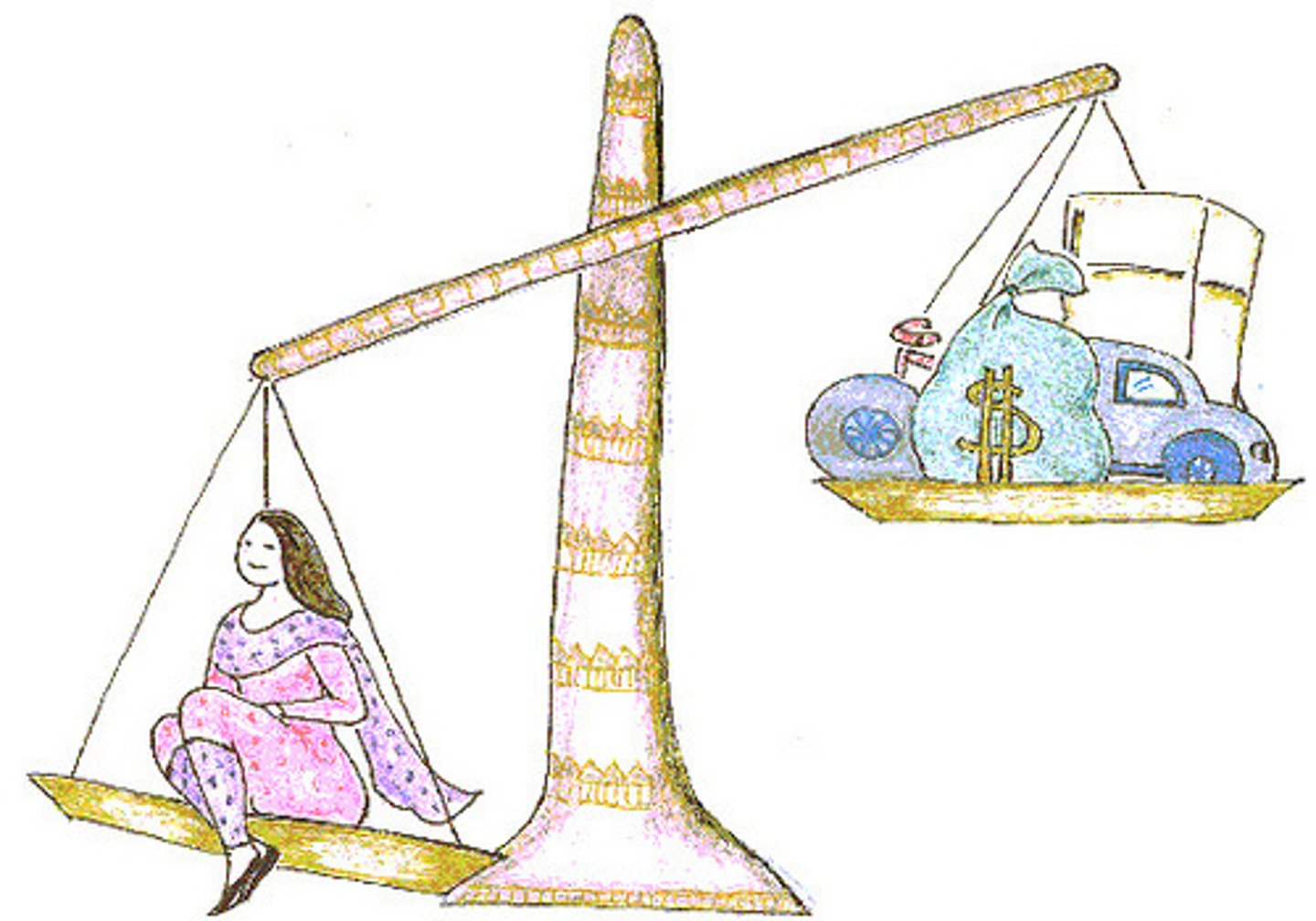
<p>A form of payment or enticement for a man to marry into a women's family. In the Renaissance it was common for couples to be married not for love, but as a form of financial stability and unifying family power and social position.</p>
8
New cards

Republic of Venice

This Italian nation-state is located in present day Northeastern Italy. This nation was a very rich and powerful country, especially for its relatively small size. It gained great wealth from its merchants and trading vessels and that covered much of Europe and into the East.
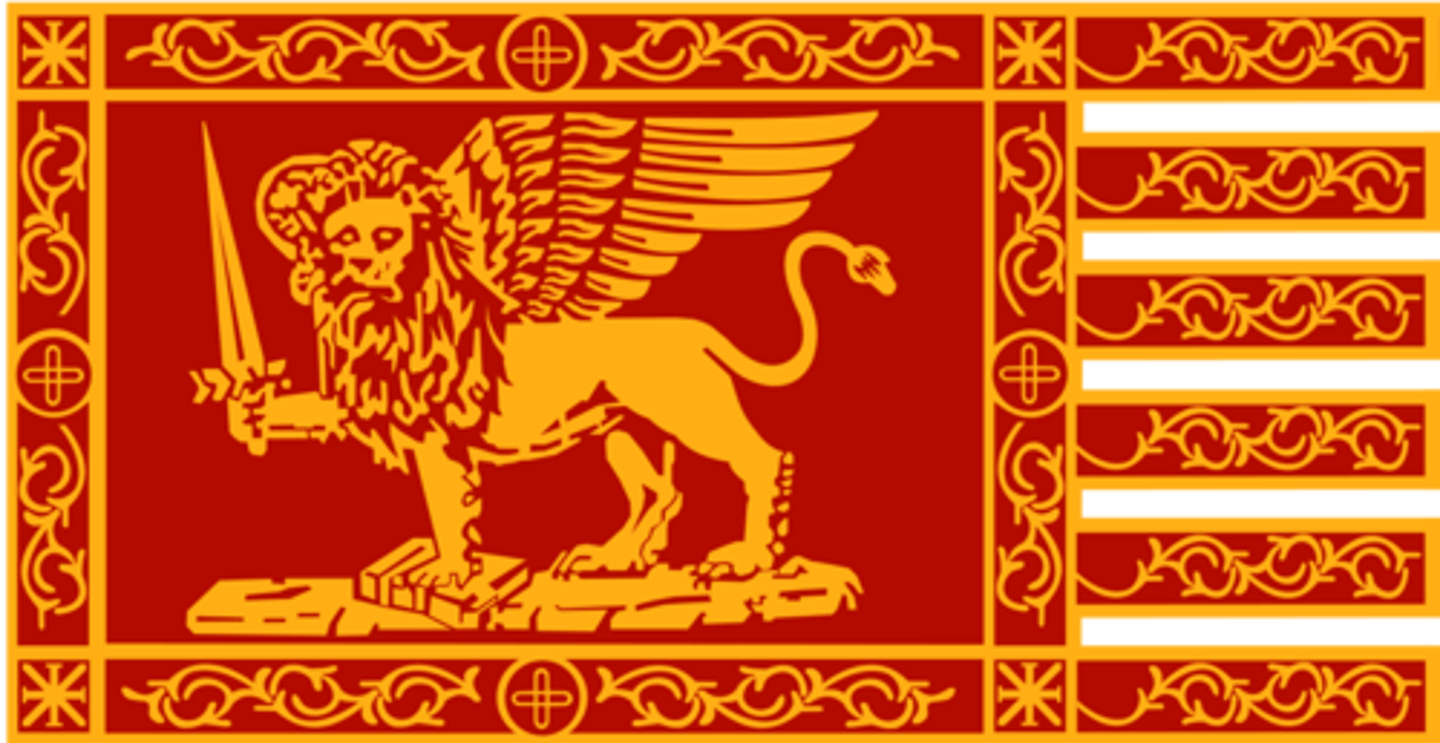
<p>This Italian nation-state is located in present day Northeastern Italy. This nation was a very rich and powerful country, especially for its relatively small size. It gained great wealth from its merchants and trading vessels and that covered much of Europe and into the East.</p>
9
New cards

Duchy of Milan

This area occupies the area of Northwestern Italy in present day. In 1447 Francesco Sforza, a leading Condottieri of the time, turned on the nation state that used to employ him and conquered it for himself. He became the Duke and ruler turned the nation into an efficient money maker with effective tax structures.
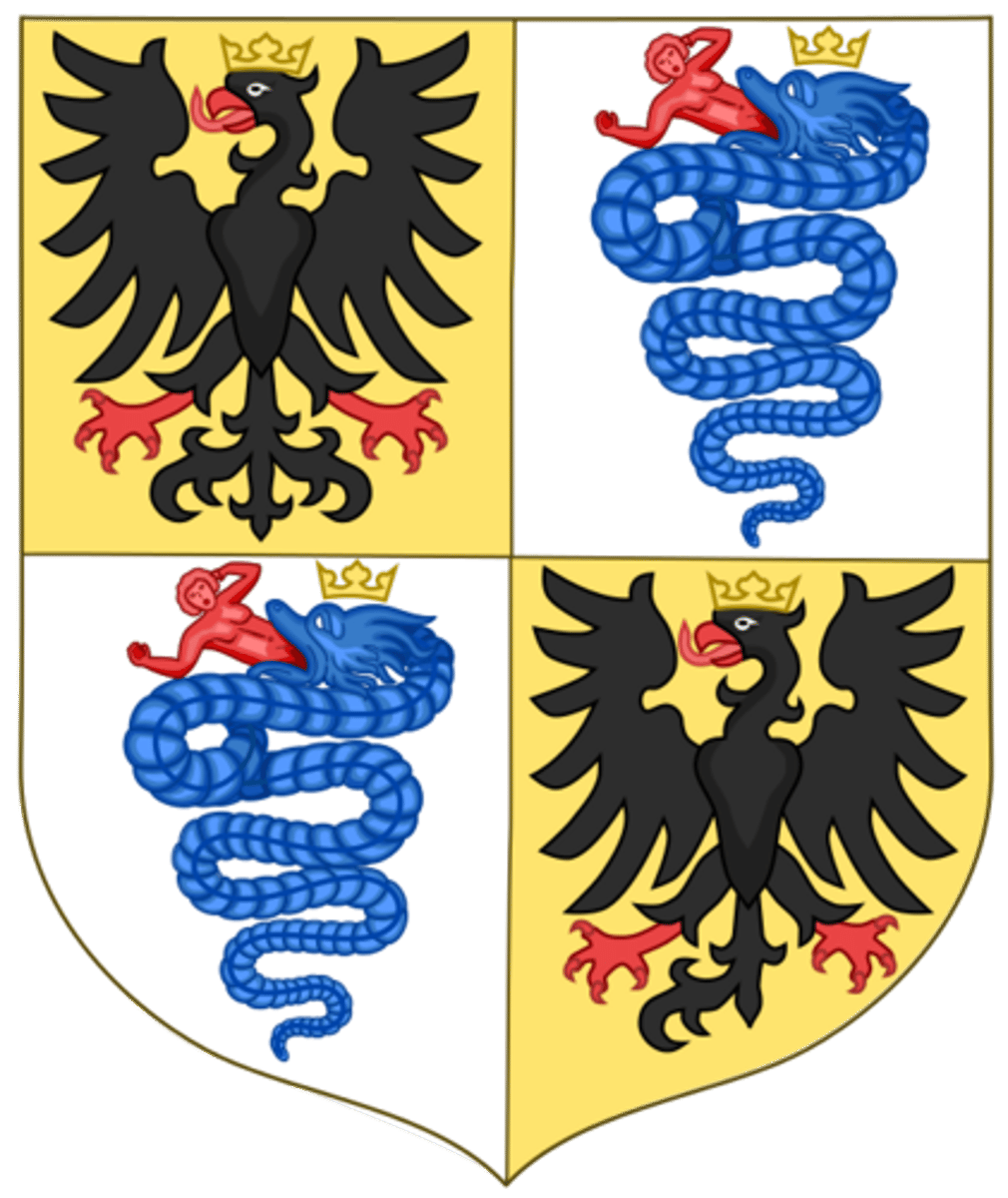
<p>This area occupies the area of Northwestern Italy in present day. In 1447 Francesco Sforza, a leading Condottieri of the time, turned on the nation state that used to employ him and conquered it for himself. He became the Duke and ruler turned the nation into an efficient money maker with effective tax structures.</p>
10
New cards

Republic of Florence

This Italian nation dominated the region of Tuscany. It was officially a republic but in reality it was governed by an oligarchy of wealthy merchants. In 1434 Cosimo de' Medici took control of the oligarchy. The Medici family use of its vast wealth and lavish patronage of the arts made this city-state nation the center of the cultural Renaissance.
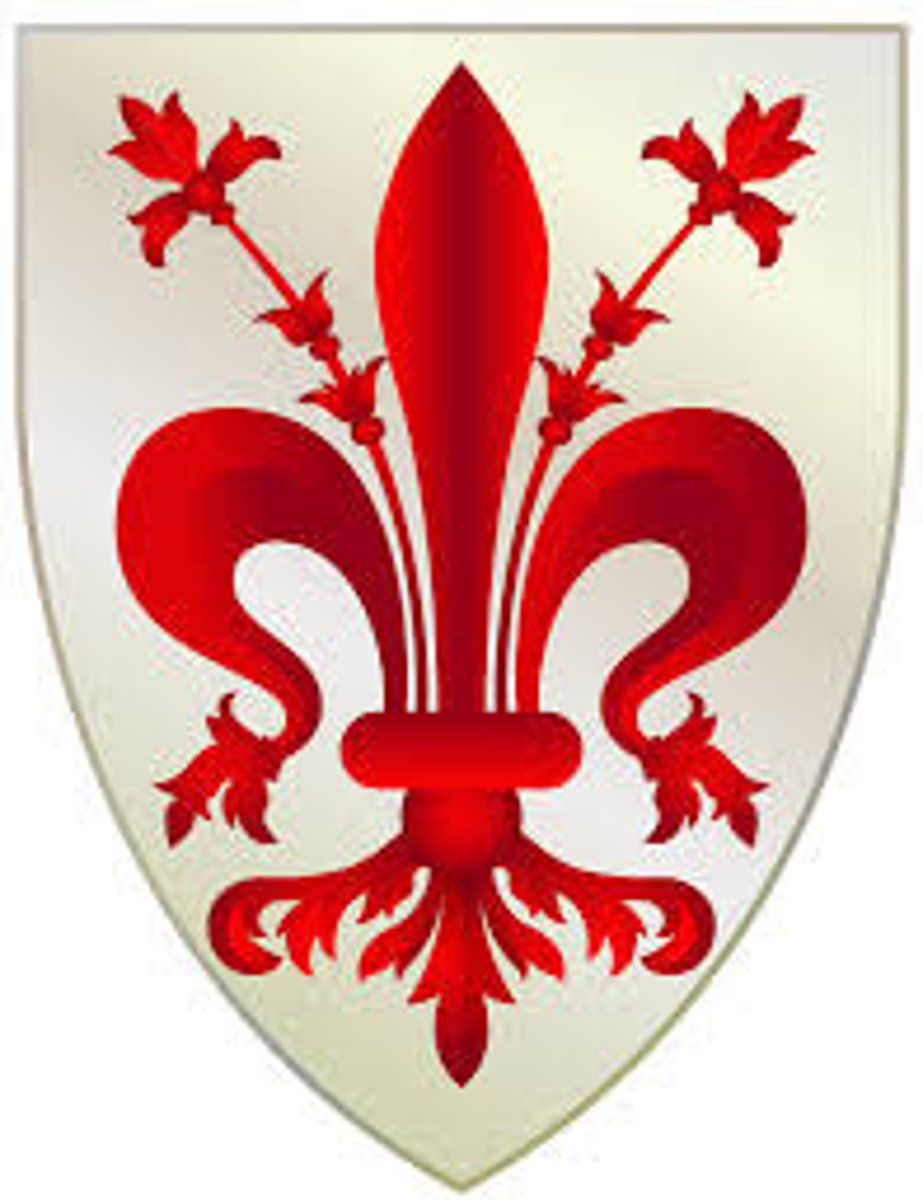
<p>This Italian nation dominated the region of Tuscany. It was officially a republic but in reality it was governed by an oligarchy of wealthy merchants. In 1434 Cosimo de' Medici took control of the oligarchy. The Medici family use of its vast wealth and lavish patronage of the arts made this city-state nation the center of the cultural Renaissance.</p>
11
New cards

Papal States

Italian nation-state nominally under the control of the Pope. It occupied a sizable portion of central modern day Italy.
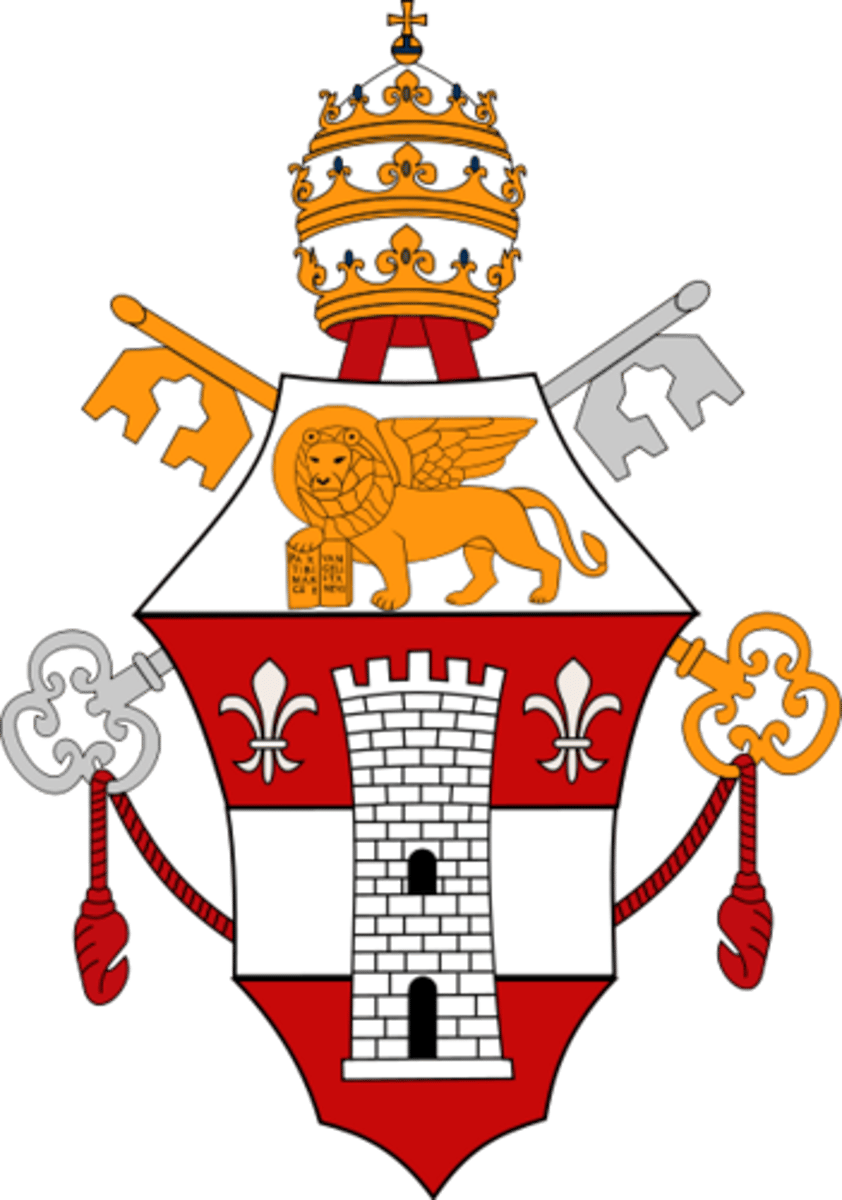
<p>Italian nation-state nominally under the control of the Pope. It occupied a sizable portion of central modern day Italy.</p>
12
New cards

Kingdom of Naples

Italian kingdom located in the south of modern day Italy and the island of Sicily. During the Renaissance period this kingdom was ruled over by a backward monarchy and was made up of mostly poverty-stricken peasants. This kingdom shared very little of the great cultural advances and achievements of the Renaissance.
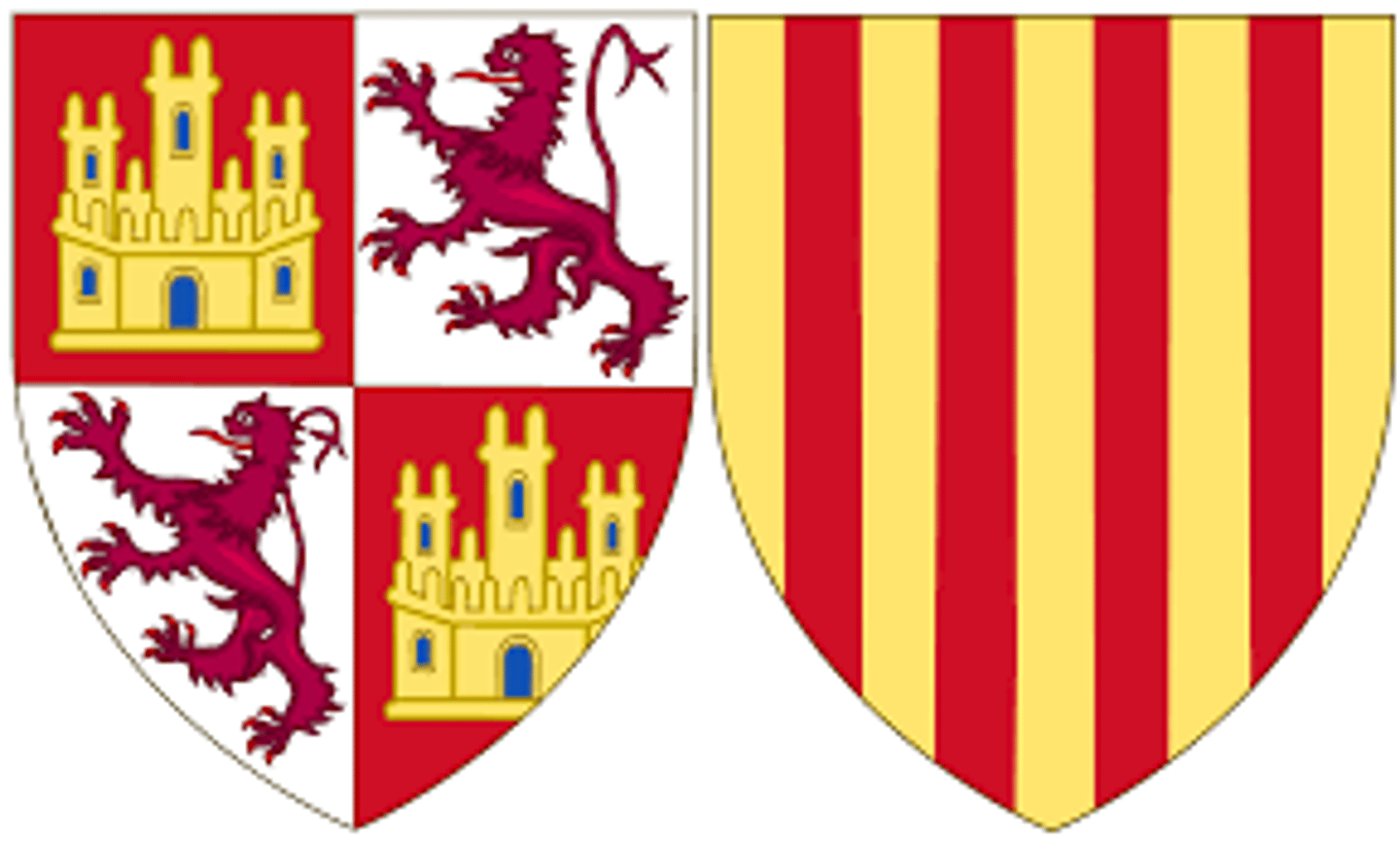
<p>Italian kingdom located in the south of modern day Italy and the island of Sicily. During the Renaissance period this kingdom was ruled over by a backward monarchy and was made up of mostly poverty-stricken peasants. This kingdom shared very little of the great cultural advances and achievements of the Renaissance.</p>
13
New cards

Condottiere

Mercenary leaders of soldiers who fought for money, not loyalty to a specific nation or city-state. Italy was not united so many military professionals turned to this in Italy as a way to make a living.
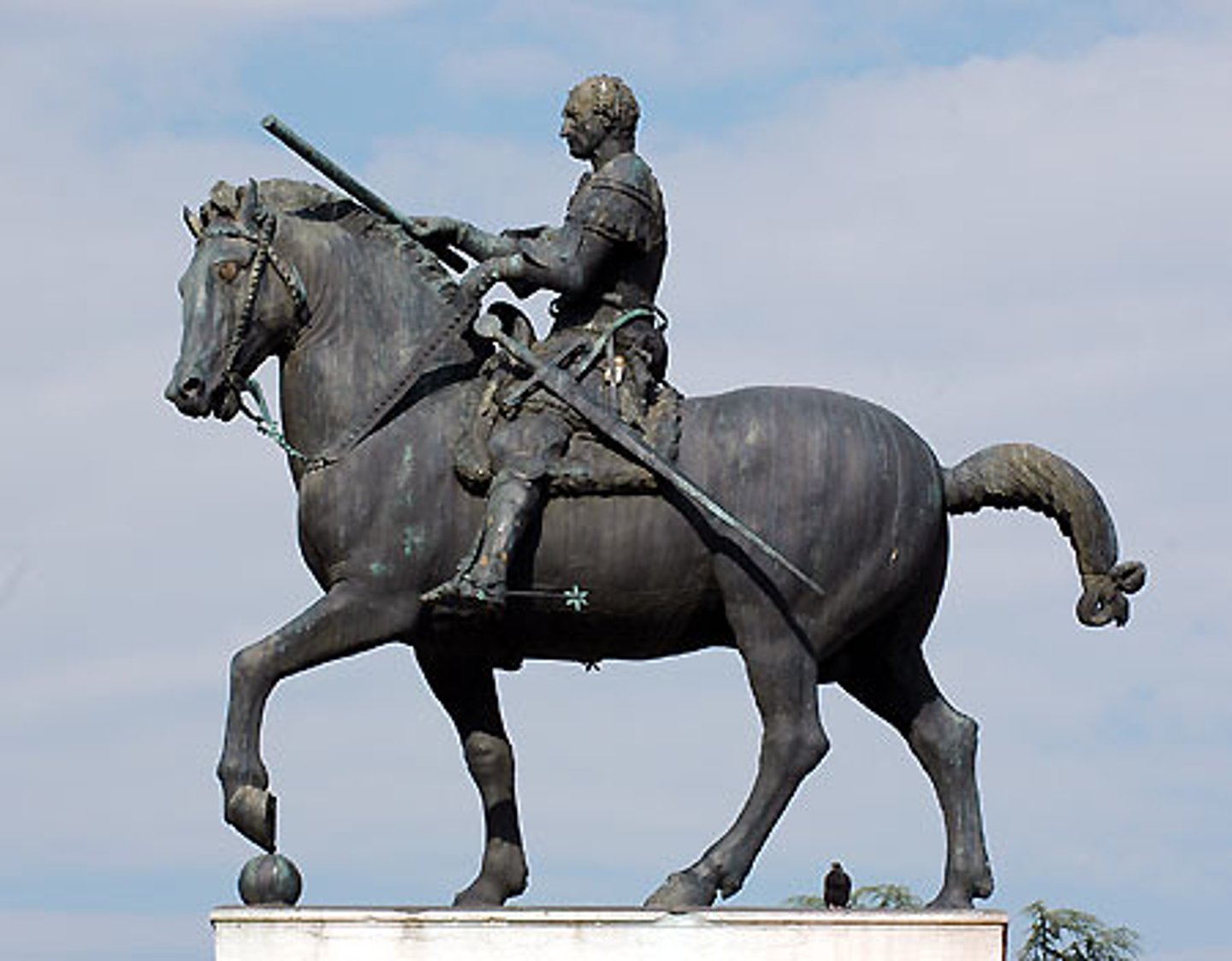
<p>Mercenary leaders of soldiers who fought for money, not loyalty to a specific nation or city-state. Italy was not united so many military professionals turned to this in Italy as a way to make a living.</p>
14
New cards

Niccolo Machiavelli

Wrote one of the most influential books on politics and power during the Renaissance. His book, The Prince, advised Princes and others in power on how to keep power and control. He wrote that it was sometimes necessary to do evil things to keep power and keep others from doing the same to you.
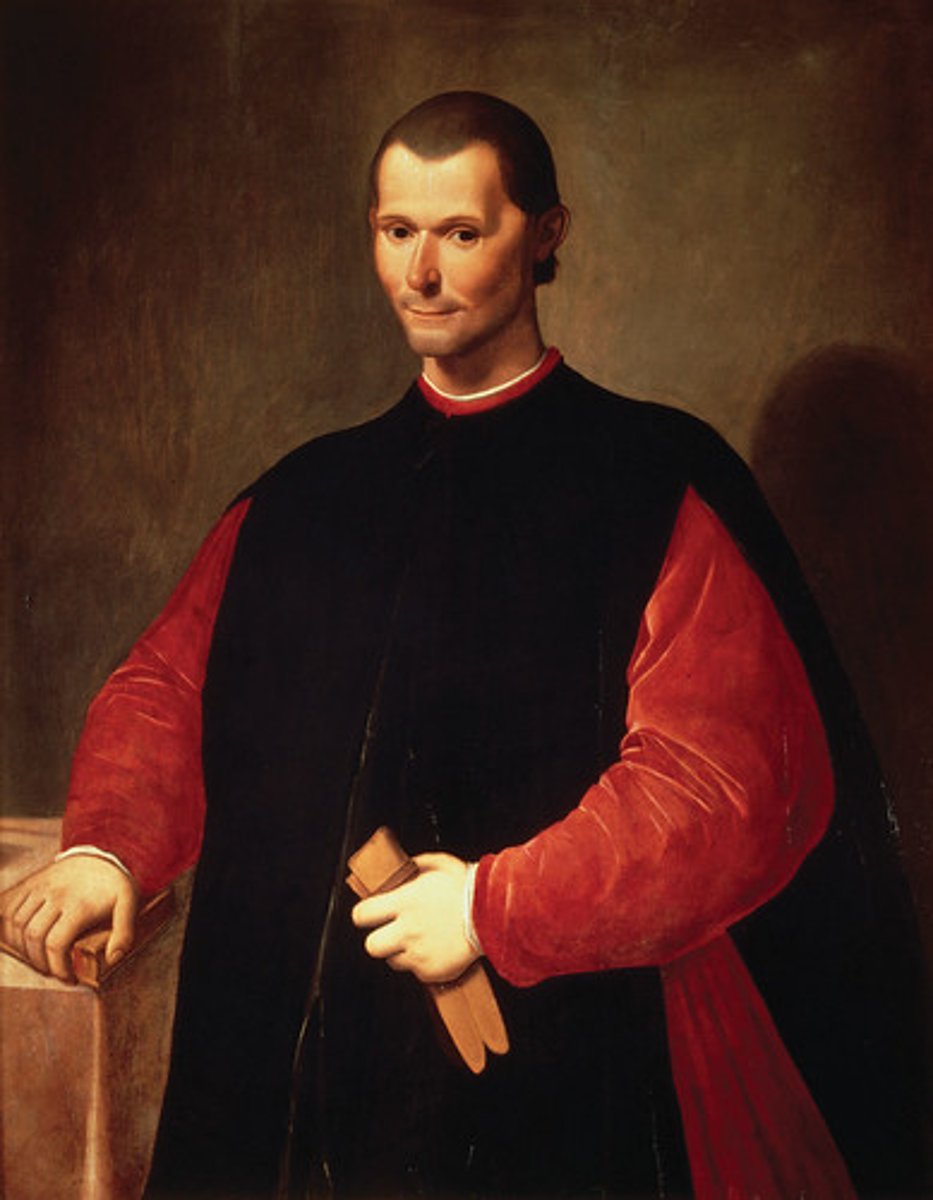
<p>Wrote one of the most influential books on politics and power during the Renaissance. His book, The Prince, advised Princes and others in power on how to keep power and control. He wrote that it was sometimes necessary to do evil things to keep power and keep others from doing the same to you.</p>
15
New cards

Humanism

This was the intellectual movement during the Renaissance in Italy that based its studies on the classics of the Greeks and the Romans. Humanists strive to improve ones knowledge and abilities while leading a solitary life. Humanists focused on the 'Studia Humanitatis' or the studies of humanities, grammar, rhetoric, poetry, moral philosophy or ethics and history.

16
New cards

Petrarch

He is often called the father of humanism. He lived from 1304 to 1374 and would lay the groundwork for many of the methods and ideas that would help lead to Renaissance humanism.
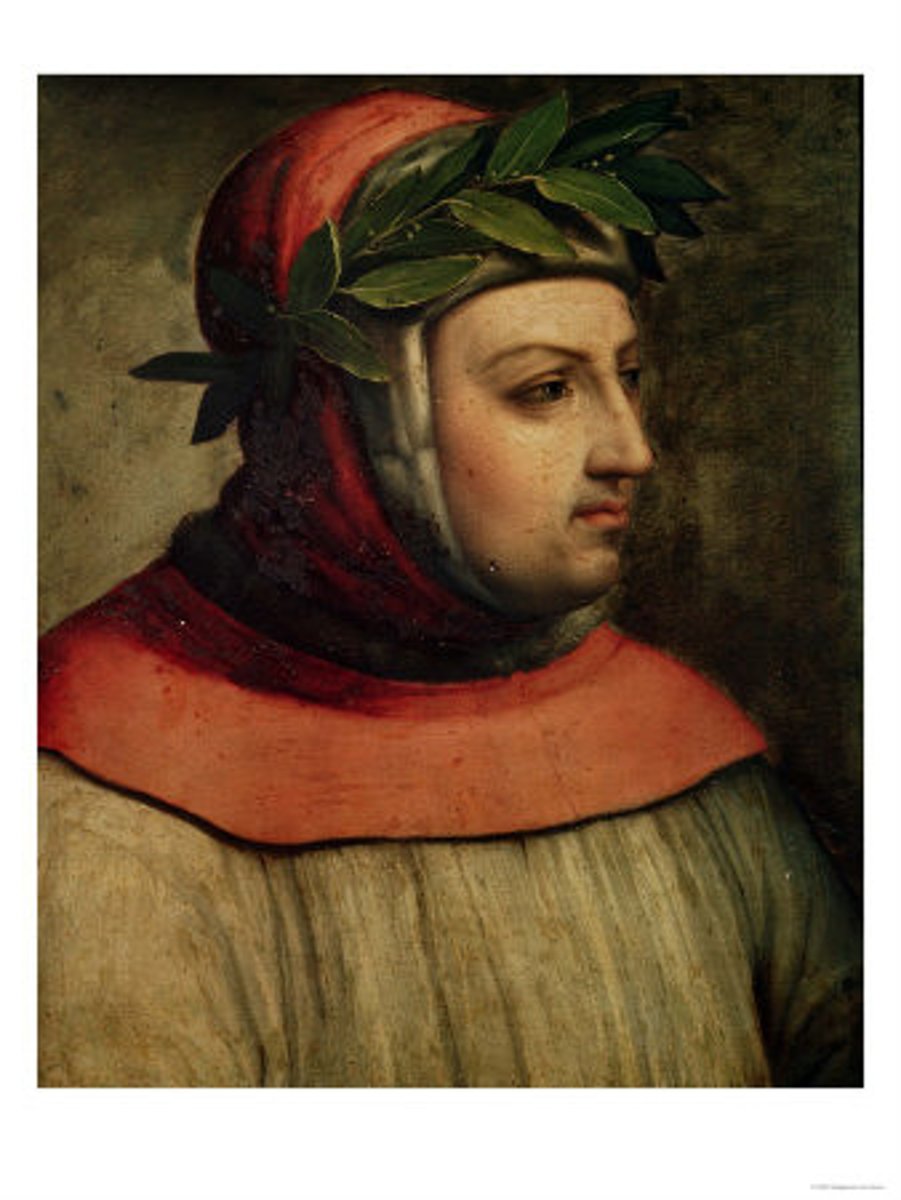
<p>He is often called the father of humanism. He lived from 1304 to 1374 and would lay the groundwork for many of the methods and ideas that would help lead to Renaissance humanism.</p>
17
New cards

Civic Humanism

A group that believed in the studies of humanism but felt that knowledge learned should be shared with the rest of society. They followed the example of Cicero from ancient Rome in striving to be a man with many skills and talents that used them to help those around him.

18
New cards

Cicero

The well rounded and heroic figure from the time of ancient Rome that was said to be the inspiration and roll model for Civic Humanism. He is said to pursued many skills, talents and bases of knowledge that took those abilities and helped out friends, family and his nation. 'An individual only grows to maturity both intellectually and morally through participation.'
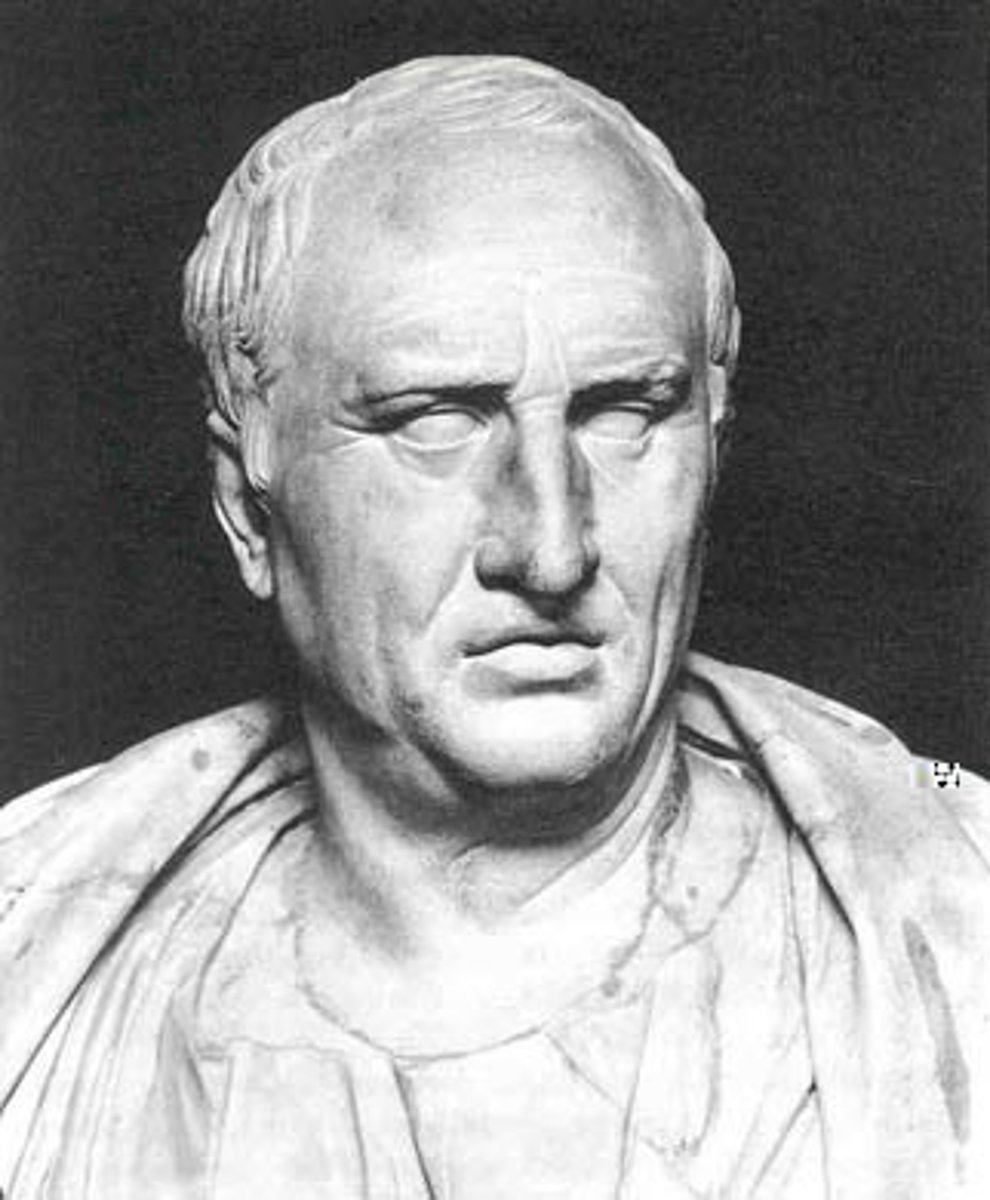
<p>The well rounded and heroic figure from the time of ancient Rome that was said to be the inspiration and roll model for Civic Humanism. He is said to pursued many skills, talents and bases of knowledge that took those abilities and helped out friends, family and his nation. 'An individual only grows to maturity both intellectually and morally through participation.'</p>
19
New cards

Pantheism

A concept popular in the Renaissance that saw god and divinity embodied in all aspects of nature and in the heavenly bodies as well as in earthly objects. A famous Hermeticist, Giordano Bruno said, "God as a whole is in all things."
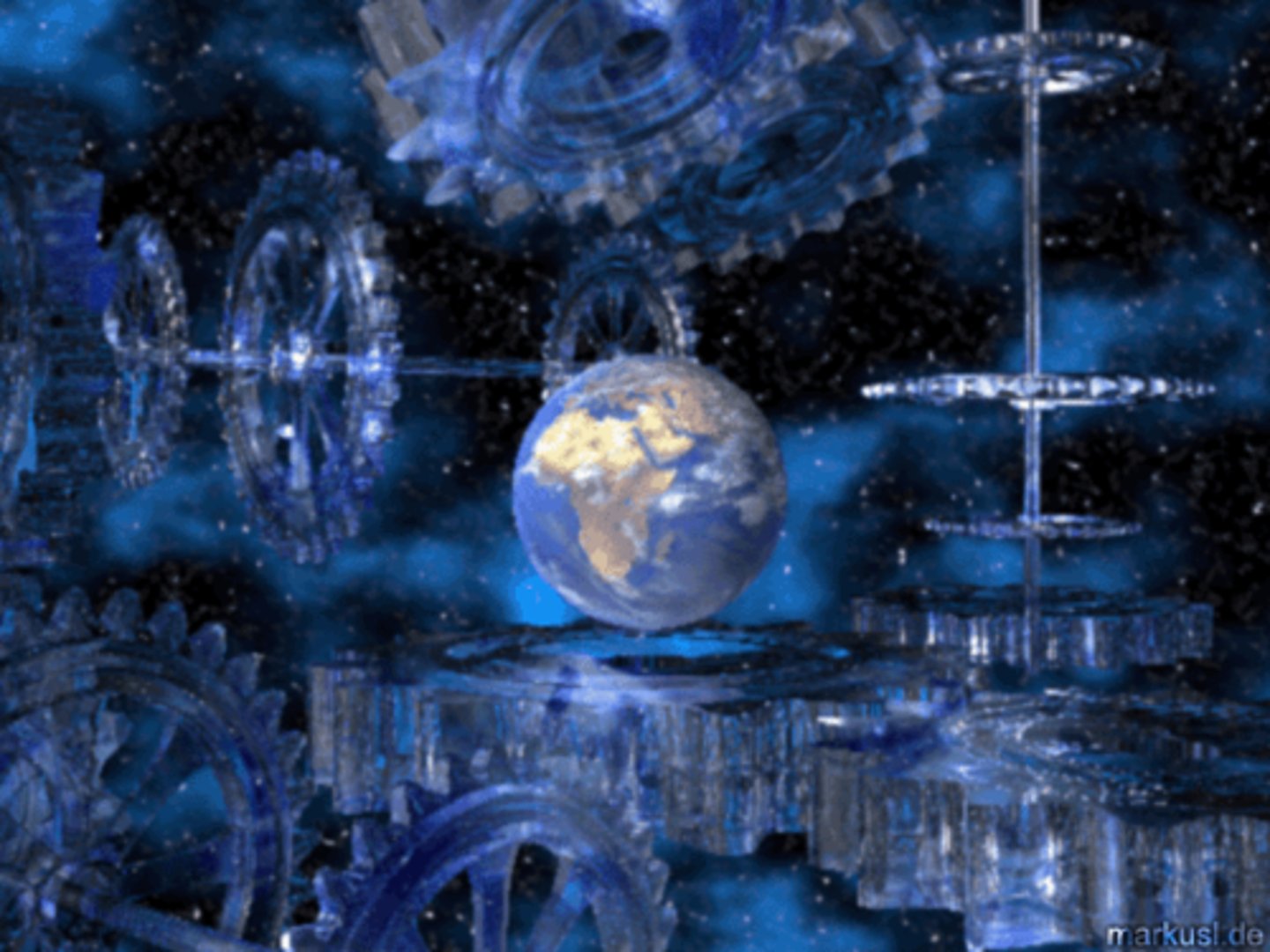
<p>A concept popular in the Renaissance that saw god and divinity embodied in all aspects of nature and in the heavenly bodies as well as in earthly objects. A famous Hermeticist, Giordano Bruno said, "God as a whole is in all things."</p>
20
New cards

Printing Press

Many have argued this to be one of the most important inventions in human history. This device let society rapidly write down, expand and spread knowledge over the world in a fast and efficient method for the first time. This machine used movable metal letters that could be moved and reset to created pages for printing. This greatly sped up how books were made and distributed.
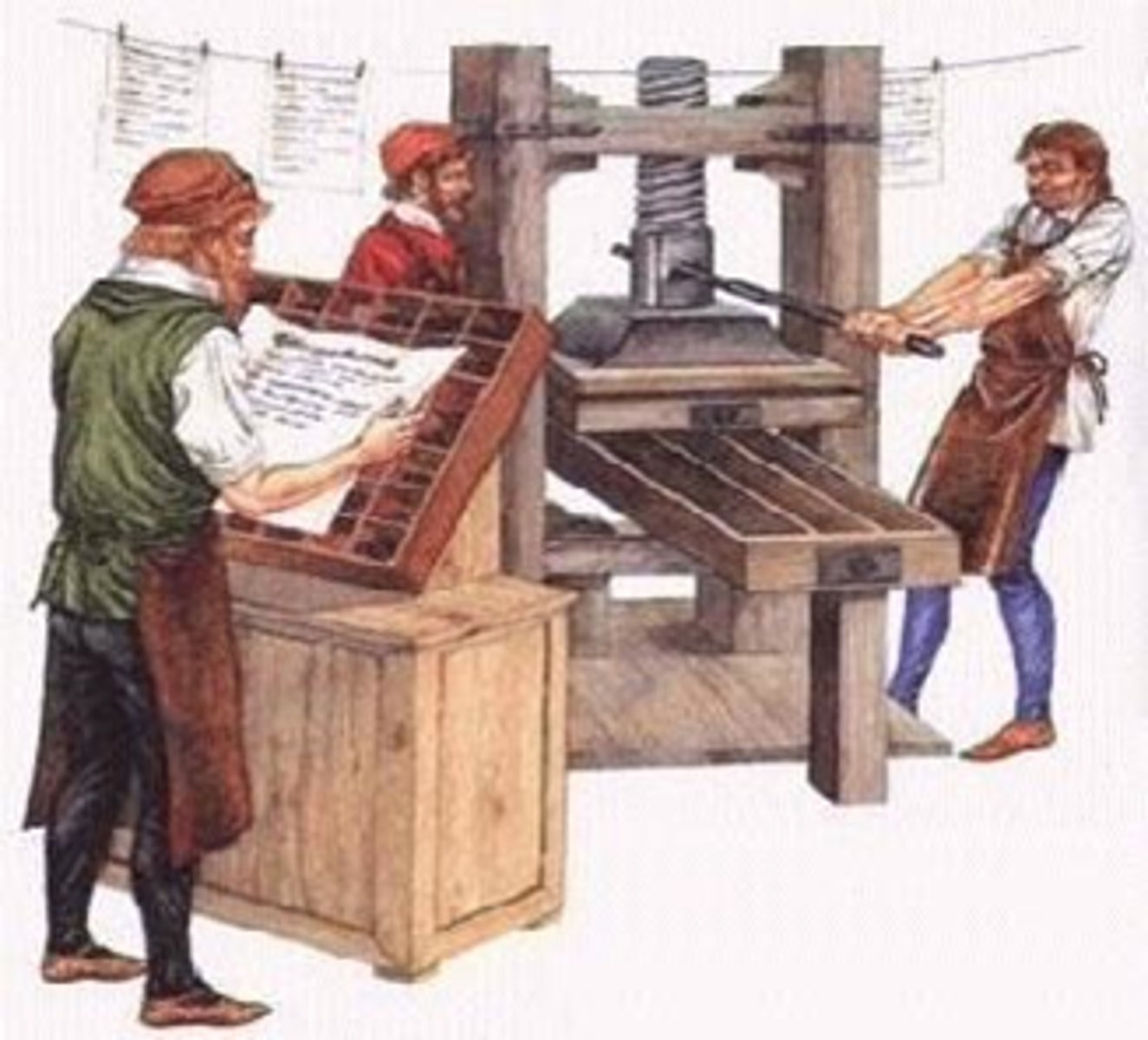
<p>Many have argued this to be one of the most important inventions in human history. This device let society rapidly write down, expand and spread knowledge over the world in a fast and efficient method for the first time. This machine used movable metal letters that could be moved and reset to created pages for printing. This greatly sped up how books were made and distributed.</p>
21
New cards

the Gutenberg Bible

This book completed in 1455 was the first true book in the West produced from movable type on a printing press. This was done by Johannes Gutenberg.
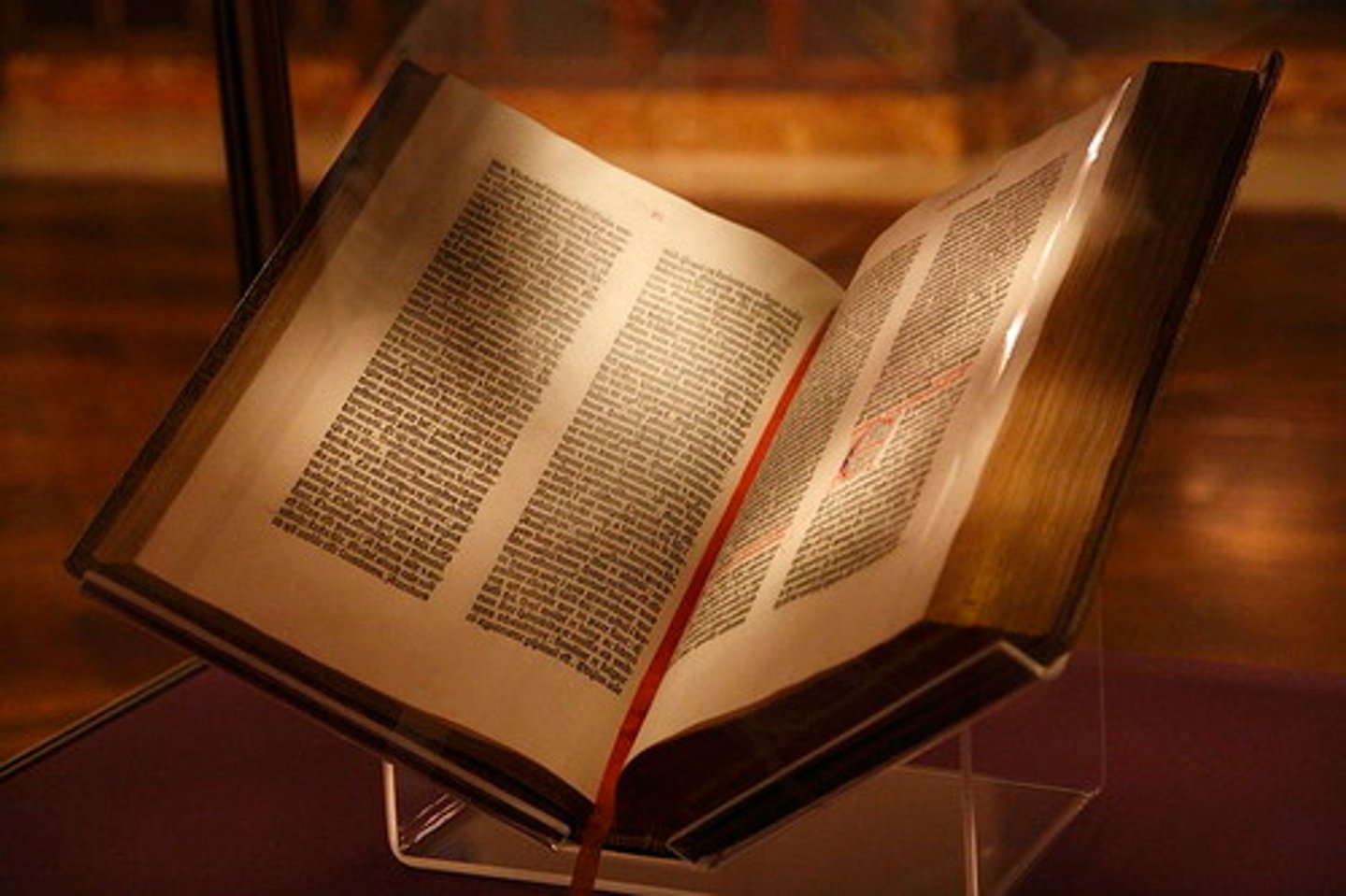
<p>This book completed in 1455 was the first true book in the West produced from movable type on a printing press. This was done by Johannes Gutenberg.</p>
22
New cards

Patrons

Wealthy people who would sponsor or pay for the artists to complete their great works of art. These investors and supporters of the arts would often even be included, usually subtly, in the great works of art themselves.

23
New cards

The Artistic Renaissance

Art changed during this period from previous ages. The focus of the artists in this period was total realism in their work. The artists in this period considered the imitation of nature their primary goal. Proportions and mathematics were used to make the pictures in perfect proportions and achieve great realism.
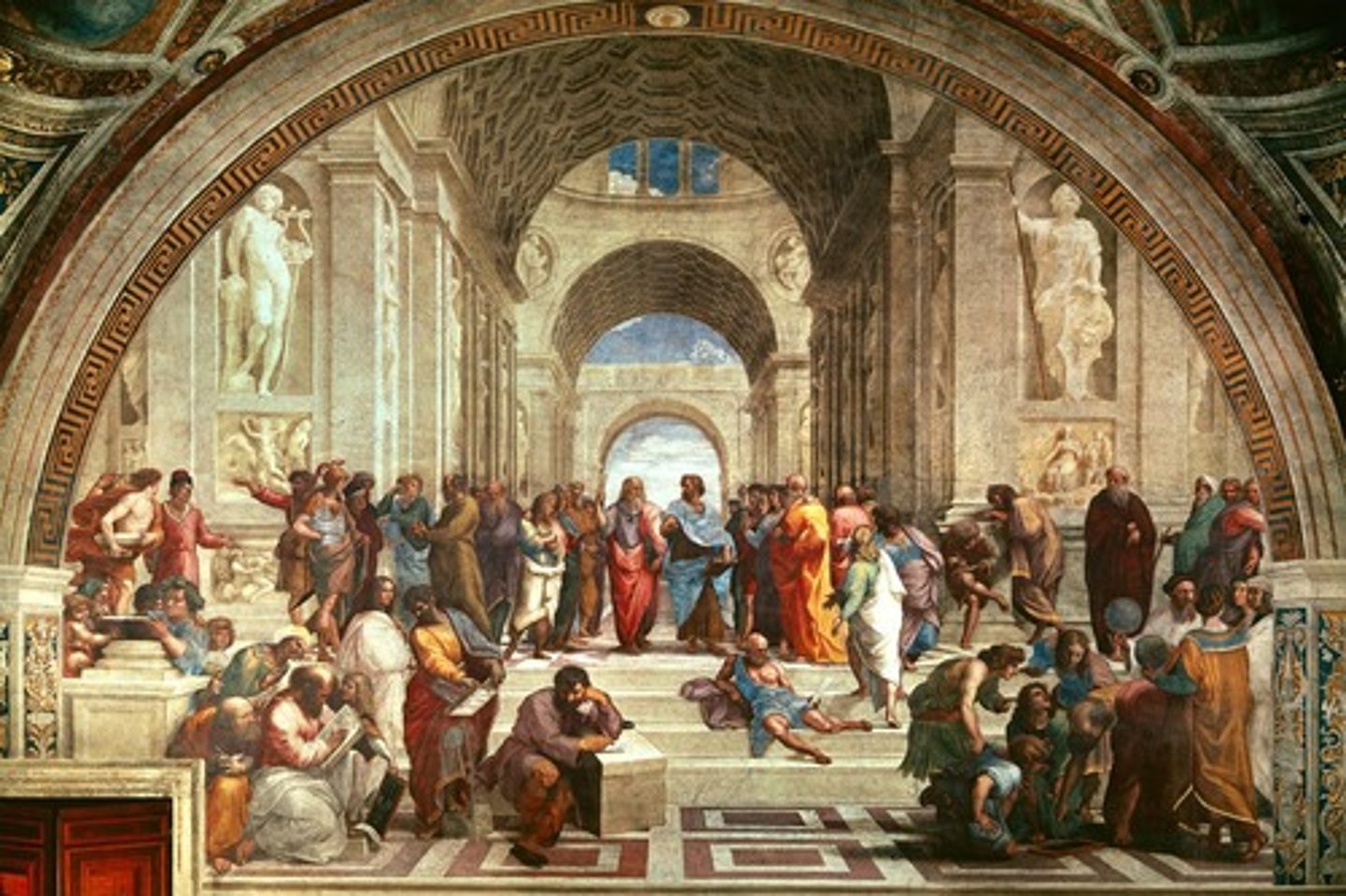
<p>Art changed during this period from previous ages. The focus of the artists in this period was total realism in their work. The artists in this period considered the imitation of nature their primary goal. Proportions and mathematics were used to make the pictures in perfect proportions and achieve great realism.</p>
24
New cards

High Renaissance Art

This period of art was marked by its increasing importance of Rome as a new center of the Italian Renaissance. This period was dominated by the famous artists, Leonardo da Vinci, Raphael and Michelangelo.
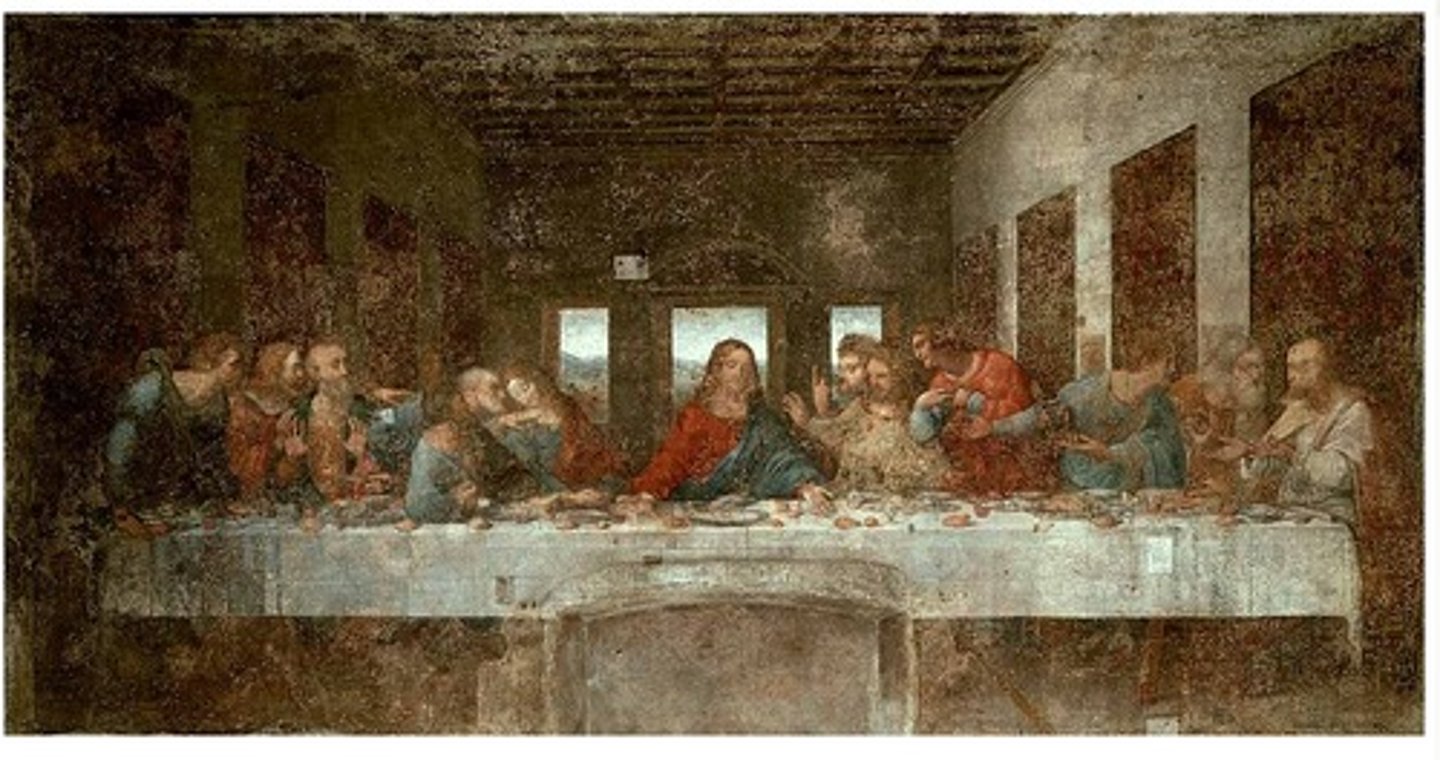
<p>This period of art was marked by its increasing importance of Rome as a new center of the Italian Renaissance. This period was dominated by the famous artists, Leonardo da Vinci, Raphael and Michelangelo.</p>
25
New cards

Northern Artistic Renaissance

This style of art focused on great detail and attention to detail in smaller spaces. This art was common in many northern Gothic churches where space to paint was much more limited due to large stained glass and less wall space.

<p>This style of art focused on great detail and attention to detail in smaller spaces. This art was common in many northern Gothic churches where space to paint was much more limited due to large stained glass and less wall space.</p>
26
New cards

John Hus

He called for the end of the corruption of the clergy in the Catholic Church. The church promised him safe passage and summoned him to the Council of Constance. Once he was there however, they arrested him and convicted him of 'heresy' he was burned at the stake in 1415. This led to upheaval and war in Bohemia until 1436.
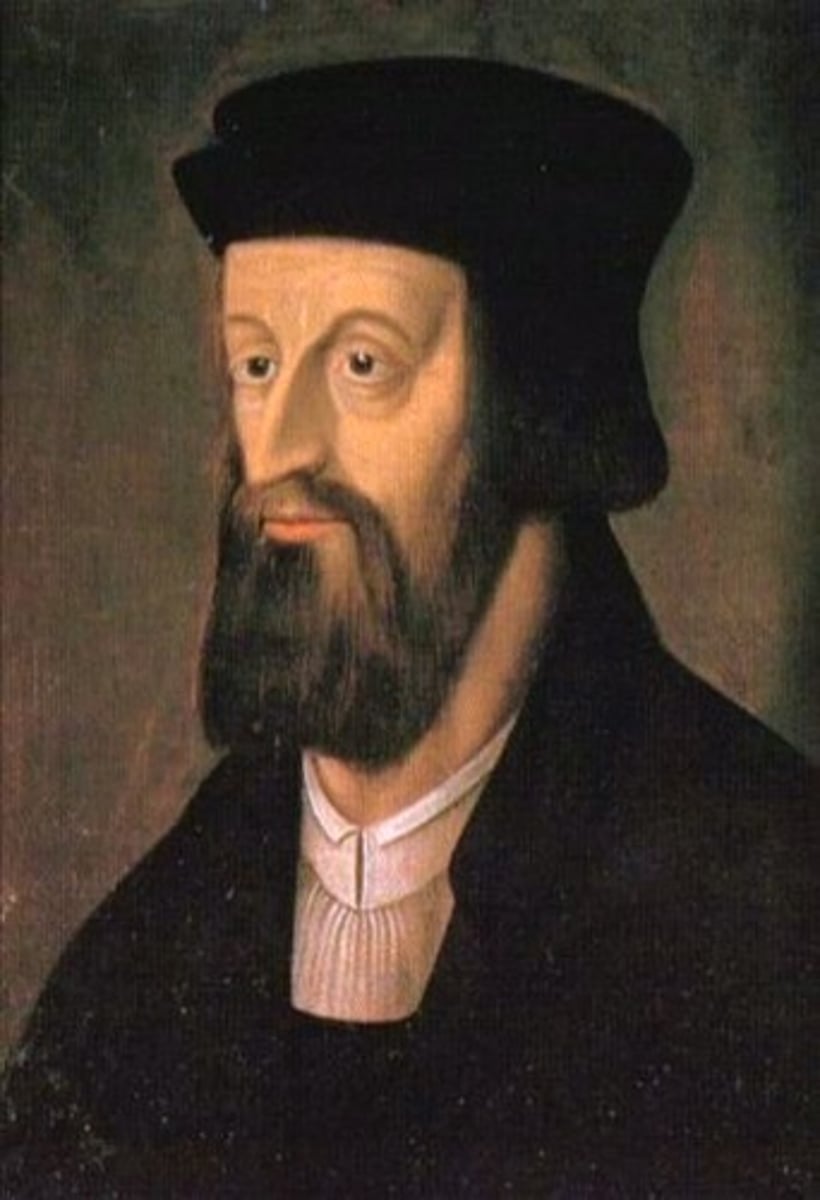
<p>He called for the end of the corruption of the clergy in the Catholic Church. The church promised him safe passage and summoned him to the Council of Constance. Once he was there however, they arrested him and convicted him of 'heresy' he was burned at the stake in 1415. This led to upheaval and war in Bohemia until 1436.</p>
27
New cards

Nepotism

The policy of using your position or title to give power, favor or jobs to members of your own family. This was made famous by Pope Sixtus IV who made 5 of his nephews cardinals. In fact, Nepotism as a word comes from the Latin, nepos, meaning nephew.
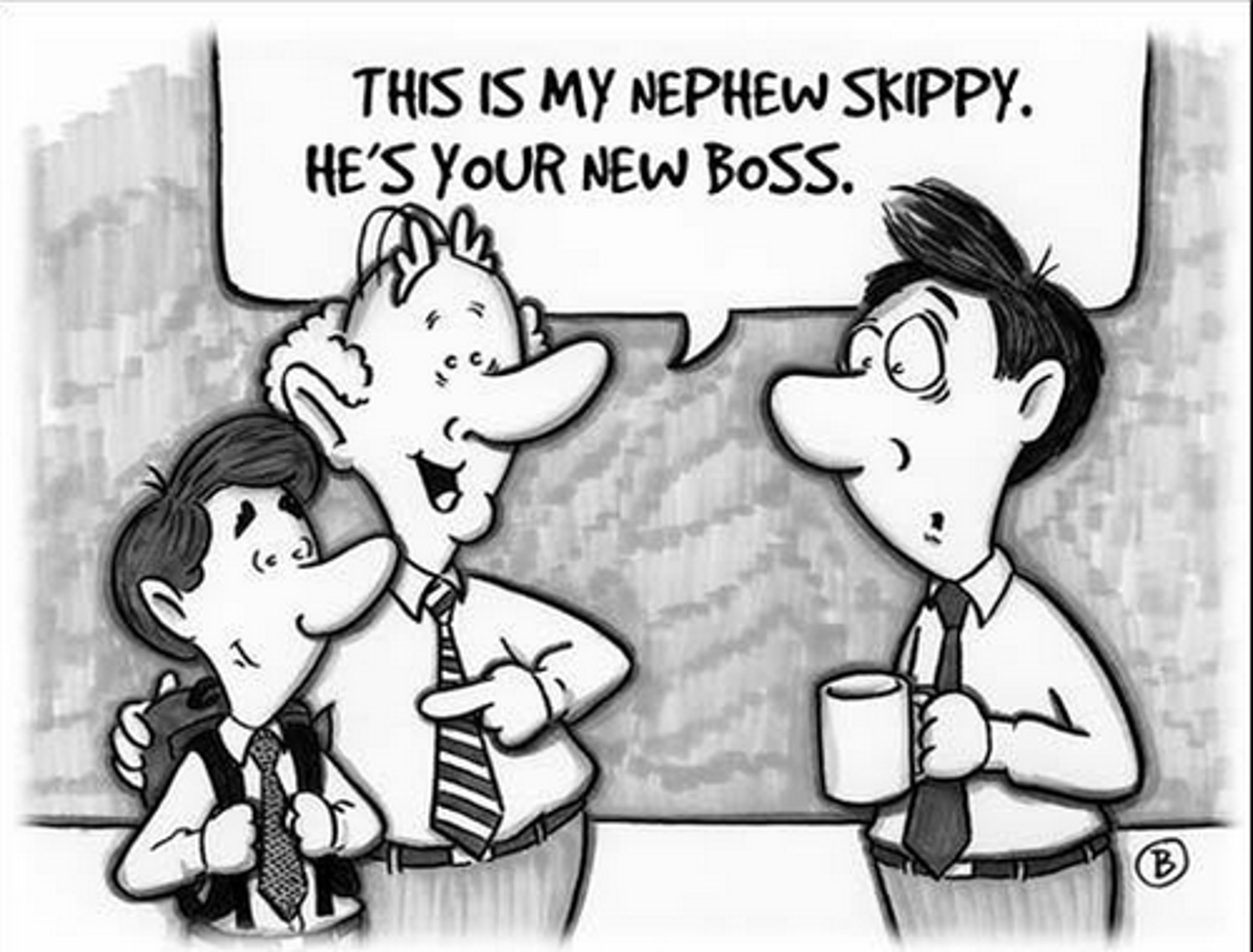
<p>The policy of using your position or title to give power, favor or jobs to members of your own family. This was made famous by Pope Sixtus IV who made 5 of his nephews cardinals. In fact, Nepotism as a word comes from the Latin, nepos, meaning nephew.</p>
28
New cards

Explore top notes

note
AP PSYCH- Confusing Pairs
Updated 1420d ago
0.0(0)
note
Final Exam Review
Updated 846d ago
0.0(0)
note
Periodic Table and Trends
Updated 576d ago
0.0(0)
note
Reproduction & Development
Updated 542d ago
0.0(0)
note
Chapter 22
Updated 558d ago
0.0(0)
note
AP PSYCH- Confusing Pairs
Updated 1420d ago
0.0(0)
note
Final Exam Review
Updated 846d ago
0.0(0)
note
Periodic Table and Trends
Updated 576d ago
0.0(0)
note
Reproduction & Development
Updated 542d ago
0.0(0)
note
Chapter 22
Updated 558d ago
0.0(0)

Explore top flashcards

flashcards
Fountains Abbey
67
Updated 691d ago
0.0(0)
flashcards
Ecology Exam 3
87
Updated 1113d ago
0.0(0)
flashcards
GOVT 1001 - Topic #2
63
Updated 1138d ago
0.0(0)
flashcards
Media, Culture & Society
44
Updated 890d ago
0.0(0)
flashcards
Econ Set Final
62
Updated 1038d ago
0.0(0)
flashcards
APUSH Chapter 20
30
Updated 1117d ago
0.0(0)
flashcards
Fountains Abbey
67
Updated 691d ago
0.0(0)
flashcards
Ecology Exam 3
87
Updated 1113d ago
0.0(0)
flashcards
GOVT 1001 - Topic #2
63
Updated 1138d ago
0.0(0)
flashcards
Media, Culture & Society
44
Updated 890d ago
0.0(0)
flashcards
Econ Set Final
62
Updated 1038d ago
0.0(0)
flashcards
APUSH Chapter 20
30
Updated 1117d ago
0.0(0)



