PHLT Ch 11- The health of young children
 Call Kai
 Learn
Learn Practice Test
 Spaced Repetition
 Match
Match Flashcards
 Knowt Play
1/7

There's no tags or description
Looks like no tags are added yet.
Name | Mastery | Learn | Test | Matching | Spaced | Call with Kai |
|---|
No analytics yet
Send a link to your students to track their progress
8 Terms
The importance of child health
5.4 million children under 5 years of age die each year
almost all of these deaths are preventable
children are a particularly vulnerable population
child health closely linked with poverty
insufficient progress in certain parts of the world in reducing childhood morbidity and mortality
Key terms
perinatal: first week of life
neonatal: the first month of life
infant: the first year of life
under-5: children 0-4 years old
Mortality and the burden of disease
Children under 5 years
99% of childhood deaths are in low-and middle- income countries
half of these deaths occur in India, Nigeria, democratic republic of the congo, pakistan, and china
46% of under-5 child deaths among neonates
general trend is decline, but rates of decline vary considerably by region
Pneumonia/ lower respiratory infections
children under-5 in low and middle income countries average 3-6 acute respiratory infections per year
more severe and causes higher rates of death in low and middle income countries
leading infectious cause of death globally in children under 5
upper respiratory tract infections include common cold and ear infections and lower respiratory infections include bronchiolitis and pneumonia
Diarrhea
second leading infectious cause of young child death
causes dehydration, loss and damage to the intestines
children under 5 in low and middle income countriese have around 3-4 cases per year; those aged 6-11 months have almost double that
Malaria
leading cause of death in children under 5 in sub saharan africa
extremely high morbidity; estimate some people in sub saharan africa have about 5 episodes per year
Mortality and the burden of disease cont.
HIV/AIDS
in so17 there were 180000 newborns infected with HIV and mroe than 90% of them were in sub saharan africa
causes 1.2% of deaths in children under 5
a newborn has a 15-45% chance of being infected from an HIV positive woman who is not receiving antiretroviral therapy
Measles
children under 5 years and vitamin A deficient or HIV nfected are more vulnerable to complications
deaths decreased by 80% globally 2000-2016
still a leading cause of death of children under 5
causes 1.3% of deaths in children under 5
Soil transmitted helminths
roundworm, hookworm, and whipworm
270 million preschool children and 560 million school aged children live in intense helminth transmissions areas
infections can lead to severe morbidity such as iron deficiency anemia
burden of several worms highest for 6 or 7 years old
additional comments on neonatal mortality
46% of annual under 5 deaths occur within the first month of life
73% of deaths in first month occur in first week
insufficient progress in reducing neonatal death rate
every day that a child lives increases the likelihood that he or she will stay alive
The cost and consequences of child morbidity and mortality
cannot measure direct losses in productivity
high costs of caring for a sick child
potential long term disability
growth restriction and restriction of mental dvelopment can result in poor school attendance and performance
high fertility to compensate for deaths
addressing key challenges in child health
most progress for 1 and 5 year olds; less progress reducing neonatal death rates
insufficient progress in subsaharan africa and south asia
low-cost highly effective interventions are not implemented at the scale needed to prevent 2/3 of child deaths
Critical child health interventions
life course approach interventions
ensuring a healthy and well nourished mother
prenatal care and micronutrient supplementation for the mother-to-be
prevnetion of mother-to-child transmission of HIV
attendance at delivery by a skilled birth attendant and referral for emergency obstetric care if needed
appropriate care of the newborn and referral if needed
kangaroo mother care
early and exclusive breastfeeding for six months
hygienic introduction of diverse complementary foods
managing pneumonia and diarrhea
immunixation
bednets for malaria and regular drug administration for worms
Immunization: a best buy in global health
one of the most successful and cost effective child health interventions available
each year, routine immunizations prevents 2-3 million deaths and protects up to 100million people against illness and disability
immunization reduces health costs of illness and prevents loss of productivity from illness
when population health improves and fertility rates drop, the age distribution becomes more favorable to economic growth
global partnerships are working in development and implementation of more efficient immunization procurement mechanisms
there remail critical gaps in achieving universal immunization coverage
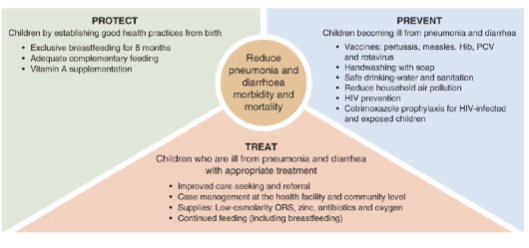
addressing key challenges in child health cont
Community based approaches to improving child health
womens groups to raise awareness of maternal, fetal, and neonatal issues
community-based promotion of hygiene, umbilical cord care, keeping the newborn warm, and exclusive breastfeeding can reduce neonatal mortality 10-40%

