Art History G11 Final - 20th Century Painting
 Studied by 0 people
 Call Kai
 Learn
Learn Practice Test
 Spaced Repetition
 Match
Match Flashcards
 Knowt Play
1/73

There's no tags or description
Looks like no tags are added yet.
Name | Mastery | Learn | Test | Matching | Spaced | Call with Kai |
|---|
No analytics yet
Send a link to your students to track their progress
74 Terms
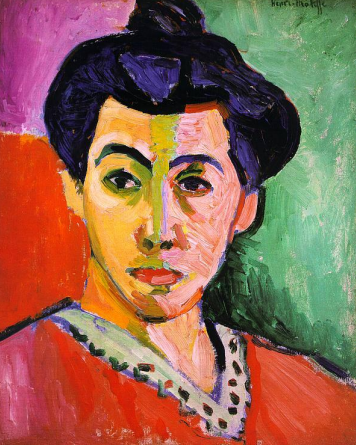
Portrait of a Woman (Green Stripe)
1905, Henri Matisse, French, Fauvism
not really focused on the female figure, but rather the use of colour
energetic and lively brushstrokes borrowed from Van Gogh
exotic colours borrowed from Paul Gaugin
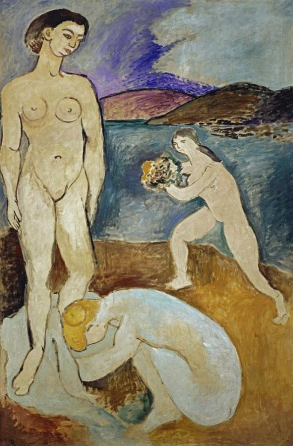
Le Luxe (1)
1911, Henri Matisse, French, Fauvism
not satisfied with this version, created the second version
more of a 2D decorative piece, does not have any real meaning behind it
used the long rod with brush at end to outline figures
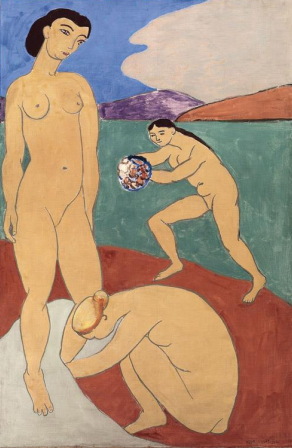
Le Luxe (2)
1911, Henri Matisse, French, Fauvism
figures and details more simplified to help viewer focus on colour
inspired by cloisonnism idea, and black outline
brighter colours make it more visually appealing
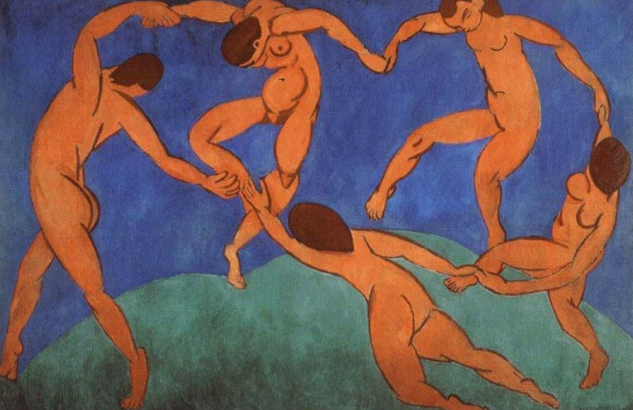
The Dance
1910, Henri Matisse, French, Fauvism
circular forms in painting lets viewers eyes wander around the painting
darker outline shows cloisonnism feel
faces of figures not shown or depicted in detail to get viewer to focus on the movement of the dance
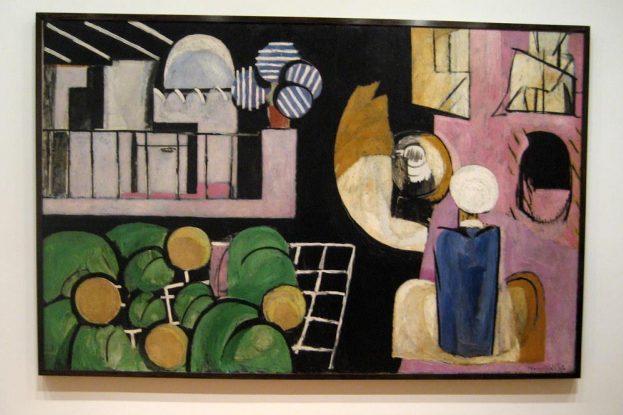
The Moroccans
1915-16, Henri Matisse, French, Fauvism
inspired by his travels to Morocco
uses grand black idea to show that black is a colour and not just used for empty space
3 aspects of the piece: architecture, still life and figure
inspired by the African light, and how the night sky looks compared to Paris
night at the Kasbah cafe
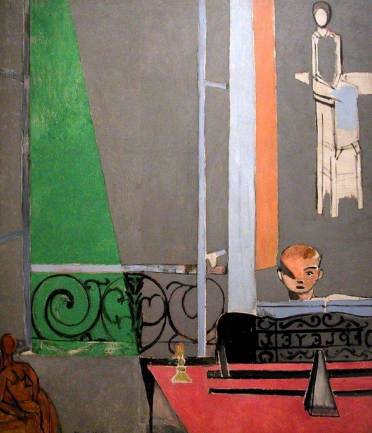
Piano Lesson
1916, Henri Matisse, French, Fauvism
shows his son Pierre having a lesson in his studio
musical motifs seen through piece - metronome and bass clef look in balcony wires
green strip is a path going into the distance in the backyard
figure in back is one of Matisse’s famous bronze sculpture pieces, showing that the setting is his studio
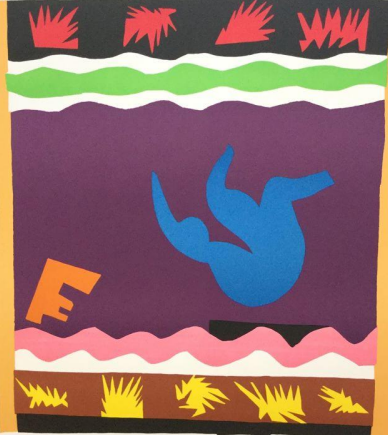
Le Toboggan (from Jazz)
1947, Henri Matisse, French, Fauvism
depicts the figure, in blue, enjoying a toboggan ride (black box)
from a book called Jazz with similar illustrations
trying out new colours and techniques
painted paper with gouache, then cut them out and reassembled it to form image
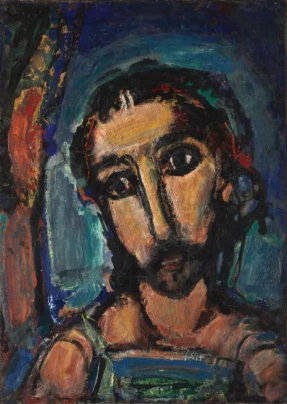
Head of Christ
1905, Georges Rouault, French, Fauvism
used encaustic painting technique
black outline goes back to cloisonnism feel from Cezanne
terracotta and blue hues enhance the stained glass feel he wants to achieve
Henri Matisse backstory
known as the grandfather of Fauvism
used a long wooden rod with a brush on the end to paint at distances - created energy and looseness that is seen in his works
known for letting colours speak in his work
Georges Rouault backstory
very religious, hence the Church influence in his pieces
known for using encaustic painting technique
Encaustic painting technique
also known as the hot wax technique, it involves melting a wax medium and adding coloured pigments, and then applying it to wood
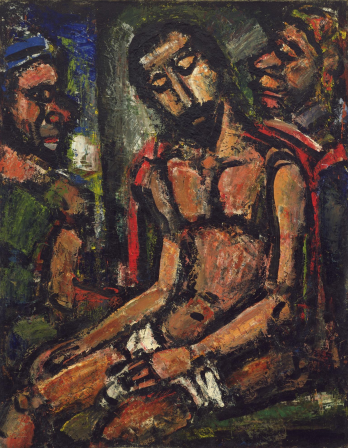
Christ Mocked by Soldiers
1932, Henri Matisse, French, Fauvism
encaustic painting technique used
black outline and colour palette contribute to stained glass feel
Roman soldiers depicted as beasts to show that they treated Jesus inhumanely
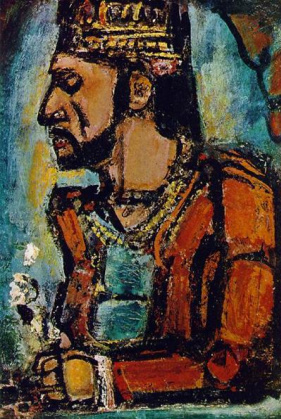
The Old King
1936, Henri Matisse, French, Fauvism
King holds a flower like a scepter, showing his vulnerability and frailty of his monarch
black outline - stained glass feel
encaustic painting technique used
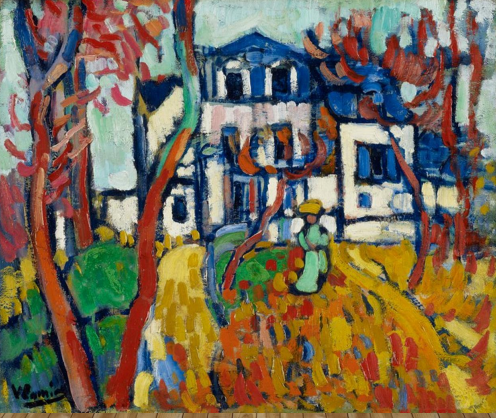
The Blue House
1906, Maurice de Vlaminck, French, Fauvism
brushstrokes influence from Van Gogh
dark outline influence from Paul Cezanne
exotic colours influence from Gaugin
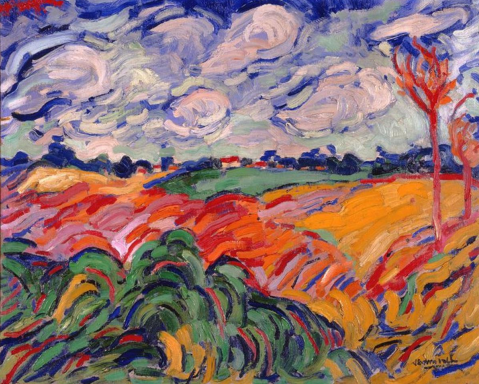
The Wheat Field
1945, Maurice de Vlaminck, French, Fauvism
made sure composition and colours were balanced in all quadrants
brushstroke influence from Van Gogh
colours taken from Gaugin
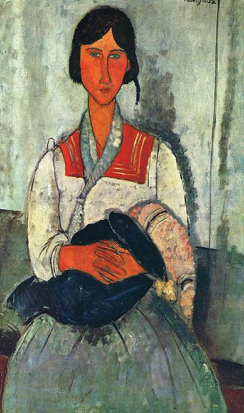
Gypsy Woman with Baby
1919, Amedeo Modigliani, Italian, Fauvism
heavily inspired by his trips to Africa where he saw African masks
elongated face shape, nose and almond eyes are indicative features of his travels
painted random subject matters that were on the streets
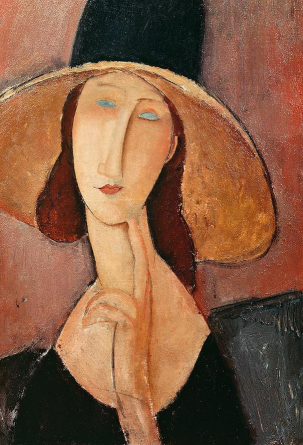
Jeanne Hebuterne
1918-1919, Amedeo Modigliani, Italian, Fauvism
his long time devoted supporter - painted her a lot as a thanks
the only figure he painted repeatedly
elongated face and nose from African mask influence
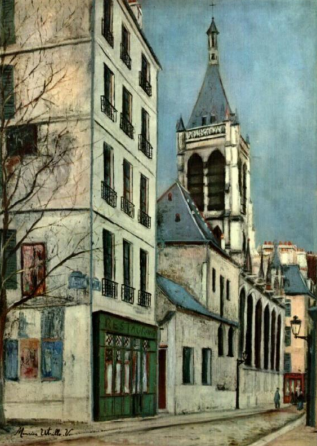
Church of St. Severin
1913, Maurice Utrillo, French, Fauvism
antisocial - found a street with no people to paint
chalk used as subtle highlights
resembles Camille Pissarro’s postcards
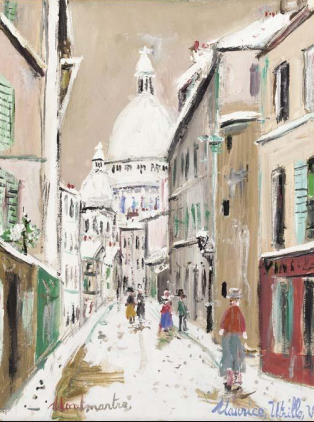
Church of Le Sacre Coeur de Montmartre
1938, Maurice Utrillo, French, Fauvism
his wife painted the figures for him
likely imagined, or he put together photos of this street as he basically never left Paris
painted quickly and sold to tourists for a living
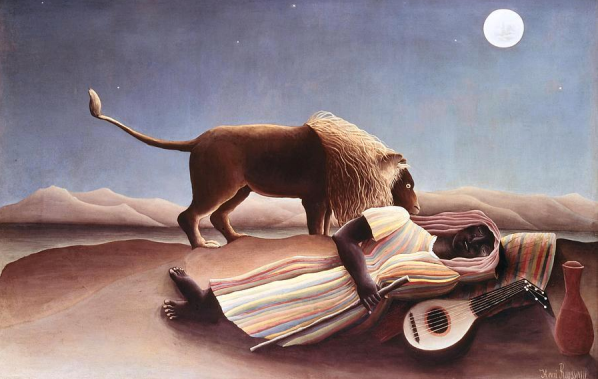
Sleeping Gypsy
1897, Henri Rousseau, French, Proto-Surrealism
depicts a dream like state, idea of sleep and dreams
sleeping gypsy represents innocence, while the lion represents the danger that is always lurking
very imaginative, as he never left Paris, likely made a collage of many pictures
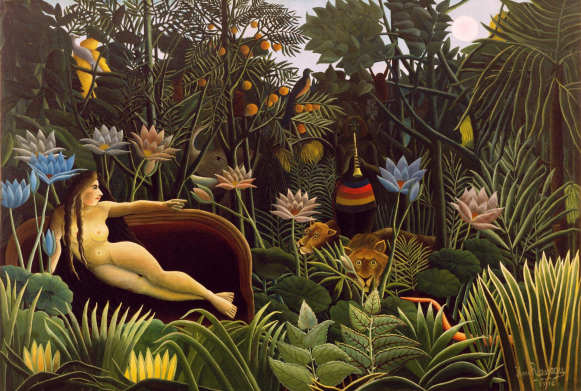
The Dream
1910, Henri Rousseau, French, Proto-Surrealism
idea of putting unrelated things into one big collage
very surreal and imaginative - plants are made up with lions in the back
relies more on the subject matter rather than what we see
colours borrowed from Paul Gaugin
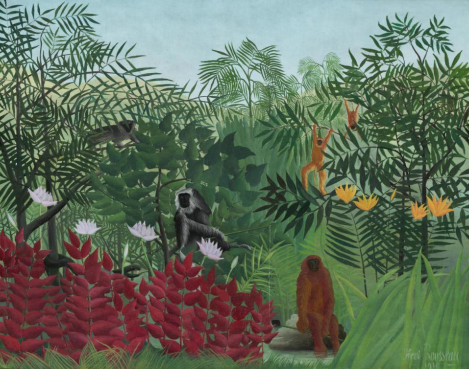
Tropical Forest with Monkeys
1910, Henri Rousseau, French, Proto-Surrealism
colours borrowed from Gaugin are incorporated
not a perfect painting, more about imagination
lacks perspective. very flat overall
he was a sign painter so all his works lacked perspective
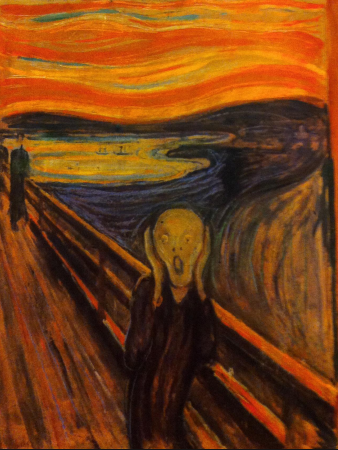
The Scream
1893, Edvard Munch, Norwegian, Expressionism
idea of human suffering, especially feelings of anxiety and anguish
silent screaming idea, and going mad leads to screaming inside
some influence from Gaugin’s colours
figure in front holding his head symbolizes loneliness, as we see two figures in the back that have each other to talk to
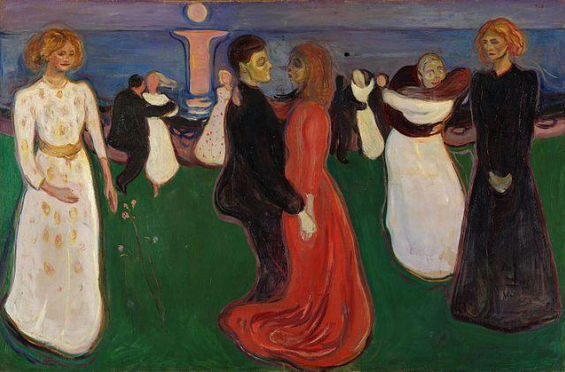
Dance of Life
1899, Edvard Munch, Norwegian, Expressionism
depicts a typical Norwegian midsummer celebration
used his girlfriend as a model for the woman in the white, who represents purity/virginity
woman in black looks at couple in middle with jealousy, symbolizing old age and loneliness
lady in red represents carnal knowldge
started this series in Paris after he left unhappy after a love affair
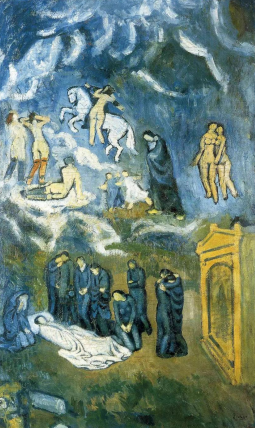
Burial of Casagemas
1902, Pablo Picasso, French, Blue
modelled after Burial of Count Orgaz by El Greco
takes the idea from German myth stories that when you die and go to heaven you ride a white horse
used faces of his fellow classmates for the figures, and the face of his instructor as the one being buried
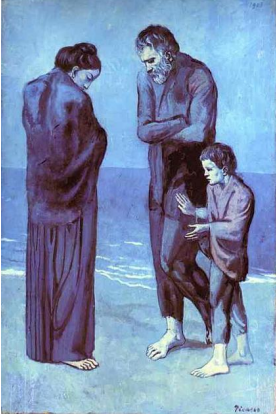
The Tragedy
1901-1903, Pablo Picasso, French, Blue
the boy is shown as the victim
elongated figures modelled after El Greco’s style
deals with the feeling of empathy through the blue hues and body language of figures
body language tells us that they are poor
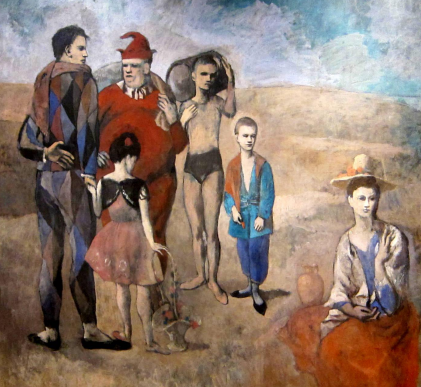
Family of Saltimbanques
1905, Pablo Picasso, French, Rose
idea of how he felt as a small, Spanish man in the streets of Paris - like a circus freak
the figure in the back that is colourless has no soul, represented by the fact that he does not have pupils
represents the idea that although they are circus people, and meant to entertain, they feel different from the rest of society
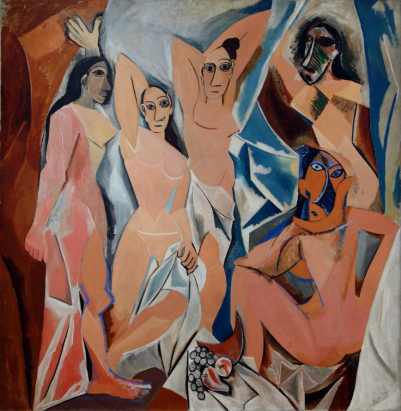
Les Demoiselles d’Avignon
1907, Pablo Picasso, French, Analytical Cubism
idea of different geometric cutouts and shapes being used
slightly resembles the African masks from Modigliani’s work
he gives the cutouts aggression and energy through the shapes and angles used
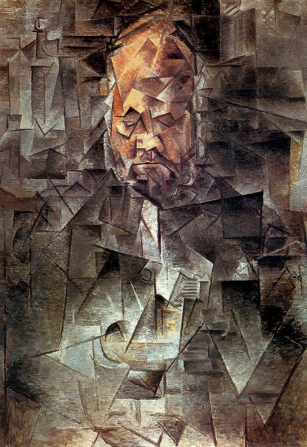
Ambrose Vollard
1908, Pablo Picasso, French, Analytical Cubism
idea of using geometric cutouts to show many angles at once
originally made a drawing in full, cutout the paper and rearranged it
inspiration for many upcoming young artists to use in their work
Analytical Cubism
sometimes called faceted cubism, it is deconstructive and reconstructive
Synthetic Cubism
based on the art of collage
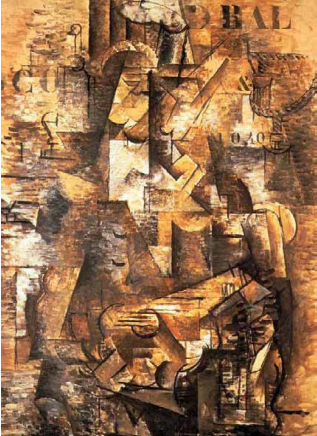
The Portuguese
1911, Georges Braque, French, Analytical Cubism
based on his memories of a Portuguese musician he saw in a bar
more monochromatic to get the viewer to really focus on the painting and try to read into the real subject matter
idea of playing with both 2D and 3D shapes
concentrates the energy in the use of different angles
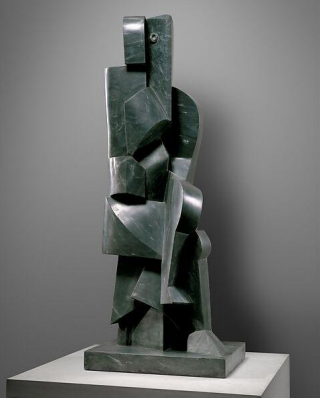
Bather
1917, Jacques Lipchitz, French, Analytical Cubism
example of a cubistic sculpture piece
piece was made out of clay before turning into bronze
took the figure of someone getting out of the bath/basin and breaking it down into different shapes and angles
mimics cubistic paintings in the way that different angles and geometric shapes are used
can be viewed from all around
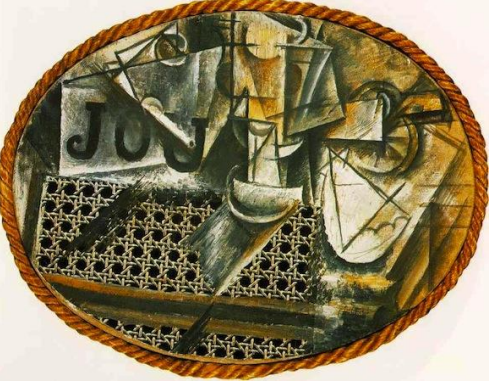
Still Life with Chair-Caning
1911-12, Pablo Picasso, French, Synthetic Cubism
took different paper pictures and cut them up
Jou means play in French, and was taken from a journal
more like a collage with geometric pieces rather than many different angles
incorporates both illusion and reality
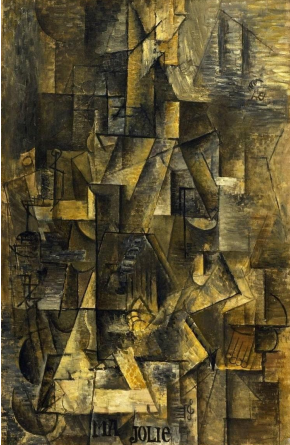
Ma Jollie
1912, Pablo Picasso, French, Synthetic Cubism
very monochromatic to get viewers to focus on the shapes and lines used
does not require viewer to get too involved into this work, unlike some of his other pieces
idea of experimenting with different ideas and techniques
composed so that eyes move and follow the lines and shapes
based on the idea of collage work
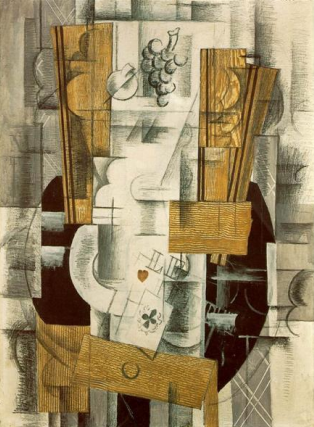
Fruit Dish and Cards
1913, Georges Braque, French, Synthetic Cubism
idea of using birds eye view
took a bunch of paper shapes, and cut them and glued it onto the paper
idea of the work is to fool your eye and mind by showing many angles at once
main theme in the work are elements of shape and texture
shows the idea that forms should go beyond the frame
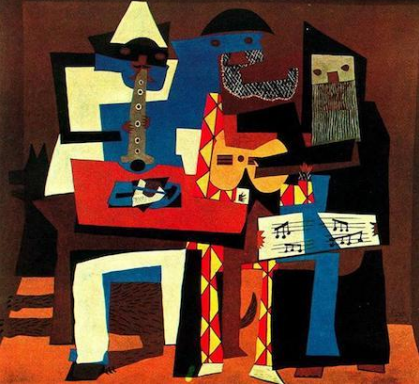
Three Musicians
1921, Pablo Picasso, French, Synthetic Cubism
starts to reintroduce colour into his work, developing his personal style
figures are still very flat and 2D, almost interlocking together
represents traditional and modern art in one piece
gives each musician its own personality by using different colours and shapes
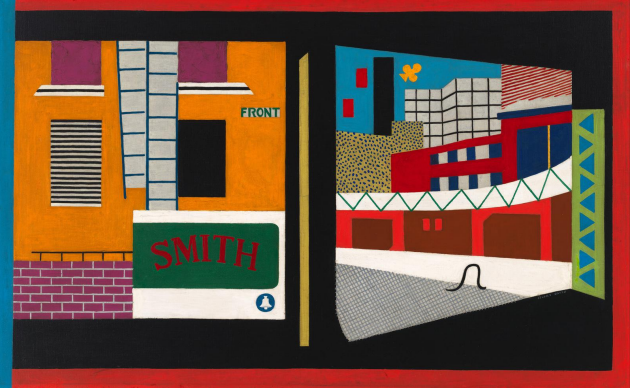
House and Street
1931, Stuart Davis, American, Synthetic Cubism
attempts to create an American modern style of cubism art
incorporation of flat shapes and his own style gives it a rhythmic feel/pattern, which he was going for due to jazz being very popular during this time
based on NYC, with the vibrancy and urban, industrial scene in the back
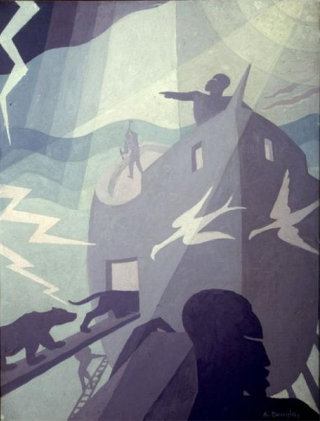
Noah’s Ark
1927, Aaron Douglas, American, Synthetic Cubism
represents the symbolic and historical memories of African American art
the artist settled in NYC during the Harlem Renaissance, so his African American background strongly influenced the style of his pieces
overlapping light beams and shapes create a mystical feel and atmosphere
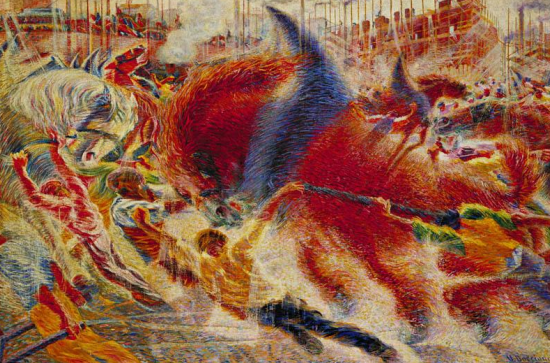
City Rises
1910, Umberto Boccioni, Italian, Futurism
about the pure colour and energy that is given off
mixes interests from cubism and photography
taking the idea of how much space cubism takes up, rather than the geometric shapes aspect of it
repetitive forms in the background create a sense of movement, compared to static feel of cubism
Futurism
A Milanese movement in reaction to the stagnant state of Italian art by the beginning of the 20th century
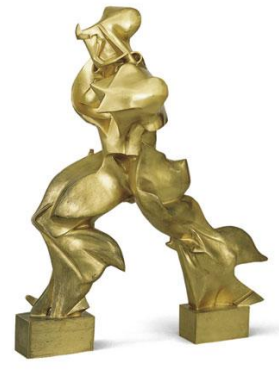
Unique Forms of Continuity in Space
1912, Umberto Boccioni, Italian, Futurism
overall feel slightly resembles the flow of drapery seen in the Nike of Samothrace, but not exactly
represents idea of someone running, and the blurriness as their muscles move
idea of trying to add movement to a still sculpture piece
puts a bunch of still life frames of the figure running into one piece
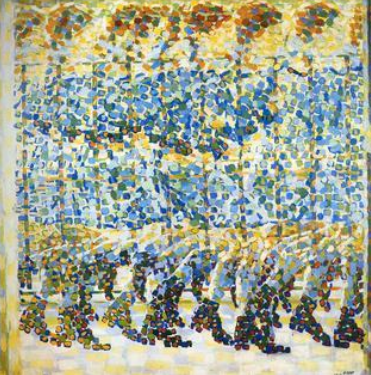
Young Girl Running on a Balcony
1912, Giacomo Balla, Italian, Futurism
same girl is running, but image is repeated to create movement
pointillism inspired dots also help give it a sense of movement
focused on the topics of speed and movement
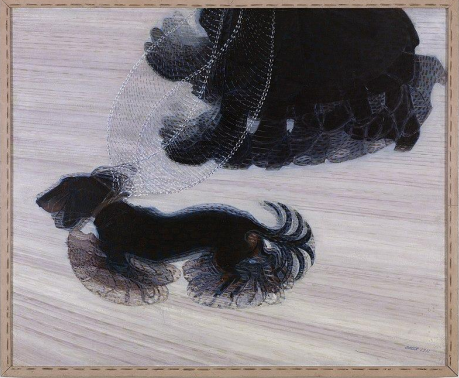
Dynamism of a Dog on a Leash
1912, Giacomo Balla, Italian, Futurism
shows speed and movement of lady’s legs and leash, and the dachshund’s legs moving and tail wagging
repetitious sequence of the same movement happening over and over again
superimposes the image over and over to create the sense of movement
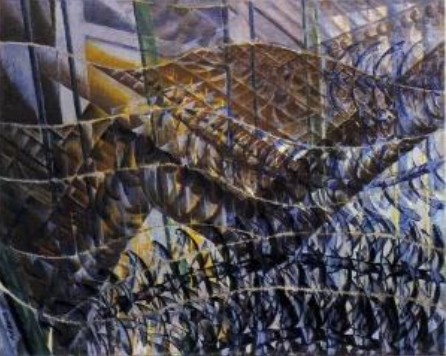
Swifts Paths of Movement and Dynamic Sequences
1913, Giacomo Balla, Italian, Futurism
incorporates elements of movement and speed into the painting
the waves are representing birds swooping in and out of the frame
wing and wind pattern created by the swallows creates immense sense of energy and movement
similar to the experimentation aspect of cubism, except its experimenting with movement and speed
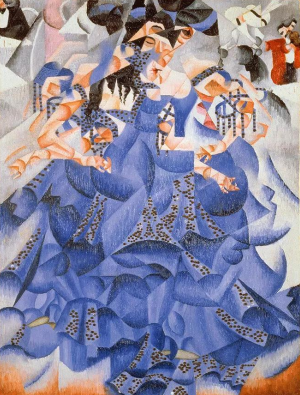
Blue Dancer
1912, Gino Severini, Italian, Futurism
shows a dancer in a flamenco style blue dress
shows movement and energy combined with aspects of cubism, showing many angles at once
strong sense of music, rhythm and motion are conveyed through this combination
angles and overlapping forms express dynamic movement rather than realistic anatomy of the dancer
Dadaism
ready made art
putting already made objects together to create sculpture pieces, only slightly altering them
idea that objects are already art themselves so why not put them together to see what happens
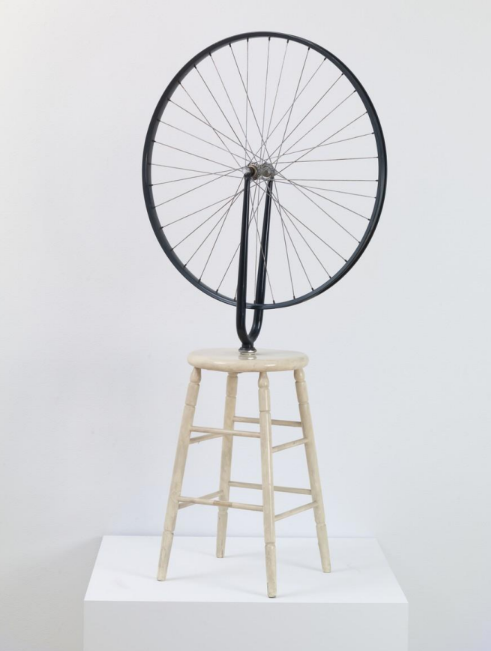
Bicycle Wheel
1913, Marcel Duchamp, French, Dadaism
third version of this piece
he thought that spinning the wheel adds an aspect of beauty to the wheel
strobing illusion of the spokes, as it blurs out as it spins
idea of putting already found objects together to make a sculptural piece
the spinning of the wheel can add a visual surprise and create a soothing atmosphere
“the idea of ready made art is implied that the production of art need be no more than the matter of selection” - artist does not need to create something new, but can rather select existing objects and create art out of that.
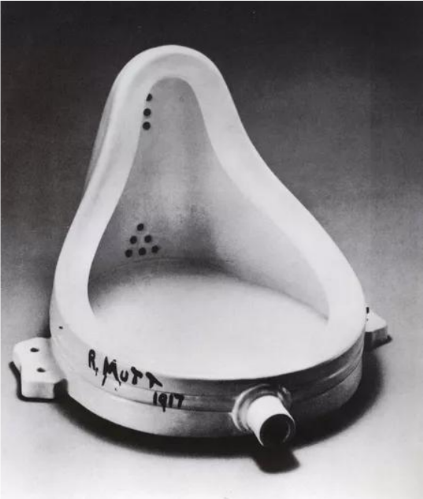
The Fountain
1917, Marcel Duchamp, French, Dadaism
16 versions of this was made
it was a urinal hanging from the ceiling
it was made to challenge the concept/idea of traditional art
original one was lost which led to remakes
challenged people’s ideas of what art is and can be
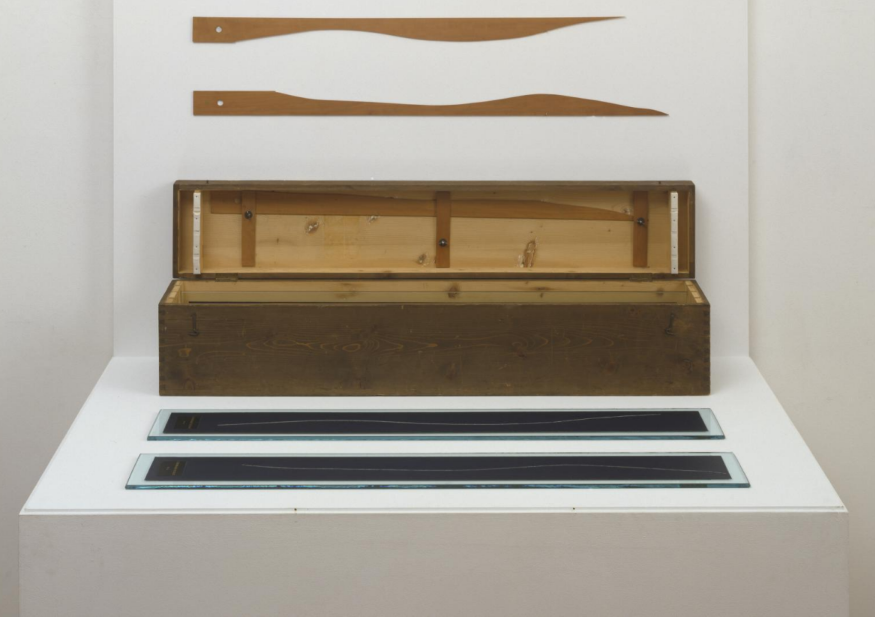
3 stoppages etaton (3 standard stoppages)
1913-14, Marcel Duchamp, French, Dadaism
3 strands of string that are on the panels match up to the pieces of wood in the same pattern
worked with a mathematician to create this
depending on how you display something, you can give it a luxury quality
panels made with glass to challenge space and dimension
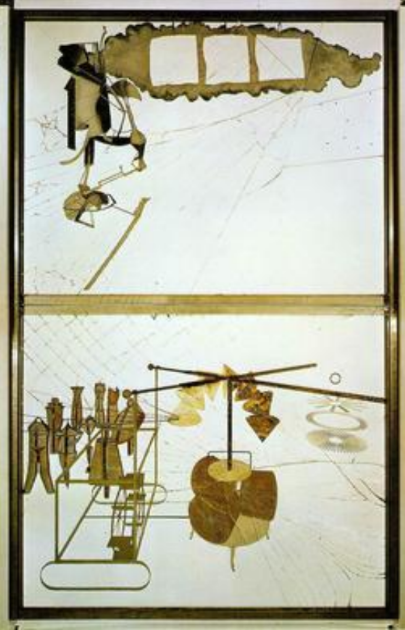
The Bride Stripped Bare by her Bachelors
1915-23, Marcel Duchamp, French, Dadaism
2 big panes of glass pressed together with image in between gives illusion that figures are floating
bottom looks like a helicopter because he was interested in machines
top and bottom plates each represent different realms/eras
became shattered as it got dropped in transport, but artist wanted to keep it a part of the work
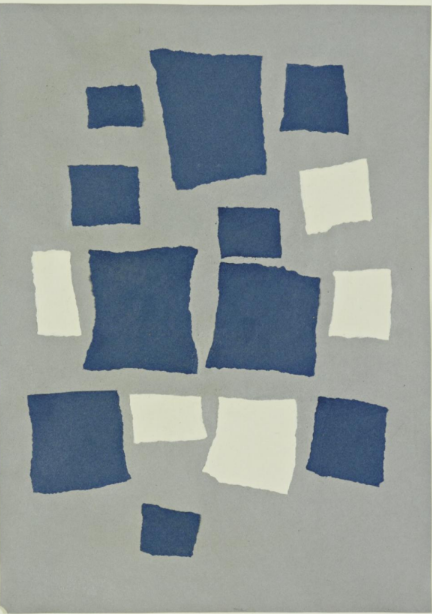
Untitled (Collage with Squares Arranged According to the Law of Chance)
1916-17, Jean Arp, French, Dadaism
pieces of ripped paper thrown in art and then glued
about the law of chance and the possibilities
idea of making a collage work and just letting the papers fall
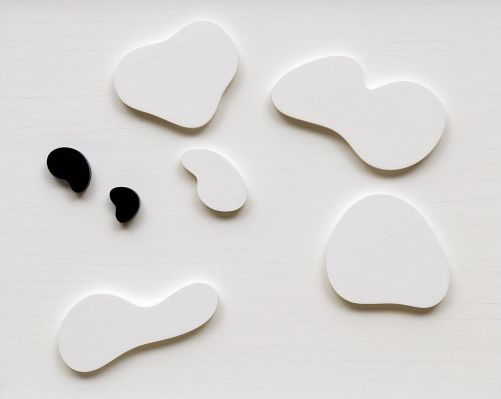
Constellation with Five White Forms and Two Black (Variation III)
1932, Jean Arp, French, Dadaism
pieces of wood that were painted
magnets attached to the back allows movement and different arrangements
idea that it is like poetry - a piece of fixed work but has fluidness
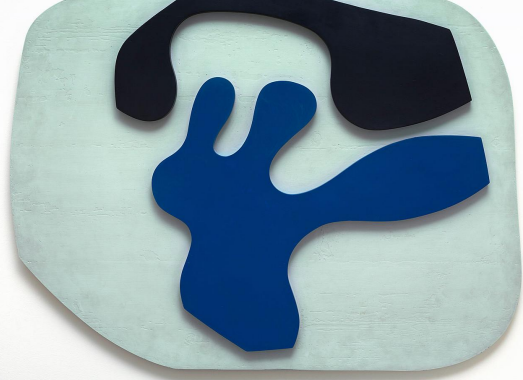
Overturned Blue Shoe with Two Heels Under a Black Vault
1925, Jean Arp, French, Dadaism
painted wood pieces
magnets on back allow for movement to different positions
interactive aspect of it due to magnets
resembles a collage, makes use of organic shapes to create this specific look
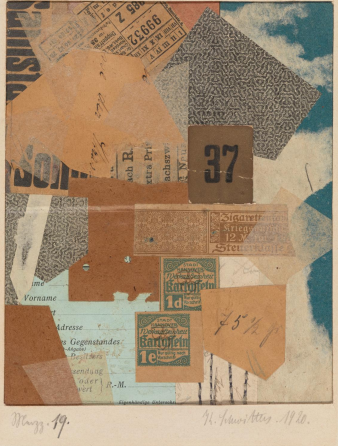
Merz
1919, Kurt Schwitters, German, Dadaism
title is short form for commerce in German - idea of the stuff you buy
created a collage out of items having to do with commerce
idea that Germany was going through WWI, so there was a lot of trash and scraps everywhere
inspired by cubism collages
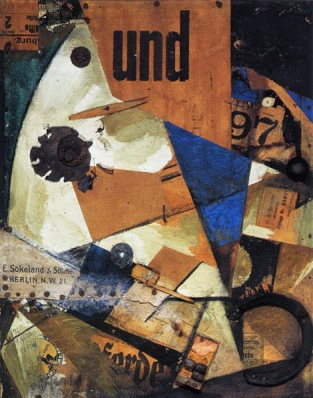
Das Undbild (And Picture)
1919, Kurt Schwitters, German, Dadaism
collage work
pieces together scraps that are not related to each other
purposefully placed darks and lights to create strong contrasts
inspired by cubism cutouts and collage
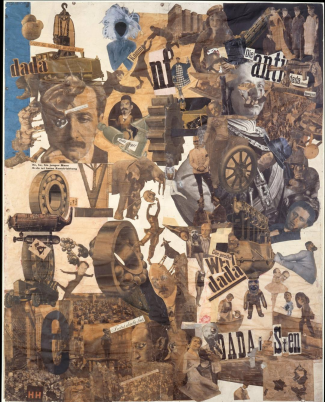
Cut With the Kitchen Knife Dada Through the Last Weimar Beer Belly Cultural Epoch of Germany
1919, Hannah Hoch, German, Dadaism
collection of collages which creates a kaleidoscope effect
sense of movement that is being conveyed through the many items and figures being put together
about the idea that after WWI life was chaotic for many Germans, and Germany had to pay Europe after the destruction
the dream like quality is seen as you look more into the piece
gives off a similar feel to cinematic layouts of early films
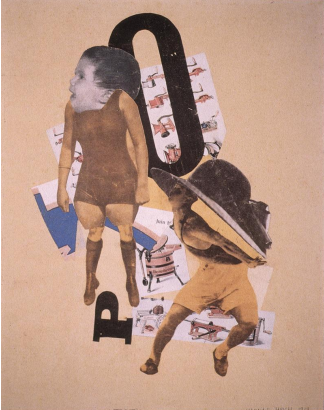
Bourgeois Wedding Couple - Quarrel
1919, Hannah Hoch, German, Dadaism
shows how middle class lived post WWI
represents how social status becomes a big part of German life
photo montage is from different cutouts of newspaper
showing that mass consumer culture is rising in Europe
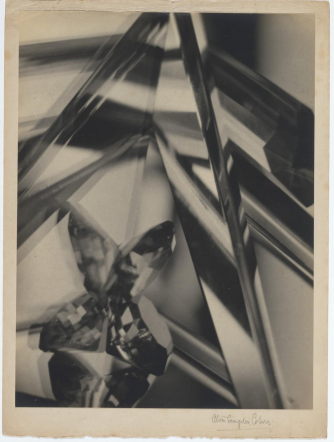
Vortograph
1916-17, Alvin Langdon Coburn, American, Symbolist
idea of showing machine forms seen in modern life
used multiple mirrors to create this vision and different kinds of exposure
figure in the picture creates geometric patterns and shapes
taking the cubism idea and transferring it to photography
all made on one negative
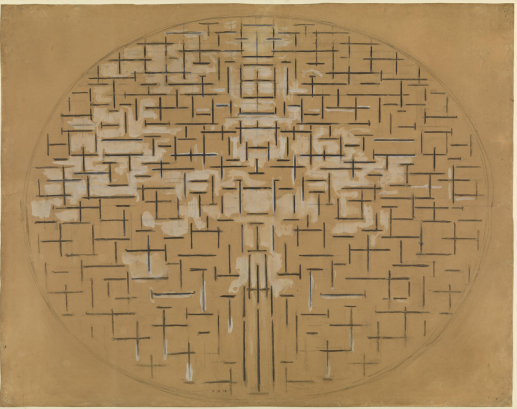
Pier and Ocean 5 (Sea and Star Sky)
1929, Piet Mondrian, Dutch, De Stijl
gives on overview of the lake
simplifies the waves into lines
white represents the reflection on water made from sky
rectangle on bottom represents the dock
idea of simplifying imager using lines alone
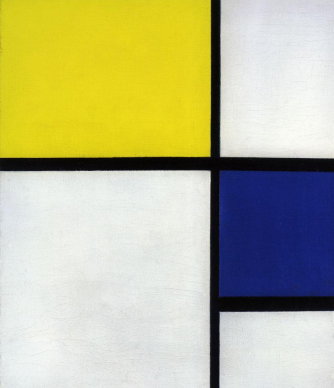
Composition with Blue and Yellow
1929, Piet Mondrian, Dutch, De Stijl
idea of using just shapes and colour
using black to separate the colours and less us focus on them
idea of making eyes move around at each colour
taking forms and making them into simple geometric shapes
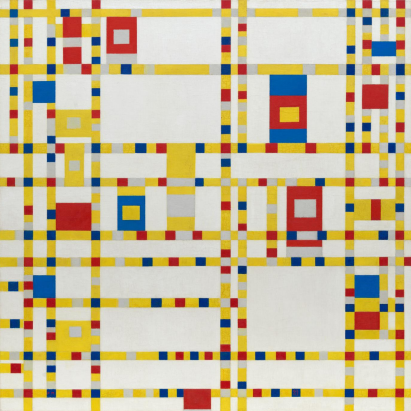
Broadway Boogie Woogie
1942, Piet Mondrian, Dutch, De Stijl
represents the streets of NYC - overview
dots represent people or cars, showing how busy it can be
jazz being popular at the time influenced the title
incorporates rhythm into it, as we can see some slow parts and some quicker parts
made sure everything was balanced colourwise
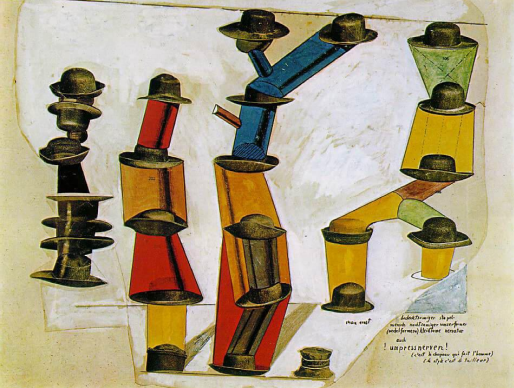
The Hat Makes the Man
1920, Max Ernst, German, Surrealism
collage of actual printouts of hats from magazines
tries giving a sense of humour, as men back in the day would wear specific hats tailored to them, showing the style at the time
represents that men and women become consumer puppets
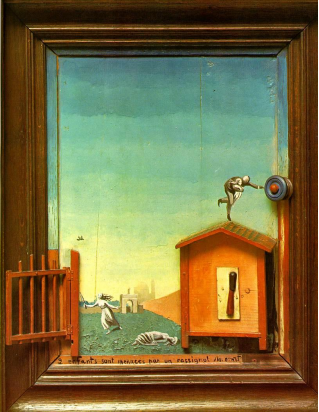
Two Children are Threatened by Nightingales
1924, Max Ernst, German, Surrealism
3D painting of the source, work breaks out of frame
mixing collage work with actual objects and painting
the figure holding the baby at the top is actually a 3D sculpture
composition encourages eyes to wander between the three figures
combines dreams and childhood memories into one work
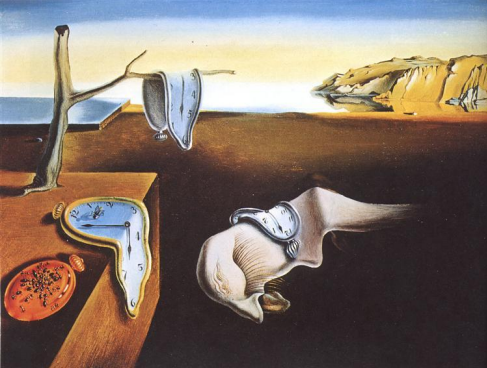
The Persistance of Memory
1931, Salvidor Dali, Spanish, Surrealism
shows the themes of decaying
showing how after time things can decay and lose all meaning
background represents his home land area in Catalonia in Spain
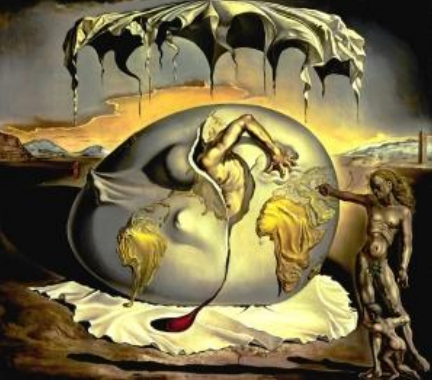
Geopoliticus Child Watching the Birth of the New Man
1943, Salvidor Dali, Spanish, Surrealism
the man trying to break out of the egg
during WWII, as the man comes out, his hand is on Europe, and foot kicks in North America
representing hope that US will save Europe in WWII which they did
Earth bleeds as he tries to break out, showing that war is not pretty
the figure pointing to Earth represents that future generations will have to deal with repercussions of war
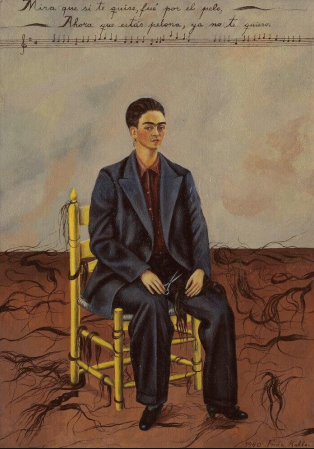
Self Portrait with Chopped Hair
1940, Frida Kahlo, Mexican, Surrealism
wears the suit of a man, and hair is all chopped off, representing that she just got divorced from her husband who was a jerk to her
she was stuck with him because she was known in the art world and she wanted to get known, which was hard as a female artist
shows that there is more to a person than just how they look
lyrics at top say “look if i have loved you it was because of your hair, now that you are without hair, i don’t love you anymore”
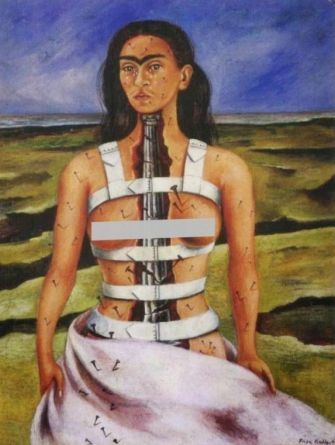
Broken Column
1944, Frida Kahlo, Mexican, Surrealism
column represents her spine, as she suffered a bad bus accident at 18 which broke her body
she had to wear a cast, represented by the brace in the image, looking almost like a bird cage because it constricts her
nails are inserted in her body to show the pain she had to endure
land in back is barren and cleaved, like how she felt not being able to bear children, which put a strain on her marriage
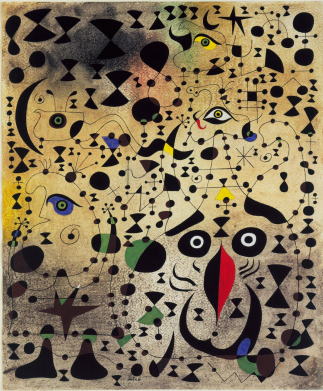
The Beautiful Bird Revealing the Unknown to a Pair of Lovers
1941, Joan Miro, Spanish, Surrealism
number 1 of 24 similar drawings made
supposed to look like constellations
made during WWII and Spanish civil war, where he was trapped in France and could not leave, so he coped by making art
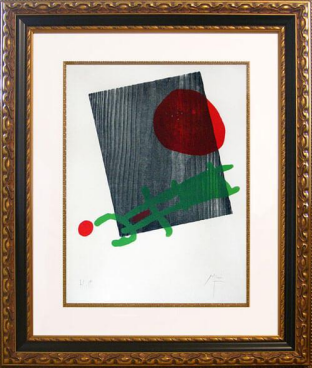
A Toute Epreuve (Proof Against All)
1947-58, Joan Miro, Spanish, Surrealism
a long illustrated book series
around 79 prints made from cut wood in the book
imagination of the artist, meant to give a whimsical, abstract feel
used whatever wood he found to make prints, unlike other artists that used proper wood
book includes everything from collages to poetry
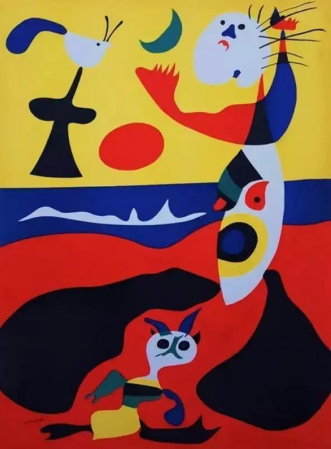
Summer
1938, Joan Miro, Spanish, Surrealism
depicts semi human creatures playing on the beach
supposed to be joyful and happy - primary colours evoke this
uses simplified shapes and forms as we branch in modernism
supposed to be more imaginative and abstract rather than proper forms
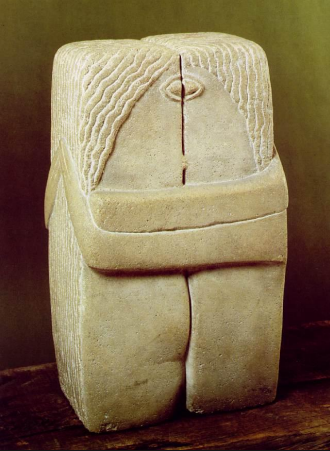
The Kiss
1908, Constantin Brancusi, Romanian, Modernism
made of plaster
fourth version
idea of unit as they kiss and embrace
idea of becoming one and uniting when you embrace someone
creates and overall geometric shape
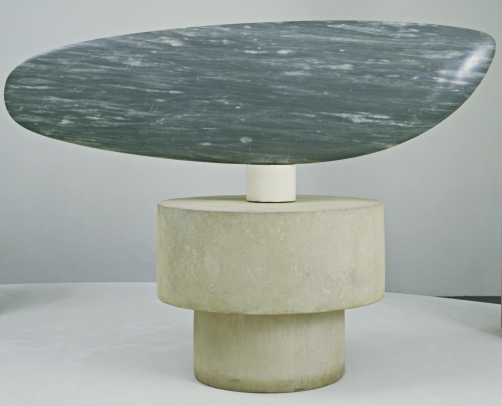
Fish
1930, Constantin Brancusi, Romanian, Modernism
idea of grand stonework being made and put together
stone is balanced on the premade cement base
idea of a fish is seen through the blue and grey colour of the granit
exaggerates the overall shape of the fish, simplifying forms like the fins and tail into one fluid form
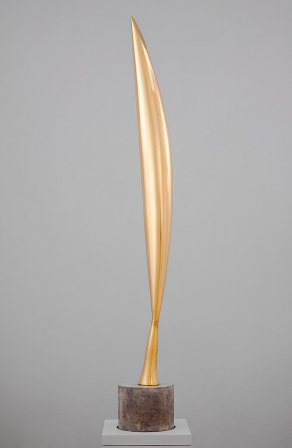
Bird in Space
1908, Constantin Brancusi, Romanian, Modernism
sculpture piece that is hollow on the inside, like a cire perdue technique almost
idea of a bird flying through the air
all extra forms like feathers and wings are simplified and taken off
many versions were made, 2-3, this is the main one
the essence of movement is shown, although not a detailed form, we can still get a sense of the energy of the bird
idea of creating a balanced form without unnecessary stuff
 Note
Note  Flashcards (117)