Cellular Injury, Adaptation and Death
 Call Kai
 Learn
Learn Practice Test
 Spaced Repetition
 Match
Match Flashcards
 Knowt Play
1/51

Earn XP
Description and Tags
ANSC 409
Name | Mastery | Learn | Test | Matching | Spaced | Call with Kai |
|---|
No analytics yet
Send a link to your students to track their progress
52 Terms
what are the 3 responses to cell injury?
adaptation
degeneration
death
A clear understanding of normal cell structure and function is essential to the study of…
cellular responses to injury
The cell can be visualized simplistically as a ________-_______ structure, subdivided into smaller functional units (organelles)
membrane-enclosed
cell membranes and organelles
are targets for injury by various microbial, genetic, metabolic, and toxic diseases
plasma membrane
encloses the entire cell and first point of contact with harmful substances (toxins, infectious microbes)
separates the interior of the cell from the exterior environment, neighboring cells, or the ECM
____________ and _______ are specialized areas of the plasma membrane that are often altered in disease
microvilli and cilia
cytoplasm (cytosol)
The portion of the cell inside the plasma membrane and outside the nuclear envelope (just outside the nucleus)
nucleus
Animals are made of eukaryotic cells, meaning cells that have a nucleus is retained throughout the life of the cell.
exception: erythrocytes (RBCs)
what is readily visible by light microscopy because it contains chromatin?
a nucleus
chromatin
DNA complexed with histones
nucleolus
A non–membrane-bound structure within the nucleus.
Can be inconspicuous in inactive cells or quite prominent in cells with high protein production
rough endoplasmic reticulum
A membrane-bound network of flattened saclike cisternae
Continuous with the outer nuclear membrane
primary function of rough ER?
protein synthesis
ribosomes
Found in the cytoplasm and on surface of RER.
Facilitate the synthesis of proteins in cells
golgi complex
• Series of flattened membrane-bound sacs with its inner face near the RER near the nucleus
• Proteins made in the rER are delivered to the Golgi complex by transport vesicles
• As the proteins traverse the Golgi complex, they are processed and packaged into secretory vesicles to be released from the Golgi complex into the cytoplasm
smooth endoplasmic reticulum
• A membrane-bound network of tubules without surface ribosomes.
• Main function is the synthesis of lipids, steroids, and carbohydrates, as well as the metabolism of exogenous substances, such as drugs or toxins
mitochondria
• Organelles that can change shape and move about within the cell.
• Generate energy for the cell as adenosine triphosphate (ATP) through Oxidative Phosphorylation
lysosomes
Membrane-bound vesicles that contain enzymes that can digest most chemical compounds within the cell or extracellular substances taken up by endocytosis or phagocytosis.
cellular inclusions
Composed of molecules that accumulate as metabolic by- products or as a result of cell injury.
Certain infectious microbes, especially viruses, can also produce intranuclear or cytoplasmic inclusions
transmembrane protein receptors
Central to the pathogenesis of many disorders.
Receive and interpret extracellular signals from the environment
Often used by infectious microbes to invade cells or use cell systems during their life cycles, thus initiating a process that can injure the host cell.
intercellular junctions
The cell connects and communicates with neighboring cells of the same type via intercellular junctions
injury to tissues begins at the _________ level
cellular
the visible lesions we see in tissues are preceded by…
biochemical changes within the cell
cells can be damaged functionally (biochemically) yet have no ____________ alterations
morphologic
what are the 4 basic mechanisms of cell injury?
ATP depletion
cell membrane damage
disruption of biochemical pathways (protein synthesis)
DNA damage
there is often _______ between the 4 mechanisms of cell injury, so it is rarely just 1 mechanism taking place in the cell
interplay
what do the 4 mechanisms of the cell injury look like practically?
banding a bull calf
describe how banding a bull calf affects ATP depletion
loss of blood supply
testicular tissue becomes ischemic
mitochondria can’t perform oxidative phosphorylation
ATP rapidly decreases
banding causes ischemia → ATP depletion → energy failure
describe how banding a bull calf affects cell membrane damage
with ongoing ischemia:
cell membrane loses integrity
ion gradients collapse
Ca enters the cell
lysosomal membranes rupture
results in digestive enzymes leaking into the cytoplasm
cell undergo necrosis
testicular and scrotal tissues become cold swollen, and eventually necrotic
describe how banding a bull calf affects disruption of biochemical pathways
without oxygen and ATP
protein synthesis stops
ribosomes detach from rER
enzymatic reactions failmetabolic pathways collapse
cells can no longer maintain normal function and begin to degenerate
describe how banding a bull calf affects DNA damage
during prolonged ischemia:
activated enzymes
free radical production
loss of repair mechanisms
this leads to irreversible cell injury and death
final outcome of banding a cull calf?
all these mechanisms together cause tissue to:
die
dries out
eventually sloughs off
cells respond to stress or injury along a _________
spectrum
Whether the injury is reversible or irreversible depends on the ______ and ______ of the insult.
severity and duration
cells are constantly trying to maintain _______
homeostasis
when exposed to stress of damaging stimuli, cells respond in two main ways:
cell recovery
cell death
If the cell responds to injury with either an Adaptive Response or a Degenerative Response, the cell injury is termed ________
reversible
If the cell response to injury progresses into Cell Death Response, the cell injury is termed ________
irreversible
Reversible Pathways = Recovery
• Adaptive Response
• Degenerative Response
Irreversible Pathways = No Recovery
• Cell Death
…
adaptive responses of reversible pathways
Cell responds to injury by making controlled structural or functional adjustments to survive the injury
Examples: Hypertrophy, Hyperplasia, Atrophy
degenerative response of reversible pathways
• Cell undergoes noticeable structural changes but still can recover
• Examples: Cell and Organelles Swell, Lipids accumulate in cytoplasm
If the injury or insult stops, the cell will eventually return to normal or _____-_____ structure and function.
near-normal
cell death in irreversible pathways
Cell responds to injury by progressing from degenerative stage into death
The nature of the injury is so severe or prolonged that the cell is unable to survive
common causes of cell injury
Oxygen Deficiency (Hypoxia)
• Physical Agents
• Infectious Agents
• Nutritional Imbalances
• Genetic Derangement
• Chemicals, Drugs, Toxins
• Immunologic Dysfunction
oxygen deficiency (hypoxia)
A reduction in O2 supply to cells
one of the most common and most important causes of Hypoxia?
Low Blood O2 Levels
Heart Disease, Respiratory Failure
Reduced Vascular Perfusion
Reduced O2 Transport by RBC’s
Anemia, CO Toxicosis
physical agents (trauma)
may include any direct or indirect trauma
• Crushing or tearing of cells / tissues
• Disruption of Blood Supply to cells or
tissues. (Ischemia)
• Extreme Heat denatures enzymes
and proteins in cells.
• Extreme cold freezes cells
• Radiation (UV)
infectious agents
Bacteria
Produce toxins
Viruses
Subverts host cell’s DNA synthesis in the production of own gene products
Parasites
Rob host of vital nutrients
nutritional imbalances
Nutritional deficiencies, excesses, and imbalances all predispose the cell to injury.
long-term starvation leads to atrophy of cells and tissues
caloric excess can overload cells with glycogen and lipids and lead to obesity with metabolic disturbances that predispose the obese animal to a variety of diseases
genetic derangement
Selective breeding of domestic animals for a particular conformational or dispositional phenotype has resulted in decreased genetic diversity in purebred animals and increased prevalence of inherited diseases
chemicals, drugs and toxins
Chemicals, including drugs and toxins, can alter cellular homeostasis
Chemicals affect cells by binding receptors, inhibiting or inducing enzymes or otherwise altering metabolic pathways, producing free radicals, increasing membrane permeability, or damaging chromosomes or structural components of the cell.
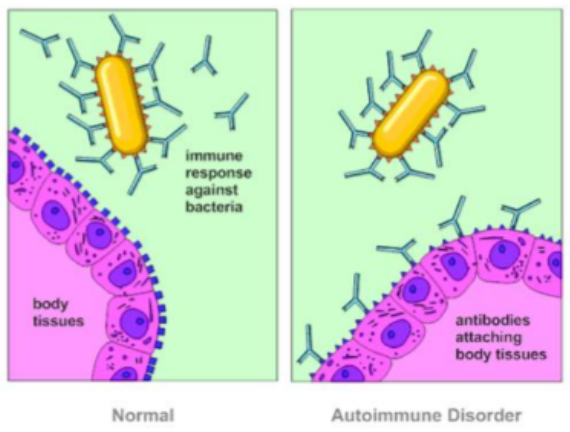
Immune reactions
the immune system is attacking normal cells of the body
Explore top notes

Explore top flashcards
