Nursing Interventions part 3 (10)
 Studied by 0 people
 Call Kai
 Learn
Learn Practice Test
 Spaced Repetition
 Match
Match Flashcards
 Knowt Play
1/20

There's no tags or description
Looks like no tags are added yet.
Name | Mastery | Learn | Test | Matching | Spaced | Call with Kai |
|---|
No analytics yet
Send a link to your students to track their progress
21 Terms
what are the components of chest physiotherapy?
percussion, vibration, postural drainage
what does chest PT help with?
loosening, dislodging, and mobilizing secretions
clearing the airway
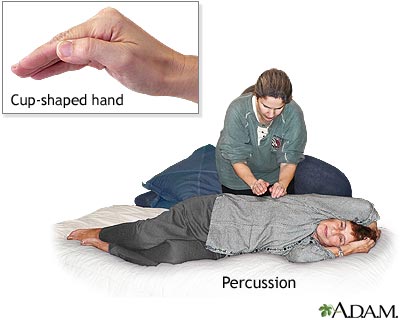
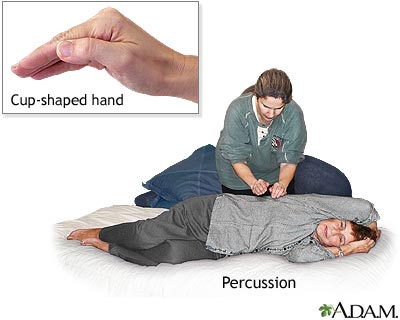
what is percussion in chest physiotherapy?
striking the chest with cupped hands to loosen secretions
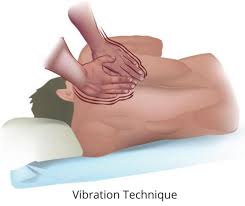
what is vibration in chest physiotherapy?
manual compression or shaking on the chest wall to loosen secretions
what is postural drainage in chest physiotherapy?
positioning to let gravity drain secretions
what caution should you follow during chest physiotherapy?
avoid tender surgical areas during percussion and vibration
what are indications (reasons) for suctioning?
maintain a patent airway
remove saliva, secretions, blood, vomitus, foreign material
#1 priority for a patient’s airway
keep it patent (open)
4 types of suctioning
oral
oropharyngeal
nasopharyngeal
tracheal
what is the priority message related to suctioning?
patent airway is the #1 priority; suction to clear a blocked airway
potential complications of suctioning
hypoxia, mucosal trauma, infection
what pre-suction step improves safety?
preoxygenate before suctioning to reduce hypoxemia risk
what medication classes meet oxygen needs?
bronchodilators
corticosteroids (anti-inflammatory)
mucolytics
what devices deliver inhaled medications?
nebulizer
metered dose inhaler (MDI)
dry powder inhaler (DPI)
what basic patient-teaching points apply to inhaled meds?
how to use correctly
avoid overuse
track doses
inhale through mouth
hold breath for 5-10 seconds after use
should inhalation with MDI/DPI be through the mouth or nose?
inhale through the mouth (not mouth)
how long should the breath be held after inhalation?
hold for 5-10 seconds
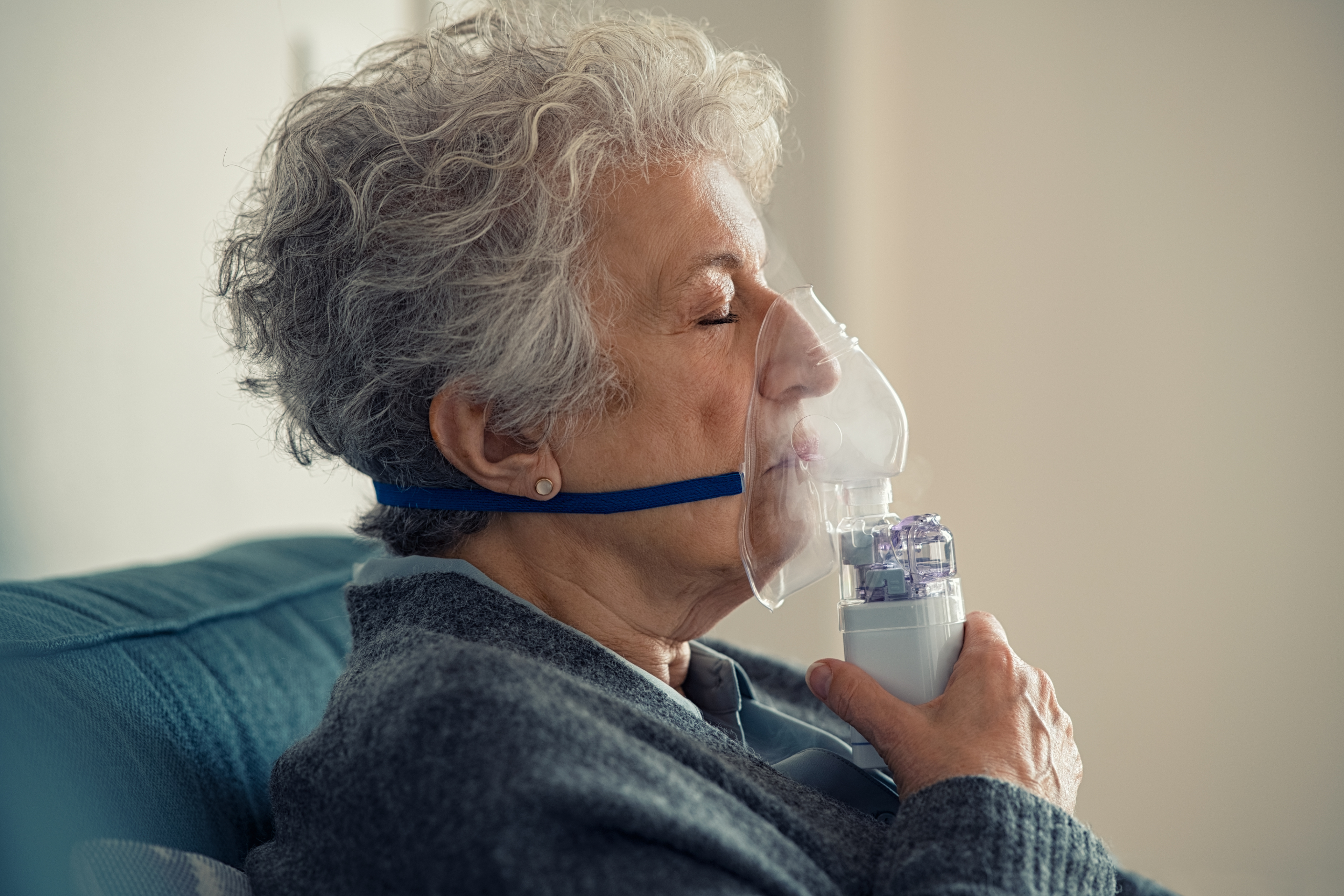
how should a nebulizer be cared for after use?
clean the nebulizer after each use
what is the correct order when using more than one inhaler?
use the bronchodilator first, then the corticosteroid
what accessory can improve MDI delivery?
a spacer as a reservoir
what mouth care is needed after steroid inhalers?
rinse the mouth after using a corticosteroid inhaler
prevents fungal infection
 Note
Note  Flashcards (64)