Rwandan History: Colonial Impact, Ethnic Divisions, and Genocide
 Studied by 0 people
 Call Kai
 Learn
Learn Practice Test
 Spaced Repetition
 Match
Match Flashcards
 Knowt Play
1/25

There's no tags or description
Looks like no tags are added yet.
Name | Mastery | Learn | Test | Matching | Spaced | Call with Kai |
|---|
No analytics yet
Send a link to your students to track their progress
26 Terms
What was the Berlin Conference of 1884?
A meeting where leaders from 14 colonial powers divided Africa into 50 countries without considering ethnic groups.
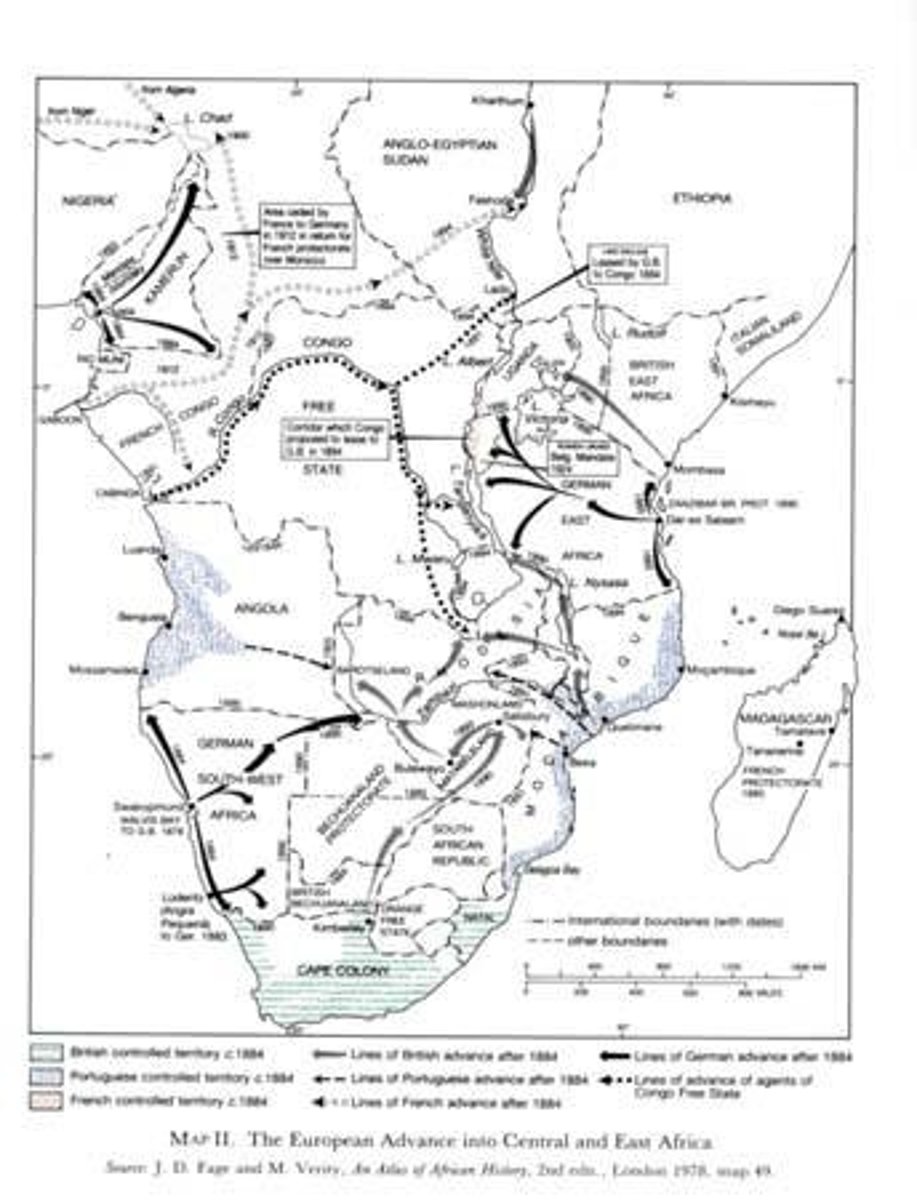
What impact did colonization have on Africa?
It negatively affected the continent and its people, leading to arbitrary divisions and conflicts.
Which country controlled Rwanda after World War I?
Belgium gained control of Rwanda after World War I.
What three groups were created by Belgian colonists in Rwanda?
Hutu, Tutsi, and Twa.
Why did the Belgians classify Rwandans into distinct groups?
To strengthen their control over the population and maintain power.
What was the belief about the Tutsi by the Belgian colonists?
They believed Tutsis were a superior group due to their 'white' appearance.
What percentage of Rwanda's population were Hutus?
About 85%.
What educational opportunities were denied to Hutus during colonization?
Hutus were denied higher education and positions in government.
What significant event occurred in Rwanda in 1959?
Hutus overthrew Tutsi rule and declared an independent republic.
Who was the first Hutu president of Rwanda?
Greg wa Kayabanda.
What system did the Hutu-led government continue after gaining power?
They continued the system of racial oppression that existed during colonialism.
What preparations did Hutu officials make for the genocide in 1994?
They trained militias, armed civilians, and created death lists of targeted individuals.
What message was broadcast over the radio during the genocide?
Messages of hate portraying Tutsis as evil cockroaches and rats.
What triggered the genocide in Rwanda?
The assassination of Rwandan President Habyarimana when his plane was shot down.
What methods were used to carry out the genocide?
Assassinations, death lists, hate propaganda, civilian militias, and rape.
How many people were killed during the Rwandan genocide?
Almost one million people were killed in 100 days.
What was the estimated number of women raped during the genocide?
At least a quarter-million women were raped.
What was the common culture shared by Rwandans before colonization?
Rwandans shared a common culture, language, and religious beliefs.
What was the impact of the Belgian colonial rule on Rwandan society?
It created divisions and tensions among the previously unified population.
What did the Hutus use the racial classification system for after gaining power?
They used it to oppress the Tutsi, reversing the roles from colonial times.
What role did propaganda play in the Rwandan genocide?
Propaganda was used to incite hatred and justify the killings of Tutsis.
What was the significance of the phrase 'First they came for the Jews'?
It illustrates the dangers of silence and inaction in the face of oppression.
What was the attitude of Tutsi elites towards Belgian colonial rule after World War II?
They grew impatient and aggressive in their pursuit of independence.
What was the effect of arbitrary national borders created during colonization?
They separated ethnic groups and combined warring factions, leading to conflicts.
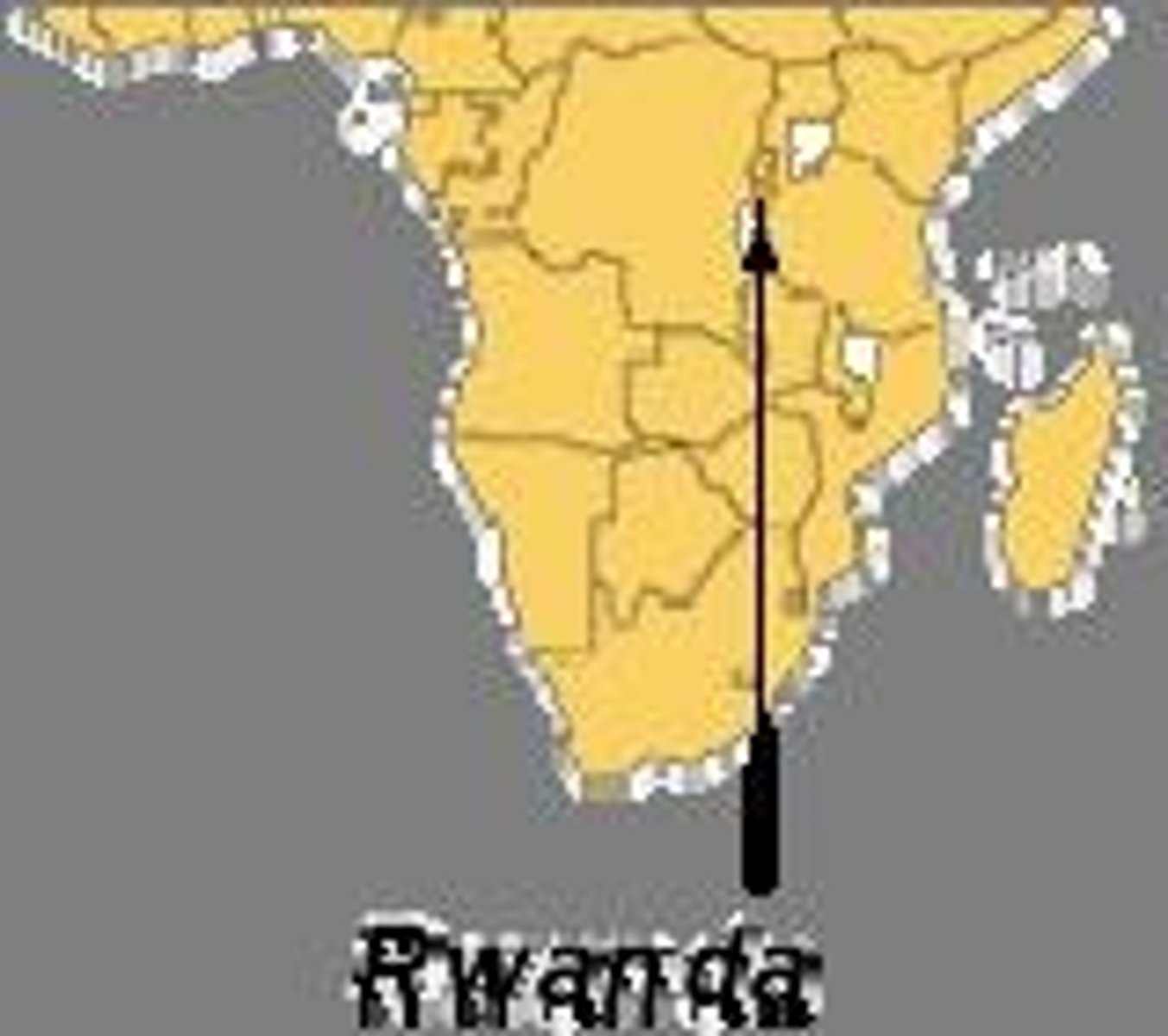
What was the historical context of the Rwandan genocide?
It was rooted in colonial racial classifications and the oppression of the Hutu majority.
How did the Hutu leadership's actions reflect their past experiences under colonialism?
They perpetuated the same oppressive practices against the Tutsi that they had suffered from.
 Note
Note  Flashcards (114)