ARTS AND CRAFTS OF SOUTHEAST ASIA
 Call Kai
 Learn
 Practice Test
 Spaced Repetition
 Match
 Flashcards
 Knowt Play
1/56

Earn XP
Description and Tags
57 Terms
Kebaya
the top for females in Indonesia
Sarong/Batik
the skirt for females in Indonesia
Baju Koko
the top for males in Indonesia
Peci/Songkok
the cap for males in Indonesia
Baju Kurung/Kebaya
the top for females in Malaysia
Kemban
the dress for females in Malaysia
Tundung Selendang
the hijab for females in Malaysia
Baju Melayu
the top for males in Malaysia
Sampin
the skirt for males in Malaysia
Tengkolok
the cap for males in Malaysia
Chut Thai Phra Ratcha Niyam
the dress for females in Thailand
Bhasin
the skirt for females in Thailand
Sabai
the shawl for males/females in Thailand
Sua Phra Ratch Tan
the suit and pants for males in Thailand
Garuda
mythical eagle
Indonesian sculpture
Lord Murugan Statue
Hindu Deity
Malaysian sculpture
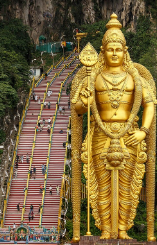
Yaksha
temple guardians
Thai sculpture
sitting, standing, dying
the three poses in Buddhist art
Pali Canon
a collection of Buddhist scriptures, says that Buddha has 32 major and 8 secondary traits that made him a great man
Ushnisha
hair crown
enlightenment and spiritual reliance
Urna
circular dot
third eye
offers insight and wisdom
Mudras
hand gestures
means differently based on poses
Candi
monolithic temples of Indonesia
Borobudur
Buddhist temple
architecture of Indonesia
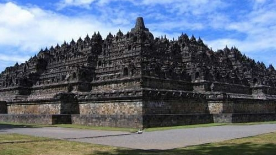
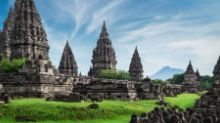
Prambanan
Hindu temple
Indonesia
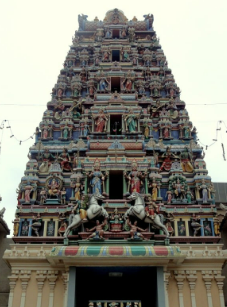
Sri Mahamariamman
Hindu Temple
Malaysia
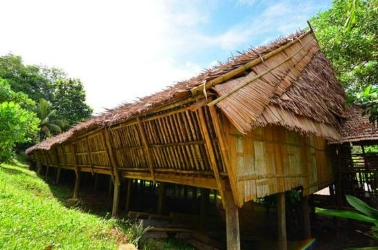
Longhouse
one architecture of Thailand
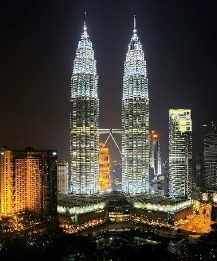
Petronas Twin Towers
one architecture of Thailand
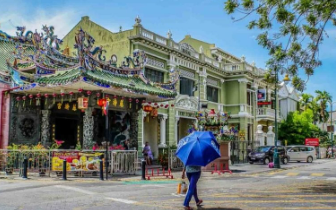
Georgetown
UNESCO World Heritage Site of Malaysian Colonial Architecture
Malaysia
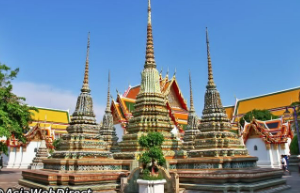
Wat Pho
Temple of Reclining Buddha
Thailand
Wayang
refers to the theater performance that uses puppets or human dancers, a popular form of entertainment in Indonesia
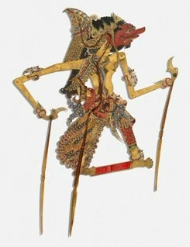
Wayang Kulit
shadow puppet
made of stretched and dried cow leather, carved and etched to create a silhouette figure
recognized by UNESCO as “masterpiece of oral and intangible heritage of humanity”
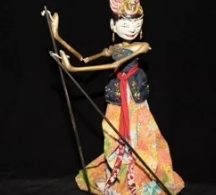
Wayang Golek
wooden puppet
made of carved wood and adorned with decoration
movements appear to mimic human dance
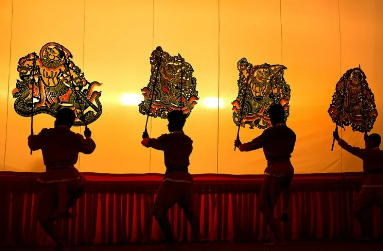
Nang Yai
“large hide”
2 meters in height
oldest traditional form of entertainment of Thailand; a shadow puppet with NO MOVEABLE PARTS
Batik
originated in Java, Indonesia
wax-resistant dyeing technique
word came from AMBATIK meaning “many dots”
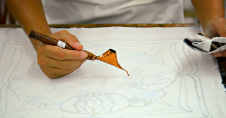
draw the pattern
first step in making Batik
sketching on the fabric
apply the wax
second step in making Batik
using a copper canting, wax functions as a seal
dye the fabric
third step in making Batik
wax protects patterns from being dyed, then it is hanged to dry
removing the wax
fourth step in making Batik
fabric is placed in hot water, wax is scooped from water to reuse
reapply wax
fifth step in making Batik
if you wish to add more colors, repeat the steps
Tjanting
pen-like
tool used in making Batik
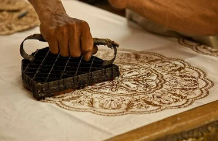
Tjap
“cap”, stamp
tool used in making Batik
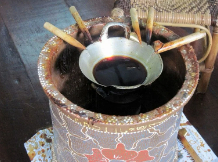
Wajan
metal pot for wax to stay liquid
tool used in making Batik
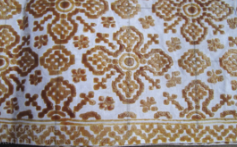
Nitik
woven texture
type of Batik design
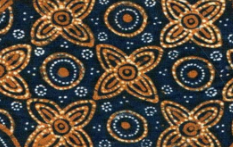
Kawung
intersecting circles with dots
type of Batik design
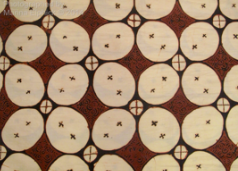
Ceplok
geometric shapes
type of Batik design
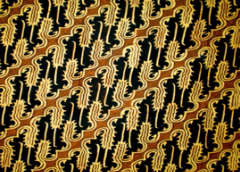
Parang
knife-like design
type of Batik design
Wau Kite
layang-layang
Malaysian
traditionally played after harvest or a long day’s toil in the fields
bamboo covered with thin paper cutouts
used to make different patterns and colors on the kite
material used in making a Wau kite
foil
used to make shimmer and beauty
material used in making a Wau kite
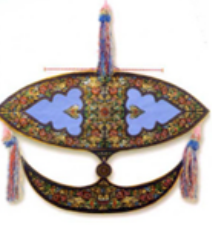
Wau Bulan
moon kite
Wau Kucing
cat kite
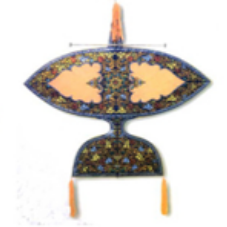
Wau JalaBudi
woman kite
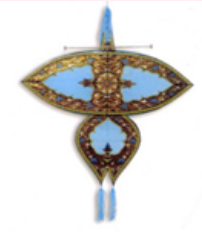
Wau Merak
peacock kite
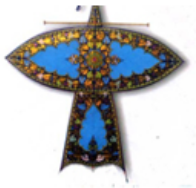
Wau Barat
leaf kite
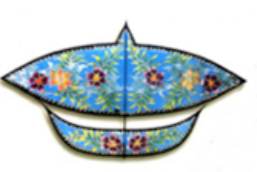
Symmetrical
design of balance in which two sides are the same
Asymmetrical
design of balance in which two sides are not the same