FINAL Neuroanatomy PA quizzes
 Studied by 0 people
 Call with Kai
 Learn
Learn Practice Test
 Spaced Repetition
 Match
Match Flashcards
 Knowt Play
1/98

There's no tags or description
Looks like no tags are added yet.
Name | Mastery | Learn | Test | Matching | Spaced | Call with Kai |
|---|
No study sessions yet.
99 Terms
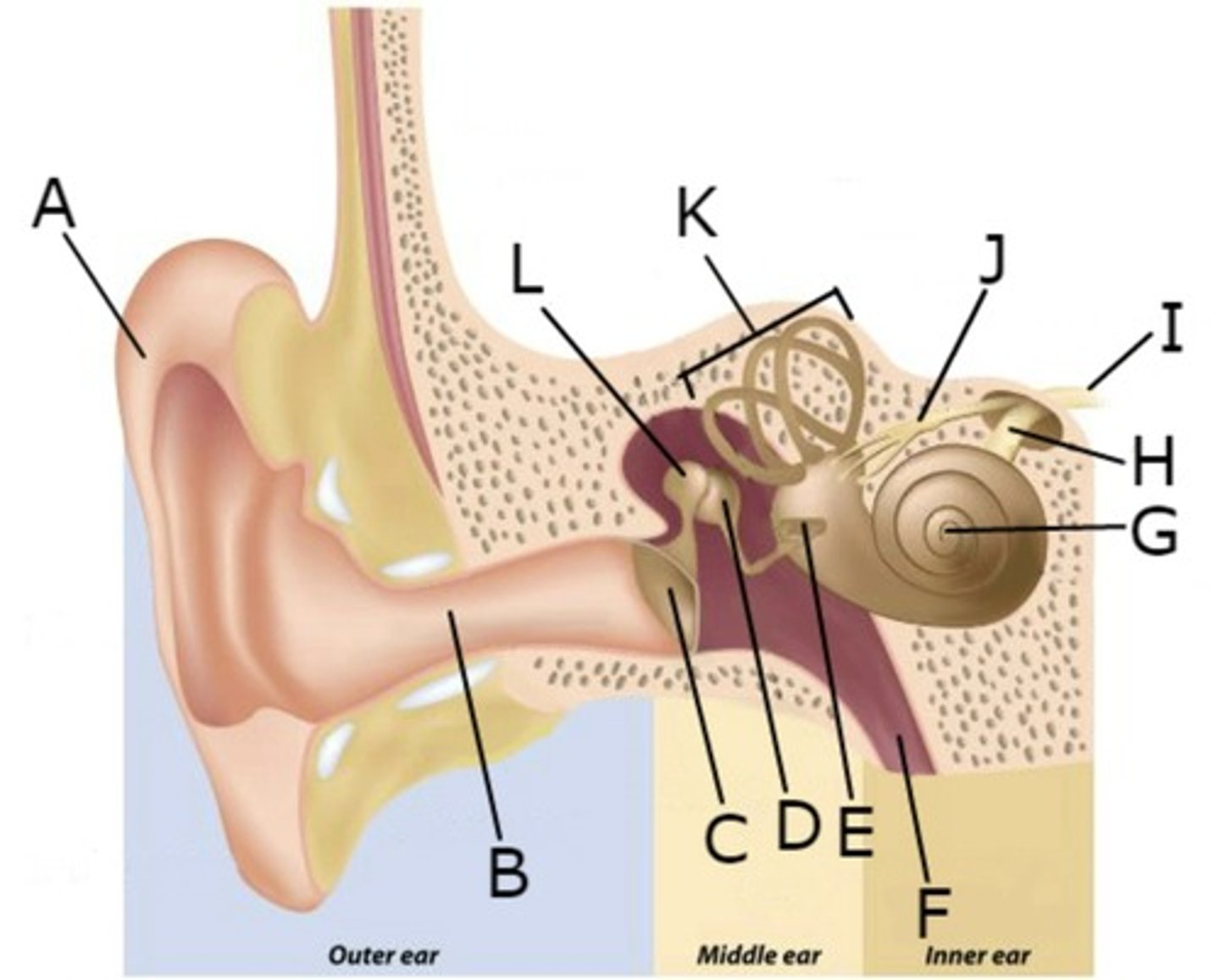
Auricle
What is A?
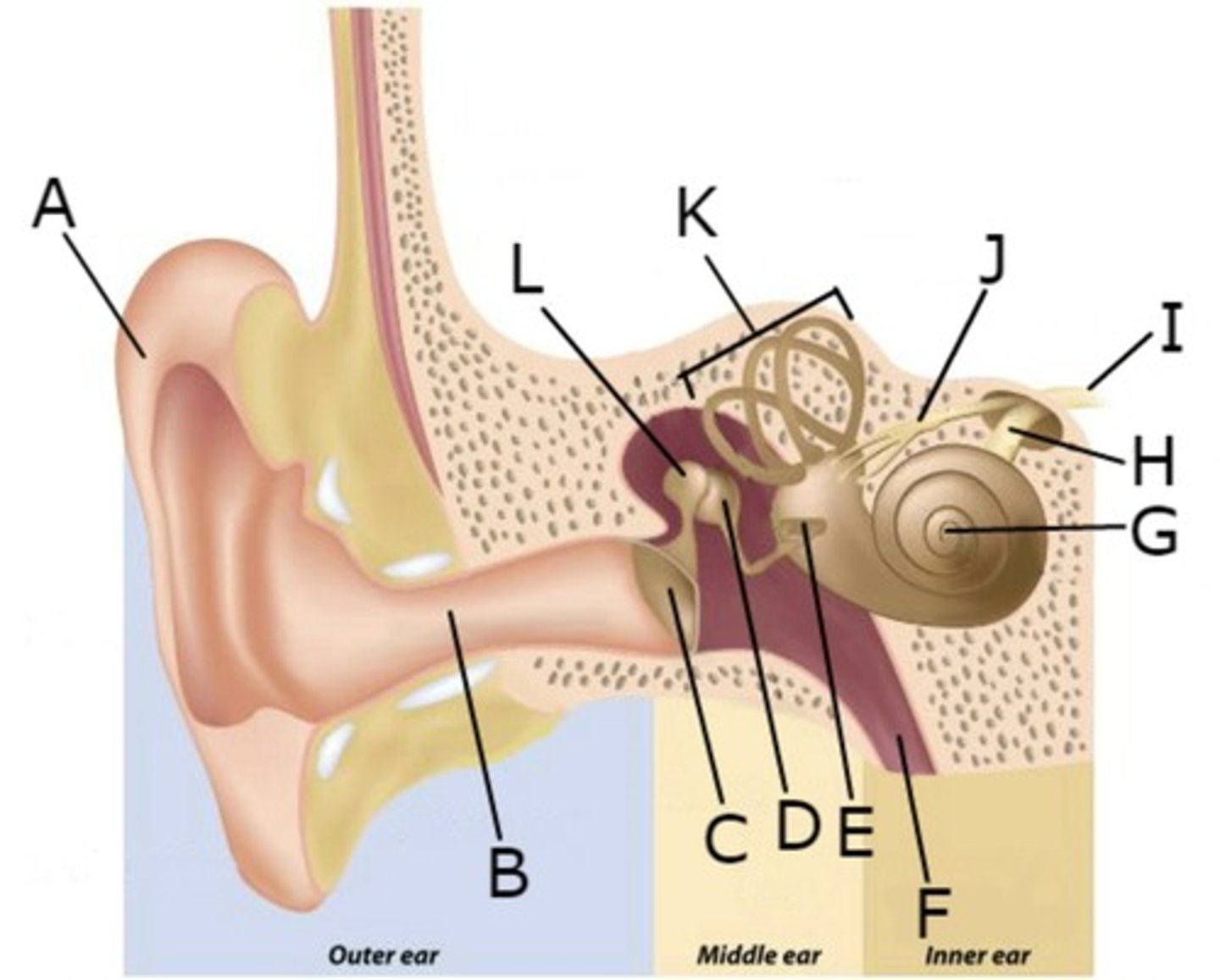
Auditory Canal
What is B?
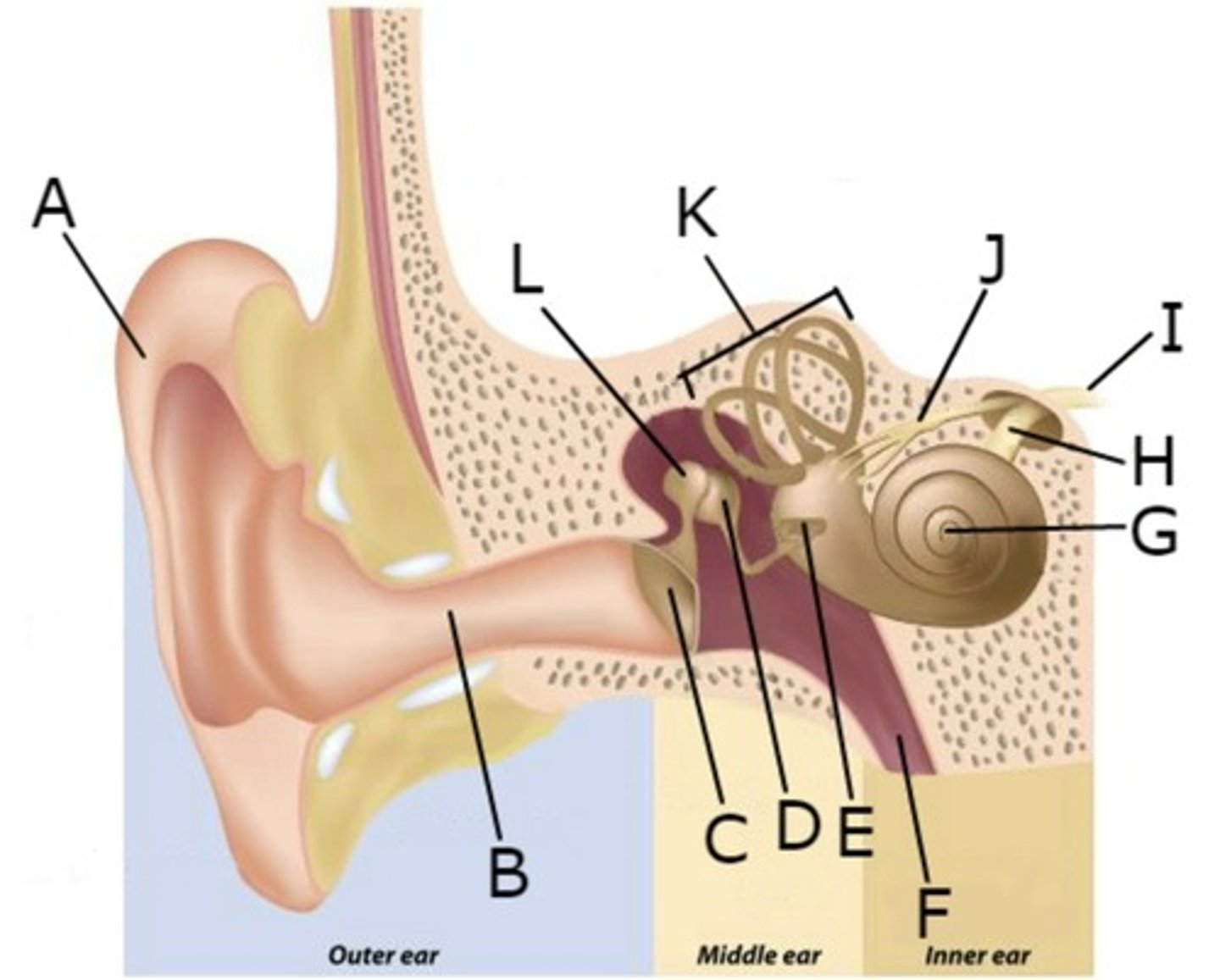
Tympanic Membrane (Eardrum)
What is C?
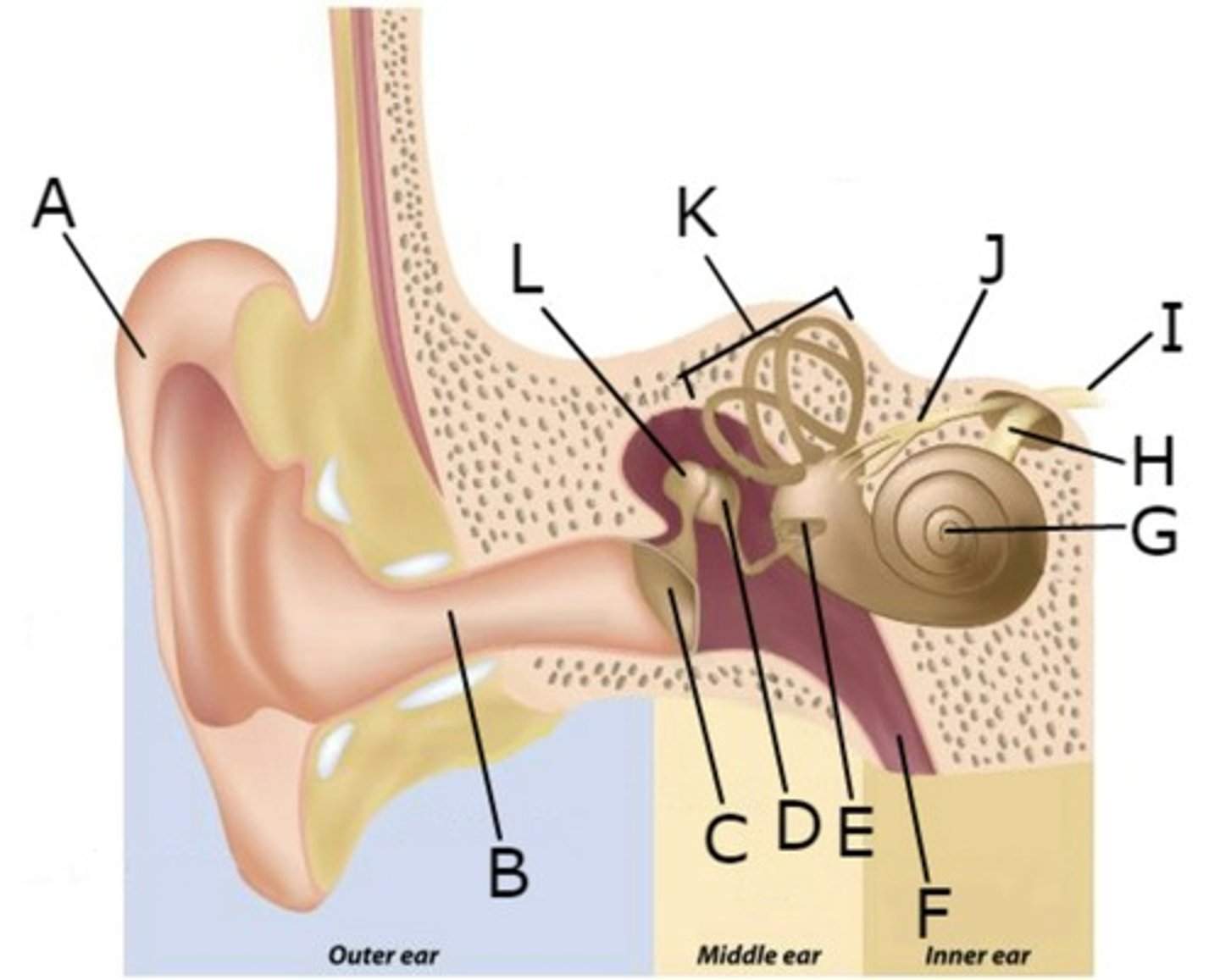
Incus
What is D?
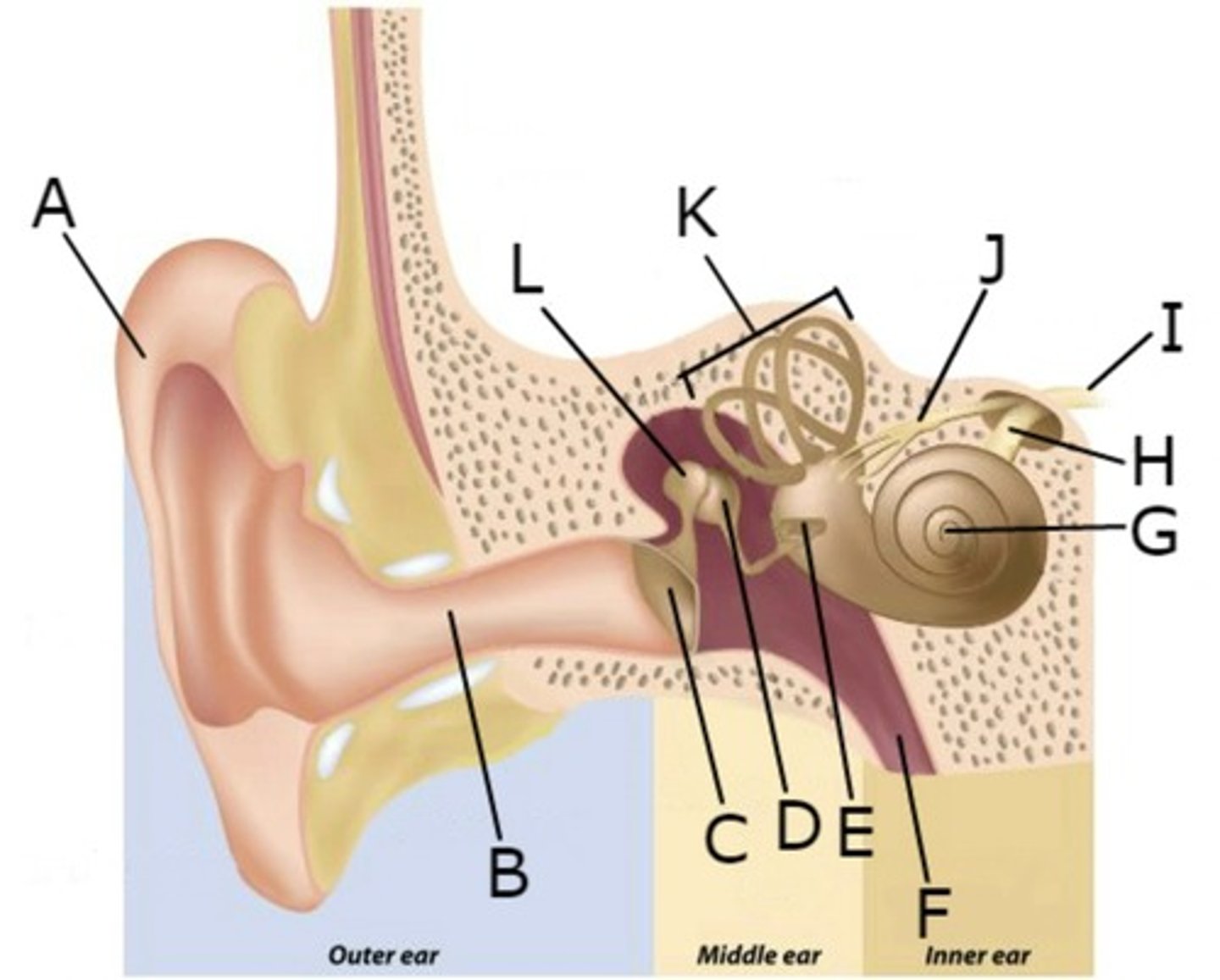
Stapes
What is E?
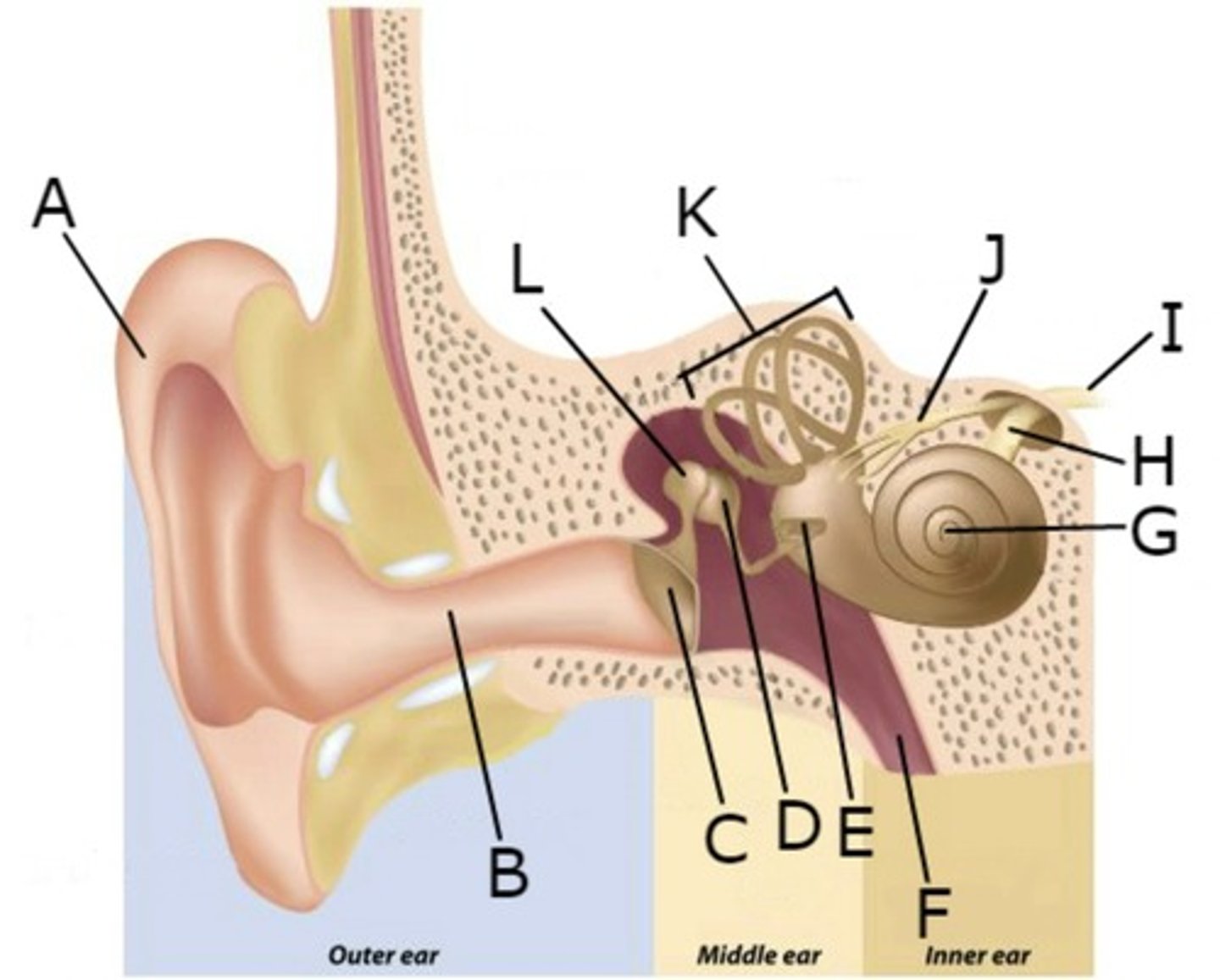
Eustachian Tube
What is F?
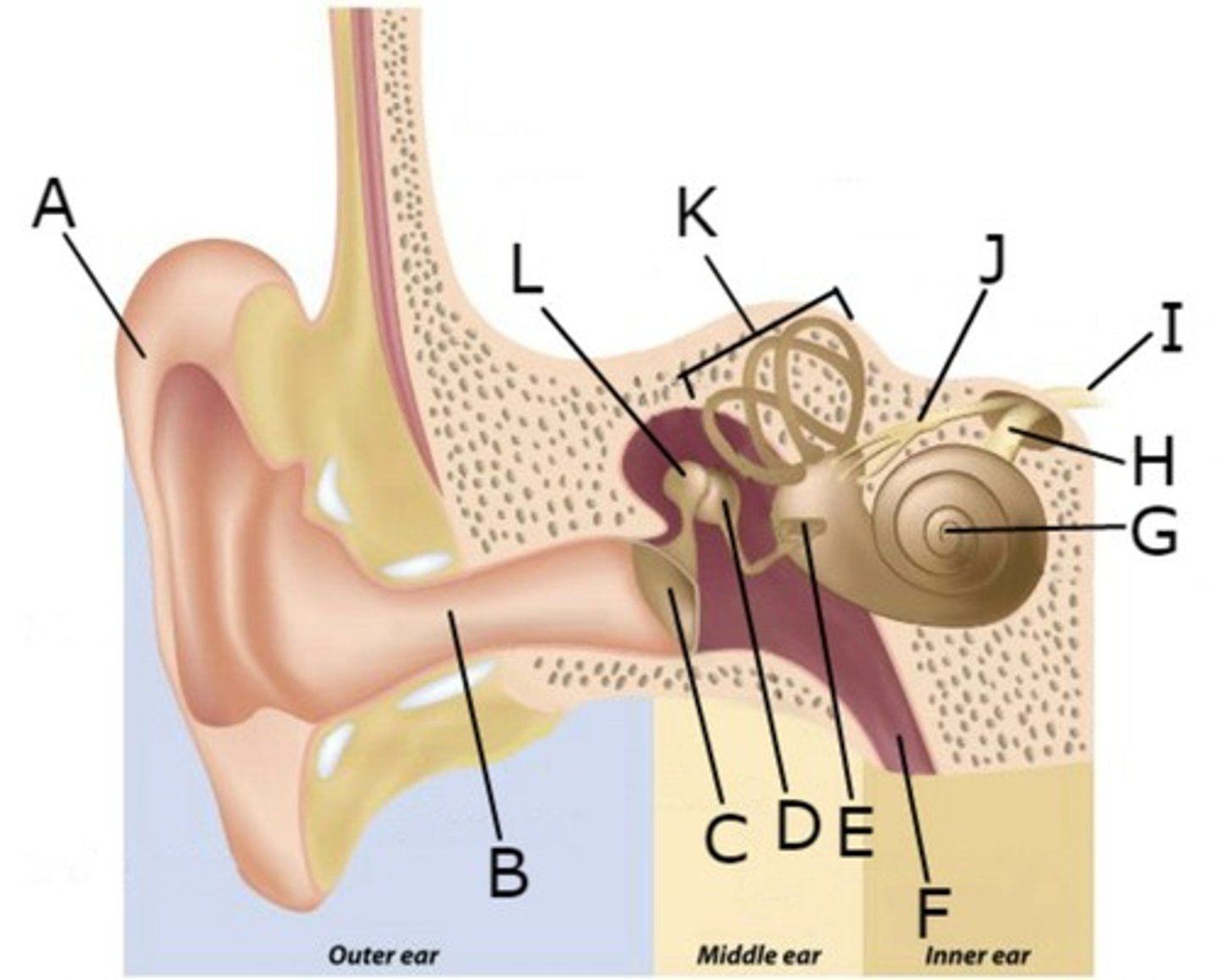
Cochlea
What is G?
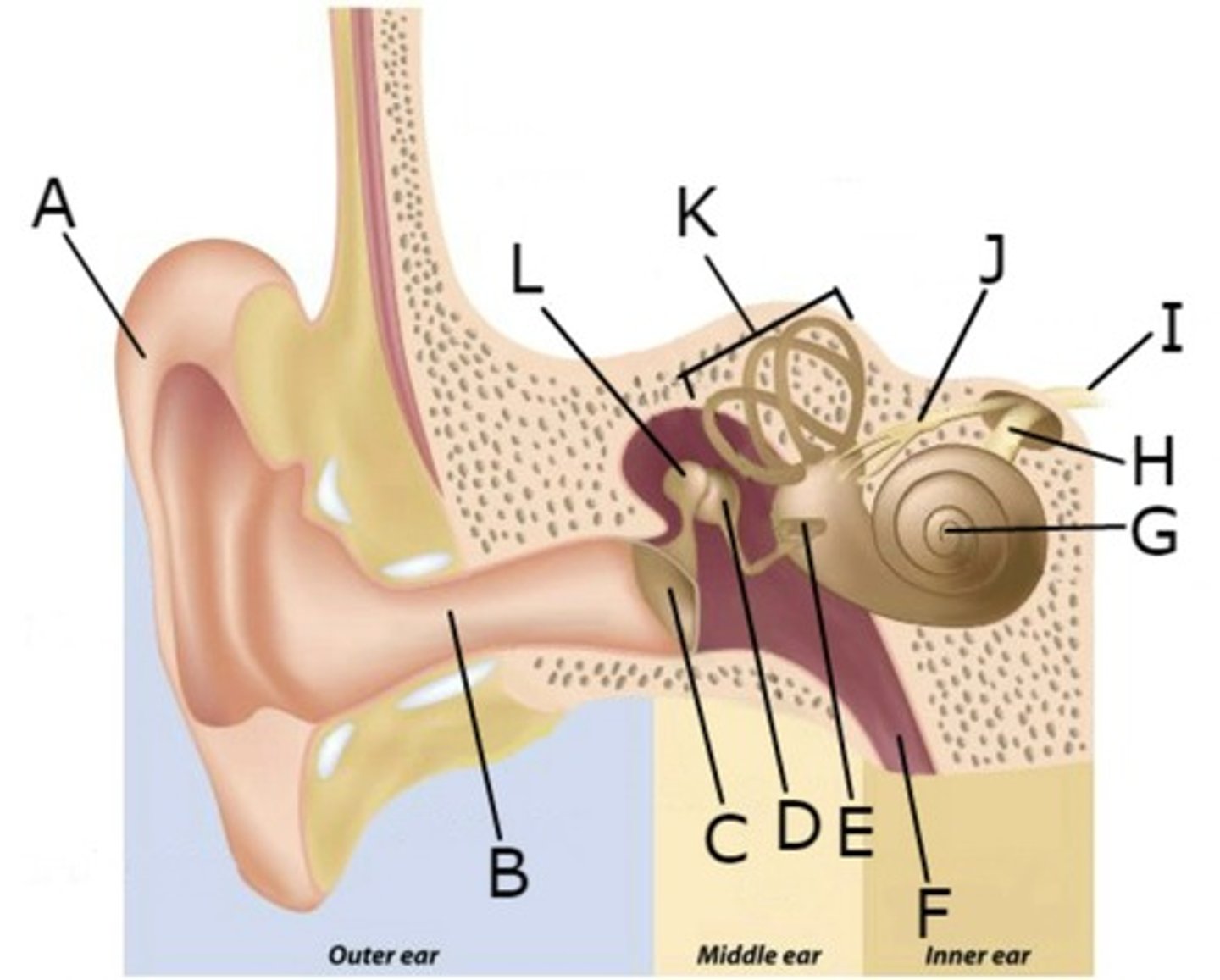
Cochlear nerve branch
What is H?
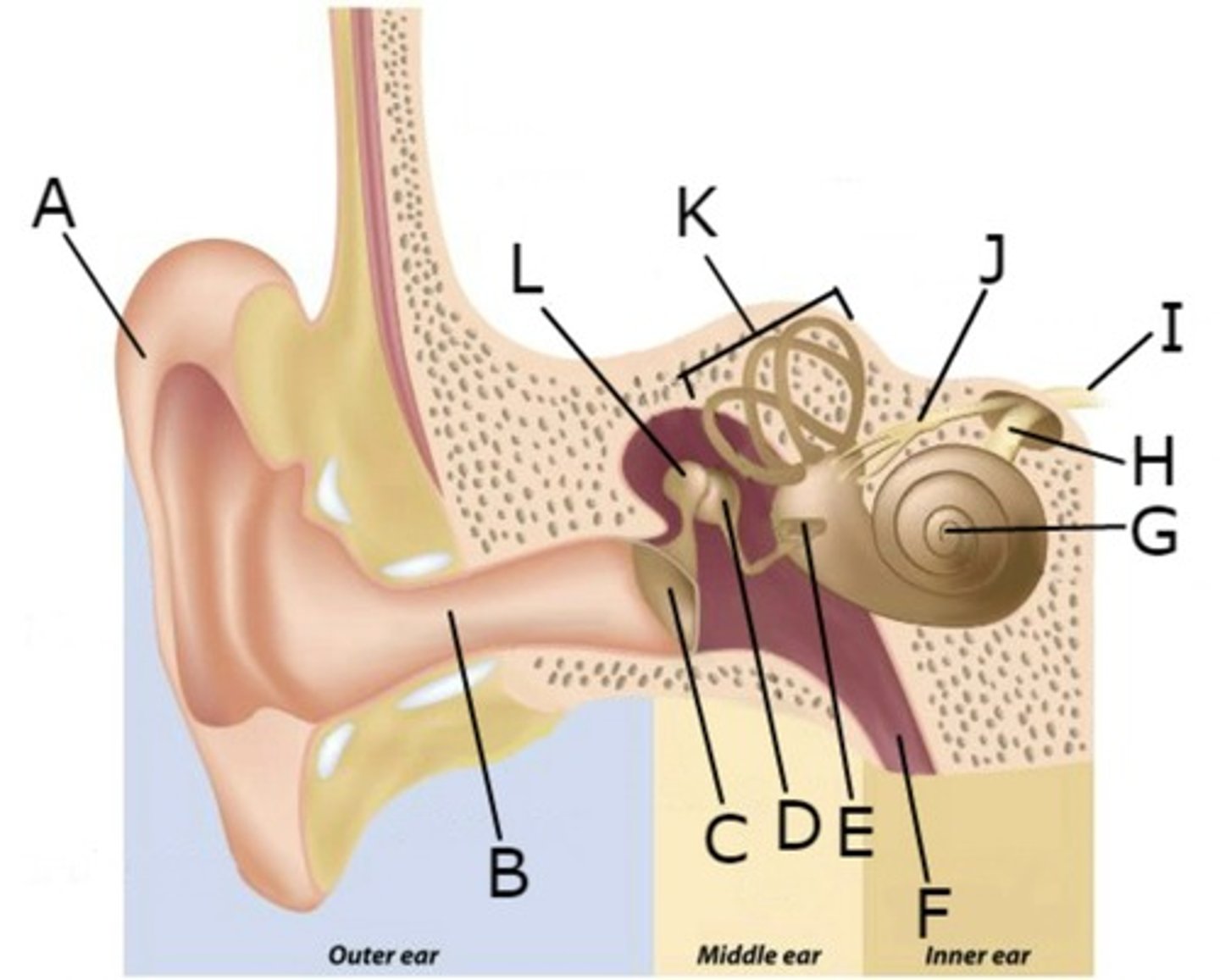
Vestibulocochlear nerve
What is I?
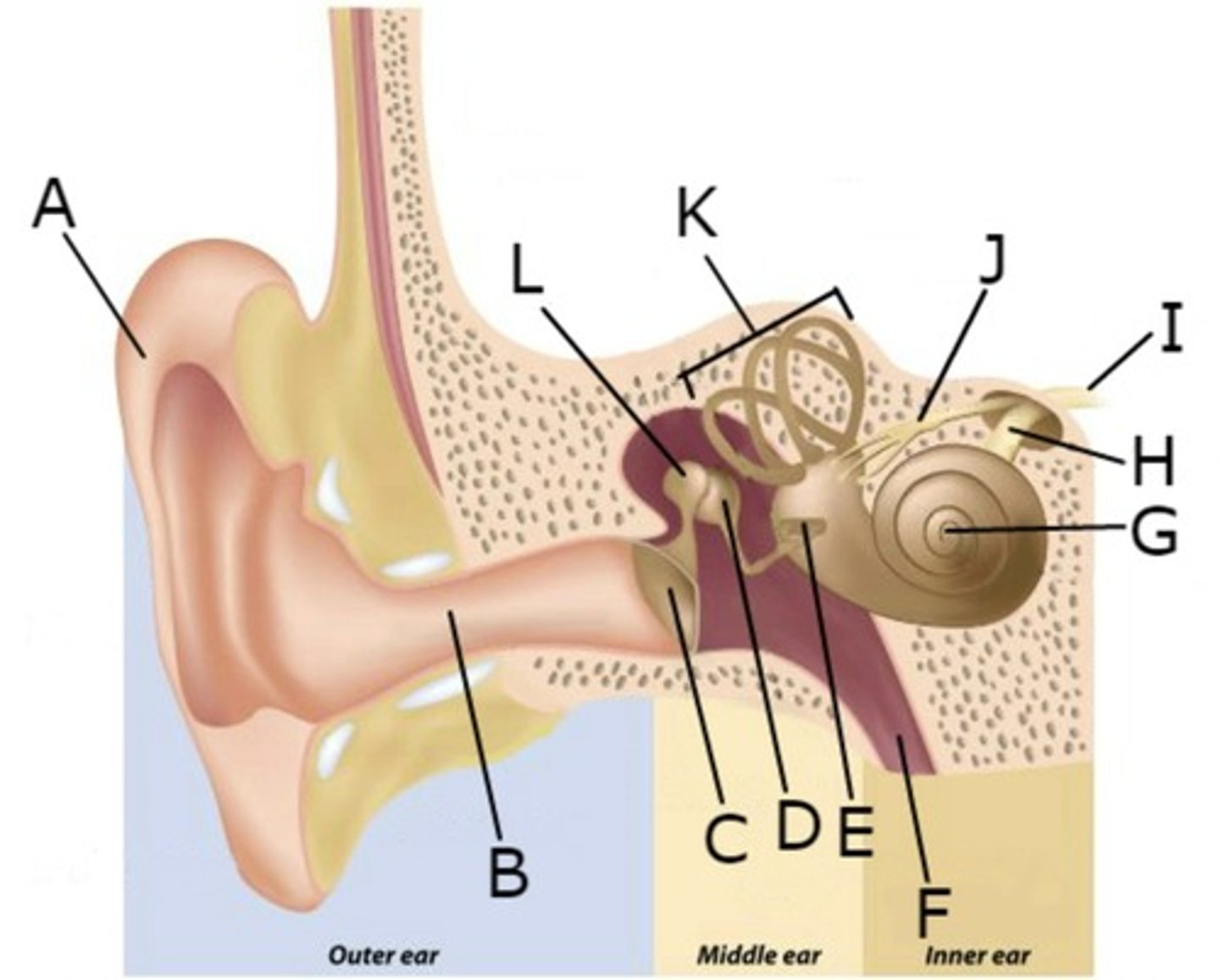
Vestibular nerve branch
What is J?
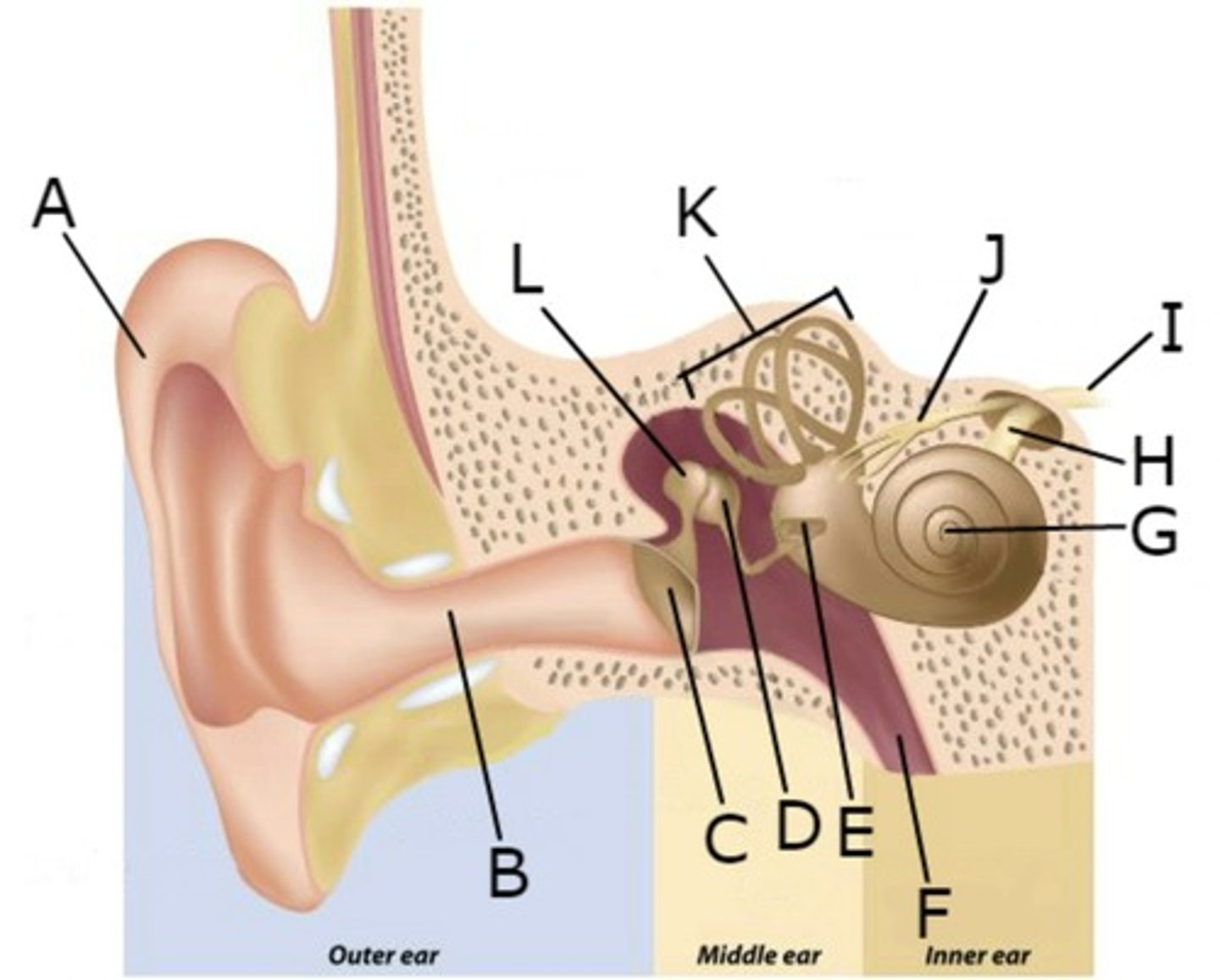
Semicircular canals
What is K?
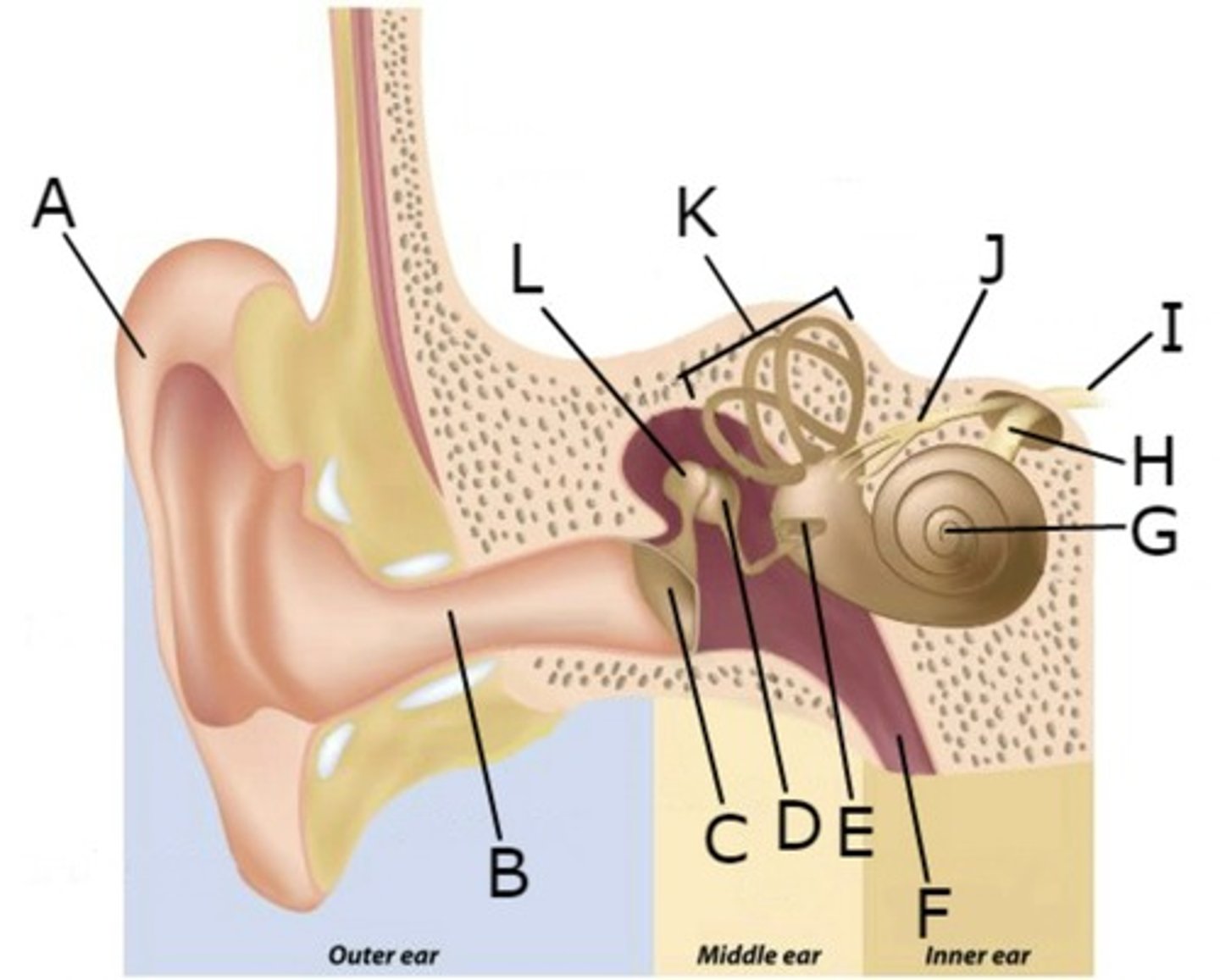
Malleus
What is L?
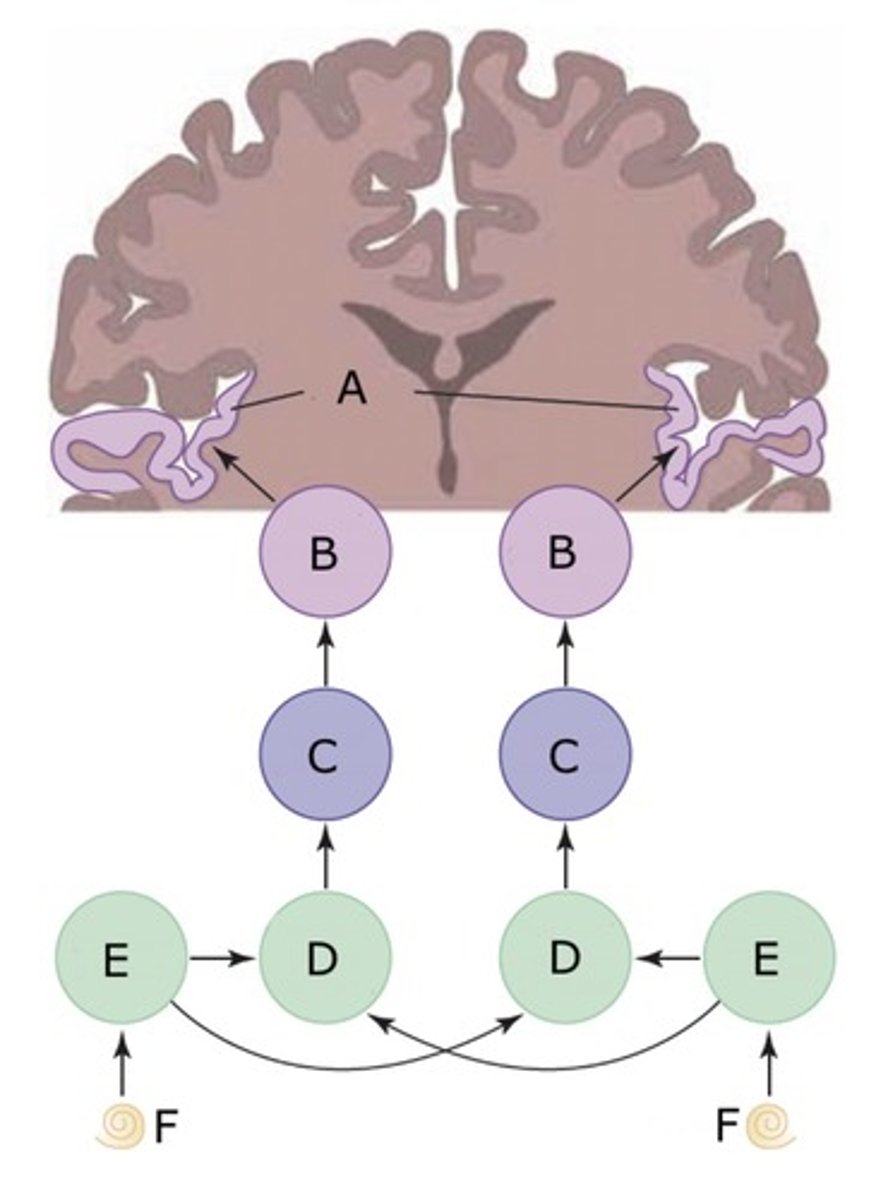
Auditory cortex
What is A?
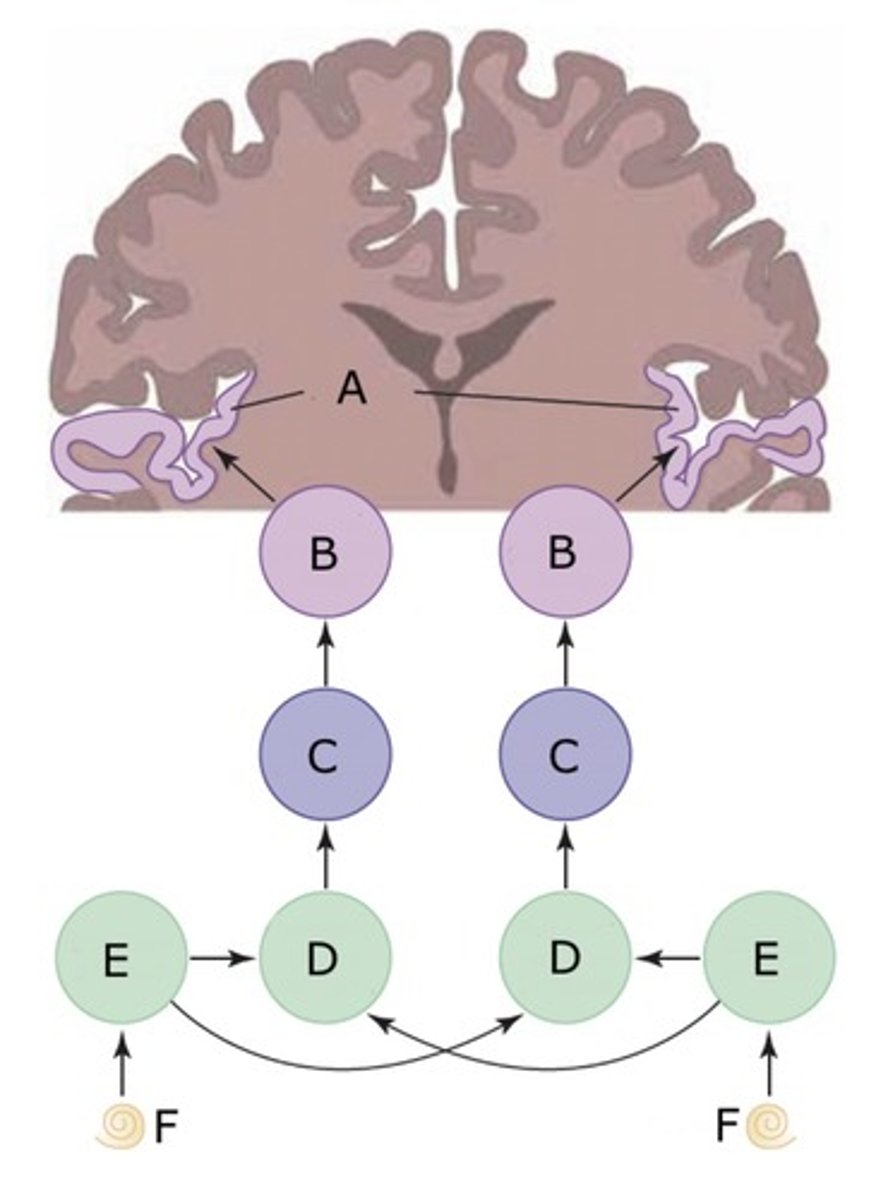
Medial geniculate body of the thalamus
What is B?
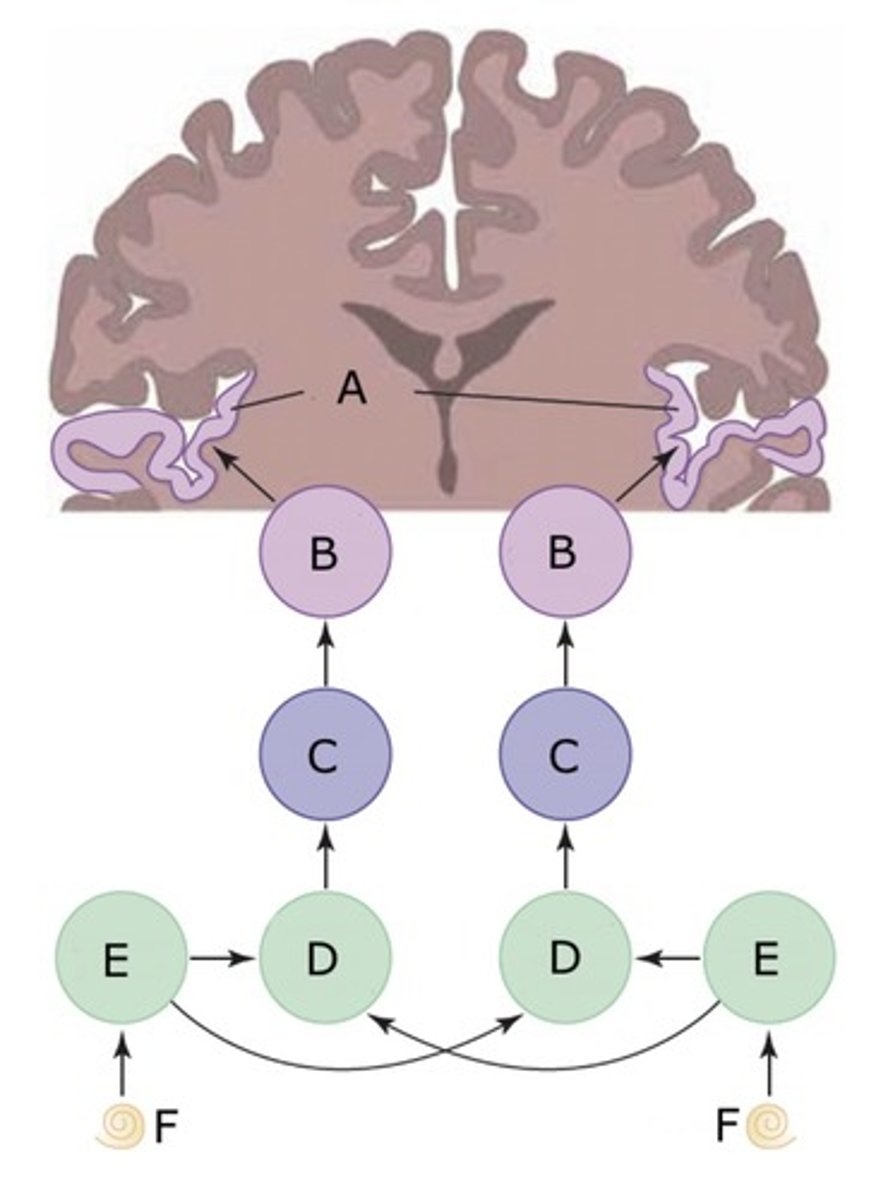
Inferior colliculus
What is C?
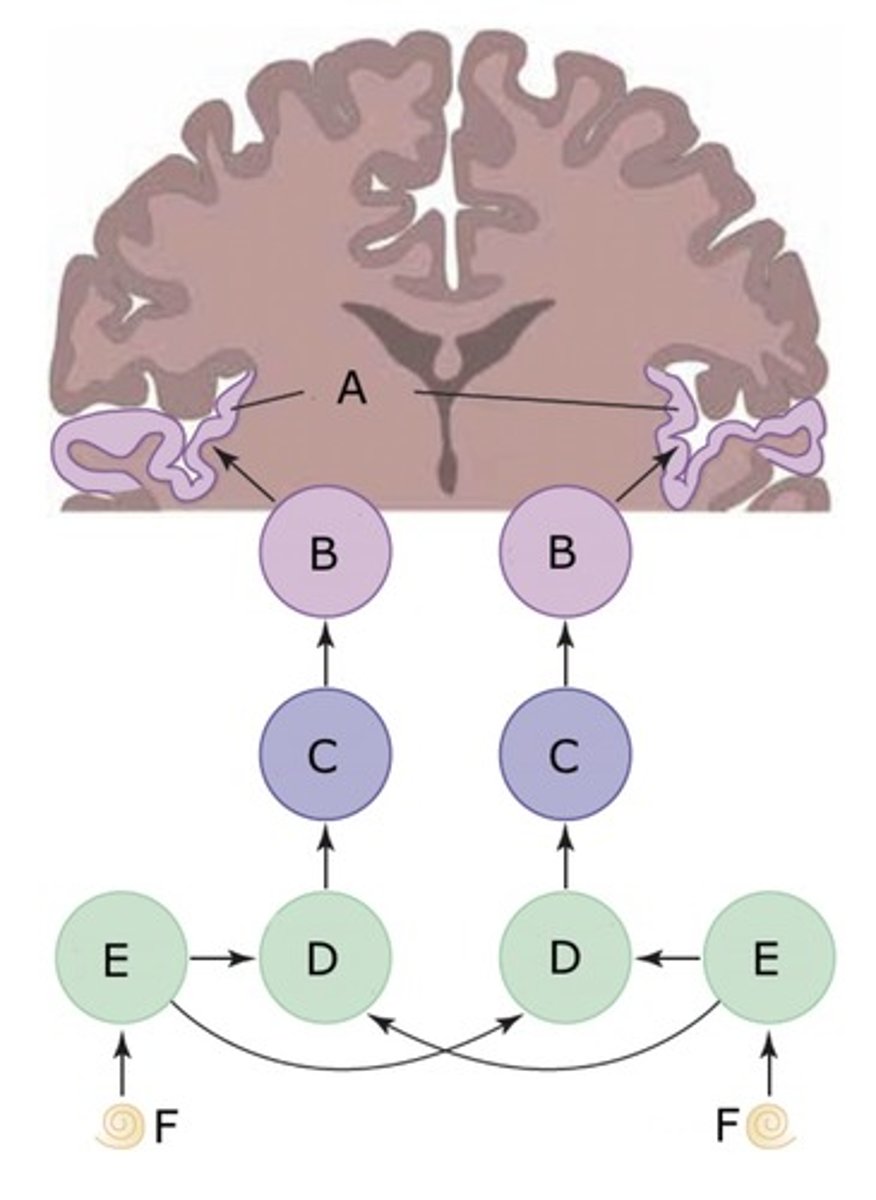
Superior olivary cortex
What is D?
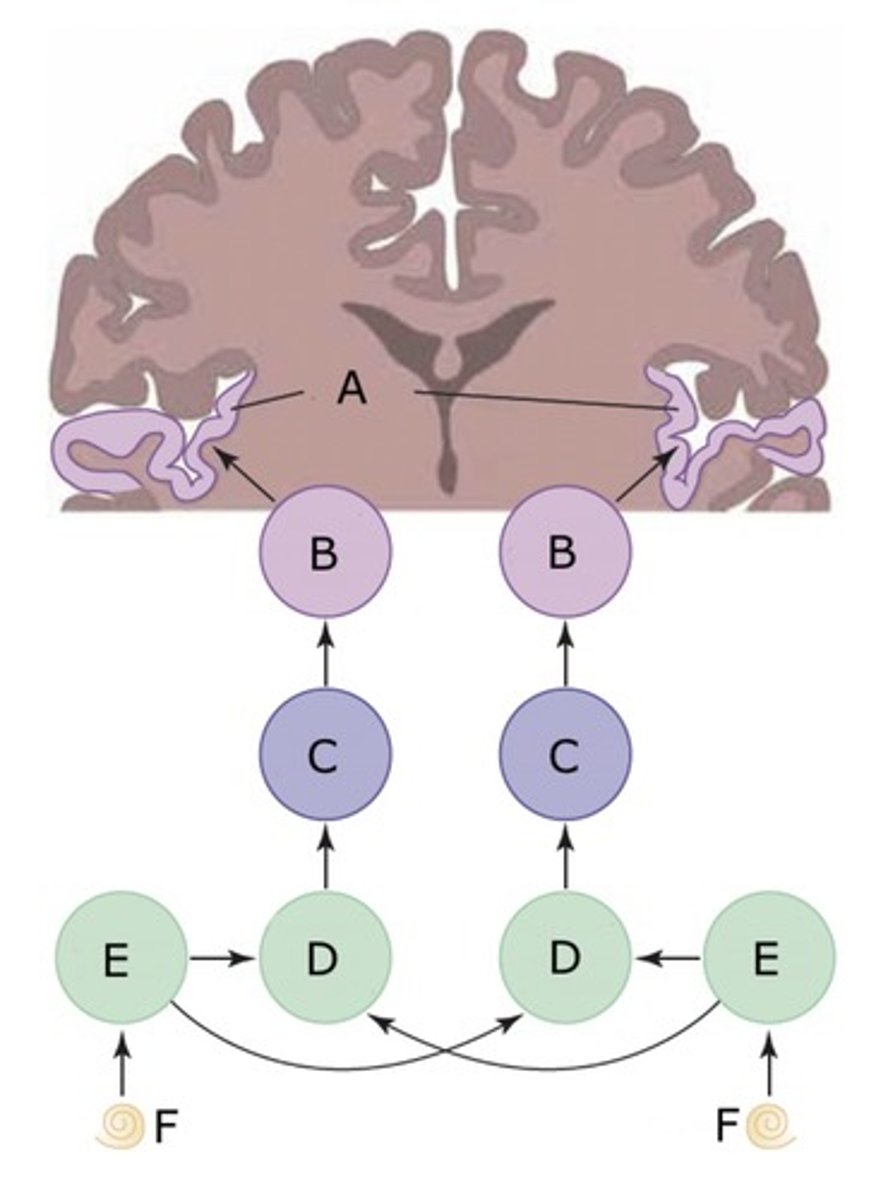
Cochlear nuchleus
What is E?
Cochlea
What is F?
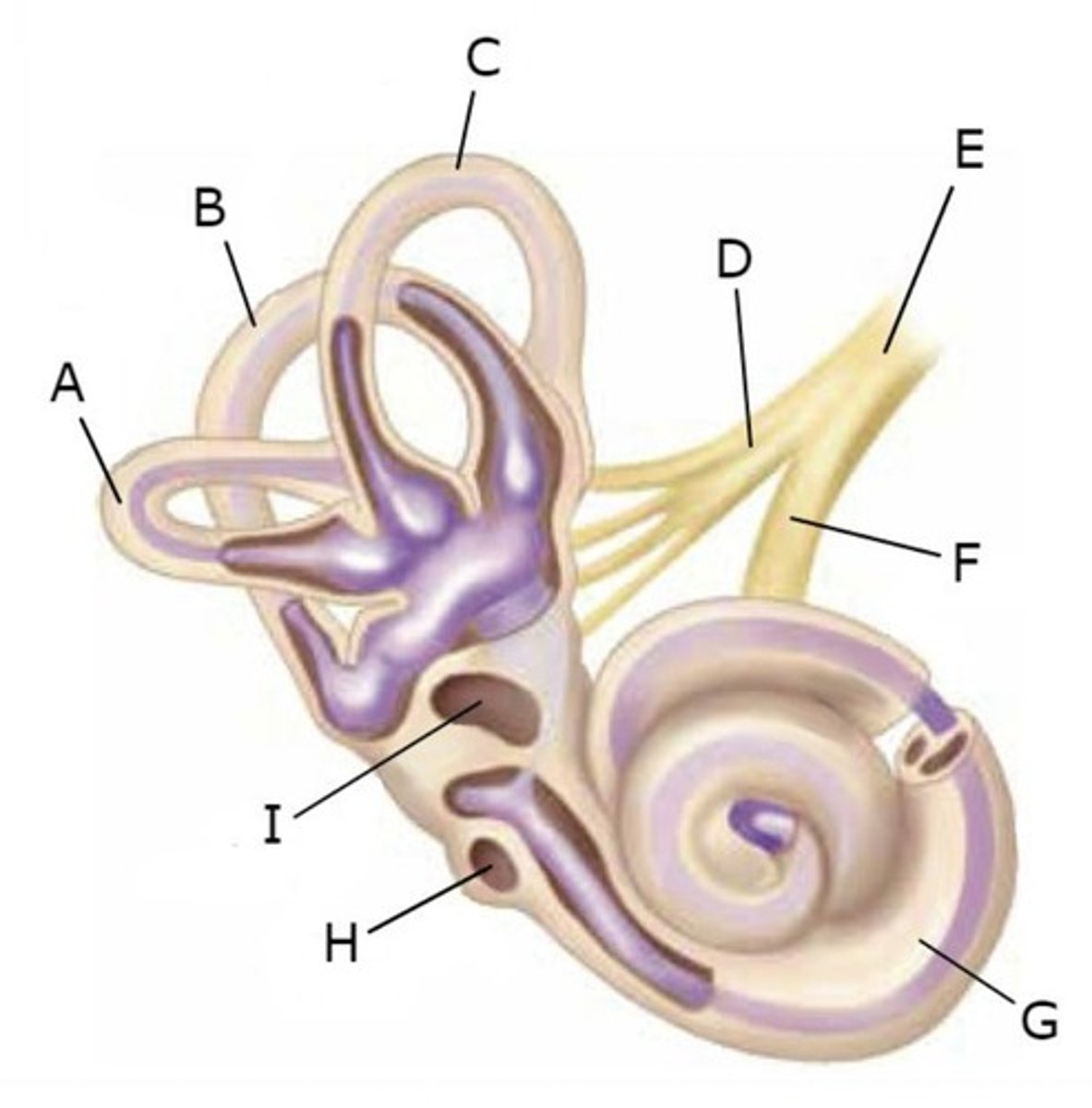
Posterior canal
What is B?
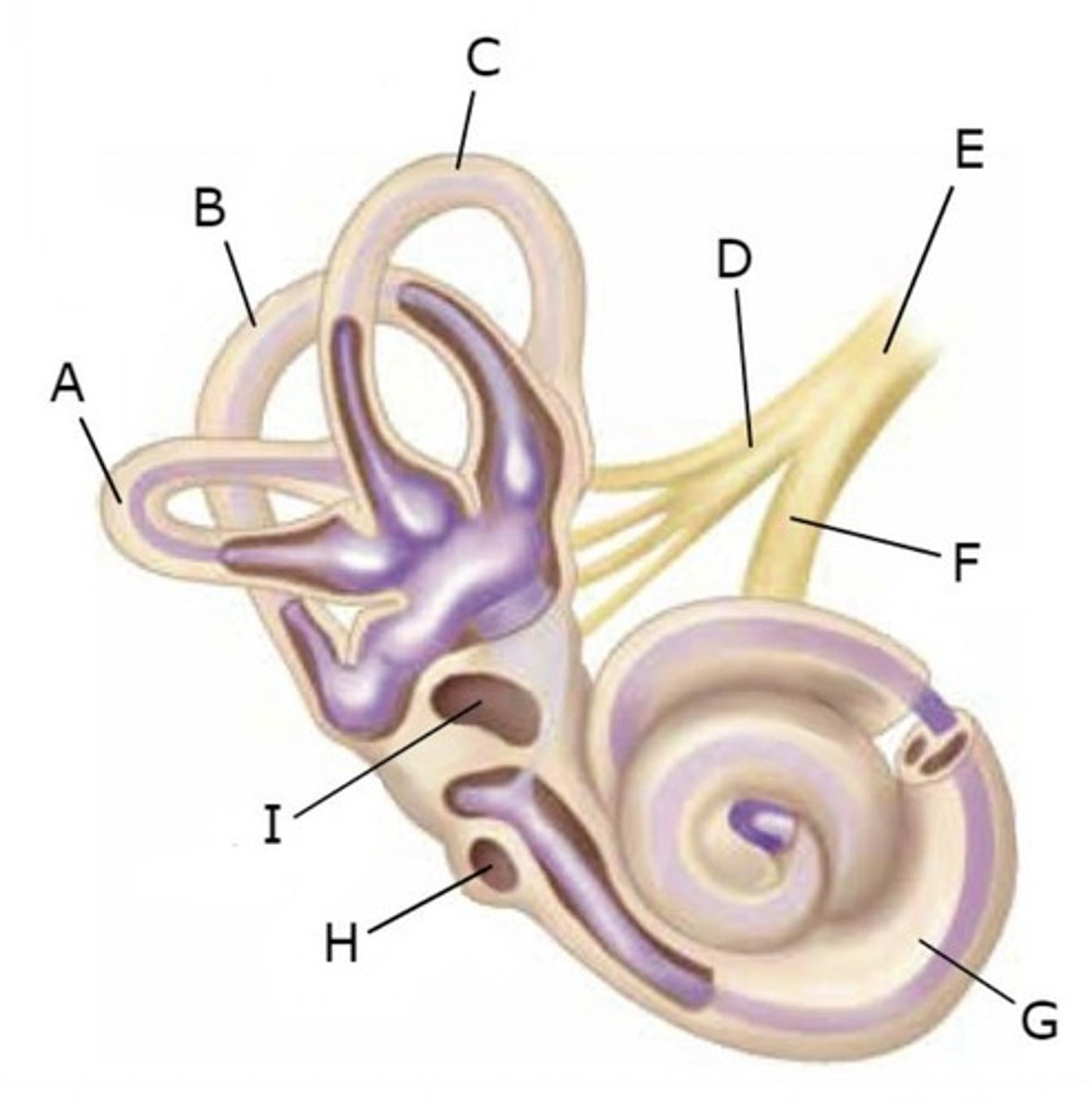
Lateral/horizontal canal
What is A?
What is C?
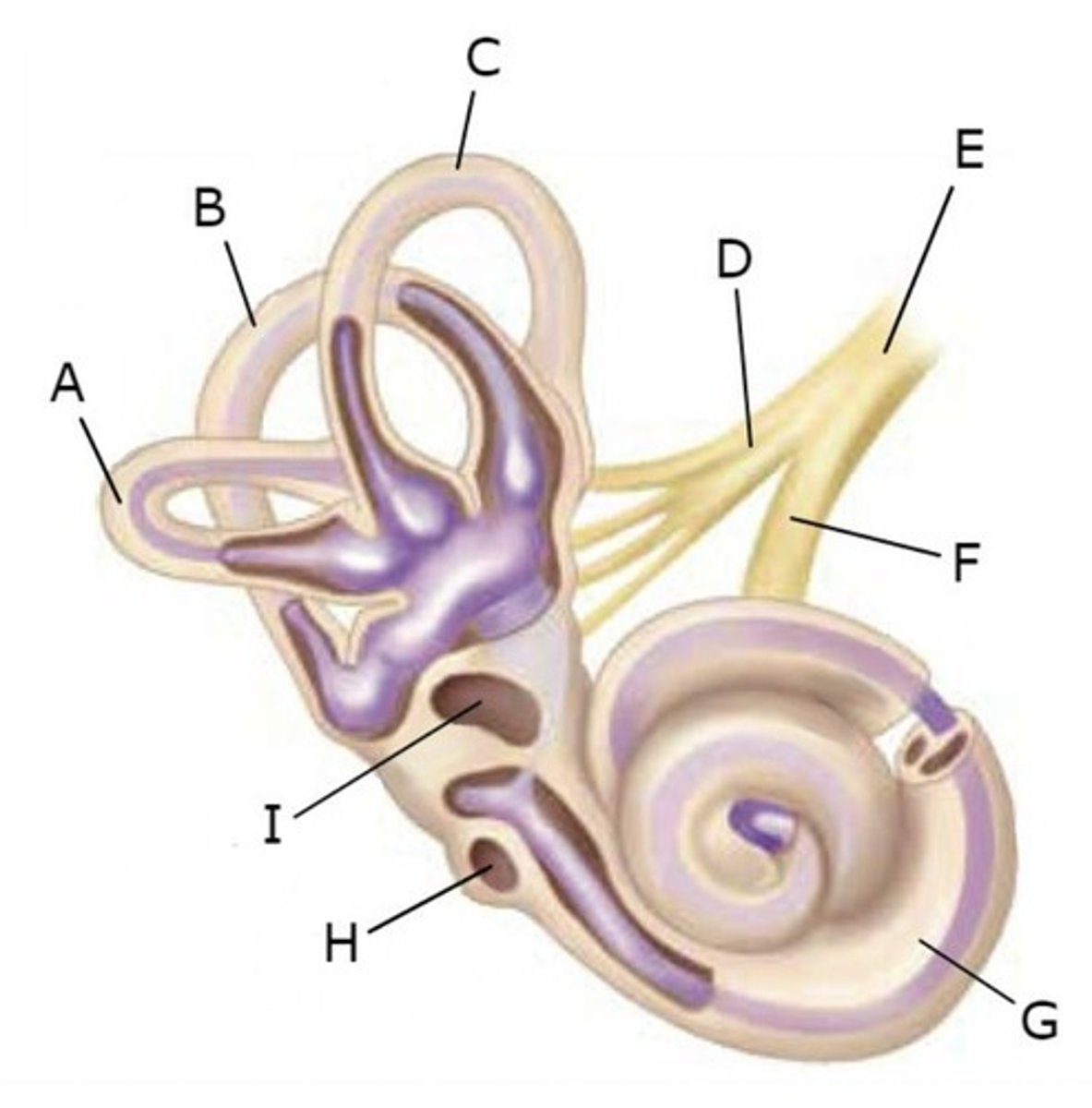
Round window
What is H?
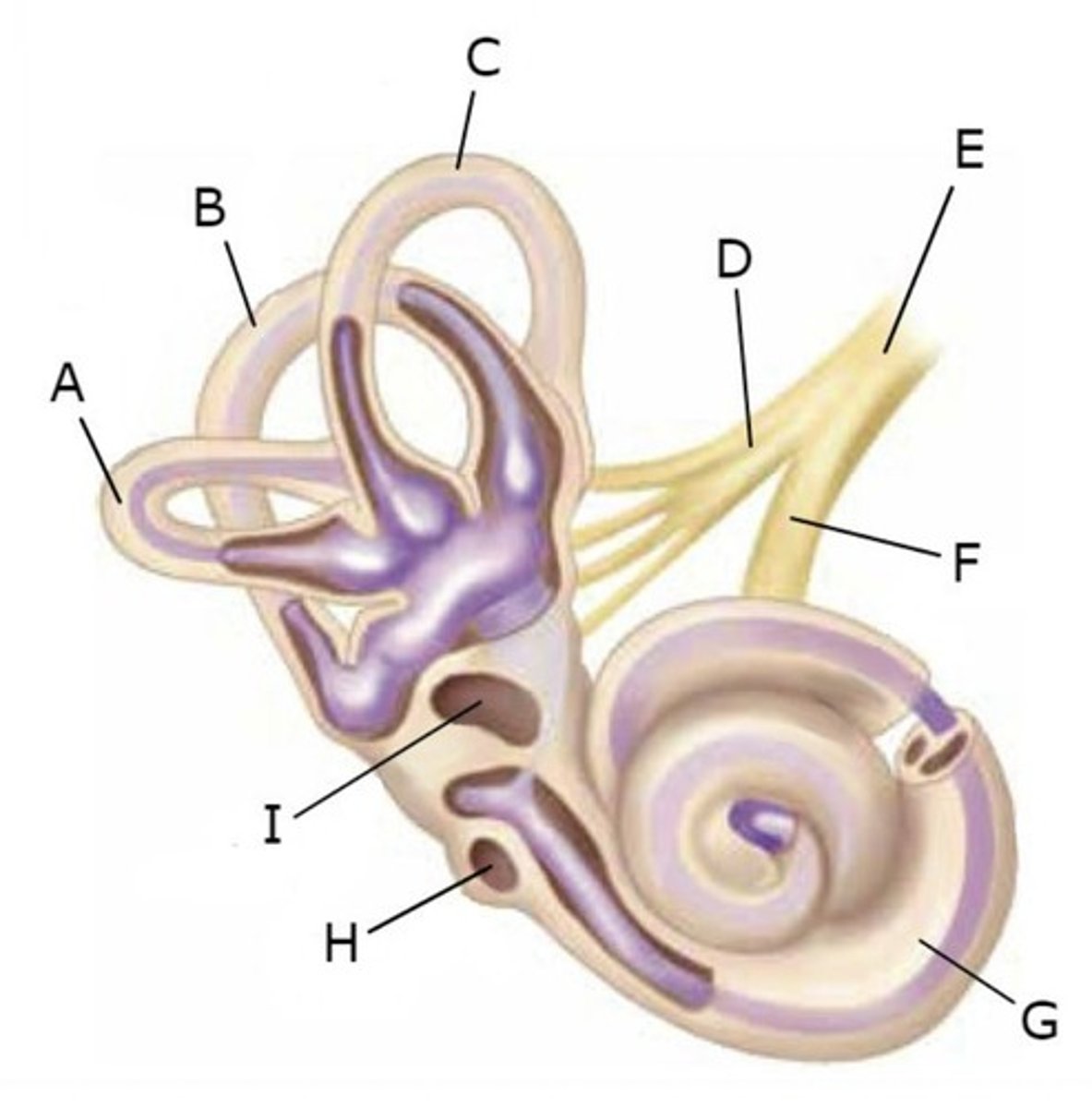
Oval window
What is I?
Conceptual level
What is A?
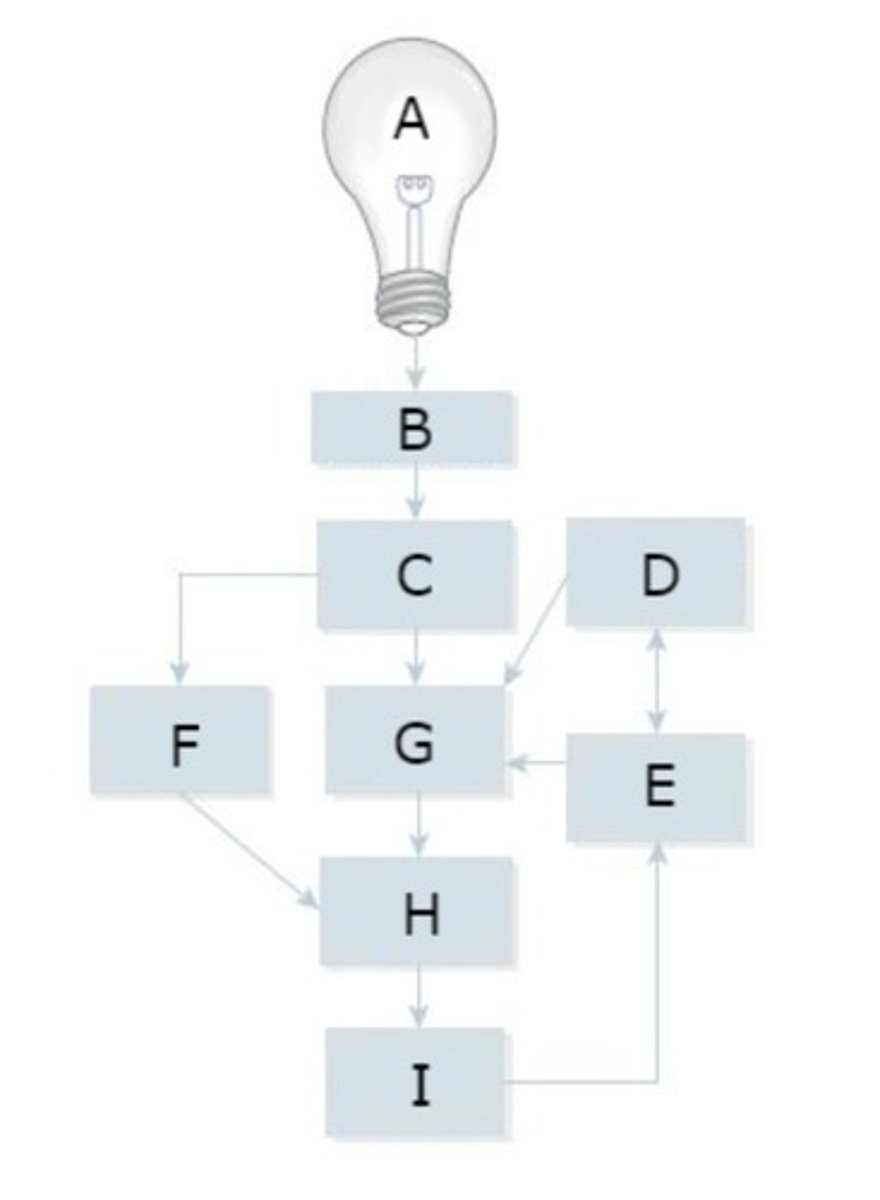
Linguistic planning level
What is B?
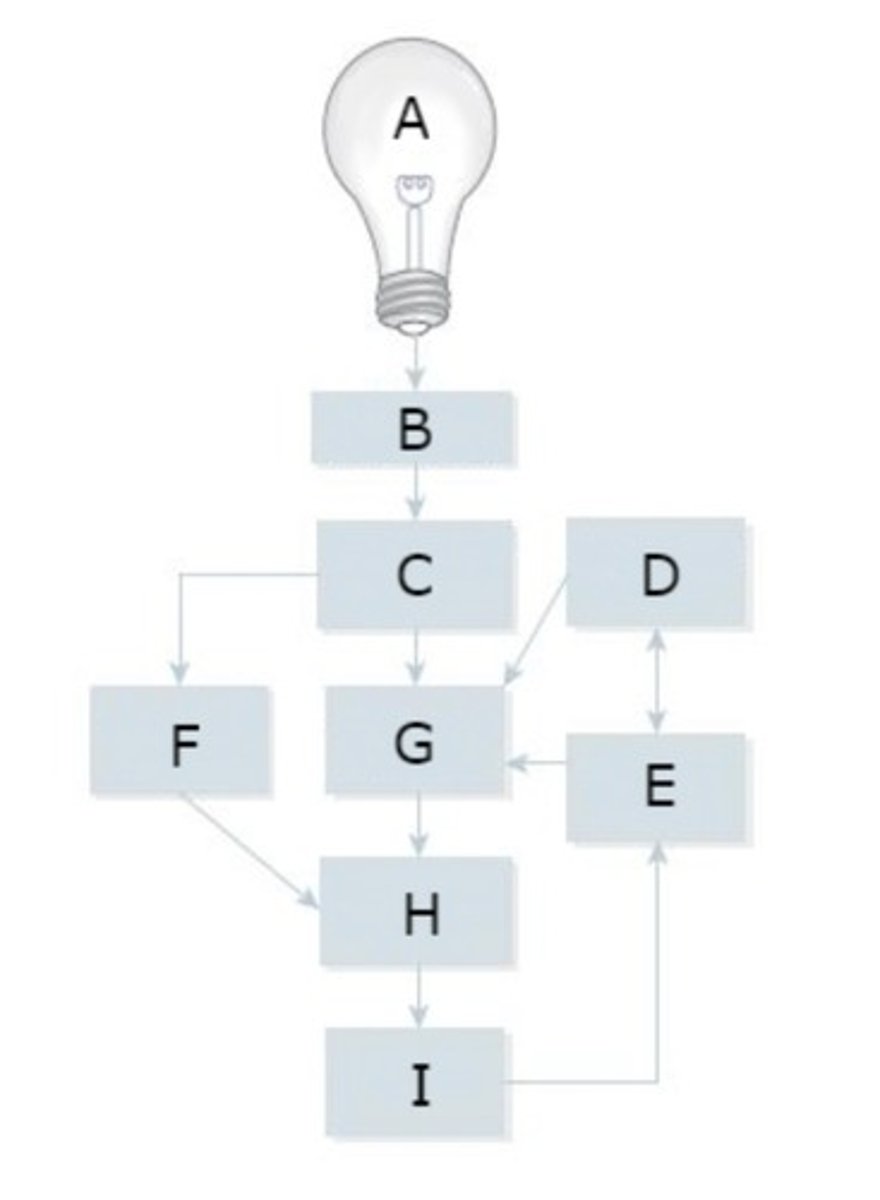
Motor planning/programming level
What is C?
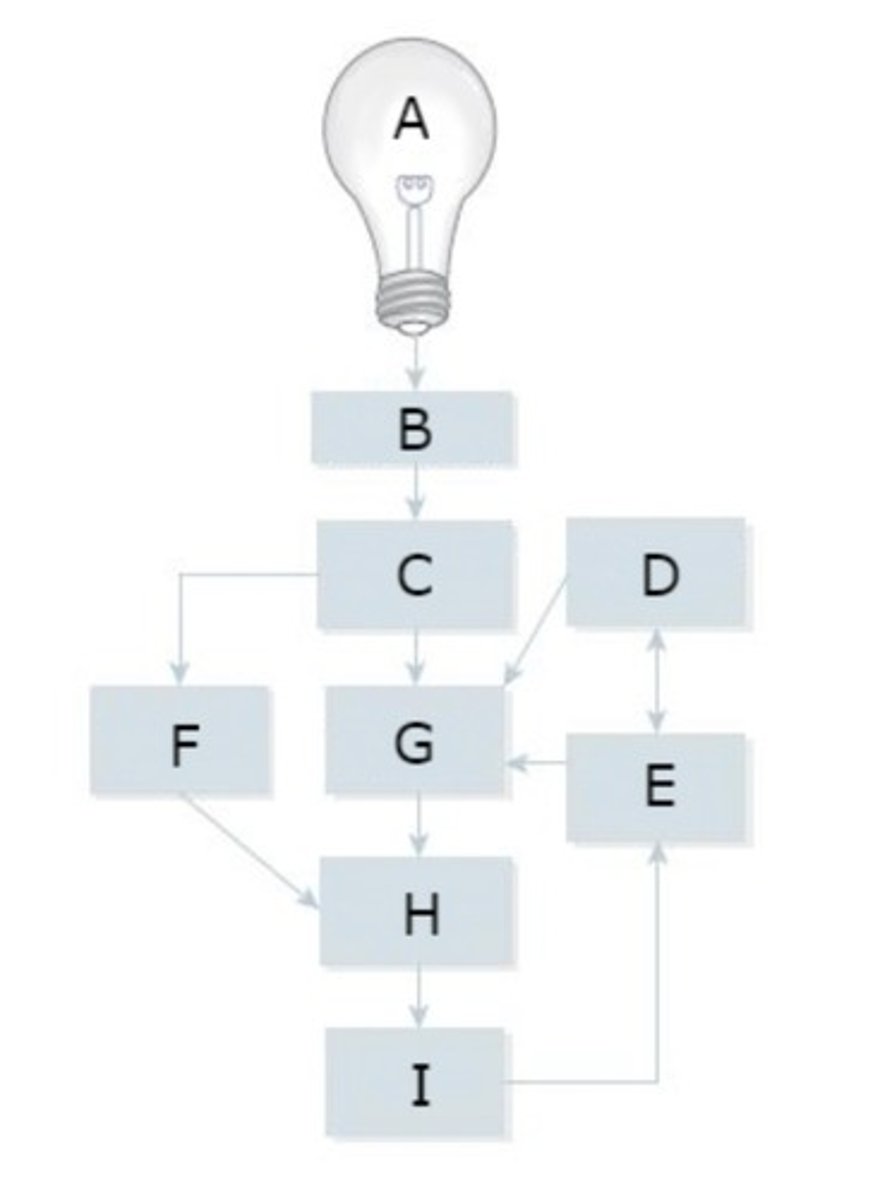
Motor circuit controls
What is D?
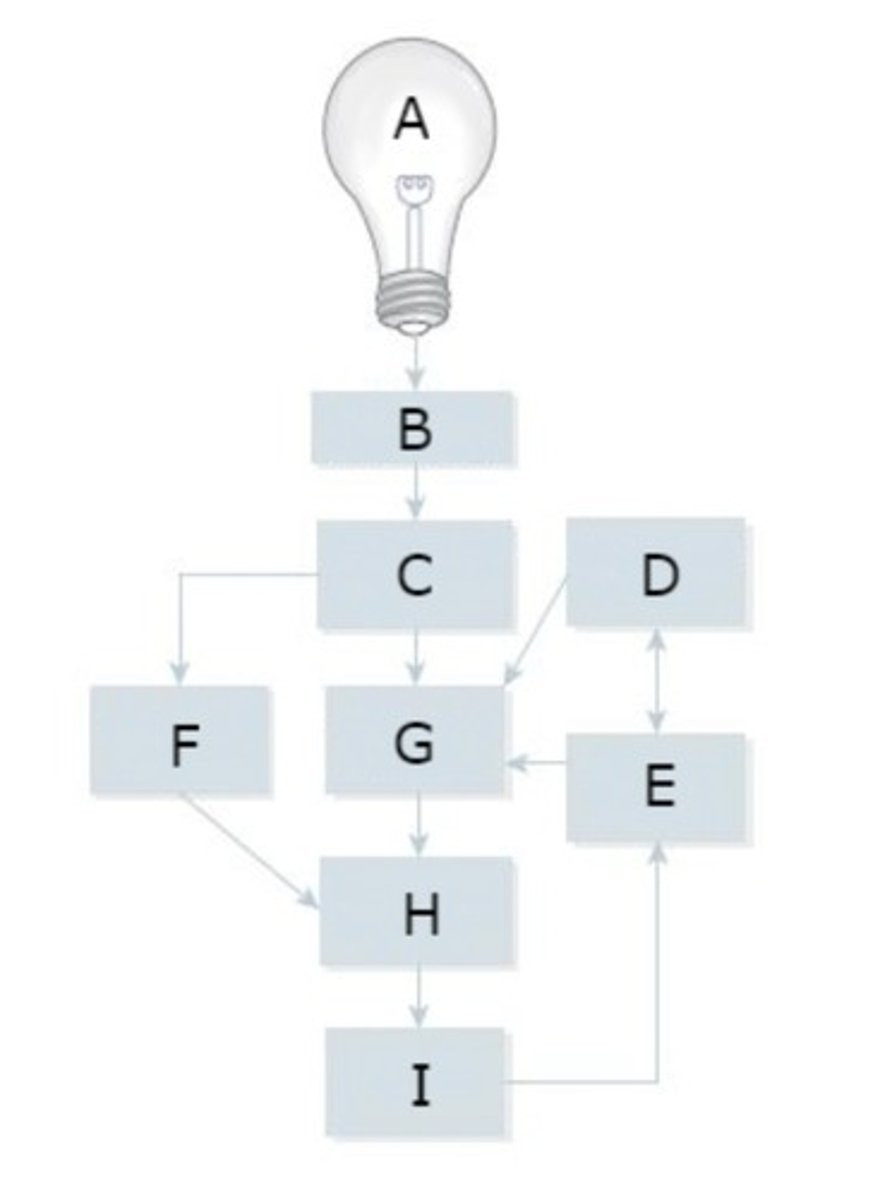
Sensory system
What is E?
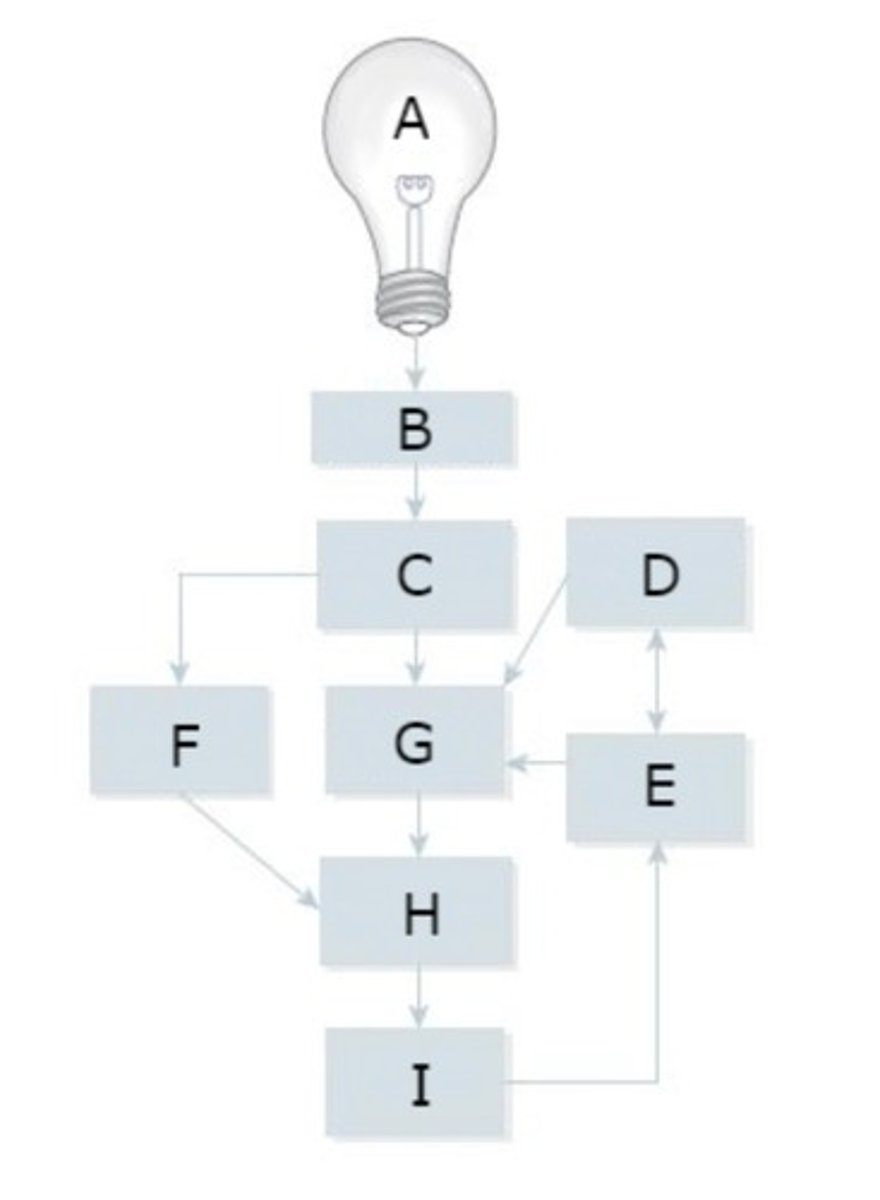
Direct motor pathway
What is F?
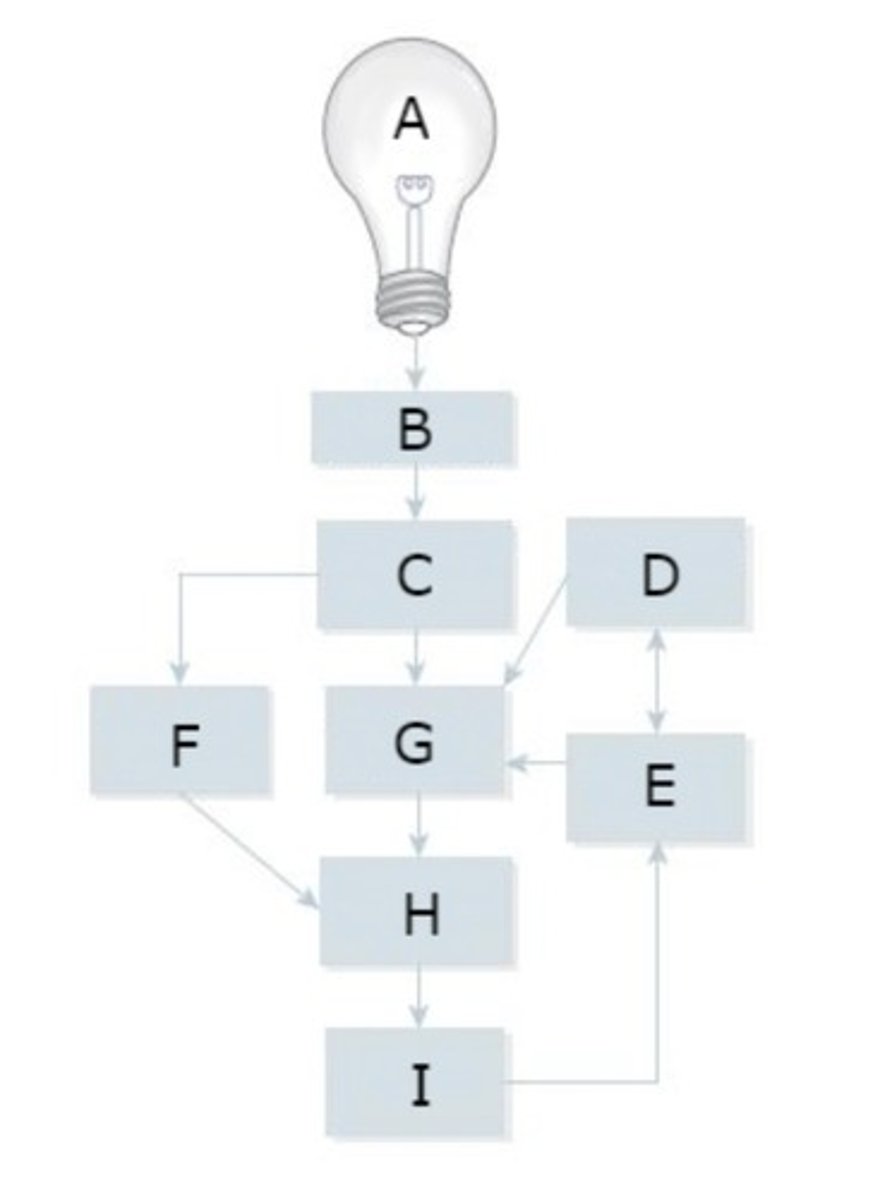
Indirect motor pathway
What is G?
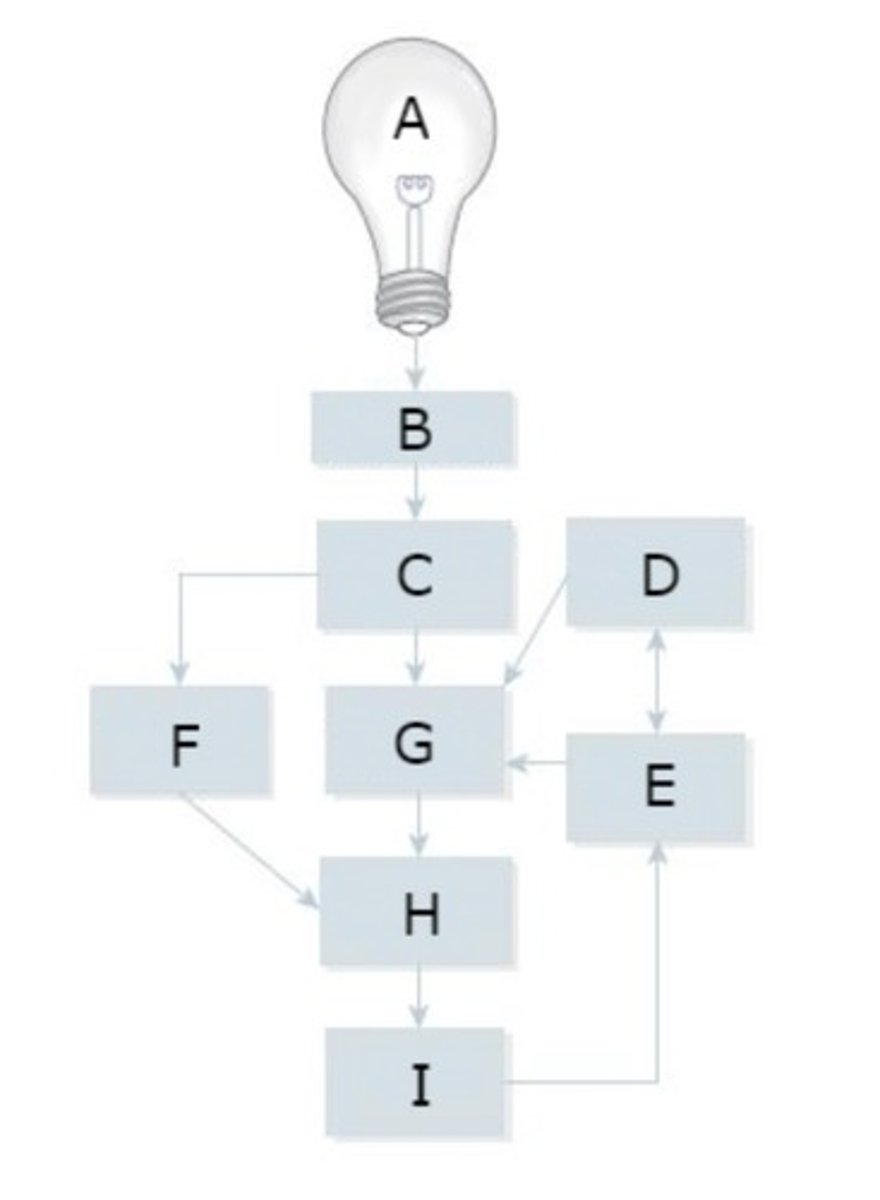
Final common pathway
What is H?
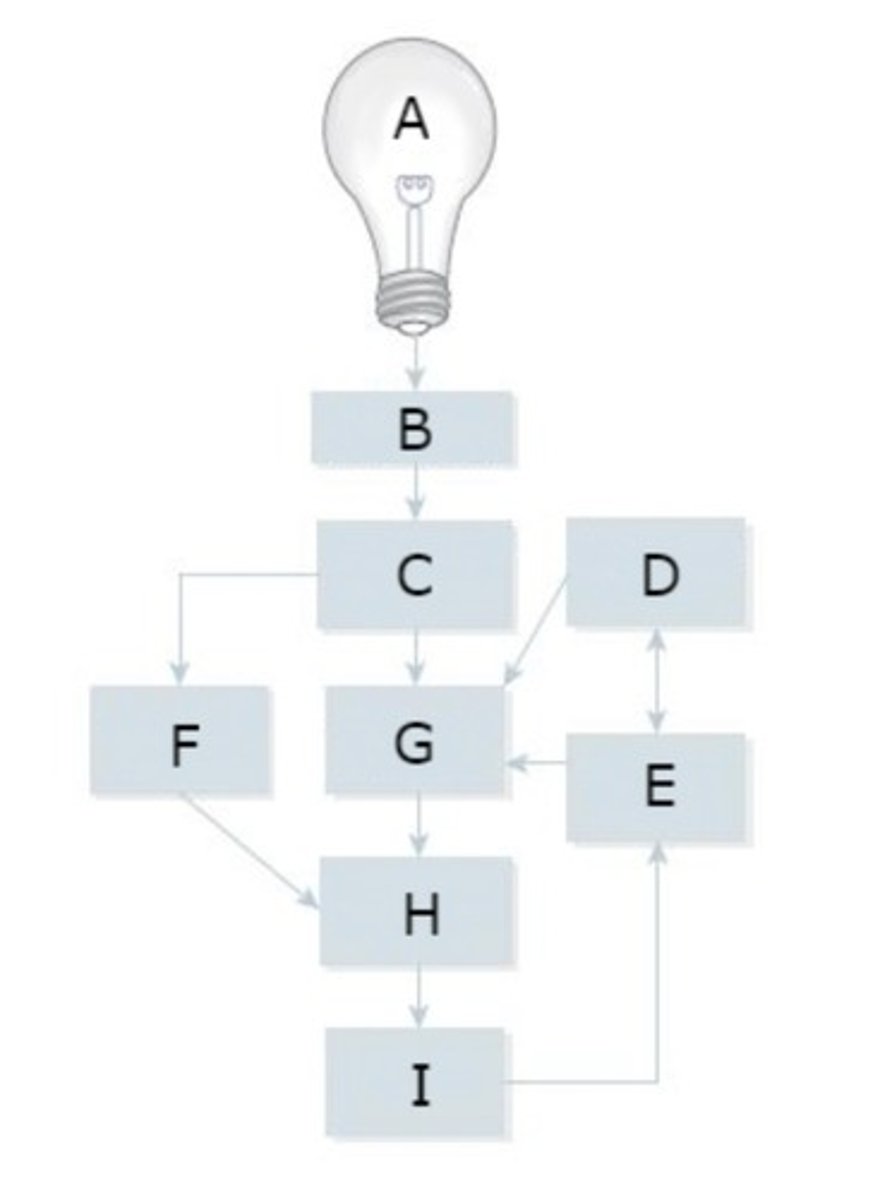
Speech
What is I?
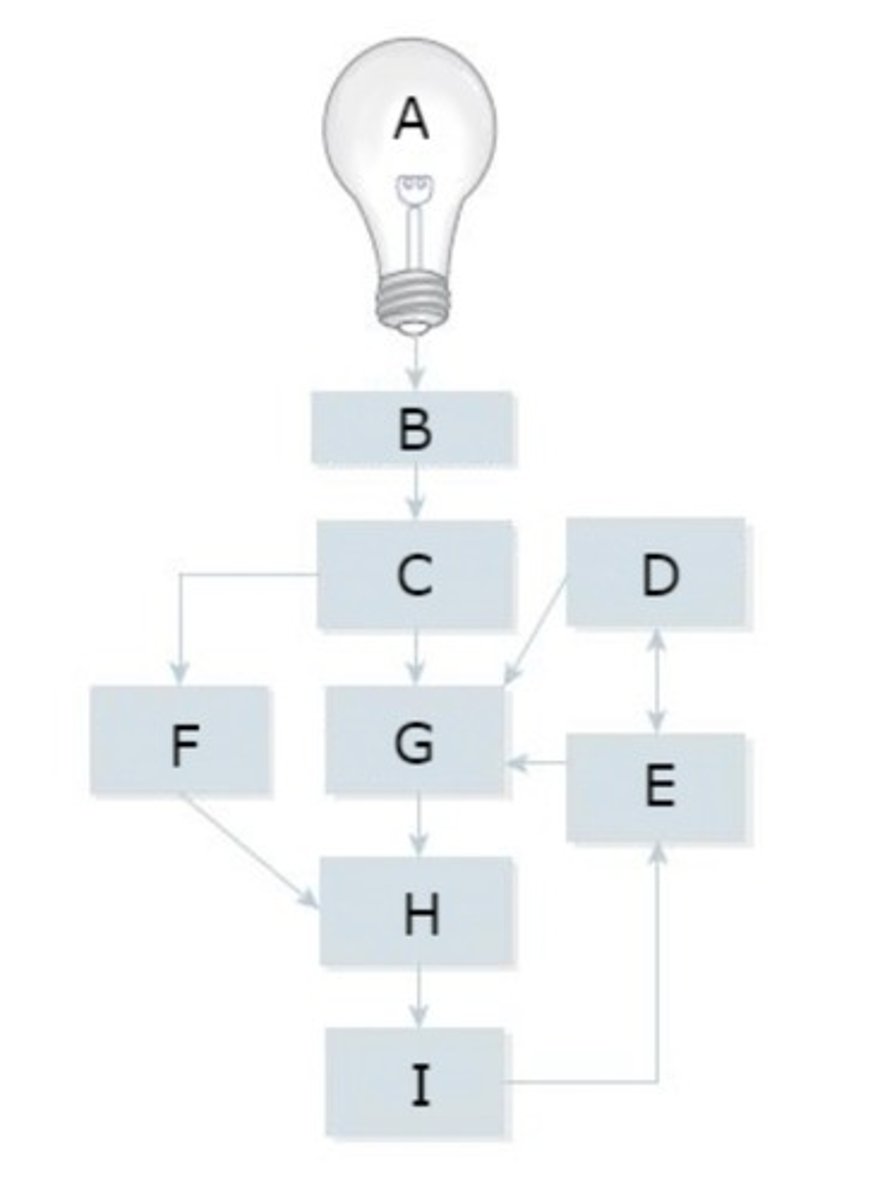
Which 2 of the following is a motor control circuit?
Basal ganglia circuit, cerebellar circuit
3 multiple choice options
A 3-year-old girl woke up with pain in her right leg. The child had no control of her right leg and could not walk. She was taken to the hospital and an exam revealed:
No voluntary movement in the right leg
Loss of tone (hypotonia) in leg muscles
Reflexes absent (hyporeflexia)
Labs revealed an acute viral infection - poliomyelitis
Is this upper or lower motor neuron damage?
Lower motor neuron damage
A 47-year-old women had a stroke while sleeping. When she awoke, her left arm and leg would not move, but she could talk. She was taken to the hospital. The exam revealed:
Weakness in upper and lower left limbs
Loss of sensation in upper and lower extremities
Reflexes present, but exaggerated (hyperreflexia)
MRI revealed a right CVA
Is this upper or lower motor damage?
Upper motor neuron damage
A type of dysarthria due to bilateral damage to upper motor neurons.
Spastic dysarthria
A type of dysarthria due to damage to cerebellar system. Characterized predominantly by articulatory incoordination
Ataxic dysarthria
A type of dysarthria due to extrapyramidal damage typically due to damage to the substantia nigra; associated with Parkinson's disease
Hypokinetic dysarthria
A type of dysarthria characterized by severe muscle weakness from diffuse brain damage; a combination of two or motor dysarthria types
Mixed dysarthria
A type of dysarthria due to extrapyramidal damage in the basal ganglia.
Hyperkinetic dysarthria
A type of dysarthria due to lower motor neuron damage
Flaccid dysarthria
The language region of the left hemisphere is known as what?
Perisylvian region
Aphasia is an acquired single-modality language disorder.
False
Which type of aphasia is the following describing: effortful speech with less than 100 words produced per minutes.
Non-fluent aphasia
1 multiple choice option
Which of the following does not fit into the category of a nonfluent aphasia?
Wernicke's Aphasia
2 multiple choice options
Which general category of alexia is a linguistic problem due to damage to the underlying reading system?
Central Alexia
1 multiple choice option
Which general category of agraphia is due to visuospatial processing and attentional problems?
Peripheral agraphia
1 multiple choice option
The oral preparatory stage of swallowing is an involuntary stage lasting approximately 1 second.
False
1 multiple choice option
The oral stage of swallowing is a voluntary stage lasting approximately 1 second.
True
1 multiple choice option
The pharyngeal stage of swallowing is a voluntary stage lasting approximately 3-5 seconds.
False
1 multiple choice option
The esophageal stage of swallowing is an involuntary stage that can last up to 20 seconds.
True
1 multiple choice option
Peristaltic waves are involuntary in nature and move what is eaten through the esophagus to the stomach.
True
1 multiple choice option
The swallowing center of the medulla includes both the nucleus tractus solitarius (NTS) as well as the nucleus ambiguous (NA).
True
1 multiple choice option
In what percentage of patients with dysphagia does silent aspiration occur?
One-third
In which stage of the swallow will patients experience "pocketing" of food in the cheeks?
Oral
In which stage of the swallow could patients experience weakness in the muscles of mastication and thus, difficulty chewing?
Oral preparatory
In which state of the swallow could patients experience achalasia?
Esophageal stage
In which stage of the swallow might a patient experience a delay or even an absence of a swallow?
Pharyngeal
Brainstem strokes often are the most debilitating type of stroke for swallowing, possibly resulting in the whole swallow response being absent.
True
1 multiple choice option
Patients with multiple sclerosis (MS) have mastication problems due to muscle rigidity in the oral preparatory stage with the rigidity being caused by a lack of dopamine in their nervous systems.
False
1 multiple choice option
In which condition below might swallowing be impaired by chorea?
Huntington's disease
In which condition below will swallowing become progressively impaired to the point of being absent, but then will return as patients recover?
Guillain-Barre Syndrome
Cervical spinal cord injury does not involve impairment to the swallowing mechanism.
False
1 multiple choice option
Cognition is the mental process of what?
Knowing
3 multiple choice options
Reading the newspaper while simultaneously writing down your roommate's grocery list is an example of what kind of attention?
Divided attention
3 multiple choice options
Maintaining your attention as you study for exam while ignoring your loud, gossiping roommate and his/her music is an example of what kind of attention?
Selective attention
3 multiple choice options
If I began to tell you the story of my honeymoon to Europe, what kind of memory would I be using?
Episodic memory
3 multiple choice options
If I recited the Pledge of Allegiance to you, what type of memory would I be using?
Semantic memory
3 multiple choice options
The medial temporal lobe (hippocampus) is crucial for what type(s) of memory? Note: there may be more than 1 correct answer.
Episodic, semantic
3 multiple choice options
We can see our executive functions in action when we make goals for our week and develop action plans for accomplishing those goals.
True
1 multiple choice option
Which of the following involves holding back behaviors that might prove to be socially inappropriate and even embarrassing?
Restraint
2 multiple choice options
Right hemisphere disorder leads to deficits in which of the following two areas?
Communication, cognition
1 multiple choice option
Aprosody in right hemisphere disorder is what kind of communication problem?
Extralinguistic
1 multiple choice option
Denial of deficits is a known feature of right hemisphere disorder and is known by the term...
Anosognosia
When a patient with right hemisphere disorder looks at a picture and attempts to tell a story about it, is the patient's emphasis on the whole or the details?
The details
1 multiple choice option
In traumatic brain injury, all levels of attention and both declarative and nondeclarative memory can be affected.
True
1 multiple choice option
What type of memory is preserved in dementia?
Nondeclarative memory
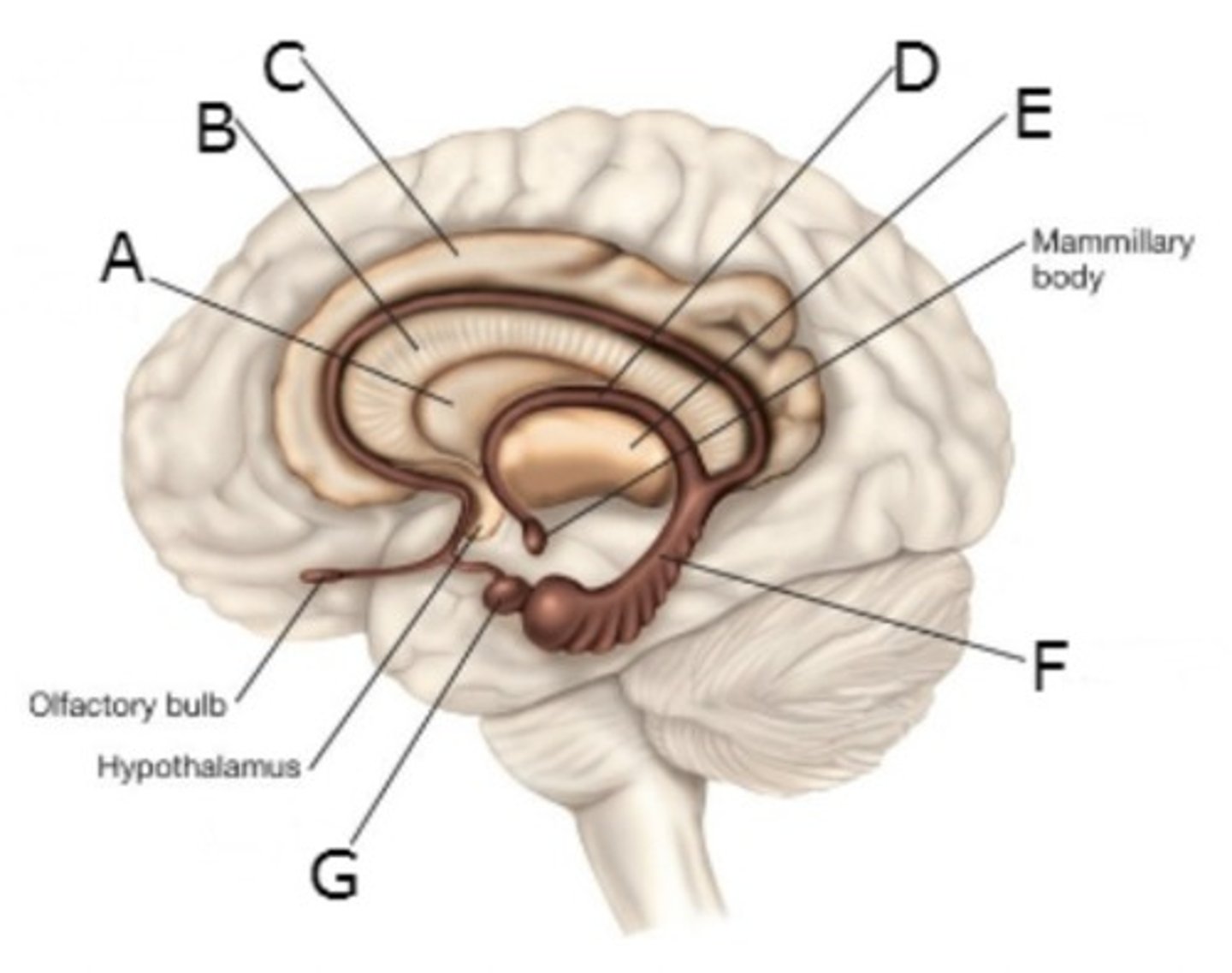
Septum pellucidum
What is A?
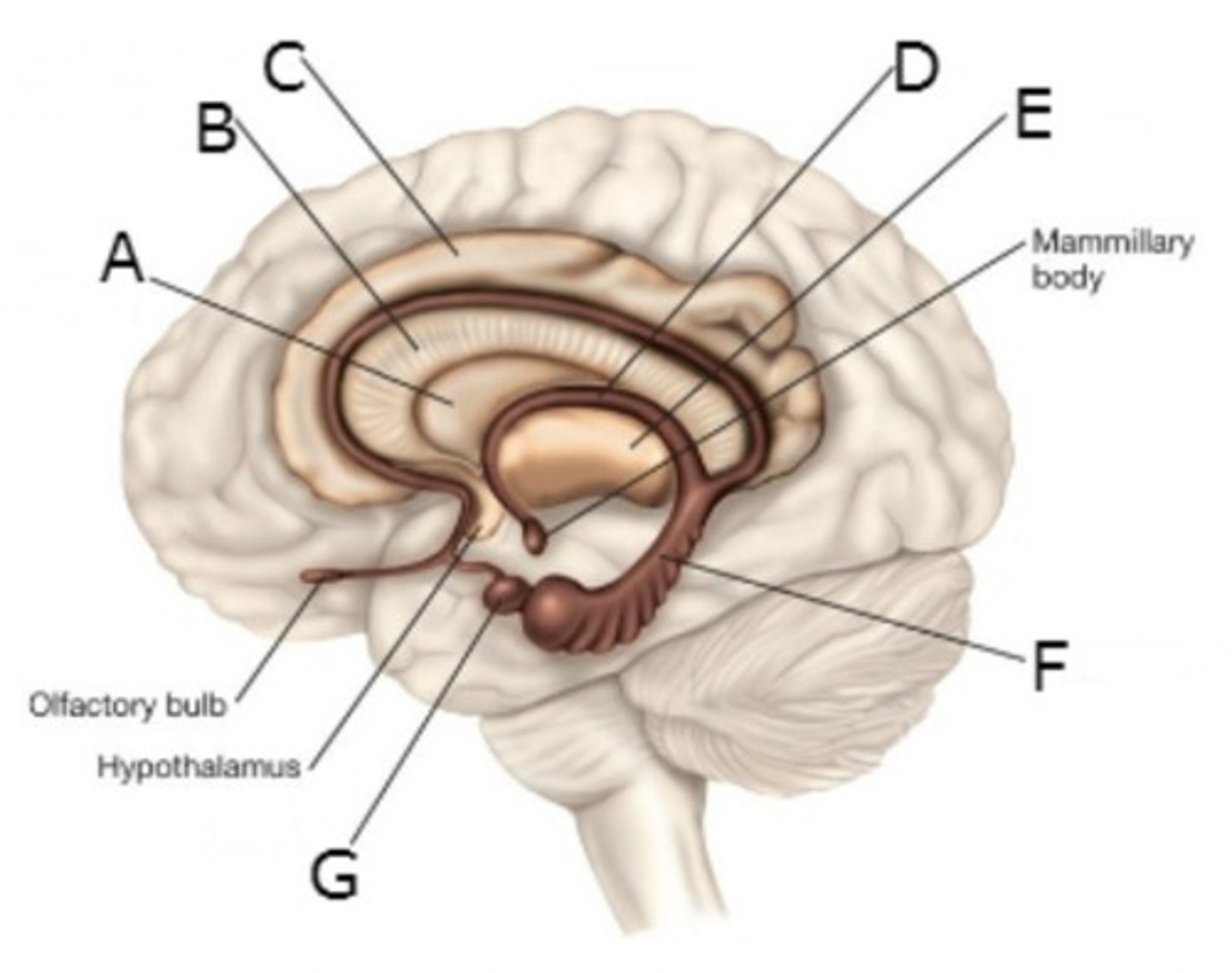
Corpus callosum
What is B?
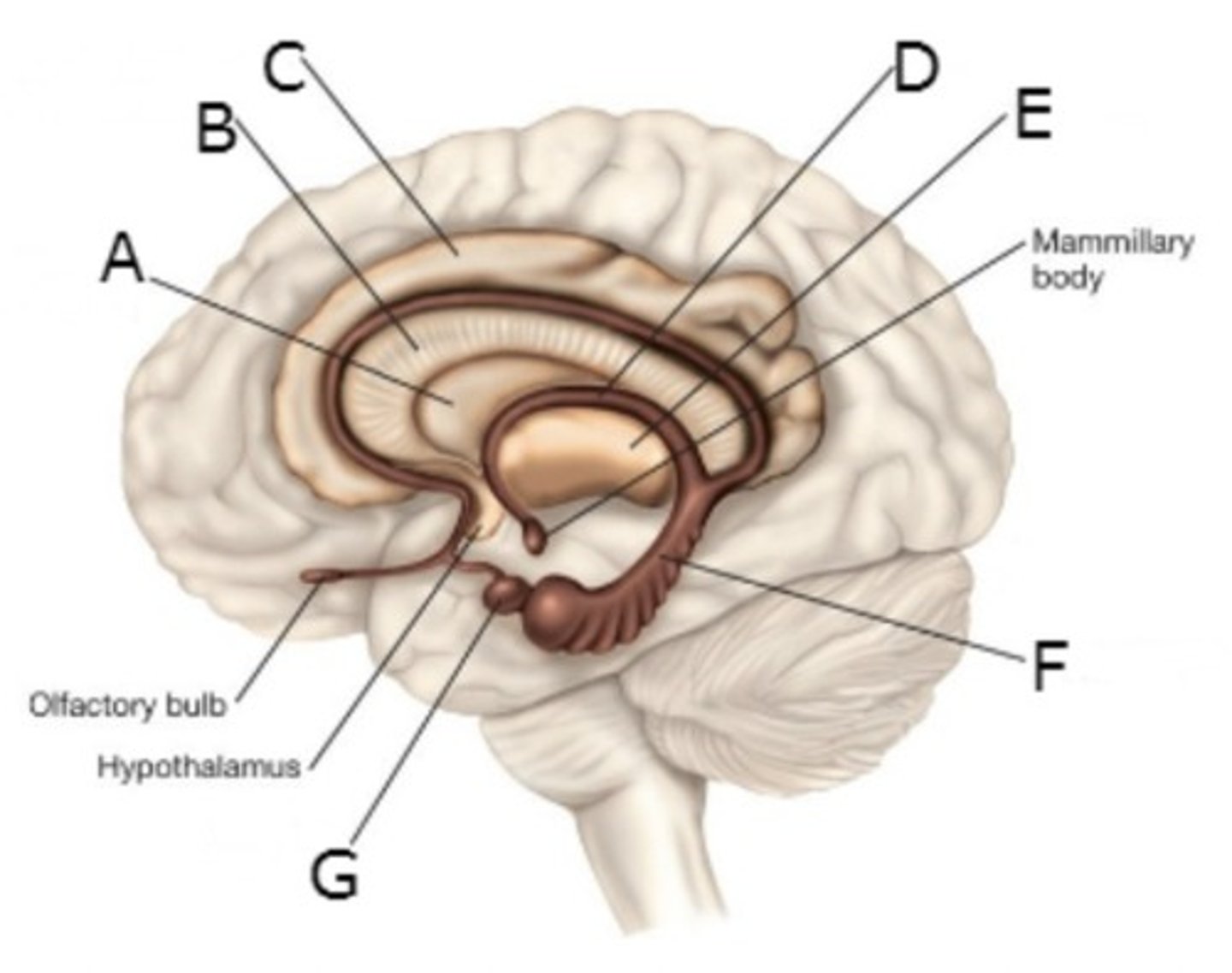
Cingulate cortex
What is C?
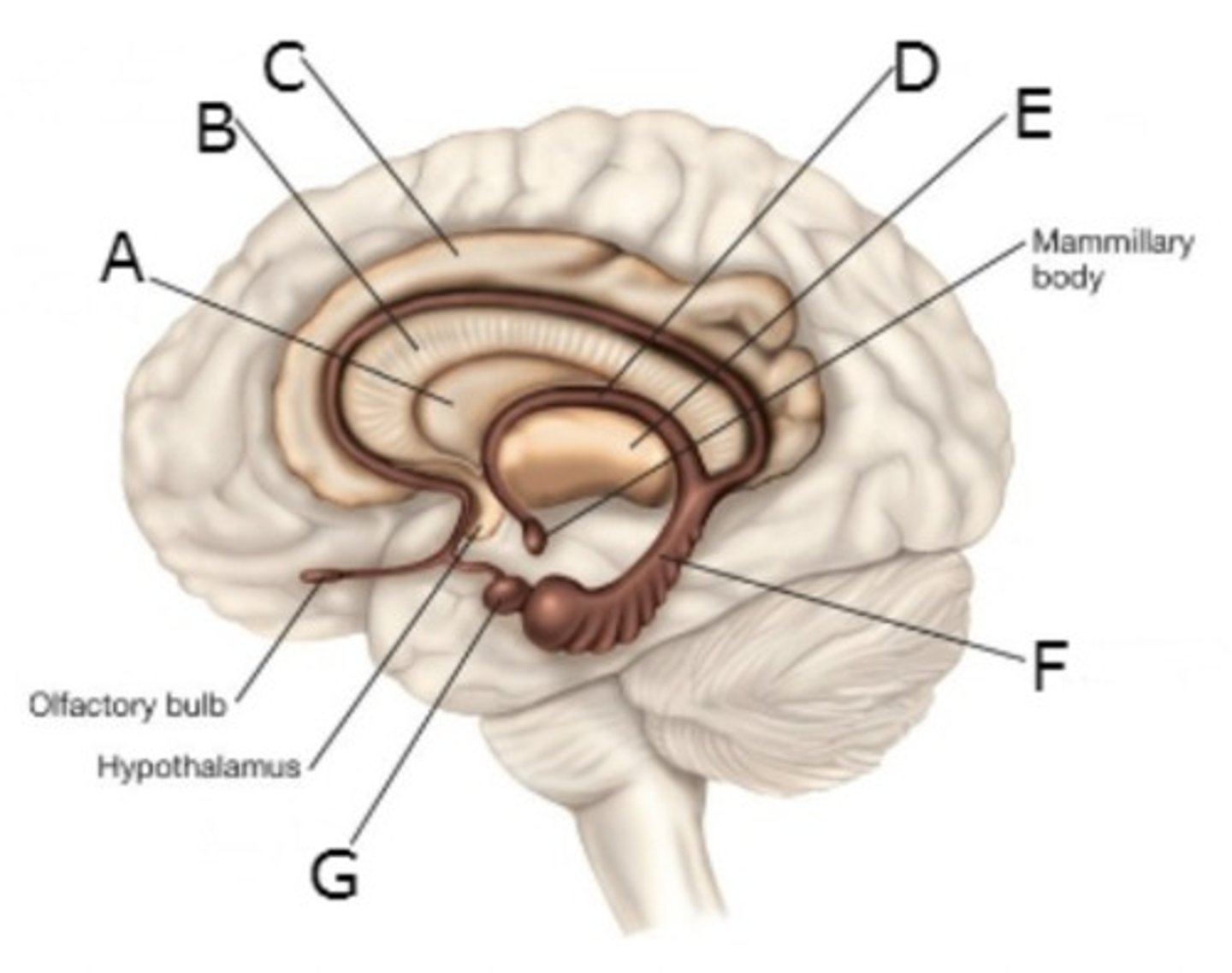
Fornix
What is D?
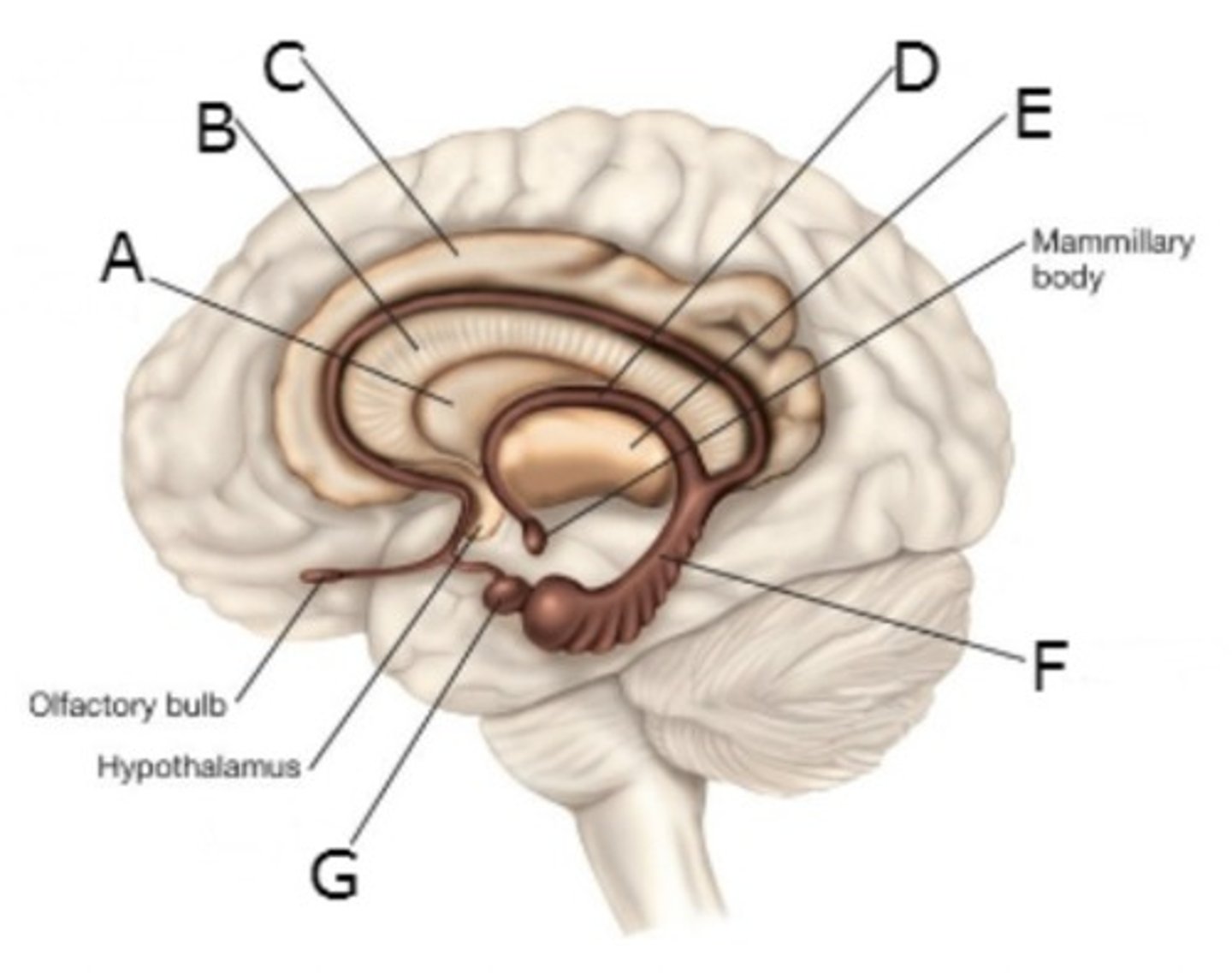
Thalamus
What is E?
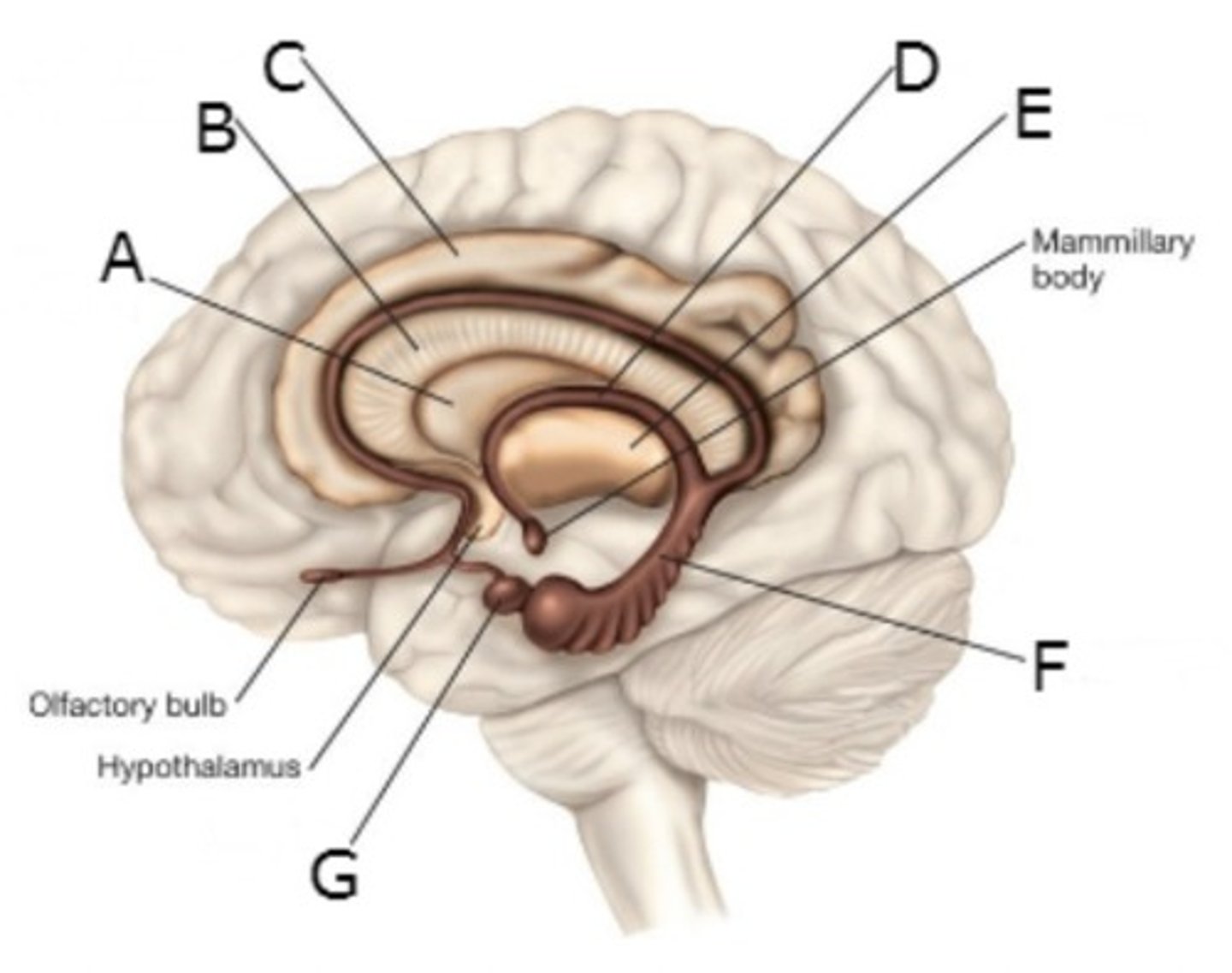
Hippocampus
What is F?
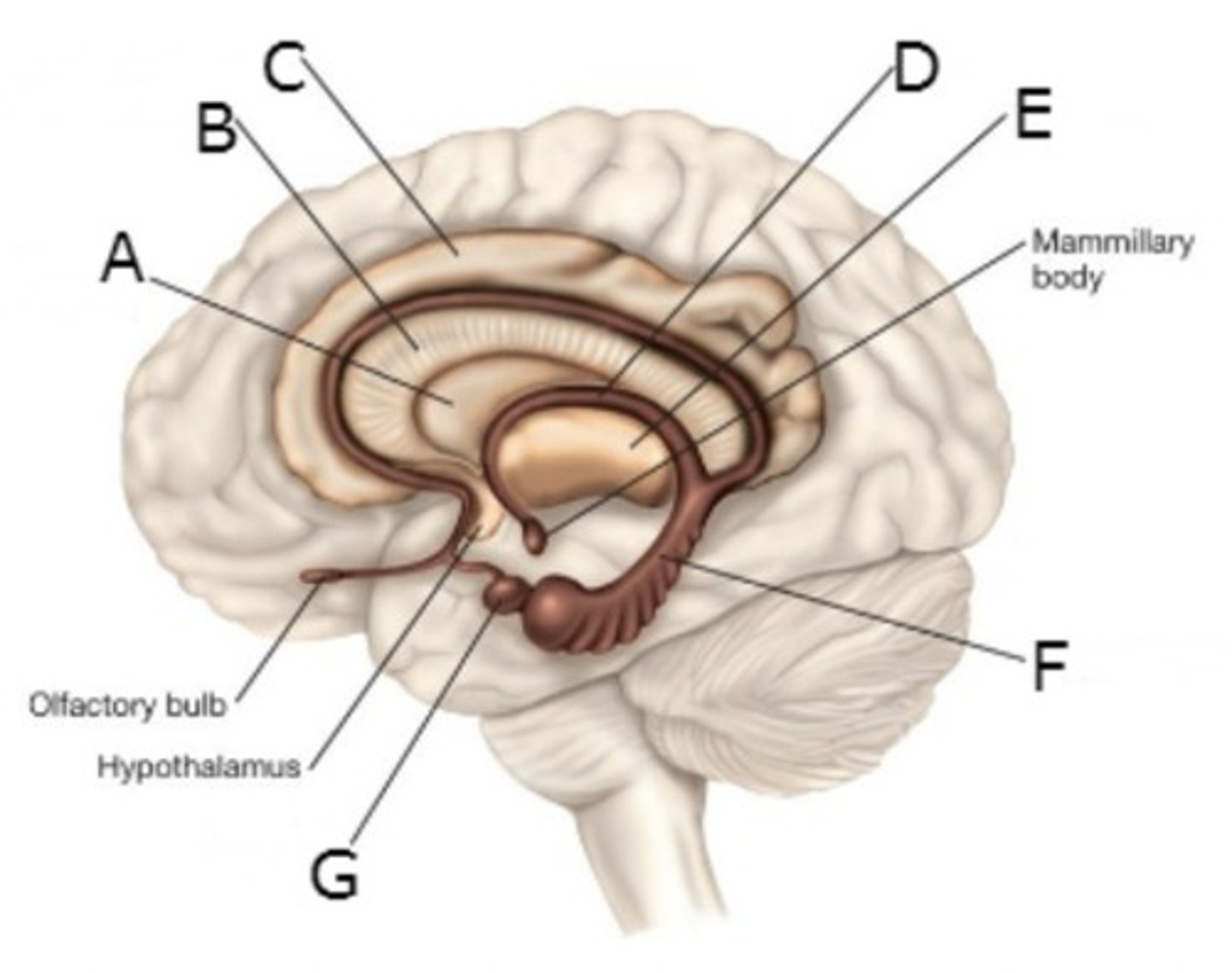
Amygdala
What is G?
The ____________ formation is a nerve network that travels through the brainstem and thalamus and plays an important role in controlling arousal.
Reticular
PVS
no purposeful response to stimuli, brainstem reflexes present, sleep/wake cycle present, severely depressed EEG patterns
3 multiple choice options
Coma
no purposeful response to stimuli, brainstem reflexes present, no sleep/wake cycle, severely depressed EEG patterns
3 multiple choice options
MCS
purposeful response to stimuli at times, brainstem reflexes present, sleep/wake cycle present, variable EEG patterns
3 multiple choice options
Brain death
no purposeful response to stimuli, no brainstem present, no sleep/wake cycle, flat EEG patterns
3 multiple choice options
There is significant overlap between the neurological exam that a neurologist performs with the neurological exam that a speech-language pathologist performs.
True
1 multiple choice option
Which of the following is a symptom?
"I have a headache"
3 multiple choice options
Which term means "a movement disorder"?
Dyskinesia
If I asked you to say "pa-ta-ka" as fast as possible, what would I be testing?
Diadochokinetic rate
Paralysis on one side of the body is called what?
Hemiplegia
If I asked you questions, like, "What is your name?" and "Why are you here today?" what would I be testing?
Mental status
If a patient said, "I have ringing in my ears," what would s/he be describing?
Tinnitus
What term means "slowed movement"?
Bradykinesia
Rhythmic shaking is known as what?
Tremors
Which term below means "a loss of sensation"?
Anesthesia
 Note
Note  Flashcards (33)