18. Conservation Biology
 Call Kai
 Learn
Learn Practice Test
 Spaced Repetition
 Match
Match Flashcards
 Knowt Play
1/48

There's no tags or description
Looks like no tags are added yet.
Name | Mastery | Learn | Test | Matching | Spaced | Call with Kai |
|---|
No analytics yet
Send a link to your students to track their progress
49 Terms
Threats to Biodiversity
Humans are threatening Earth's Biodiversity
Rate of species extinction are difficult to determine under natural conditions
The high rate of species extinction is largely a result of ecosystem degradation by humans
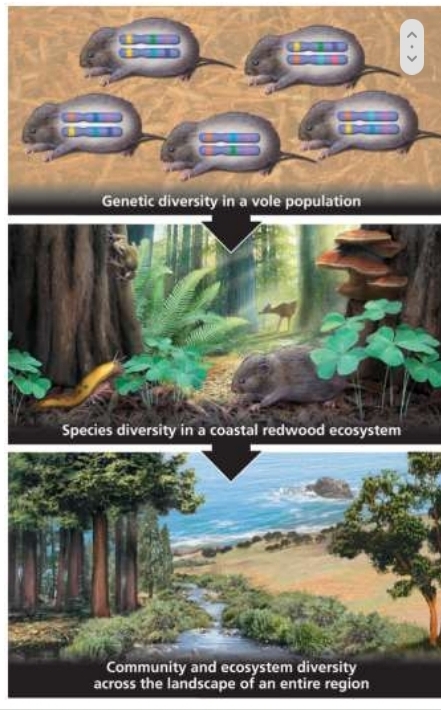
3 levels of Biodiversity
Genetic diversity
Species Diversity
Ecosystem Diversity
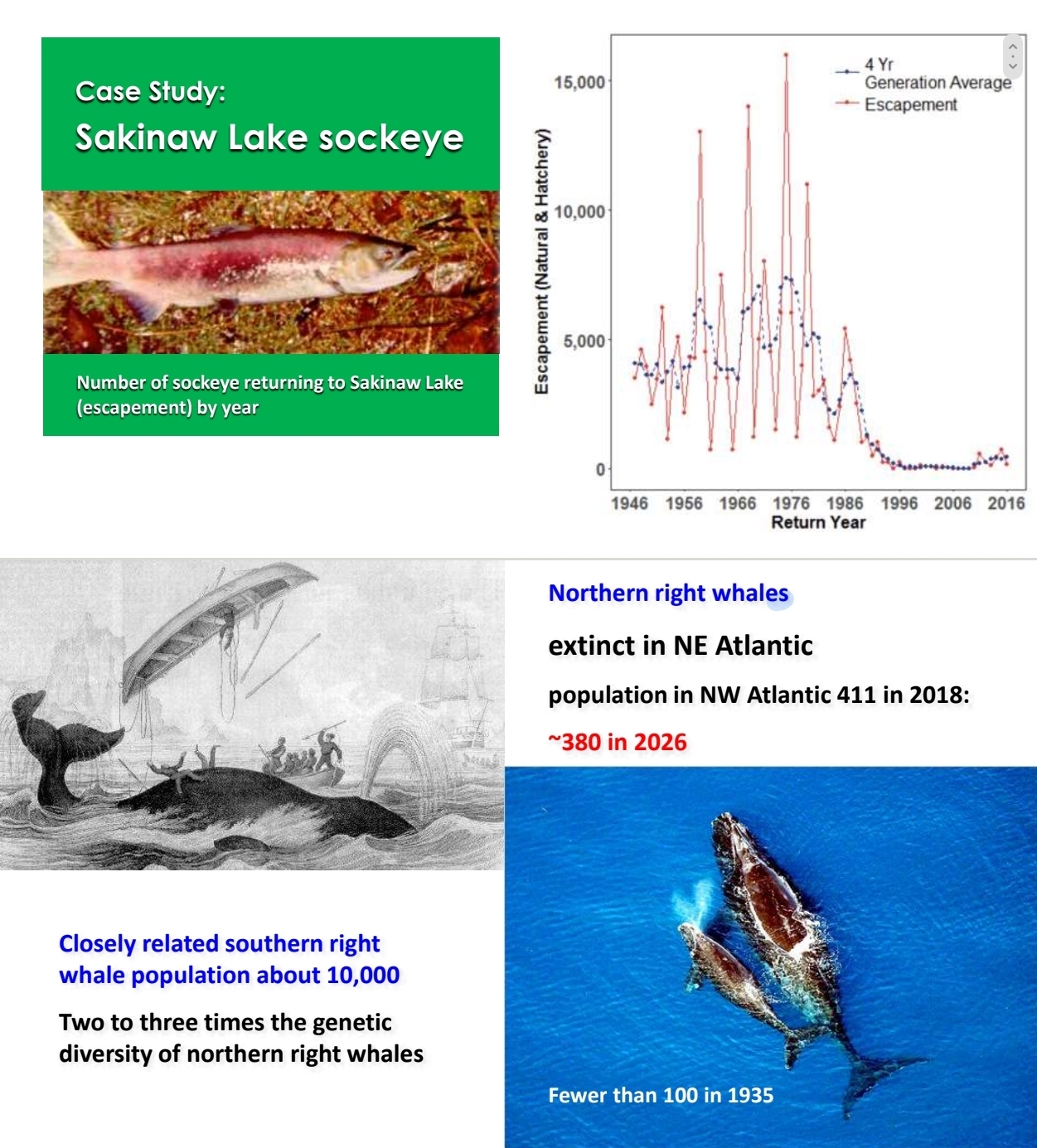
Genetic Diversity
Genetic Diversity is the genetic variation within a population b/w populations
but loss of genetic diversity has been seen all over the world
e.g. Sakinaw Lake sockeye salmon
The population declined from 5k in the 1980s to 0 in 2007
Species diversity
the variety of species in an ecosystem or throughout the biosphere
however conservation biologists are concerned about the species loss b/c of alarming statistics regarding extinction and biodiversity
globally, 12% of birds, 20% of mammals and 32% of amphibians are threatened with extinction
COSEWIC
Committee on Status of Endangered Wildlife in Canada
This is an independant advisory panel to the Minister of Environment and Climate Change Canada that meets twice a year to assess the status of wildlife species at risk of extinction
-Members are wildlife biology experts from academia, government, non-governmental organizations and the private sector responsible for designating wildlife species in danger of disappearing from Canada
Why was COSEWIC created?
COSEWIC was created under the Species at Risk Act (SARA) in 2003
it makes recommendations to the Minister who makes the final decision on the recommendations
The process is controversial as the Minister does not always accept the COSEWIC recommendations to add species to the list of protected species under SARA
In June 2017 there were 517 species of plants and animals listed under SARA in Canada
Example of COSEWIC recommendation being rejected
Minister Stephane Dion did not accept the reccomendation for an emergency listing of Sakinaw and Cultus Lake Sockeye in Oct 2004
the justification was that it would have too big of an economic impact on the sockeye salmon fishery
COSEWIC Definition of Endangered
A wildlife species facing imminent extirpation or extinction
COSEWIC Definition of Threatened
A wildlife species that is likely to become endangered if nothing is done to reverse the factors leading to it's extirpation or extinction
COSEWIC Definition of Exirpated
A wildlife species that longer exists in the wild in Canada, but exists elsewhere
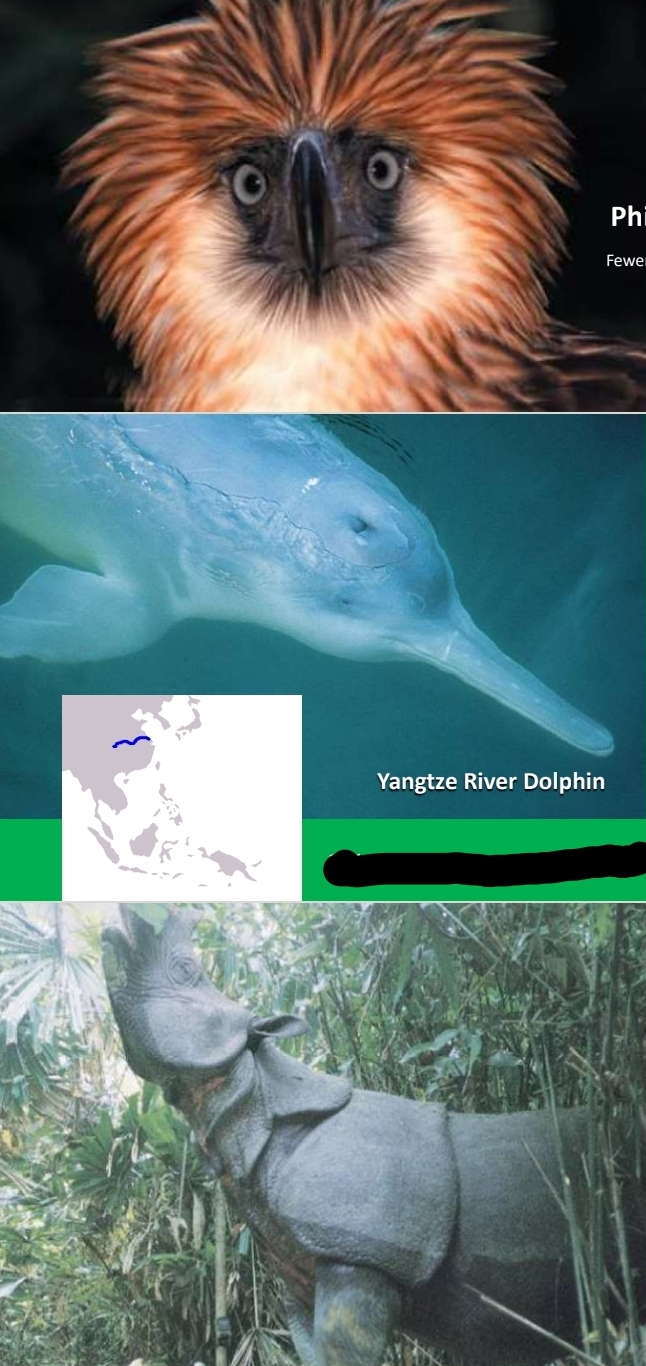
Some Examples of Extinct/Exirpated/Endangered Species as of 2026
Philliphine Eagle - Fewer than 400 pairs
Yangtse River Dolphin - declared functionally extinct in 2006; sighting reported in 2016
Javan Rhinoceros - 50-76 surviving in Indonesia
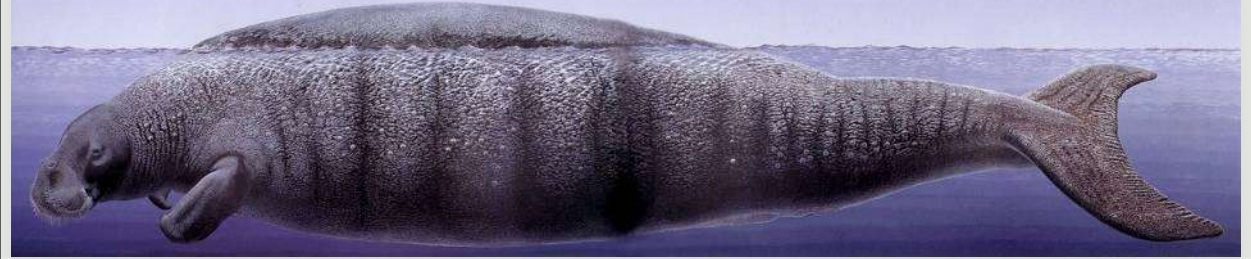
Human caused Endangerment/extinction: Stellar sea cow
Hunted to extinction in 1768
Close relative of manatees that grew to 11m long, found in the Bering Sea
Found by the Europeans in 1741
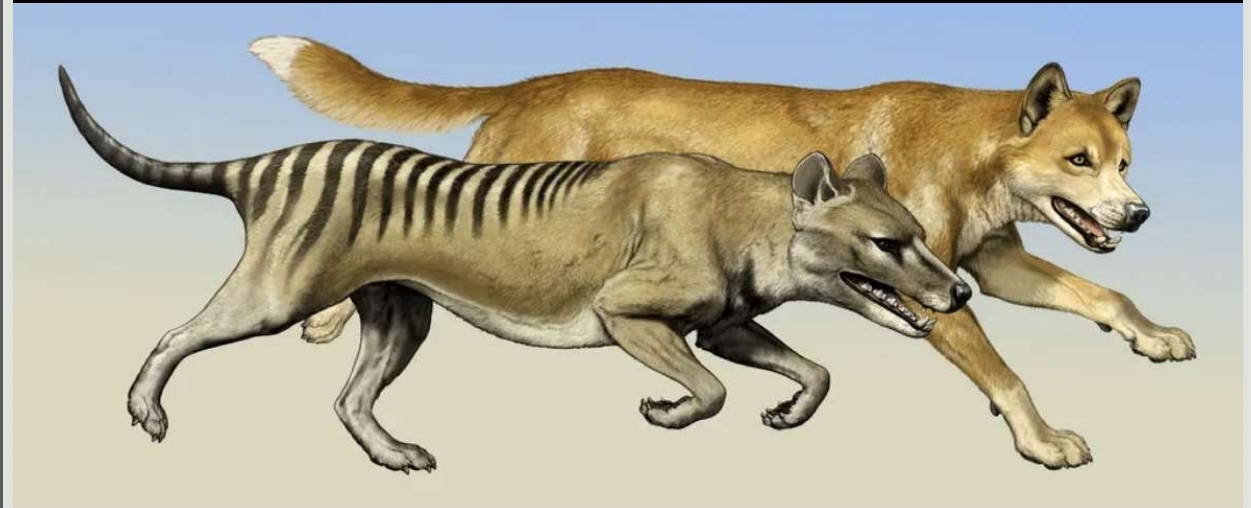
Human caused Endangerment/extinction: Thylacine/Tasmanian Tiger
A marsupial ‘wolf' last seen in wild in 1932
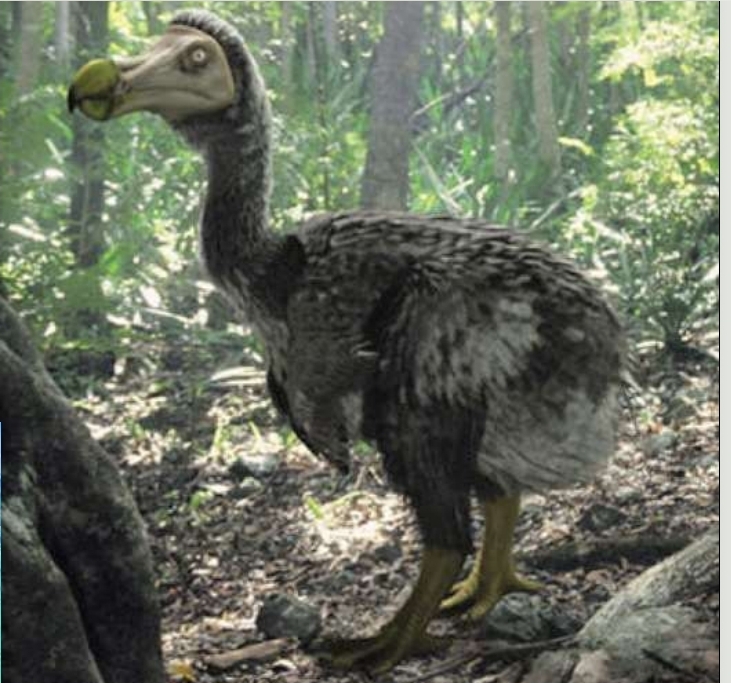
Human caused Endangerment/extinction: Dodo
found by the Europeans on Mauritius around 1600; Extinct 80-110yrs later
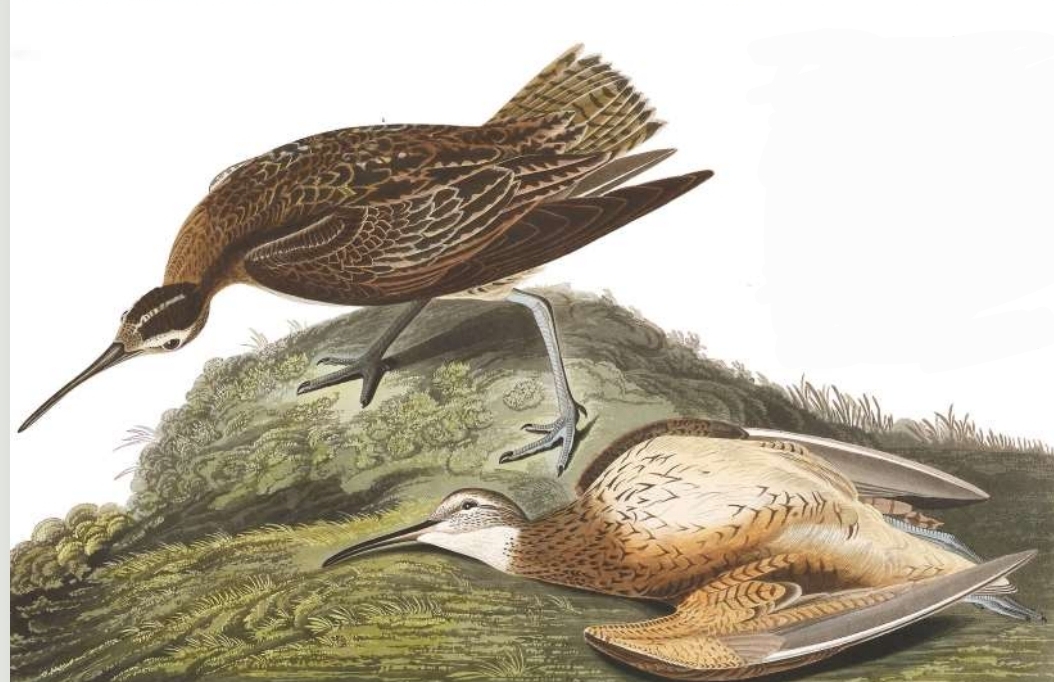
Human caused Endangerment/extinction: Eskimo Curlew
One of the most common shorebirds in North America. 2 mil of them were harvested annually → very likely to be extinct now
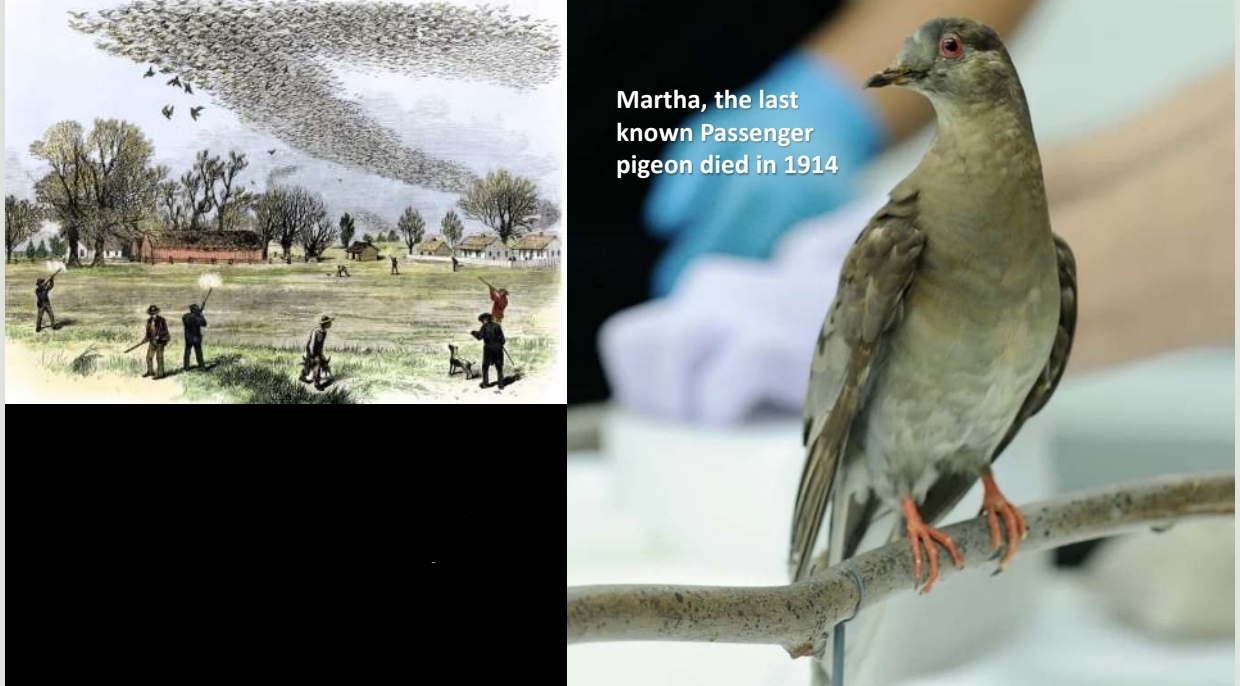
Human caused Endangerment/extinction: Passenger Pigeon
Est. population to be 3-5 mil, most abundant bird in the world. Went extinct in 1914
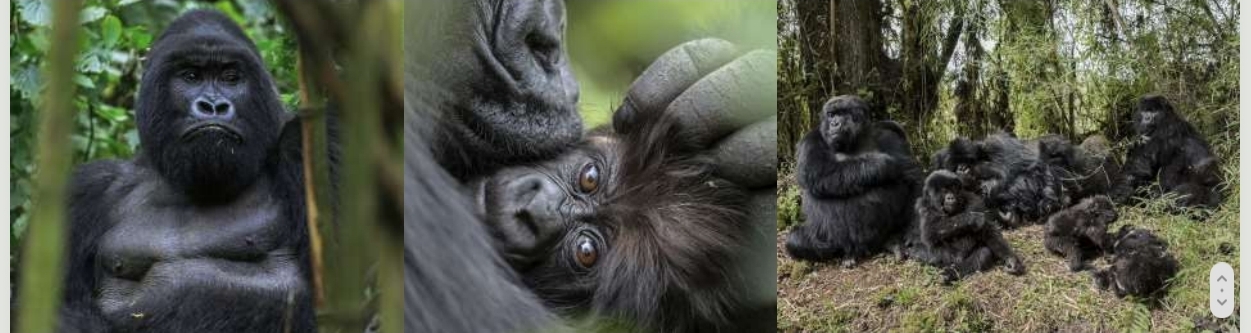
Human caused Endangerment/extinction: Mountain Gorilla
Our closest living relatives. Only 620 in 1989 → inc to 1063 - 1080
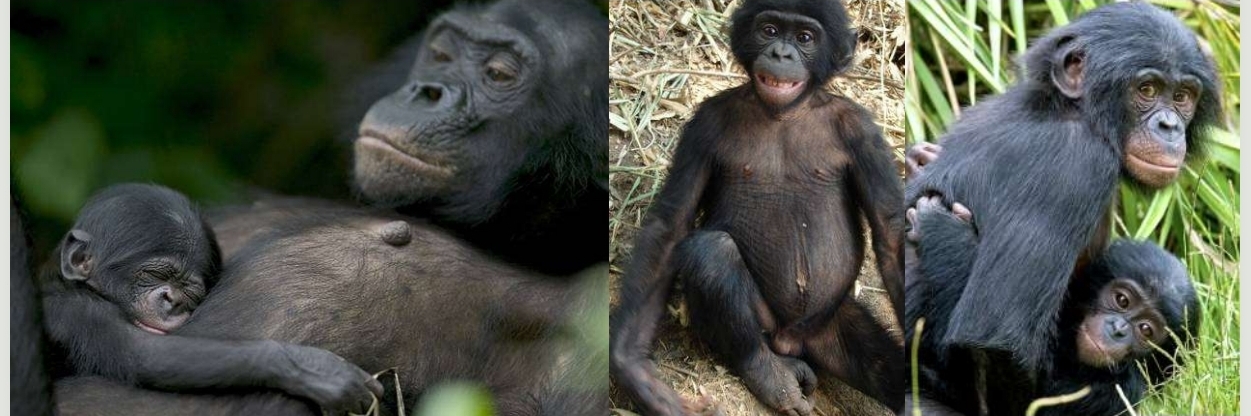
Human caused Endangerment/extinction: Bonobo
DNA similarity of 98% with humans. Howber only 15-20k remaining due to the bush meat trade & habitat loss
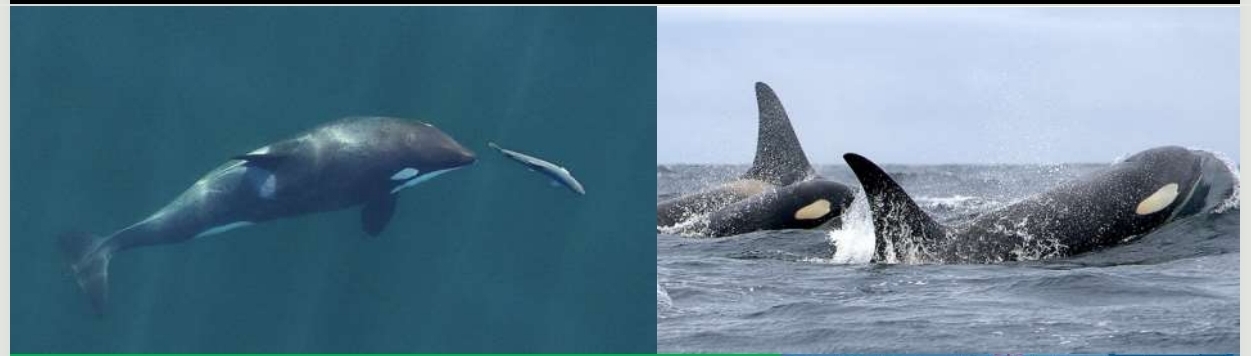
Human caused Endangerment/extinction: Southern Resident Killer Whales
Orcas that are found on the Pacific coast of Canada that are endangered
The chief threat is the losse of their primary prey, chinook and chum salmon
They are the center of the controversy over the expansion of the Transmountain pipeline that will increase oil tanker traffic in Salish Sea
Onl 74 left in 2025
Success Stories
Whooping Cranes - 1914: 15 → 2026: ~830
California Condor - 1982: 22 → 2025: ~560
Ecosystem Diversity
The variety of ecosystems in the biosphere
Human activity is reducing this
More than 50% of wetlands in the contiguous United States have been drained and converted into other ecosystems
This causes exacerbated flooding
Benefits of species and genetic diversity
In United states, 25% of prescriptions contain substances originally derived from plants
e.g. the rosy periwinkle contains alkaloids that inhibit cancer growth
Digitails (digtoxin) is derived from the common foxglove plant, which is used to treat congestive heart failure
e.g. Endangered Marianas flying fox bat → an important pollinator in the Samoan islands
Ecosystem Services
this encompasses all the processes through which natural ecosystems and their species help sustain human life
includes:
Purification of air and water
Detoxification and decmposition of wastes (done by cattails)
Cycling of nurtients
Moderation of weather extremes (forests)
Wetlands help prevent flooding and remove pollutants
Cattail Ecosystem Service
Cattails aid in capture nutrients such as phosphorus and heavy metals
They can be harvested to produce biofuels that replace fossil fuels
3 Main threats to Biodiversity
Habitat Destruction
Introduced species
Overexploitation
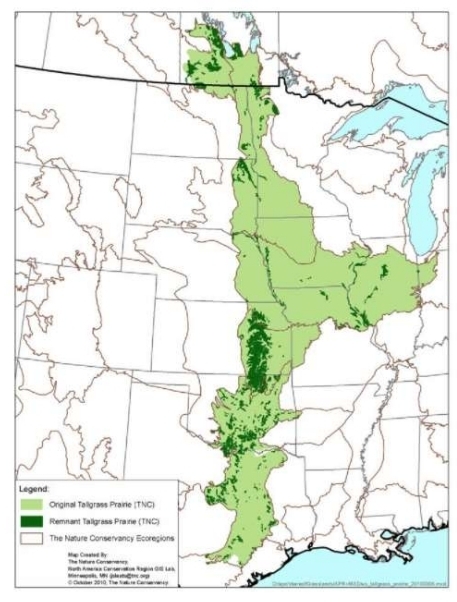
Habitat Destruction/Loss
Human alteration of habitat is the greatest threat to biodiversity throughout the biosphere
In almost all cases, habitat fragmentation and destruction lead to loss of biodiversity
e.g. in Manitoba, tall grass prairie occupies <0.1% of it's original area; about 1% left from it's entire rand (texas-manitoba)
e.g. about 93% of coral reefs have been damaged by human activities
Introduced Species
Introduced species are those that humans move from native locations to new geographic regions
w/o their native predators, parasites and pathogens, introduced species may spread rapidly
they essentially take over
Introduced species that gain a foothold in a new habitat usually disrupt their adopted community
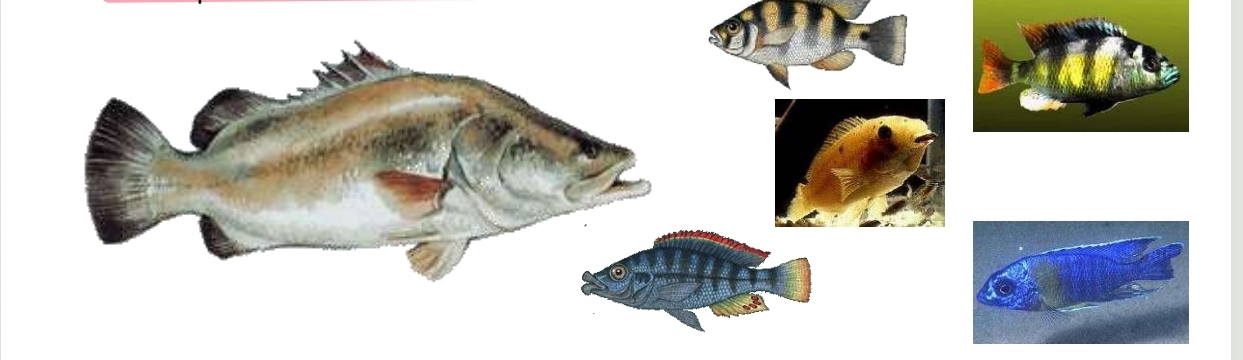
Introduced Species: Lake Victoria Cichilds
Intoduction of the Nile Perch has resulted in the extinction of 200 of the 300 cichild species in Lake Victoria (because it ate all of them)
Introduced Species: Invasive Carp
The common carp in the minnow family Cyprinidae is native to Eurasia → they are ecological vandals
Includes:
They destroy aquatic vegetation
release sequestered nutrientes
outcompete native species
make water more turbid and less productive (ecosystem engineers)
it releases the phosphorus in the dirt
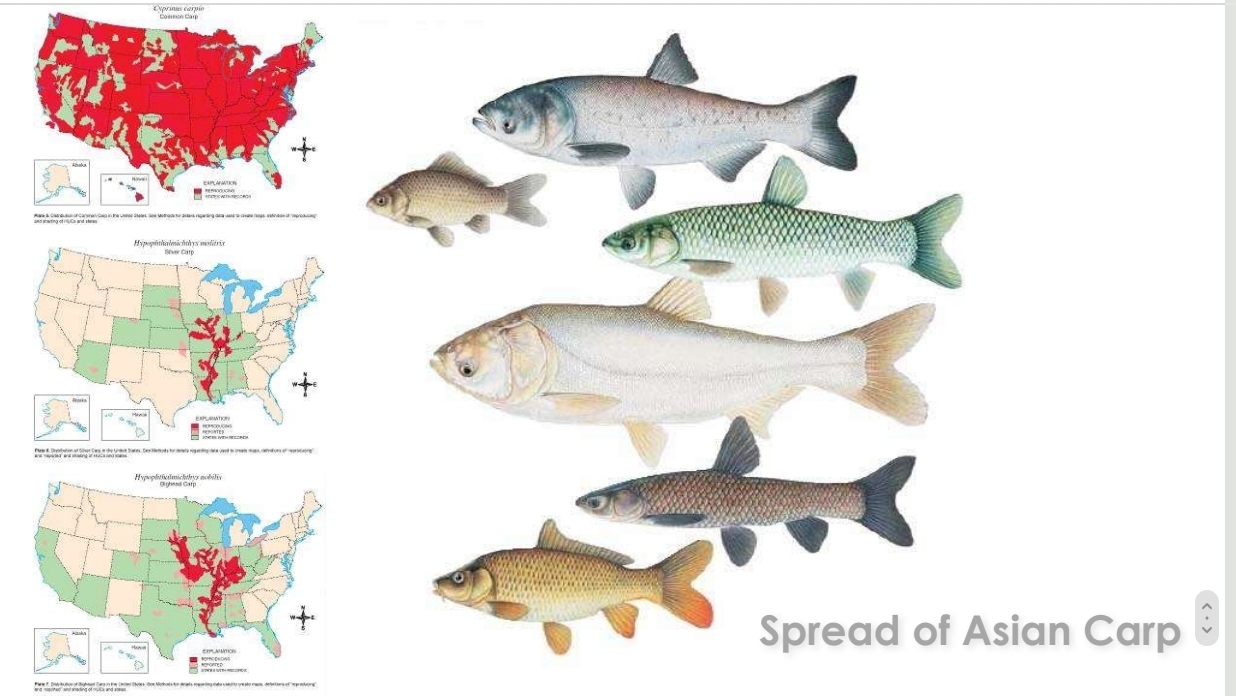
Introduced Species: Carp Introductions
Common carp brought into the US in 1831 has now been established acroos most of North America
They were introduced into Manitoba in 1886
by the mid 20th centrury they were abundant in souther Manitoba
Asian carp escaped from aquaculture ponds in Arkansas on the Mississippi in the early 1970s
They have now made their was as far north as the Great Lakes and Minnesota
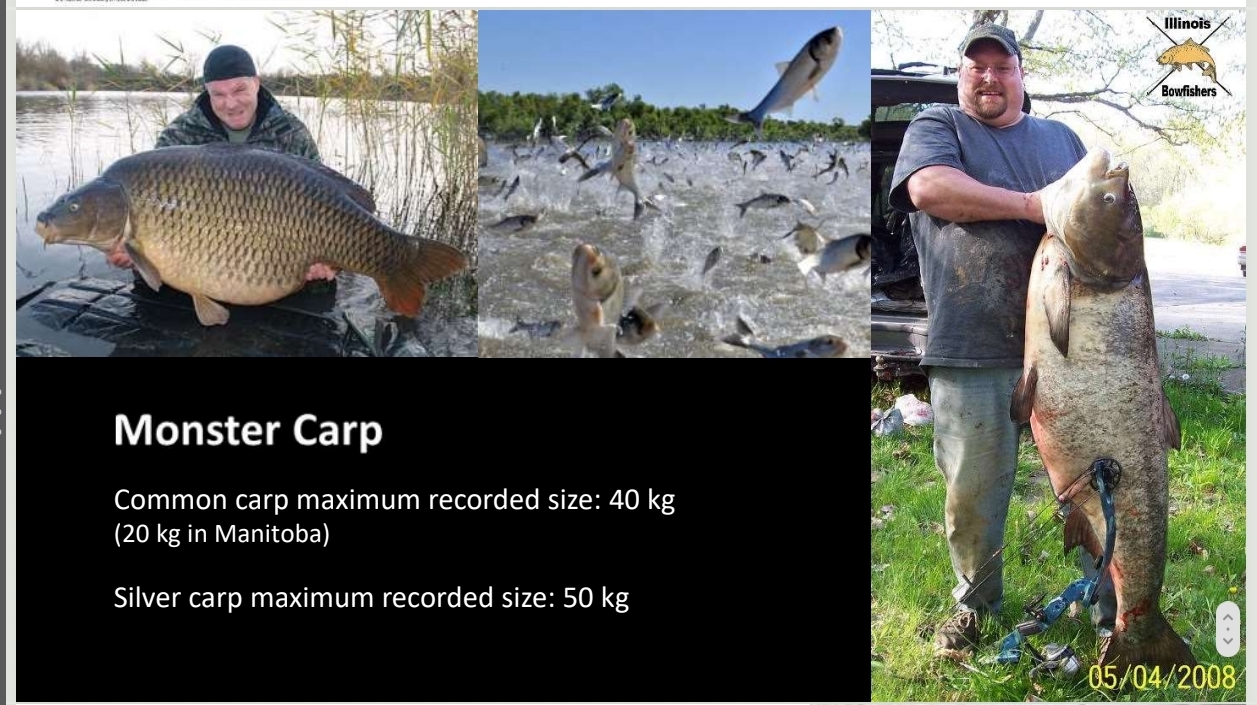
Introduced Species: Monster Carp
Common carp maximum record size was 40kg (20kg in MB)
Silver carp maximum recorded size was 50kg
Introduced Species: Zebra Mussels
Dreissenid (zebra) mussels are native to lakes in southern Russia
They were accidentally introduced into eastern North America in the 1980s
They have spread rapidly across the United States and Canada, reaching Lake Winnipeg in 2013
They alter the aquatic ecosystem radically by filtering out all the nutrients
Overexploitation
When human harvesting of wild plants or animals at trates exceeding the ability of populations of those species to rebound
e.g. overexploitation by the fishing industry has greatly reduced populations of some game fish (such as, bluefin tuna and other large predators such as sharks
Overexploitation: Shark finning
Many sharks were harvested for their fins only: the remainder of the carcass is discarded
this became a banned practice and banned the import of shark fins
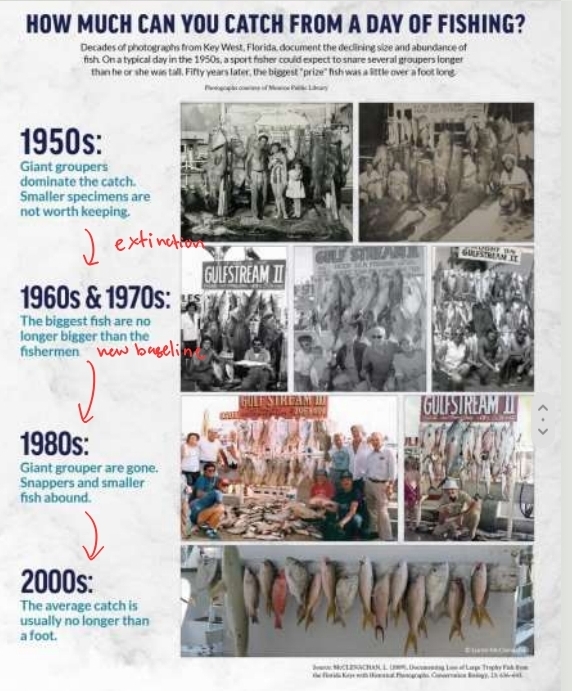
Shifting Baselines
A concept proposed by the marine ecologist Daniel Pauly (UBC)
Described as the large declines in ecosystems are masked where the baseline is set
Notable in fisheries, where fishery scientists fail to set the correct baseline (a pristine ecosystem)
Since we have no experience with it, we don't even know what is missing
e.g. in the 1950s the fish were really big, but by the 2000s they were really small
shows that the original baseline has been lost
Population Conservation
Biologists focusing on conservation at the popularion and species levels follow two main approaches:
The small-population approach
The declining-population approach
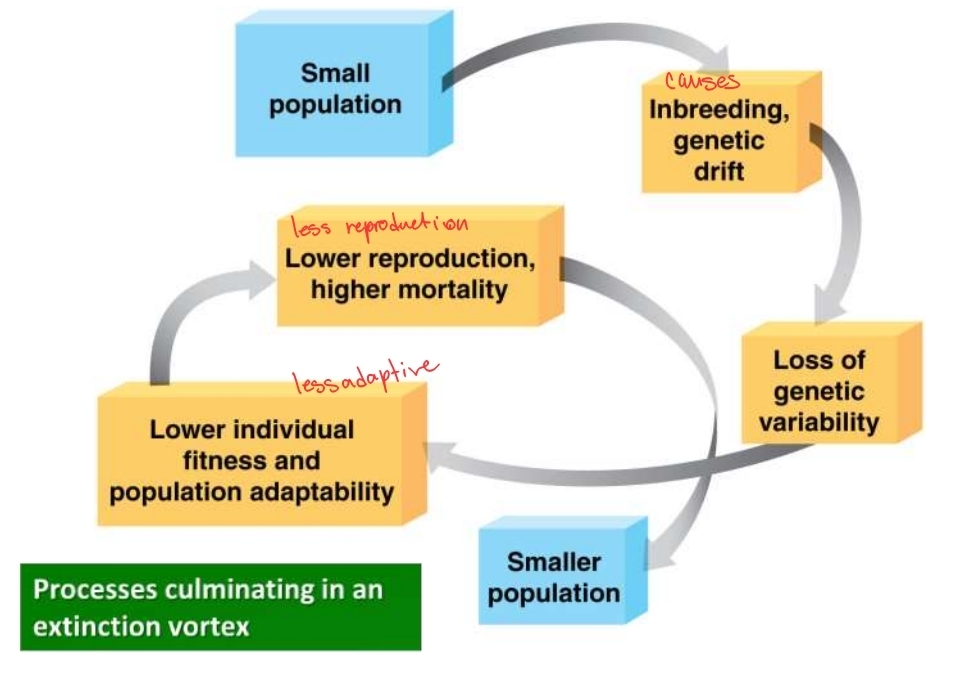
The Extinction Vortex
A small population prone to positive-feedback loops that draw it down an extinction vortex
the key factor driving the extinction vortex i the loss of genetic variation necessary to enable evolutionary responses to environmental change
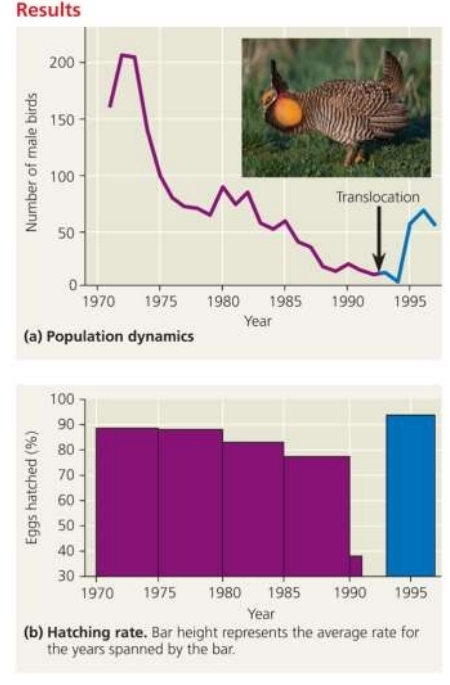
The Extinction Vortex: The Greater Prairie Chicken
Populations of the greater prairie chicken in Illinois were fragemented by agriculture and later found to exhibit decreased fertility
Scientists tested the extinction vortex hypothesis by imported genetic variation by transplanteding birds from larger populations
The declining population rebounded, confirming that low genetic variation had been causing an extinction vortex
Minimum Viable Population Size
MVP is the minimum population size at which a species can survive
The MVP depends on factors that affect a population's chances for survival over a particular time
A meaningul est. of MVP requires determining the effective population size which is based on the population's breeding potential
Effective Population Size
EPS is the number of individuals in a population who contribute offspring to the next gen
The EPS is always smaller than the act population b/c not every individual reproduce
in polygynous species, male leave no offspring at all
Not all individuals controbute genetically to the next gen, which has important implications for genetic drift
Population Conservation: Yellowstone Grizzly
One of the first population viability analyses was conducted as part of a long-term study of grizzly bears in Yellowstone National Park
The grizzly population is about 400, but the Ne (effective population size) is about 100
The YS grizzly population has low genetic variability compared with other grizzly populations
Introducing individuals from other populations would inc the numbers and genetic variation
Declining-Population approach
Focuses on threatened and endangered populations that show a downward trend, regardless of population size
Emphasizes the environmental factors that caused a population to decline
To develop hyphotheses on possible causes of decline, test these in order of likeliness and use results to develop a management plan for recovery
aka see if it's the reason & how likely it is to occur
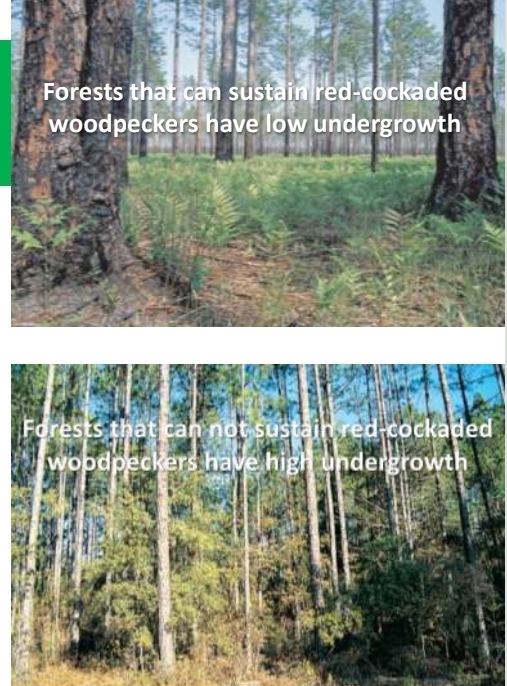
Declining-Population approach: Decline of Red-cockaded Woodpecker
Red-cockaded Woodpeckers are found in the US southeast and require living trees in mature pine forests
They have complex social structure where one breeding pair has up to 4 helper individuals
However this species has been forced into decline by habitat destruction
In a study where breeding cavities were made, new breeding groupds only formed in sites where undergrowth had been removed
this is usually removed by fire
thus a combination of habitat maintenance and excavation of breeding cavitities enabled the recovery of this endangered species
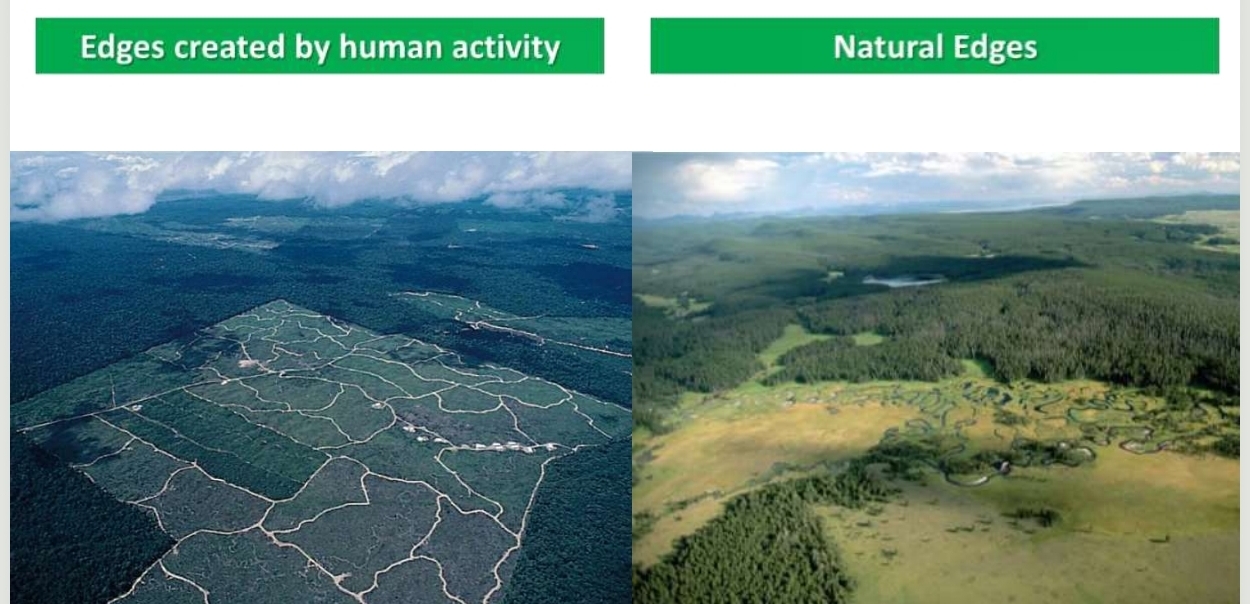
Fragmentation and Edges
The structure of a landscape can strongly influence biodiversity
The boundaries or edges b/w ecosystems are defining features of landscapes
some species take advantage of edge communities to access resources from both adjacent areas
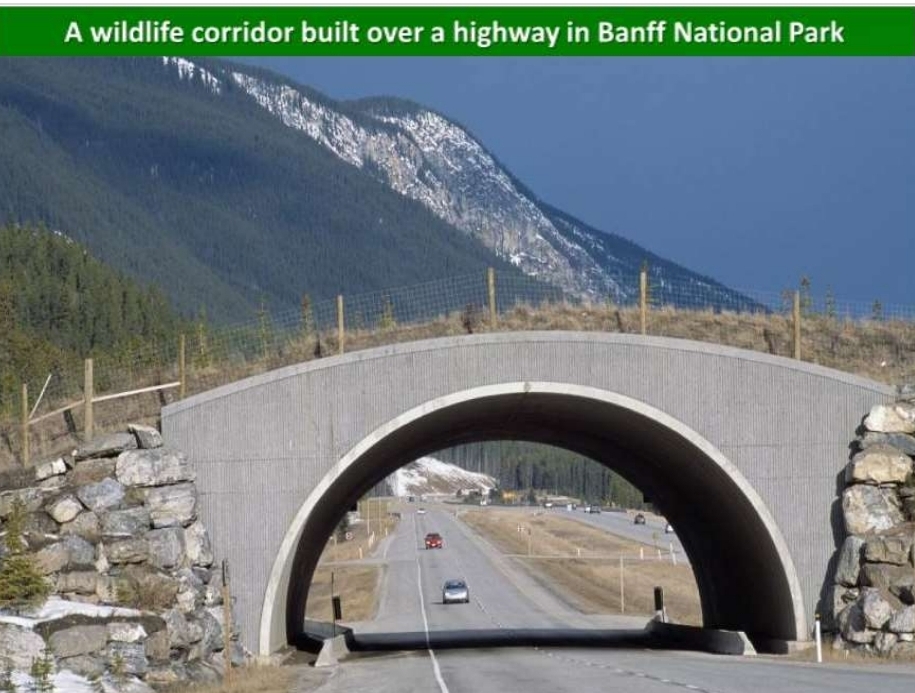
Movement Corridors
a narrow strip of quality habitat connecting otherwise isolated patches
Movement corridors promote dispersal and help sustain populations
in areas of heavy human use, artifical corridors are somtimes constructed
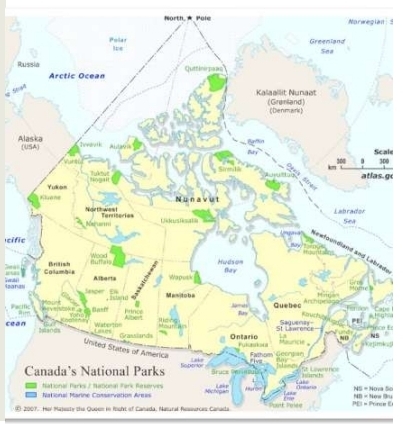
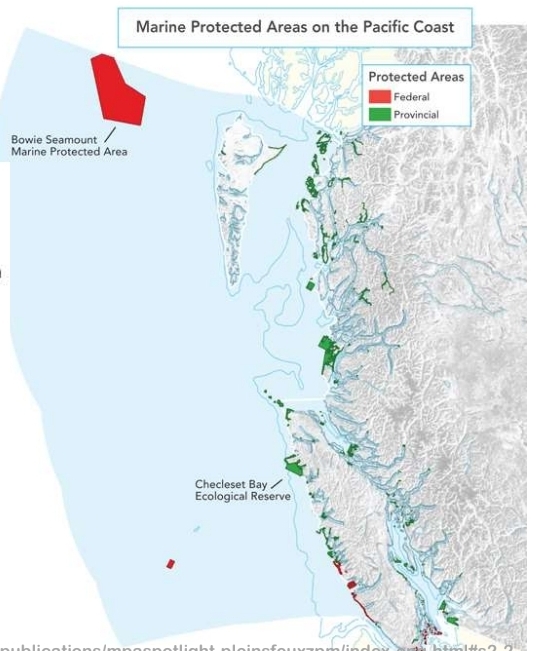
Protected areas
Currently governments have set aside about 7% of the world's land in various forms of reserves
The job to choose where to place nature reserves and how to design them is no simple task
e.g. should the risk of fire or predation on endangerd species be minimized, or should everything be left as natural as possible?
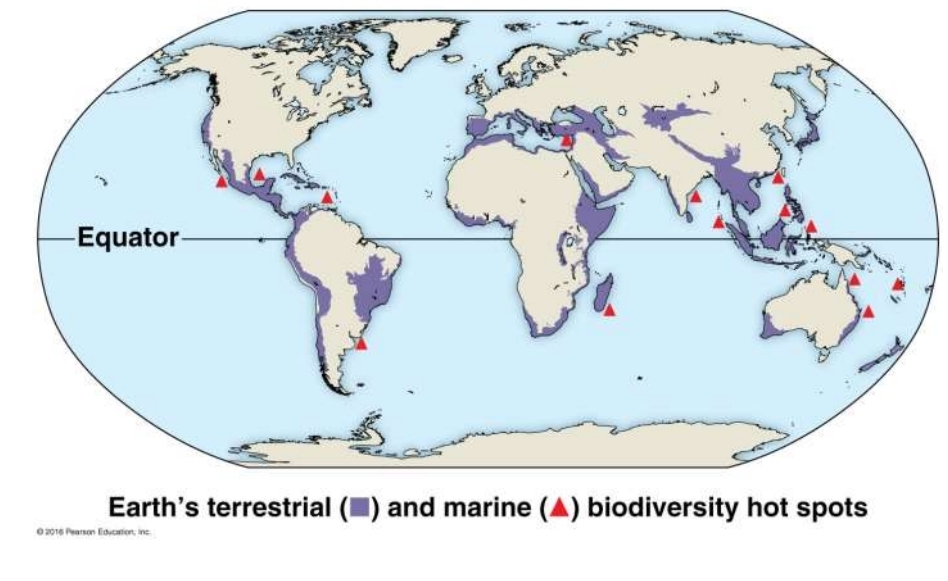
Biodiversity hot spot
A relatively small area with a great concentration of a species found in one place and nowhere else and many endangered and threatened species
includes: rainforests and coral reefs
Biodiversity hotspors are good choices for nature reserves but identifying them is not always easy
e.g. a hotspot for one taxonomic group may not be a hotspot for another group
Biodiversity islands
these are nature reserves that are in a sea of habitat degraded by human activity
Nature reserves must consider disturbances as a functional component of all ecosystems
Philosophy of nature reserves
an important question is whether to create one big reserve or lots of small ones
one argument for big reserves is that large, far-ranging animals with low-density populations require extensive habitats
however smaller reserves may be more realistic and may slow the spread of diseases throughout a population
Explore top notes

