WFC110L- Midterm1
 Call Kai
 Learn
Learn Practice Test
 Spaced Repetition
 Match
Match Flashcards
 Knowt Play
1/119

Earn XP
Description and Tags
labs 3-10
Name | Mastery | Learn | Test | Matching | Spaced | Call with Kai |
|---|
No analytics yet
Send a link to your students to track their progress
120 Terms
Prototheria
subclass
Monotremata
order under subclass Prototheria
most basal
eggs & cloaca
no teeth
bird-like skull
Ornithorhynchidae
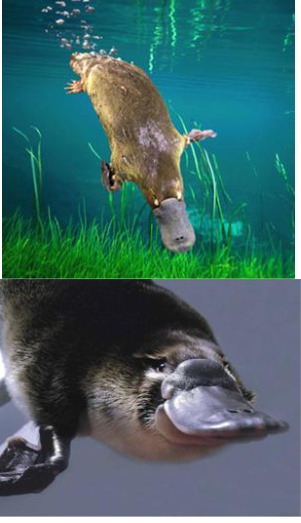
family under subclass Prototheria, order Monotremata
australia
duck-like skull
premaxillae expand laterally & seperate anteriorly
more robust dentary bone
platypus
Tachyglossidae
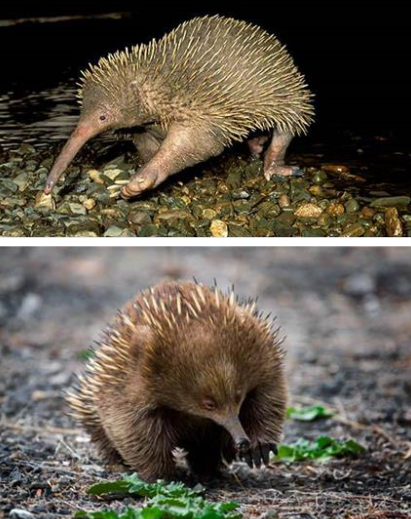
family under subclass Prototheria, order Monotremata
australia & new guinea
slender lower jaw
premaxillae separated except at anterior ends
echidna
Theria
subclass
Metatheria
infraclass under subclass Theria
marsupials
pouch
small braincase
angular process of lower jaw inflected
Ameridelphia
cohort under subclass Theria, infraclass Metatheria
Didelphimorphia
order under subclass Theria, infraclass Metatheria, cohort Ameridelphia
Didelphidae
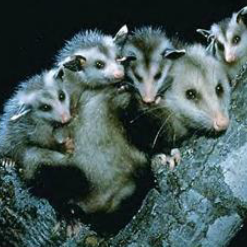
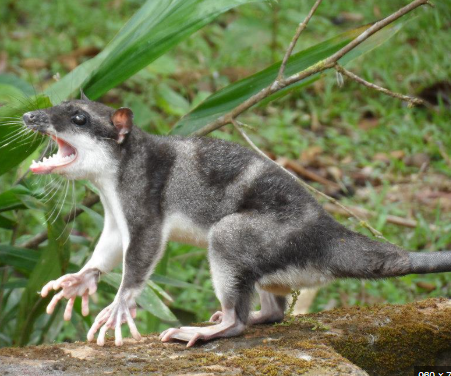
family under subclass Theria, infraclass Metatheria, cohort Ameridelphia, order Didelphimorphia
north & south america
hind digits free & equal
many lower incisors, 5I/4i
developed canines
developed sagittal crest
tribosphenic molars
small bullae
possum
Australidelphia
cohort under subclass Theria, infraclass Metatheria
Dasyuromorphia
order under subclass Theria, infraclass Metatheria, cohort Australidelphia
Dasyuridae
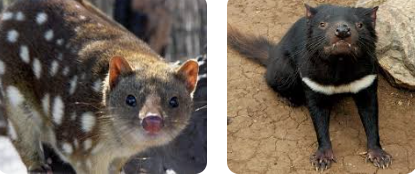
family under subclass Theria, infraclass Metatheria, cohort Australidelphia, order Dasyuromorphia
australia & new guinea
long hairy tail
developed canines
tribosphenic molars
many lower incisors w/ 4I/3i
hind digits free & equal
absent sagittal crest
Peramelemorphia
order under subclass Theria, infraclass Metatheria, cohort Australidelphia
Peramelidae
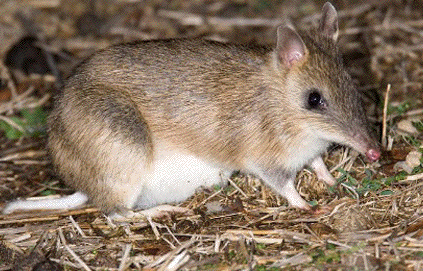
family under subclass Theria, infraclass Metatheria, cohort Australidelphia, order Peramelemorphia
new guinea
smaller hind digits 2&3 encased in sheath of skin
many lower incisors w/ 4-5I/3i
reduced canines
long narrow cranium
no sagittal crest
Diprotodontia
order under subclass Theria, infraclass Metatheria, cohort Australidelphia
2 pronounced lower incisors
Phascolarctidae
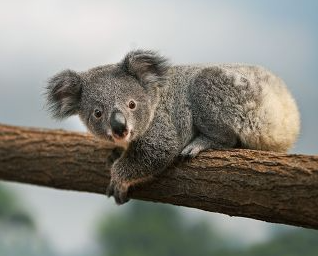
family under subclass Theria, infraclass Metatheria, cohort Australidelphia, order Diprotodontia
eastern australia
robust cranium
no sagittal crest
square molars
v parallel cheek teeth
small upper canines
koalas
Phalangeridae
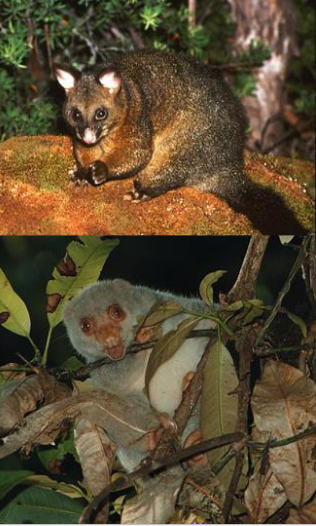
family under subclass Theria, infraclass Metatheria, cohort Australidelphia, order Diprotodontia
australia & new guinea
broad cranium
sagittal crest
diprotodont w/ 3I/2i
reduced canines
enlarged 1st cheek tooth mandible
transversely lophodont molars
Pseudocheiridae
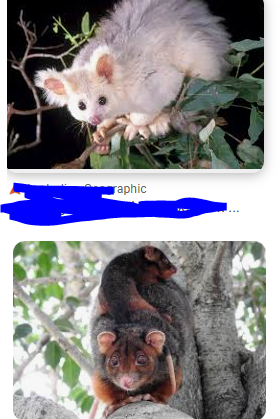
family under subclass Theria, infraclass Metatheria, cohort Australidelphia, order Diprotodontia
australia, new guinea, forests & shrublands
membrane from ankle to elbow for gliding
small canine
diprotodont w/ 1-3I/1-2i
Macropodidae
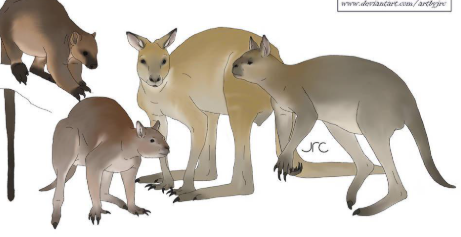
family under subclass Theria, infraclass Metatheria, cohort Australidelphia, order Diprotodontia
australia & new guinea
elongated cranium
no upper canine
transversely bilophodont molars
diprotodont w/ 3I/1i
kangaroos, wallabies, quokkas, etc.
Eutheria
infraclass under subclass Theria
Xenarthra
clade under subclass Theria, infraclass Eutheria
Cingulata
order under subclass Theria, infraclass Eutheria, clade Xenarthra
Dasypodidae
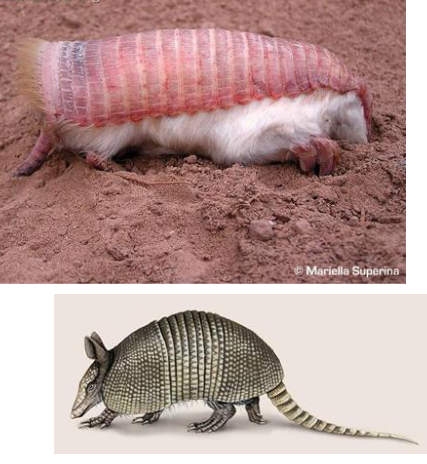
family under subclass Theria, infraclass Eutheria, clade Xenarthra, order Cingulata
south america to southern north america
elongated & flattened skull
homodont cheek teeth
Pilosa
order under subclass Theria, infraclass Eutheria, clade Xenarthra
Bradypodidae
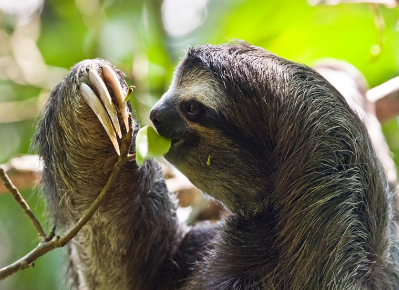
family under subclass Theria, infraclass Eutheria, clade Xenarthra, order Pilosa
central & south america
v round skull
no incisors
no canines
peg-like cheek teeth
3-toed sloth
Choloepodidae
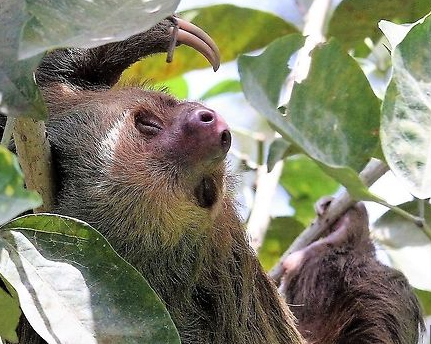
family under subclass Theria, infraclass Eutheria, clade Xenarthra, order Pilosa
central america & northern south america
v round skull
no incisors
no canines
1st premolar canine-like
2-toed sloth
Myrmecophagidae
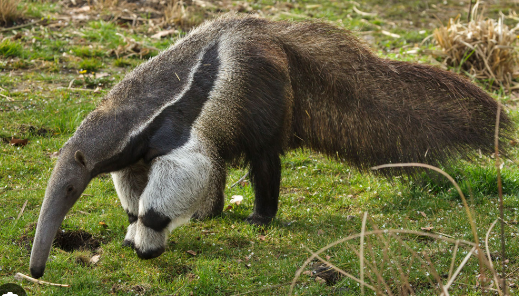
family under subclass Theria, infraclass Eutheria, clade Xenarthra, order Pilosa
central & south america
elongate skull
anteater
Hyracoidea
order
Procaviidae
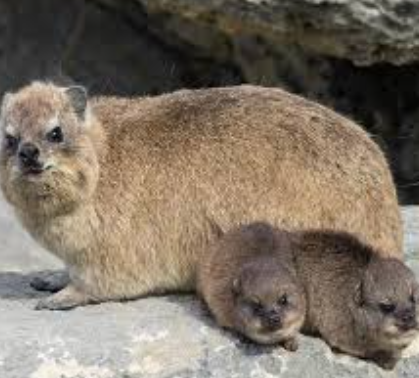
family under order Hyracoidea
africa & middle east
mad villain-like eyes
incisors canine-like
lophodont cheekteeth
hyraxes
Proboscidea
order
Elephantidae
family under order Proboscidea
africa, southeast asia
tusks
cyclops looking
elephants
Sirenia
order
Dugongidae
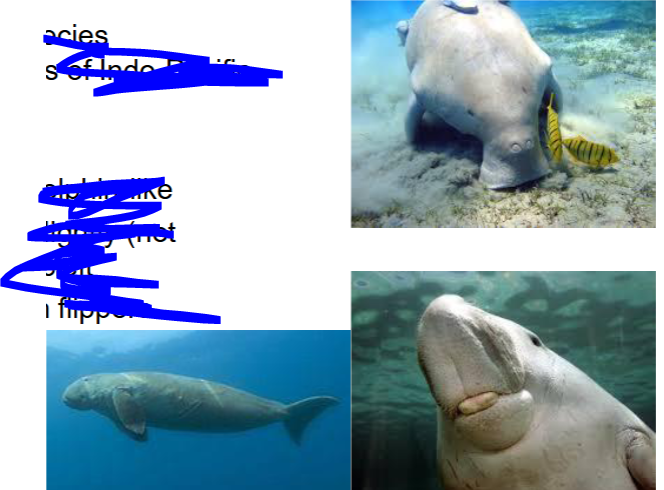
family under order Sirenia
coastal waters of indo-pacific
dolphin-like tail
slight cleft on upper lip
no nails
no skull available
dugong
Trichechidae
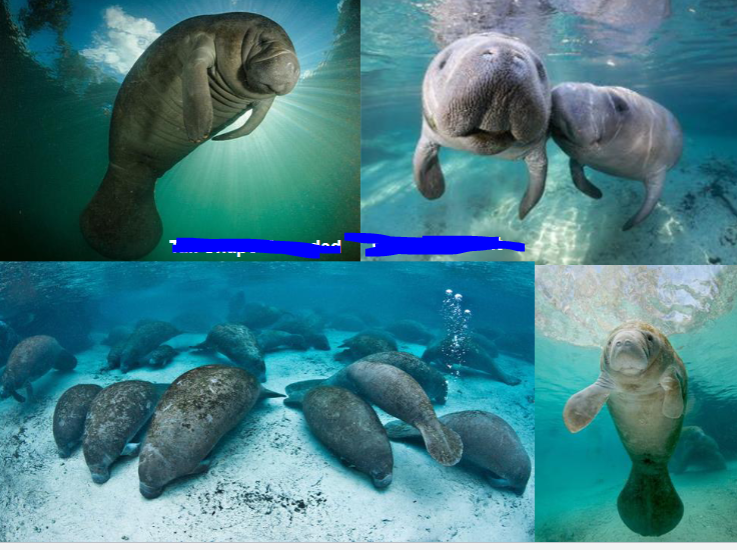
family under order Sirenia
coastal waters & rivers of subtropical Atlantic, coastal west africa & congo river basin
rounded tail
large supraorbital process
skull
manatee
Tubulidentata
order
Orycteropodidae
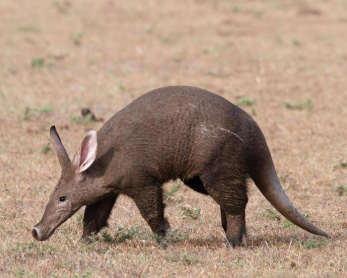
family under order Tubulidentata
sub-saharan africa
long rostrum
no incisors, no canines
homodont, columnar cheek teeth
aardvark
Primates
order
grasping hands & feet, opposable pollex & hallux, nails
forward orbit rotation
brachydont, quadrituberculate, bunodont
Strepsirrhini
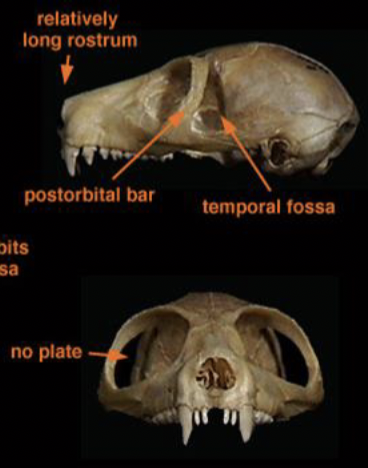
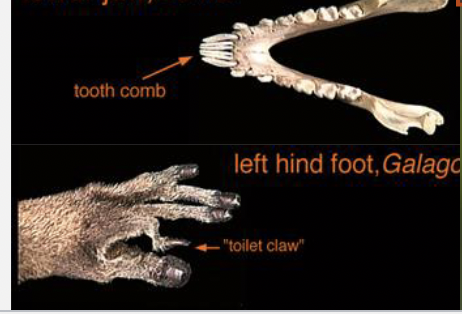
suborder under order Primates
lower primates
long rostrum
comma nostrils; dog noses
grooming claw (hind)
tooth comb
Lemuridae
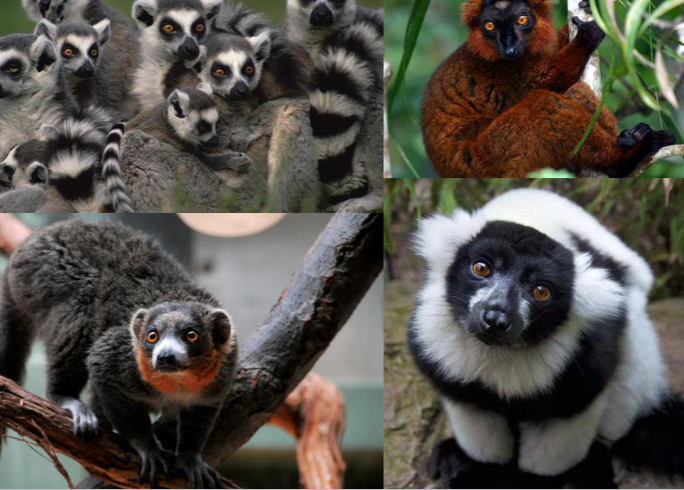
family under order Primates, suborder Strepsirrhini
madagascar & comoro islands
tooth-comb incisors
small peg upper incisors
long rostrum
postorbital bar
long bushy tail, dog nose
lemurs
Haplorrhini
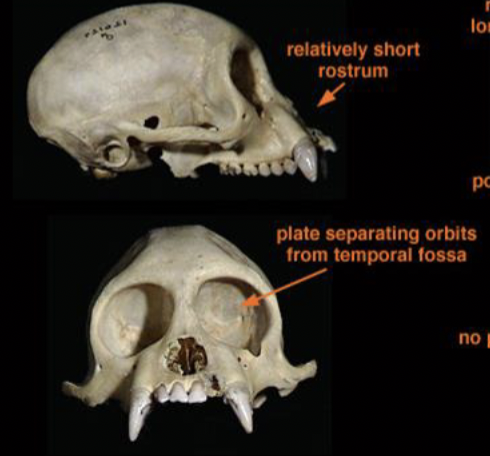
suborder under order Primates
higher primates
short rostrum
plate separating orbits from temporal fossa
round brain case
Platyrrhini
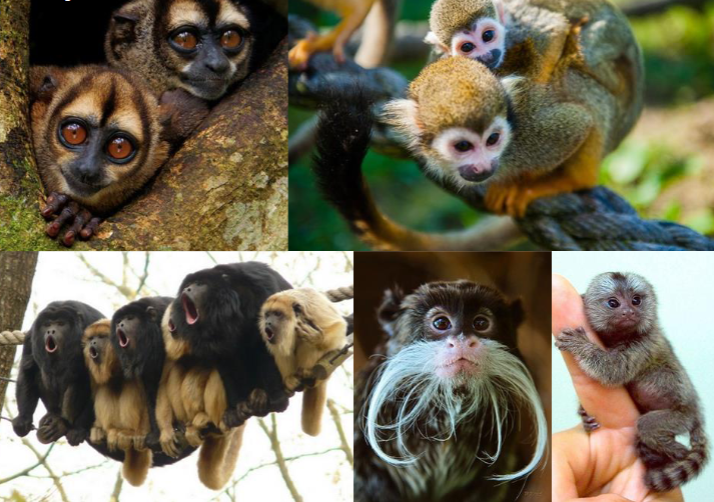
parvorder under order Primates, suborder Haplorrhini
western/americas
3PM, 3pm
nostrils directed laterally
prehensile tail
new world monkeys
Catarrhini
parvorder under order Primates, suborder Haplorrhini
“old world”
2PM, 2pm
nostrils forward
tails not prehensile
ischial callosities (red butt; exc. hominidae)
Cercopithecidae
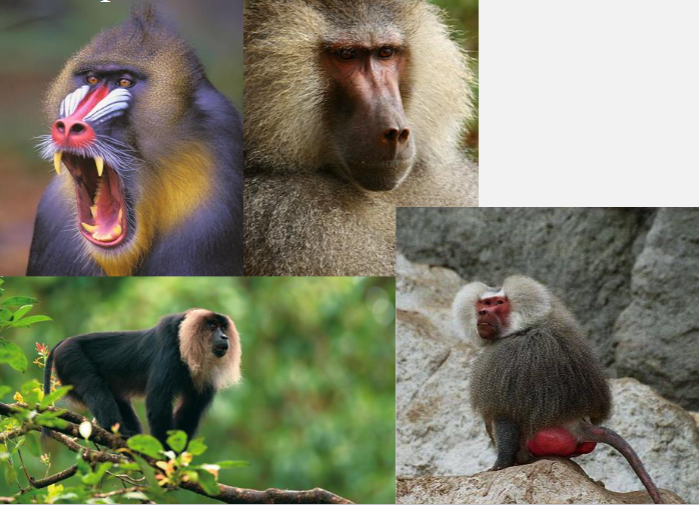
family under order Primates, suborder Haplorrhini, parvorder Catarrhini
africa, asia
auditory bullae extend laterally as bony tube
quadritubercular bilophodont molars
ischial callosities (butt)
“old world” monkeys (macaques, baboons, etc.)
Hominidae
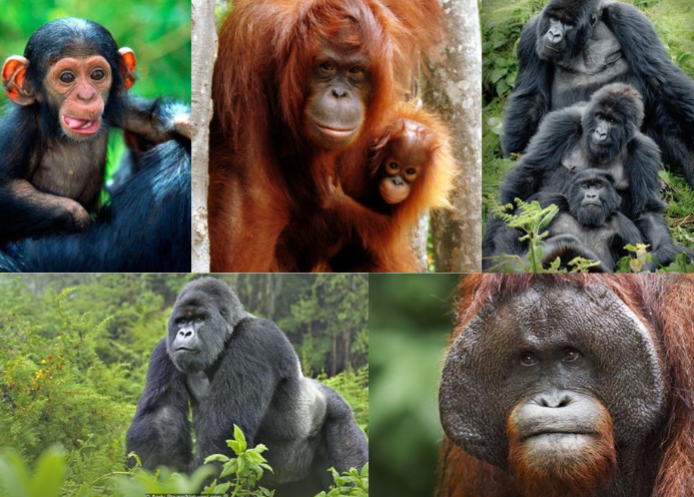
family under order Primates, suborder Haplorrhini, parvorder Catarrhini
cosmopolitan; Sumatra & Broneo, equatorial Africa (non-humans)
sagittal crest
large braincase
quadritubercular molars, Y-5 cusp pattern
great apes
Hylobatidae
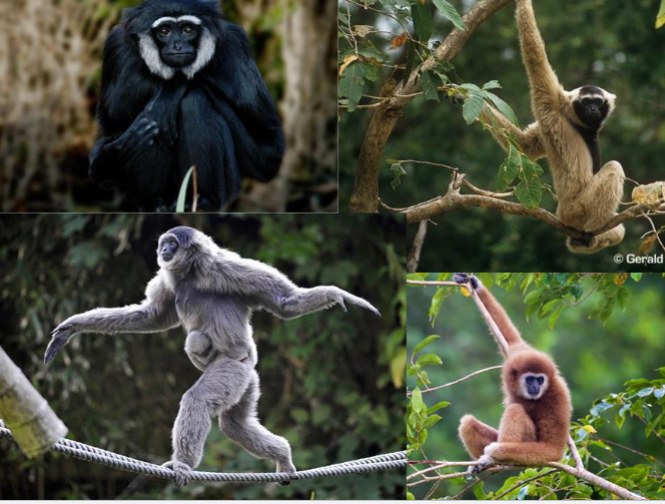
family under order Primates, suborder Haplorrhini, parvorder Catarrhini
SE asia, arborial, lower montane tropical rainforests
large orbits; protruding rims
bunodont molars
v long arms
no tail
gibbons, siamang
Dermoptera
order
Cynocephalidae
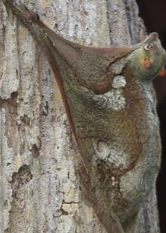
family under order Dermoptera
SE asia
skin membrane neck to forelimb
each lower incisor comb-like
broad & flat cranium
colugos
Scandentia
order
Tupaiidae
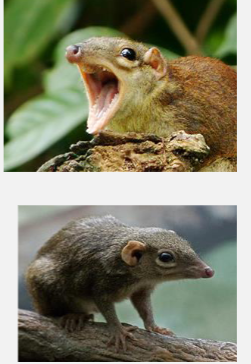
family under order Scandentia
SE asia
small
squirrel-like w/ large pinnae (ears)
hole in zygomatic arch (lemurs also have)
upper molars w/ weak W
tree shrews
Lagomorpha
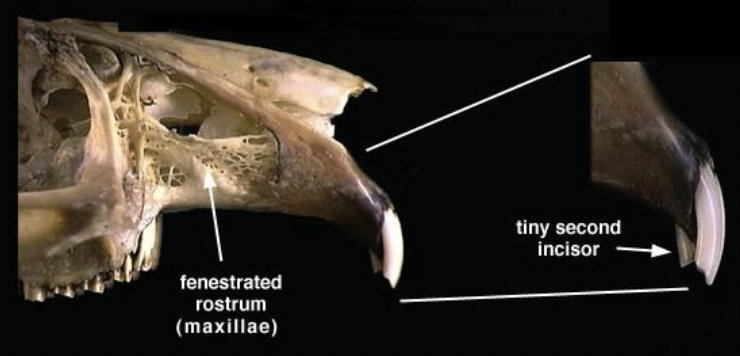
order
2 pairs upper incisors, 2nd pair small behind other
fenestrated maxilla
Ochotonidae
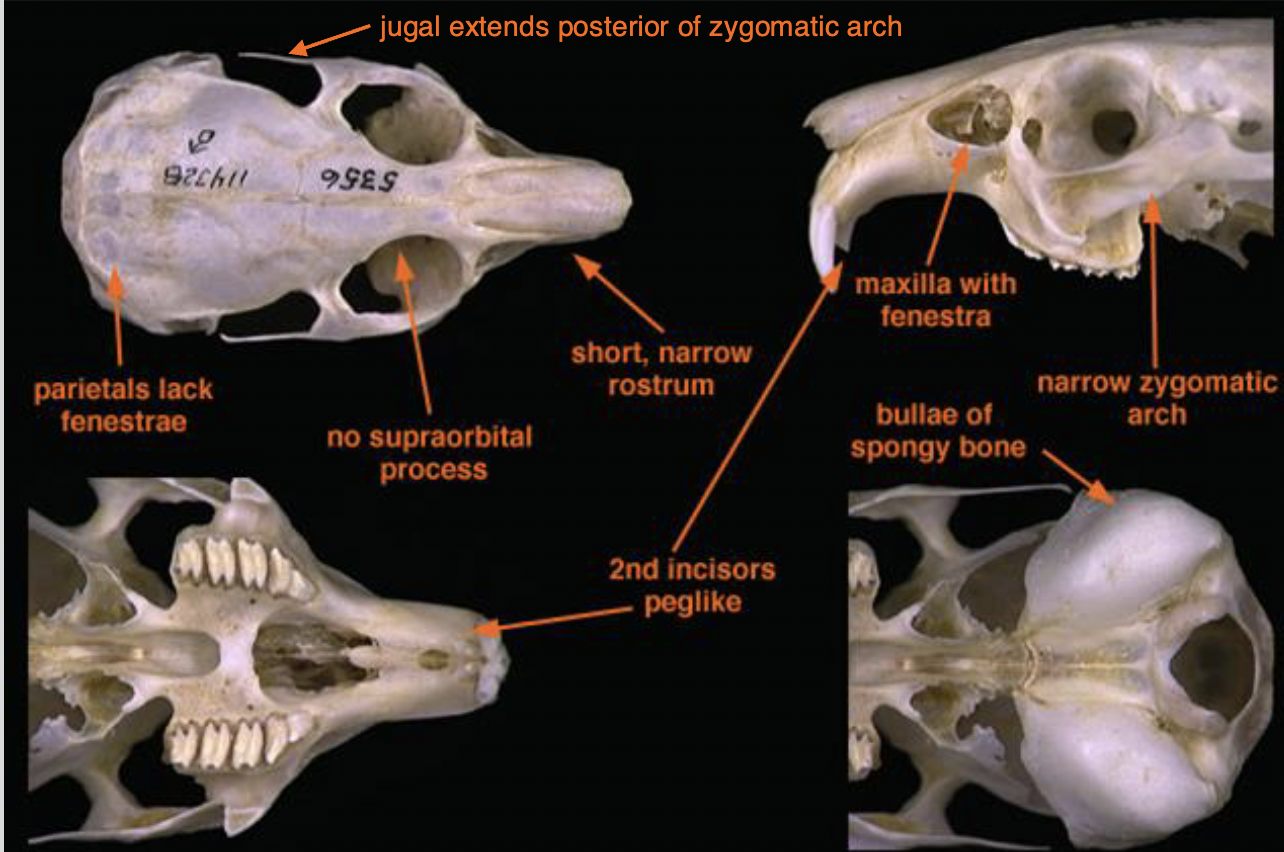
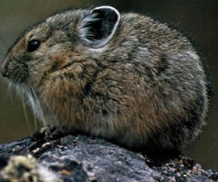
family under order Lagomorpha
western North america, europe, asia
rocky terrain of outcrops and talus
small
circular haired ears
jugal projects (beyond posterior margin of zygomatic arch)
maxilla w/ perforation
pikas
Leporidae
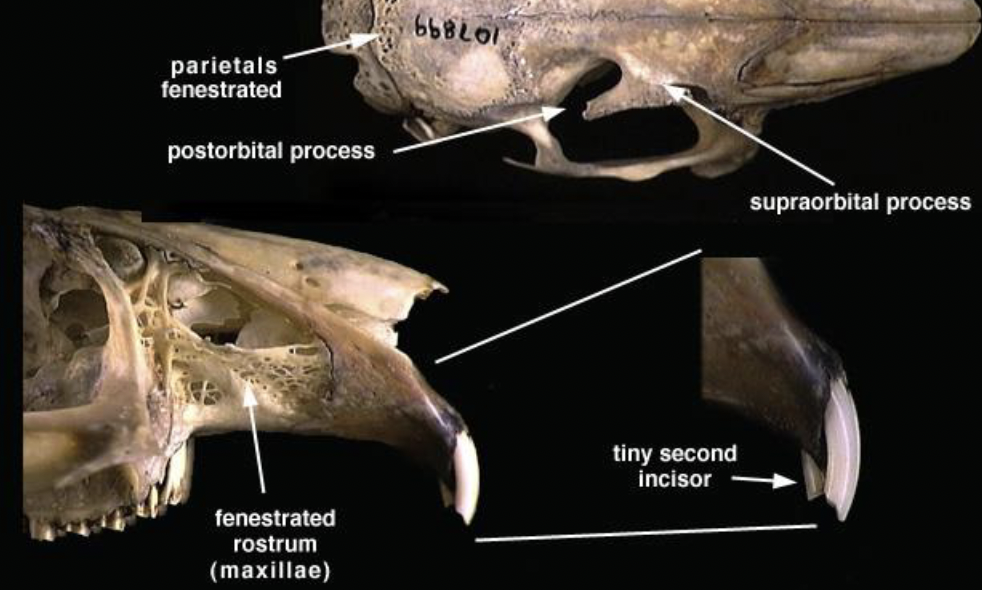
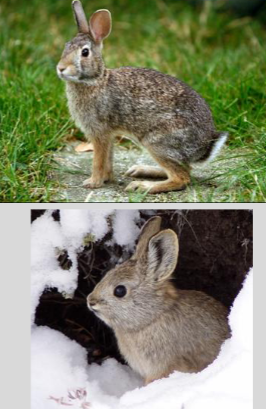
family under order Lagomorpha
native everywhere but australia & antarctica
postorbital process, fan-shaped
nasal wide posteriorly
rabbits/hares
Rodentia
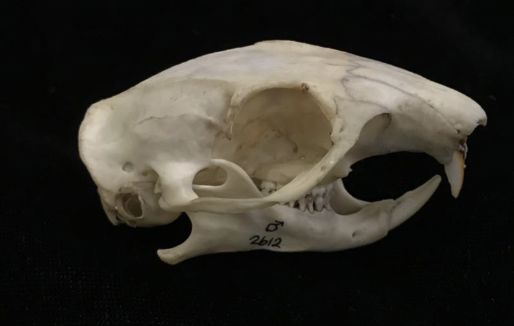
order
1 pair upper & lower incisors
broad diastema b/w incisor & cheek teeth
no canines
far back orbits
Sciuromorpha
suborder under order Rodentia
Aplodontiidae
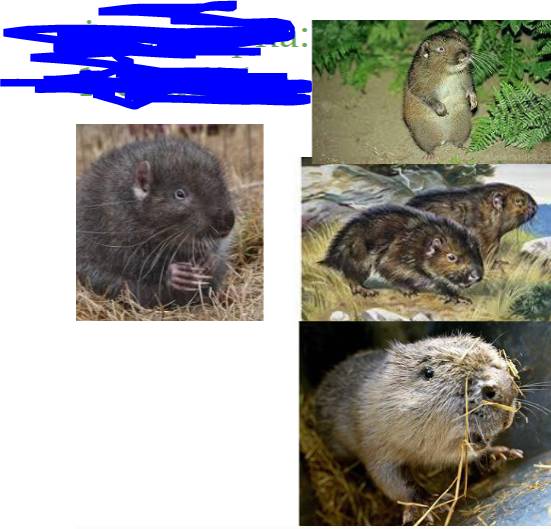
family under order Rodentia, suborder Sciuromorpha
Western North america, moist environments
apple teeth!
infraorbital foramen medium
no zygomatic plate
mountain beaver, sewellel
Sciuridae
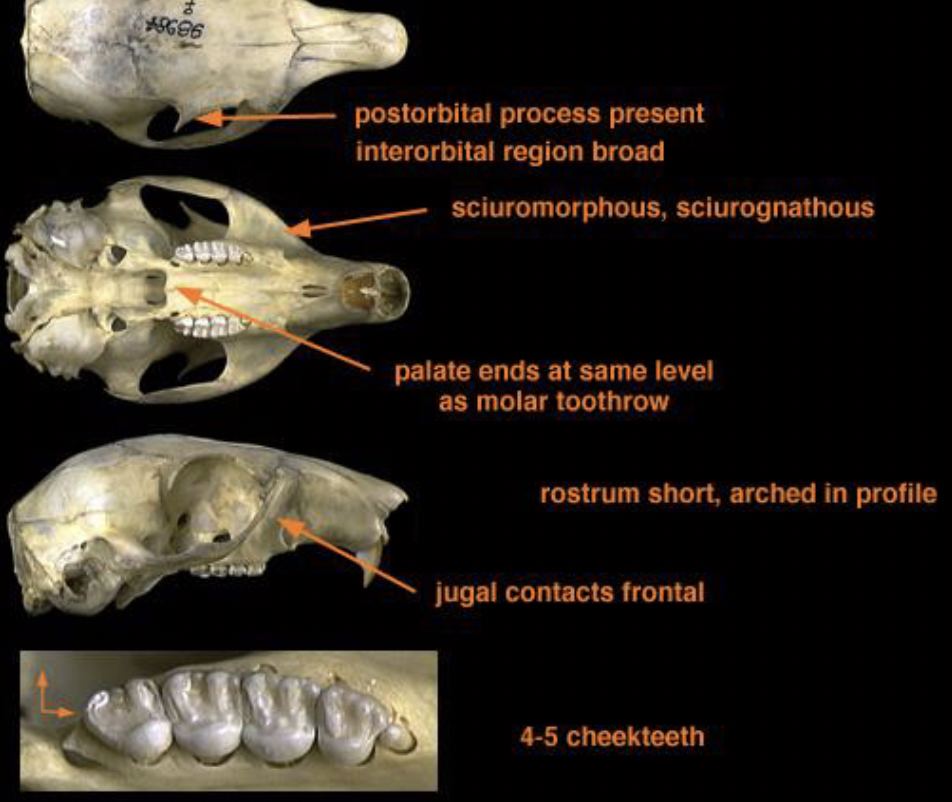
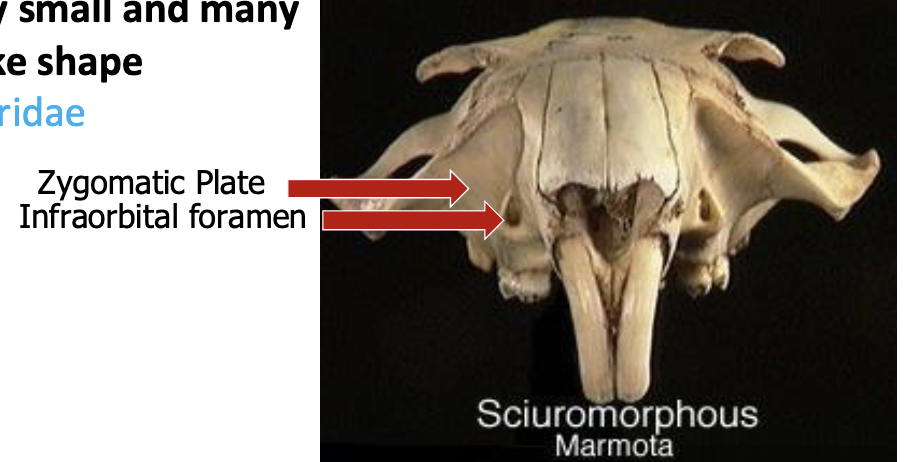
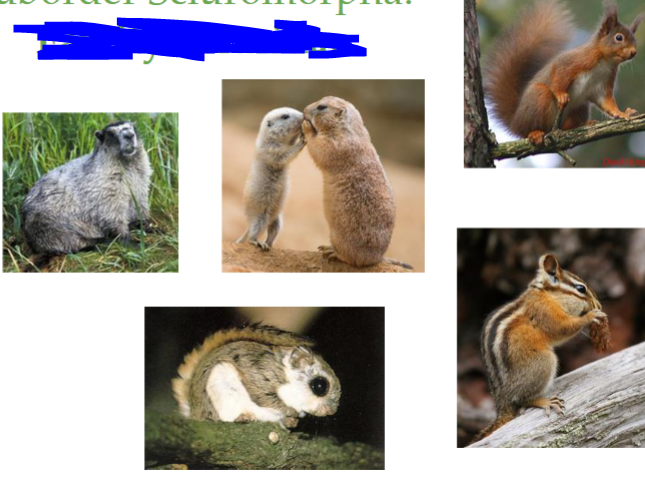
family under order Rodentia, suborder Sciurimorpha
all continents exc. australia & antarctica, temperate & tropical
large postorbital process
infraorbital foramen canal small; teardrop/slit
zygomatic plate
squirrels, marmots, prairie dogs
Castorimorpha
suborder under order Rodentia
Castoridae
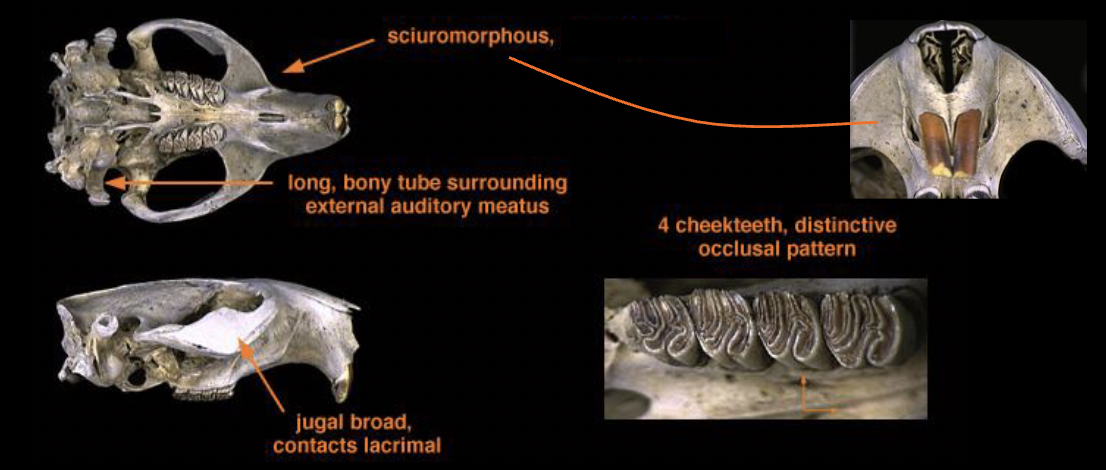
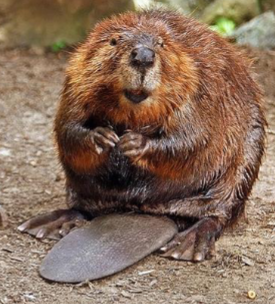
family under order Rodentia, suborder Castorimorpha
north america, eurasia; streams, rivers, lakes in temperate habitats
large blocky skull
broad jugal
infraorbital foramen small, slit
beavers
Geomyidae
family under order Rodentia, suborder Castorimorphia
north & central america
robust cranium, flat profile
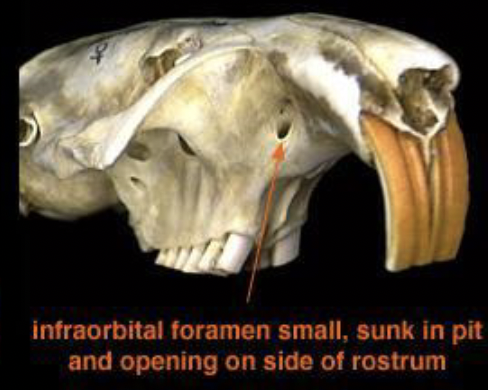
infraorbital foramen compressed against rostrum side; or V shaped
4 cheekteeth, 1st figure 8 shaped
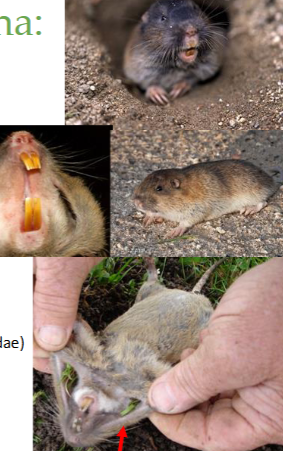
fur-lined cheek pouches
pocket gophers
Heteromyidae
family under order Rodentia, suborder Castorimorphia
western north america to northern south america
arid & semi-arid zones, deserts, subtropical forests
auditory bullae inflated
nasals extend beyond upper incisors
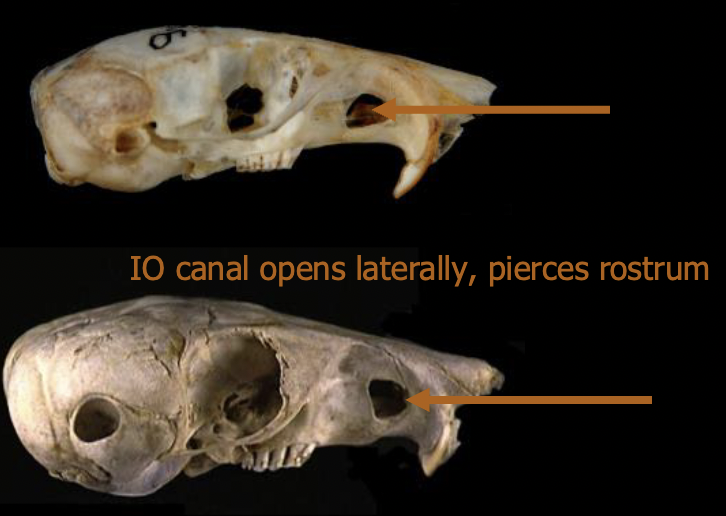
infraorbital foramen not large; or V shaped
hole pierces rostrum
zygomatic plate
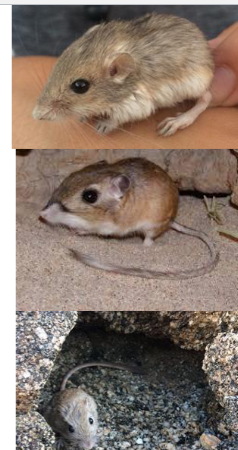
kangaroo rats, pocket mice
Rodentia (again)
order
Myomorpha
suborder under order Rodentia
Zapodidae
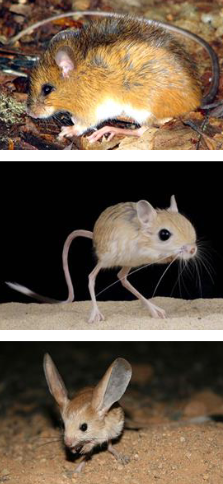
family under order Rodentia, suborder Myomorpha
tri-colored, large ears
hind limbs for jumping
small skull
large infraorbital foramen
jerboas, jumping mice, birch mice
Cricetidae
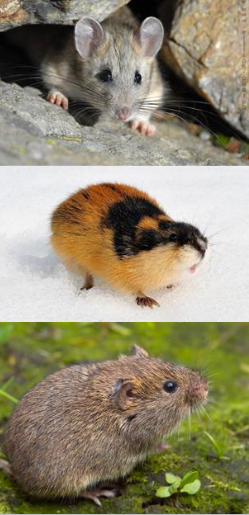
family under order Rodentia, suborder Myomporpha
northern hemisphere
haired tail
cheekteeth w/ 2 rows parallel cusps OR angular x-mas
v-shaped infraorbital foramen
v diverse
Muridae
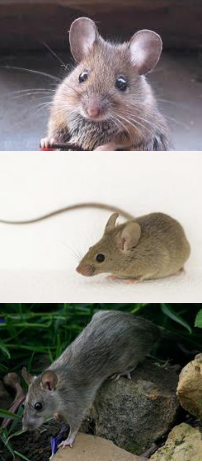
family under order Rodentia, suborder Myomorpha
worldwide
hairless tail
V shaped infraorbital foramen
cheekteeth w/ 3 rows parallel cusps
old world rats & mice
Hystricomorpha
suborder under order Rodentia
large infraorbital foramen
upper tooth rows converge anteriorly
cheekteeth 4/4
Hystricidae
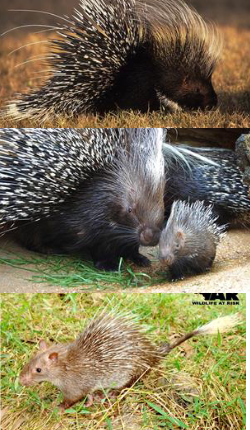
family under order Rodentia, suborder Hystricomorpha
eastern hemisphere
no quills towards head
don’t need to know skull
old world porcupines
Erethizontidae
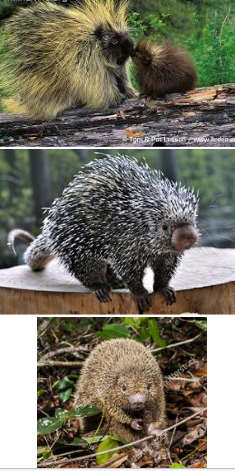
family under order Rodentia, suborder Hystricomorpha
western hemisphere; North American forests, Central & South American tropical forests
uniformly spiny
blocky skull
large infraorbital foramen
upper toothrows ~ converge anteriorly
cheekteeth w/ large folds
new world porcupines
Chinchillidae
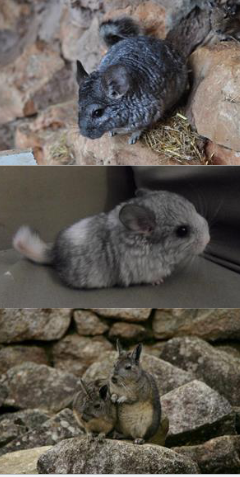
family under order Rodentia, suborder Hystricomorpha
south america
large infraorbital foramen
enlarged auditory bullae
angular process elongate
upper toothrows converge anteriorly
flat cheekteeth w/ transverse plates
chinchillas
Caviidae
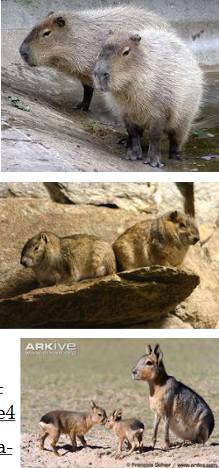
family under order Rodentia, suborder Hystricomorpha
south america
large infraorbital foramen
large paraoccipital process
lower jaw prominent ridge
upper toothrows converge anteriorly
cheekteeth sharp angular folds
capybaras, maras, guinea pigs
Eulipotyphla
order
Erinaceidae
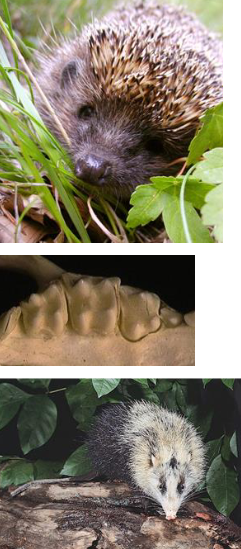
family under order Eulipotyphla
eastern hemisphere
large canine-like upper incisors
upper molars quadritubercular, round cusps
hedgehogs, moonrats
Soricidae
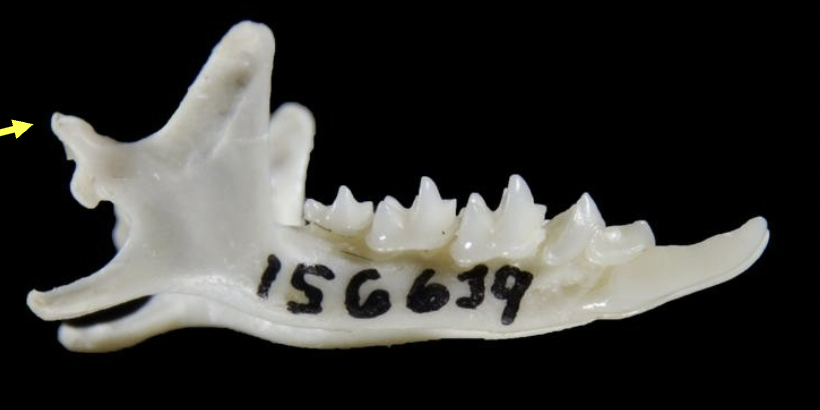
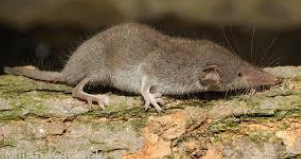
family under order Eulipotyphla
eurasia, africa, North america to northwest south america
two condyles on mandible
no zygomatic arch
dilambdodont cheekteeth
large upper 1st incisor w/ cusp
shrews
Talpidae
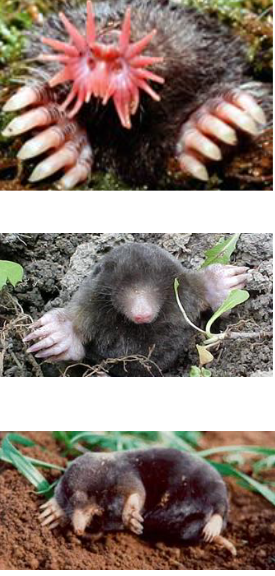
family under order Eulipotyphla
north america to eurasia
complete zygomatic arch
auditory bullar
dilambdodont molars
moles
Chiroptera
order
flight
sternum keeled
bats
Pteropodidae
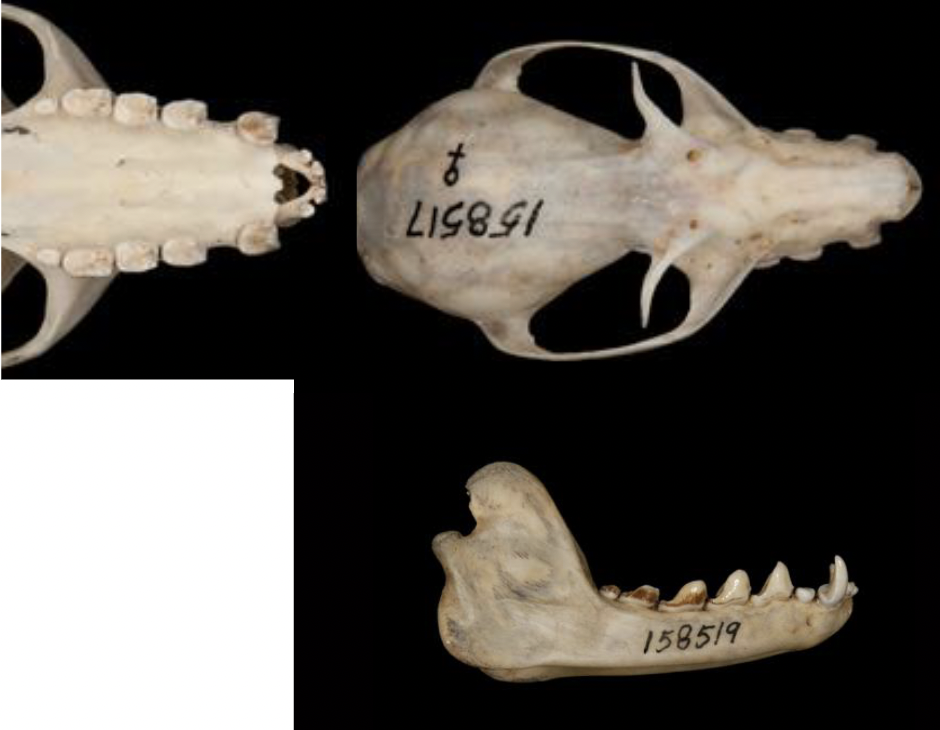
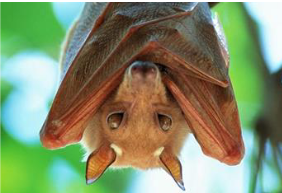
family under order Chiroptera
tropics of eastern hemisphere
simple ears
no tragus
large postorbital process
distinct cheekteeth
flying foxes. old world fruit bats
Phyllostomidae

family under order Chiroptera
southwestern U.S. to argentina
leaf nose
2 holes in palette (maybe 3)
new world leaf-nosed or fruit bats
Molossidae
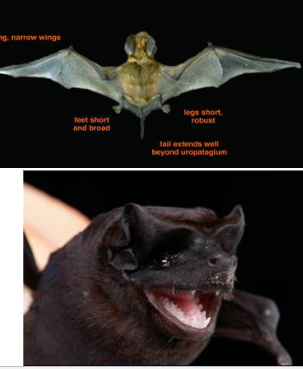
family under order Chiroptera
cosmopolitan; deserts, semi deserts, savanna’s, forests
Muzzle w/ bumps or wrinkles
Free tail
Ears forward
Shorter palate, ends near cheekteeth
free tailed bats
Vespertilionidae
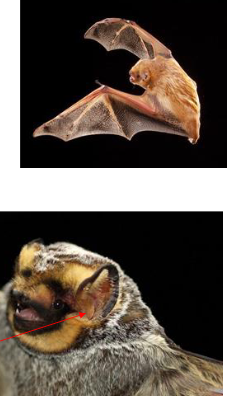
family under order Chiroptera
cosmopolitan
Tail enclosed
Prominent tragus
Split palate
Longer palate, ends posterior to end of cheek teeth
common bats, vesper bats
Pholidota
order
Manidae
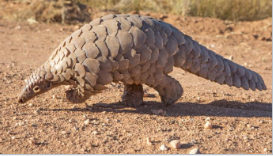
family under order Pholidota
scale like plates
No teeth
No jugal, no parietal bones
pangolins?
Carnivora
order
Feliformia
suborder under order Carnivora
Felidae
family under order Carnivora, suborder Feliformia
every continent except Australia and Antarctica
Less teeth, it good meat eating teeth
Carnassial pair
Short blunt rostrum
Postorbital process
Cats
Viverridae
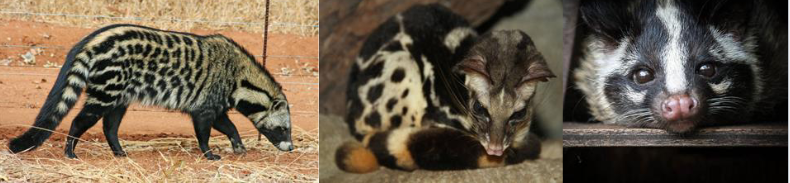
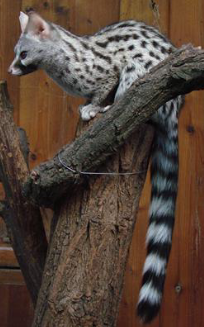
family under order Carnivora, suborder Feliformia
spotted or striped
Small heads
Short pointed erect ears
Long pointed muzzle
Diagonal division in auditory bullae
genets, civets, etc.
Herpestidae
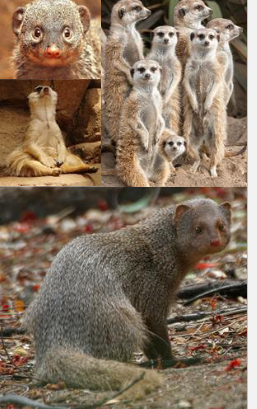
family under order Carnivora, suborder Feliformia
unicolored or dorsal bands
Round ears
Mongoose/ meerkats
Horizontal division in auditory bullae
Postorbital process long
mongooses, meerkats
Hyaenidae
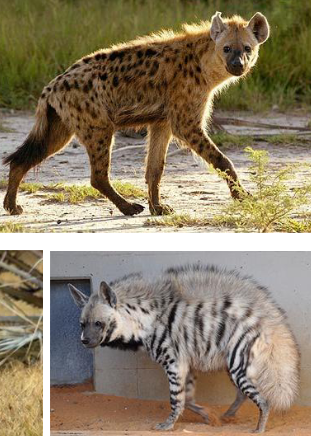
family under order Carnivora, suborder Feliformia
open vegetation communities
Hind limbs > forelimbs
Hyena , aardwolf
Carnassials well developed
Upper molar round or elongate
hyenas, aardwolf
Carnivora
order
alisphenoid canal goes all way through alisphenoid bone, not into skull
Caniformia
suborder under order Carnivora
Canidae
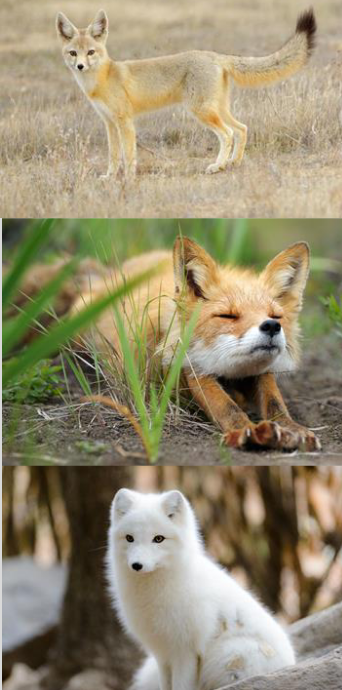
family under order Carnivora, suborder Caniformia
cosmopoliton, exc. Madagascar, New Zealand, & Philippine islands
long narrow rostrum
alisphenoid canal
mastoid process < paraoccipital process
carnassials well developed
last M large, transversely elongated
dog, coyotes, foxes, wolves
Ursidae
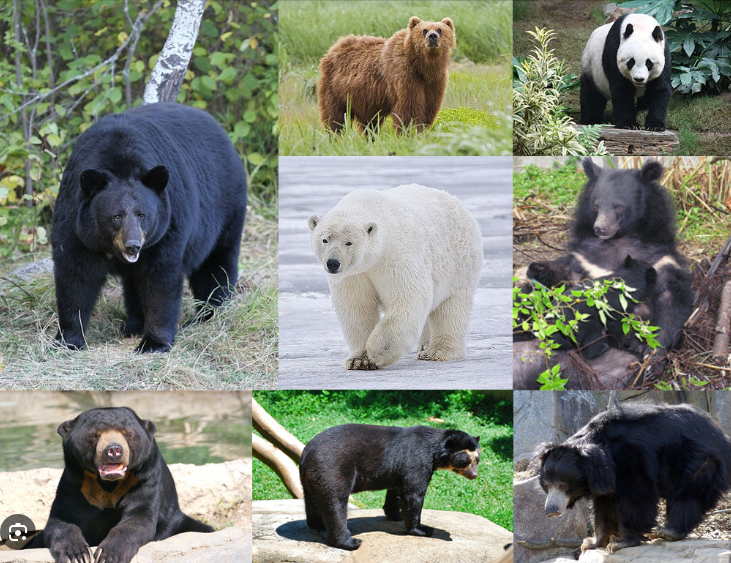
family under order Carnivora, suborder Caniformia
terrestrial biomes, open arctic to temperate & tropical forests
alisphenoid canal
mastoid & paroccipital process roughly equal
weak carnassials
bunodont molars
bears
Otariidae
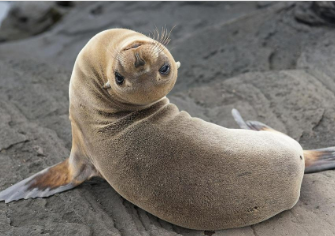
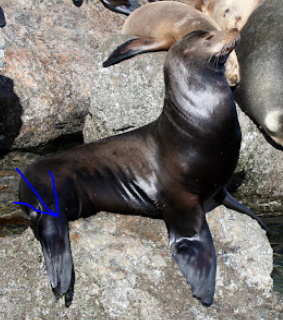
family under order Carnivora, suborder Caniformia
coastal & pelagic
external ears
can turn limbs forward
alisphenoid canal
supraorbital/postorbital process well developed
simple cheekteeth
sea lions, fur seals
Odobenidae
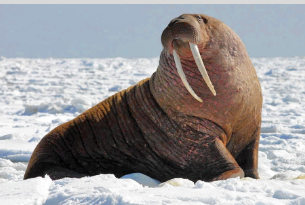
family under order Carnivora, suborder Caniformia
coastal regions of arctic ocean & adjacent seas
enormous canines
walrus
Phocidae
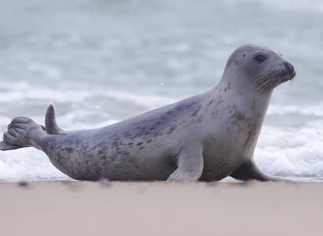
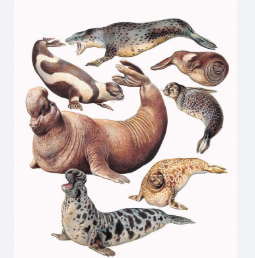
family under order Carnivora, suborder Caniformia
ice fronts & coastlines of polar & temperate oceans, extending to some tropical islands
earless
hindlimbs cannot turn forward
multi-cusped cheek teeth
earless or haired seals
Mustelidae
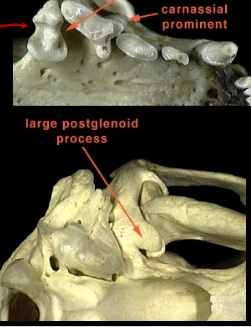
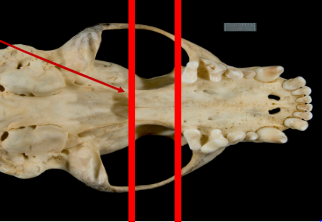
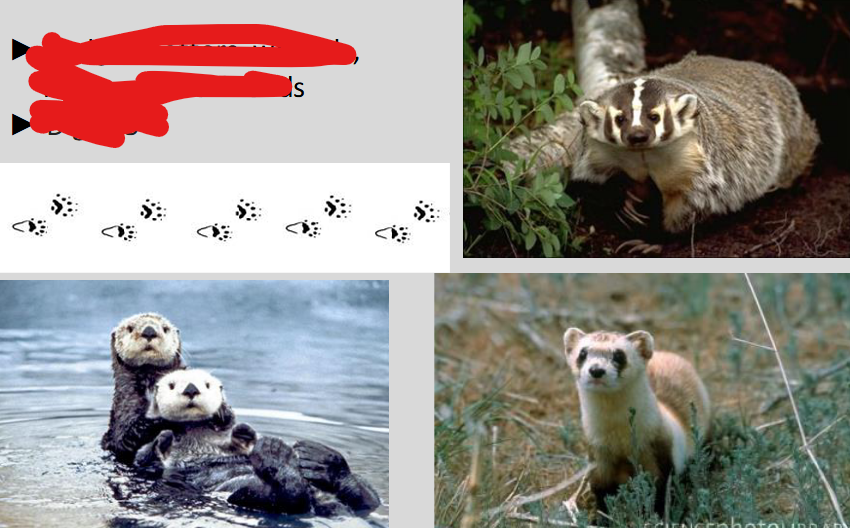
family under order Carnivora, suborder Caniformia
postmandibular process strongly developed
palate extends past toothrow
last M dumbbell shaped (sometimes)
badgers, otters, weasels, etc.
Mephitidae
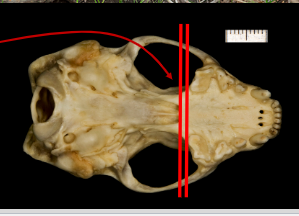
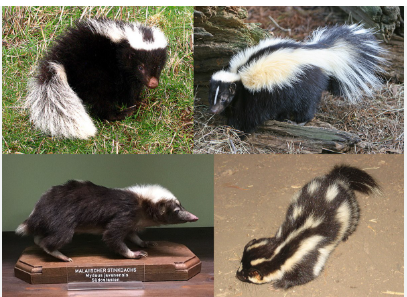
family under order Carnivora, suborder Caniformia
black & white stripes/patterns
palate ends at tooth row
last molar square
skunks & stink badgers
Procyonidae
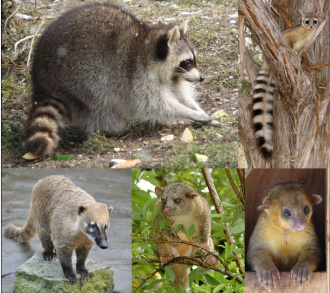
family under order Carnivora, suborder Caniformia
most biomes in western hemisphere temperate & tropical regions, esp near water
long tail, ringed
rounded skull
poorly developed carnassials (exc ringtails)
large & rounded last M
mastoid >= paroccipital process
ringtails, coati, kinkajou, raccoon
Perissodactyla
order
unguligrade (on tip toes)
1-1 or 3-3 digits (odd-toed)
alisphenoid canal
nasals wider posteriorly
lophodont or selenodont cheekteeth
horses, rhinos, tapirs
Equidae
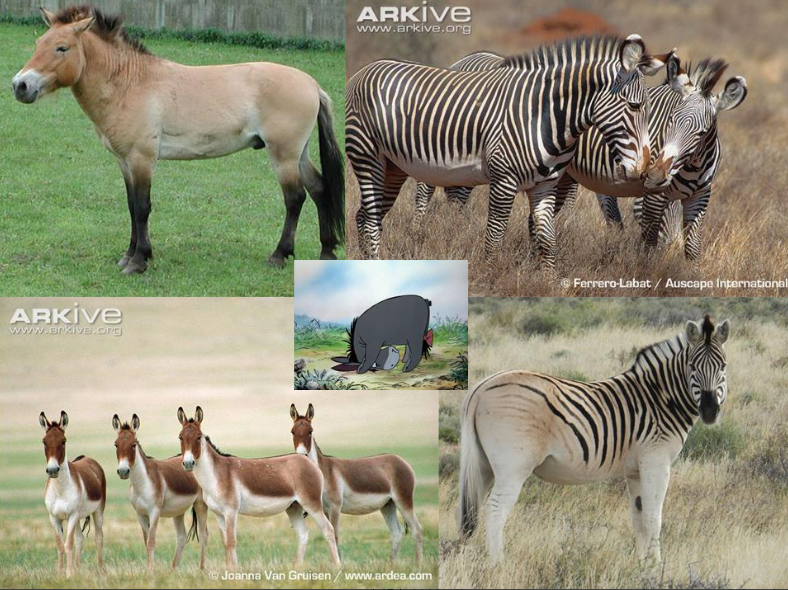
family under order Perissodactyla
lophodont/selenodont teeth
prominent nasals
square incisors
postorbital bar
horses, zebras, asses
Rhinocerotidae
family under order Perissodactyla
inflated nasals
pi shaped cheekteeth
concave dorsally head
rhinos

