Plants
 Call Kai
 Learn
Learn Practice Test
 Spaced Repetition
 Match
Match Flashcards
 Knowt Play
1/39

There's no tags or description
Looks like no tags are added yet.
Name | Mastery | Learn | Test | Matching | Spaced | Call with Kai |
|---|
No analytics yet
Send a link to your students to track their progress
40 Terms
Wax cuticle
Protective layer on top of the leaf that prevents water from evaporating
Upper epidermis
Thin and transparent layer that allows light to enter the palisade mesophyll layer underneath
Palisade mesophyll
Column-shaped cells tightly packed with chloroplasts to absorb more light and maximise photosynthesis
Spongy mesophyll
Contains internal air spaces that increase surface area to volume ratio for diffusion of gases (mainly carbon dioxide)
Lower epidermis
Contains guard cells and stomata
Guard cell
Absorbs and loses water to open and close the stomata, allowing carbon dioxide in and oxygen out
Stomata
Where gas exchange takes place; opens during the day and closes at night; water also evaporates from here; mostly found on the underside to reduce water loss
Vascular bundle
Contains xylem and phloem to transport substances to and from the leaf
Xylem
Transports water into the leaf for photosynthesis and transpiration
Phloem
Transports sucrose and amino acids around the plant
Large surface area (leaf)
Increases surface area for diffusion of carbon dioxide and absorption of light for photosynthesis
Thin
Allows carbon dioxide to diffuse quickly to palisade mesophyll cells
Chlorophyll
Absorbs light energy so that photosynthesis can take place
Network of veins
Allows transport of water to the cells of the leaf and carbohydrates from the leaf
Stomata (adaptation)
Allows carbon dioxide to diffuse into the leaf and oxygen to diffuse out
Epidermis is thin and transparent
Allows more light to reach the palisade cells
Thin cuticle made of wax
Protects the leaf without blocking sunlight
Palisade cell layer at top of leaf
Maximises absorption of light as it hits chloroplasts directly
Spongy layer
Air spaces allow carbon dioxide to diffuse through the leaf, increasing surface area
Vascular bundles
Thick cell walls in the tissue help support the leaf and stem
What is photosynthesis?
the process by which plants manufacture carbohydrates from raw materials using energy from light
What are the raw materials required for photosynthesis?
Carbon dioxide and water
What is the function of chlorophyll?
Absorbs light energy and transfers energy from light into energy from chemicals for the synthesis of carbohydrates
How can the carbohydrates produced by plants during photosynthesis be used?
Converted into starch molecules that act as an effective energy source, converted into cellulose to build cell walls, glucose can used in respiration, converted to sucrose for transport, and convert into lipids for energy source in seeds and amino acids
What is magnesium needed for?
To make chlorophyll
what are nitrates needed for?
Source of nitrogen needed to make amino acids (to build proteins)
What does a magnesium deficiency cause?
Yellowing between the veins of leaves (chlorosis)
What does a nitrate deficiency cause
Sounded growth and yellowing of leaves
How do plants obtain nitrates and magnesium?
Absorbed from the soil by root hair cells in active transport
How to test a leaf for the presence of starch?
Boil to kill cells and break down cell walls and membranes, place in hot ethanol to remove chlorophyll so the color change can be seen, rinse leaf in water to soften, do iodine test.
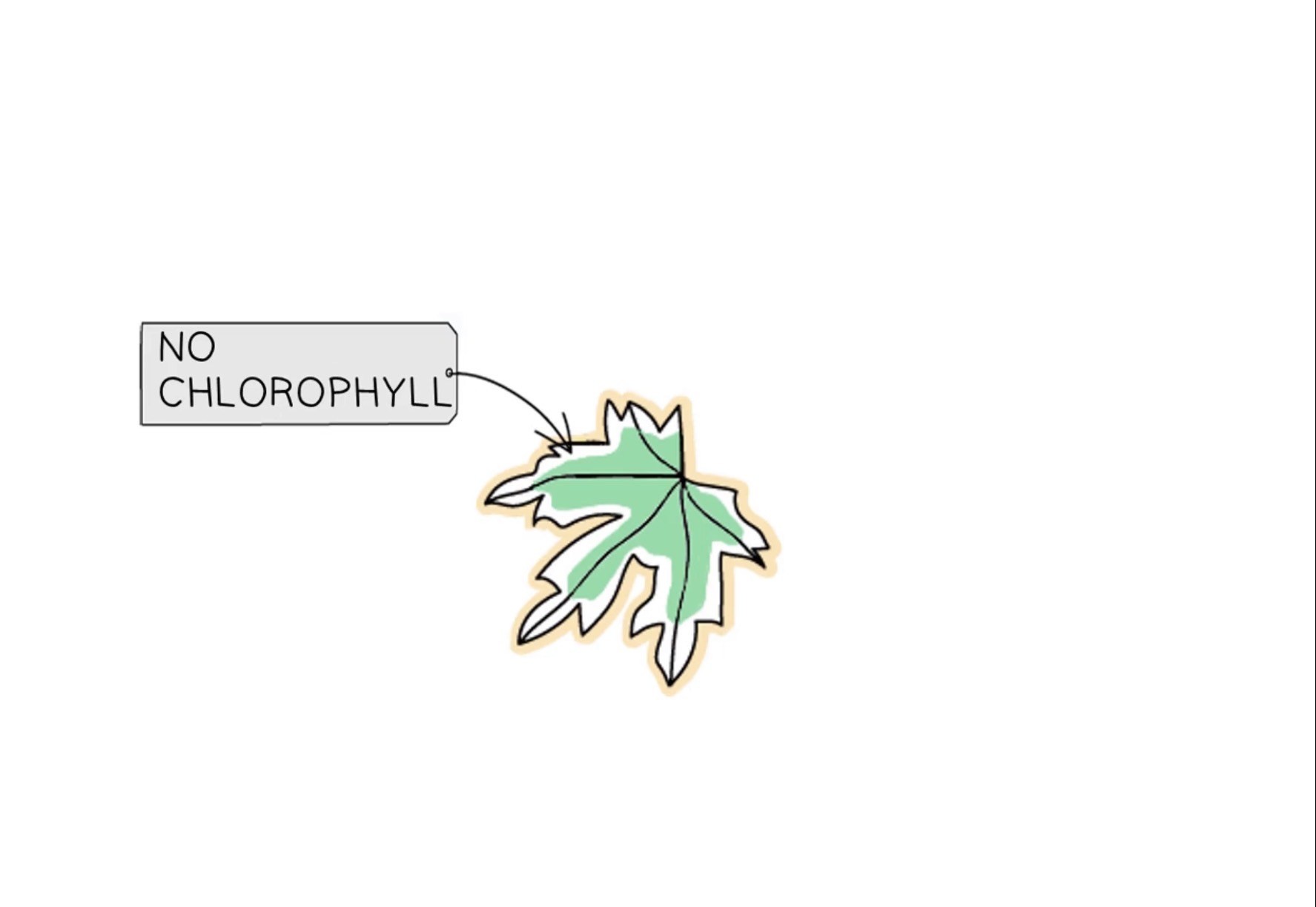
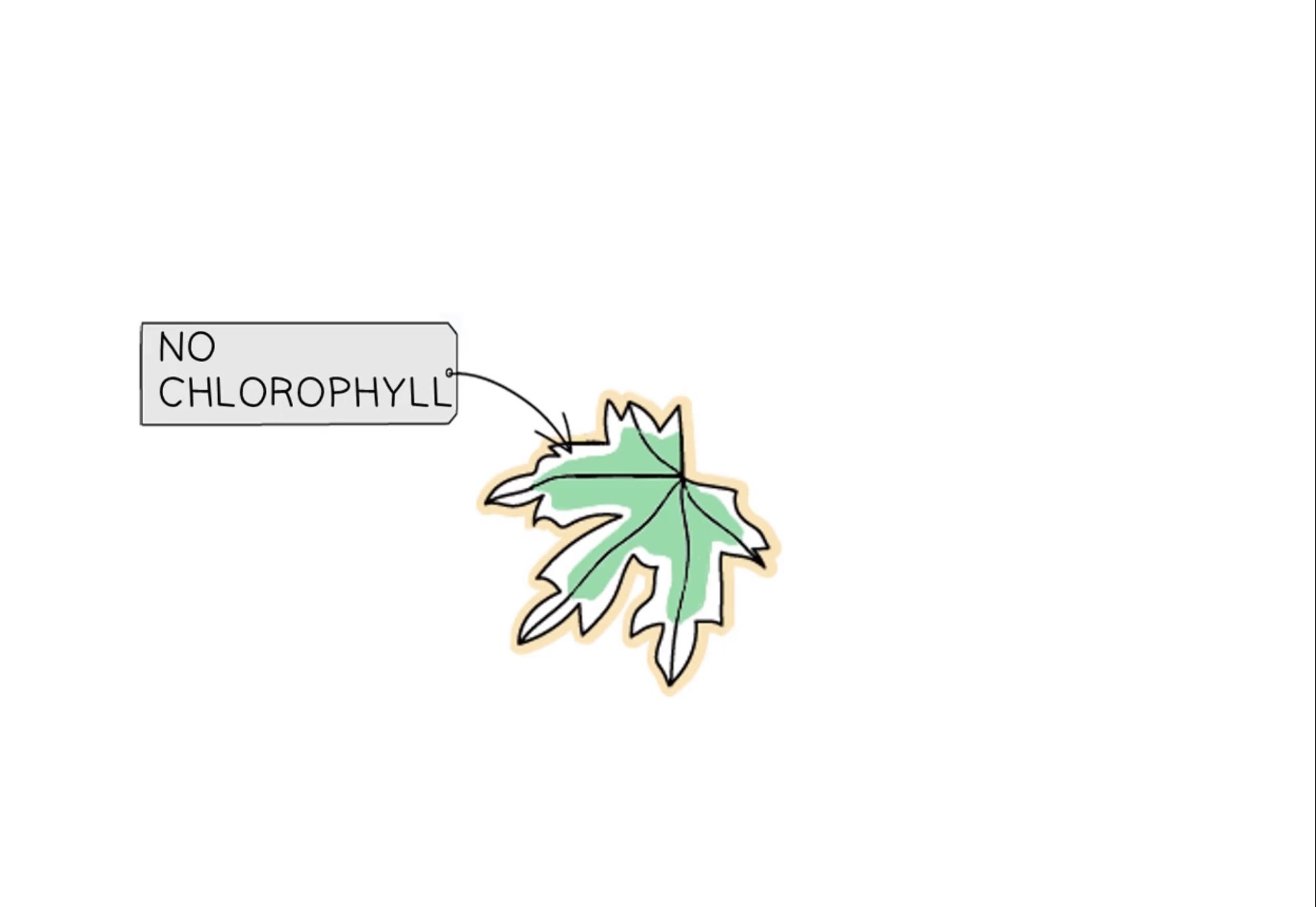
How do you investigate the need for chlorophyll?
Use a variegated leaf compare starch test results from green and white areas, iodine test will have white areas show negative result, with green areas showing positive result as it has starch showing that chlorophyll is needed for photosynthesis to occur
How do you investigate the need for light?
Place a plant in dark cupboard for 24 hrs before investigation ensuring the leaves contain no starch. Cover part of the leaf with aluminum foil and place in sunlight, exposed parts will photosynthesis and store starch. Perform iodine test, exposed parts turn blue black, covered part stays orange-brown
How do you investigate the need for carbon dioxide
Destarch two plants to ensure the leaves contain no starch, place each plant in a bell jar covering the pots with plastic to prevent carbon dioxide from escaping. In one plant place soda lime at the entrance to absorb carbon dioxide and a beaker of sodium hydroxide to absorb any carbon dioxide in the air. The other plant will have water in the bell jar, allow them to absorb light, and do iodine test.
What is the balanced chemical equation for photosynthesis
6CO2 + 6H20 (arrow) C6 H12 O6 + 6 O2
What are the limiting factors of photosynthesis?
Temperature, light intensity, and carbon dioxide concentration
Define a limiting factor
something present in the environment in such short supply that it restricts life processes
Why is water not considered a limiting factor
the amount needed is relatively small compared to the amount of water transpired from a plant so there is hardly ever a situation where there is not enough water for photosynthesis
Relationship between carbon dioxide and photosynthesis
More carbon dioxide is present the greater the rate of photosynthesis until some other factor limits
Relationship between light intensity and photosynthesis
The more light a plant receives the faster the rate of photosynthesis
How does temperature affect the rate of photosynthesis
As temperature increases the rate of photosynthesis increases as the reaction is controlled by enzymes

