pkas
 Call Kai
 Learn
Learn Practice Test
 Spaced Repetition
 Match
Match Flashcards
 Knowt Play
1/91

There's no tags or description
Looks like no tags are added yet.
Name | Mastery | Learn | Test | Matching | Spaced | Call with Kai | Chat |
|---|
No analytics yet
Send a link to your students to track their progress
92 Terms
H3O+
<0
RCH3 … CH4 (alkanes)
50
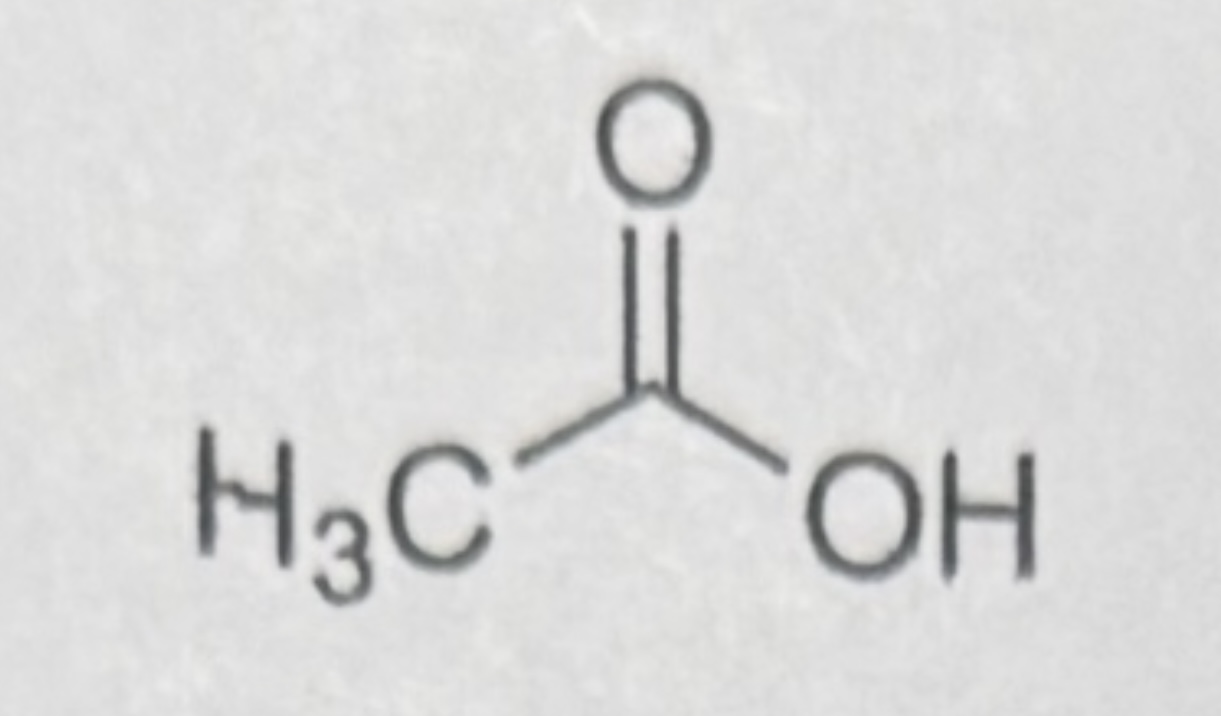
CH3COOH (acetic acid)
5
H3COH (methanol, alcohol)
16
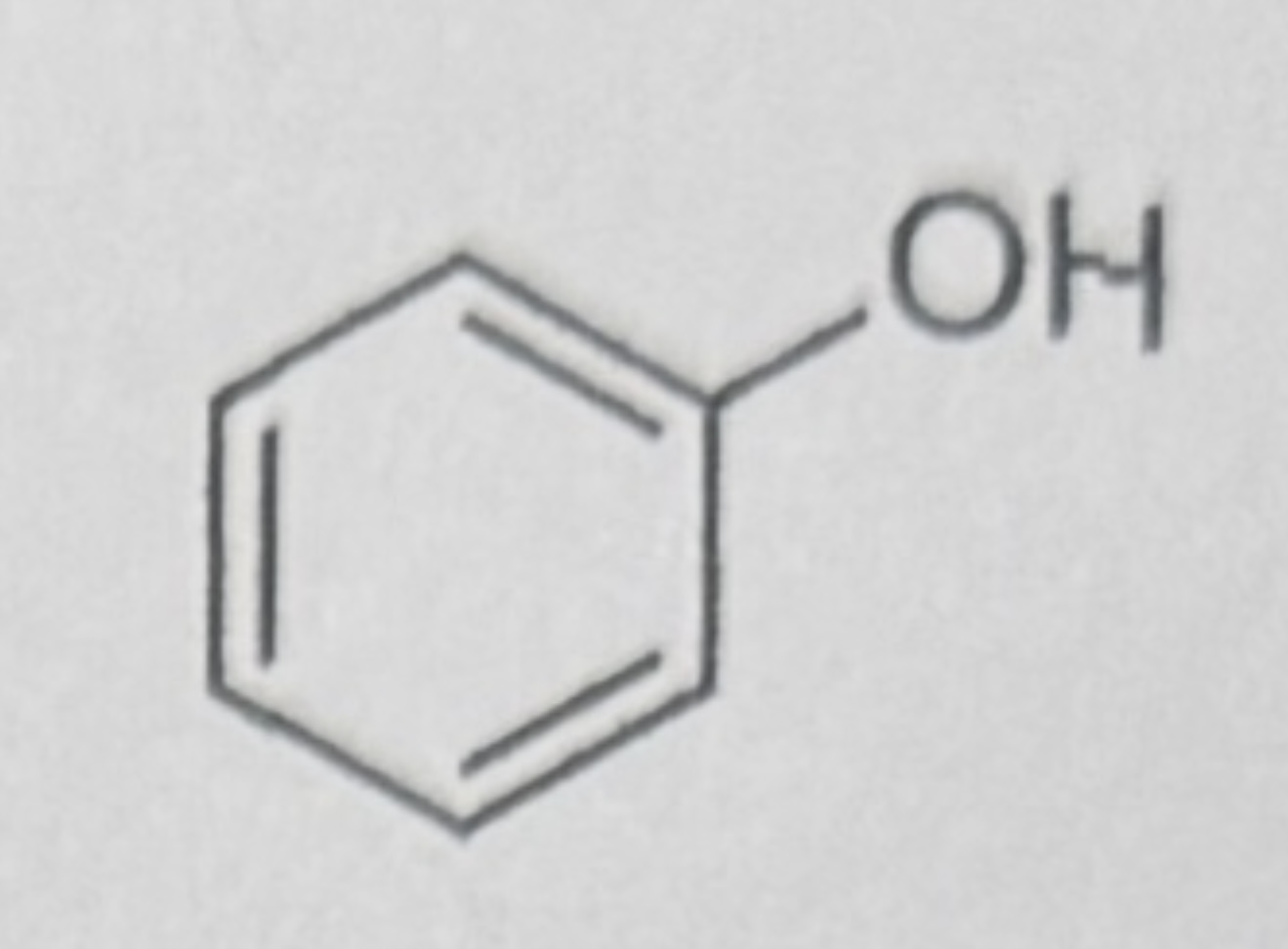
Phenol
10
H2SO4
-5
NH3 (amine)
38
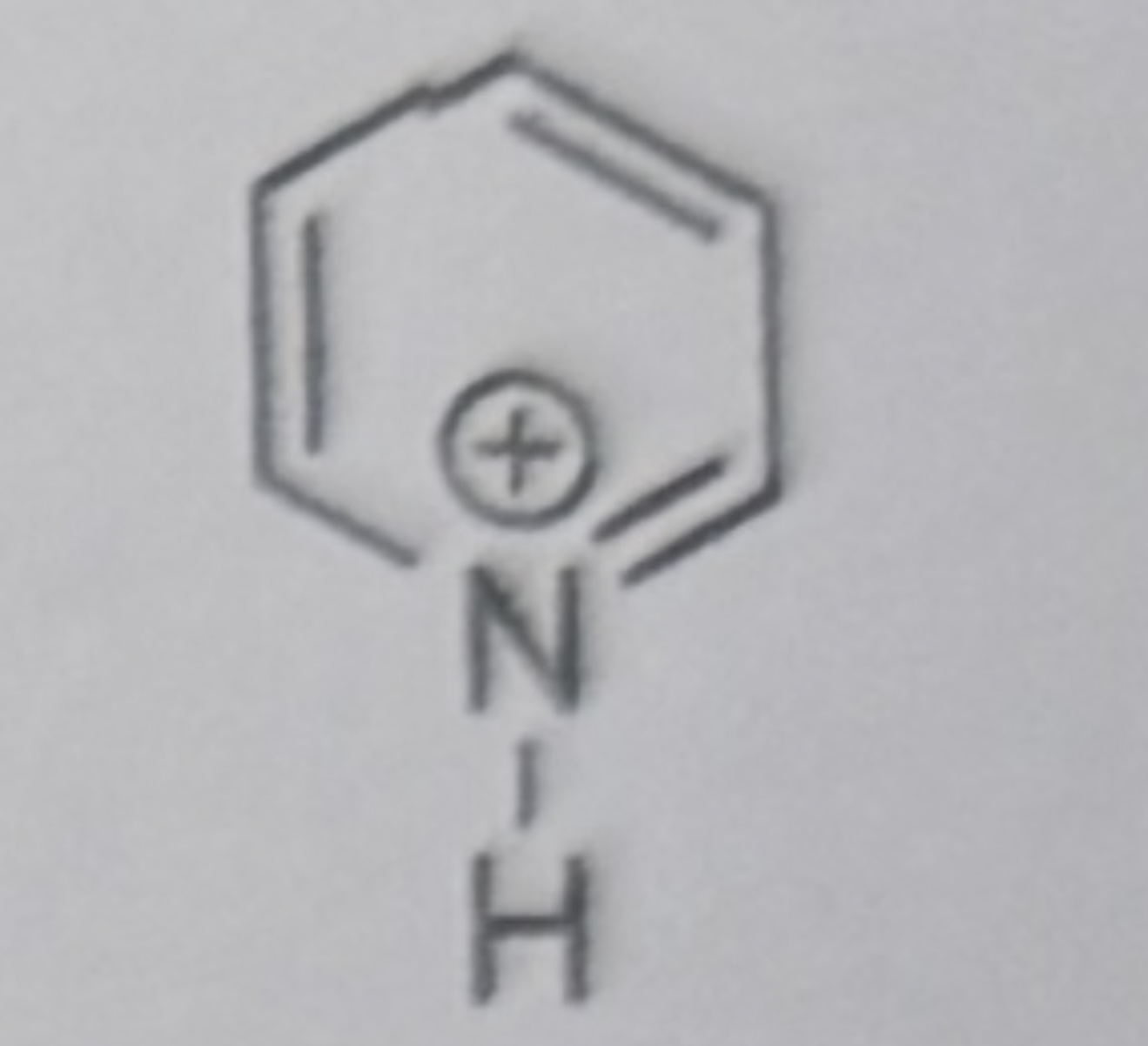
Pyridium ion
5
HCN
9
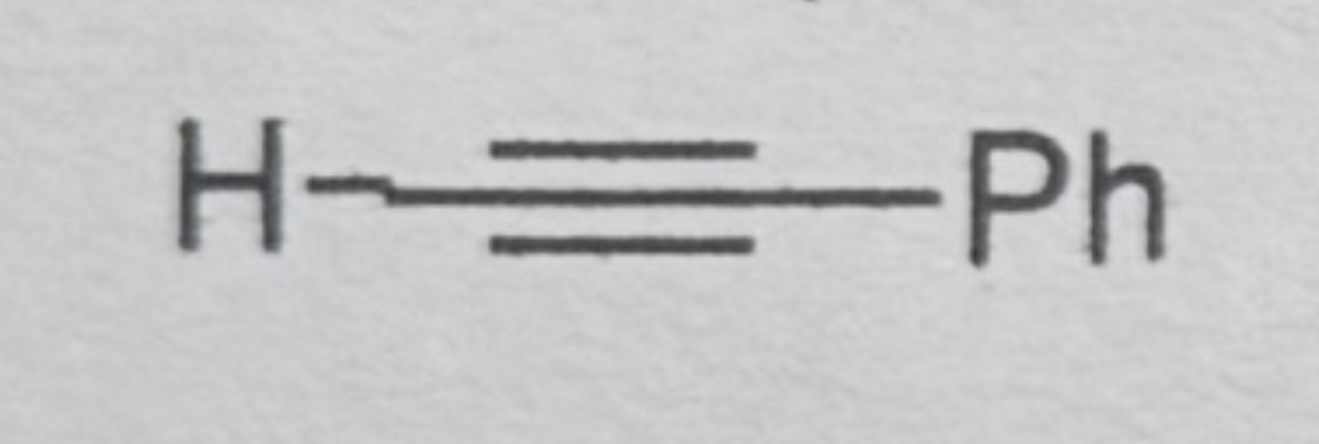
Phenylacetylene
25
H2
40
HCl
-7
HBr
-9
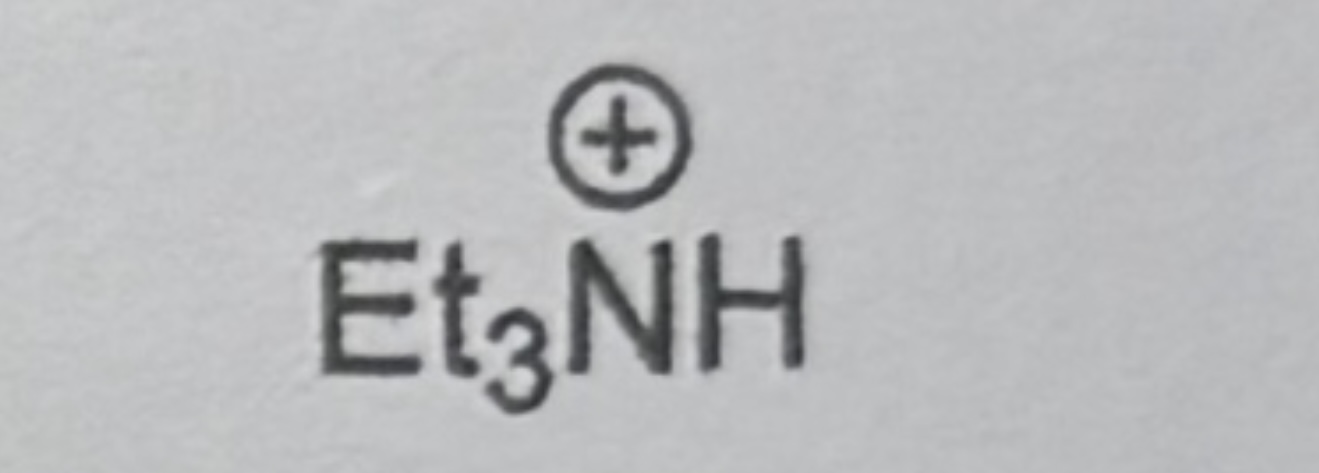
Triethylammonium ion
11
HI
-10
HN3
5
HF
3
HOH/H2O
15
Good LG
EN & polarizable
Low pka value
(-) charged Nuc: (usually SN2)
-OH, -OR, CH3CO2-
N3-
-CN HC≡C-
Cl- Br- I-
HS- RS-
Neutral Nuc: (SN1)
H2O ROH
NH3 RNH2
H2S RSH
HOCH3
Methanol (good for SN1)
The intermediate carbocation in an SN1 rxn is …
Flat
Secondary vs secondary benzylic vs primary
Fastest SN1: secondary benzylic > secondary > primary
Fastest SN2: primary > secondary benzylic > secondary
An SN1 rxn wants
Stable carbocation (secondary and above)
Good LG (low pka)
Okay/neutral Nuc: (Structure doesn’t matter)
KOtBu
Potassium t-butoxide (good for E2)
E2 rxns like ___ bases
strong bases:
K+ -OtBu
Na+ -NH2 (alkynes)
DBU
E2 requires ____ configuration of deprotonated H & LG
Antiperiplanar (180 degrees from each other in Newman projection)
E2 is always an anti elimination!
Terminal alkene
Alkene at very terminus of alkyl chain
Alkene stability
Tetrasubst > Trisubst > Geminal (1,1) > Trans > Cis > Monosubst >
E2 wants:
Tertiary alkyl halide
Good LG (I > Br > Cl)
Big, strong base (high pka)
Trans
E
Cis
Z
E1 is not as selective — draw …
all products (E, Z, terminal alkene, etc)
We have mixtures of both SN1 and E1 bc
they’re linked & completing in the same flask
RDS in E1 and SN1 mech is …
Formation of a carbocation
Alkyl tosylates behave like
Bromide
E1 Alcohol Reagent
H2SO4 (Acid)
E2 OH reagent
POCl3 (not acid or else we would form a carbocation)
Pyridine
SN1 OH reagent
HX (X = Cl, Br, I)
Pyridine can/cannot deprotonate an alcohol
cannot!
Pyridium pka = 5
H2O pka = 15
SN2 OH reagent
SOCl2 + pyridine (Cl substitution)
PBr3 + pyridine (Br substitution)
Alkyl tosylate OH reagent
TsCl
Pyridine
Epoxide basic conditions facts
-SN2 to break open ring: use all good SN2 Nuc:s —> -C≡N, -C≡C-R, CH3COO-, -OEt
-Attack less subst C
Epoxide basic conditions reagents
(-) :Nuc
H2O
Epoxide acidic conditions facts
-Still SN2, but use acids instead
-Attack most substituted C
-Acidic conditions, so all organic media (+) or neutral —> no alkoxide anions!
Epoxide acidic conditions reagents
HOEt / H2SO4 / HBr / HCl etc
True or False: H-Cl is NOT H+. H+ doesn’t exist because it’s always ligated by smth in solution!
True
Alkene hydrohalogenation reagents
HX (X = Cl, Br, I)
Alkene hydration reagents
H2O
H2SO4
Alkene halogenation reagents
X2 (X = Cl or Br)
Alkene halohydrin formation
X2, H2O (X = Cl or Br)
Alkene hydroboration-oxidation reagents
BH3
H2O2, HO-
Alkene hydrohalogenation & hydration features
-Carbocation intermediate
-Acidic conditions (organic materials all positive or neutral)
-Markovnikov Addition
-Syn & Ani Addition
-Makes 1:1 racemic mixture
-Up to 4 products
Alkene halogenation & halohydrin formation features
-Halonium ions
-Acidic conditions
-Markovnikov Addition
-Anti addition
-Achiral or racemic mixture (up to 2 different products)
Alkene hydroboration-oxidation features
-Anti-Markovnikov Addition
-Retention of configuration
-Syn Addition
-Racemic mixture (has enantiomers & diastereomers)
Alkyne hydrohalogenation reagents
2 HX (X = Cl, Br, I)
Alkyne halogenation reagents
2 X2 (X = Cl, Br)
Alkyne hydration reagents
H2O
H2SO4
If terminal alkyne: HgSO4
Alkyne hydroboration-oxidation reagents
1) R2BH / BH3
2) H2O2, KOH
Alkyne hydrohalogenation features
-Markovnikov Addition
-Product: geminal dihalide
Alkyne halogenation features
-Product: Tetrahalides
Alkyne hydration features
-Acidic conditions
-Markovnikov Addition
-Product: Ketones
Alkyne hydroboration-oxidation features
-Basic Conditions
-Anti-Markovnikov
-Product: Aldehydes (sometimes ketones)
-Tautomerization is catalytic in base, so regenerate OH
Reduction
Going from a high oxidation state (more C-X bonds) to a low oxidation state (fewer C-X bonds)
Oxidation
Going from a lower oxidation state (fewer C-X bonds) to a higher oxidation state (more C-X bonds)
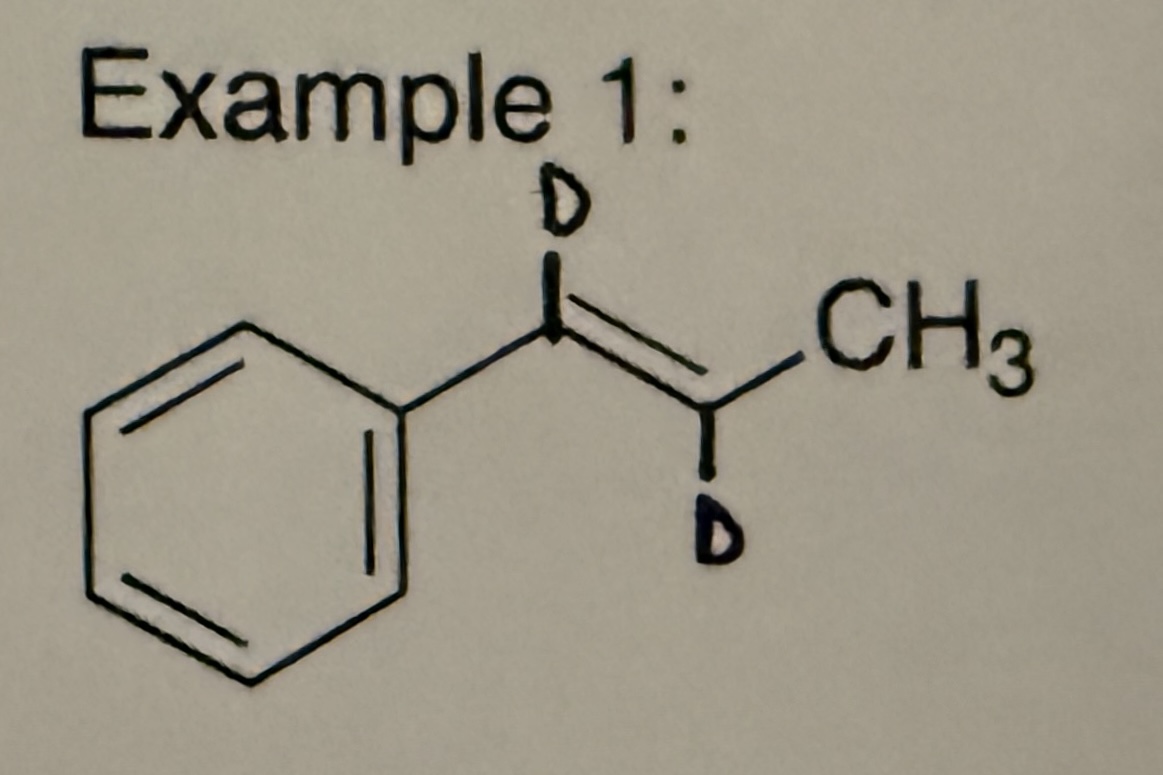
Reduce an alkene (hydrogenation)
-Use Pd/C, H2 (can also use D2 — when that happens, add 2 D)
-Adds Hs to both sides of the alkene bond
-Syn addition
-Makes enantiomers
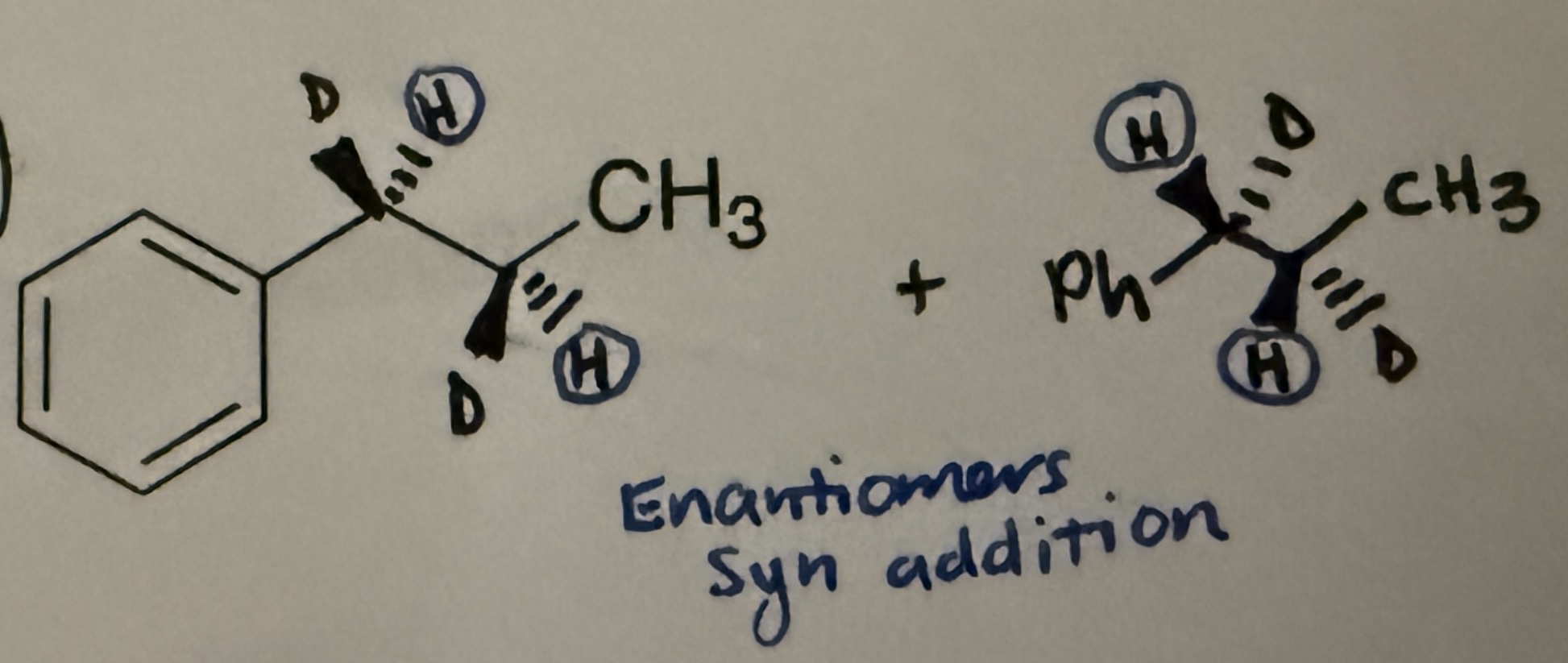
Reduce an aldehyde (carbonyl)
-Use Pd/C, H2
-Adds 1 H to O & 1 H to C in C=O bond
-1 equivalent of H2 — doesn’t reduce further bc Pd/C only works on pi bonds
-No enantiomers bc 2 Hs bonded to C make it achiral
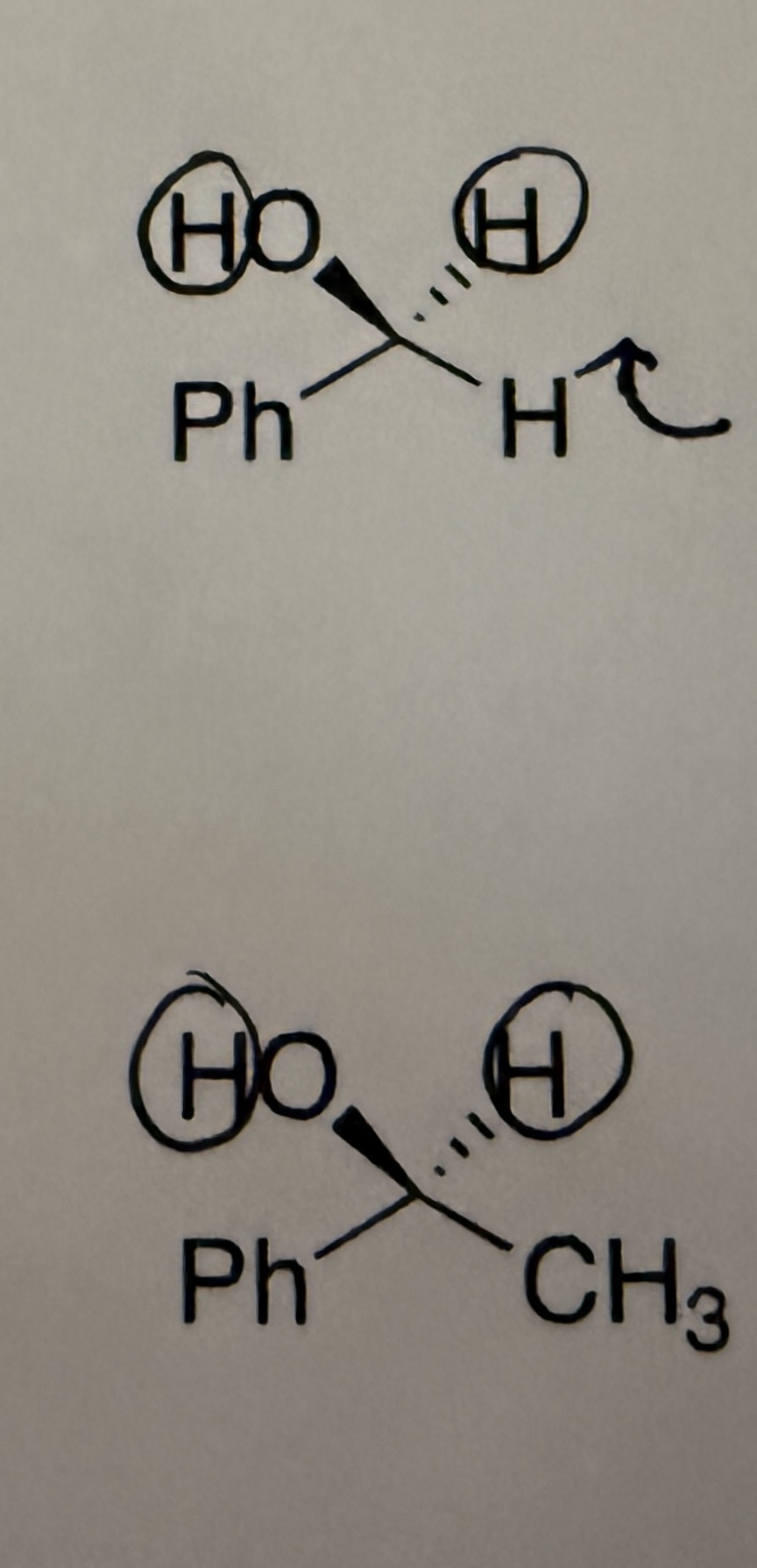
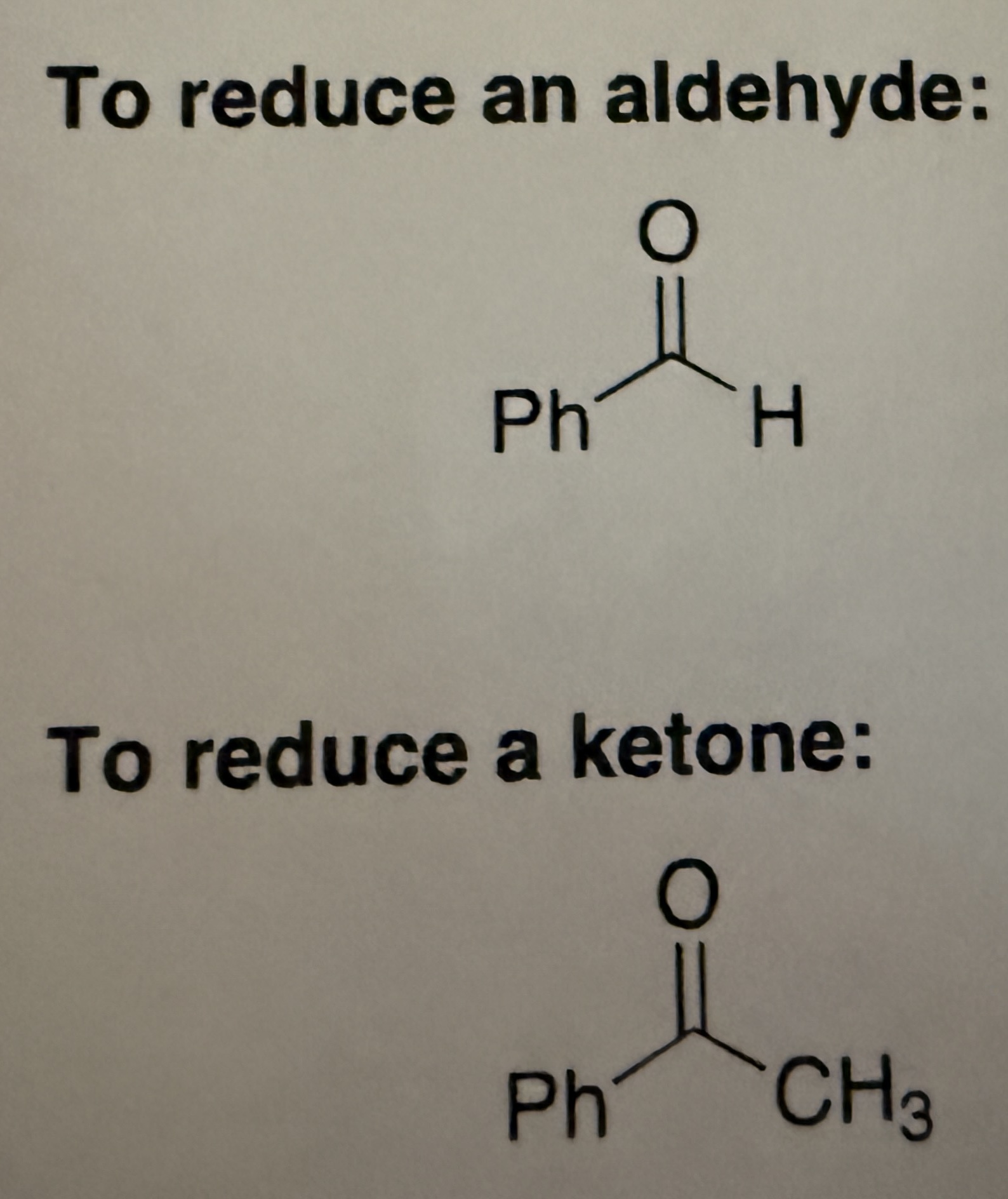
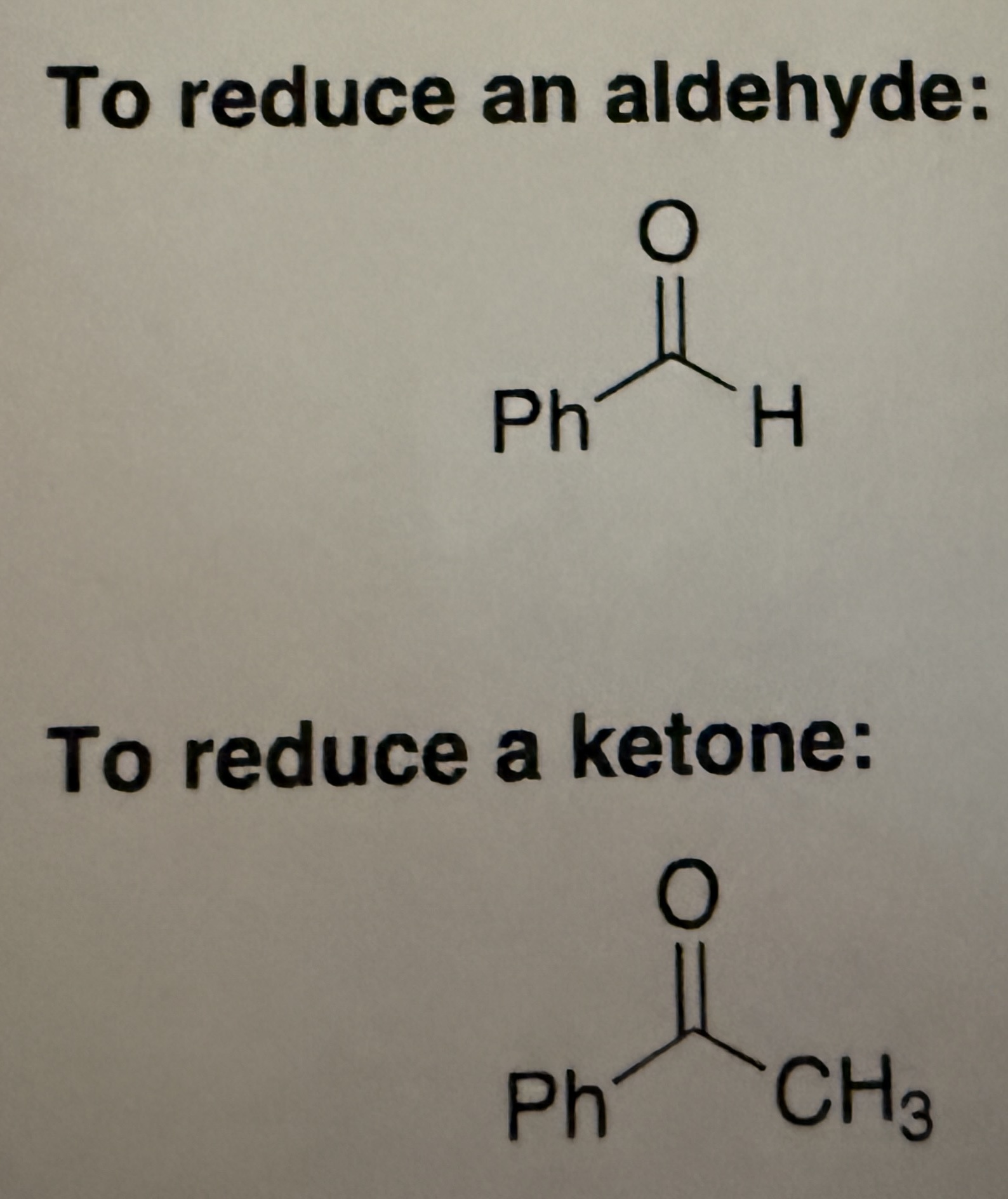
Reduce a ketone (carbonyl)
-Use Pd/C, H2
-1 equivalent of H2
-Makes enantiomers
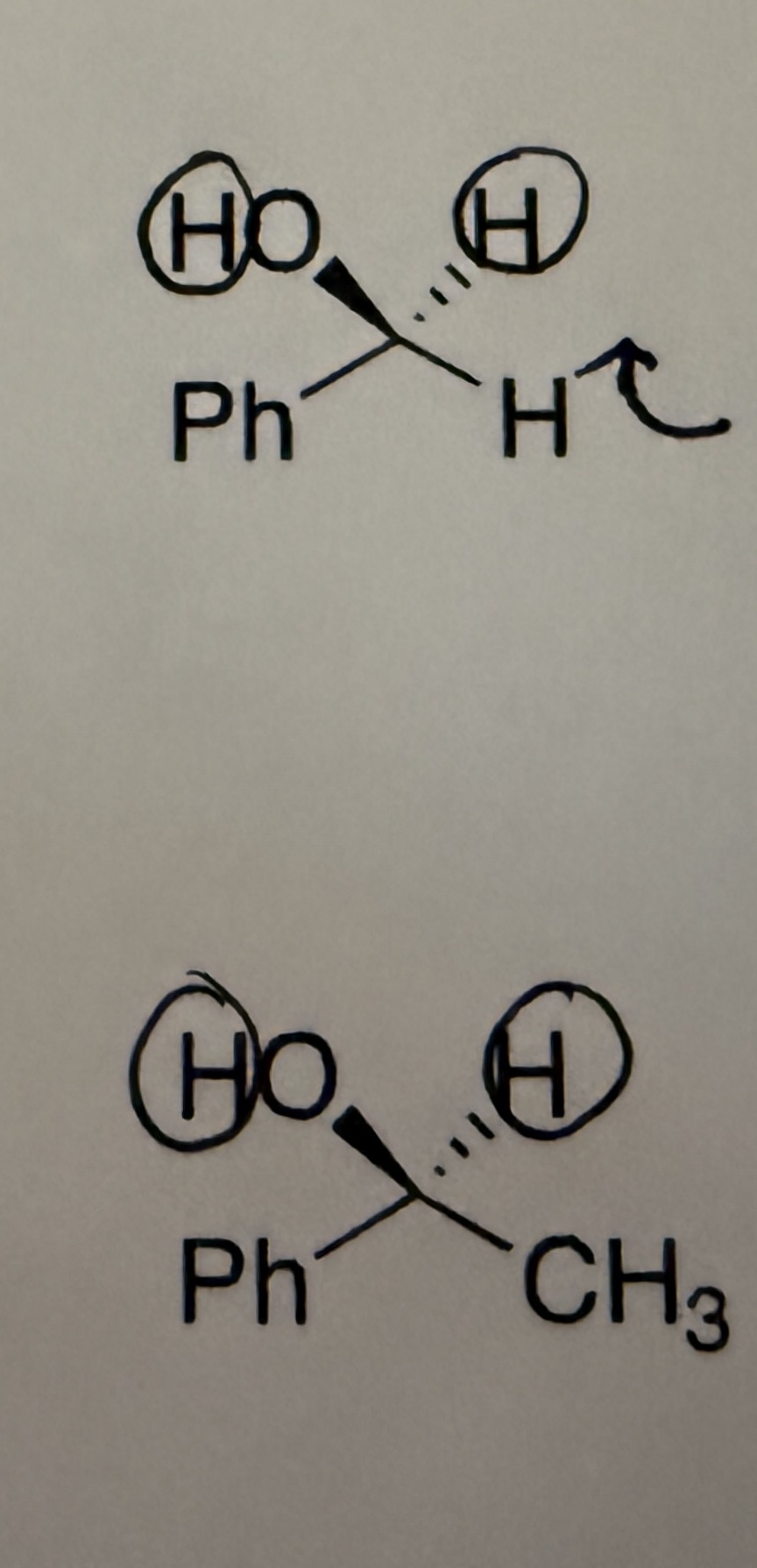
Reducing agents
Many have Metal-H (metal hydrides)
Pd/c, H2: xPd-H
Borane: H2B-H
Borohydrides: BH4-, Na+
Aluminum hydrides: Al4-, Li+
Na0 (sodium metal, can donate an e-)
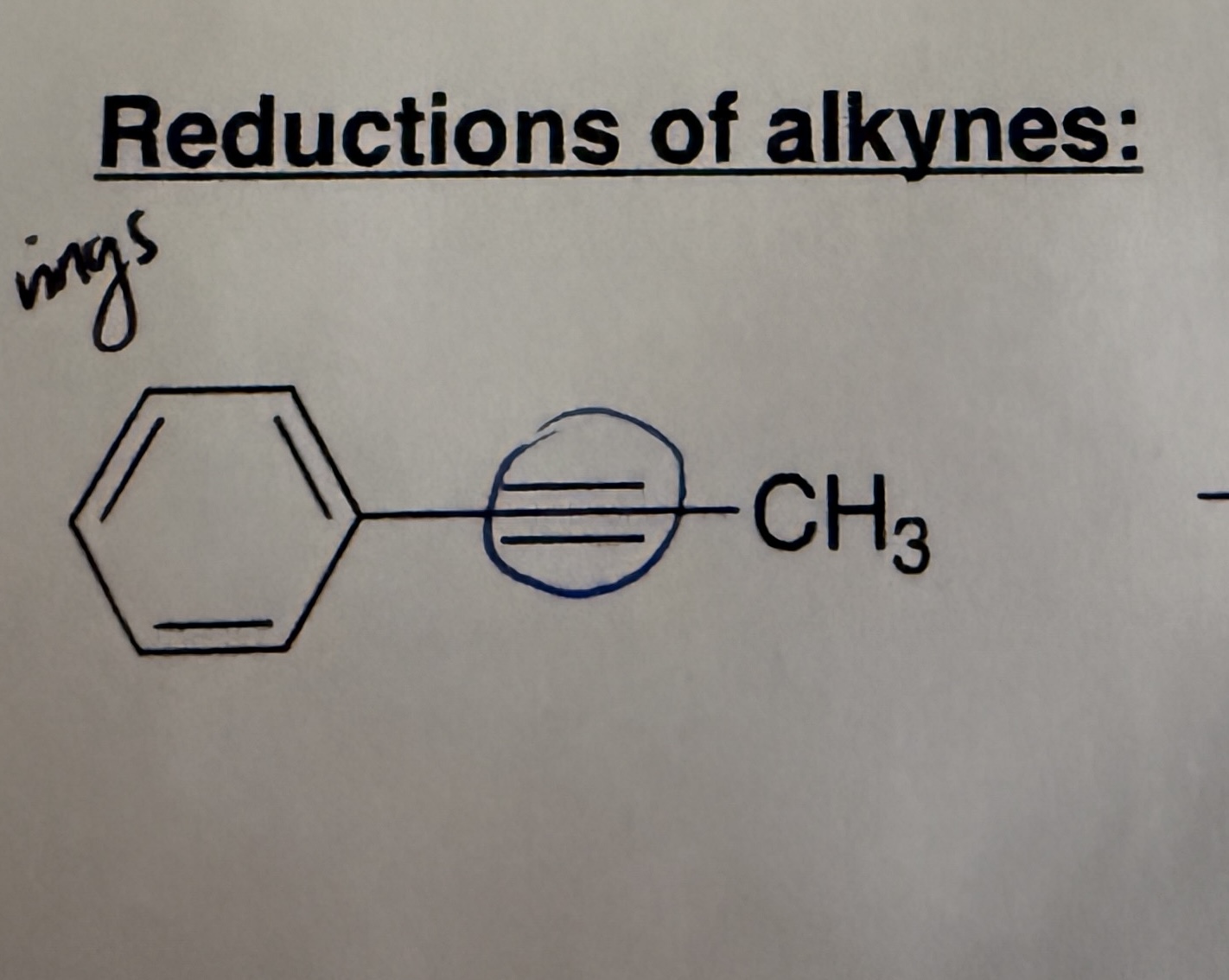
Reduce alkyne to alkane
-Pd/C, H2
-Reduce all pi bonds
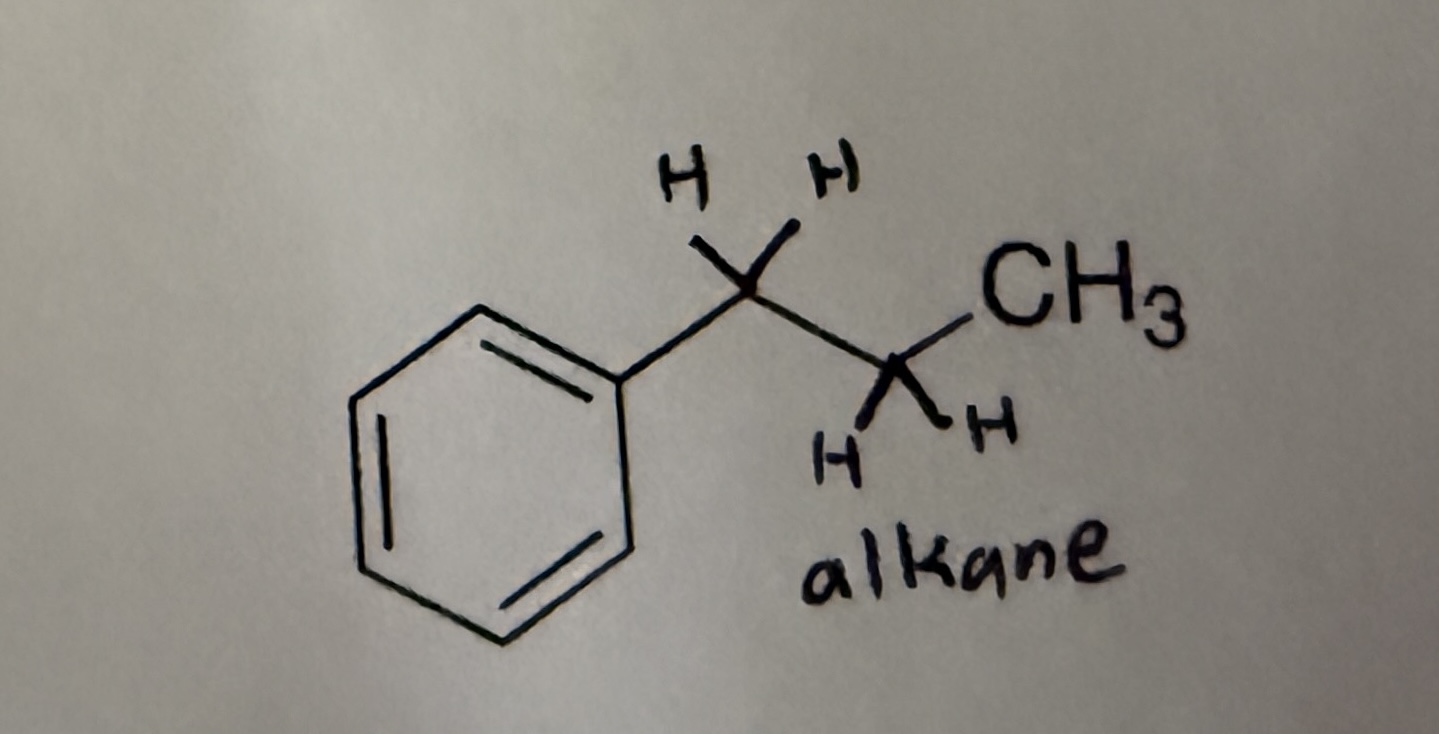
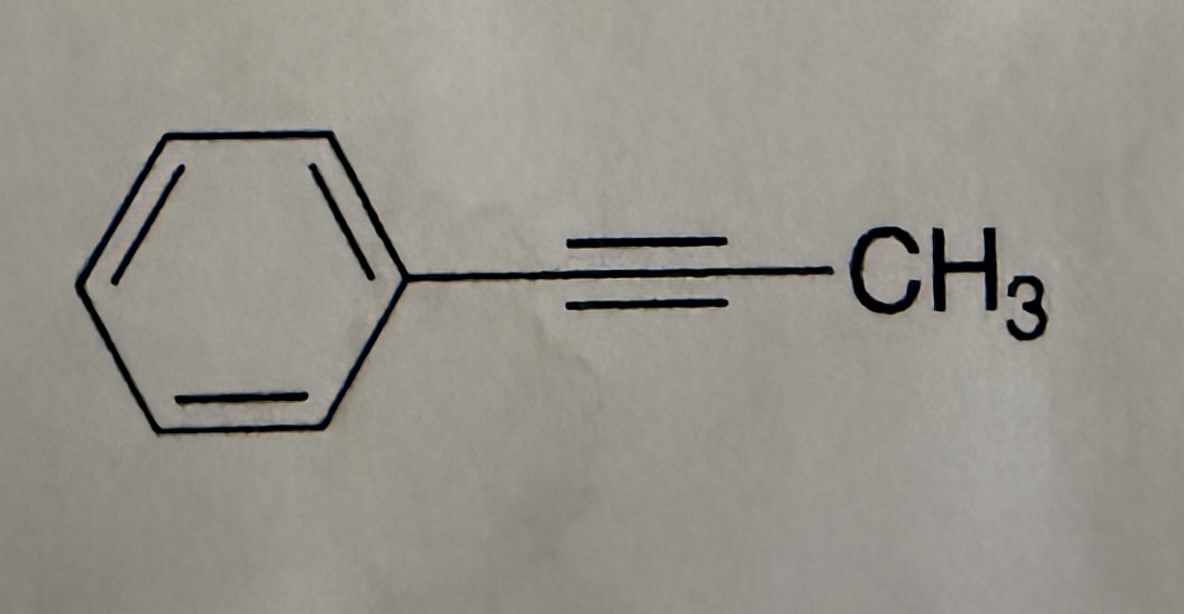
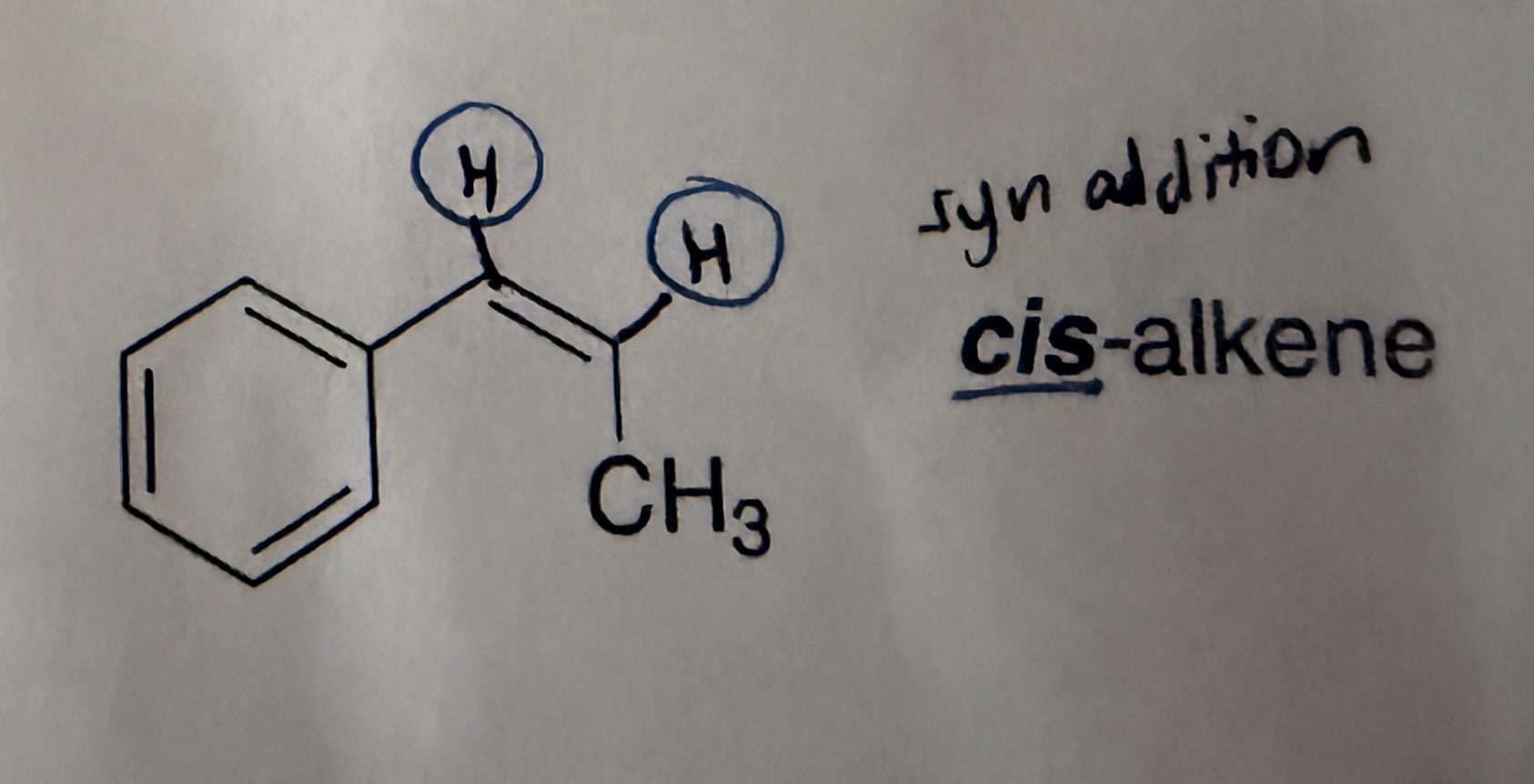
Reduce alkyne to cis-alkene
-Lindlar’s catalyst (poisoned Pd/C), H2
-Syn addition
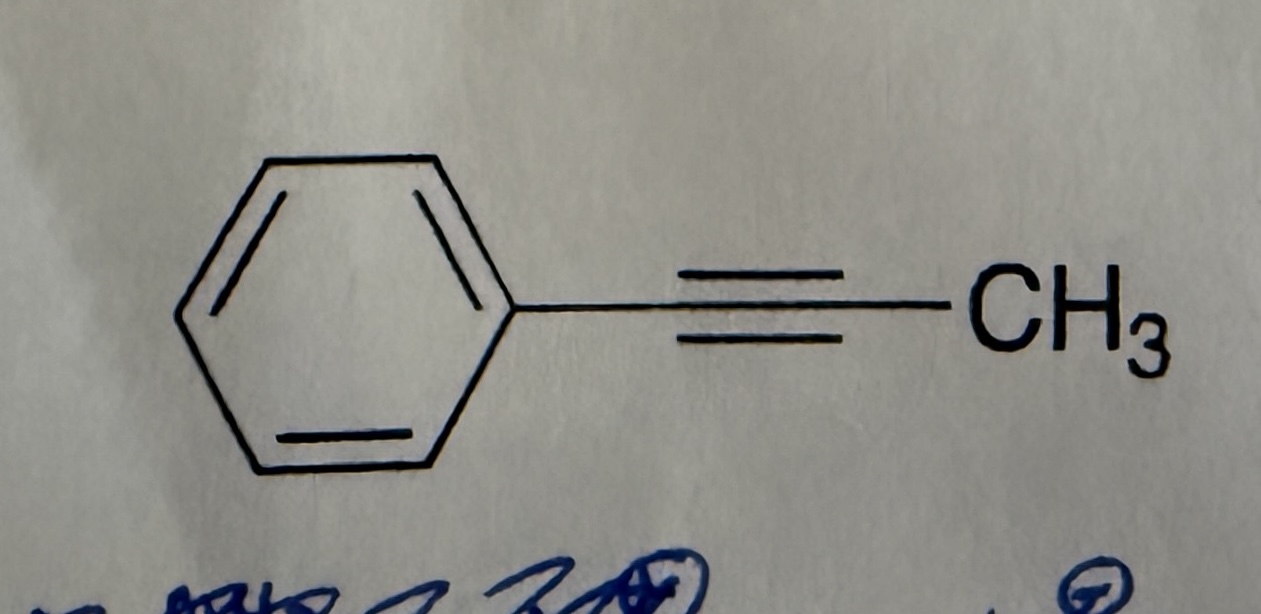
Reduce alkyne to trans-alkene
-Na0, NH3
-Anti addition
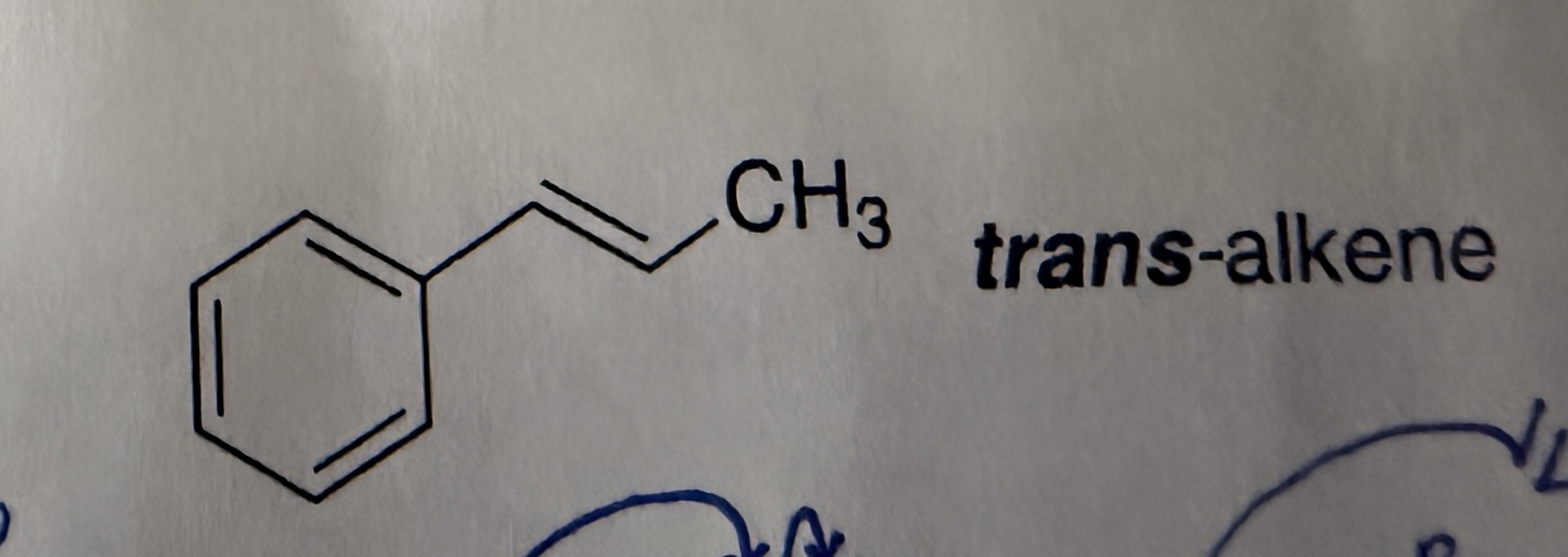
Reduce alkyne to trans-alkene mechanism
Na0 + NH3 makes Na+ & e-
Alkyne bond attacks e- & e- attacks a C. The alkyne bond donates 1 e- to the other C, forming a carbon radical and carboanion.
Carboanion dep+ates NH3
Carbon radical & e- bond, making another carboanion
New carboanion dep+ates NH3
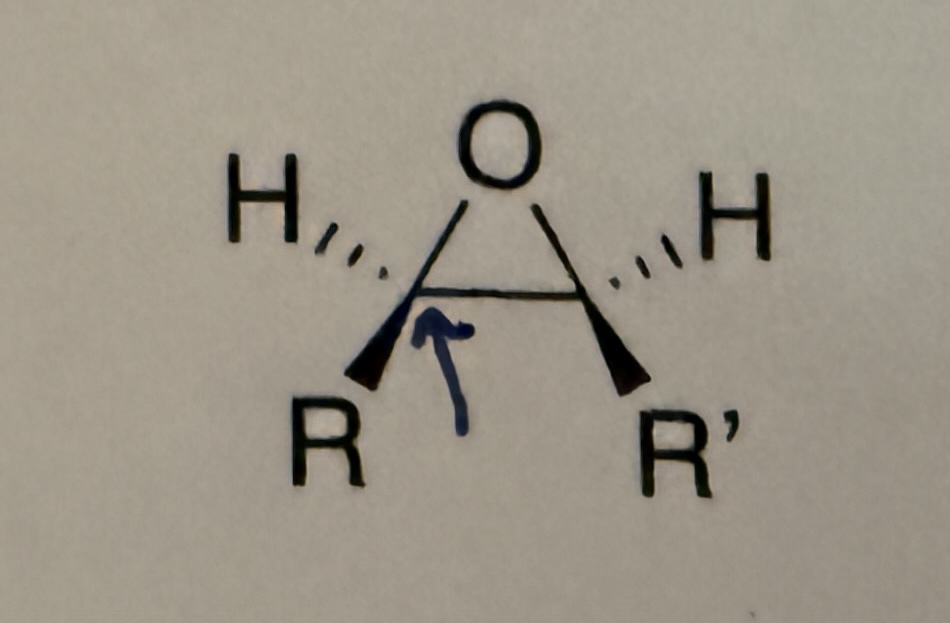
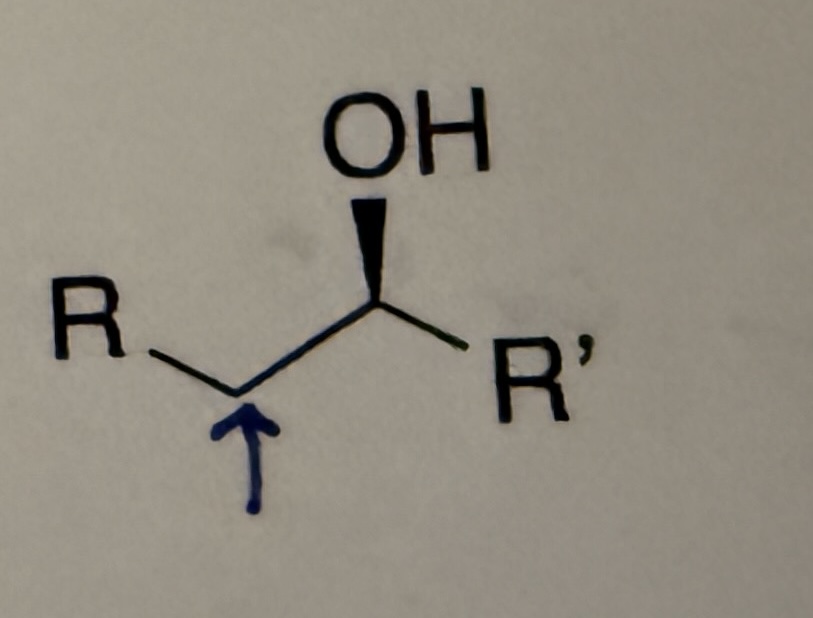
Reduce epoxides
-Use LiAlH4 (“LAH”) & H2O
-Basic conditions: attacks less sub C
-SN2 inversion
-Adds H to less sub C & O
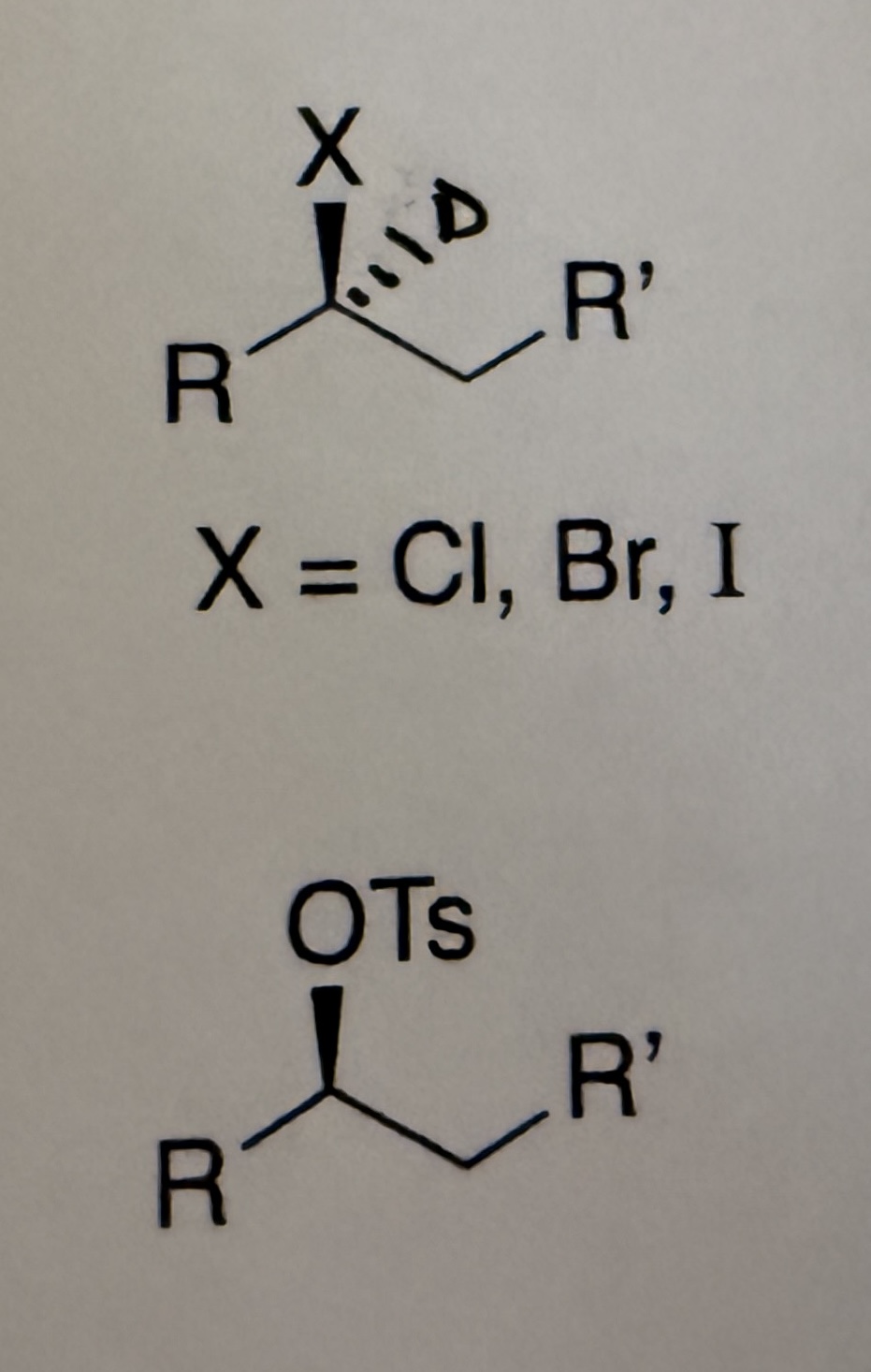
Reduce alkyl halides & sulfonates
-LAH
-Replaces X (Cl, Br, I) or OTs with H
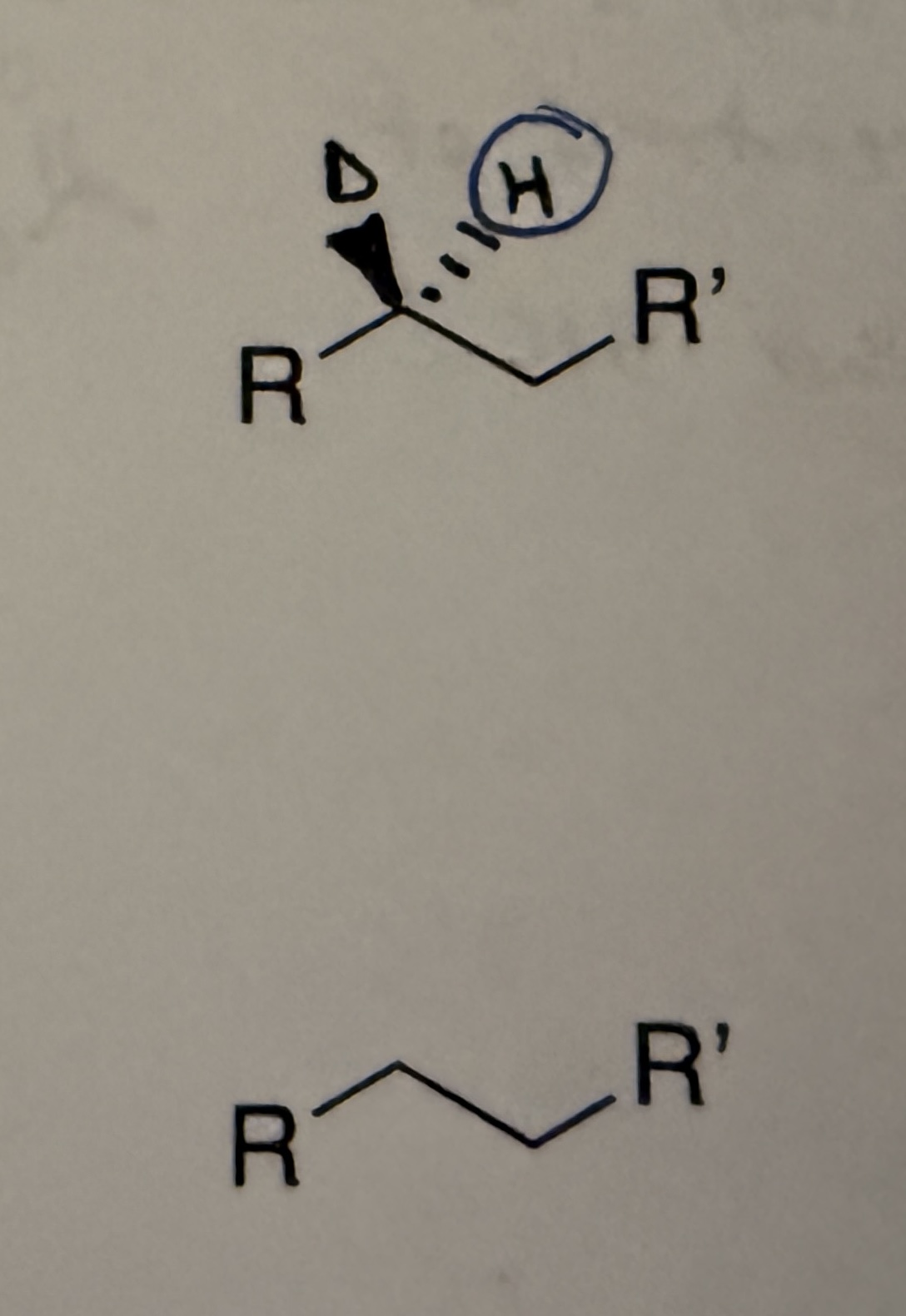
Reduce alkyl halides & sulfonates mechanism
H from -AlH4 attacks C, kicking off the LG. This makes the product, Li+, LG-, and AlH3
Stereospecific
Starting materials with diff configs lead to stereoisomerically distinct products (Toyota)
Exclusive product formation bc of mechanism
Ex:
E2 - APP req.
SN2 - always inversion
Pd/C, H2 - Syn addition
Common oxidants
M-O (metal-O) or O-O (very weak bond):
-mCPBA
-OsO4
-O3
-PCC
-Jones
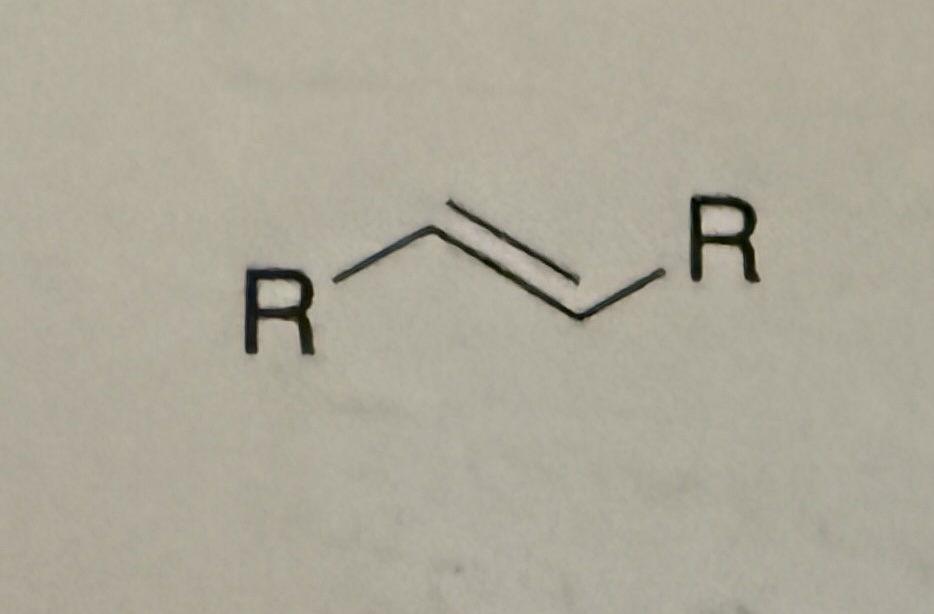
Epoxidation reagents
mCPBA
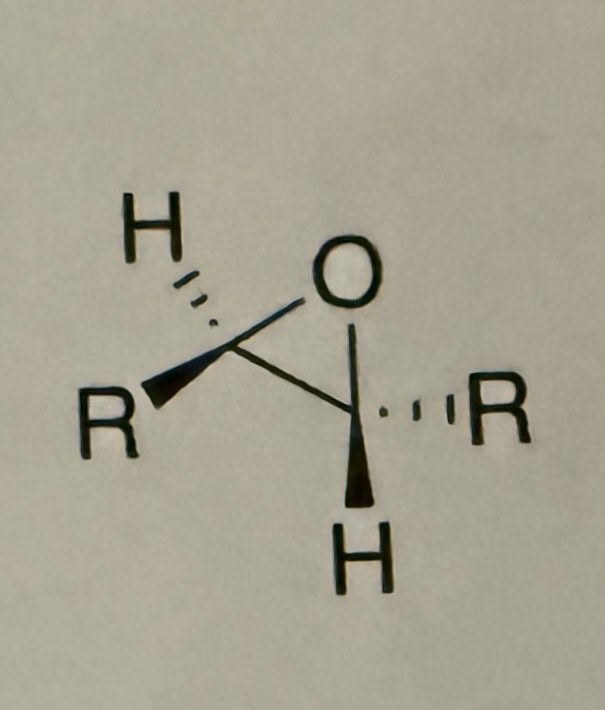
Epoxidation features
-SN2 synthesis
-Stereospecific
-Enantiomers
-Syn addition: adds C-O bond on same face
-Turns alkene bond into Epoxide ring
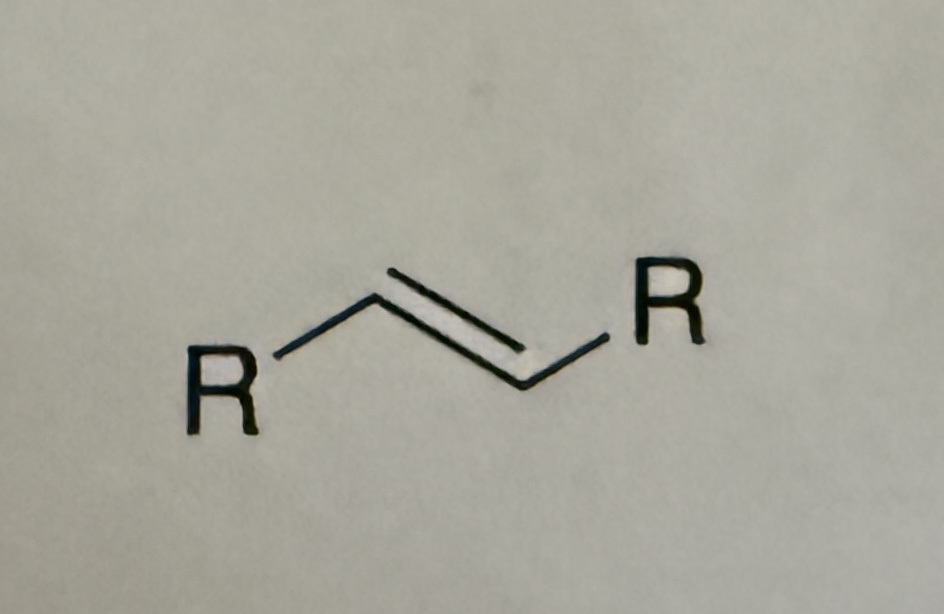
Dihydroxylation to form syn-diol reagents
OsO4
NaHSO3, H2O
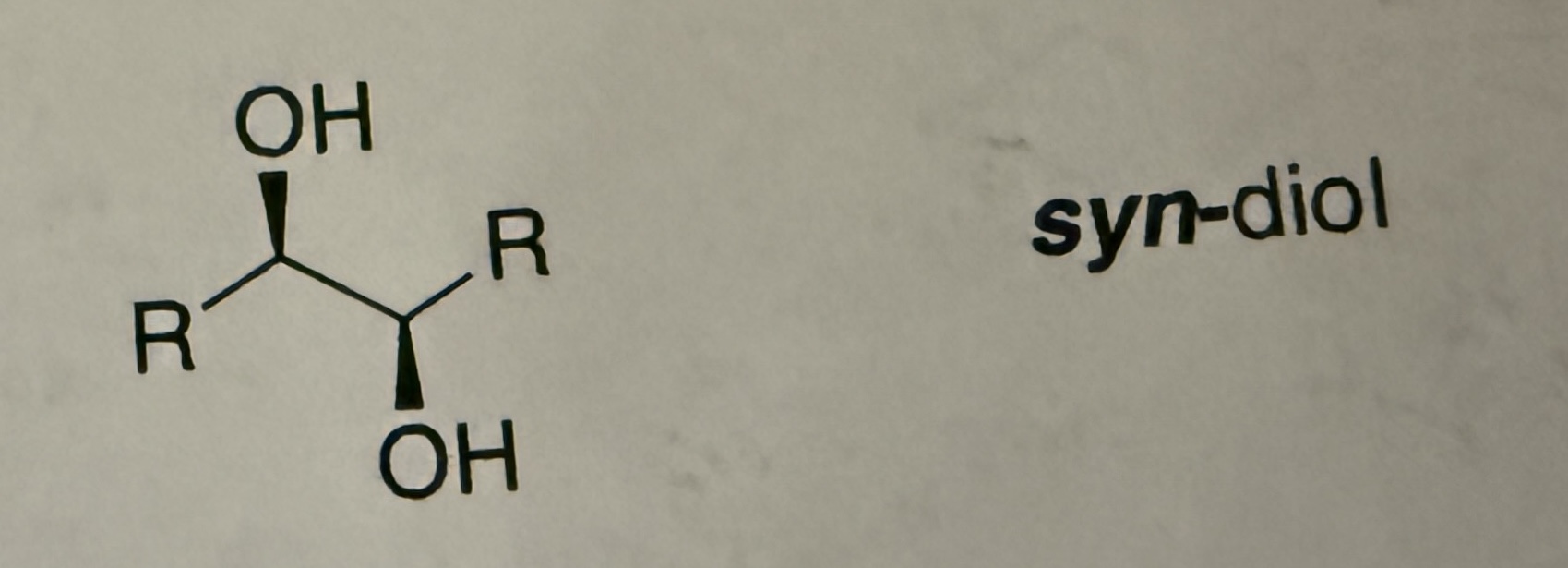
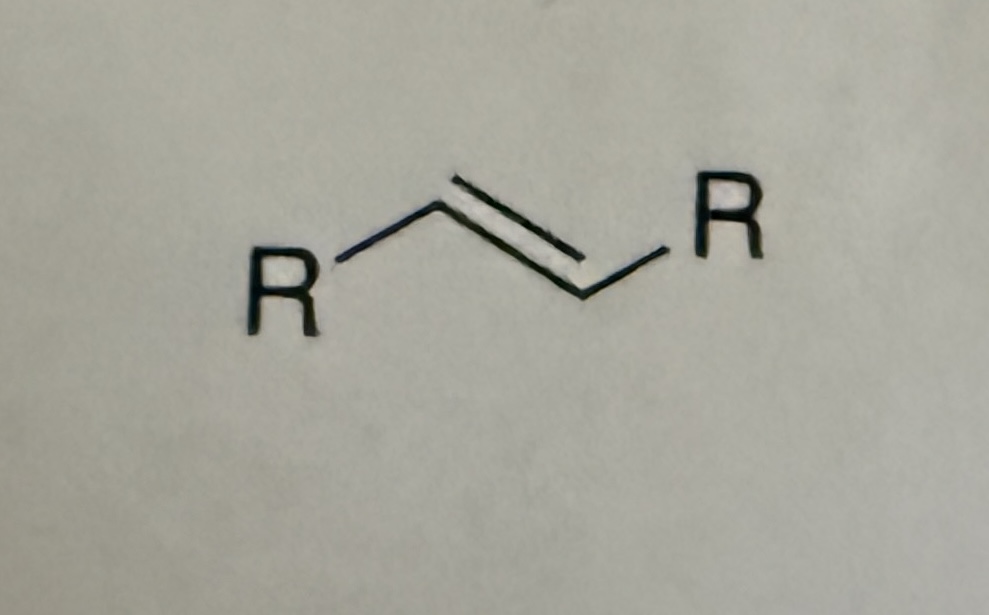
Dihydroxylation to form syn-diol features
-Syn addition
-Enantiomers (racemic)
-Both C-O bonds formed from OsO4, same face of alkene
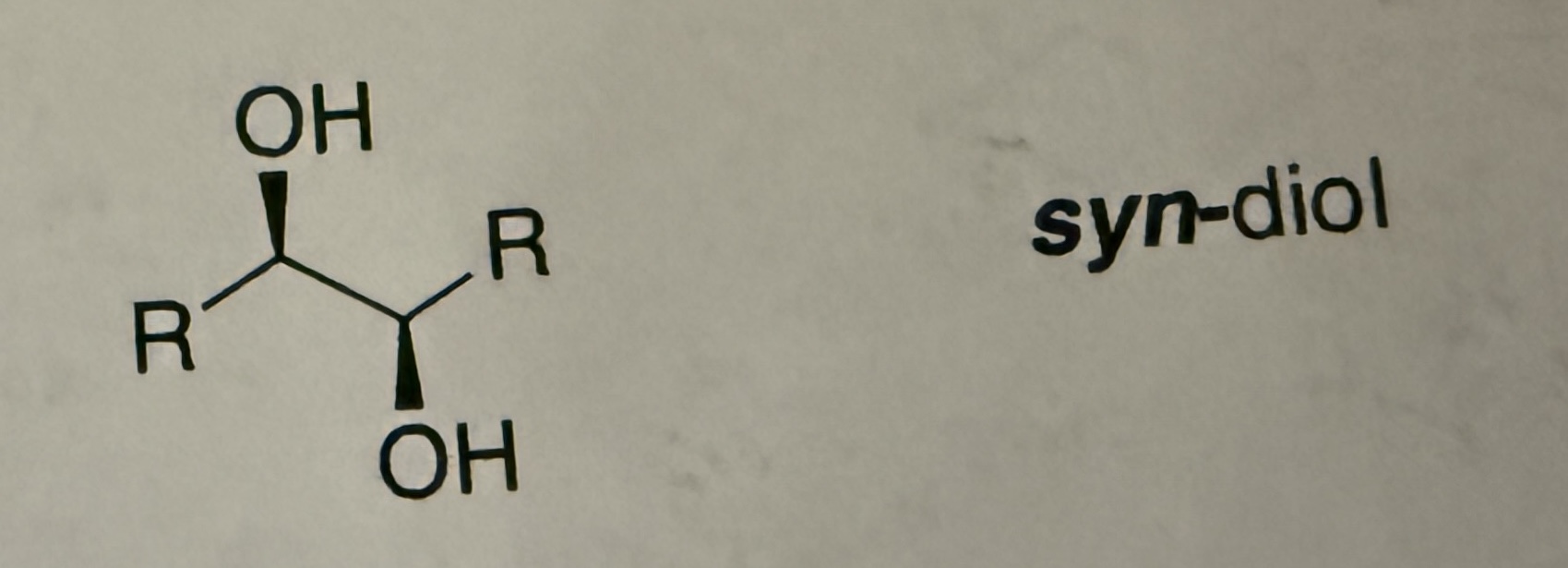
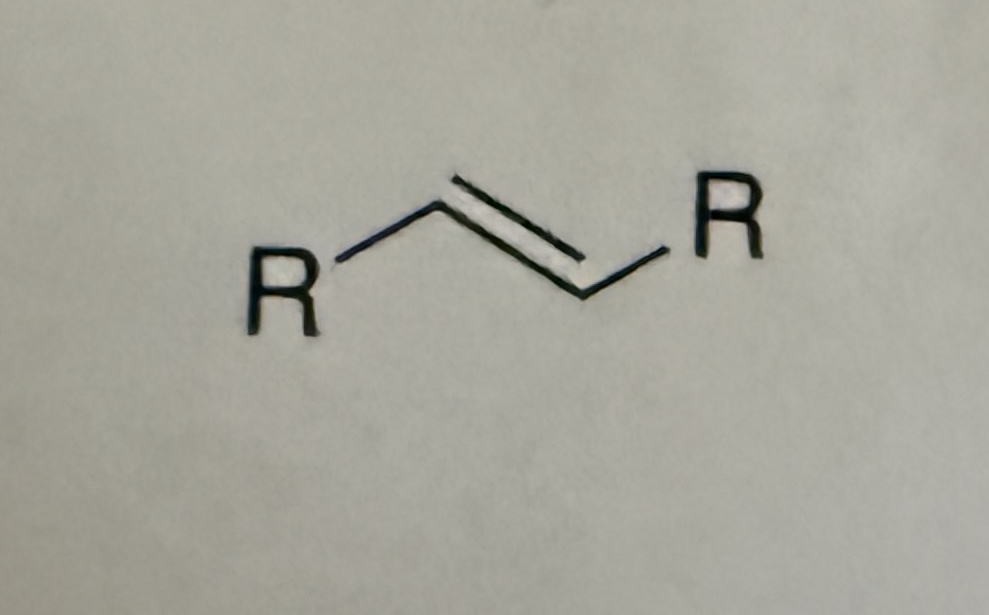
Dihydroxylation to form anti-diol reagents
mCPBA
KOH
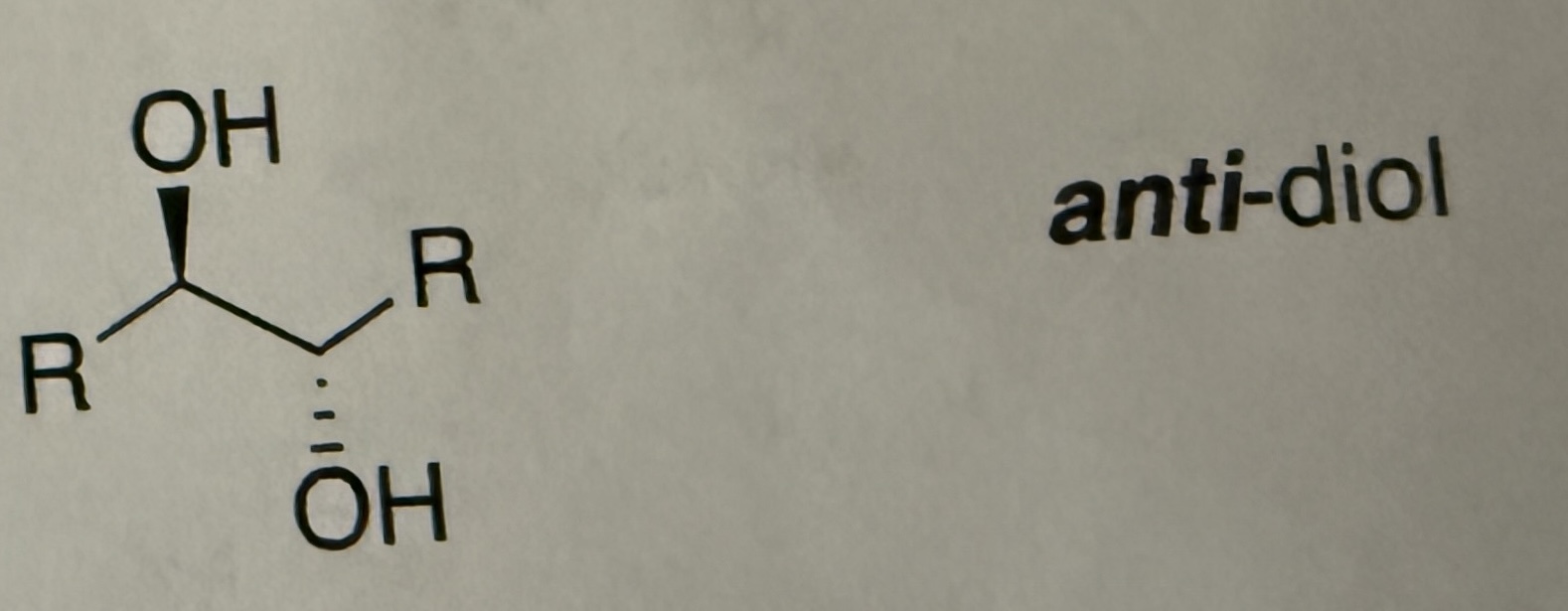
Dihydroxylation to form anti-diol features
-Basic conditions
-Anti addition
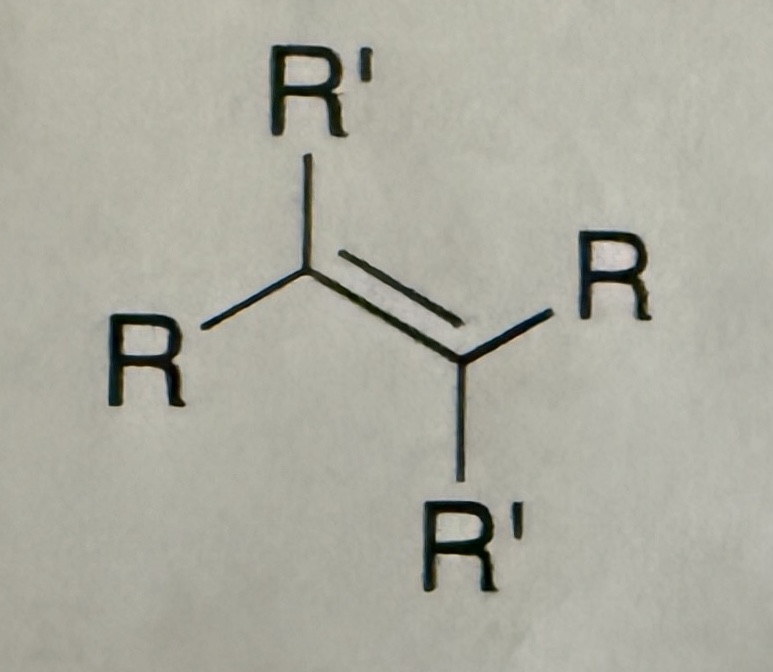
Oxidative Cleavage of Alkene Reagents
O3
Me2S (or Zn)
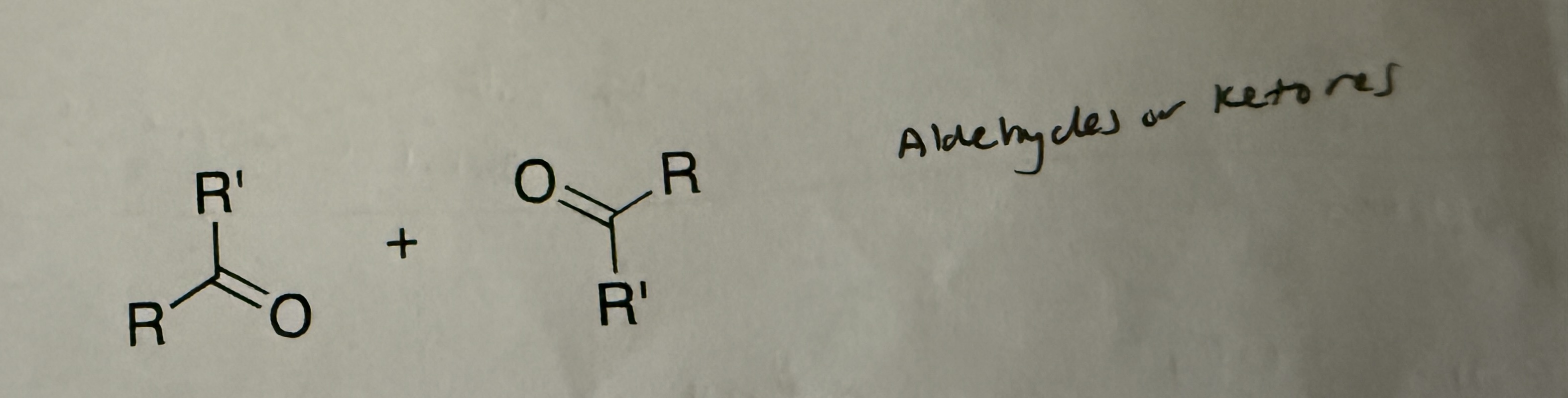
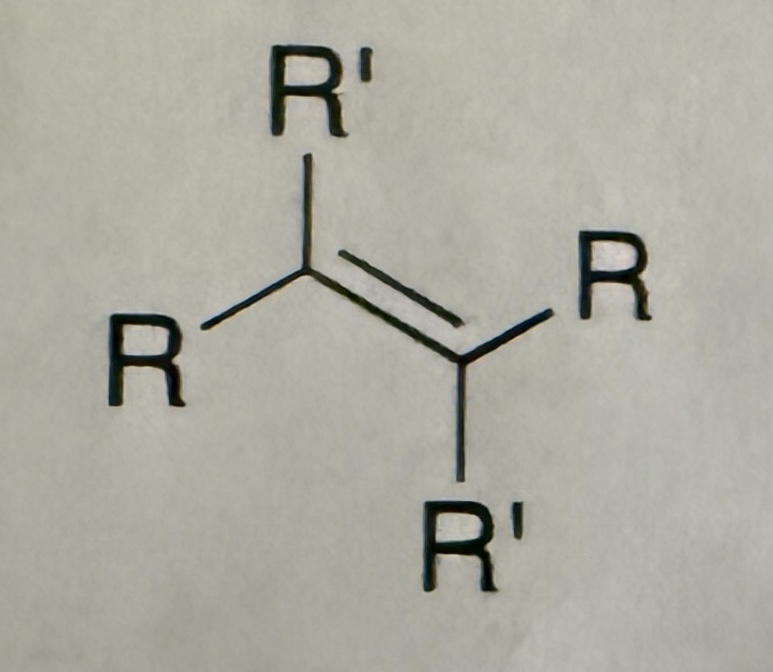
Oxidative Cleavage of Alkenes features
-Forms aldehydes or ketones
-2 carbonyls for each alkene (when part of ring, can be connected)
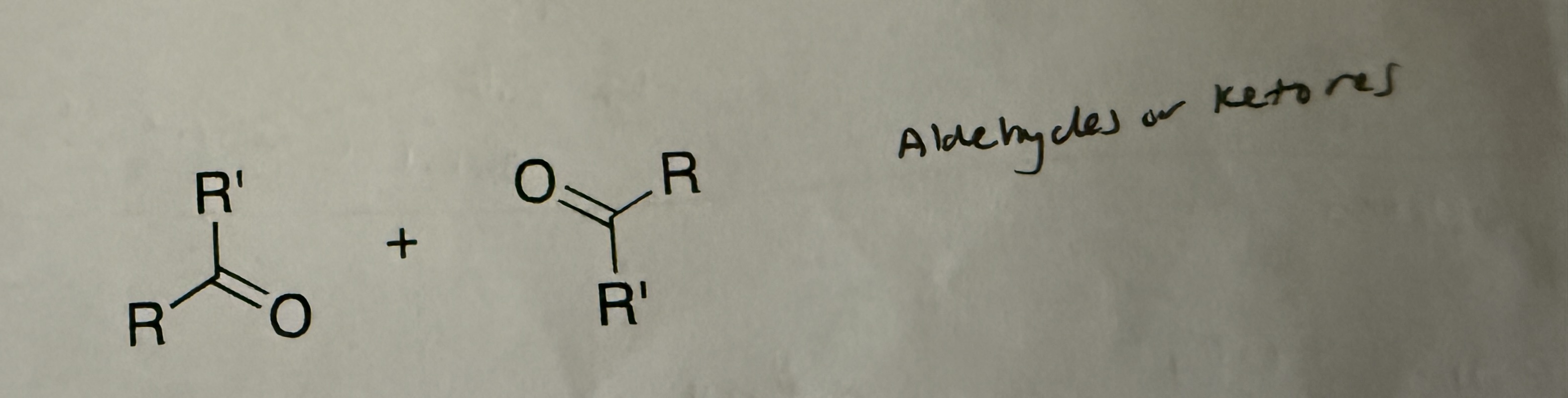
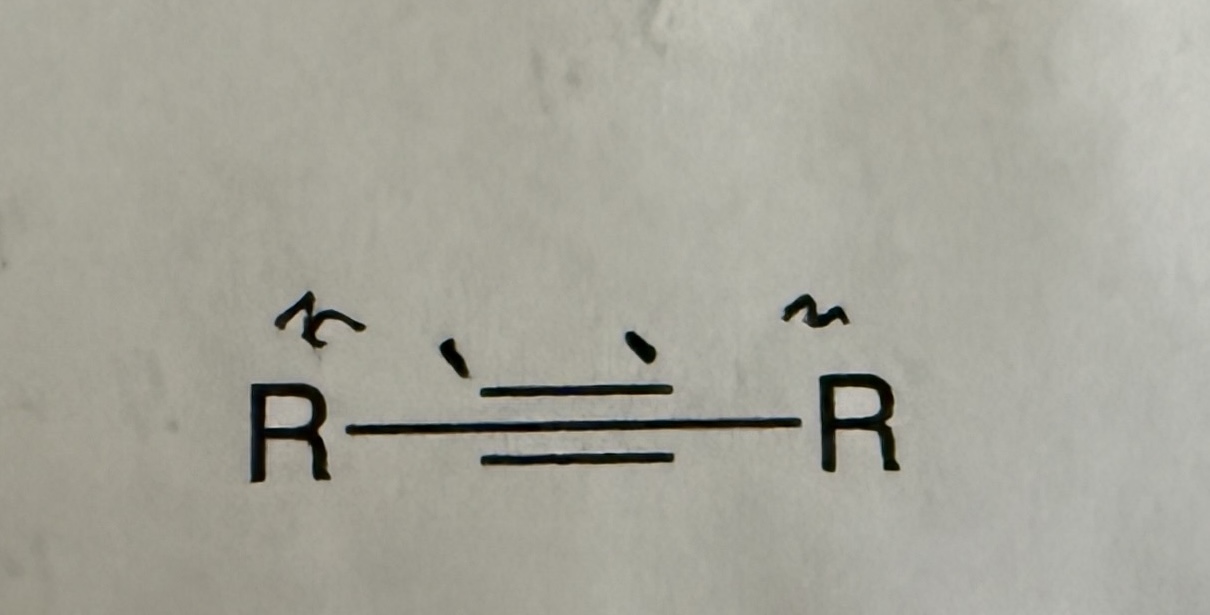
Oxidative cleavage of alkynes reagents
O3
H2O
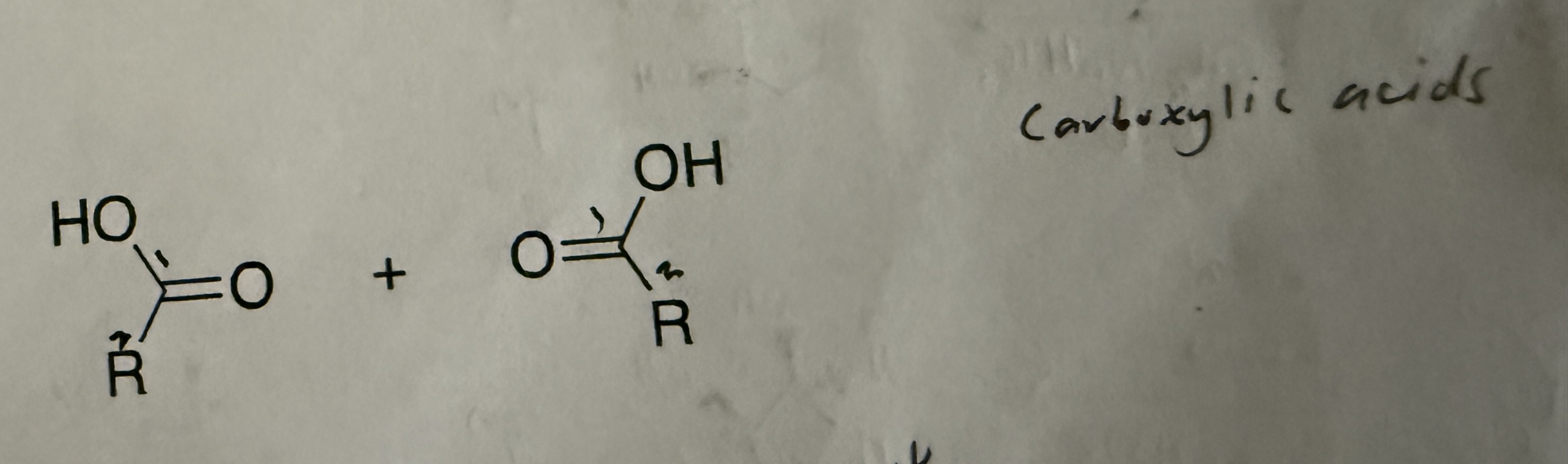
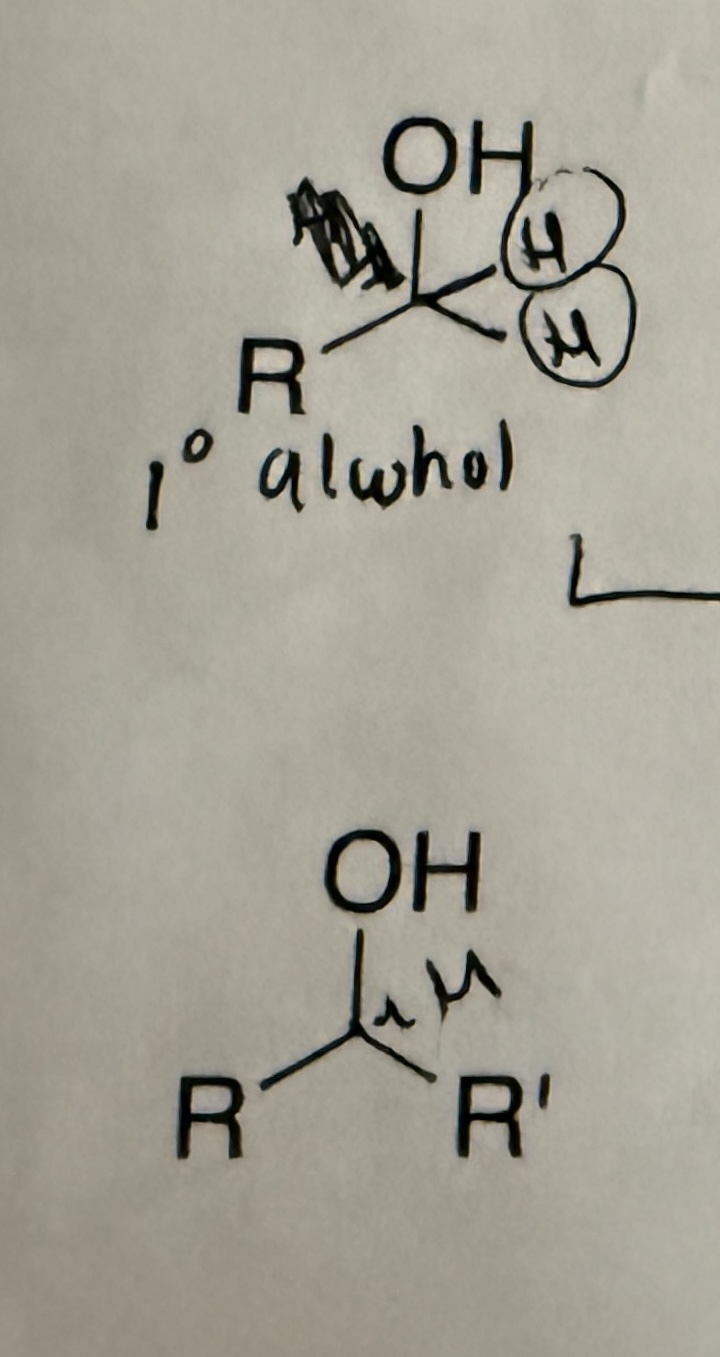
Oxidation of alcohols reagents
PCC (forms aldehyde if 1 prime and ketone if 2 prime)
Jones (forms carboxylic acid directly)
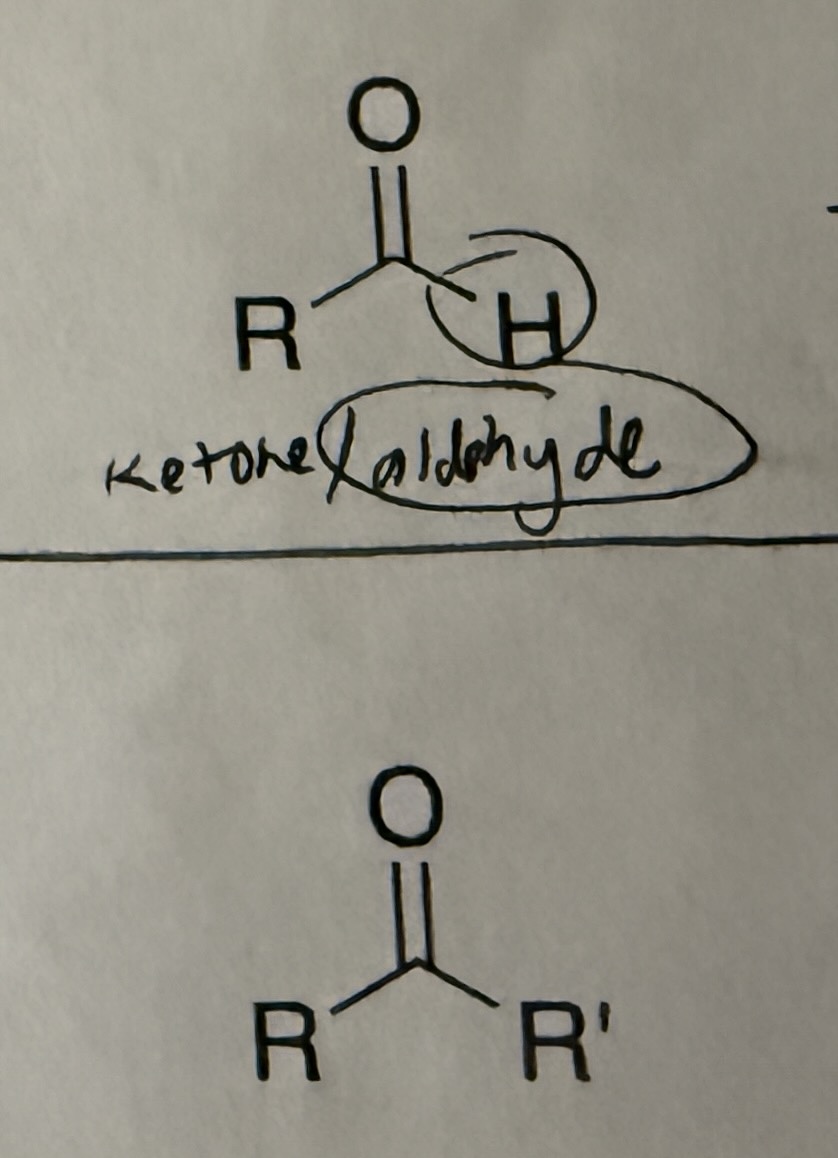
Oxidation of aldehyde reagents
Jones (forms carboxylic acid, doesn’t work on ketones)
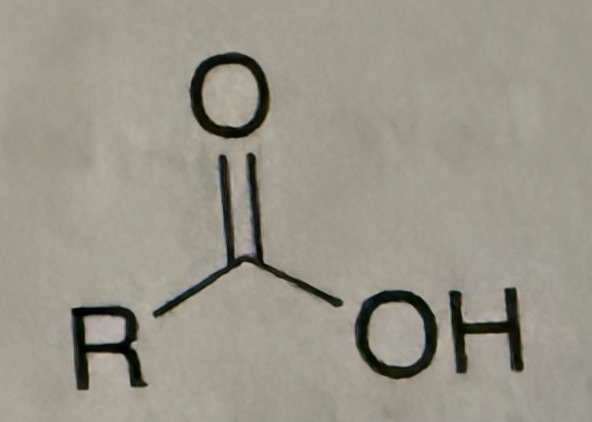

Protonated carboxylic acid pka
<0
Carboxylic acid