Unit Six: World War Two and Cold War (copy)
0.0(0)
 Studied by 0 people
 Call Kai
 Learn
Learn Practice Test
 Spaced Repetition
 Match
Match Flashcards
 Knowt Play
Card Sorting
1/133

Earn XP
Description and Tags
Last updated 1:36 AM on 5/17/23
Name | Mastery | Learn | Test | Matching | Spaced | Call with Kai |
|---|
No analytics yet
Send a link to your students to track their progress
134 Terms
1
New cards
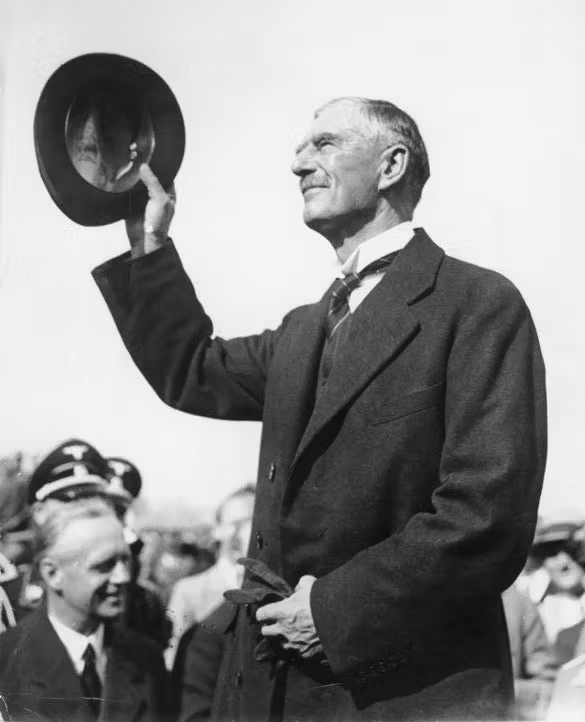
Neville Chamberlain - Prime Minister of Great Britain that meets with Hitler at the Munich conference and calls him out or breaking the Treaty of Versailles - appeases by giving him Sudetenland - praised for “stopping the war” and “controlling Hitler”
2
New cards
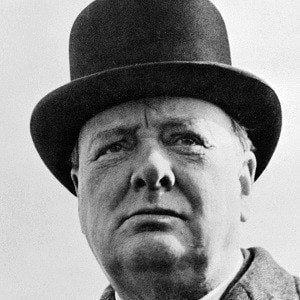
Winston Churchill - Famous WWI admiral that becomes Prime Minister of England after Chamberlain - face of Great Britain during WWII (strong) - orders ships to rescue the soldiers trapped at Dunkirk - signed the Atlantic Charter with America
3
New cards
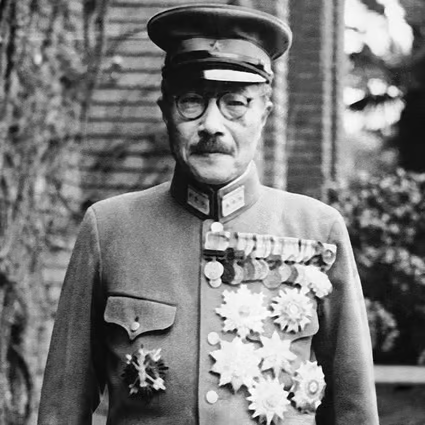
Hideki Tojo - Starts as a general in the Japanese army but is elected as Prime Minister (the real decision maker in Japan) - Believes that Europe has mistreated Asia and Japan needs to be respected (chip on his shoulder) - Japan adopts aggressive imperialistic strategy (if Europe can do it, Japan can) - seeks raw materials - “Asia for Asiatics”
4
New cards
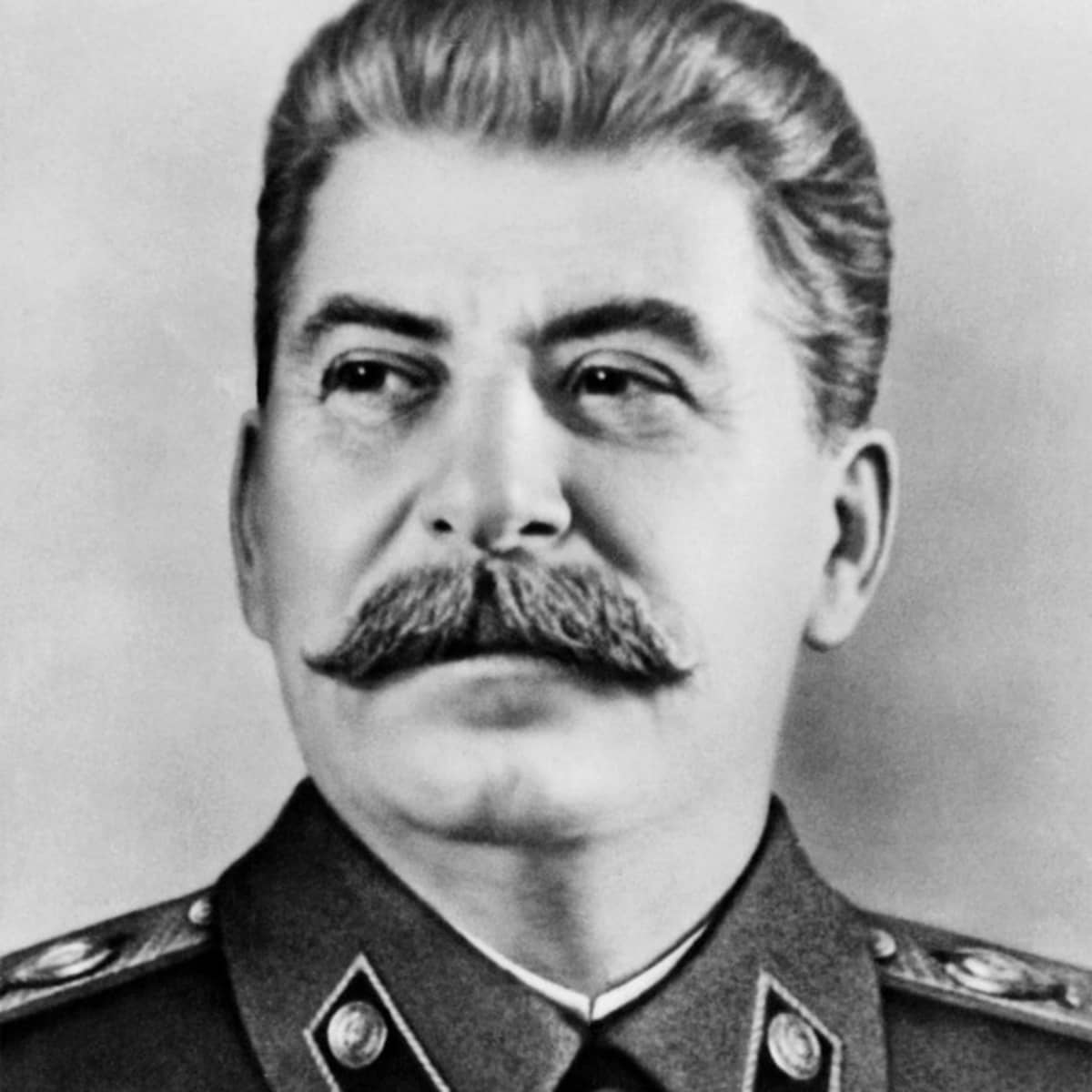
Joseph Stalin - Takes control of the USSR after Lenin’s death in 1924 - sets up a fascists gov. (communist party is the only party - make the Soviet Union great again)
\
Great Purge where he kills millions of enemies to the USSR and their families or arrests them and sends them to Gulags
\
His five year plan improves the USSR economy by investing in heavy industry (building materials, mining, railroads, **modernizing army**, etc.
\
Great Purge where he kills millions of enemies to the USSR and their families or arrests them and sends them to Gulags
\
His five year plan improves the USSR economy by investing in heavy industry (building materials, mining, railroads, **modernizing army**, etc.
5
New cards
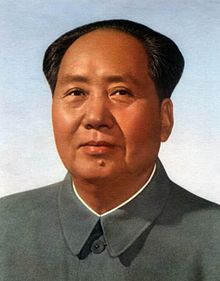
Mao Zedong - Leader of the Chinese Communist Party (CCP) - becomes very popular, especially among poor people - The communists fight back in response to Nationalist extermination attempts
6
New cards
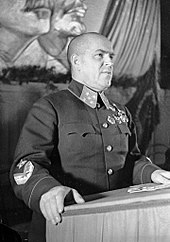
Gregory Zhukov - Soviet Union war hero responsible for defeating the Germans at the Battle of Stalingrad (turning point of WWII)
7
New cards
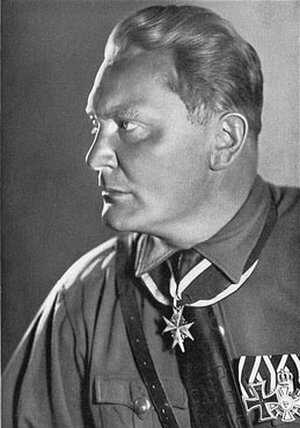
Herman Georing - Leader of the Luftwaffe (German Air Force) that bombs the land in front of the advancing German army (part of Blitzkrieg)
8
New cards
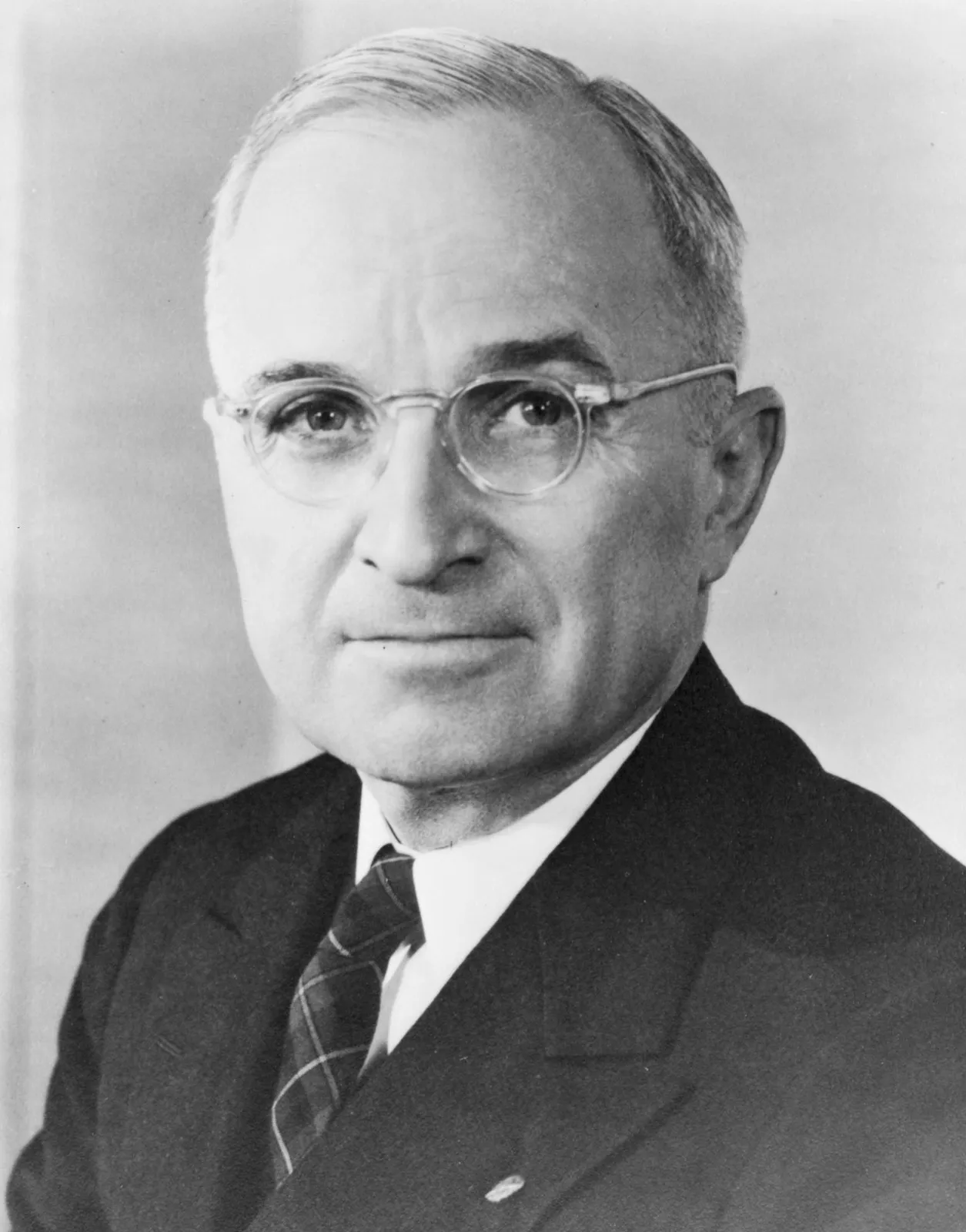
Harry S. Truman - New USA president after Roosevelt that attends the Potsdam Conference - asks for assurances that Russia and Britain will continue to help them beat Japan and begins to plan a Japanese land invasion
9
New cards
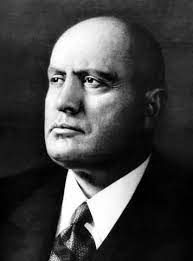
Benito Mussolini - leader of Italy who founded fascism - forms an Italian Nationalist party to make Italy great again (like they were during the Roman empire) - his title is “El Duce” - forms the blackshirts - blames the communists for all of Italy’s problems - rebuilds infrastructure (roads, bridges, etc.) to get people back to work
10
New cards
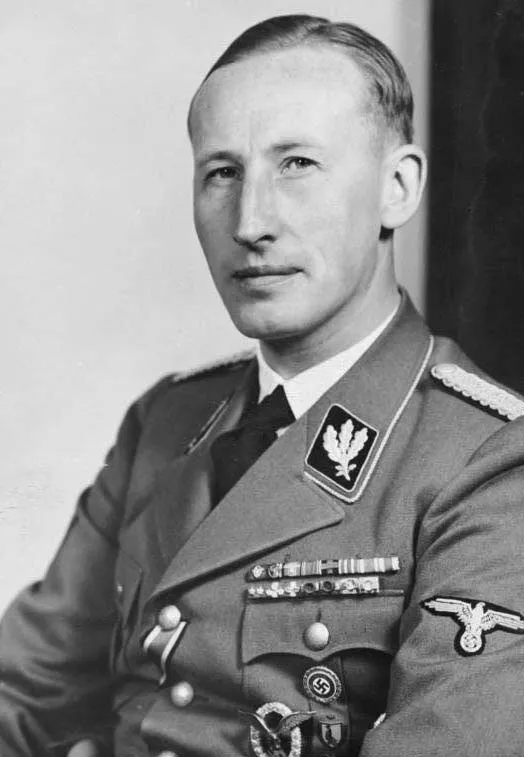
Reinhard Heydrich - German officer that is in charge of organizing Jewish population in conquered areas (Poland, Austria, etc.) - Builds ghettos in cities that they are forced to go to - dirty, overcrowded, many abuses - in charge of the Wanasse Conference
11
New cards
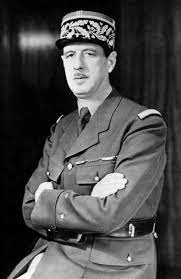
Charles De Gaulle - French commander that sets up a Free French government in Great Britain - fights the war for the French from Britain (praised)
12
New cards
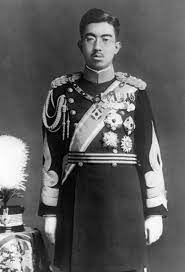
Hirohito - Fascist leader of Japan (descendant of Amaterasu) - Zaibatsu gains power, aggressive imperialism begins, Japan is industrialized and modernized
\
His propaganda is the idea of “The New Order” - Asia needs to be controlled by Asians (aka Japan) and not Europeans
\
His propaganda is the idea of “The New Order” - Asia needs to be controlled by Asians (aka Japan) and not Europeans
13
New cards
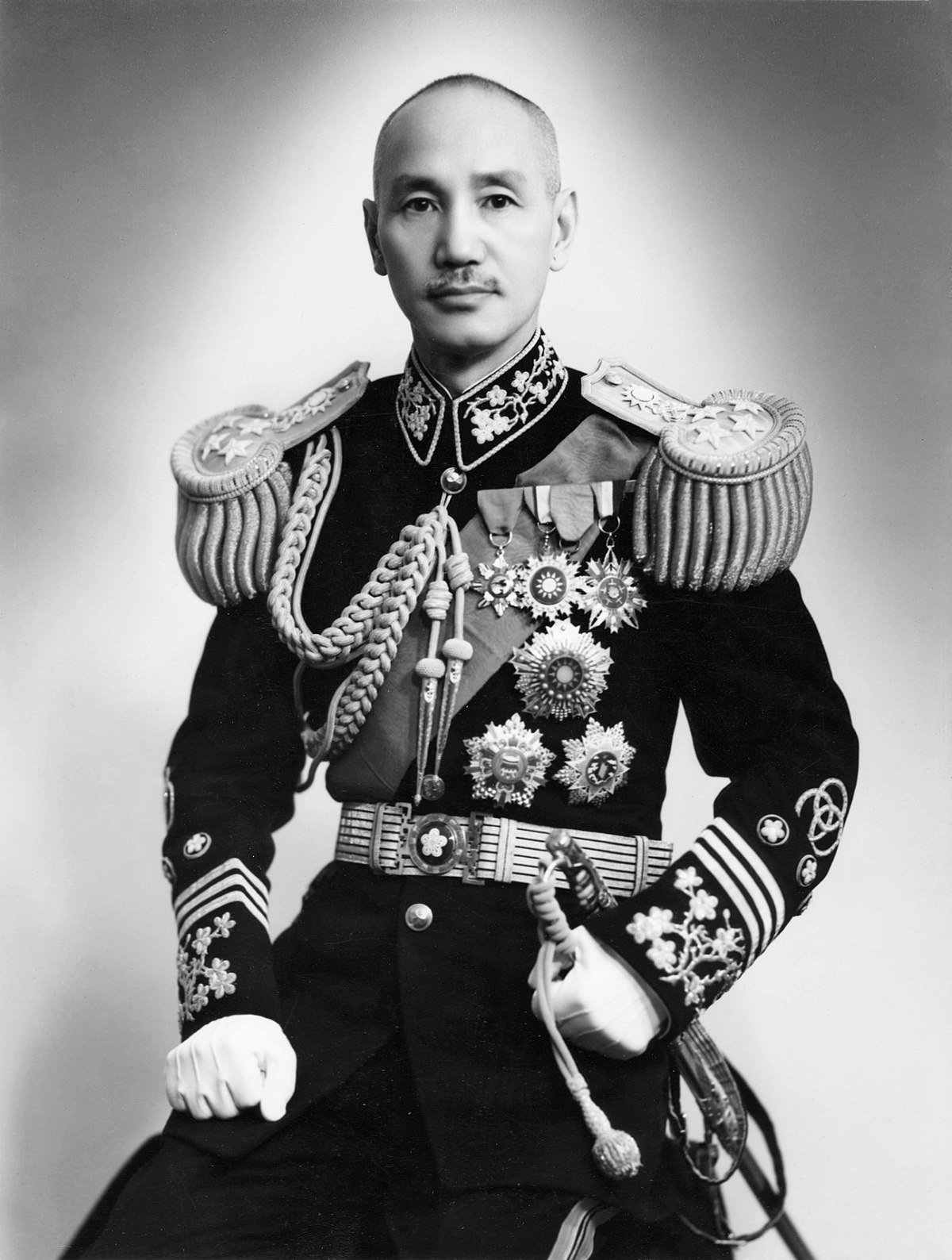
Chiang Kai-shek - leader of the Chinese Nationalists - pro democracy in China (supported by USA) - weak ruler that doesn’t solve a lot of problems - the Nationalists call the communists “the disease of the heart” and launches a series of extermination attempts - leads to Chinese Civil War
14
New cards
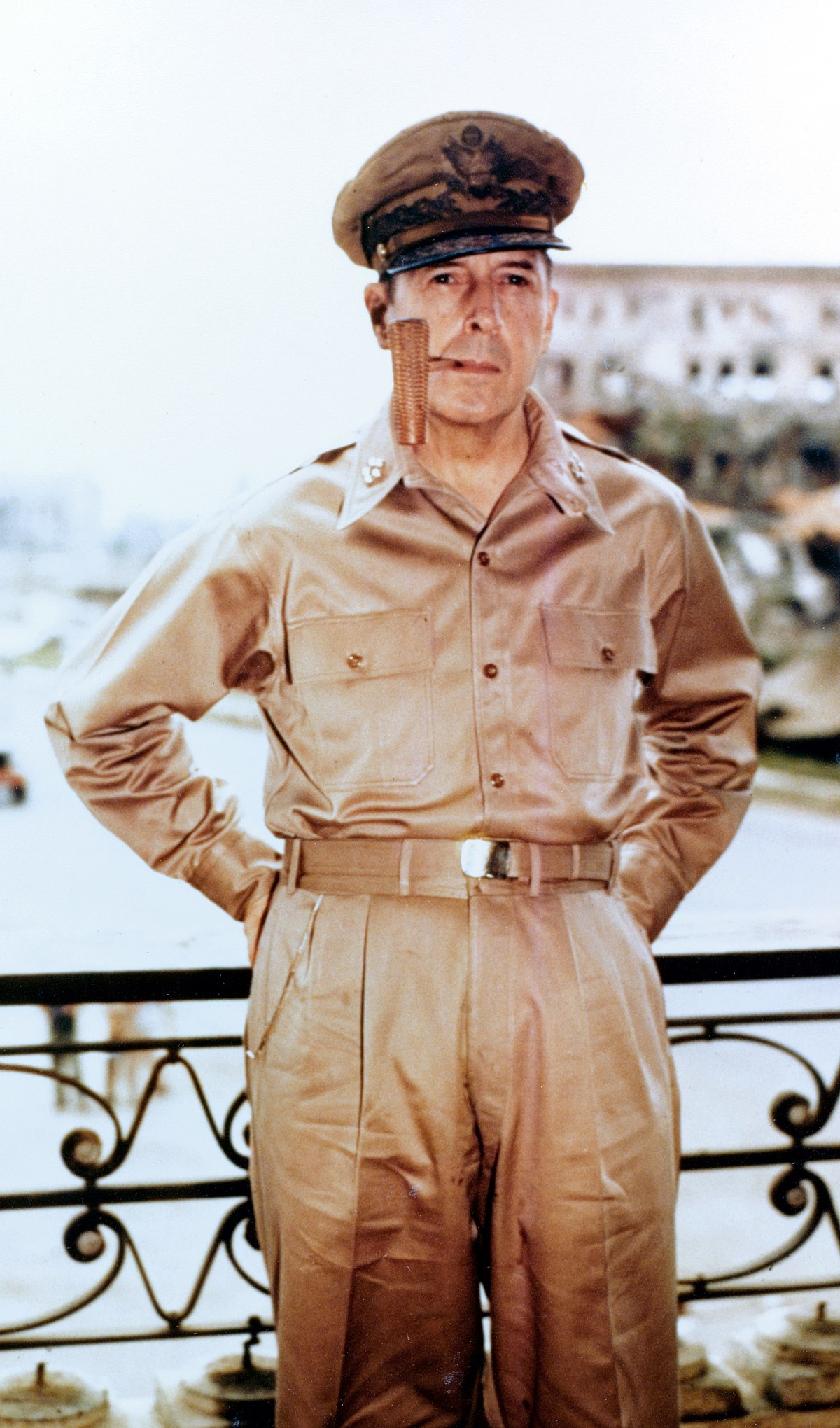
Douglas MacArthur - Allied commander of the armed forces in Asia
15
New cards
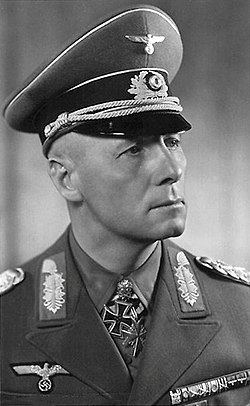
Erwin Rommel - “Desert fox” who is a very crafty, famous, and successful Panzer (German tanks) general (rolls through enemy as a part of Blitzkrieg), especially in Northern Africa
16
New cards
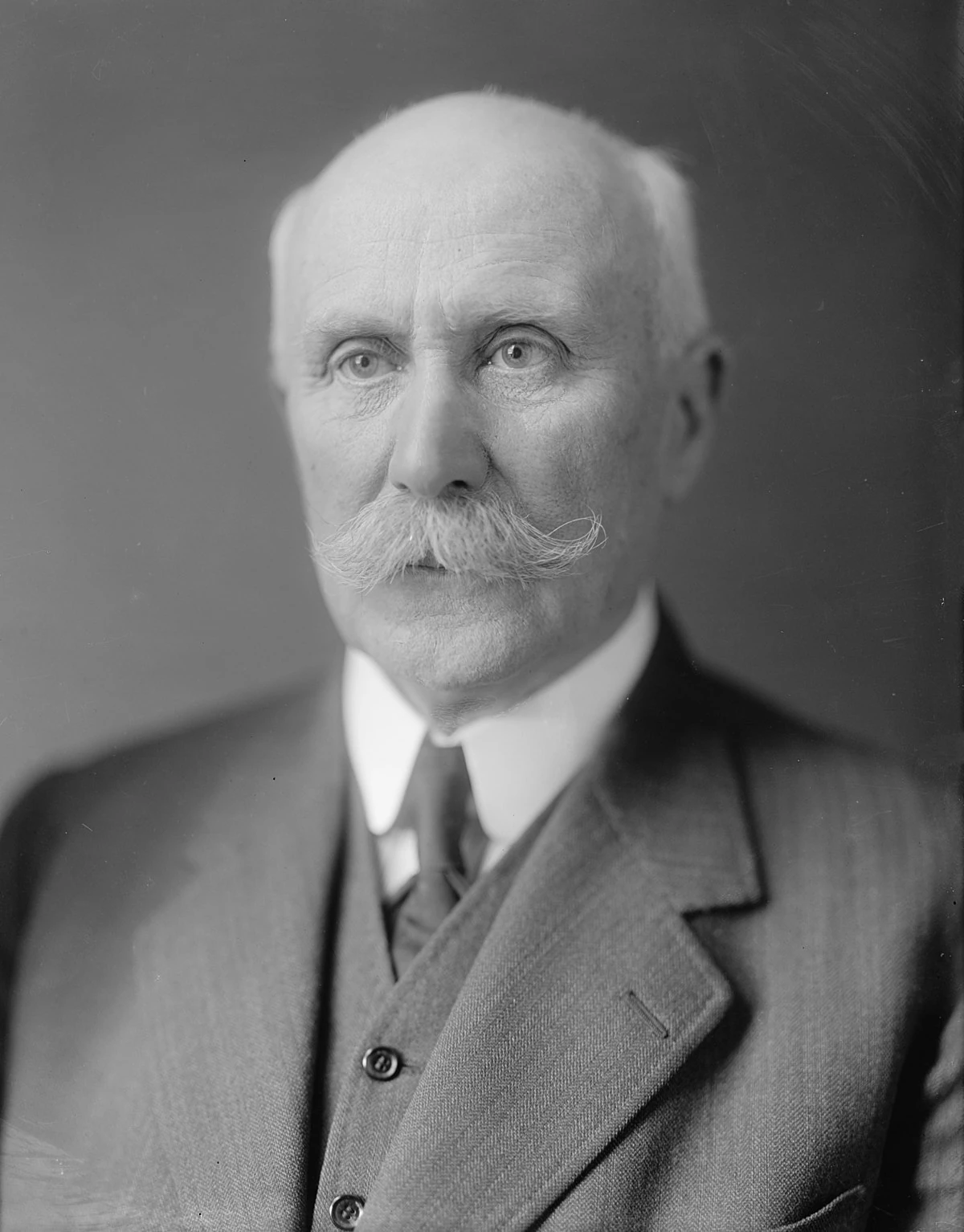
Philippe Petain - French hero of WWI that is left in charge of France after it’s taken over by the Nazis - sets up the Vichy government that allows the Germans to rule through them (hated)
17
New cards
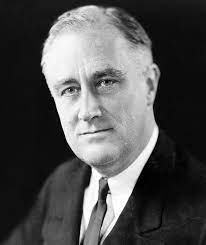
Franklin D. Roosevelt - USA president that realizes Britain will lose the war without them and agrees to sell war supplies to Great Britain (Atlantic Charter)
18
New cards
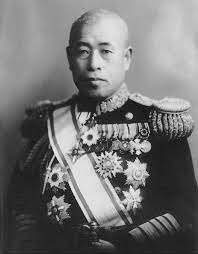
Isoroku Yamamoto - Famous Japanese admiral in charge of their Navy - responsible for carrying out the attack on Pearl Harbor
19
New cards
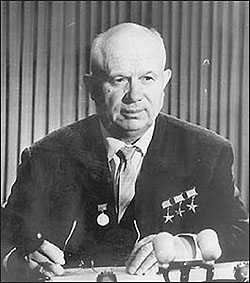
Nikita Krushchev - Leader of the Soviet Union who starts placing nuclear weapons in Cuba (Cuban Missile Crisis) - take control after Stalin dies and introduces reforms (DESTALINIZATION) - programs to improve the Soviet economy (modernizations) and make citizens confident in the Soviet gov. - Also rules during the Arms race and Berlin wall
20
New cards
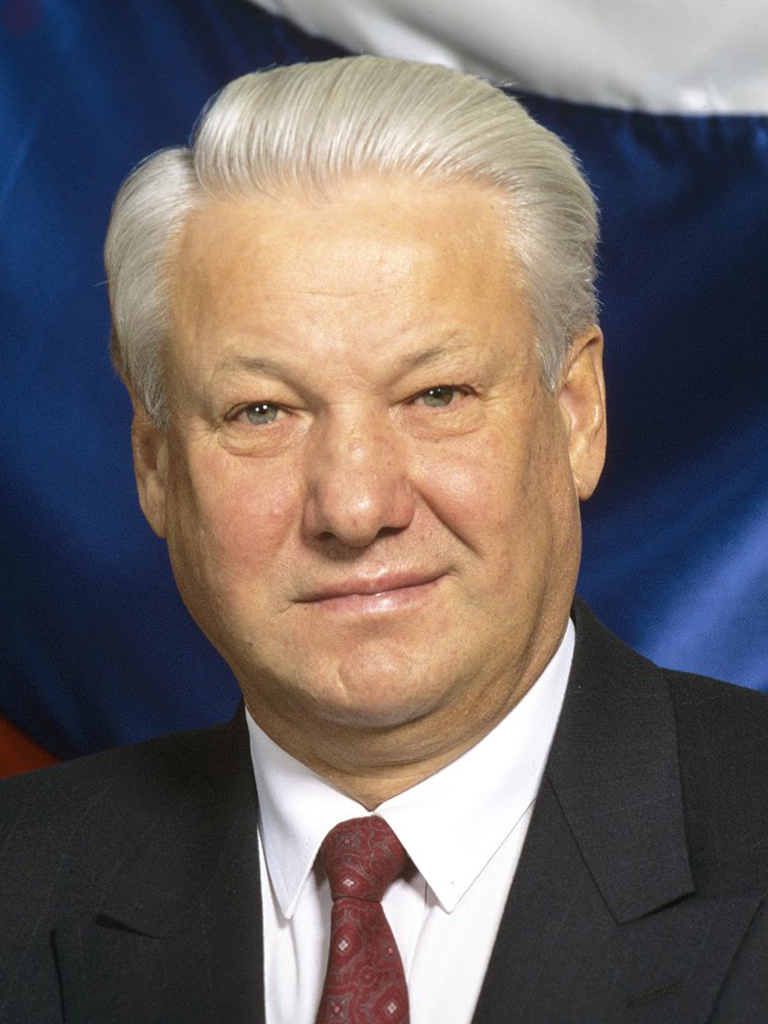
Boris Yeltsin - In 1991 the SU officially ends (it’s now just Russia) - Russia sets up a democracy where he is the first president - Russia struggles with the new form of government and the idea of Capitalism (the Russians are used to being taken care of by the government) - new Russian gov. doesn’t have enough money to pay for Welfare State (gov. sponsored healthcare, unemployment, food, etc.
21
New cards
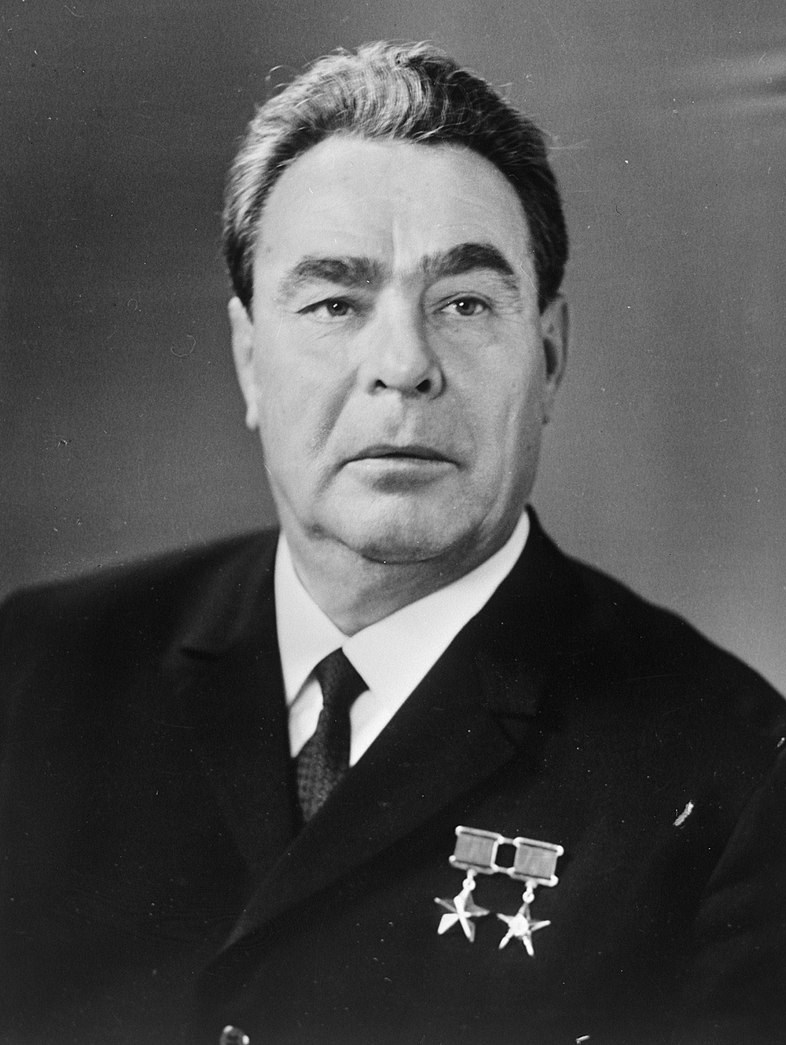
Leonid Brezhnev (1970’s - replaces Krushchev) - Detente (“relaxing period”) during his reign - relationship between USA and Soviet Union start to improve - Passes SALT one and two - both USA and America will dismantle some of their nuclear weapons bc they realize nuclear war isn’t good for anyone
22
New cards
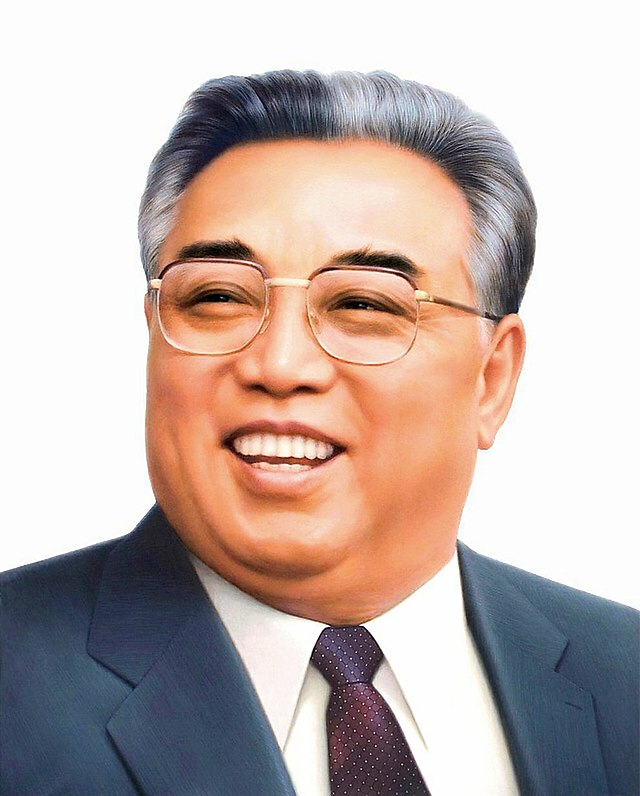
Kim il Sung - Leader of the Korean Communist Party (North Korea) - North Korea invades South Korea and America sends an army to protect democratic SK (first time using Truman Doctrine) - armistice is signed in 1953 (no borders have changed) but this isn’t a peace treaty (still a feud today)
23
New cards
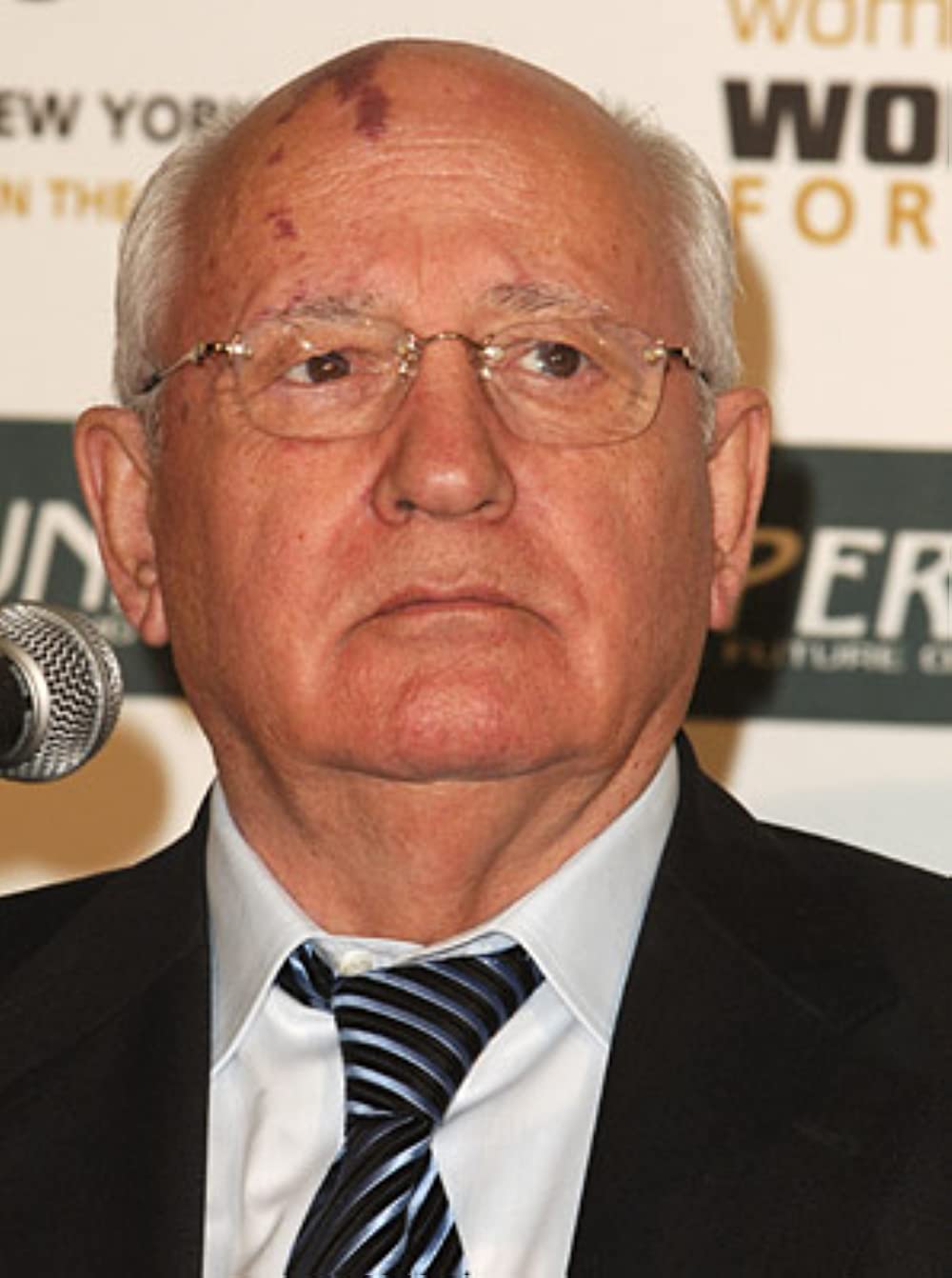
Mikhail Gorbachev (1980’s) - Passes so Soviet reforms to improve the lives of the Soviets - Glastnost are social reforms (freedom of speech, press, jury, etc.) and Perestroika is economic reforms (introduces mild capitalism, choosing jobs, etc.) - SU has a hard time integrating these reforms because they were communist for so long - Afghan war happens during his reign and the SU starts to fall apart
24
New cards
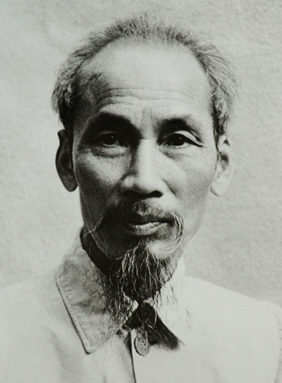
Ho Chi Minh - leader of the Vietnamese Communist Party - Vietnam is led by France (democracy) and he launches a revolution against them - America sends troops to stop Vietnamese from taking over and spreading communism - Very expensive for America and they have to surrender - Communism officially spreads to Vietnam
25
New cards
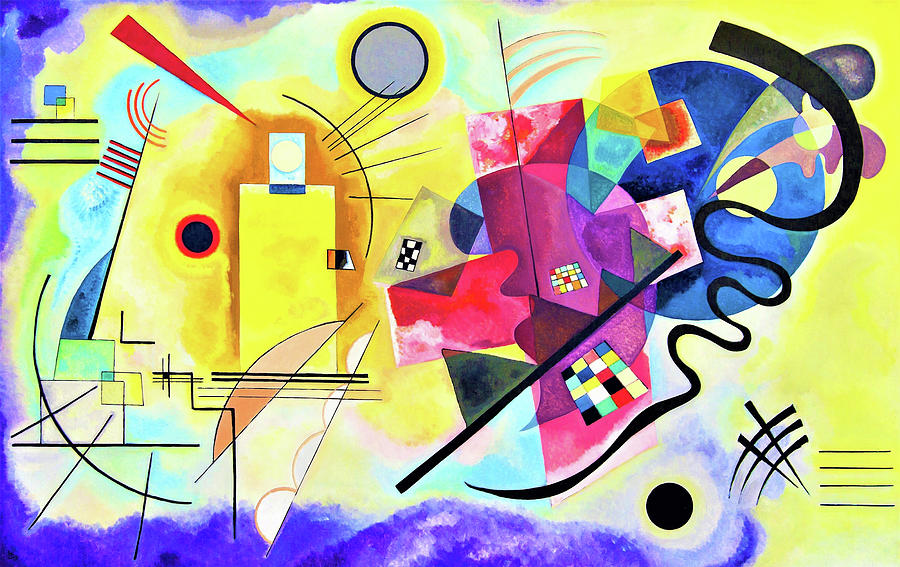
Yellow, Red, Blue - Wassily Kandinsky
26
New cards
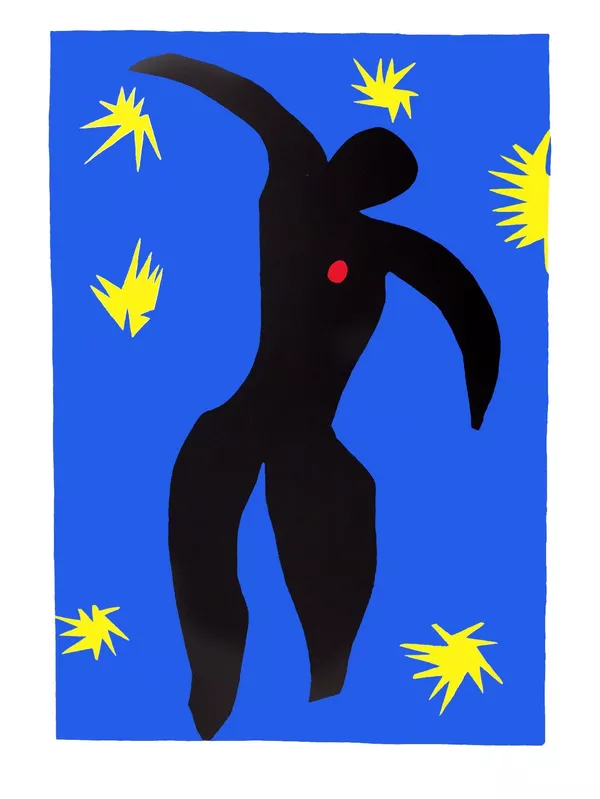
Icarus (Jazz) - Henri Matisse
27
New cards
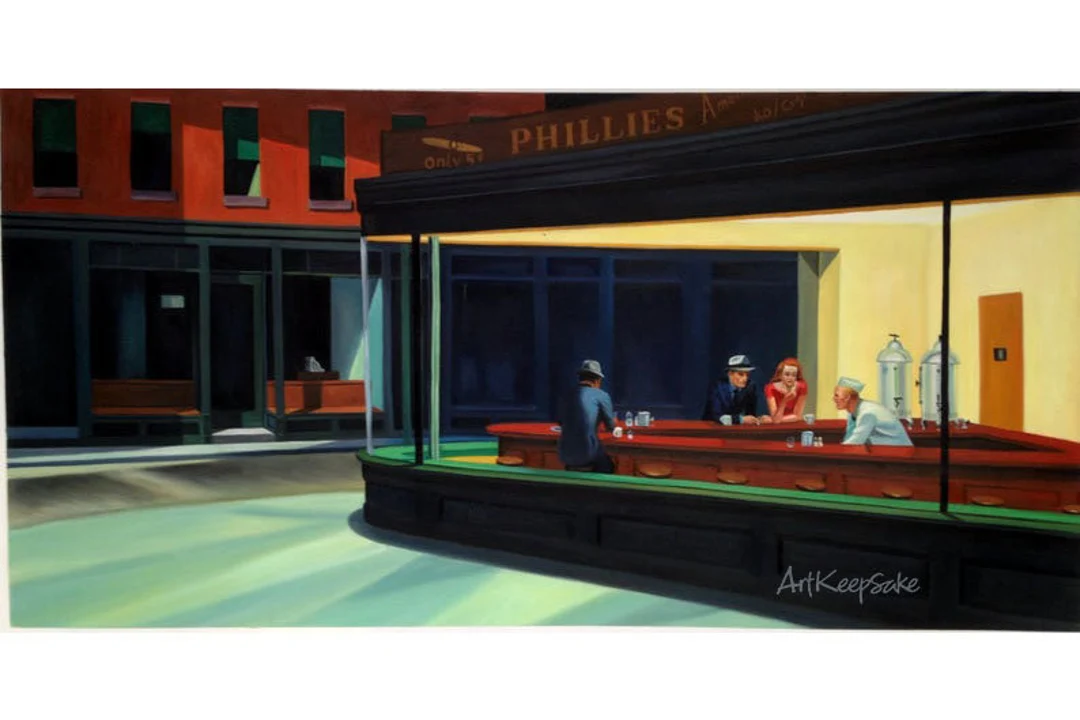
Nighthawks - Edward Hopper
28
New cards
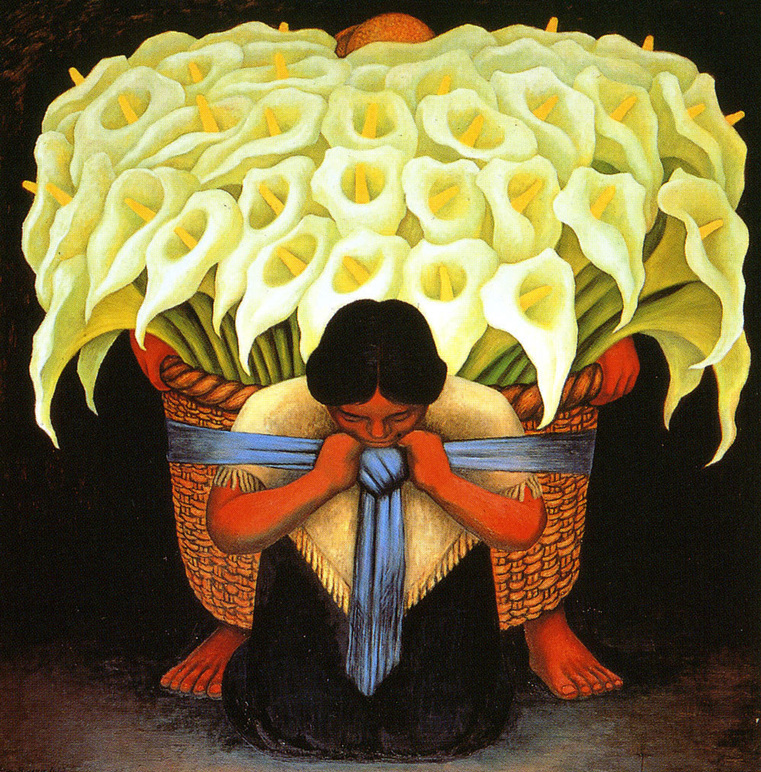
The Flower Carrier - Diego Rivera
29
New cards
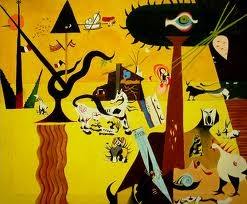
The Tilled Field - Joan Miro
30
New cards
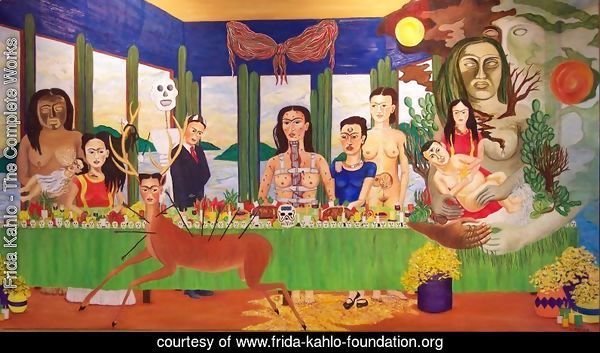
Last Supper - Frida Kahlo
31
New cards
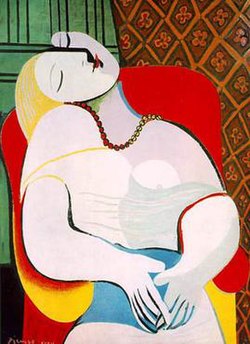
The Dream - Pablo Picasso
32
New cards
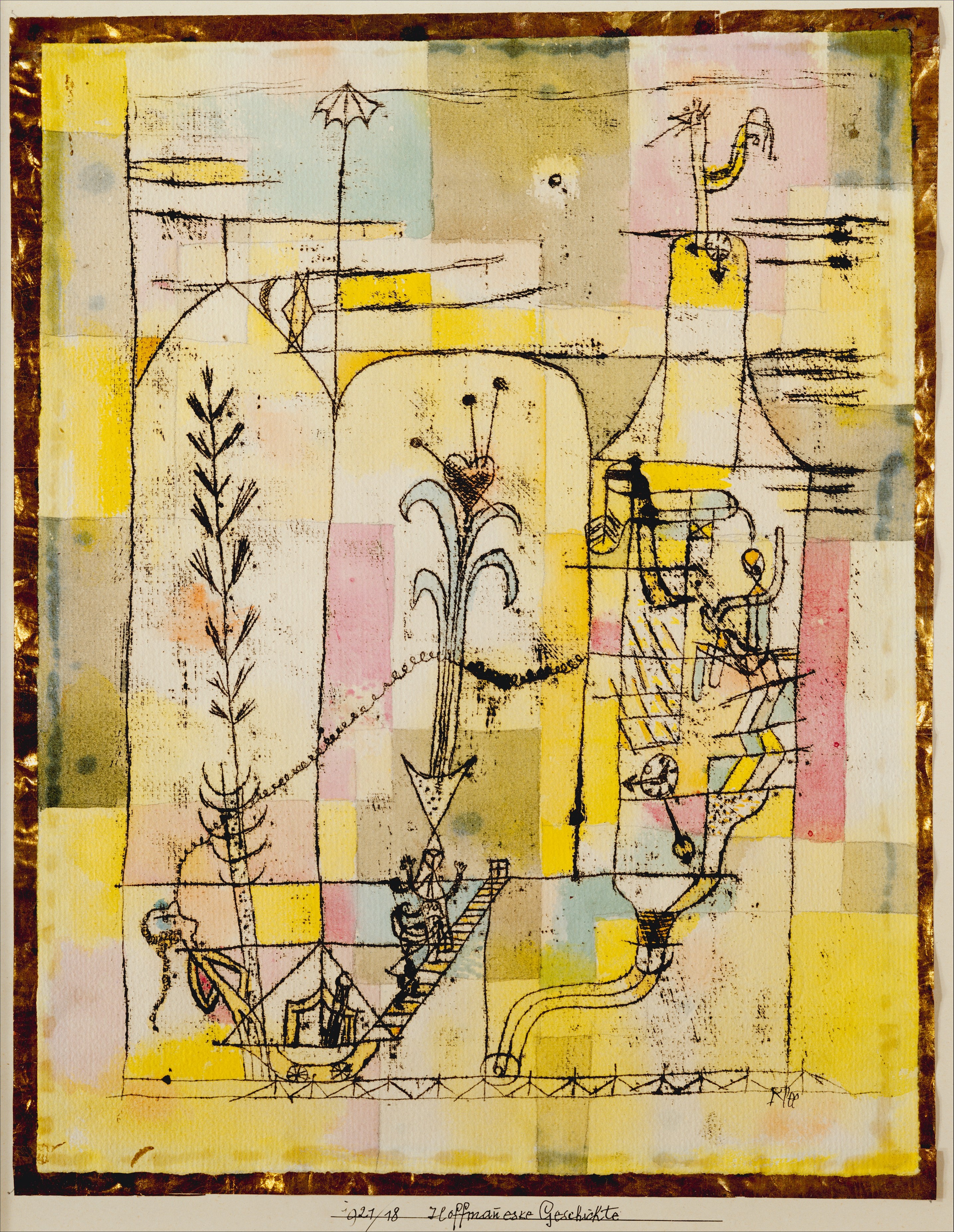
Tale a la Hoffmann - Paul Klee
33
New cards

Pineapple Bud - Georgia O’Keefe
34
New cards
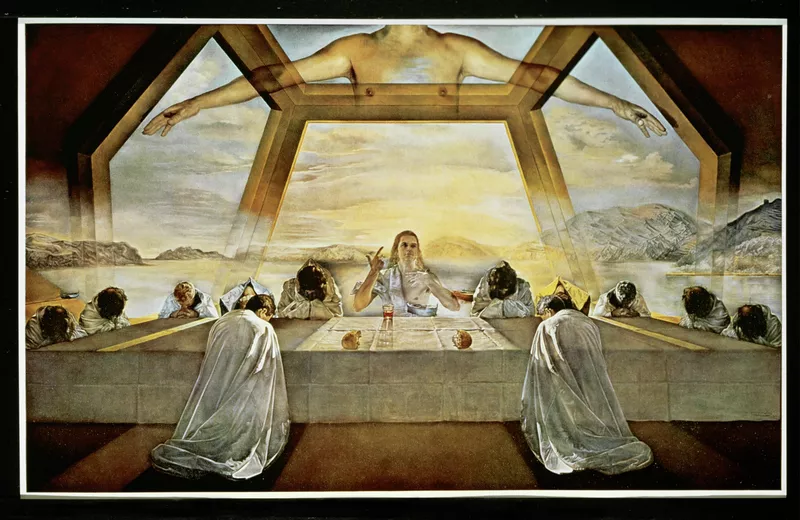
Sacrament of the Last Supper - Salvador Dali
35
New cards
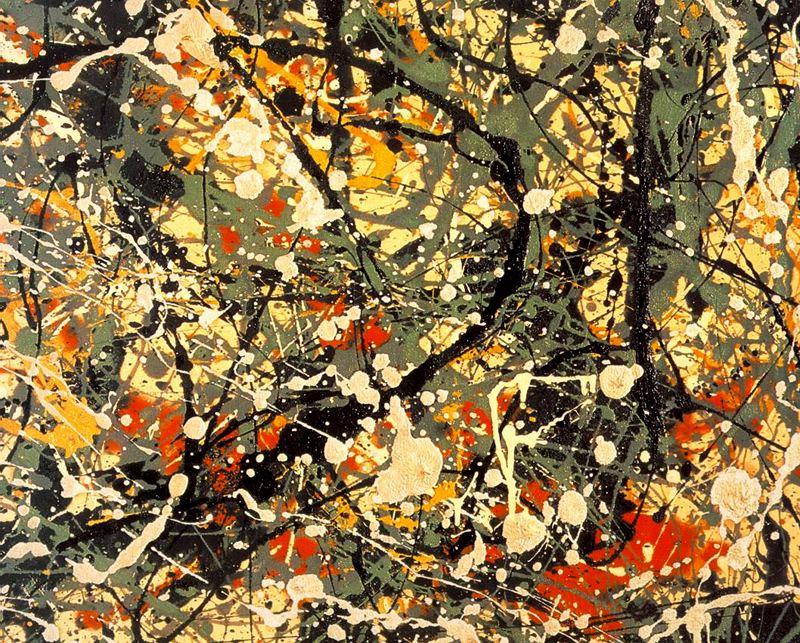
Number 8 “shimmer” - Jackson Pollock
36
New cards
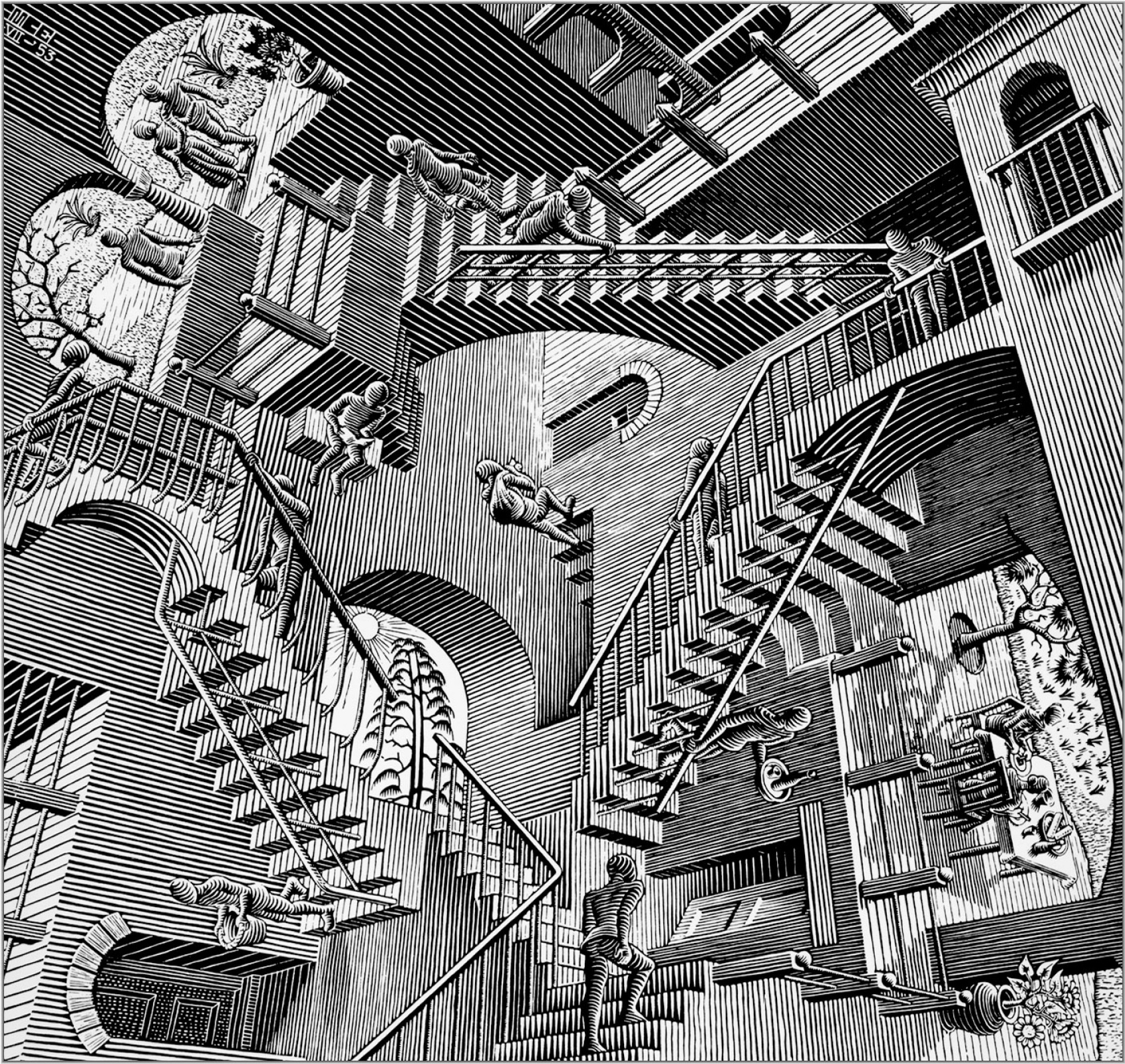
Relativity - M.C. Escher
37
New cards
Italy - New Roman Empire
Italy wants to prove to other countries that it can be great again - invades Ethiopia
38
New cards
Italy invades and conquers Ethiopia
Emperor of Ethiopia (Haile Selassie) tells League of Nations “It is us today, it will be you tomorro”
\
League of nations starts an economic boycott (stop trading with Italy)
\
Ethiopia falls in less than a year (1936) and the reputation of Italy is restored (strengthens Mussolini’s position)
\
League of nations starts an economic boycott (stop trading with Italy)
\
Ethiopia falls in less than a year (1936) and the reputation of Italy is restored (strengthens Mussolini’s position)
39
New cards
Enabling Act
Article 48 in the German Constitution - Chancellor gets supreme power in emergency situations to get things done fast (Hitler needs an emergency to take overall power)
40
New cards
Reichstag burns down
Reichstag burns down in 1933 and it’s blamed on the Jews - Hitler declares a state of emergency and seizes full control (enabling act) - Hitler should step down after the emergency is over but he doesn’t and instead puts his Mein Kampf promises into motion
41
New cards
Hitler violates the Treaty of Versailles
Germany opens factories to build war supplies and grows and grows their army (over a million soldiers) - other countries are weak from the Great Depression and won’t stop him so Hitler keeps pushing - moves forces into Rhineland (lebensraum) in 1936 which is very popular
42
New cards
Anschluss
Territory taken away from Germany in the Treaty of Versailles - Austria used to be part of Germany (“more Germans than Austrians”) - Germany seizes Austria in 1937 and the League of Nations does nothing
43
New cards
Munich Conference
Neville Chamberlain has a meeting with Hitler and calls him out for abusing the Treaty of Versailles (“If you don’t stop, there could be another war”) - Germany says give me control of Sudetenland (northern Czechoslovakia) and I’ll stop and Britain appeases - Chamberlain is praised for “stopping the war” and “controlling Hitler” - Hitler takes all of Czechoslovakia, not just Sudetenland (Czechs aren’t happy) - Chamberlain gives in (“just his but then stop”)
44
New cards
Anti-Comintern Pact
Alliance between Germany and Italy
45
New cards
Tripartite Act
German alliance with Japan
46
New cards
Nazi-Soviet Pact
Non-aggression agreement - Russia won’t declare war on Germany for taking Poland and the Soviet Union can take charge of Eastern Poland - Hitler has to appease Stalin (pretty powerful) even though he dislikes the communists
47
New cards
Axis powers
Germany, Italy, Japan
48
New cards
Invasion of Poland
Hitler takes Poland so the Soviet Union gets East Poland - France and Great Britain declare war on Germany - Germany, Italy, and Japan declare war on France and Great Britain
\
Seen as the “spark of WWII”
\
Seen as the “spark of WWII”
49
New cards
“Phony” War
Great Britain ad France aren’t ready for war and take the first few months (after declaring war) to prepare - Hitler realizes that they aren’t ready and invades Norway which has ports for German battleships and submarines
50
New cards
“Asia for Asiatics”
There’s too much European influence in Asia - Japan needs to take control of Asia instead - really wants China
51
New cards
Railroad explosion at Shenyang
Many Japanese citizens are killed/injured - Japan set this explosion to have an excuse to mobilize arms in Asia - Korea and other countries start to fall
52
New cards
Manchukao
Korea is the first to fall to the Japanese - Manchuria is a large territory that’s captured - Pu Yi is placed in charge of Manchukao (new name) - puppet government that’s main use is to be a mainland place for Japanese troops to invade China
53
New cards
Japanese New Order
Taiwan, Korea, Manchuria, Burma, Indochina - European countries have shifted their resources to fighting Hitler and Mussolini and leave their colonies unprotected
54
New cards
Chinese Civil War (1930’s)
The Nationalists call communists “the disease of the heart” and launches a series of extermination attempts - Communists fight back - China is distracted by this Civil War and don’t worry about the Japanese - Opens the door for Japan to invade
55
New cards
Marco Polo Bridge
The barrier between China and Manchuria - Nationalists put up a weak defense and are forced to retreat by Japan
56
New cards
Shanghai Bombing
Japanese begin to aerial bomb Shanghai - as China retreats, Japan advances
57
New cards
Rape of Nanking
Nanking is a city with historical significance to China
\
Japan kills 30,000+ people (men, women, and children) - very cruel, horrible killings - Japan is trying to scare China to get them to give in (“this is what we’ll do to you if you resist”)
\
Japan kills 30,000+ people (men, women, and children) - very cruel, horrible killings - Japan is trying to scare China to get them to give in (“this is what we’ll do to you if you resist”)
58
New cards
Yellow River Flood
The Yellow river is a huge, deep river with many dams built to prevent flooding
\
Chinese government orders the destruction of all the dams - the yellow river floods and is impassable for the Japanese - gives China time to prepare
\
Chinese government orders the destruction of all the dams - the yellow river floods and is impassable for the Japanese - gives China time to prepare
59
New cards
United Front (1939)
Chinese Nationalists and Communists make an alliance to stop the advancement of the Japanese army
60
New cards
Pearl Harbor (1941)
Japan launches a surprise invasion to destroy the American fleet at Pearl Harbor - America will be weak and forced to leave Japan alone
\
This attack doesn’t destroy the entire Navy and America declares war on Japan, Germany, and Italy
\
This attack doesn’t destroy the entire Navy and America declares war on Japan, Germany, and Italy
61
New cards
Blitzkrieg
German military Strategy (“lightning war”) - strike hard, move fast, destroy everything
\
First, the Luftwaffe (German Air Force) comes to bomb the land in front of the advancing army
Second, the Panzer (Tanks/mobilized army) rolls through the enemy
Third, the Wehrmacht (Infantry soldiers) kills whatever’s left (or forces them to retreat)
\
The Allied powers are expecting trench warfare and aren’t prepared - German army doesn’t lose at the beginning of the war
\
First, the Luftwaffe (German Air Force) comes to bomb the land in front of the advancing army
Second, the Panzer (Tanks/mobilized army) rolls through the enemy
Third, the Wehrmacht (Infantry soldiers) kills whatever’s left (or forces them to retreat)
\
The Allied powers are expecting trench warfare and aren’t prepared - German army doesn’t lose at the beginning of the war
62
New cards
Western Front
The Maginot line protects southern France but their Northern border is unprotected - Hitler realizes this and has Blitzkrieg pretend to invade through Southern France but actually invades France by conquering and going through the “low countries” (Belgium and Netherlands) - also invades Norway and Sweden
63
New cards
Dunkirk
France is overwhelmed by Blitzkrieg and retreats to Dunkirk (small town - they are sitting ducks) - the Panzers wait for the German infantry that is a few days behind (big mistake) - Winston Churchill orders any ship possible to come to Dunkirk and save as many soldiers as they can - Most French and British soldiers are saved but now Nazis control France
64
New cards
Battle of Britain
Hitler believes he has o control the skies over Britain before invading - Luftwaffe vs. RAF (British air force) - constant dogfights to control British skies - Germany starts off winning because G.B. can’t detect their planes - Britain invents radar which allows them to know when the Luftwaffe are coming - British start winning - Frustrated Hitler orders an attack on major British cities
65
New cards
Blitz
Major British cities are targeted by German bombers - it doesn’t matter where the bombs fall bc it all weakens the army (many killed) - the British don’t surrender - Hitler gives up on invading Britain because it’s being too costly
66
New cards
Atlantic Charter
USA and Britain agree to work together to defeat Nazi Germany - America realizes that Britain will lose without their help and sells Britain lots of war supplies
67
New cards
Operation Barbarossa
Hitler invades the Soviet Union - Stalin is caught off guard bc of the non-aggression agreement and has to buy time - implements the scorched earth strategy
68
New cards
Scorched Earth
Military strategy where Soviet soldiers are destroying Soviet infrastructure (crops, railroads, etc.) so the Germans can’t use it to their advantage while invading (Operation Barbarossa)
69
New cards
Battle of Moscow
First German Defeat - Soviet winter hits early and the Germans aren’t prepared - Soviets stop German Blitzkrieg and the Germans have to retreat away from Russia’s capital
70
New cards
Battle of the Atlantic
Allied forces use convoys (battleships) to protect merchant ships - more supplies get across Atlantic from America - Bismarck is the biggest German battleship that sinks many ships - Allied countries send submarines and battleships and sink the Bismarck
71
New cards
Battle of El Alamein
So far, the “Desert fox” has been successful in conquering African colonies for Germany - in this battle the German army is defeated and has to retreat from Northern Africa (Allied victory)
72
New cards
Casablanca Conference (1943)
Allies discuss where to attack the Germans next - they choose to invade Italy because they’re weak and then the Germans will be fighting alone in Europe - they invade through Italy and the Italians surrender
73
New cards
Battle of Stalingrad (1943)
The German army is driven out of the Soviet Union for the last time (long and bloody battle - many months) - turning point of WWII - the Soviets pursue the retreating Germans
74
New cards
D-Day (June 6, 1944)
The invasion of mainland France by the allies - begins French liberation
75
New cards
Battle of the Bulge
Germans try to attack - Americans were surrounded at one point but they keep fighting - Germany is defeated and is now retreating from all sides
76
New cards
Race to Berlin
Eastern and Western countries are racing to German capital - Berlin falls to the Soviet Union - Hitler commits suicide and the German government surrenders
77
New cards
V-E Day
May 8, 1945 - End of WWII in Europe
78
New cards
Yalta Conference (1945)
Meeting between Stalin, Roosevelt, and Churchill - Allies decide to divide Germany into Militarized Zones - East Germany (capital: East Berlin) is controlled by the Soviets and West Germany (capital: Bonn) is controlled by the Allies (Berlin is also split into east and west) - creation of the UN (countries will use diplomacy to solve world’s problems - Americas involved!)
79
New cards
Nuremberg Trials (1946)
Nazi war criminals are put on trial for crimes against humanity
80
New cards
Chester W. Nimitz
Naval commander for the Allies
81
New cards
Bataan Death March
After Pearl Harbor Japan thinks the USA military is weak and invades the Philippines - the Allies surrender without much of a fight - Japanese commanders march Allied prisoners through the hot sun (very harsh conditions) - horrendous tragedies at the hands of the Japanese
82
New cards
Doolittle Raid (1942)
American response to Pearl Harbor to show Japan they aren’t completely destroyed - USA launches bombers off an aircraft carrier to mainland Japan (Japan not prepared) - suicide mission bc they bomb Japan and then crash land (not enough gas) - Morale booster for America (not a ton of damage done)
83
New cards
Battle of Coral Sea (1942)
First naval engagement between Japan and the Allies - No clear winner but this war protects Australia from being invaded (Australia is used by Allies as a resupply zone)
84
New cards
Battle of Midway
Japan wants to attack and control Midway (small island with an airstrip that could allow Japan to bomb Hawaii and mainland USA) - America sends aircraft carriers to stop the invasion - Allied victory where the Japanese lost many ships (their navy no longer has the upper hand against the Allies)
85
New cards
Island Hopping Strategy
Allies move from one island to the next and fight in an attempt to rid the entire South Pacific of Japanese presence - Allies take control of the South Pacific - their end goal is to conquer Japan
86
New cards
Guadakanal (1943)
First major battle between USA and Japanese army - Allied victory but costly for both sides
87
New cards
Battle of Leyte
Battle between USA and Japanese navy (Allied navy wins) - last major WWII battle with aircraft carriers - America liberates the Philippines and takes it back
88
New cards
Kamikazes
Japan tries to slow down the Allied navy and their island hopping
\
Kamikazes is a new battle strategy based on when Japan was saved by the Monguls - suicide bombers fly planes packed with explosives to Allied ships and blow up - doesn’t work (Japan doesn’t have many experienced pilots left, running out of planes and ships, etc.) - the war is basically lost for Japan and they expect an American invasion
\
Kamikazes is a new battle strategy based on when Japan was saved by the Monguls - suicide bombers fly planes packed with explosives to Allied ships and blow up - doesn’t work (Japan doesn’t have many experienced pilots left, running out of planes and ships, etc.) - the war is basically lost for Japan and they expect an American invasion
89
New cards
Iwo Jima and Okinawa (1945)
Hard fought Allied victories - Both islands have airstrips so now the Allies are in bombing distance of mainland Japan and starts to bomb them (many killed)
90
New cards
Potsdam Conference (1945)
New US president (Truman has replaced Roosevelt) - America wants assurances that Russia and Britain will continue to help them beat Japan - they agree and begin to plan a Japanese land invasion
91
New cards
Hiroshima and Nagasaki (1945)
Truman uses atom bombs to try to convince Japan to surrender - about 100,000 killed at Hiroshima (Japan still doesn’t surrender) - 80,000-100,000 killed at Nagasaki (misses main target) - Japan realizes they can’t win and surrenders
92
New cards
V-J Day
September 2, 1945 - WWII is officially over
93
New cards
Occupation and Reconstruction of Japan (1945-1952)
Japan becomes a militarized zone controlled by America - America recognizes the horrible effects from the atom bombs and helps Japan rebuild - Japan economy rebounds pretty quickly
94
New cards
Joseph Goebbels
Minister of Propaganda (Hitler’s right hand man) - in charge of scapegoating the Jews and making them look bad - publishes many anti-semetic posters, magazines, movies (“The Eternal Jew” - Jews are vermin)
95
New cards
Jewish Refugees
Many Jewish Germans try to escape and sail to Britain, USA, Central and South America - Other countries send them back to Germany because no one wants the Jews (there’s antisemitism in other countries) - The Saint Louis is one of these ships
96
New cards
Buchenwald (1937)
First German concentration camp (work camp not death camp) - Many Jews, as well as handicapped, people against the Nazis, gypsies, etc.
97
New cards
Judenrate
Jewish administrators who ran the ghettos for the Nazis - they have lots of power and work with the Nazis to ensure ghettos ran smoothly (everyone had jobs, places to live, food, etc.)
98
New cards
Auschwitz (1940)
Two parts: Auschwitz One (primarily a work camp) and Auschwitz Two/Birkenau (main death camp
99
New cards
Heinrich Himmiler
Leader of the SS (Secret police) - in charge of special group (Death’s head) that is in charge of the final solution (the Holocaust) - runs Einsatzgruppen
100
New cards
Einsatzgruppen
Special union of Death’s Head that is in charge of killing the Jewish population in the Soviet Union - at first they shoot them all but it makes the soldiers morale really low so they switch to gas (initially carbon monoxide) - very efficient and soldiers feel better about it
 Note
Note  Flashcards (33)