Ch, 19 Viruses
 Call Kai
 Learn
Learn Practice Test
 Spaced Repetition
 Match
Match Flashcards
 Knowt Play
1/25

There's no tags or description
Looks like no tags are added yet.
Name | Mastery | Learn | Test | Matching | Spaced | Call with Kai |
|---|
No analytics yet
Send a link to your students to track their progress
26 Terms
Virus
an infectious, not alive particle consisting of genes packaged in a protein coat
simple (nucleic acid w/ protein coat/membranous envelope) + cannot reproduce or carry out metabolism w/out host
Tobacco Mosaic Disease (TMV)
1935 - Wendell Stanley
Confirmed first cite of virus
latter hypothesis by crystallizing the infectious particle
Virus Structure
double or single strand DNA/RNA
single linear or circular molecules
3-2,000 genes in genome
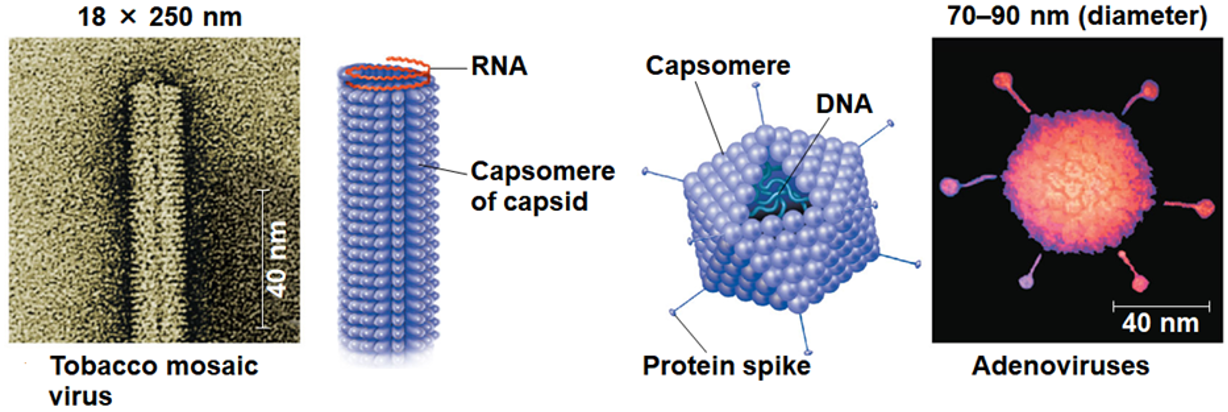
Capsid
“helical or icosahedral viruses”
protein shell surrounding the viral genome
built from protein subunits (Capsomeres)
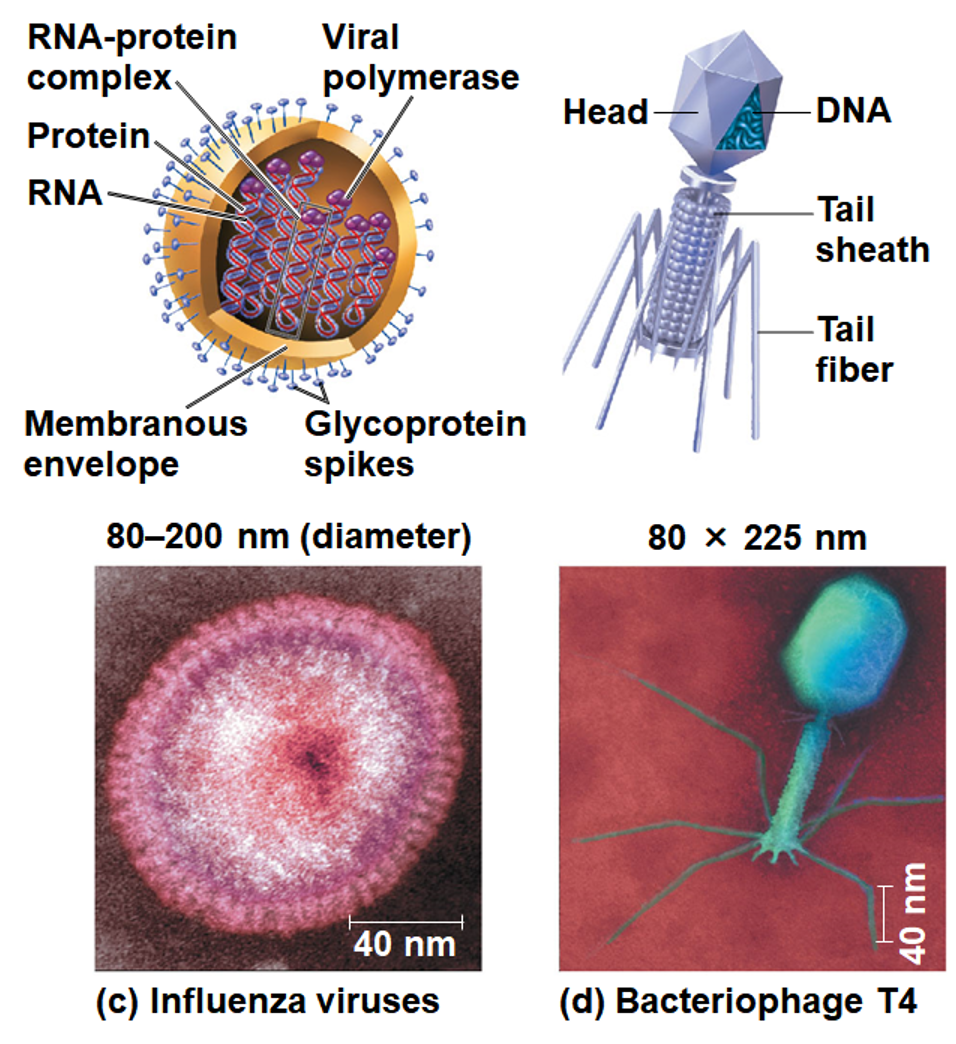
Viral Envelope
(derived from membranes of host cells) surround the capsids of influenza viruses and many other viruses found in animals
contain viral + host cell molecules
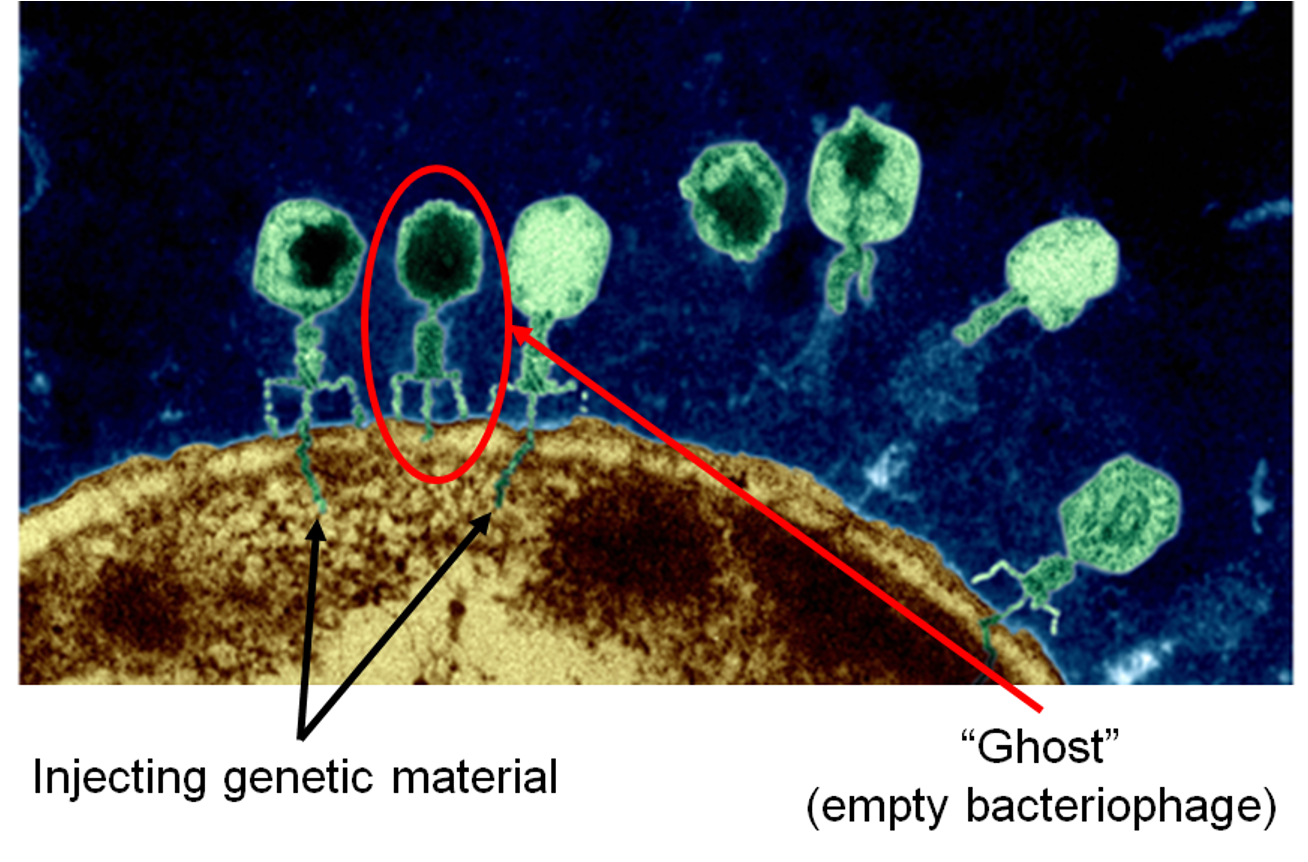
Bacteriophages/phages
viruses that infect bacteria (lytic + lysogenic repo cycle)
elongated capsid head that encloses their DNA
protein tail attaches phage to host + inject phage DNA
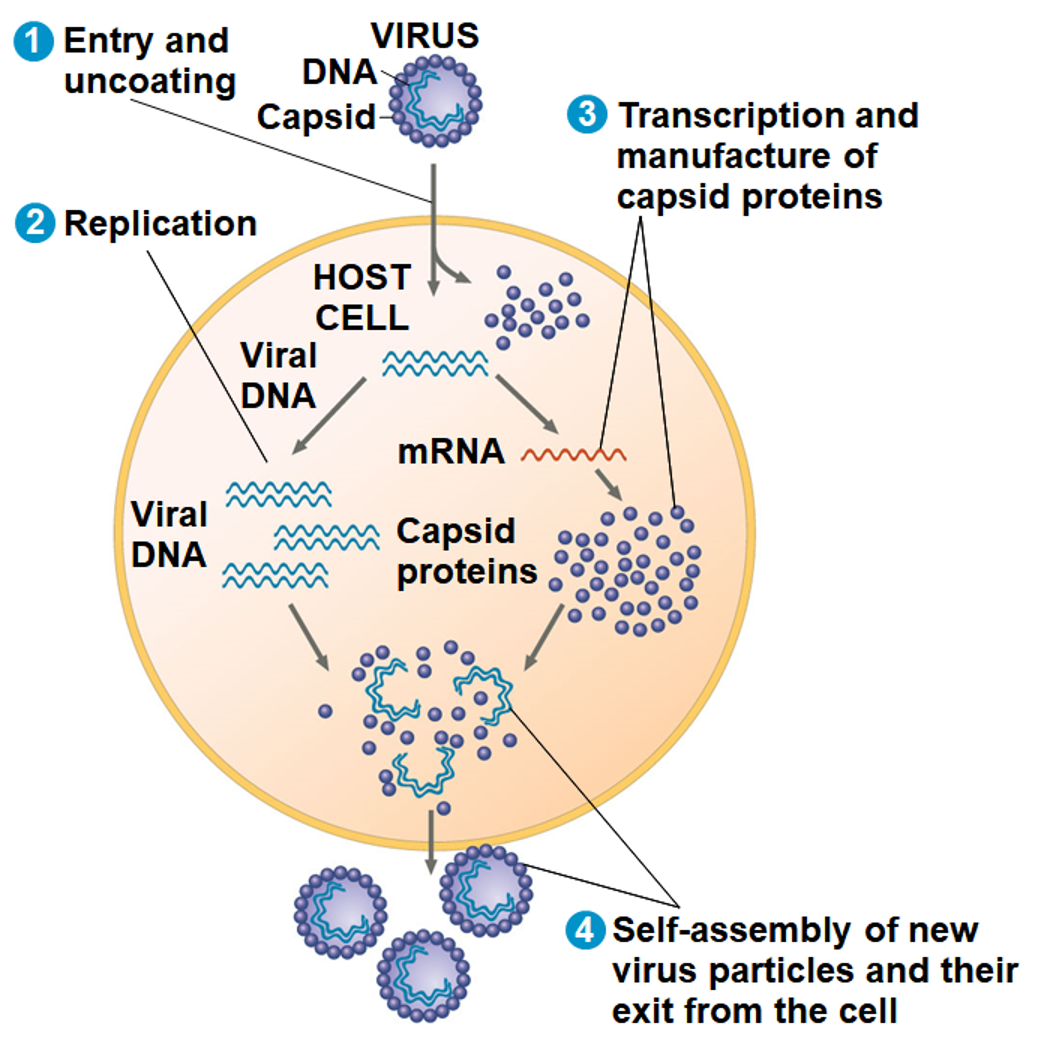
Host Range
spillover or CST = rare
limited number of host cells that it can infect
Once entered manufactures viral proteins = new viruses
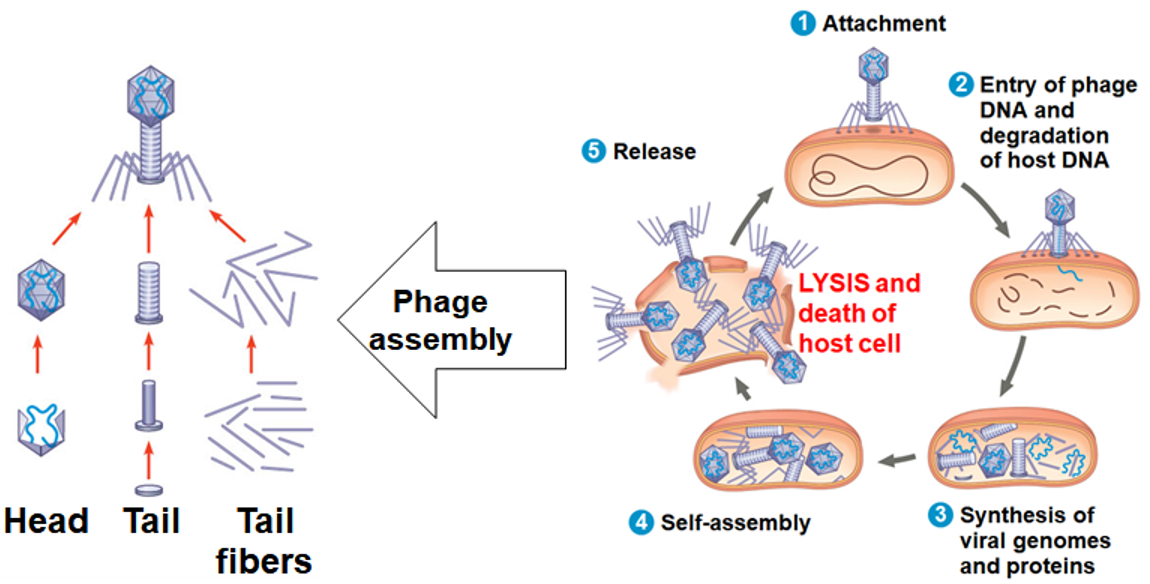
Lytic Cycle
a phage replicative cycle that culminates in the death of the host cell
new phages produced, lyses host cell wall to release progeny viruses
Virulent phage: only repo by lytic cycle
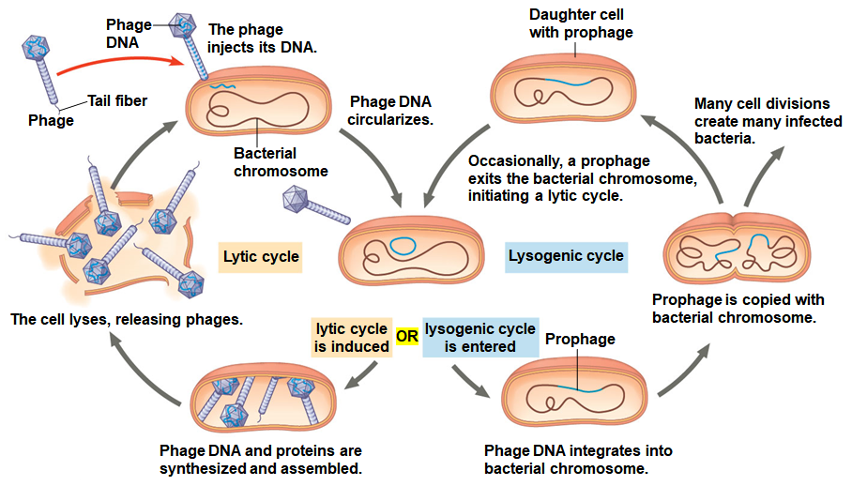
Lysogenic Cycle
replicates the phage genome without destroying the host cells
Viral DNA incorporated into host cell’s chromosome
Temperate phage: both lytic + lyso
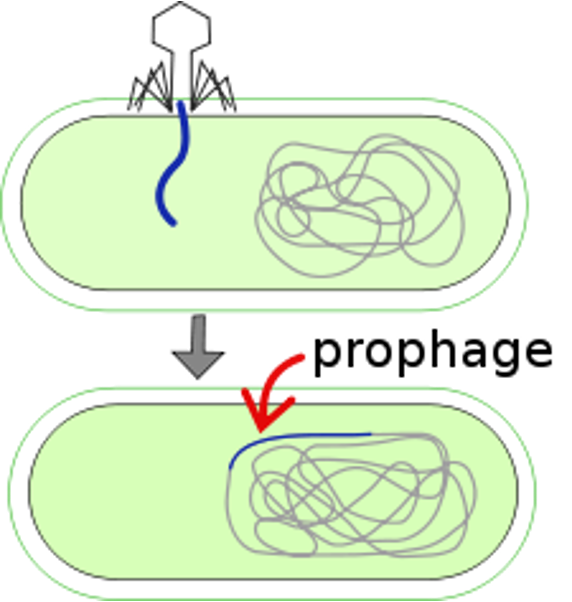
Prophage
integrated viral DNA
Every division of host leads to copies in daughter cell
Restriction Enzyme (RE)
cellular enzyme that identifies and cuts up foreign DNA/double stranded DNA
cleaves DNA molecules at specific base sequences
Methylated = protection from cuts
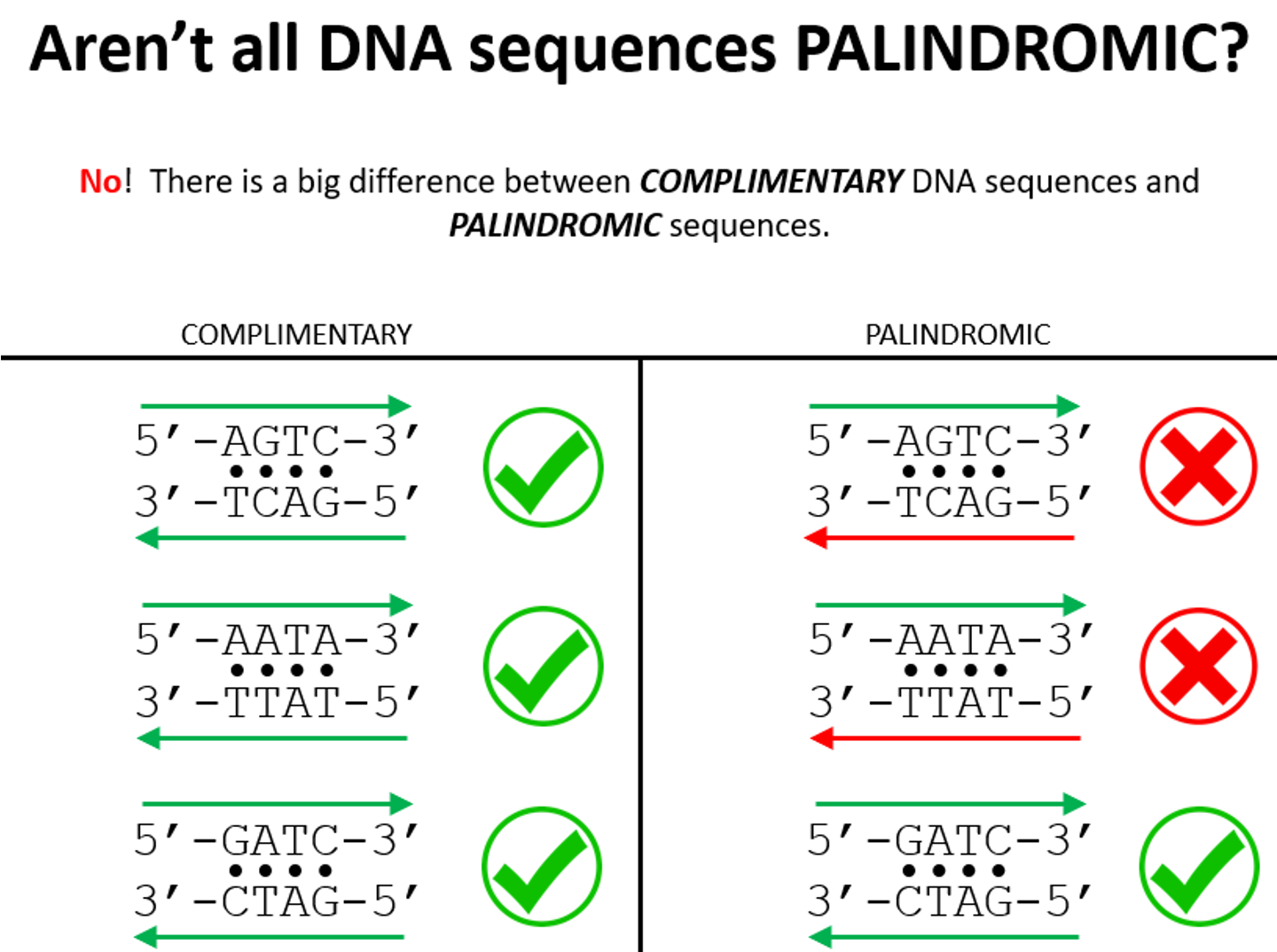
Palindromic Sequence
Same forward and backwards (5’-3’)
CRISPR -Cas System
“clustered regularly interspaced short palindromic repeats”
Protects bacteria + archea from viral infection
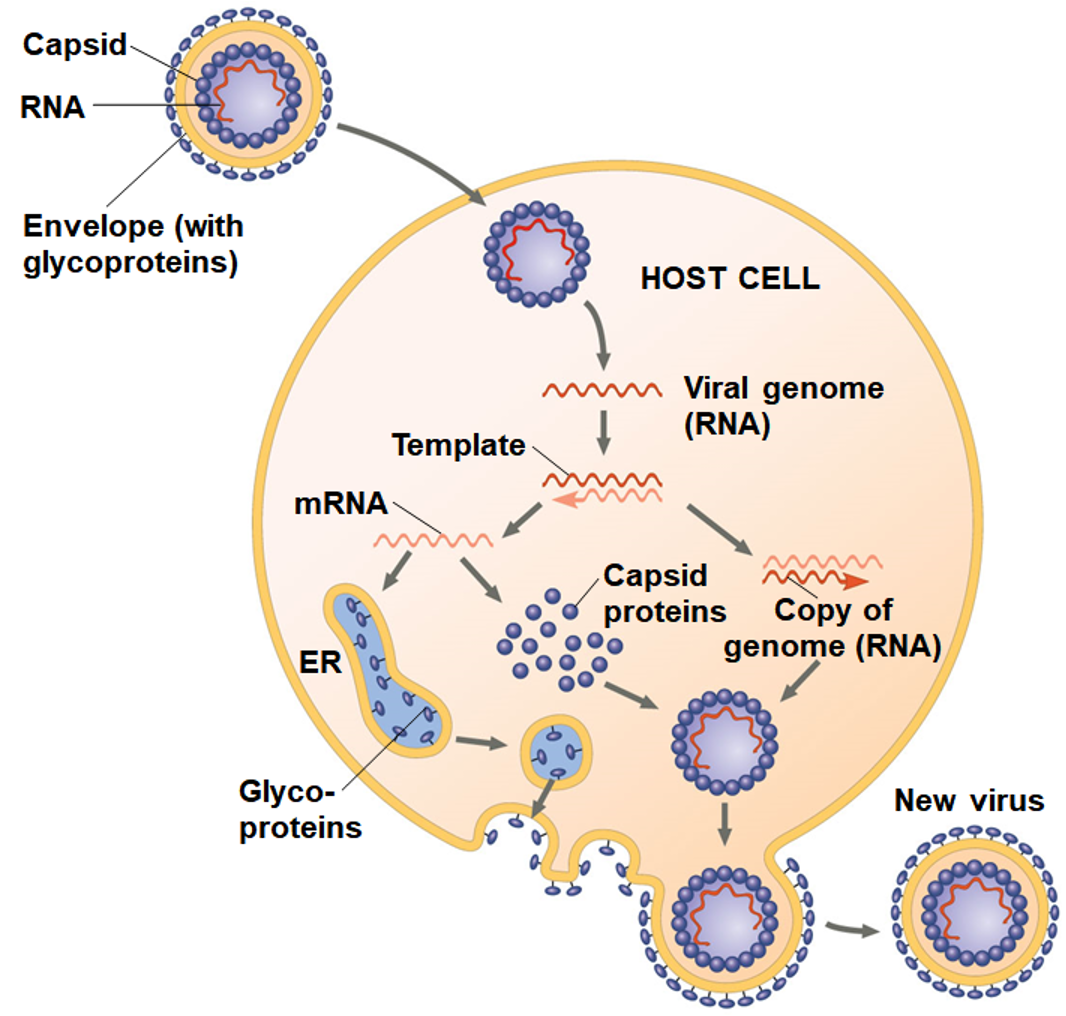
How to classify viruses that infect animals (2)
RNA or DNA genome, single- or double-stranded
The presence or absence of membranous envelope
Viral glycoproteins bind to host
Retroviruses
use reverse transcriptase to copy their RNA genome into DNA
HIV causes AIDS
Provirus
viral DNA that is integrated into the host genome
remains a permanent resident of host
RNA polymerase transcribes DNA to RNA
Evolution of Viruses (3)
evolved from cellular nucleic acid
sourced from plasmids + transposons (jumping gene)
Largest = Megavirus chilensis (440nm
Prions
Smaller, less complex entities that cause disease in plants and animals
release hydrolytic enzymes from lysosomes to damage/kill
Some release toxins + envelope proteins
Vaccine
harmless derivative of pathogenic microbes that stimulate the immune system to mount defenses against the harmful pathogen
Viruses cannot be treated by antibiotics but antiviral drugs can
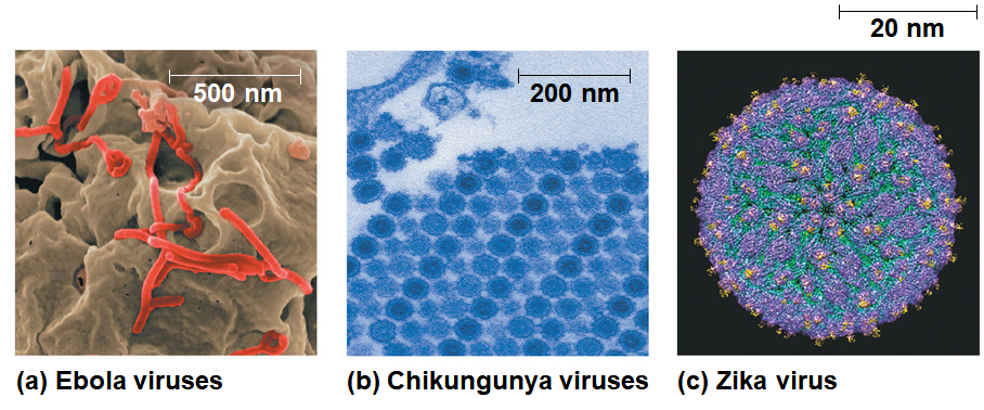
Emerging Viruses
those that suddenly become apparent
Ebola virus, chikungunya virus, zika virus
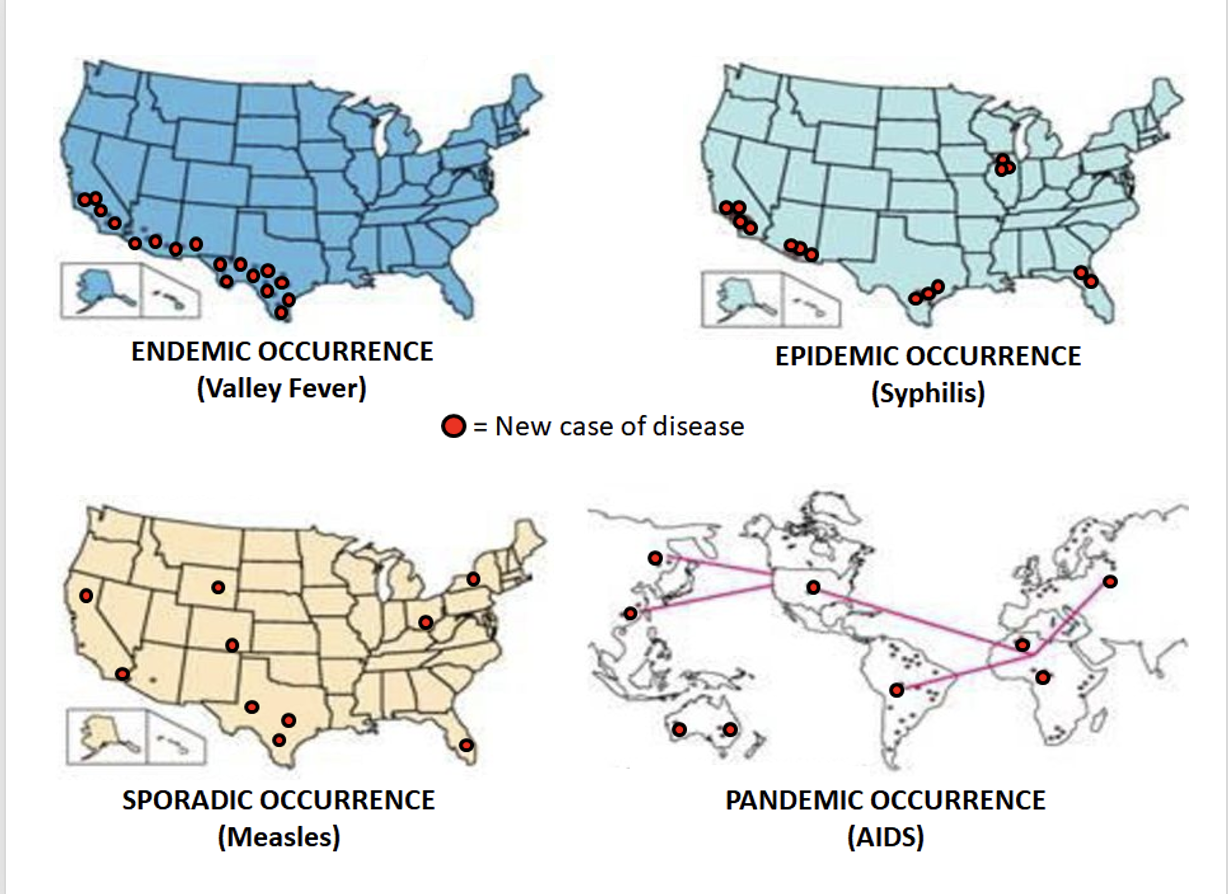
4 Types of Transmission
MEMORIZE PIC
Epidemic: disease in community at particular time
Pandemic: global epidemic (black death, 1918 spanish flu)
Endemic: exists permanently in particular region (malaria)
Sporadic: occasional disease (tetanus, rabies)
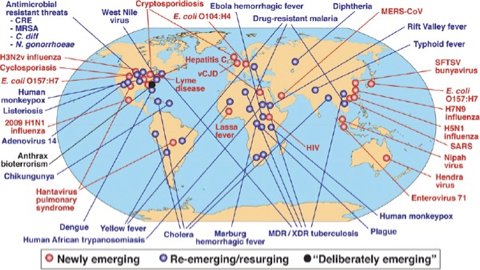
What contributes to the emergence of new viral diseases (3)
RNA viruses have high rate of mutation
disease come from small, iso pop and spread worldwide
¾ of new human diseases come from animals
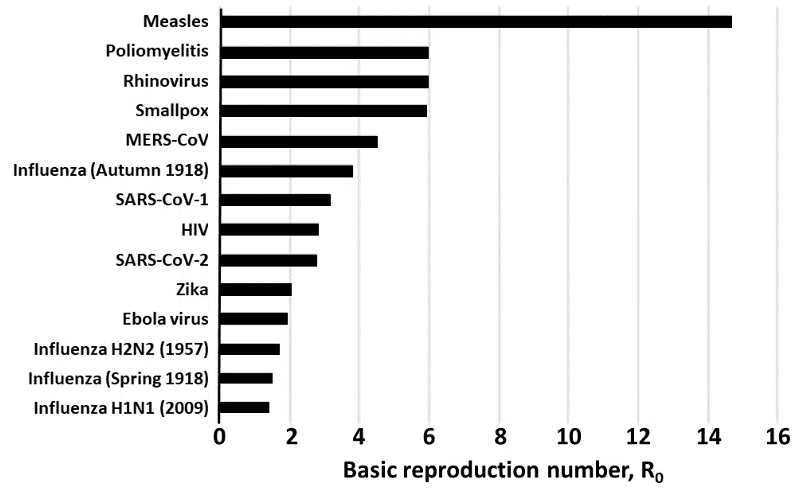
R-naught (R0)
a value that can be calculated for communicable diseases. It represents, on average, the number of people that a single infected person can be expected to transmit that disease to.
Flu Epidemics
caused by type A influenza viruses; infect birds, pigs, horses, and humans, but be prevented by insecticides
names based on viral surface proteins (HA or NA)
H1N1 caused 2009 flu pandemic
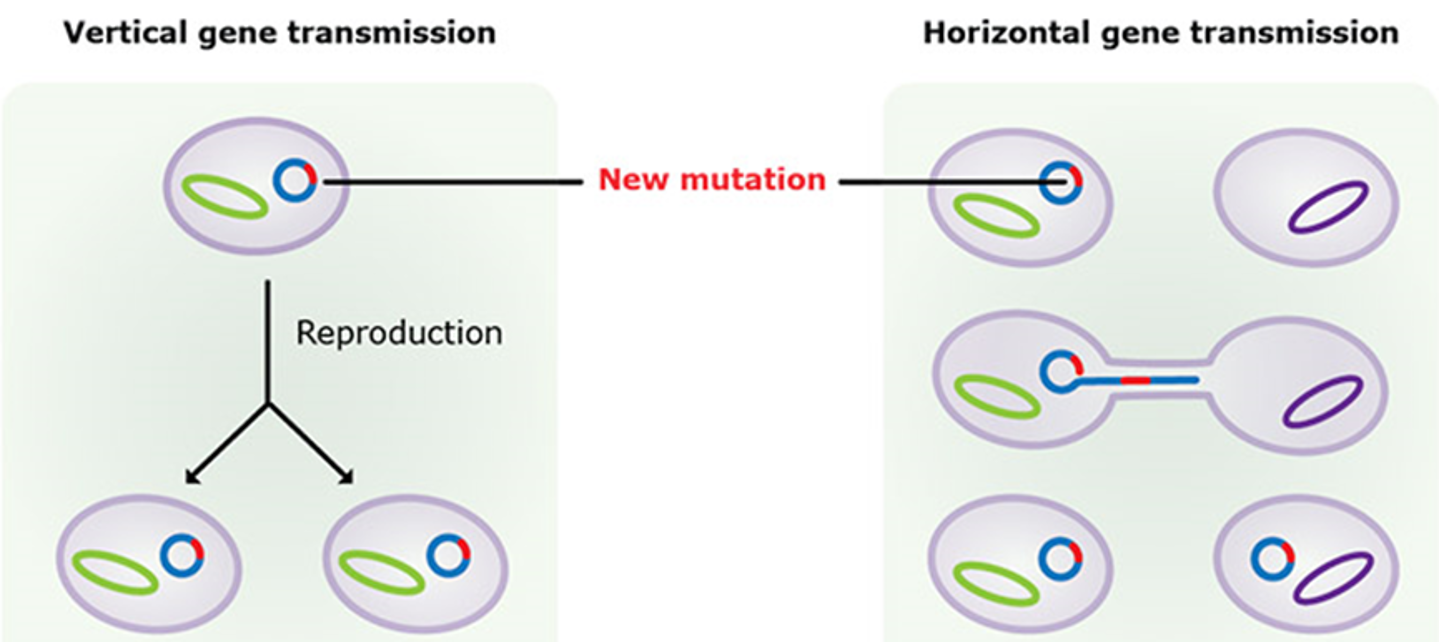
Viral Diseases in Plants
Spread by vertical transmission (virus from parent) or horizontal transmission (damaged cell wall)
RNA Genome, Helical capsid, Icosahedral capsid
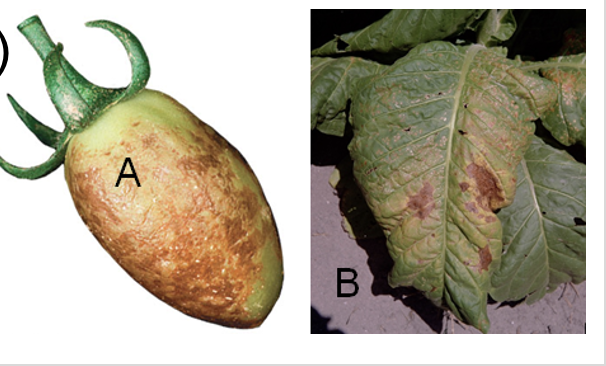
tomato (A) + TMV (B)
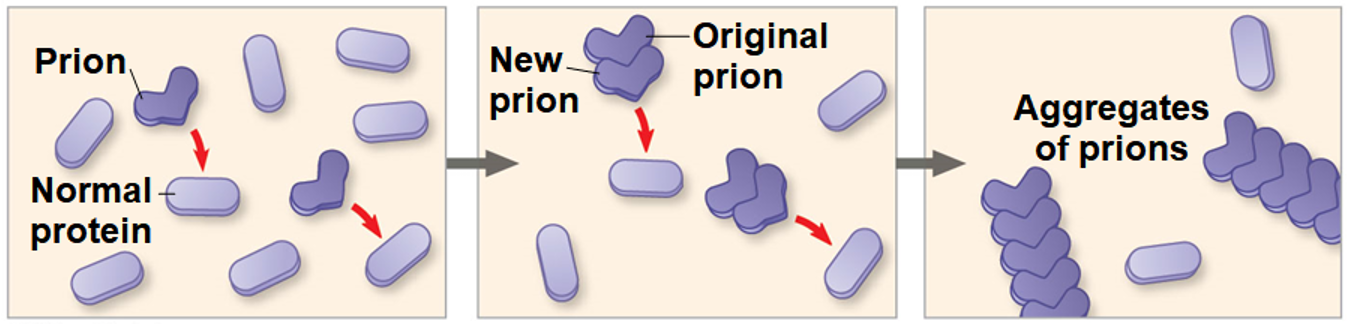
Prions
infectious mis-folded proteins that appear to cause degenerative brain diseases in animals from food
Scrapie in sheep, mad cow disease, and Creutzfeldt-Jakob
Alzheimer’s + Parkinson’s

