M&PII: Processes Quiz 3
 Studied by 0 people
 Call with Kai
 Learn
Learn Practice Test
 Spaced Repetition
 Match
Match Flashcards
 Knowt Play
1/29

There's no tags or description
Looks like no tags are added yet.
Name | Mastery | Learn | Test | Matching | Spaced | Call with Kai |
|---|
No study sessions yet.
30 Terms
Contact Molding Benefits
Flexible for complex/custom shapes - ideal for large or one-off parts
Low tooling/capital cost - inexpensive molds and minimal equipment
Contact Molding Disadvantages
Labor-intensive - high per-unit cost for manual lay-up
Low repeatability/precision - inconsistent thickness and fiber distribution
Contact Molding Comparison
VARTM (Vacuum-Assisted Resin Transfer Molding): Fibers placed in a closed mold and resin pulled through under vacuum
Contact Molding Tolerances
±0.125" to ±0.200" (typical for hand lay-up contact molding)
Contact Molding Product
Pro-line boat hulls
Large, complex curved hulls made with hand-laid fiberglass
Offers smooth gelcoat finish, corrosion resistance, and structural strength at low tooling cost
Transfer Molding Benefits
More precise than compression molding
Can be used to make medical equipment because of production can be sterile and with biocompatible components.
Dimensional consistency across batches
Transfer Molding Disadvantages
Slower production rate as it is more labor intensive compared to injection molding.
Cost of the actual mold to make the product is incredibly expensive ($12,000-$100,000)
Waste of material is largely created during the process
Transfer Molding Comparison
Injection molding
Transfer Molding Tolerances
Larger parts - 0.0039″
Smaller parts - 0.00098"
Transfer Molding Product
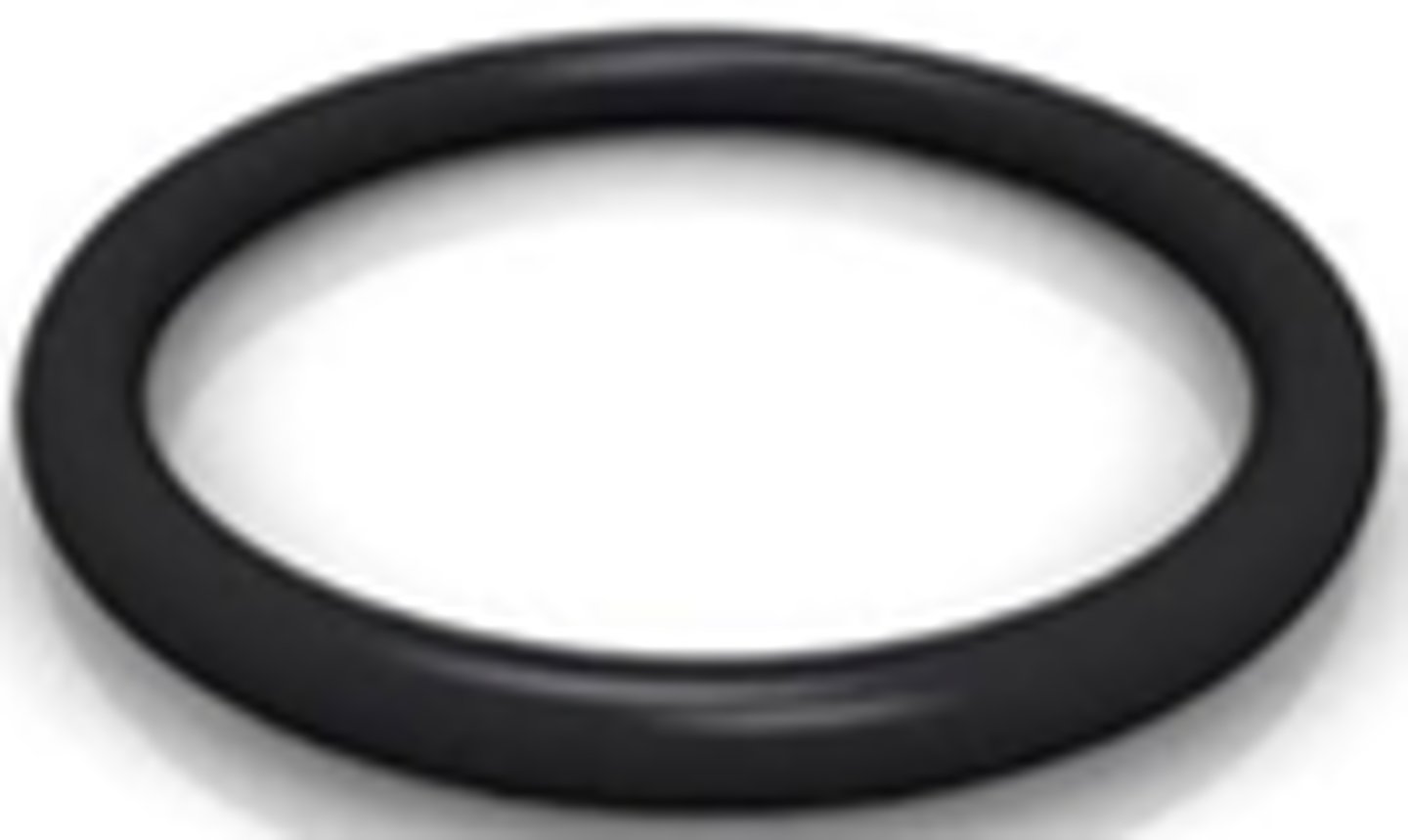
O-Rings
Insert Molding Benefits
Much more durable since plastic pieces are stronger with other components
One step process required for the actual molding process
Good for smaller molded pieces vs blow molding which is not able to achieve the same detail or strength
Insert Molding Disadvantages
Custom metal inserts can be pricey depending on the manufacturing methods
Making sure the materials work well together can be difficult vs using a process with just one material or multiple plastics like blow molding or overmolding
Insert Molding Comparison
overmolding
- This often uses different plastics to create grips and improve overall aesthetics of a component or tool lik shock absorption, insulation, and ergonomics
Insert Molding Tolerances
±0.001"-0.005"
Insert Molding Product
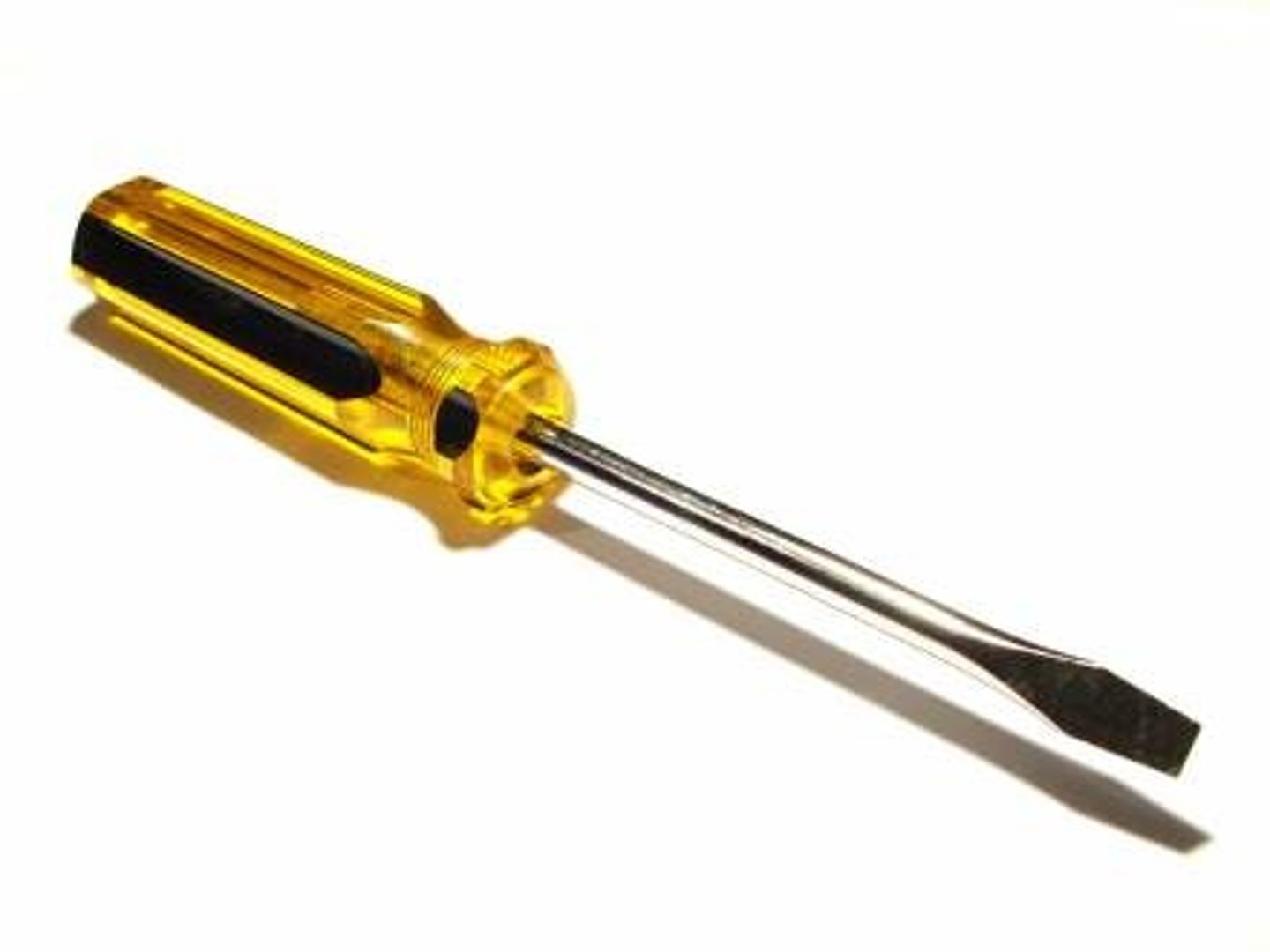
Screwdriver
Investment Casting Benefits
Allows for metals/alloys with significantly higher melting points to be used
Allows for undercuts to be made economically
Investment Casting Disadvanatges
It's multi-step process makes the cycle time incredibly long
It is often limited to parts under 75lbs.
Investment Casting Comparison
Metal Injection Molding: Powdered metal and binder are melted and shot into a mold. The binder is then sintered off to leave the metal behind.
Investment Casting Tolerances
.003" for parts under 1", with .003-.005" per additional inch.
Investment Casting Product
Turbocharger scroll
Die Casting Benefits
Intricate components with excellent dimensional accuracy, compared to injection moulding.
Excellent surface finish, reduces post machine time and added costs, compared to Sand Casting
Die Casting Disadvantages
High investment and operating costs, compared to CNC machining where a smaller number of parts can be produced more cost-effectively.
Die-cast weight limited by the locking force of the machine, unlike Sand Casting with no locking force.
Die Casting Comparison
similar process to Metal Injection Molding, but is more suitable for metals with low melting points and no sintering is required.
Die Casting Tolerances
Small parts: ±0.004 in
Large parts: ±0.01 in
Smooth finish: ~1-2 µm Ra, minimal machining needed
Die Casting Product
Matchbox cars
Multi-Shot Molding Benefits
Stronger bond between materials and higher production efficiency than overmolding
Multi-Shot Molding Disadvantages
Higher capital cost than overmolding and a required material compatibility
Multi-Shot Molding Comparison
Overmolding - where a base part is molded first (or separately), then placed into a second mold for a subsequent material to be molded over it.
Multi-Shot Molding Tolerances
+/- 0.005 inches
Multi-Shot Molding Product
rubber tool handle
 Note
Note  Flashcards (38)