Renaissance Art Final
 Studied by 0 people
 Call Kai
 Learn
Learn Practice Test
 Spaced Repetition
 Match
Match Flashcards
 Knowt Play
1/29

Earn XP
Description and Tags
12/12/15
Name | Mastery | Learn | Test | Matching | Spaced | Call with Kai |
|---|
No analytics yet
Send a link to your students to track their progress
30 Terms
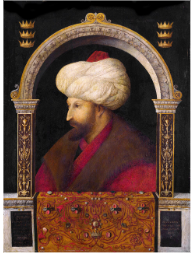
Artist: Gentile Bellini
Title: Portrait of Mehmet II
Date: 1480
Medium: Oil on canvas
Period: Early Venetian Renaissance
Location: N/A
Significance: It represents one of the first major moments of artistic exchange between Renaissance Europe and the Islamic world. The portrait itself functioned as a diplomatic object, symbolizing political cooperation after years of conflict.
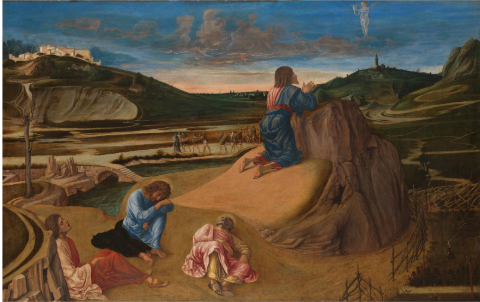
Artist: Giovanni Bellini
Title: Agony in the Garden
Date: 1459–1465
Medium: Tempera on panel
Period: Early Venetian Renaissance
Location: N/A
Significance: its use of landscape and light as emotional and spiritual forces, its humanized portrayal of Christ, and its foundational role in establishing the color-driven style of the Venetian Renaissance.
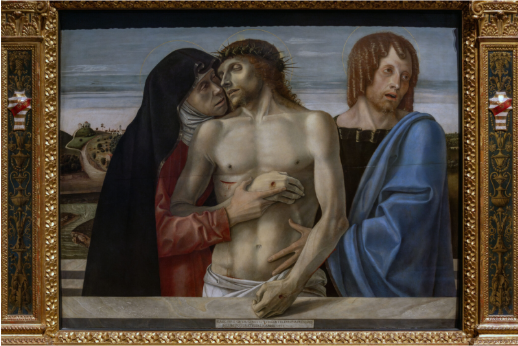
Artist: Giovanni Bellini
Title: Pietà
Date: 1460
Medium: Tempera on panel
Period: Early Venetian Renaissance
Location: N/A
Significance: significant for its emotional realism, humanized depiction of sacred figures, pioneering use of light and color in the Venetian style, and its role in transforming religious painting into an intimate, devotional experience
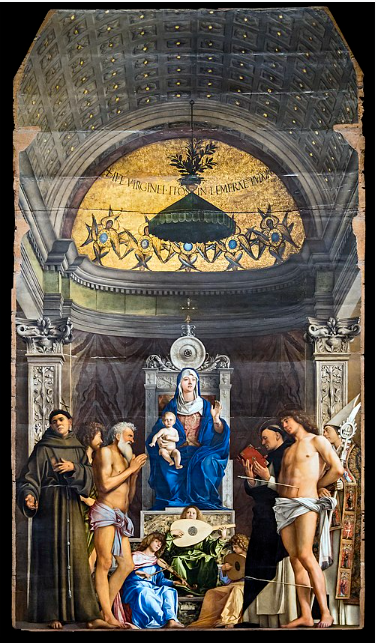
Artist: Giovanni Bellini
Title: San Giobbe Altarpiece
Date: c. 1487
Medium: Oil on canvas
Period: High Venetian Renaissance
Location: N/A
Significance: significant for its masterful use of light and color, its message of healing and hope after plague, and its foundational role in shaping the Venetian Renaissance altarpiece tradition
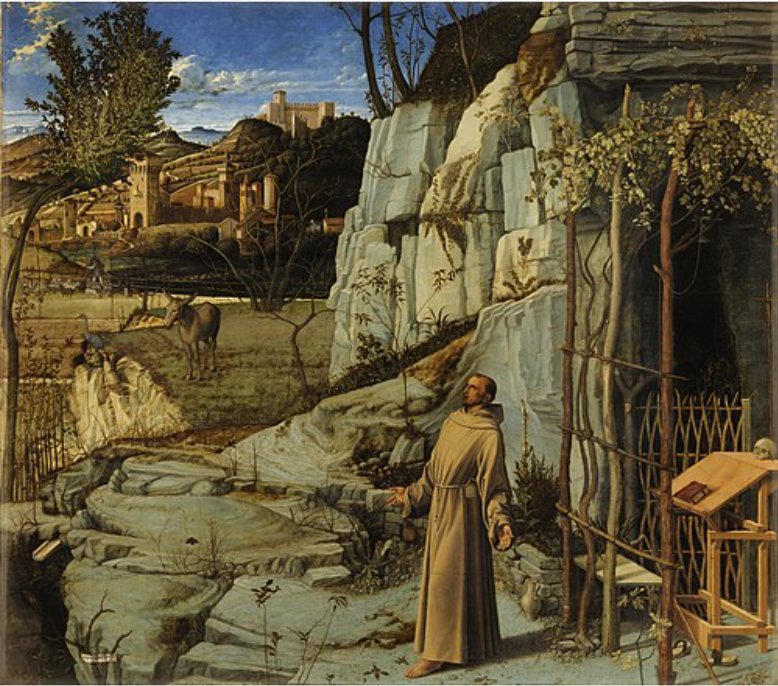
Artist: Giovanni Bellini
Title: Saint Francis in Ecstasy
Date: 1476–1478
Medium: Oil on panel
Period: Early Venetian Renaissance
Location: N/A
Significance: its revolutionary use of landscape and light, its quiet mystical spirituality, and its perfect fusion of nature, humanity, and divine presence in the Venetian style
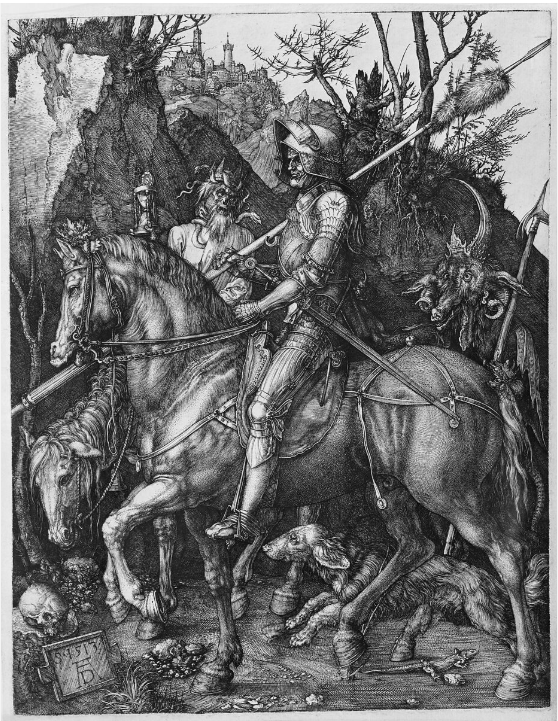
Artist: Albrecht Dürer
Title: Knight, Death, and the Devil
Date: 1513
Medium: Engraving
Period: Northern Renaissance
Location: N/A
Significance: its moral symbolism, technical mastery of engraving, humanist philosophy, and its reflection of Renaissance ideas about virtue, faith, and mortality.
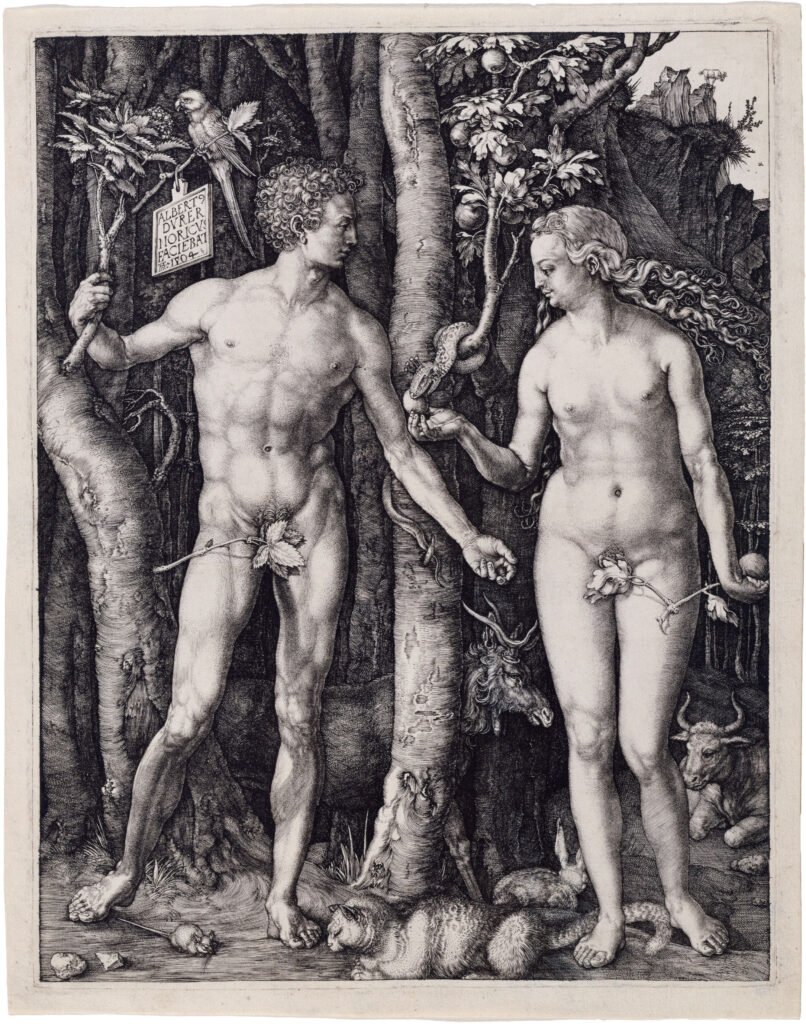
Artist: Albrecht Dürer
Title: Fall of Man (Adam and Eve)
Date: 1504
Medium: Engraving
Period: Northern Renaissance
Location: N/A
Significance: It demonstrates the fusion of Northern detail with Italian classical ideals, rich symbolic portrayal of human perfection, free will, and the impending loss of innocence.
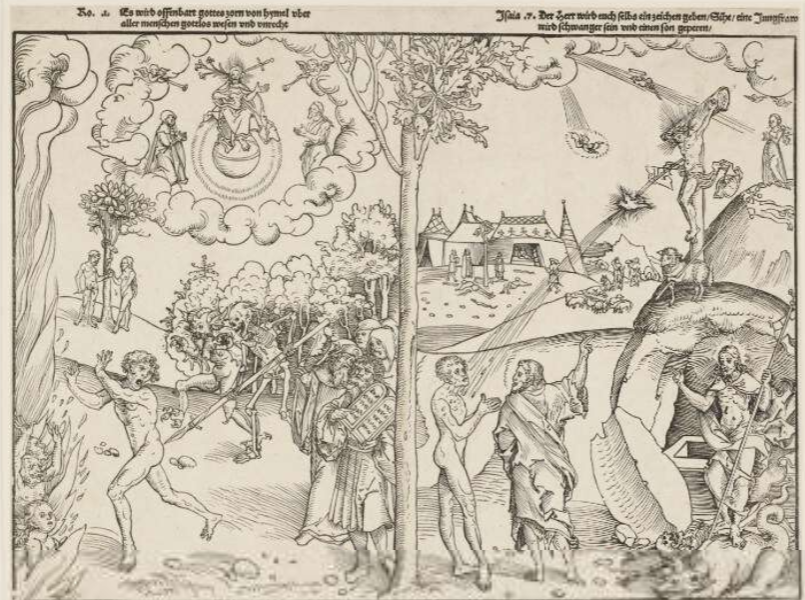
Artist: Lucas Cranach the Elder
Title: Law and Gospel
Date: 1529
Medium: Woodcut
Period: Northern Renaissance
Location: N/A
Significance: Shows Protestant doctrine with the leaves on the right side, eternal salvation through Christ only. Shoes Catholic doctrine on the left side with the barren tree and the man being pushed into hell.
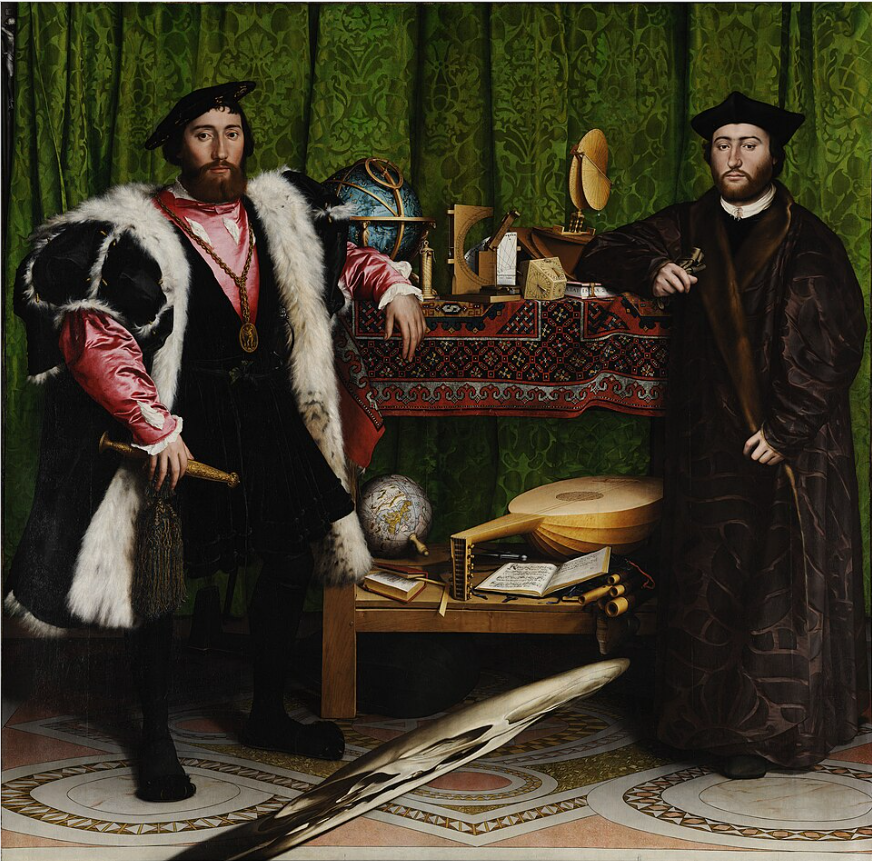
Artist: Hans Holbein the Younger
Title: The French Ambassadors
Date: 1533
Medium: Oil and tempera on wood
Period: Northern Renaissance
Location: N/A
Significance: political meaning, scientific detail, symbolism of mortality, and mastery of illusion
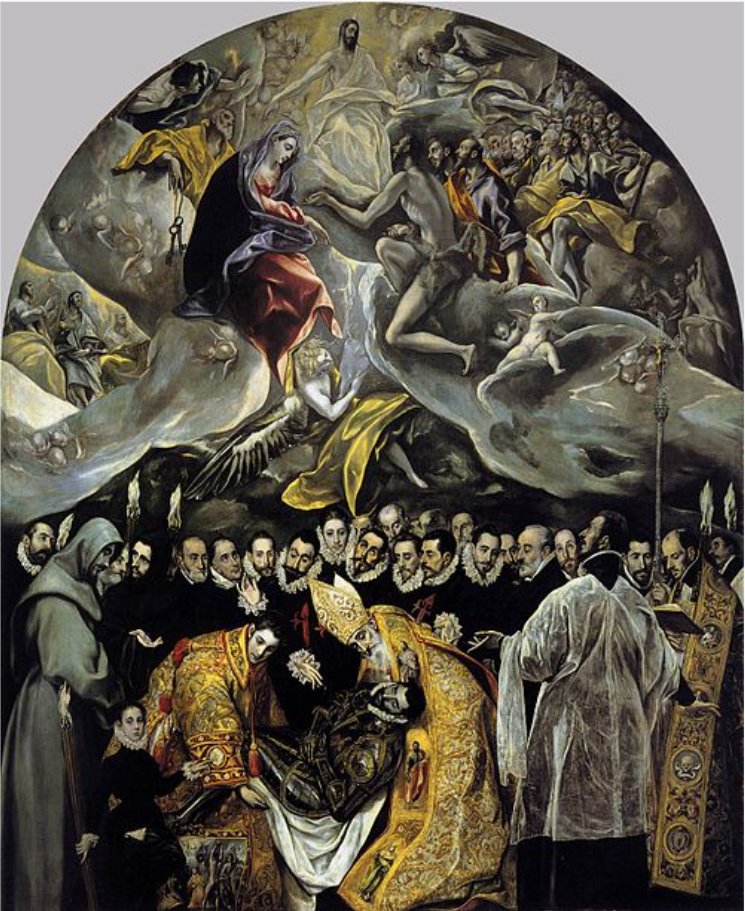
Artist: El Greco
Title: Burial of Count Orgaz
Date: 1586
Medium: Oil on canvas
Period: Mannerism
Location: Santo Tomé, Toledo
Significance: A good example of a work that fits the qualities of mannerism. He separates the scene into earth and heaven. There’s unnatural colors and elongated figures at the top. Creates elaborate drapery.
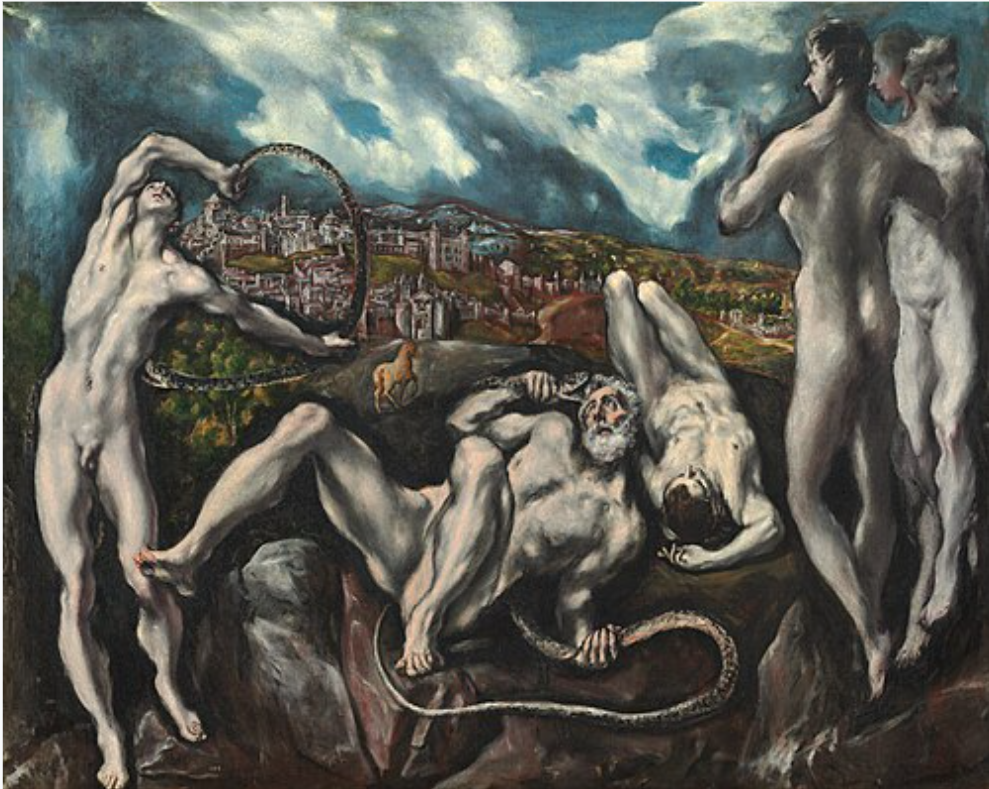
Artist: El Greco
Title: Laocoön
Date: c. 1610–1614
Medium: Oil on canvas
Period: Mannerism
Location: N/A
Significance: El Greco’s only major mythological painting. Shows his departure from classical ideals and his embrace of spiritual, emotional intensity. A bridge between Renaissance and modern expressionistic ideas.
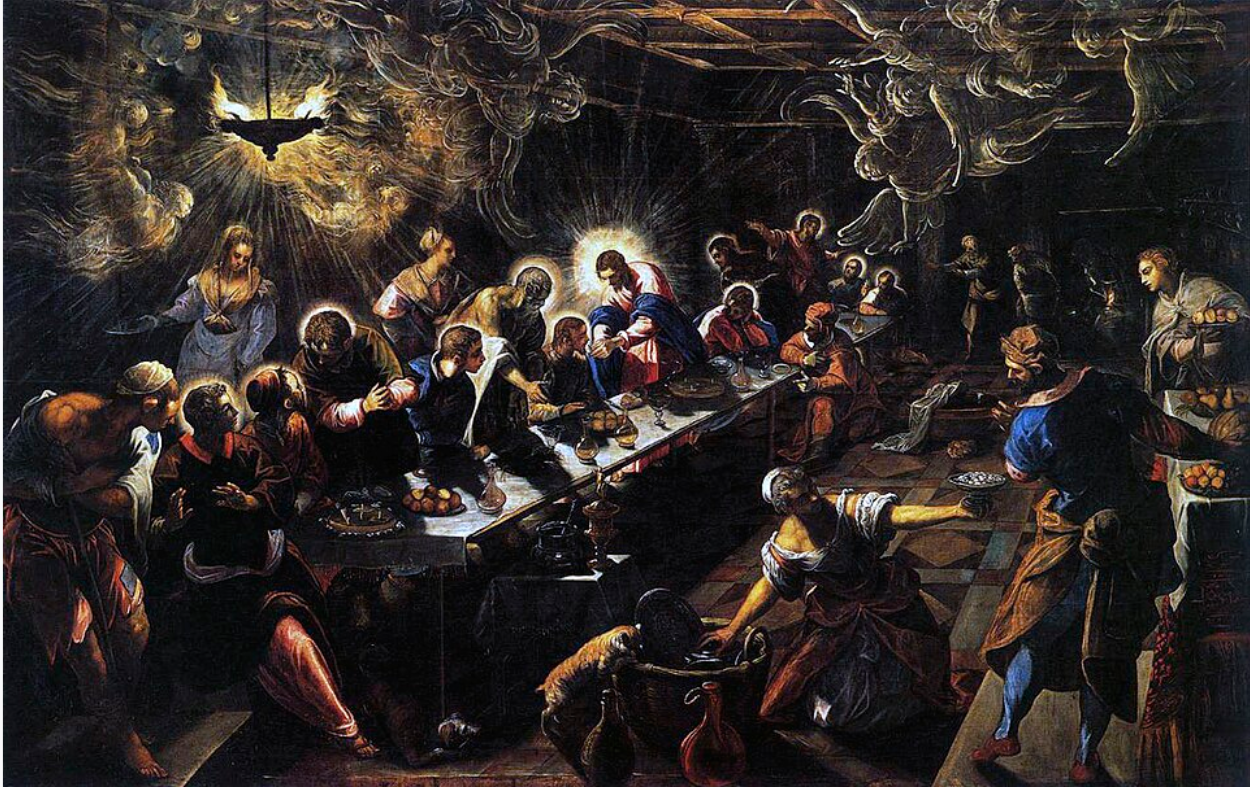
Artist: Tintoretto
Title: Last Supper
Date: 1592–1594
Medium: Oil on canvas
Period: Late Renaissance
Location: San Giorgio Maggiore, Venice
Significance: it transforms the traditional scene into a dramatic, supernatural vision using diagonals and intense lighting. The work reflects Counter-Reformation aims by creating emotional, awe-inspiring imagery that reinforces the sacred mystery of the Eucharist.
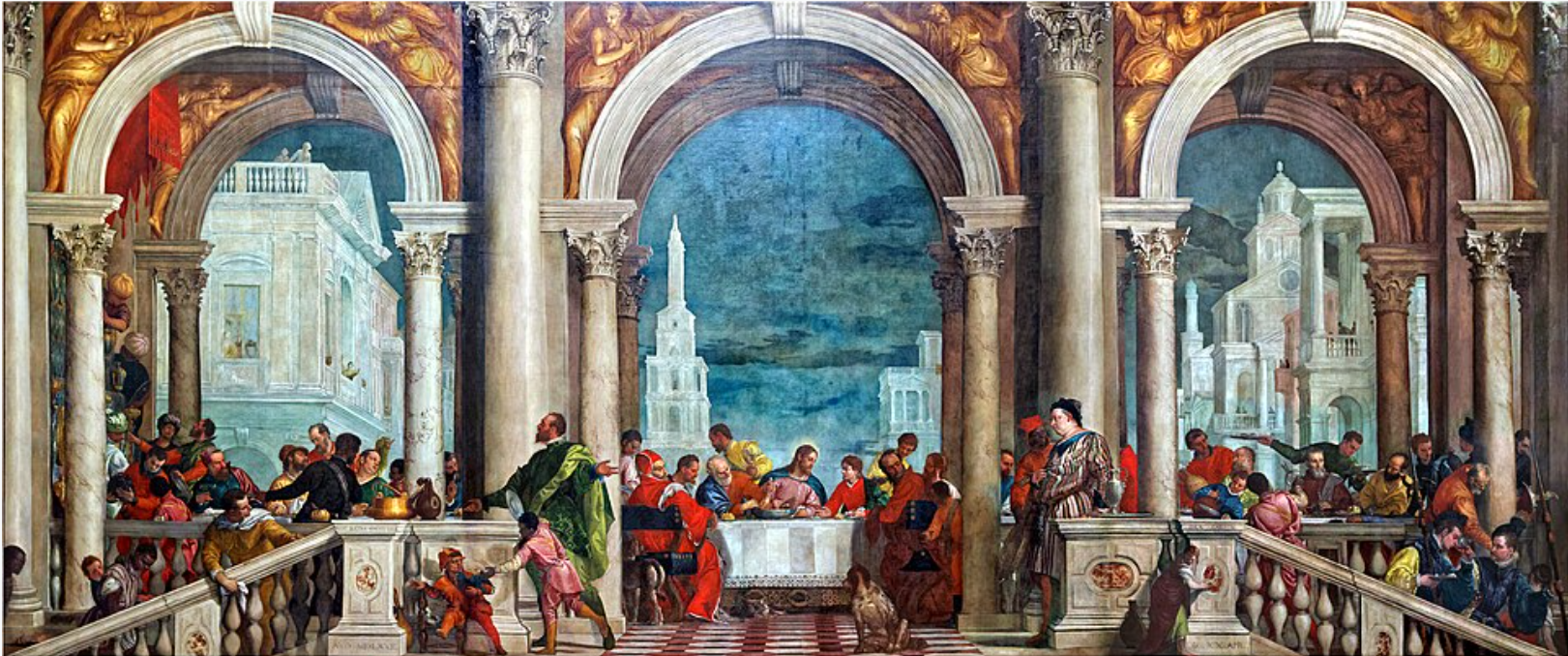
Artist: Paolo Veronese
Title: Feast in the House of Levi
Date: 1573
Medium: Oil on canvas
Period: Late Renaissance
Location: N/A
Significance: Criticism over the jesters and beer drinkers being depicted in a sacred painting. Counter-reformation, used as propaganda.
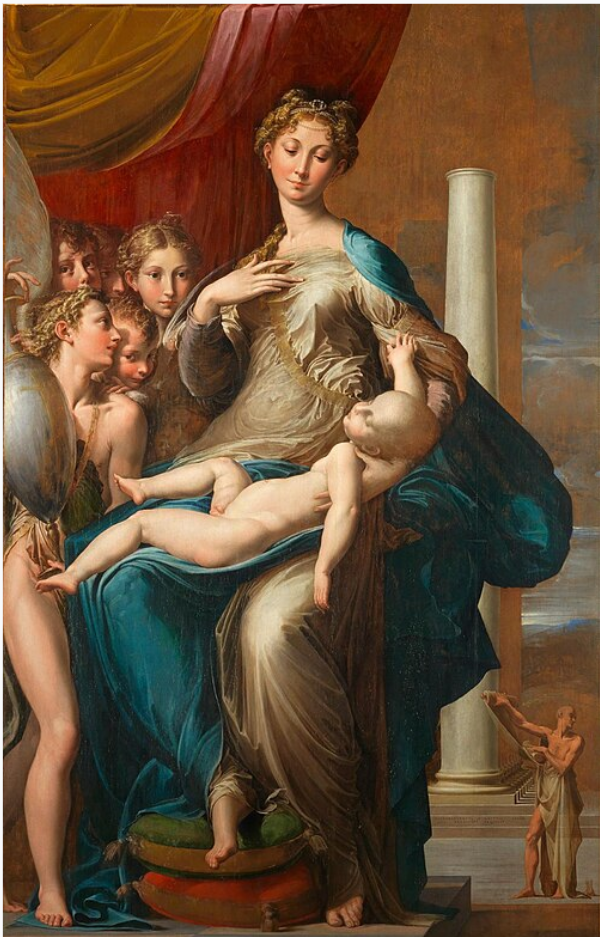
Artist: Parmigianino
Title: Madonna with the Long Neck
Date: 1534–1540
Medium: Oil on wood
Period: Mannerism
Location: N/A
Significance: defining example of Mannerism, a style that rejects the balanced naturalism of the High Renaissance. The elongated proportions—especially the Virgin’s neck, the oversized Christ child.
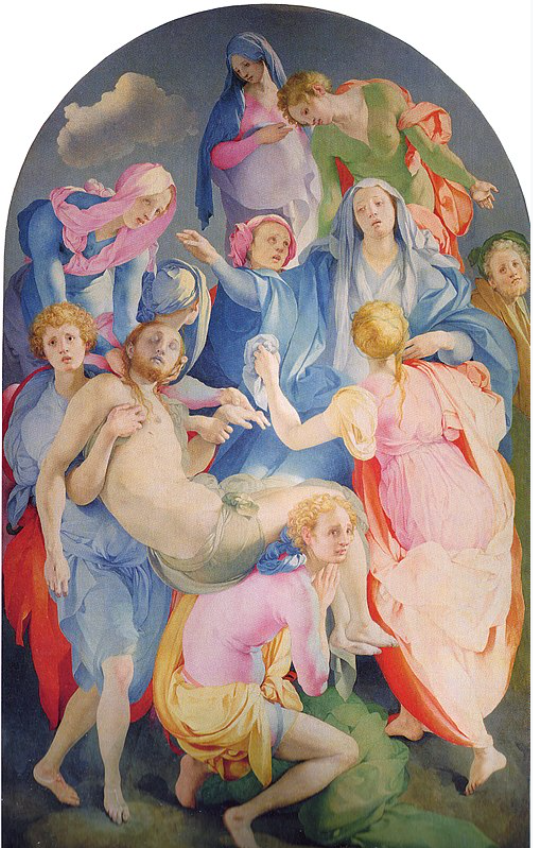
Artist: Jacopo da Pontormo
Title: Entombment of Christ
Date: 1525–1528
Medium: Tempera on wood
Period: Mannerism (exaggeration of traditional renaissance work: vibrance, unnatural positions)
Location: Capponi Chapel, Santa Felicità, Florence
Significance: Entombment with no cross and a lack of identifiable figures. The colors and movements are exaggerated and the figures elongated. Missing identifiers.
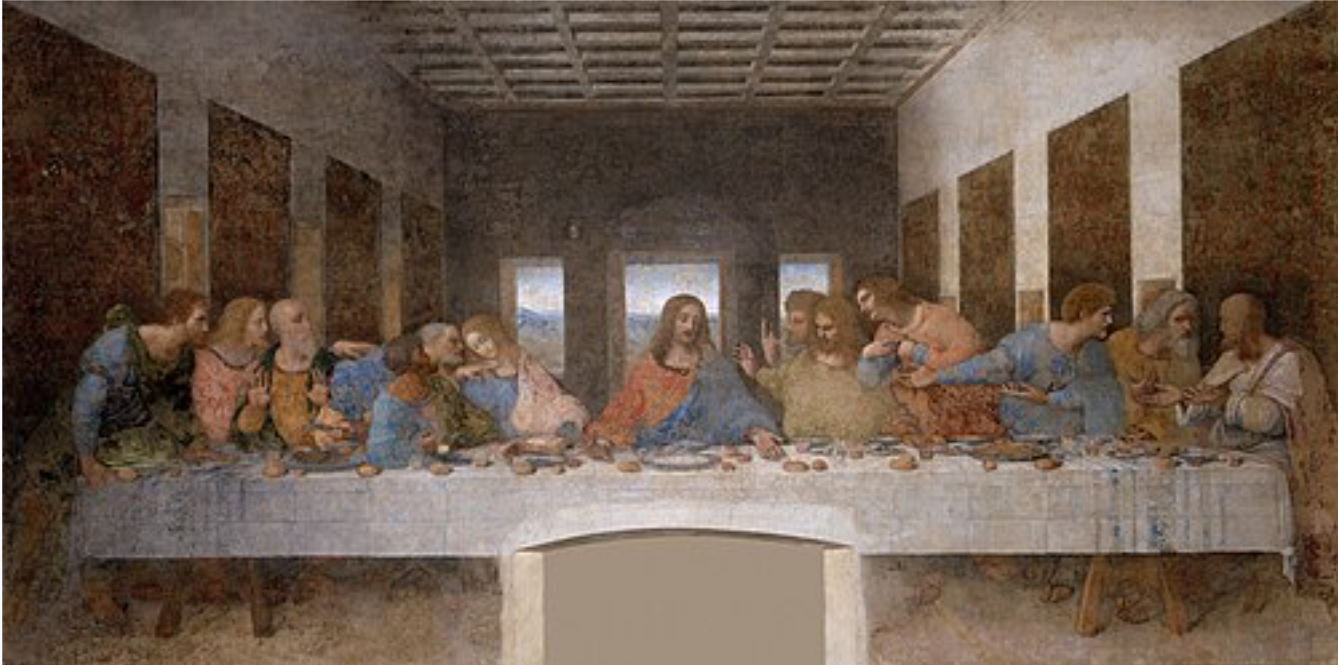
Artist: Leonardo da Vinci
Title: Last Supper
Date: 1495–1498
Medium: Tempera and oil on dry plaster
Period: High Renaissance
Location: Santa Maria delle Grazie, Milan
Significance: Shows elements of the high renaissance: one point linear perspective, experimenting with medium, grouping the disciples, emotive and action.
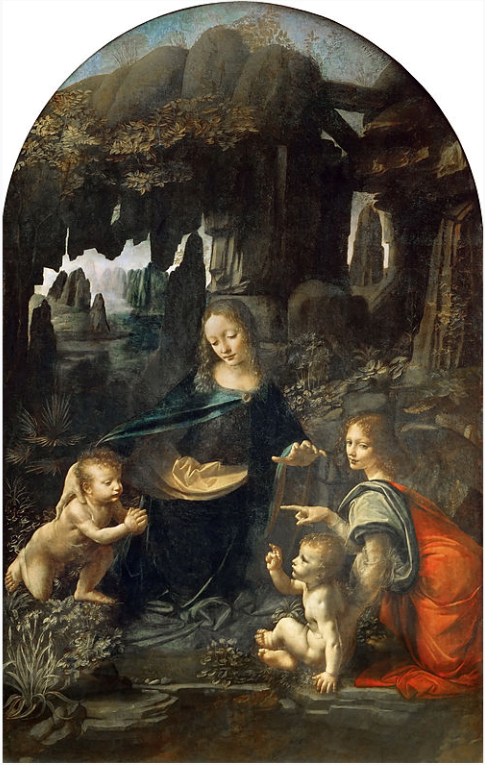
Artist: Leonardo da Vinci
Title: Virgin of the Rocks
Date: 1483–1486 (Louvre version)
Medium: Oil on panel
Period: High Renaissance
Location: N/A
Significance: innovative use of chiaroscuro, atmospheric perspective, and sfumato, which helped establish the naturalistic style of the High Renaissance.
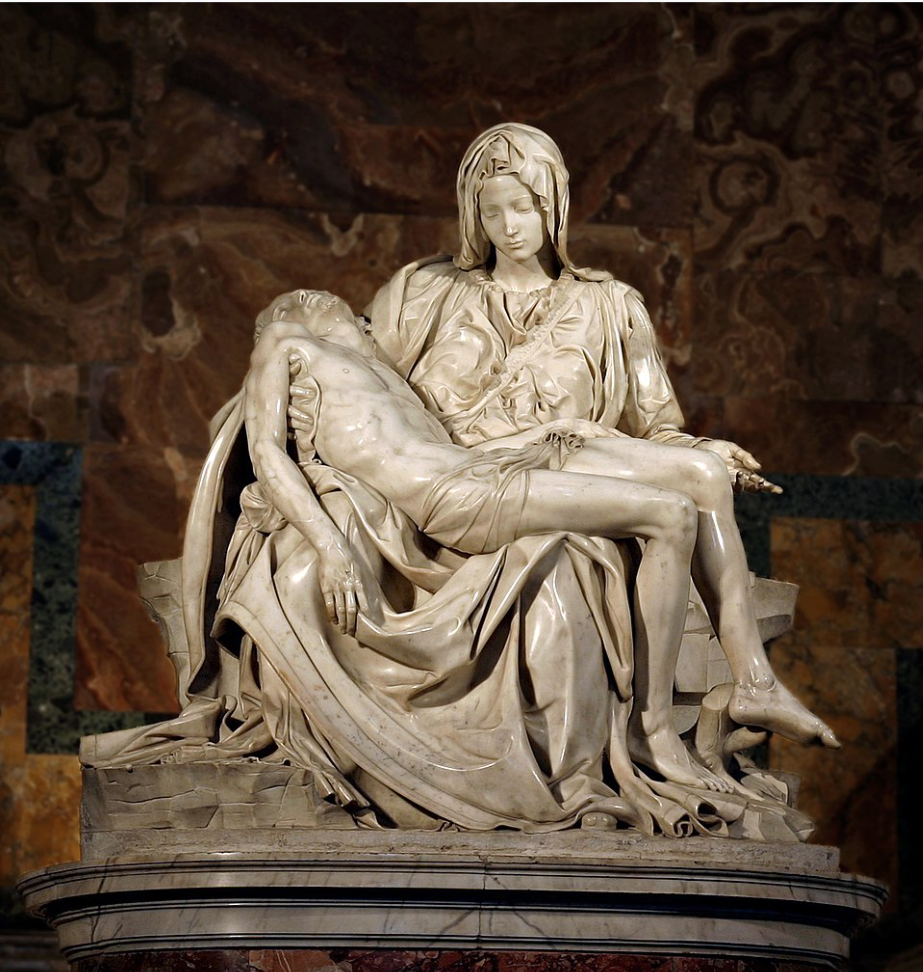
Artist: Michelangelo
Title: Pietà
Date: 1498–1500
Medium: Marble
Period: High Renaissance
Location: St. Peter’s Basilica, Vatican
Significance: shows Mary grieving over Christ with a calm, tender expression that emphasizes spiritual acceptance rather than dramatic sorrow, reflecting Renaissance ideals of harmony and divine perfection.
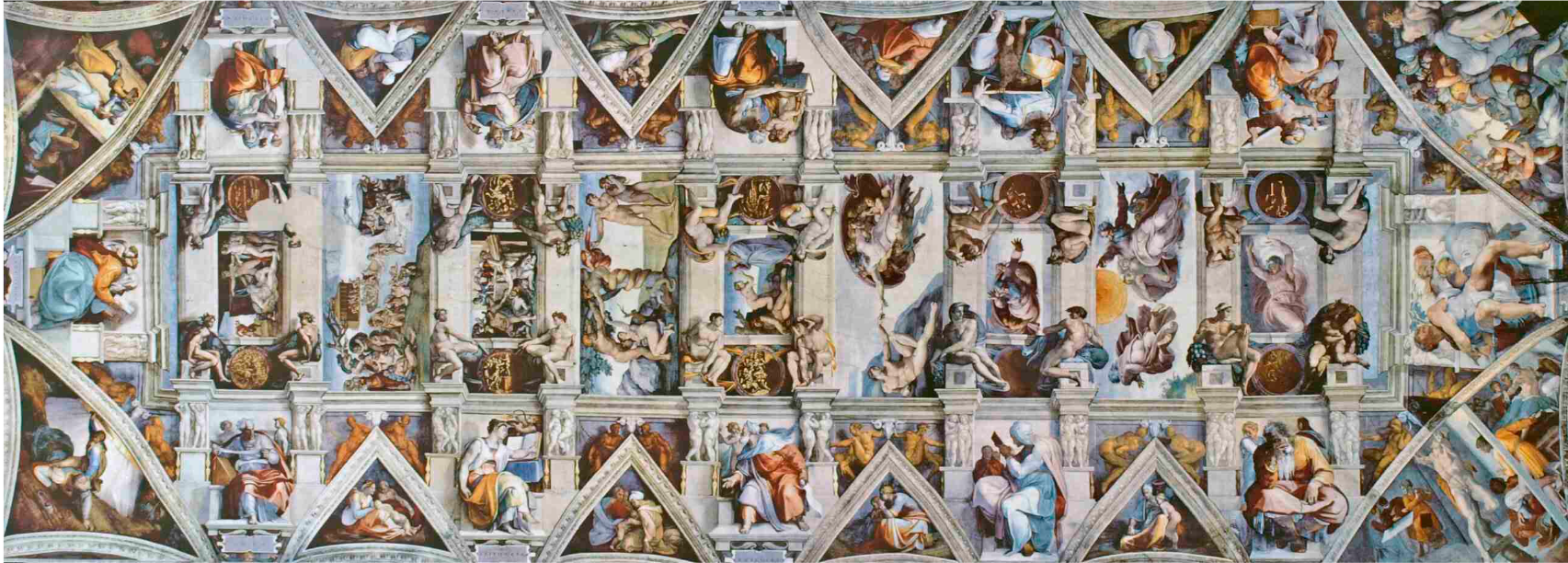
Artist: Michelangelo
Title: Sistine Ceiling
Date: 1508–1512
Medium: Fresco
Period: High Renaissance
Location: Sistine Chapel, Vatican
Significance: complex theological narrative depicting humanity's spiritual journey from creation to fall and promise of salvation
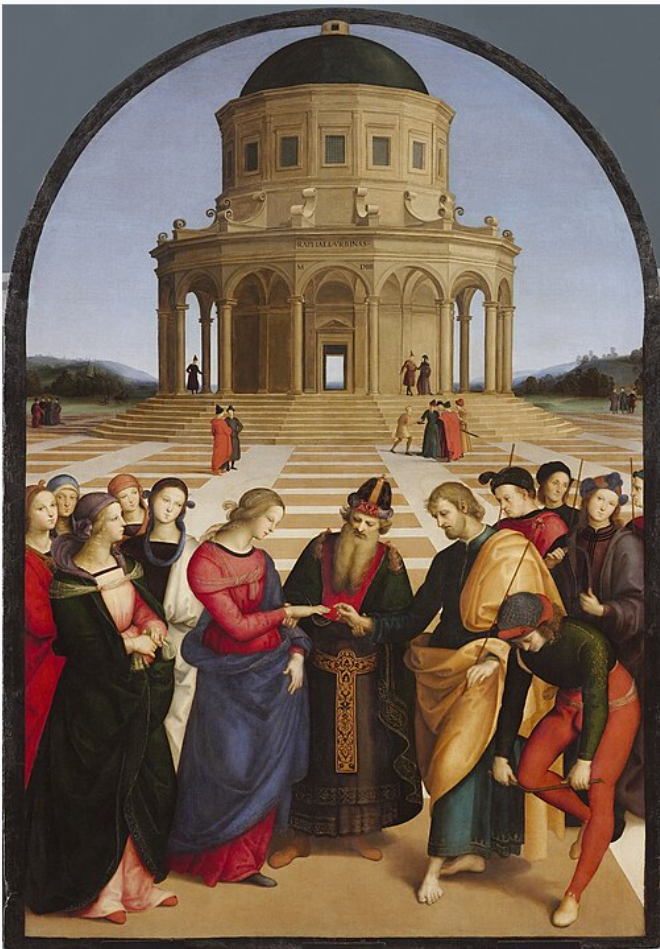
Artist: Raphael
Title: Marriage of the Virgin
Date: 1504
Medium: Oil on panel
Period: High Renaissance
Location: N/A
Significance: create calm, idealized figures within a mathematically ordered space.
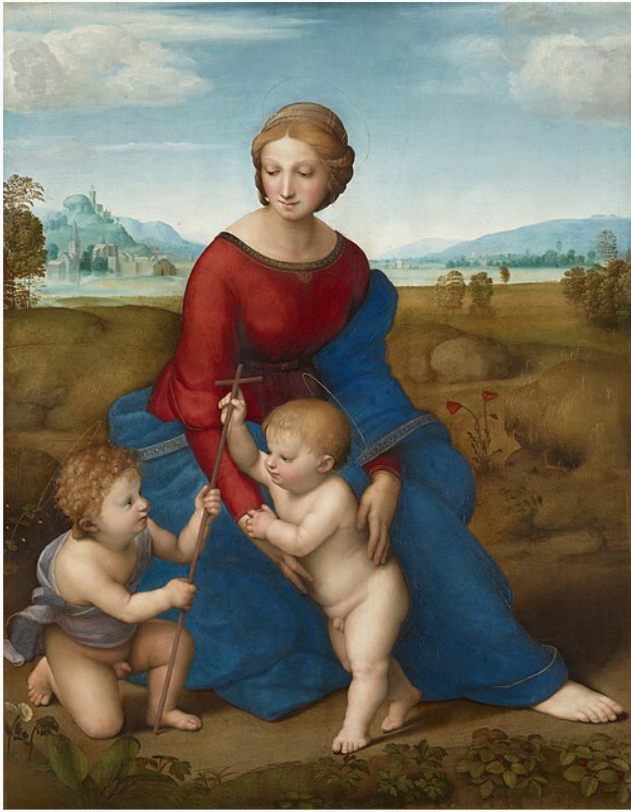
Artist: Raphael
Title: Madonna of the Meadow
Date: 1506
Medium: Oil on panel
Period: High Renaissance
Location: N/A
Significance: The triangular arrangement of Mary, Christ, and John the Baptist creates a sense of serenity and order
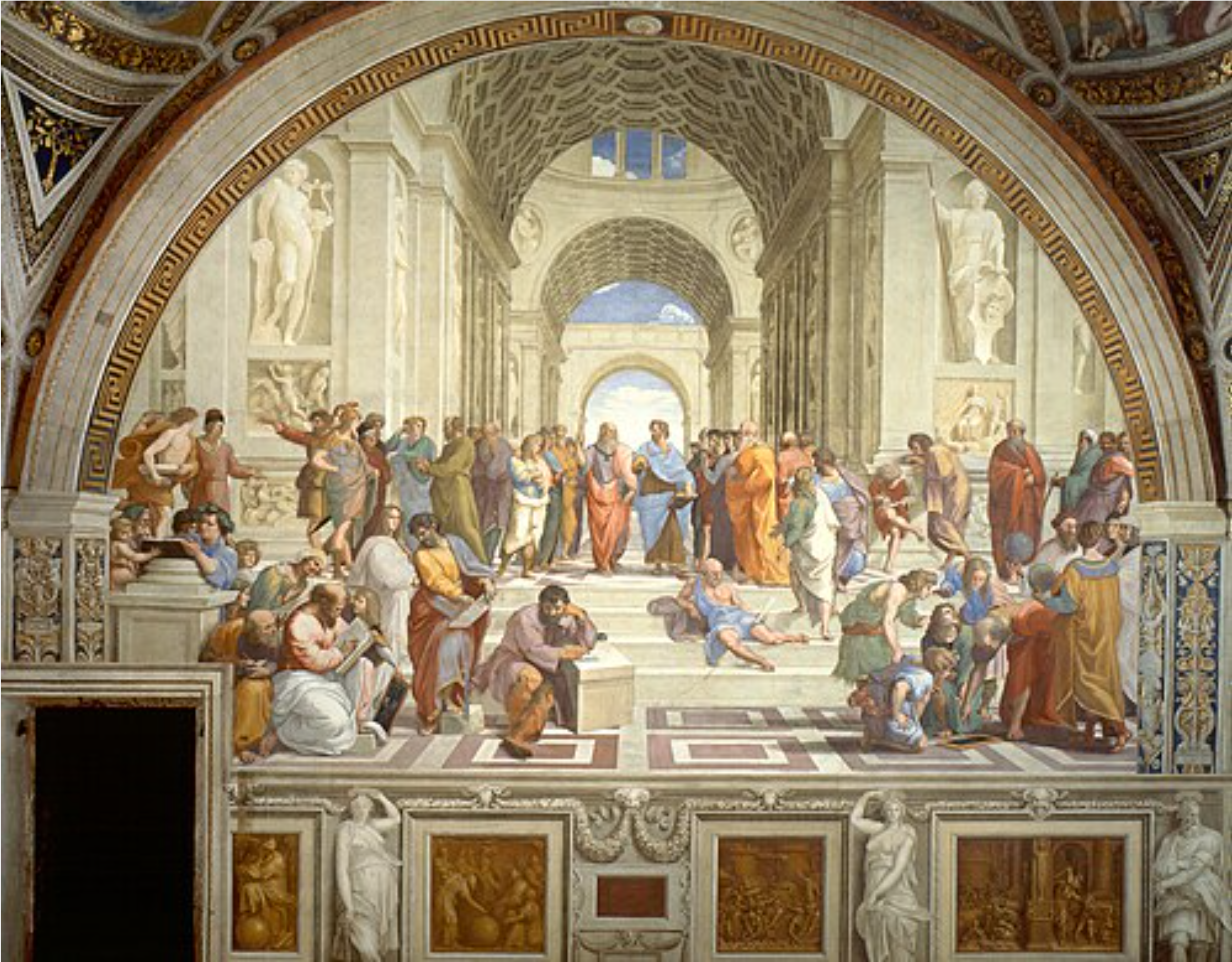
Artist: Raphael
Title: School of Athens
Date: 1509–1511
Medium: Fresco
Period: High Renaissance
Location: Stanza della Segnatura, Vatican
Significance: the ultimate visual statement of High Renaissance humanism, celebrating classical philosophy, knowledge, and the intellectual spirit of the era
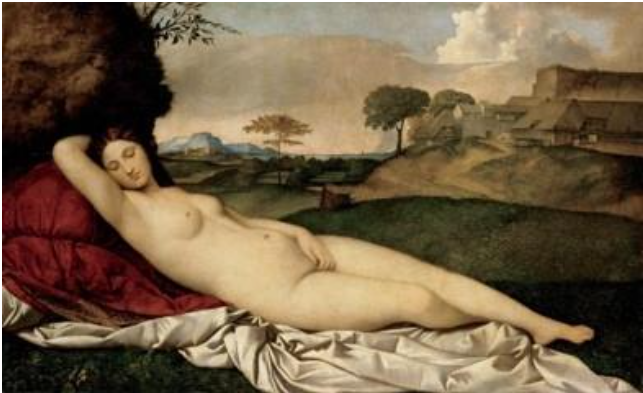
Artist: Giorgione
Title: Sleeping Venus
Date: 1510
Medium: Oil on canvas
Period: High Venetian Renaissance
Location: N/A
Significance: first reclining nude in Western painting, establishing a Venetian tradition. The serene pose, soft modeling, and sensual yet idealized body embody Venetian Renaissance interests in beauty, nature, and poetic mood.
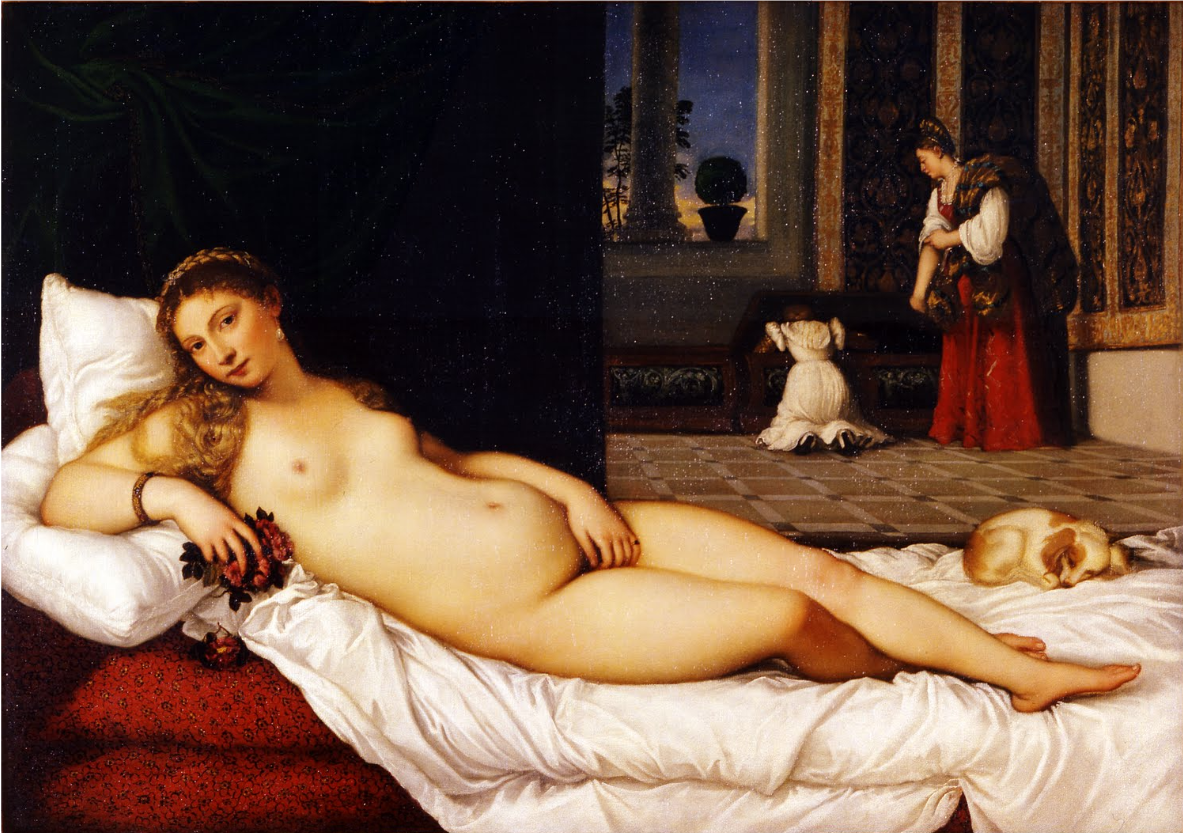
Artist: Titian
Title: Venus of Urbino
Date: 1538
Medium: Oil on canvas
Period: Venetian Renaissance
Location: N/A
Significance: Venus directly engages the viewer with a confident, erotic gaze, marking a shift toward a more personal and secular expression of female beauty.
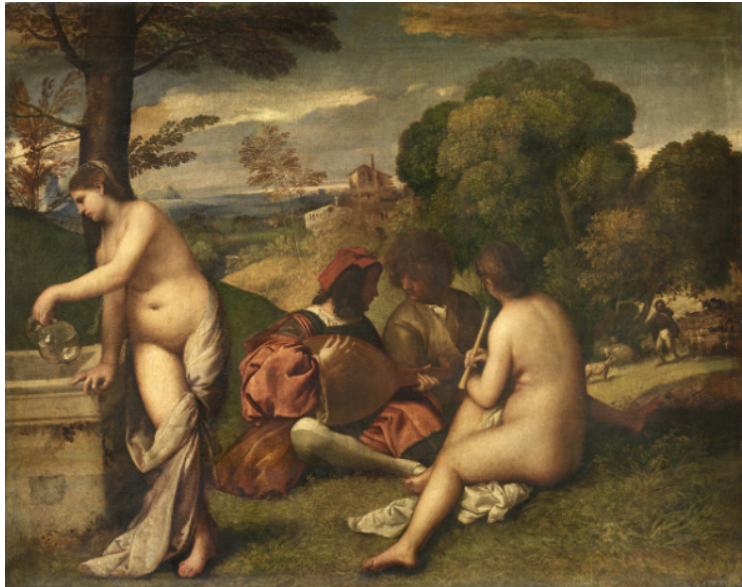
Artist: Titian
Title: Pastoral Concert
Date: 1509
Medium: Oil on canvas
Period: High Venetian Renaissance
Location: N/A
Significance: showcases Venetian mastery of color, light, and atmosphere, marking a move away from strict narrative toward evocative, mood-driven imagery.
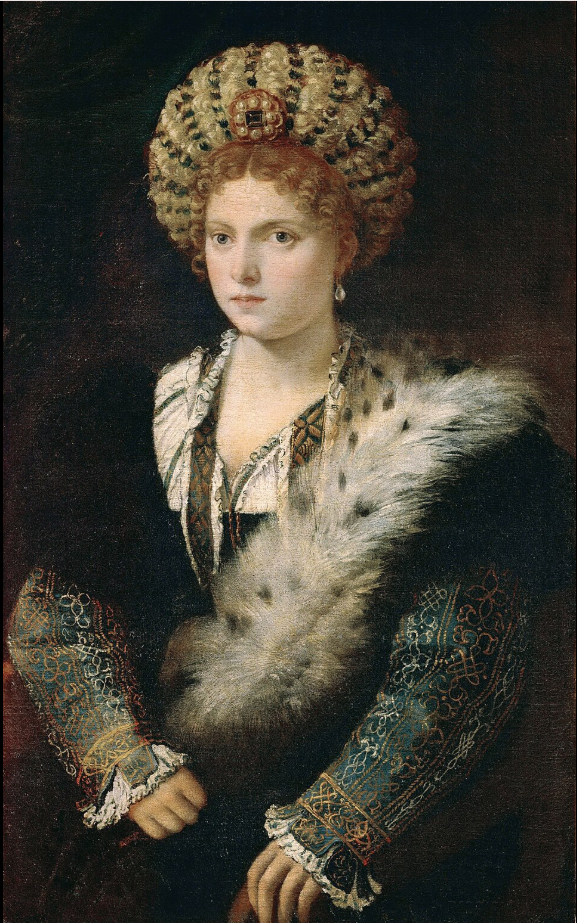
Artist: Titian
Title: Portrait of Isabella d’Este
Date: c. 1534–1536
Medium: Oil on canvas
Period: Venetian Renaissance
Location: N/A
Significance: Shows how portraits are used to convey personal identity and social power.
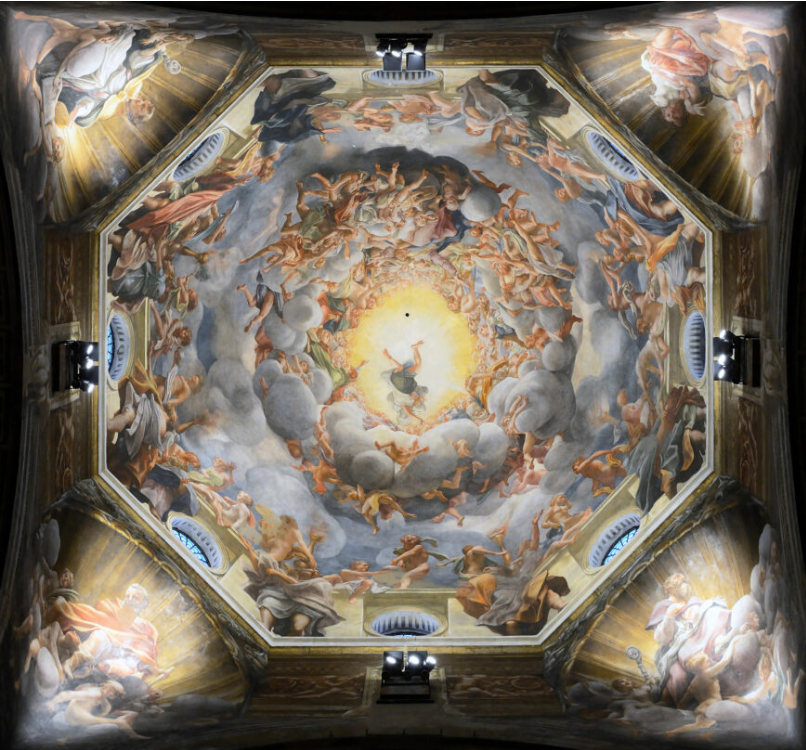
Artist: Correggio
Title: Assumption of the Virgin
Date: 1526–1530
Medium: Fresco
Period: High Renaissance
Location: Parma Cathedral, Parma
Significance: Using extreme foreshortening, dynamic figures, and swirling motion, Correggio creates the illusion that Mary is ascending into the heavens above the viewer.
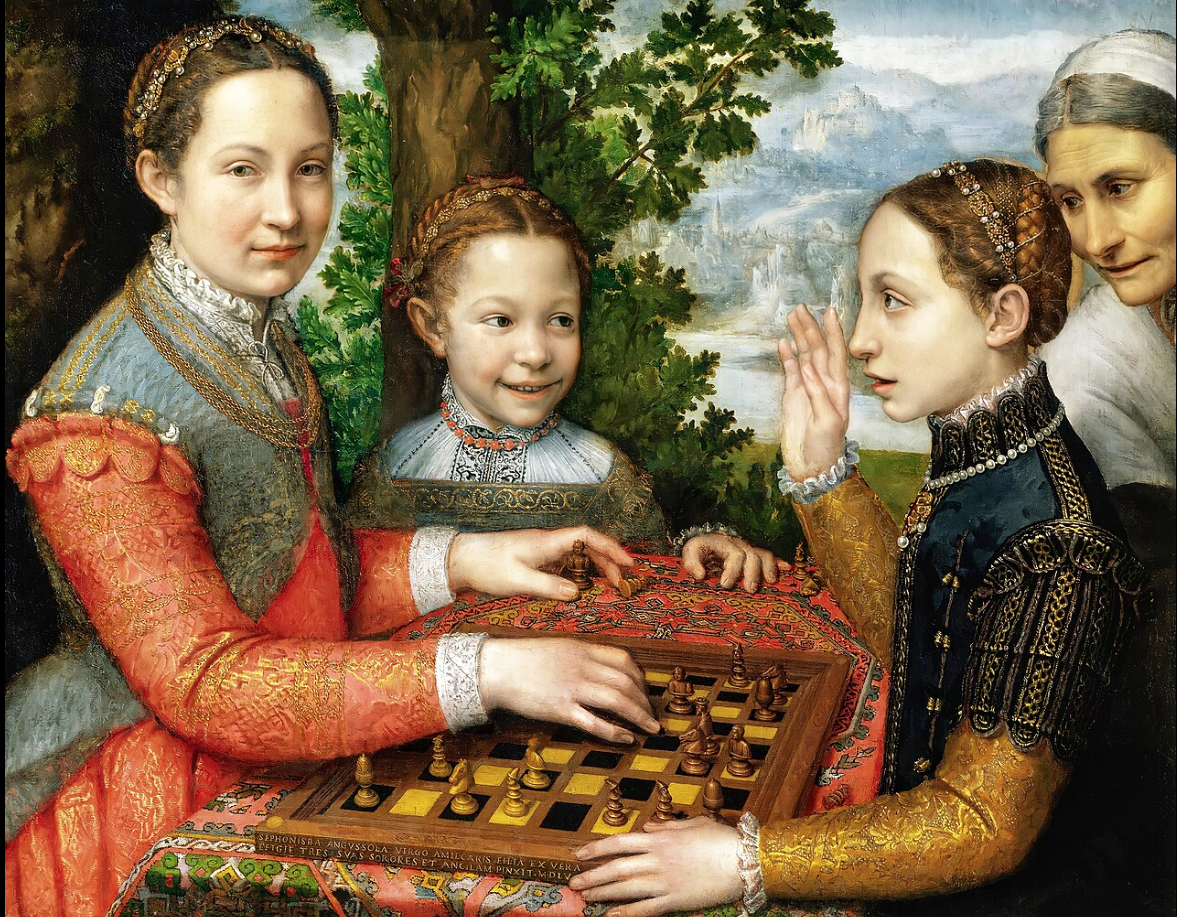
Artist: Sofonisba Anguissola
Title: The Chess Game
Date: 1555
Medium: Oil on canvas
Period: Late Renaissance
Location: N/A
Significance: contributed to the broader acceptance of women artists in Renaissance Europe, showing that portraiture could combine personal intimacy with sophisticated artistry.
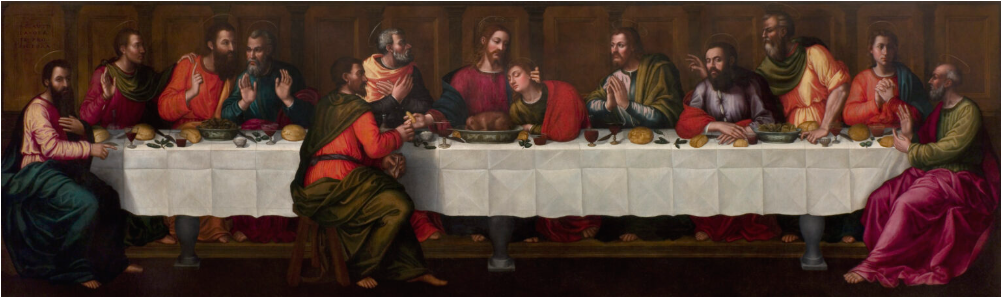
Artist: Plautilla Nelli
Title: Last Supper
Date: 1560s
Medium: Oil on canvas
Period: Late Renaissance
Location: N/A
Significance: Nelli reinterprets the traditional scene with clear, expressive gestures and a focus on devotional clarity, reflecting her deep religious commitment as a Dominican nun.
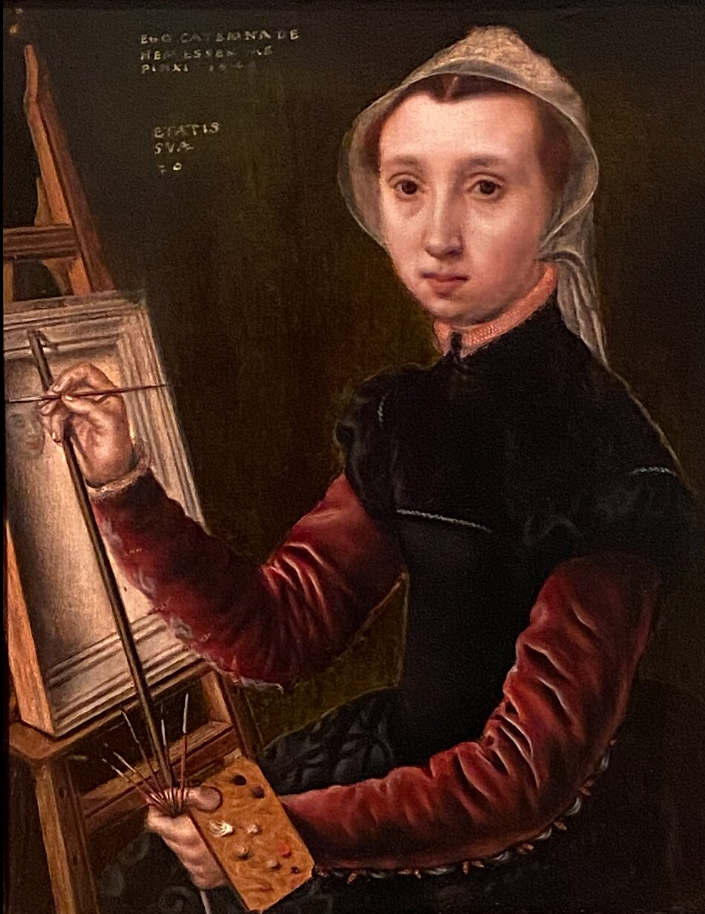
Artist: Caterina van Hemessen
Title: Self-Portrait
Date: 1548
Medium: Oil on panel
Period: Northern Renaissance
Location: N/A
Significance: one of the earliest known self-portraits by a female artist in the Northern Renaissance, asserting her identity and professional skill
 Note
Note  Flashcards (43)