ENG102 English Composition II Elements of Fiction
 Studied by 0 people
 Call Kai
 Learn
Learn Practice Test
 Spaced Repetition
 Match
Match Flashcards
 Knowt Play
1/24

There's no tags or description
Looks like no tags are added yet.
Name | Mastery | Learn | Test | Matching | Spaced | Call with Kai |
|---|
No analytics yet
Send a link to your students to track their progress
25 Terms
short story
a brief piece of fiction that usually focuses on a single incident and develops a limited number of characters
epiphany
a moment of illumination in which something hidden or notunderstood becomes immediately clear

plot
the action that takes place in a literary work
conflict
the struggle between opposing forces that emerges as the action develops
protagonist
a story's principal character

antagonist
someone or something presented in opposition to theprotagonist
climax
the point of greatest tension or importance in a story

resolution
draws the action to a close and accounts for all remaining loose ends
foreshadowing
the introduction early in a story of comments,situations, events, characters, or objects that hint at things to come
character
a fictional representation of a person in a literary work
round character
a character who is well developed and closelyinvolved in and responsive to the action
flat character
a character who is barely developed or is astereotypical representation of a person
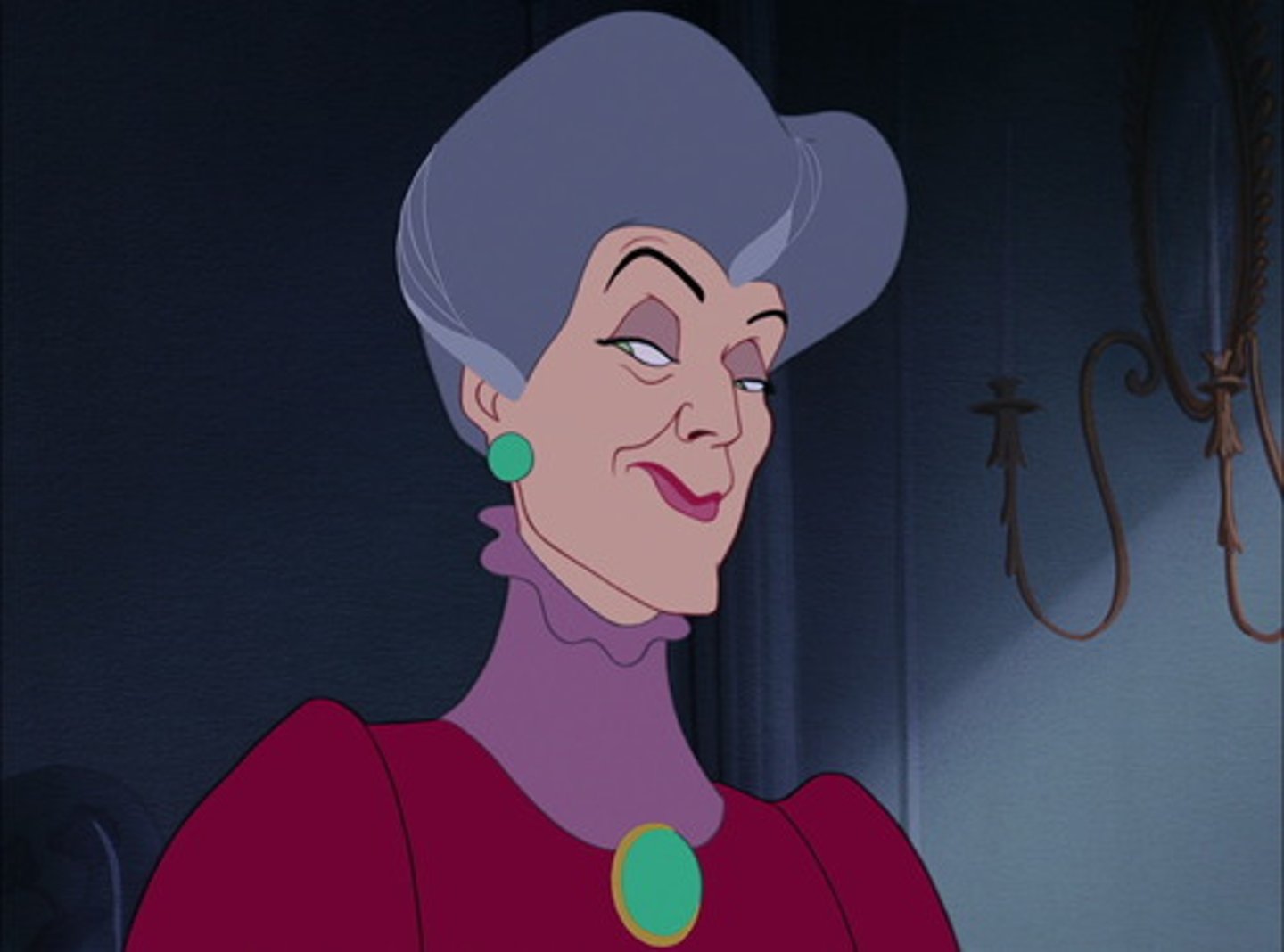
foil character
a supporting character whose role is to highlight amajor character by presenting a contrast with him or her
dynamic character
character who grows or changes in the course of astory
static character
character who remains unchanged despite exposure to the events of the story
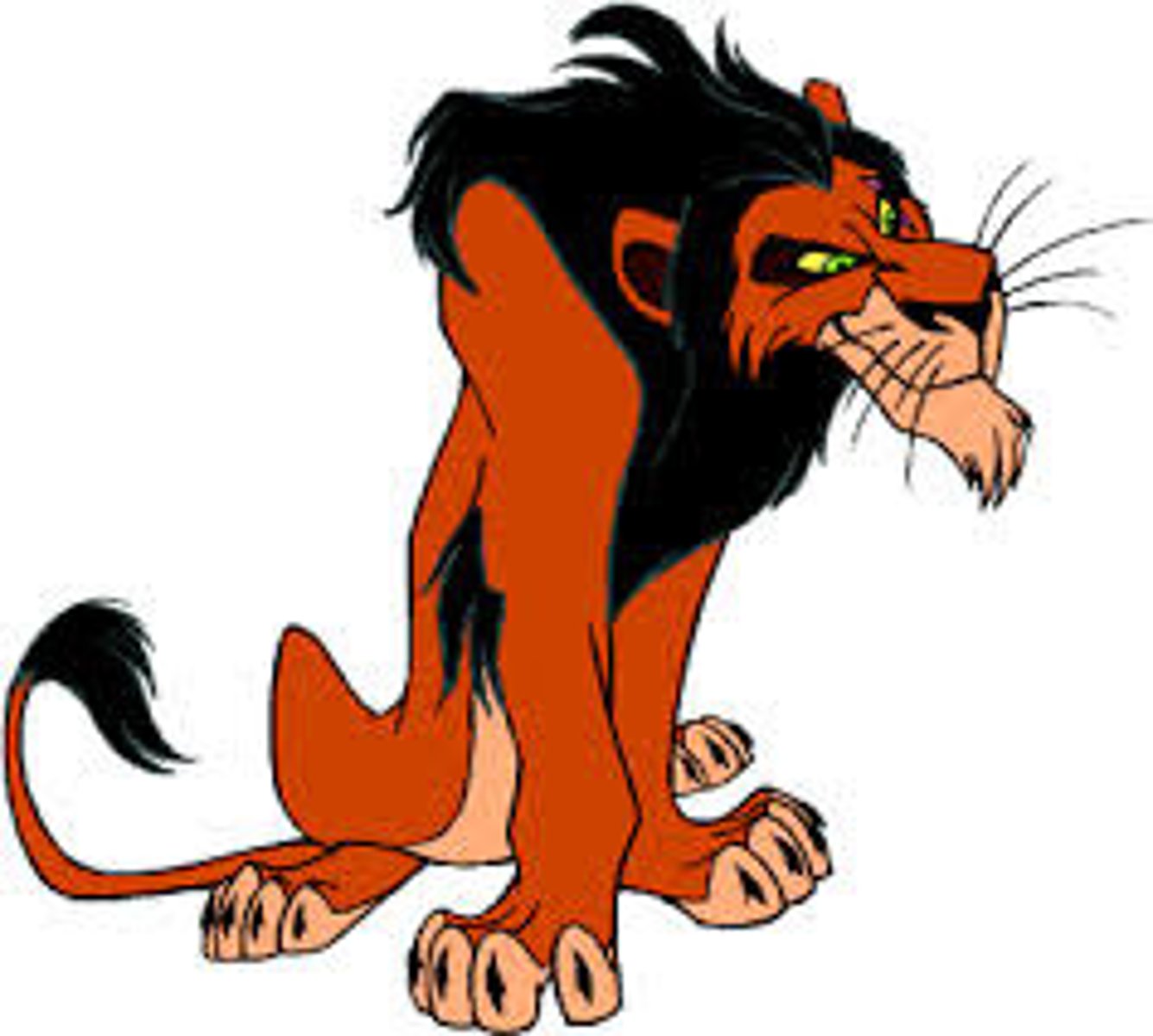
setting
establishes a fictional work's historical, geographical, andphysical context
point of view
the vantage point from which events in a story are presented
narrator
the person telling the story
first person narrator
a character is telling the story
third person narrator
someone outside of the work is telling the story
omniscient narrator
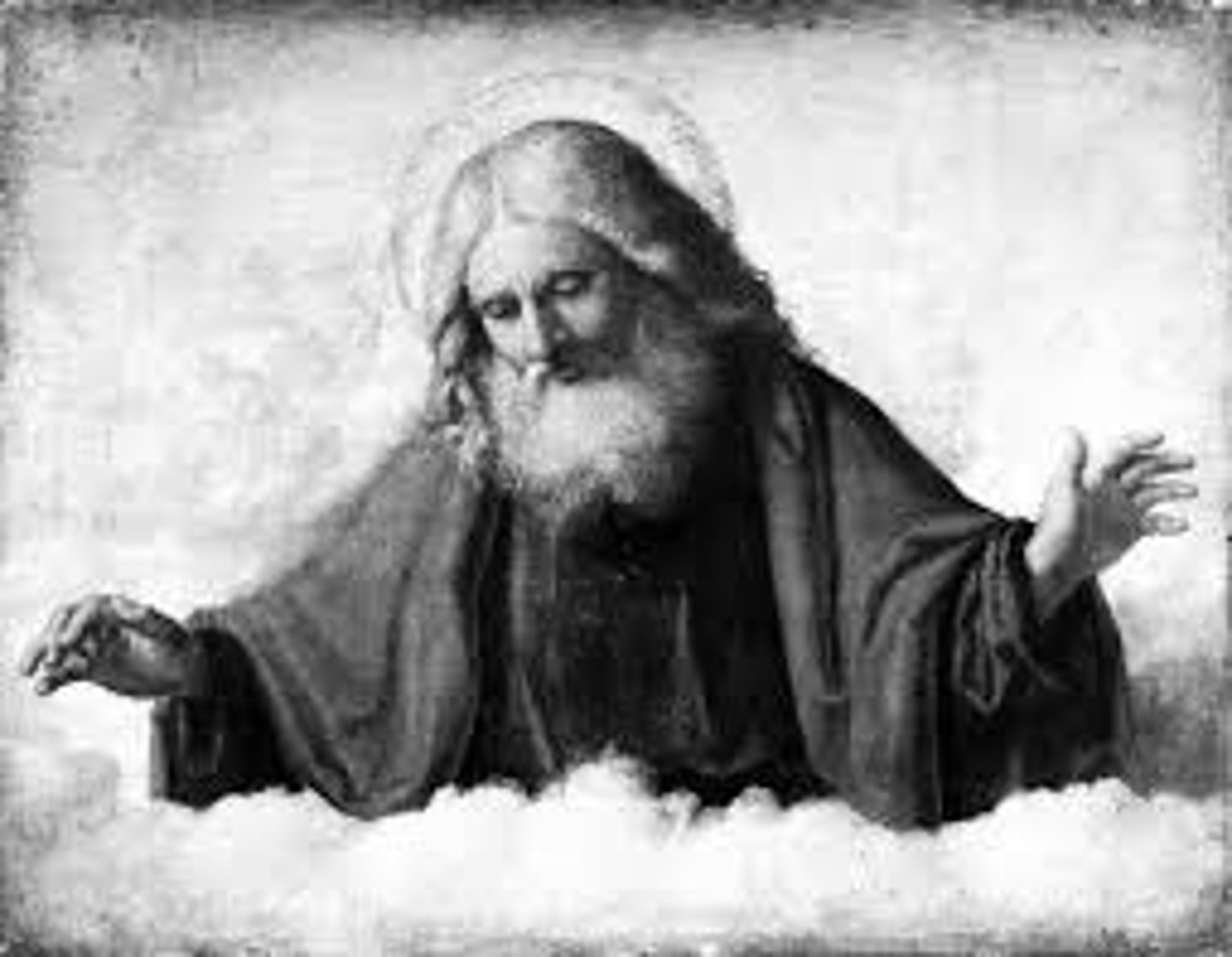
a third person narrator who is all-knowing (or can move from one character's mind to another
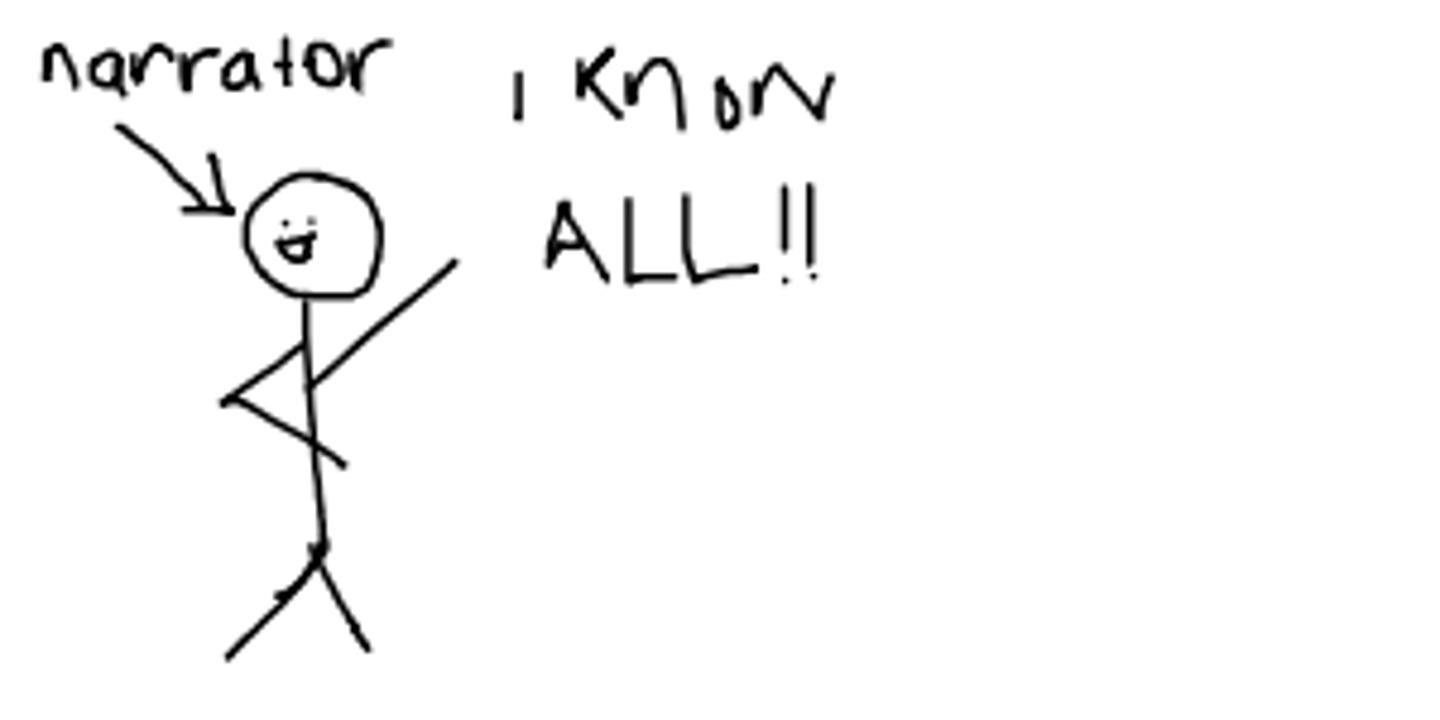
dramatic irony
occurs when a narrator (or character) sees less than readers do
situational irony

verbal irony
occurs when a narrator says one thing but actually means another
theme
the central or dominant idea in a fictional work
 Note
Note  Flashcards (43)