Earthquakes and Volcanoes Revision Guide
 Studied by 0 people
 Call with Kai
 Learn
Learn Practice Test
 Spaced Repetition
 Match
Match Flashcards
 Knowt Play
1/53

There's no tags or description
Looks like no tags are added yet.
Name | Mastery | Learn | Test | Matching | Spaced | Call with Kai |
|---|
No analytics yet
Send a link to your students to track their progress
54 Terms
Line of fire
in pacific ocean, 75% of volcanos lie on this line
Crust
oceanic and continental
Mantle
hot flowing rock (semi-liquid)
Outer core
hot liquid and creates the earth's magnetic field
Inner core
super hot ball of metal, hotter than surface of sun, has heat that causes movement in the mantle
Continental crust
thicker, less dense crust forming continents
Oceanic crust
thinner, denser crust beneath oceans
Asthenosphere
soft, flowing part of the upper mantle
Lithosphere
rust and rigid upper mantle
Conversion currents
heatdriven,circular movements of fluid
Heat transfer
movement of heat from the core to the mantle
Density
how heavy something is for its size
Rising magma
hot, less dense material moving upward
Sinking magma
cooler, denser material moving downward
Tectonic plates
large pieces of the lithosphere that move slowly
Plate boundary
where two tectonic plates meet
Constructive (Divergent)
moving apart
Destructive (Convergent)
colliding
Conservative (Transform)
sliding past
Subduction
one plate sinking beneath another
Friction
resistance that builds pressure
Pressure build
up-stress causing earthquakes
Magma chamber
underground storage of magma
Global distribution
pattern of where events occur worldwide
Plate margins
edges of tectonic plates
Pacific Ring of Fire
zone of frequent earthquakes and volcanoes
Hotspots
volcanic areas not at plate boundaries
Linear pattern
earthquakes/volcanoes forming lines along boundaries
Economic benefits
jobs, tourism, mining
Fertile soil
rich volcanic ash for farming
Geothermal energy
renewable heat energy from Earth
Risk perception
how people judge danger
Cultural attachment
emotional ties to place
Lack of alternatives
poverty or limited relocation options
Semeru case study
pyroclastic flows, ash clouds, lahars (volcanic mudflows), evacuation zones
Risk
probability of harm from a hazard
Vulnerability
how likely people are to be affected
Capacity
ability to cope and recover
Exposure
people or assets in hazard zones
Resilience
ability to recover quickly
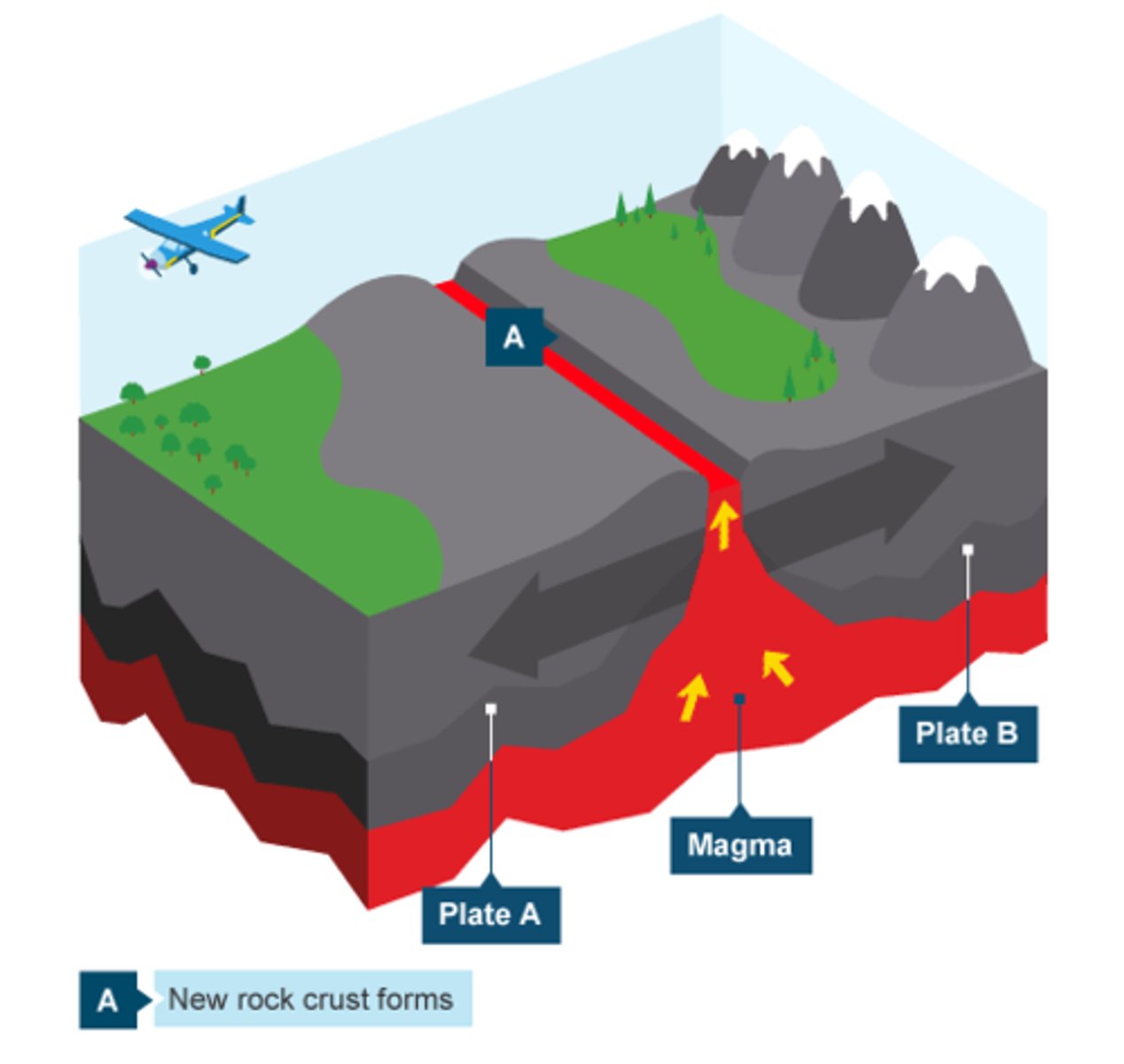
Constructive plate boundary
continential plates moving away from each other
Constructive landforms
Ocean ridge and volcanic islands
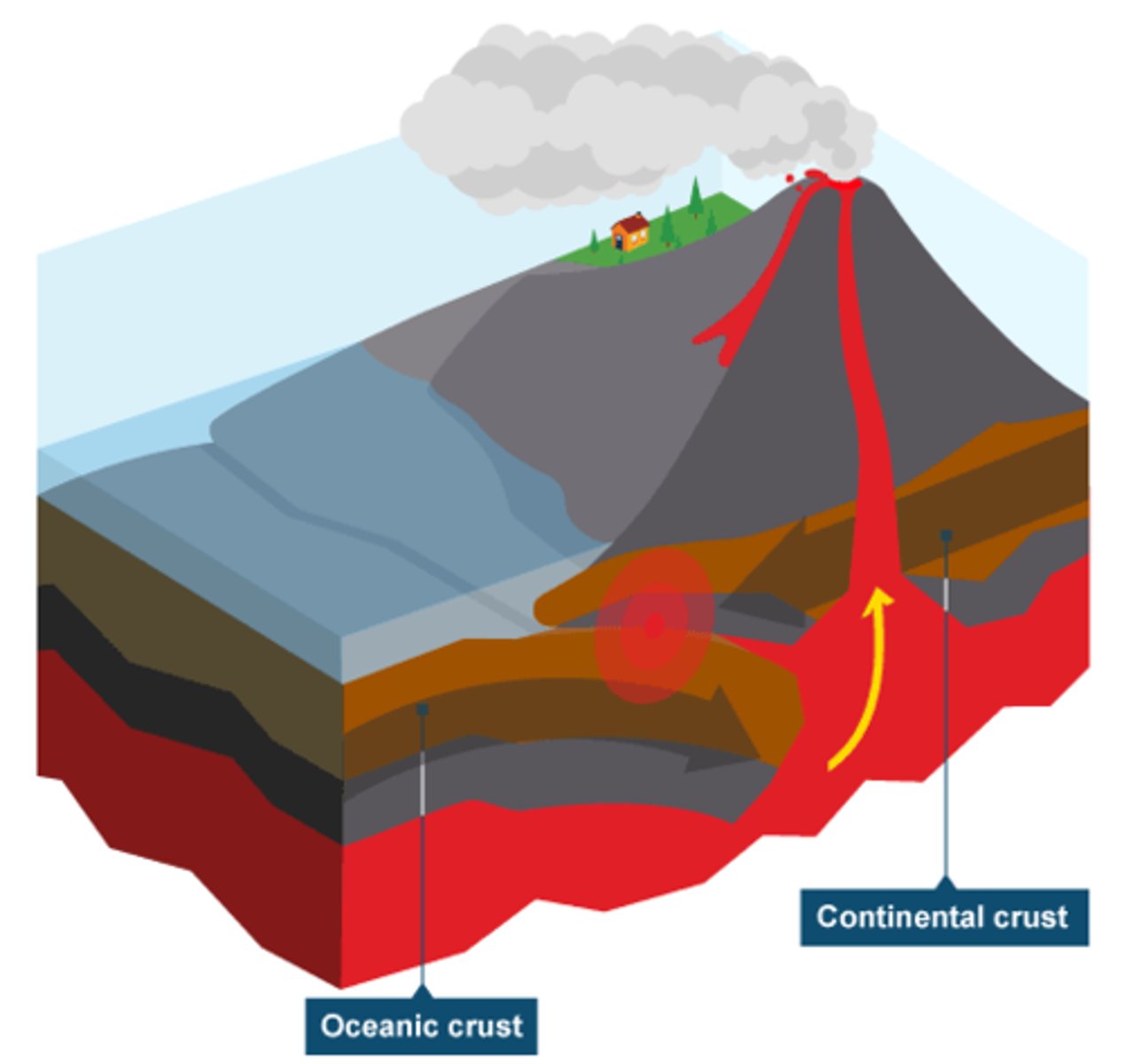
Destructive plate boundary
an oceanic plate is forced under a continental plate
Destructive landforms
Fold Mountains and Oceanic trenches
Destructive examples
Pacific Plate and the Eurasian Plate
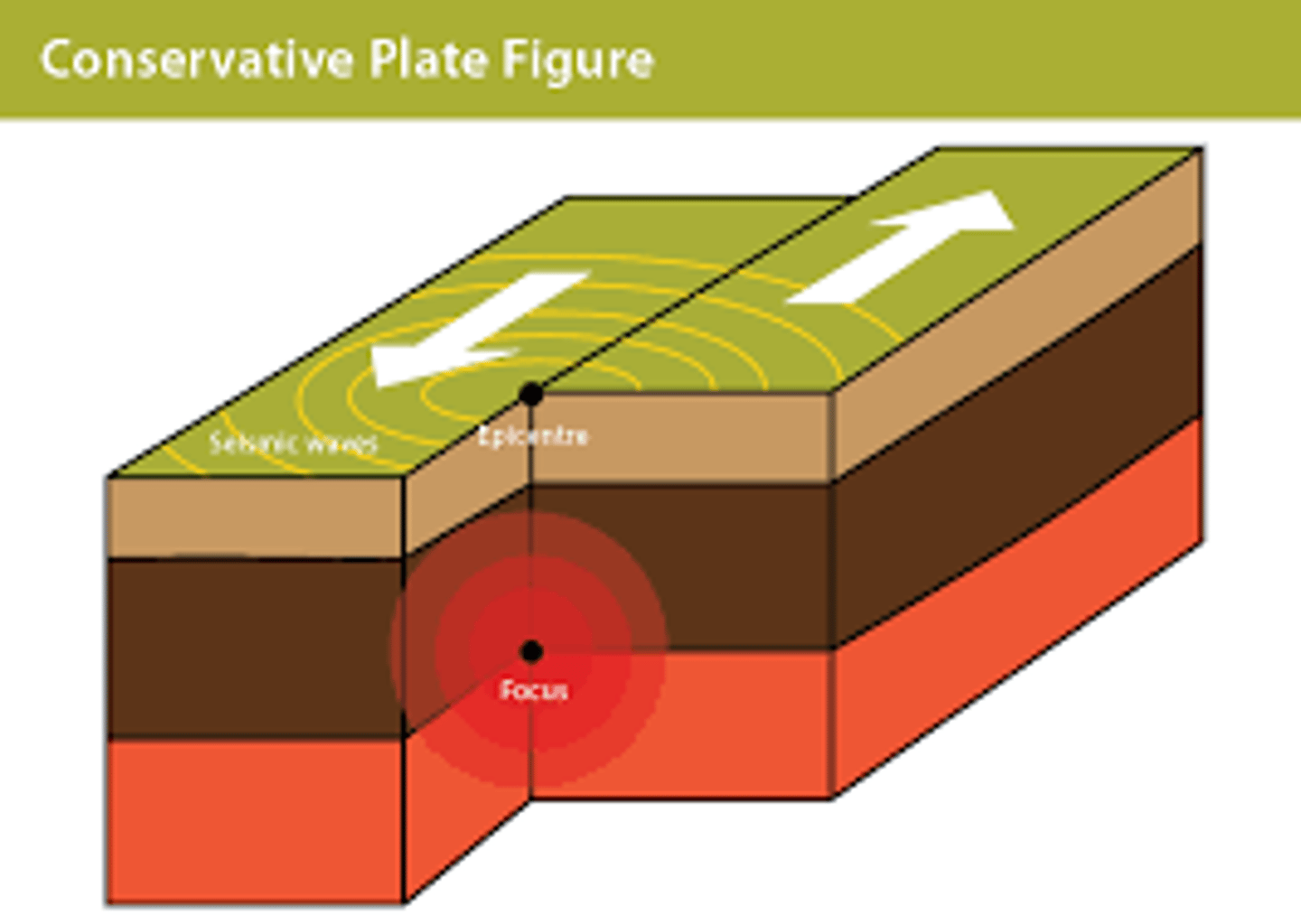
Conservative plate boundary
two plates slides past each other
Conservative example
North American Plate and the Pacific Plate
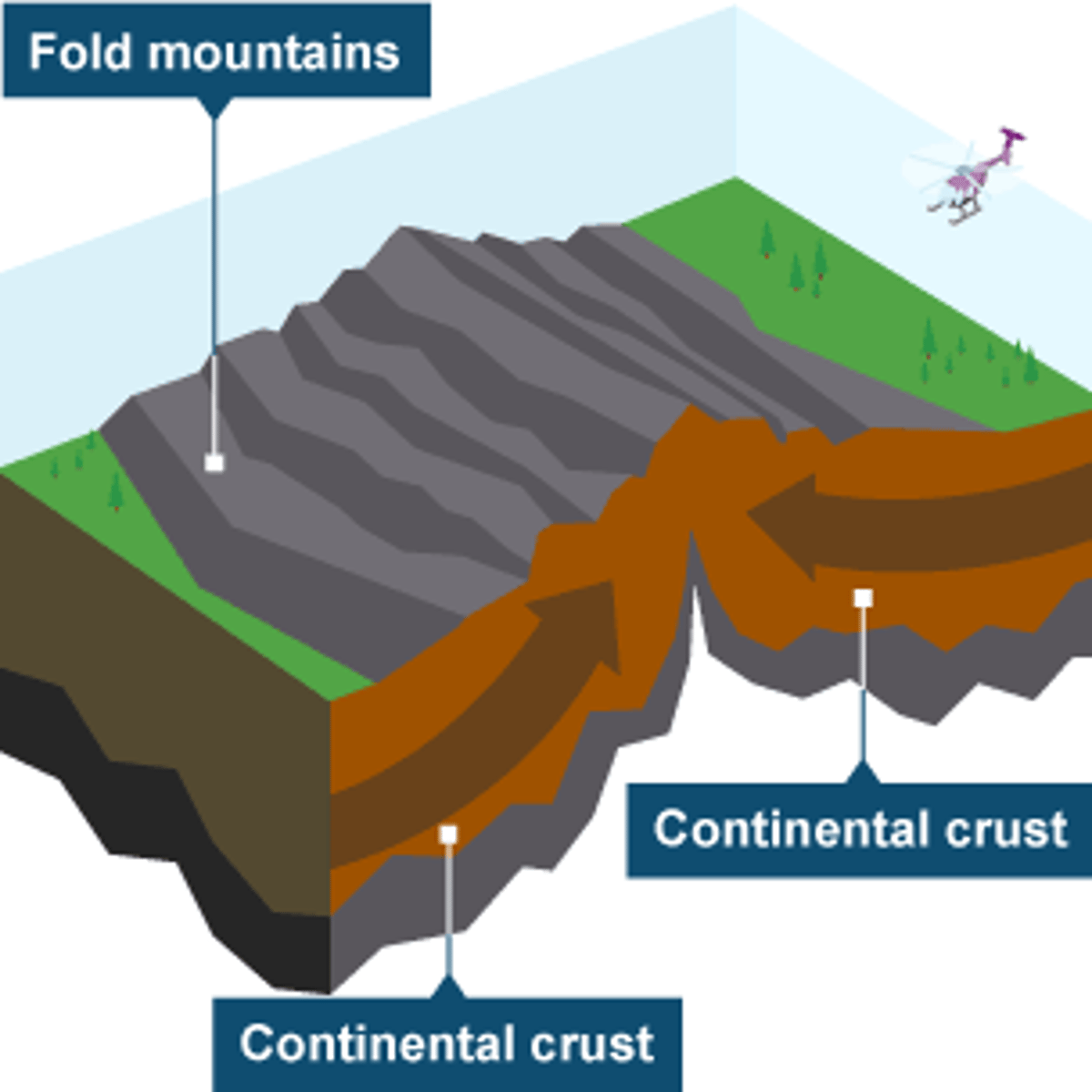
Collision plate boundary
two continental plates moving towards each other
Collision landforms
fold mountains
Collision examples
Australian and Eurasian plate
Constructive plate boundary
Destructive plate boundary
Conservative plate boundary
Collision plate boundary
 Note
Note  Flashcards (39)